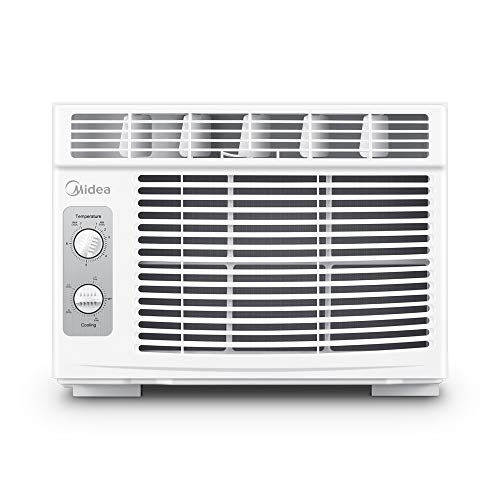
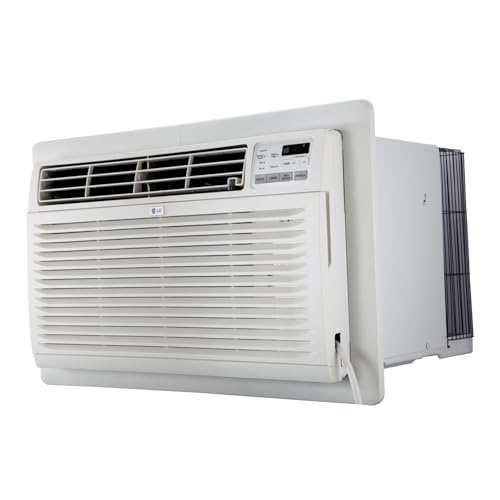
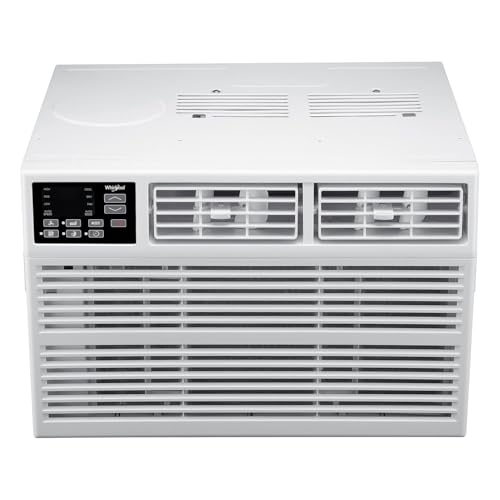
Our Top Picks
 BLACK+DECKER Portable Air Conditioner10,000 BTU (Without Heat)15.3 x 14 x 24.8 inches47.3 poundsCheck on Amazon


What's inside
- Night noise: steadiness matters more than a single figure
- Sizing for a closed door and a sleeping human
- Sleep mode, dimming displays, and controls that disappear
- Keeping the airstream off the bed
- Window units examined only for sleeping rooms
- Split systems when silence outranks simplicity
- Small portables and the honest limits of mobility
- Timers, dawn, and the problem of waking up cold
- Humidity, filters, and air that feels right at 2 a.m.
- Archetype one: the small quiet window unit for a light sleeper
- Archetype two: the wall split for the household that has tried everything
- Archetype three: the compact portable for the room with no other option
- Archetype four: the dim and gentle unit for two different sleepers
- Placement, curtains, doors, and the room as a system
- Installation day decisions that echo for years
- Children, guests, shift work, and other real bedrooms
- A calm checklist to walk through before choosing
- What the first week of nights will teach you
- Sound masking, silence, and the psychology of a sleeping room
- Energy habits that follow from sleeping cool
- When the room is also a nursery, office, or sickroom
- Reading a manual like a sleep researcher
- Travel, heat waves, and nights away from your own setup
- The off season: storage, cleaning, and a better June
- A note on expectations between partners, parents, and housemates
- Before the first night, a five minute rehearsal
- Check prices on Amazon
- Closing the bedroom door on the heat
As an Amazon Associate I earn from qualifying purchases. This post may contain affiliate links at no extra cost to you.
Prepared independently for people choosing cooling for a room they sleep in, this guide discusses small window, split, and portable designs in general terms, with no sales links, no sponsored placements, and no manufacturer influence over its judgments.
A bedroom is the one room where an air conditioner is judged unconscious. Nobody remembers a living room unit at three in the morning, but a bedroom unit that clicks, glows, or breathes cold air across a pillow writes itself into the night. That is why this guide ranks sleep criteria first and treats daytime pull-down speed as a supporting actor, useful at bedtime and largely irrelevant once the lights go out.
Our site already carries a broader look at small units in general and a separate discussion of portable choices for sleeping rooms. The pages here narrow the field deliberately: window, split, and small portable machines are all examined through the single lens of what happens between midnight and dawn in a typical bedroom with its door closed, its curtains drawn, and its occupants hoping not to think about temperature again until morning.
Three qualities decide most nights. First comes sound, not merely how loud a machine is but how its sound behaves, whether it holds steady or lurches. Second is light, because a bright display that seems harmless in a showroom can glare like a dashboard across a dark room. Third is air movement, specifically whether cooled air can circulate without parking itself on the bed, where a sleeper’s shoulders, neck, and face are least forgiving of a direct stream.
The archetypes described later are patterns rather than products. One pattern suits a light sleeper in a small room with a good window, another serves a couple who disagree about temperature, and a third rescues a renter who cannot install anything permanent. Matching your household to a pattern is more durable advice than chasing a particular carton, because bedrooms differ in the details that matter most after dark.
Night noise: steadiness matters more than a single figure
Manufacturers publish sound figures, often for a favorable fan setting measured under laboratory calm, and those numbers are worth reading as a starting point rather than a verdict. A unit quoted as whispery may achieve that figure only on its lowest speed, which might move so little air that the compressor cycles harder to compensate. Ask what the machine sounds like while actually holding a warm room at sleeping temperature, not while idling in a demonstration.
The character of the sound shapes sleep as much as its volume. A smooth, continuous hum fades into the background for many sleepers, functioning almost like the masking noise some people buy separate machines to create. Interruptions are the enemy: a compressor thump, a relay click, a fan that surges as the thermostat hesitates, or a louver motor that whirs every few minutes can each pull a light sleeper toward waking even at modest loudness.
Vibration adds a hidden channel. A window unit seated loosely in its frame can transmit a buzz into the wall, and a wall beside a bed conducts that buzz faithfully to the pillow. Foam seals, a properly supported sill, and brackets installed without strain often quiet a machine more honestly than any electronic feature, which is why installation quality appears again and again in owner reports about supposedly loud models.
Test at night if you possibly can, or simulate the test by listening from bed height with the room dark and quiet. Sounds that compete successfully with daytime street noise may dominate a silent house at two in the morning. If a partner sleeps lighter than you, their ears are the measuring instrument that counts, and their verdict after one warm night outweighs a week of your own daytime impressions.
Decibel comparisons still help when used carefully between similar machine types at similar settings. Split systems hold a structural advantage because their compressor lives outdoors, leaving only a gentle indoor fan near the bed. Window units place everything in one cabinet at the glass, while portables bring the compressor indoors entirely, a fact whose consequences for sleep deserve the fuller treatment given to each type below.
Sizing for a closed door and a sleeping human
Bedrooms are usually modest, and the instinct to buy extra capacity just in case backfires after dark. An oversized unit cools the air quickly, satisfies its sensor, and stops, then repeats that cycle through the night. Each restart is a sound event, each off period lets humidity creep back, and the sleeper experiences a room that alternates between chilly draft and warm stillness instead of settling into a steady state.
A right-sized machine runs longer, quieter stretches at low effort, wringing moisture from the air as it goes. Bedding feels drier, the temperature at pillow level stops oscillating, and the fan can stay on a gentle setting that masks its own compressor. For most typical bedrooms, the smaller end of the capacity range is not a compromise but the design point, provided windows and doors seal reasonably well.
Adjust that judgment for the realities of your particular room. A top-floor bedroom under a sun-baked roof carries a heavier evening load than a shaded ground-floor room of identical size. West-facing glass admits heat at the worst hour, just before bedtime, while a room above a kitchen inherits warmth from below. Occupants matter too, since two sleepers and a large dog generate more heat than a single person in a guest room.
Closed doors change the calculation in ways open-plan estimates miss. A bedroom sealed for privacy and quiet cannot borrow cool air from a hallway unit, and its own machine cannot share output with the rest of the home. Sizing for the room as it is actually used at night, door shut and curtains closed, produces a more honest match than figures borrowed from daytime whole-apartment thinking, a theme developed further in best air conditioners for bedrooms where bedroom choices receive a wider treatment.
Sleep mode, dimming displays, and controls that disappear
A genuine sleep mode does several quiet jobs at once. It relaxes the target temperature gradually through the night, trims fan speed toward its softest setting, and, in better designs, extinguishes or deeply dims every indicator on the cabinet. That combination respects a basic physiology: people often prefer a cooler room while falling asleep and a slightly gentler one in the deep hours before waking, when body temperature naturally dips.
Display light deserves scrutiny disproportionate to its size. A single bright digit can be visible across a dark bedroom, and some sleepers end up draping a sock over the panel, which is a ridiculous epilogue to a considered purchase. Look for a display-off button, an automatic darkening sleep setting, or at minimum a panel positioned where a bookshelf or curtain can shield the bed from its glow.
Remote controls earn their place on the nightstand when they can be operated by touch and half asleep. Raised buttons with distinct shapes, a backlight that wakes briefly and then dies, and a layout that puts temperature adjustment under the thumb without a menu expedition all reduce the chance that a small midnight correction becomes a fully lit awakening for both occupants of the room.
Voice control and phone apps divide opinion in this setting. Whispering commands at a cylinder on the dresser can work, yet many couples prefer the silence of a physical remote that asks nothing of the network and never misunderstands a mumbled instruction at four in the morning. Whatever interface you choose, rehearse the two operations you will actually perform in the dark: nudge the temperature, and silence the machine entirely.
Timers belong to this same family of disappearing controls. Programming the evening once, then letting the machine manage its own manners, beats nightly negotiations with a glowing panel. The best control scheme is ultimately the one nobody in the household discusses after the first week, because it has dissolved into the routine of brushing teeth and setting an alarm.
Keeping the airstream off the bed
Cold air falling directly onto a sleeper feels pleasant for minutes and punishing by the second hour, drying eyes, chilling the exposed shoulder, and provoking the blanket rearrangements that fragment sleep. Bedroom airflow should therefore be planned like lighting in a theater, aimed at the room rather than at the audience. Louvers that can lock in an upward or sideways direction are worth more here than a dozen swing patterns nobody uses.
Furniture placement is a legitimate cooling tool. If the bed can sit outside the direct throw of the unit, even by a modest shift, nights improve without spending anything on features. Where the room forbids moving the bed, a deflector or a carefully chosen fan direction can lift the stream toward the ceiling, letting cooled air descend in a diffuse sheet instead of a focused river.
Ceiling fans, run gently and in the correct seasonal direction, can redistribute bedroom air so the conditioner works less theatrically. The fan should not become a second noise source competing with the machine it assists, and many sleepers find that a slow fan plus a quiet unit at low speed feels calmer than either device working alone at higher effort.
Temperature at the pillow is the measurement that counts, and it can differ surprisingly from the reading at the unit across the room. A small thermometer left on the nightstand for a few nights reveals whether the bed zone runs colder or warmer than the thermostat believes, giving you evidence for louver and sensor decisions instead of dueling impressions between partners.
Apartment bedrooms add lease rules and shared walls to this puzzle, a situation addressed in best air conditioners apartment through the lens of reversible installation. The airflow lesson survives translation to any tenure: wherever the machine must live, the bed should not be its target.
Window units examined only for sleeping rooms
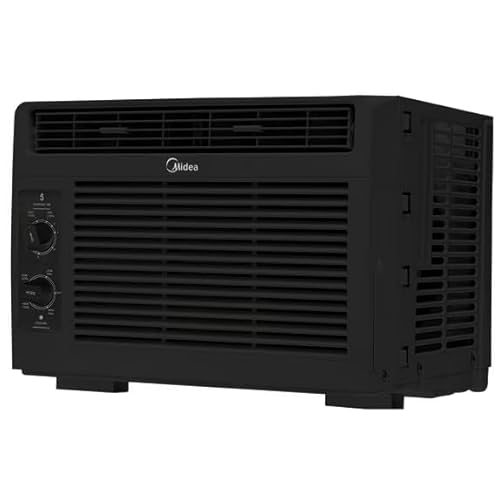
The window unit remains the default bedroom answer in many homes because it asks little, costs its owner no floor space, and puts most of its heat and much of its noise outside the glass. For a small sleeping room, a compact model at the lower end of the capacity range often delivers the steadiest nights, running long and gently rather than blasting and resting.
Installation decides whether that promise survives. A unit tilted correctly drains outward instead of dripping inside, side panels sealed with foam stop warm air and insects from bypassing the cabinet, and a support bracket removes the rattle that a sash alone cannot always suppress. Spend the extra half hour during fitting; you are buying quiet for hundreds of nights, not merely completing a chore.
Window geometry can veto the whole category. Sliding or casement windows, unusually small openings, and homeowners association rules about exterior appearance all push some bedrooms toward other archetypes. Blackout curtains complicate matters further when they hang where the unit must breathe, so measure the window treatment as part of the installation rather than discovering the conflict on a hot Saturday.
The smallest window class deserves separate attention for genuinely compact rooms, and best 5000 btu compact window air conditioners looks closely at those modest machines and their frames. Used in a room that matches their scale, they can be the quietest honest answer available, while in a large sunlit bedroom they would simply run out of breath by midnight.
Stepping up one size changes cycling behavior and low-speed sound in ways worth comparing directly, which is the subject of best 6000 btu window air conditioners for slightly larger sleeping spaces. The step is not automatically progress; it is a trade between reserve capacity on brutal evenings and the gentler manners a smaller machine shows on ordinary ones.
Split systems when silence outranks simplicity
A split system moves the compressor and its attendant vibration outdoors, leaving an indoor unit whose main contribution to the soundscape is moving air. For a truly light sleeper, that separation can feel transformative, turning the bedroom machine into something closer to a gentle ventilation presence than an appliance. The indoor head also distributes air from high on a wall, which suits the strategy of washing the ceiling rather than targeting the bed.
The costs are commitment and installation. Refrigerant lines, a condensate route, an outdoor mounting location, and professional fitting all belong to this category, and a renter will rarely be permitted any of it. Multi-room ambitions complicate the arithmetic further, since a single outdoor unit serving several indoor heads introduces sharing decisions that a dedicated bedroom installation avoids.
Choose the split pattern when the bedroom is a long-term home, when sleep quality has already proven fragile under lesser machines, or when the room’s window simply cannot host a unit. In those circumstances the quiet is not a luxury feature; it is the entire reason for the category, and judging it by installation convenience alone misses the point of the purchase.
Placement of the indoor head still matters. Centered over the bed may look symmetrical in a photograph while delivering the draft problem in its purest form, whereas an offset position along a side wall often circulates air around the room’s perimeter and lets it settle softly. Discuss the airflow sketch with the installer before holes are drilled, because moving a head afterward is a conversation nobody enjoys.
Small portables and the honest limits of mobility
A portable unit promises cooling without permanent installation, and for some bedrooms that promise is the only available door. Renters facing window restrictions, rooms with crank-opening casements, and temporary sleeping arrangements during a renovation all benefit from a machine that rolls in, vents through a panel, and rolls away when the season or the lease changes.
The sleep trade-offs are structural rather than incidental. The compressor shares the room with you, the exhaust hose radiates some warmth, and single-hose designs draw replacement air from elsewhere in the home, undermining their own work. Dual-hose arrangements mitigate that flaw, and a portable placed on a rug or mat away from the bed’s headboard side behaves noticeably better than one parked beside the pillow.
Night strategy can rescue a portable bedroom. Pre-cool the room firmly before bedtime, then let the machine maintain at a lower fan setting rather than asking it to perform its loudest work while you fall asleep. Empty or route its condensate according to the design, because a full-tank shutdown at three in the morning, complete with warning beep and illuminated panel, is precisely the kind of surprise this guide exists to prevent.
Judge a portable by the standards of its category rather than by split-system silence it cannot reach. Within those honest limits, a well-chosen small portable can deliver perfectly serviceable sleep in a room that otherwise would have no cooling at all, and a serviceable night beats an elegant theory endured in a hot room.
Timers, dawn, and the problem of waking up cold
Many sleepers know the pattern: the room feels perfect at midnight, glacial at five, and the day begins with a stiff neck and a mild resentment toward the machine. Outdoor temperatures fall before dawn, body heat production ebbs during deep sleep, and a unit holding its midnight setting faithfully overshoots into chill. A timer or a sleep curve that relaxes cooling in the last hours is the direct answer to that physiology.
Experiment rather than guessing the schedule. Set the machine to stop or soften an hour before waking for several nights, then adjust in half-hour steps until mornings feel neutral. Shift workers should map the same logic onto their own daylight sleep, letting the final portion of the rest period warm gradually so waking feels like a natural surfacing rather than an eviction from a cold room.
Weekend and weekday needs may diverge, since a lie-in extends the hours during which an early shutoff could let the room overheat under morning sun. Programmable schedules that distinguish days spare you the Friday-night ritual of reprogramming, and a simple override button handles the exceptions, like a heat wave night when dawn relief never actually arrives outdoors.
Coordinate the timer with curtains and sunrise. An east-facing bedroom can gain heat rapidly once light strikes the glass, so a machine that stops at six may be fine in a shaded room and foolish in one that functions as a greenhouse by seven. The timer is a tool for shaping the whole arc of the night, not a superstition to be set once and defended forever.
Humidity, filters, and air that feels right at 2 a.m.
Temperature alone does not describe a comfortable night. Air at a pleasant reading can still feel clammy if humidity stays high, leaving sheets tacky and skin restless, while over-dried air can leave throats scratchy by morning. Steady, longer cycles at modest capacity remove moisture more gracefully than short cold blasts, which is yet another route by which correct sizing quietly governs sleep quality.
A dedicated dry setting helps during muggy spells when the room is not especially hot, particularly in climates where rain can keep nights saturated for a week. Use it as a situational tool rather than a permanent mode, and notice how bedding feels the next morning; that tactile report is a better humidity instrument than any single number displayed on a cabinet.
Filters protect both airflow and air quality, and a clogged one announces itself through weaker output and a machine working harder, therefore louder, for the same result. Rinsing or replacing a bedroom filter on a simple recurring rhythm, perhaps when you rotate bedding for the season, keeps performance from drifting. Households with allergies may add room filtration separately rather than expecting a cooling unit’s basic screen to perform medical work.
Smells tell their own diagnostic story. A musty note at startup often points to moisture lingering in the machine or its drain path, and running the fan briefly after cooling, where a design allows it, helps dry internal surfaces. Address odors early, because a bedroom is an unforgiving place to ignore them; you will be breathing the evidence at close range for eight hours.
Archetype one: the small quiet window unit for a light sleeper
Imagine a compact window machine, modest in capacity, installed tightly in a well-sealed frame, its display darkened and its louvers angled toward the ceiling. That composite picture, rather than any single brand, is the archetype that serves the largest number of bedrooms well. It asks for a suitable window and an evening of careful fitting, then rewards the household with steady, unremarkable nights.
Pick this pattern if your room is small to middling, your window cooperates, and your sleep is disturbed more by changes in sound than by a gentle background presence. Inverter-driven variants within this family can soften compressor behavior further, modulating instead of clunking between states, though a conventional unit installed beautifully can still out-sleep a fancier one rattling in a loose frame.
Archetype two: the wall split for the household that has tried everything
Some bedrooms defeat window units through noise sensitivity, architecture, or both, and for those rooms the split archetype is less an upgrade than a different philosophy. The sleeping space receives only conditioned air and a whisper of fan, while machinery lives outdoors with the weather where it belongs. Couples who have argued through several summers about whether any cooling is tolerable often find this pattern ends the argument.
Reserve it for rooms you expect to sleep in for years, where the installation investment can amortize itself across many quiet seasons. It also suits a primary bedroom in a home where other rooms can share the outdoor unit sensibly, provided the bedroom’s priority is protected when capacity is divided on the hottest night of the year.
Archetype three: the compact portable for the room with no other option
The portable archetype wears its compromise openly. It is the guest room rescue, the rental workaround, and the temporary companion during a heat wave when installation is impossible. Treated as a pre-cooling and maintaining device rather than a silent guardian, it performs respectably, especially in smaller rooms where its output is not diluted by hallways and open doors.
Choose it with eyes open about hose routing, condensate handling, and storage in the off season. A portable that must be dragged from a closet through a narrow hallway each June will be cursed by July, whereas one with a settled corner, a fitted window panel kept nearby, and a rehearsed setup routine becomes a minor seasonal ritual instead of an annual grievance.
Archetype four: the dim and gentle unit for two different sleepers
Shared bedrooms contain multitudes: one partner burrows under a duvet in July while the other sleeps uncovered, one wakes at a pin drop and the other at nothing short of an earthquake. The archetype for this room emphasizes directional control, a wide and stable low-speed range, and a remote that allows silent micro-adjustments without illuminating the room or starting a negotiation.
Airflow zoning inside a single room sounds fanciful until you experiment with louver direction and a small fan redirecting the stream toward the warmer sleeper’s side. No single unit offers true dual climates, yet thoughtful arrangement can narrow the disagreement to a blanket difference, which is where it should have lived all along. Success here is diplomatic as much as mechanical.
Placement, curtains, doors, and the room as a system
A bedroom’s cooling behavior is set by more than its machine. Curtains that close fully keep evening sun from pre-loading the room with heat, a door left open to a warm hallway quietly taxes the unit all night, and a gap under that door can either help return air or leak your comfort away depending on the layout. Walk the room at bedtime and read it as a system of openings, surfaces, and habits.
Electronics contribute small but real heat. A television, chargers, and a desktop computer idling in the corner each add warmth the unit must remove, and relocating or switching off the worst offenders before bed is free capacity. Likewise, a long hot shower in an adjoining bathroom can load the bedroom with humidity at exactly the wrong moment unless the exhaust fan is allowed to finish its work.
Bedding participates too. Breathable summer sheets let a slightly warmer room feel acceptable, which permits gentler machine settings and less noise, while a heavy duvet in August forces the equipment to fight both the weather and the bedding. Households often discover that changing textiles buys them one fan speed of quiet, a trade with no moving parts to maintain.
Rugs, upholstered furniture, and bookcases absorb daytime heat and release it slowly, which is why some rooms feel as though they exhale warmth until midnight. A pre-cooling period that begins before sunset, while the machine can work at moderate effort, handles that stored heat more gracefully than a heroic blast administered at the moment everyone wants to sleep.
Installation day decisions that echo for years
Level, support, and sealing sound like contractor vocabulary, yet in a bedroom they translate directly into sleep vocabulary. A unit pitched so condensate runs outdoors will not drip onto the sill at midnight. A frame sealed against warm air infiltration will not whistle during a storm. A power cord routed without strain and an outlet in sound condition remove worries that have no business sharing a room with rest.
Keep the tools and materials for seasonal removal or adjustment in one labeled place if your machine comes out in autumn. The household that can find its foam strips, brackets, and screws in June performs the careful installation again; the household that cannot find them improvises with towels and optimism, then wonders why this summer sounds louder than the last.
After fitting, run a full night trial before declaring the project finished, with the bed made as usual and the door in its normal position. Note the settings that worked, the hour any chill crept in, and whether either sleeper woke for a reason attributable to the machine. One recorded night converts vague satisfaction into a baseline you can return to after cleaning, moving furniture, or changing bedding.
Children, guests, shift work, and other real bedrooms
A child’s bedroom introduces safety and sensitivity in equal measure. Cords must be inaccessible, a window unit must be secured beyond any doubt, and settings should be locked or chosen so small hands cannot turn the room into a refrigerator by morning. Children also vary wildly in their response to white noise; some sleep deeper with a steady fan sound, others ask for silence, and the machine should accommodate the child who actually lives there.
Guest rooms are judged on a single visit, often by someone too polite to report a bad night honestly. Give guests a simple card or a thirty-second demonstration covering the remote, the display light, and how to reach you if the room feels wrong. A host who tunes the room before arrival, rather than handing over an unexplained appliance, is remembered for the sleep rather than the equipment.
Shift workers invert every assumption in this guide and expose weak designs mercilessly. Their bedroom must become cool, dark, and quiet at noon, when outdoor temperatures peak and the household is awake around them. For these sleepers, display dimming and blackout integration are not refinements, door seals carry extra weight, and a split or well-installed window unit can be the difference between a sustainable career rhythm and chronic exhaustion.
Older sleepers and anyone managing a health condition should treat nighttime temperature as more than preference, discussing suitable ranges with their clinician where relevant. This guide deliberately avoids prescribing a universal number, because medication, circulation, and personal history reshape what a safe and restful room means from one household to the next.
A calm checklist to walk through before choosing
Measure the room, the window, and the distance from the likely machine position to the pillow, writing all three down. Decide whether the door sleeps open or closed, note which direction the glass faces, and remember whether the room sits under a roof or above a warm kitchen. That single page of observations eliminates more unsuitable options than an afternoon of feature comparison.
Interrogate the night features specifically. Can the display go fully dark, does sleep mode alter temperature gradually or merely dim a lamp, how many fan speeds exist below the one used for afternoon cooling, and can louvers hold a fixed direction away from the bed? Answers phrased vaguely in marketing copy deserve a demonstration or a manual, not your trust.
Plan the timer around your household’s actual dawn, including the difference between workdays and weekends if the schedule allows it. Think about condensate, filter access, and where a portable’s hose or a window unit’s panels will live in winter. A choice that survives those mundane questions is very likely to survive August.
Finally, agree as a household on what success sounds like, literally. If one sleeper expects near silence and the other expects a briskly cold room by ten, surface that tension now and let it steer the archetype decision, because a machine cannot resolve a disagreement that was never admitted into the purchase conversation.
What the first week of nights will teach you
Night one is usually misleading. The novelty of a cool room flatters any machine, and tired buyers sleep well simply because the previous nights were so poor. Reserve judgment until the fourth or fifth evening, when the household has stopped admiring the purchase and started noticing the small print: a click before the fan starts, a louver that drifts, a remote that requires two hands in the dark.
Keep a scrap of paper on the nightstand and record wake-ups with a word or two about the suspected cause. Patterns emerge with embarrassing clarity from such humble data. If every disturbance clusters near dawn, the timer needs attention; if complaints mention a cold shoulder, airflow direction is the culprit; if the lighter sleeper wakes at irregular intervals, cycling behavior deserves the next investigation.
Change one variable at a time during that first week, resisting the temptation to rebuild the entire setup after a single restless night. Temperature one evening, fan speed the next, curtain position after that, each isolated experiment teaches something durable. Households that tinker randomly arrive at August still arguing from anecdotes, while methodical ones settle into a configuration they can describe and repeat.
Seasonal drift will eventually ask for a second round of tuning. A setting perfect during a dry June spell may feel inadequate in August humidity or excessive during a cool September week, and treating those adjustments as maintenance rather than failure keeps expectations sane. The machine has not changed its character; the weather has changed the assignment.
Sound masking, silence, and the psychology of a sleeping room
Some sleepers do not actually want silence. A steady low sound covers household noises, traffic swells, and a partner’s movements, smoothing the acoustic landscape of the night. For them, a unit with a stable fan tone functions as both cooling and masking, and the goal becomes consistency rather than the lowest possible reading on a meter held beside the cabinet.
Others experience any mechanical presence as an intruder, and for them the design brief reverses. Distance, separation of the compressor, and the softest achievable airflow dominate every other consideration, even at the expense of slower cooling. Neither preference is more sophisticated than the other; they are simply different nervous systems sharing a market that pretends one ranking can serve both.
Couples containing one of each sleeper must negotiate a middle country, often a machine quiet enough for the sensitive partner whose fan still provides cover for the other. That compromise, discovered honestly before purchase, is another reason archetype thinking beats feature counting: it forces the conversation about whose sleep is most fragile and what each person is actually hearing in the dark.
External sounds complicate the picture further. A bedroom facing a road may welcome a unit whose tone buries passing vehicles, while a rural room surrounded by genuine quiet exposes every mechanical nuance. Judge candidate machines against the soundscape they will join, not against an abstract ideal recorded in a laboratory far from your street, your neighbors, and your thin bedroom door.
Energy habits that follow from sleeping cool
Running a small unit all night invites questions about consumption, and the honest answers live in behavior rather than slogans. Pre-cooling with curtains closed, maintaining a moderate target instead of chasing an arctic one, and keeping filters clean all reduce the work a machine performs while nobody is awake to appreciate its effort. The gentlest settings for sleep are frequently also the most economical ones, a rare harmony worth exploiting.
Doors and zoning matter at household scale. Cooling only the bedrooms in use, rather than an entire floor out of habit, concentrates comfort where bodies actually are. A guest room machine left running for an empty room across a whole holiday weekend is the kind of quiet waste that a timer, thoughtfully set, prevents without any sacrifice by an actual sleeper.
Standby draws and glowing electronics deserve a glance during setup, not because any single item is ruinous, but because a bedroom accumulates them: the unit, its remote charger if it has one, a television, a clock, and whatever else blinks in the dark. A switched outlet strip, used where the manufacturer permits it, can silence both light and standby appetite in one gesture at the start of the season.
None of this frugality should be pursued into misery. A room kept slightly too warm to save a little energy purchases its savings with broken sleep, which is the most expensive currency a household owns. The sensible target is the mildest, quietest configuration that still delivers genuinely restorative nights, revisited whenever the season or the household changes.
When the room is also a nursery, office, or sickroom
Bedrooms moonlight. The same space may host a newborn’s crib for a season, a desk for remote work, or a recovering relative who spends most of the day in bed rather than merely the night. Each role tilts the cooling brief: daytime occupants notice drafts that sleepers forgive, a crib demands conservative placement and cord discipline, and a sickroom values stable conditions over clever schedules that assume everyone leaves at dawn.
For a nursery corner, keep airflow indirect and verify temperatures where the crib actually stands, since a sensor across the room knows nothing about that sheltered pocket. Controls should be boring and predictable, ideally adjusted by an adult from outside the immediate sleep area, and any unit noise should be tested against the baby’s established sleep habits rather than adult assumptions about soothing sound.
A home office sharing the room creates a daily negotiation between a worker who wants alertness and a sleeper who will later want the accumulated heat gone. Machines in such rooms benefit from a strong early evening routine, purging the day’s warmth from equipment and sunlit walls before the bed is occupied, so nighttime settings can return to their gentler personality.
During illness, the virtues invert again: responsiveness matters more than efficiency, and a remote that allows adjustment without getting up becomes a genuine comfort feature. Whoever is well in the household should take over filter and condensate chores during that period, because a machine neglected for a fortnight of sickness will announce the neglect in odor and noise at exactly the wrong time.
Reading a manual like a sleep researcher
Product manuals, dull as they appear, hide the answers to most nighttime questions in their specification tables and mode descriptions. Look for how many fan speeds exist and whether the lowest is genuinely distinct, what sleep mode changes hour by hour, whether the display can be extinguished independently, and how the unit behaves when power returns after an outage in the middle of the night.
Sound figures in manuals require translation. Note the setting and distance attached to any quoted value, and treat a figure given without conditions as decoration rather than information. Comparing two machines quoted under different conventions is a reliable way to buy the louder one with confidence, so align the conditions before aligning your preferences.
Dimensions deserve the same skepticism applied to capacity claims. A cabinet measurement may exclude the window kit, the hose bend behind a portable, or the clearance a split head needs above it for intake air. Sketch the installation at full size on the wall or window with painter’s tape and live with the outline for a day; visual honesty at tape stage prevents carpentry regrets later.
Warranty terms for bedroom machines matter disproportionately because a fault in July cannot wait patiently in a queue. Check how service is delivered locally, whether a loaner or rapid replacement culture exists with the seller, and keep the purchase record with the manual in the bedroom itself rather than in a household archive nobody can find during a heat wave.
Travel, heat waves, and nights away from your own setup
A heat wave is the worst possible teacher, arriving with urgency that punishes deliberation. Households that chose and tuned a bedroom unit during mild weather meet the extreme week with a rehearsed system, while those shopping in the middle of it inherit whatever stock, noise, and compromises remain available. If this guide finds you in spring, that timing is an asset worth more than any single feature discussed so far.
During the extreme nights themselves, adjust expectations toward steadiness. A small machine may hold a bedroom several degrees above its usual target when the whole region bakes, yet still deliver sleep if humidity falls and air keeps moving gently. Chasing the normal number with maximum settings adds noise and drafts while gaining little, a bargain most sleepers regret by the second night.
Travel sharpens appreciation for what your own room gets right. Hotel machines, often powerful and often indifferent to light and sound discipline, demonstrate by counterexample why display dimming and gentle cycling matter. Returning home with that comparison in mind, many owners finally perform the small fixes, tape over a stray indicator or re-aim a louver, that they had postponed for entire summers.
Guests visiting during hot weather benefit when the host applies the same traveler’s empathy in reverse, testing the spare room personally for one night before relatives arrive. Sleeping in your own guest room once a year is a diagnostic ritual that exposes the buzzing unit, the missing remote batteries, and the curtain gap that no amount of daytime inspection ever quite reveals.
The off season: storage, cleaning, and a better June
How a bedroom unit spends winter determines how it behaves in its first June week. A window machine removed and stored dusty, with its filter still carrying last August, returns to service already behind, while one cleaned, dried, and covered needs only an honest inspection before it resumes quiet duty. Photograph the installation before removal and the following summer’s fitting becomes a reassembly rather than a reinvention.
Portables should be drained and run on fan alone before storage, following their maker’s guidance, so internal moisture does not spend the cold months cultivating the odor that greets the first warm night. Coiling the hose loosely, keeping the window panel with the machine, and taping the remote to the cabinet are small courtesies to a future self who will be hot and impatient.
Split systems ask less drama: filters cleaned, the outdoor unit cleared of leaves and nests, and a brief test run on a mild spring day to confirm that everything still answers the remote. Discovering a fault in April is a scheduling inconvenience; discovering the identical fault during the first heat wave is a household emergency with a waiting list attached.
Use the off season to revisit the night notes from summer. If the log shows repeated dawn chills, plan a different timer strategy; if wake-ups clustered around compressor starts, consider whether next year’s budget should favor a gentler archetype. A bedroom cooling setup improves across years when its owners treat each summer as evidence rather than as weather that simply happened to them.
A note on expectations between partners, parents, and housemates
Cooling a shared sleeping room is a small exercise in domestic diplomacy. The person who runs warm often controls the remote by default, while the person who runs cold accumulates blankets and quiet grievances. Naming that dynamic, and agreeing on a starting setting plus a rule for midnight adjustments, prevents the machine from becoming the arena where an unspoken negotiation repeats itself nightly.
Households with teenagers encounter a different version, where a bedroom door closed against the household also closes against shared cooling, and a small dedicated unit ends arguments about whose comfort the hallway system should serve. In such homes the bedroom machine is partly a peace treaty, and its value should be assessed with the diplomacy included.
Whatever the household shape, write the agreed settings down somewhere humble, on the inside of a closet door or in a shared note, so a housesitter, grandparent, or returning student can reproduce a good night without an interview. Comfort that depends on one person’s memory is fragile; comfort written down becomes part of the house itself.
Before the first night, a five minute rehearsal
Stand in the darkened room with the machine running at its intended sleep settings and perform the evening as a rehearsal. Lie down, notice where air lands on skin, check whether any light reaches the pillow, and reach for the remote without sitting up. Every flaw discovered in those five conscious minutes is a flaw that will not need to be discovered at three in the morning by someone half asleep and considerably less forgiving.
Adjust once, then commit for the night and record the result in the morning with the same honesty you would give a mattress trial. Bedrooms reward this kind of deliberate attention out of all proportion to its cost, because the room’s whole purpose is the third of life spent inside it, and a small machine chosen well quietly improves nearly every night of that third for years.
Bring a glass of water to the nightstand, set the alarm, and let the room prove the point of all this deliberation by asking nothing further from you until morning. If it succeeds, resist upgrading it in your imagination; a setup that delivers uneventful sleep has reached its destination, and further shopping would only reopen questions that your own rested mornings have already answered conclusively.
Share what worked with the next person who asks, including the unglamorous details about foam seals and timer settings, because bedroom cooling knowledge travels best as lived experience rather than as specifications. Somewhere, another light sleeper is standing in a bright aisle at noon trying to imagine a machine at midnight, and your account of real nights in a real room is the most useful evidence they will encounter all week.
There is a particular satisfaction in waking naturally a few minutes before the alarm during a hot spell, aware that the room stayed kind all night without demanding gratitude or attention. That unremarkable morning, repeated across a summer, is the true product being bought here, and it is worth choosing carefully, installing patiently, and then leaving alone to do its quiet work season after season.
Keep the nightstand log for one full season even after the setup feels solved, because the entries written during storms, visitors, and heat waves will guide next year’s tuning better than confidence alone ever could.
That modest archive turns one household’s summer into instructions the same household can trust again.
And it costs nothing beyond a pencil kept where sleepy hands can find it.
Small tools, honestly, run this entire subject from start to finish.
Foam tape, a level, a notebook, a thermometer, and patience accomplish more for bedroom cooling than any hurried upgrade purchased in a panic during the season’s first genuinely oppressive afternoon.
Check prices on Amazon
Live listings for the shortlist in this guide are pulled from Amazon below, so prices and availability are always current at the moment you look.



Closing the bedroom door on the heat
The small machines in this guide share a modest ambition: to be forgotten between midnight and morning. Judged by that standard, the winning bedroom is not the one with the most aggressive cooling but the one where temperature, sound, light, and moving air all recede together, leaving sleep to occupy the room unchallenged.
Choose the archetype that fits your window, your tenure, and your lightest sleeper, install it with unusual care, and give the settings a week of honest nights before judging them. Small adjustments made patiently in that first week tend to hold for the whole summer.
When the house settles, the display has gone dark, and the only sign of cooling is the easy breathing of someone already asleep, a small bedroom unit has done the finest work it will ever do.