Our Top Picks
 INTEX 28427EH PureSpa Bubble Massage Spa Set Outdoor6-Person23.6 x 27.25 x 32.75 inches109.56 poundsCheck on Amazon

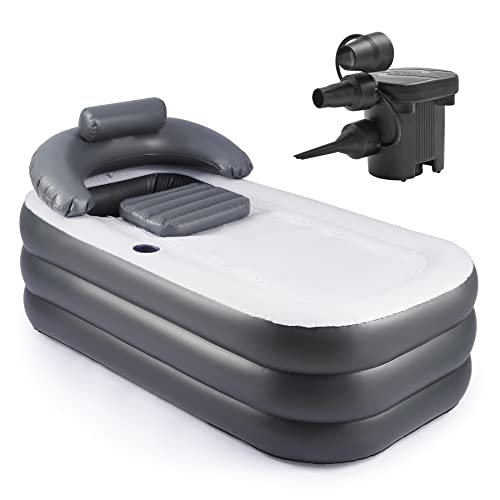


What's inside
- Why an Inflatable Soaking Tub Appeals to Adults Without a Fitted Bath
- How Air Chambers Give a Soft Wall Its Shape
- Pumps, Valves and the Question of Pressure
- Capacity Figures and What They Really Mean
- Floor Loading: The Calculation Too Many Buyers Skip
- Heat Retention Inside an Air-Filled Wall
- Setting Up: A Calm Sequence That Prevents Most Problems
- Drainage, Drying and the Fight Against Mould
- Electrical Safety Around a Pump and Water
- Finding and Patching Leaks
- Comfort Details That Shape a Long Soak
- Comparing Footprints Against Real Rooms
- What Specifications Reveal and What They Hide
- A Realistic Ownership Routine
- Bath Salts, Oils and What Vinyl Tolerates
- Noise, Neighbours and Timing
- Travelling With a Tub and Using One Away From Home
- Round, Oval and Rectangular Footprints Compared
- A Shortlist of Checks Before You Order
- How This Guide Was Researched
- Inflation Across Seasons and Rooms of Different Temperatures
- Keeping Children, Guests and Routines in Proportion
- What a First Month of Ownership Usually Teaches
- Check prices on Amazon
- Disclosure
As an Amazon Associate I earn from qualifying purchases. This post may contain affiliate links at no extra cost to you.
Why an Inflatable Soaking Tub Appeals to Adults Without a Fitted Bath
Renters, flat dwellers and anyone whose bathroom holds only a shower tray often assume a long soak belongs to somebody else’s house. An inflatable soaking tub challenges that assumption by folding flat when empty, then standing as a deep, upright vessel once its walls fill with air. Depth matters more than length here. Sitting upright with water reaching the chest changes circulation, warmth and relaxation in ways a shallow conventional bath rarely matches, and the soft wall gives behind shoulders and hips instead of pressing back.
Portability cuts both ways. Because nothing is plumbed in, placement becomes a decision rather than a given, and every litre carried in must later leave through a drain valve, a bucket or a siphon hose. Filling takes patience. Draining takes planning. Floors carry serious weight for an hour or two, and electricity for the pump sits uncomfortably close to splashing water unless you manage cables with discipline. None of those drawbacks cancels the appeal, yet each one shapes which model deserves your money and where it can live safely.
Our research for this guide draws on manufacturer documentation, specification sheets, pump manuals and general building guidance about floor loading. Rather than repeating marketing adjectives, the sections below unpack how multi-layer PVC and vinyl behave under pressure, why chamber layout decides whether a rim sags, and what happens to temperature during a forty-minute soak. Readers comparing permanent alternatives may also enjoy our overview of best 10 person hot tubs, although those outdoor installations solve a very different problem at a very different scale.
How Air Chambers Give a Soft Wall Its Shape
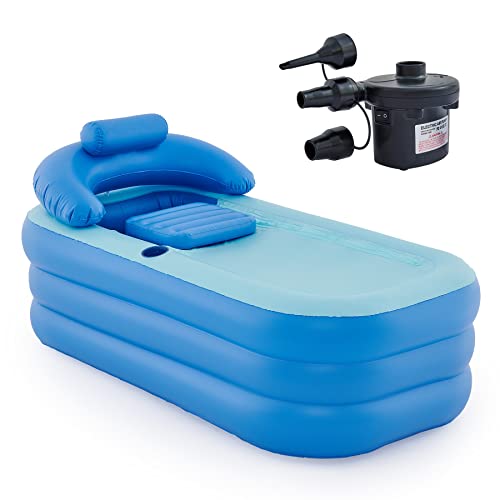
Look at a deflated tub and you see little more than a floppy ring of plastic sheeting. Inflate it and internal geometry does the heavy lifting. Most adult designs stack two, three or four horizontal chambers, one above another, so the wall resembles a pile of fat sausages welded along horizontal seams. Each chamber holds its own air supply through a separate valve, which means a slow leak in the top ring softens the rim while lower rings keep the body upright and the water contained.
Vertical baffles appear in pricier constructions. Thin internal webs link inner and outer skins, preventing the wall from ballooning outward into a doughnut profile when you lean against it. Without baffles, pressure pushes the widest point of each chamber outward, stealing internal volume and making the side feel unstable under an elbow. With baffles, the wall stays flatter, the sitting space widens by several centimetres, and the rim offers a steadier ledge for a book, a cup or forearms.
Reading Wall Thickness and Material Labels
Specification sheets quote PVC thickness in millimetres, commonly somewhere between 0.3 and 0.8 for this product class. Thicker sheeting resists punctures from grit, jewellery and pet claws, and it creases less sharply during folding, which extends service life because repeated sharp folds eventually whiten and crack vinyl. Thickness alone does not guarantee toughness, though. Plasticiser content controls suppleness in cold rooms, weld quality decides seam strength, and a reinforced floor panel matters more than wall gauge because the floor carries your heels, the water column and any grit trapped underneath.
Some makers laminate a mesh core between two vinyl skins, borrowing an idea from inflatable boats and paddle boards. Mesh resists stretching, so chambers hold shape at lower pressure and feel firmer without becoming rigid. Others keep construction simple with single-skin chambers and rely on generous diameter to spread stress. Neither approach wins automatically. Mesh laminates cost more and weigh more when packed, while simple chambers repair more easily because a patch bonds directly to a single uniform surface.
Pumps, Valves and the Question of Pressure
Nearly every adult tub ships with a small electric pump, usually a mains-powered unit with a tapered nozzle that pushes air at high volume but modest pressure. Inflation times quoted in manuals often assume an empty, unfolded tub in a warm room; cold vinyl straight from a cupboard resists unfolding and can add minutes. Expect the main chambers to firm up within roughly five to twelve minutes depending on tub size, pump output and how carefully you smooth creases as pressure builds.
Duty cycle deserves attention. Compact pumps heat up quickly, and many manuals limit continuous running to around ten minutes before a cooling pause. Overheating shortens motor life and can warp a nozzle housing. A sensible routine inflates chamber by chamber, pausing to reposition the tub, check the floor covering and straighten the drain hose while the motor rests. Hand pumps and foot pumps work as backups, though topping up a large chamber by hand quickly becomes a workout nobody wants before a relaxing bath.
Judging Firmness Without a Gauge
Few tubs include a pressure gauge, so owners judge by touch. A correctly filled chamber yields slightly under a firm thumb press, perhaps a centimetre, then springs back. Rock hard feels reassuring yet stresses seams, especially once warm bath water heats the trapped air and raises internal pressure further. Slightly soft on a cold afternoon can become perfectly firm after filling with hot water, a transformation worth remembering before you add extra air at the start.
Valve design separates pleasant ownership from nightly frustration. Wide Boston-style valves allow fast deflation because air escapes through a large bore once the cap and inner flap open. Simple pinch valves, borrowed from beach toys, suit small top rings but slow down both inflation and packing away. Double-locking caps protect against accidental opening when a knee knocks the valve mid-soak. Whatever style your tub uses, rinse grit from the threads and seat the cap squarely; a single grain of bath salt can create a leak path that hisses all evening.
Capacity Figures and What They Really Mean
Manufacturers love quoting maximum capacity, sometimes 600 litres or more for the largest adult models, but that number usually describes brim-full volume nobody should attempt indoors. The fill line etched or printed inside the wall sits considerably lower, and your own body displaces a surprising amount once seated. A person weighing 80 kilograms displaces roughly 80 litres when submerged to the waist and shoulders, so a tub filled to the line before entry will overflow unless you allow headroom.
Practical filling often lands between 250 and 450 litres for a comfortable adult soak, depending on tub footprint and desired depth. At roughly one kilogram per litre, even the modest end of that range places a quarter of a tonne of water in the room before counting bather and tub. Hot water availability also limits ambition. A household cylinder may deliver only part of a fill at bathing temperature, forcing a kettle top-up, a cooler soak or a smaller tub choice from the outset.
Depth, Length and Sitting Posture
Internal depth around 60 to 70 centimetres lets most adults sit with water covering shoulders, provided knees bend and feet rest against the far wall. Longer internal floors, near 120 centimetres, suit taller bathers who dislike a tightly tucked position. Oval footprints stretch length without widening the whole tub, while round designs favour a cross-legged posture and fit awkward corners. Backrest angle varies too: some walls stand almost vertical, others slope so you recline slightly, shifting pressure from tailbone to lower back.
Seat cushions and inflatable pillows appear in many accessory bundles. A thin floor cushion insulates your seat from a cold ground surface and softens the feel of drain fittings beneath the vinyl. Headrests that suction to the rim rarely stay put on textured PVC, whereas clip-on or weighted designs behave better. Treat bundled extras as bonuses rather than reasons to choose one tub over another; chamber quality, floor strength and drainage matter far more across years of use.
Floor Loading: The Calculation Too Many Buyers Skip
Water is heavy in a way showroom photos never convey. Add 350 kilograms of water, an 85-kilogram bather and perhaps 8 kilograms of tub, pump and accessories, then spread that total across a footprint barely larger than one square metre. Local pressure under the base can exceed what a suspended timber floor was designed to carry in a bedroom corner, particularly in older houses where joists have been notched for pipes or weakened by historic leaks.
Ground floors on concrete slabs present the least worry. Upper-storey bathrooms built for a cast-iron bath already handle substantial loads near the original bath position, which makes that spot the natural home for an inflatable alternative. Spreading helps: a rigid board or thick foam mat beneath the tub distributes weight across more joists and protects vinyl from splinters, screw heads and tile grout ridges. Avoid placing a filled tub mid-span in a room never intended for bathing, and never set one on a raised platform, deck or mezzanine without professional advice about its structure.
Warning Signs and Sensible Precautions
Flexing floorboards, new creaks travelling across the room, doors that suddenly stick after filling and hairline cracks appearing in the ceiling below all suggest the structure dislikes its new burden. Empty the tub promptly if any of those appear. Even without dramatic signals, keep fills conservative in properties you do not own or cannot inspect from below. Landlords may reasonably object to several hundred litres of unplumbed water above their ceilings, and tenancy agreements sometimes prohibit exactly this kind of equipment.
Leak consequences belong in the same conversation. A plumbed bath contains a failure through its overflow and waste pipe; an inflatable tub that splits or tips releases its entire contents across the floor within minutes. Position it where a spill drains toward a floor waste if one exists, keep towels rolled along the threshold to slow escape into hallways, and stay nearby while it stands full. Readers with space for a permanent corner installation might compare best 2 person corner soaker bathtubs heated, which trades portability for plumbing that manages accidents automatically.
Heat Retention Inside an Air-Filled Wall
Still air insulates well, and an inflated wall is mostly still air divided into chambers. That simple fact gives these tubs a genuine advantage over thin steel or acrylic baths, whose sides conduct heat toward cold bathroom air and feel chilly against skin. A PVC wall at bath temperature feels neutral on contact, and the trapped air slows conduction outward, so the water column loses heat mainly through its exposed surface rather than through the sides and floor.
Surface loss dominates once you settle in. Steam rising from open water carries energy away rapidly, especially under an extractor fan or beside a draughty window. A fitted cover, even a lightweight insulated lid supplied with larger models, can stretch comfortable soaking time noticeably by trapping a warm air layer above the surface. Without a cover, expect a gradual decline that most bathers notice after twenty to thirty minutes, faster in a cold room, slower if the tub stands in a warm, enclosed bathroom with the door shut.
Topping Up Without Wrecking the Balance
Adding a kettle or saucepan of hot water revives a cooling soak, but pour slowly along the wall away from your legs to avoid a localised scald. Stir gently with one hand to distribute warmth. Repeated top-ups raise the level, so drain a bucketful first if the surface already nears the fill line. Never trail a live electric heater beside the tub to warm the room during use; heat the room beforehand, switch the heater off, then fill and bathe.
Starting temperature needs restraint as well. Vinyl softens and stretches more readily under very hot water, and prolonged exposure near the top of domestic hot water temperatures can distort chambers or stress welds over time. Comfortable bathing sits well below any threshold that endangers material, so if the water feels too hot for your hand it is certainly too hot for both skin and tub. Mix cold in first, then adjust upward gradually.
Setting Up: A Calm Sequence That Prevents Most Problems
Choose the spot before unfolding anything. Measure door widths along the route, because a tub that inflates in the garden still has to reach its room somehow, and partly inflated chambers jam in narrow frames. Lay a protective mat or old blanket on the floor, shake the tub out fully, and smooth the base panel so no fold hides beneath a chamber. Grit trapped under a full tub grinds into the floor skin with every shift of your weight, so sweep the area and check slipper soles before stepping inside.
Inflate the lowest chamber first, then work upward, pausing to tug the wall into a symmetrical shape while each ring remains pliable. Once the final ring firms, position the drain outlet toward your chosen drainage point and lay the hose flat without kinks. Fill with a shower hose, bucket chain or tap adapter, watching the base spread evenly. A wall leaning inward on one side usually signals an uneven floor or a chamber filled out of sequence; correct it while the water depth remains shallow and the tub still moves easily.
Getting In and Out Gracefully
Soft walls complicate entry. Sitting on the rim to swing legs over compresses one chamber and can tip water toward the opposite side, so step in from a stable low stool placed beside the tub, holding a fixed support such as a basin pedestal or a securely fitted grab rail rather than the wall itself. Anyone with limited mobility should practise the manoeuvre with the tub empty and a helper present. Wet vinyl underfoot grips less than a textured bath base, and an inflatable floor cushion can skate if not weighted by water.
Exiting deserves equal care because tired, warm muscles and slippery skin make an ungainly combination. Drain some water first to lower the level, plant both feet flat, rise slowly and step onto a dry towel rather than a wet tile. Leaving the tub while it remains brim full invites a surge over the rim as your displacement suddenly returns to the water body.
Drainage, Drying and the Fight Against Mould
Emptying separates thoughtful designs from frustrating ones. A low side outlet fitted with a hose connector lets gravity do steady work toward a shower tray, bath or floor drain. Bottom plugs sound convenient yet require lifting a corner while the last litres still weigh heavily, and they sit awkwardly when the tub stands on a flat floor. Flow slows dramatically as depth shallows, so the final stage always involves tilting, sponging or scooping regardless of outlet position.
Plan the route before you open any valve. Hoses that climb over a shower lip lose siphon momentum and may need priming by filling them with water first. Buckets offer control on upper floors where no suitable drain sits nearby, at the cost of many trips with sloshing loads. Outdoor placement simplifies everything: open the valve, let grass or a patio drain accept the water, and remember that hot, soapy or bath-salted water does not belong on delicate planting or into storm drains where local rules forbid it.
Drying Thoroughly Before Storage
Mould exploits the folds of a tub packed away damp. After draining, wipe every chamber seam with a soft cloth, prop the walls apart with rolled towels so air circulates, and leave the whole structure standing in a ventilated room until the vinyl feels dry to the touch in the crevices, not merely on exposed surfaces. Talc-free storage matters because powders cake inside valves; instead, fold loosely along existing crease lines, avoid compressing the bundle under heavy boxes, and store away from radiators, sharp tools and rodents.
Cleaning after each use need not be elaborate. Rinse bath oils and salt residue with clean water, wipe with a mild soapy solution when a film develops, then rinse again so surfactant does not degrade the surface or irritate skin next time. Harsh solvents, scouring pads and bleach-heavy sprays risk clouding or hardening vinyl. A faint plastic smell from new material fades after a few airings outdoors; persistent mustiness signals trapped moisture and calls for another full drying session before the next fill.
Electrical Safety Around a Pump and Water
The pump belongs on dry ground, away from the splash zone, with its cable routed so nobody trips across it while carrying buckets. Inflate first, unplug the pump, coil its lead and move the unit out of the bathroom entirely before water enters the tub. That single habit removes the most obvious hazard from the whole routine. Extension leads lying across wet floors, multi-socket adapters balanced on bath edges and pumps running while someone bathes all contradict the guidance printed in typical pump manuals.
Residual-current protection adds a vital safety layer. Many modern homes already protect bathroom circuits with such a device at the consumer unit; portable plug-in protection offers a supplement where fixed protection is absent or unknown. If you cannot confirm how your circuit is protected, ask a qualified electrician rather than guessing. Keep sockets, switches and charging phones well away from the tub, and dry your hands before touching any plug after a soak.
Heated Models and Extra Caution
A minority of inflatable designs incorporate electric heating or bubbling systems, blurring the line toward portable spas. Those units demand dedicated attention to cable condition, control-box sealing and manufacturer instructions about simultaneous bathing and powered operation. Follow the supplied documentation exactly rather than borrowing habits from simple pump-only tubs. Anyone researching plumbed hydrotherapy instead can look at best 36 wide whirlpool tubs for an idea of how fixed installations separate water systems from electrical components behind sealed panels.
Finding and Patching Leaks
Air loss announces itself gradually: a rim that felt firm at breakfast slumps by evening, or one chamber needs topping up daily while its neighbours hold pressure for a week. Start diagnosis with valve caps, since grit, cross-threading and perished seals cause more slow leaks than punctures do. Clean the sealing faces, reseat the cap, inflate firmly and listen closely in a quiet room. A spray of dilute soapy water across seams and suspect areas reveals escaping air as growing bubbles, a classic technique borrowed from tyre repair.
Mark any hole with a soft pencil once located, then deflate that chamber fully before attempting repair. Patch kits supplied with many tubs include vinyl circles and adhesive formulated for flexible PVC. Round the patch corners so edges resist peeling, clean both surfaces, apply adhesive thinly, press from the centre outward to expel air pockets and weight the repair flat while it cures for the period stated in the kit instructions. Rushing reinflation peels fresh patches; patience here decides whether the fix lasts a season or a single evening.
When Repair Stops Making Sense
Seam splits behave worse than pinholes because stress concentrates along welds and patches struggle to bridge a moving joint. Multiple leaks appearing across several chambers, widespread whitening along fold lines or a floor panel worn thin suggest the material has aged beyond economical rescue. At that point replacement protects both your floor and your safety better than heroic patching. Dispose of the old shell according to local guidance for PVC goods rather than burning it, which releases unpleasant and harmful fumes.
Comfort Details That Shape a Long Soak
Small ergonomic choices accumulate over forty minutes. A rim wide enough to rest forearms keeps shoulders relaxed instead of hunched. Slightly reclined back walls support the spine for reading, while upright walls suit bathers who soak primarily to ease knees, hips or lower back in a seated posture. Some interiors mould a subtle seat step into the floor chamber, lifting the bather a few centimetres and reducing the folded-leg angle; others keep the floor flat so you can shift position freely or stretch one leg at a time.
Lighting and ambience sound frivolous until you try soaking under a harsh ceiling panel. Warm, indirect light from a battery lamp placed safely away from splash range transforms the experience without introducing mains electricity near water. Keep drinks in unbreakable cups on a stool beside the tub rather than balanced on the rim, where a soft wall movement can tip them inward. A folded towel draped over the rim cushions the neck and absorbs drips when you reach for it.
Sharing, Children and Pets
Two adults in a tub sized for one creates displacement chaos and stresses seams at the rim where both lean. Buy for the occupancy you genuinely expect; couples should look at wider oval footprints with reinforced floors. Children require constant supervision around any deep water, and an inflatable wall must never serve as something a child pulls themselves up against. Pets belong outside the bathroom during a soak because claws puncture vinyl effortlessly and a startled animal can trigger a flood.
Households weighing a small shared spa against individual soaking might browse best 2 3 person hot tubs to understand how rigid shells, filtration and heating change the ownership picture entirely. The inflatable option wins on storage and initial simplicity, while permanent or semi-permanent spas win on readiness, since nobody waits for inflation and filling before an evening soak.
Comparing Footprints Against Real Rooms
Measure your intended room with the door both open and closed, because a tub that fits the floor rectangle may block the swing and trap you inside with several hundred litres of water. Allow working space on at least one long side for entry, exit and bucket handling. Radiators, toilet pedestals and basin units shrink usable dimensions below the tidy figures on a floor plan. Taping the footprint outline on the floor with painter’s tape exposes these conflicts before money changes hands.
Ceiling height rarely matters, yet sloped attic ceilings can crowd headroom once you sit on a raised inflatable floor. Balconies tempt many buyers in summer, but balcony slabs and railings were seldom designed for concentrated water loads plus a bather leaning outward, so treat that setting as unsuitable unless a structural professional confirms otherwise. Conservatories on solid bases fare better, though temperature swings stress vinyl and accelerate air expansion on hot afternoons.
Seasonal and Occasional Use
Occasional users should weigh setup effort honestly. If inflating, filling, draining and drying consumes ninety minutes around a forty-minute soak, the tub may migrate to a cupboard and stay there. Keeping it inflated in a spare room between weekend uses solves the chore problem where space and household patience allow, provided you empty, rinse and dry it between fills rather than leaving standing water to stagnate. Water left for days grows slippery biofilm on vinyl and smells unpleasant even when it looks clear.
Seasonal storage through winter demands a clean, fully dry shell folded without sharp creases. Cold garages make PVC stiff, so bring the tub indoors to warm before unfolding in spring; forcing frozen folds invites cracks. Inspect valves and seams during that first spring setup, inflate each chamber and leave it standing overnight without water. A chamber still firm next morning earns trust for the new season.
What Specifications Reveal and What They Hide
Marketing pages highlight capacity and chamber counts while burying weld method, floor construction and valve type in small print or omitting them entirely. Radio-frequency welded seams generally outlast glued joints under repeated flexing, and a floor described as reinforced, layered or drop-stitched signals more engineering than a single thin sheet. Pump output quoted in litres per minute helps compare inflation speed, though nozzle fit and valve bore influence real-world pace as much as motor strength.
Warranty terms tell their own story. Coverage that distinguishes seam failure from puncture damage, and a maker willing to supply spare valves, caps and patch material, suggests confidence in longevity. Photograph your tub during its first inflation and keep purchase records; if a seam opens early, clear images of the defect speed any claim conversation. Retain the original patch kit in a labelled bag taped inside the storage sack so it surfaces when needed rather than hiding in a junk drawer.
Accessories Worth Having, and Gimmicks to Skip
A ground mat, a repair kit, a storage bag with room for the loosely folded shell and a simple hand pump for top-ups form the genuinely useful accessory set. Insulated covers earn their place for anyone soaking longer than half an hour. By contrast, floating drink trays tip at the slightest wall movement, novelty lights introduce batteries into bathwater for little benefit, and scented cleaning products leave residues that fight with bath oils. Spend on floor protection and drying aids before decorative extras.
Cup holders moulded into the rim divide opinion. They hold a cup steady only while the chamber stays fully firm, and condensation rings mark the vinyl if left unwashed. A separate bath caddy spanning the rim works better on wider models but can bow the wall inward on narrow ones. Judge each extra against a simple question: does it help water arrive, stay warm, behave safely or leave cleanly? If not, it is decoration competing with essentials.
A Realistic Ownership Routine
Weekly users settle into rhythms that protect both tub and home. Inflate on a mat, inspect seams while pressure builds, fill to a conservative line, enjoy the soak, then drain through the hose while tidying the room. Wipe surfaces as the last water leaves, prop the walls open overnight and fold only when seams feel dry. That sequence adds perhaps fifteen unhurried minutes beyond the bath itself, yet it prevents the mould, odour and mystery leaks that sour ownership stories online.
Monthly, give valves a rinse, examine the floor panel under bright light for scuffs deepening into weak spots, and check the pump intake for lint. Annually, reconsider placement: floors settle, households change and a spot that worked last year may now sit above a newly decorated ceiling worth protecting with a shallower fill. Ownership rewards this kind of quiet attention far more than any single feature printed on a box.
Who Should Choose Something Else Entirely
Daily bathers with chronic pain who rely on a soak every evening may find the fill-and-drain cycle exhausting, and a plumbed solution, however costly, returns more wellbeing per week. Homes with only steep stairs between storage and bathroom make hauling even a folded tub plus buckets miserable. Anyone unable to lift moderate loads, supervise standing water or manage drying space should pause before ordering. An honest no protects money and enthusiasm better than a purchase abandoned after three uses.
Conversely, patient renters, guest-house owners needing occasional extra bathing, and households curious about deep soaking before committing to renovation will find the format generous. It teaches you how often you truly soak, what depth suits your body and whether bathroom routines bend around a slower ritual. Those lessons retain value even if you later install a permanent bath informed by them.
Bath Salts, Oils and What Vinyl Tolerates
Soaking usually involves more than plain water. Epsom salts dissolve readily and rinse away cleanly, making them among the friendliest additions for vinyl, provided you flush the drain hose afterwards so crystals do not settle in its corrugations. Bath oils coat both skin and wall with a film that feels luxurious during the soak and tiresome during cleanup, because the residue attracts dust while the tub dries and can leave the floor panel slippery next time. Use oils sparingly, wipe walls before draining finishes, and expect an extra rinse cycle.
Bubble bath foams enthusiastically in a small volume, and the mound of suds insulates the surface slightly, though detergents left unrinsed may dry the vinyl surface over many months. Coloured bath bombs risk staining pale material, particularly along seams where pigment lodges in microscopic texture. If colour matters to your ritual, choose darker tub interiors or accept gradual tinting as patina. Essential oils concentrated in one spot before dispersing can soften some plastics, so dilute drops into running fill water rather than dripping them onto a dry wall.
Skin Comfort and Water Hygiene
Because the water is single-use, inflatable soaking avoids the sanitiser balancing that spas demand, but hygiene still matters. Shower before a long soak if you have been gardening, exercising or wearing heavy sunscreen, since everything on skin migrates into a relatively small volume. Avoid soaking with broken skin, fresh tattoos or contagious skin conditions, and consult medical guidance where immunity is compromised. Empty the tub the same day; refilling fresh each time is the format’s built-in hygiene advantage, so do not undermine it by storing used water.
Temperature discipline protects skin as much as material. Water that feels merely warm to a hand can overwhelm a fully immersed body after fifteen minutes, raising heart rate and causing light-headedness on standing. Keep sessions moderate, hydrate with water kept on a nearby stool, and cut the soak short if you feel dizzy, nauseous or unusually flushed. Alcohol and very hot water make poor companions for identical physiological reasons.
Noise, Neighbours and Timing
Pumps whine at a pitch that carries through party walls, and late-night inflation in a flat can annoy neighbours more than the bath itself ever would. Inflate earlier in the evening, stand the pump on a folded towel to damp vibration, and close the bathroom door while it runs. Filling via a shower hose hisses steadily but unobtrusively; bucket filling from a tap creates splashing bursts that echo in tiled rooms. Draining through a hose gurgles near the end as air enters the line, a sound worth anticipating rather than mistaking for a leak.
Belowstairs neighbours hear footsteps around a filled tub more than water movement, because the load spreads silently while your movements transmit through joists. Keep the area around the tub clear so you are not hopping over obstacles in bare feet. In shared houses, agree timing with housemates: a bathroom occupied for ninety minutes by tub, filling and draining strains goodwill unless everyone expects it.
Travelling With a Tub and Using One Away From Home
A folded adult tub typically weighs several kilograms and packs to roughly the size of a large sleeping bag, which puts it within reach of car trips to holiday rentals, cabins and caravans with suitable floors. Hotel use raises permission questions, since a leak in a commercial building multiplies liability, and many properties prohibit filling unplumbed vessels in guest bathrooms. Ask before you pack rather than apologising to a flooded corridor later.
Campsite and garden use changes the safety picture again. Outdoors, place the tub on a groundsheet over smooth grass or paving, never on gravel that can puncture the base under load. Extension cables outside introduce weather and trip hazards, so inflate near a socket, then move the filled-by-hose tub only if its design and your strength genuinely allow it; usually the tub should be positioned first and filled in place. Empty onto ground that can absorb soapy water responsibly, away from vegetable beds and waterways.
Guest Use and Clear Instructions
Visitors unfamiliar with inflatable bathing tend to sit on rims, overfill cheerfully and yank valves. If guests will use your tub, leave brief written notes covering entry method, maximum fill line and the rule about removing the pump before filling. Demonstrate drainage once rather than describing it. Hosts offering the tub in a rental property should inspect seams between stays, replace worn patch material and confirm the floor beneath still feels solid, because unfamiliar users rarely report early warning signs.
Round, Oval and Rectangular Footprints Compared
Round tubs distribute pressure evenly around their circumference, which flatters seam longevity, and they tuck into corners surprisingly well despite their diameter. Their drawback is posture: most bathers end up cross-legged or with knees raised, comfortable for meditation-style soaking but less so for anyone with stiff hips. Oval footprints restore a leg direction, letting taller users extend knees toward one end while the narrower width still fits slim bathrooms.
Rectangular inflatable designs exist too, usually with internal baffles squaring the walls. Corners concentrate stress and complicate welding, so examine corner seams closely on such models and expect slightly slower packing because the shape folds less naturally. Whatever outline you favour, compare internal dimensions rather than external ones in listings; thick inflated walls can consume twenty centimetres of length and width combined, turning a seemingly generous tub into a snug one.
Rim Height and Accessibility
Taller walls deliver shoulder-deep water but demand a higher step over the rim, which matters for shorter bathers and anyone with arthritic knees. Some designs include a lower entry section or a small external step moulded into the package. Consider practising entry in the shop or garden before committing the tub to a bathroom routine. Grab rails fitted properly to a wall transform safety more than any tub feature, and installing one may require a landlord’s consent and a competent tradesperson.
A Shortlist of Checks Before You Order
Begin with the room, not the product page. Confirm floor type, joist direction if known, distance to a drain and the route a full bucket would travel. Next, verify internal length, depth and the position of the printed fill line from manufacturer documentation rather than lifestyle photographs, which routinely distort scale by placing small models inside large tubs. Check valve style, chamber count and whether the floor panel receives any reinforcement description at all.
Then examine the unglamorous logistics: pump duty cycle, hose length for drainage, storage bag dimensions and patch kit contents. Ask how replacement caps are obtained, because a lost cap disables a chamber as surely as a puncture. Finally, read warranty wording for exclusions about commercial use, outdoor exposure or overheating, since those clauses reveal how the maker expects the product to live. A tub surviving this scrutiny on paper usually behaves well in a bathroom.
Budget Thinking Without Chasing the Cheapest Box
Value in this category hides in longevity rather than headline features. A modest design with thick, well-welded chambers and a proper drain outlet will outserve a novelty model crowded with lights and trays but built from thin sheeting. Factor in the mat, possible grab rail, replacement patches and higher hot-water consumption when estimating the true cost of ownership. Energy for heating several hundred litres dwarfs the pump’s brief electricity draw, so smaller fills for routine soaks keep running costs civilised.
Second-hand purchases deserve caution. Vinyl ages invisibly, valves lose their seals and a tub stored damp by a previous owner may carry mould inside its folds that cleaning cannot fully reach. If you buy used, inflate every chamber for a full day before water goes anywhere near a floor, and inspect the base panel against strong light for thin, translucent patches. Savings evaporate quickly if the first fill escapes across a ceiling.
How This Guide Was Researched
Our research combined manufacturer specification sheets, pump manuals, care instructions bundled with repair kits and published building guidance on residential floor loading. Claims about capacity, chamber construction and materials in this article trace back to that documentation rather than to retailer marketing copy. Where makers disagree, for example on recommended inflation firmness, the text says so and explains the practical compromise owners adopt.
Specifications change between production runs, and a model sharing a name across seasons may gain a chamber, lose a valve style or alter its fill line. Recheck the documentation for the exact unit you receive, and follow its printed limits whenever they differ from general guidance offered here. General guidance supports judgement; it never overrides instructions written for your specific equipment and home.
Inflation Across Seasons and Rooms of Different Temperatures
Air expands as it warms and contracts as it cools, and a tub inflated in a chilly spare room behaves differently once hot water climbs its walls. Chambers that felt drum-tight during setup may soften noticeably if the room temperature drops overnight while the tub stands empty, tempting owners to add air that becomes excessive during the next warm fill. A better habit is to judge firmness at the temperature of use, shortly before filling, and to leave a whisper of give whenever sunshine through a conservatory roof or a freshly heated bathroom will soon warm the trapped air further.
Winter storage in an unheated outbuilding introduces the opposite risk. Vinyl stiffens in deep cold, fold lines resist opening and forcing them can start hairline cracks that only declare themselves under pressure weeks later. Bring the folded shell indoors a full day before a cold-season setup, let it loosen at room temperature, and unroll it gently without pulling corners. Summer heat carries its own warning for tubs left inflated on sunlit patios: pressure climbs through the afternoon, so release a little air at midday rather than discovering a bulging chamber by accident.
Altitude, Travel and Unusual Settings
Mountain cabins and high-rise flats share one overlooked variable: ambient air pressure. A chamber sealed at low altitude arrives at a high-altitude destination already straining, because the surrounding atmosphere presses inward less strongly. Travellers should inflate on arrival instead of transporting a pressurised tub, and anyone filling at altitude will notice the pump working slightly longer to reach familiar firmness. These are small effects at ordinary elevations, yet they explain mysterious over-firmness that owners sometimes blame on faulty valves.
Caravans and boats add movement to the equation. A filled tub belongs on the most stable, lowest surface available, and even then sloshing during any relocation makes moving it full a poor idea. Drain before the vehicle or vessel moves, without exception. Static holiday homes on solid pitches behave much like ground-floor rooms, although thin caravan floors deserve the same suspicion as upper-storey timber until their construction is known.
Keeping Children, Guests and Routines in Proportion
Household routines bend around any object that occupies a bathroom for hours. Agree a simple calendar if several people share one washing space, and keep an ordinary shower available during long evening soaks. A tub standing inflated but empty still blocks access to cupboards, laundry baskets and cleaning supplies, so position it with daily life in mind rather than purely for the soak itself. Folding it away between uses preserves harmony in smaller homes even though setup takes longer.
Finally, remember that comfort is personal in ways specifications cannot capture. Some bathers love the cocoon of a narrow, deep chamber; others feel trapped without room to stretch their arms. If a retailer offers a generous returns window, use the first inflation, without water, to sit inside fully clothed and judge posture, rim height and elbow room. That dry rehearsal, done on a protected floor, reveals more about long-term satisfaction than any photograph, and it costs nothing beyond ten unhurried minutes of honesty about your own body and habits.
What a First Month of Ownership Usually Teaches
New owners almost always overfill during week one. The printed line looks conservative, displacement surprises them, and a minor flood teaches respect faster than any manual. By week two, most people mark their own lower, personal line with a small piece of tape on the outside wall, aligned with the depth that suits their body and their floor. They also learn which tap fills fastest, whether the shower hose reaches without kinking, and how long drainage really takes in their particular room rather than in a manufacturer’s demonstration video.
Week three exposes the drying question. Anyone who rushed packing after the first soak meets a faint sour smell at the second inflation and, if they are wise, changes the routine immediately: longer airing, seams propped open, storage moved somewhere less humid than the bathroom itself. By the end of the first month, the owners still using their tub weekly share a pattern. Their setup lives within arm’s reach, their drainage route needs no furniture moved, and their expectations about session length match the heat their water supply can actually deliver.
The Quiet Pleasure of a Ritual That Fits
Beyond measurements and warnings, the appeal that survives is ritual. Warm water, a shut door, twenty unhurried minutes without a screen: the inflatable format delivers that modest luxury to homes a renovation budget cannot reach. It asks for care in return, paid in floor checks, patient drying and honest arithmetic about weight. Households willing to trade that attention for flexibility tend to keep these tubs for years, patching the odd pinhole and defending the cupboard space the folded shell occupies.
A Note on Second Bathrooms and Elderly Relatives
Families sometimes buy a tub so an elderly parent can soak without climbing into a high-sided fitted bath during visits. The intention is kind, yet supervision, entry support and water temperature discipline become even more important with frail bathers, and a carer should remain within earshot throughout. Discuss the arrangement with the relative beforehand, rehearse entry while the vessel stands empty, and abandon the plan without embarrassment if balance or confidence falters. Dignity and safety outrank novelty on every occasion.
For spare bathrooms used only by guests, an inflatable model avoids the cost of replacing a cracked fitted bath that might serve six weekends a year. Between visits it folds into a cupboard, freeing the room for laundry, storage or a home office. That flexibility, more than any single specification, explains why the category keeps growing among households whose space must earn its keep in several different ways across a single ordinary week.
One last practical thought concerns timing your purchase around plumbing work or bathroom decorating. Setting up a large water-filled vessel in a freshly painted room invites scuffs during the learning phase, and dragging a folded shell past wet paint or new sealant helps nobody. Let finishes cure, learn the routine in a forgiving space if you can, and only then settle the tub into its long-term home with the confidence that comes from a few uneventful practice runs.
Check prices on Amazon
Live listings for the shortlist in this guide are pulled from Amazon below, so prices and availability are always current at the moment you look.


Disclosure
This guide costs readers nothing, and a short note on why belongs near the end. Cottage Verdict may earn a commission from qualifying purchases made through links on this page, paid by the retailer involved. That commission never adds anything to the amount you pay at checkout, and it helps fund the research and writing behind guides like this one. No manufacturer pays to be mentioned here, no brand can buy a favourable description, and inclusion depends on documentation and specifications rather than on any commercial arrangement.
Recommendations stay editorial. If a design suits narrow bathrooms, the text explains which measurements create that fit; if a construction detail worries us, that concern appears regardless of who sells the product. Readers who prefer to buy elsewhere, second-hand or not at all lose nothing by using the checklists above, which is exactly how a disclosure should leave you: informed about our incentives and free to ignore our conclusions.
Choose the tub whose floor load your room can carry, whose drainage route you have actually walked, and whose drying space already exists in your home, and that unglamorous trio of checks will serve you better than any headline capacity figure.


