What's inside
- Quick picks: best dryer setting pillows
- What Is the Best Dryer Setting for Pillows?
- How the Picks Were Chosen for Best Dryer Setting Pillows
- Quick Comparison
- How to Dry Pillows Safely
- How to Use and Care for Your Pillows
- Mistakes That Waste Money Drying Pillows
- Related Guides
- Frequently Asked Questions
- Final Recommendation
As an Amazon Associate I earn from qualifying purchases. This post may contain affiliate links at no extra cost to you.
Quick picks: best dryer setting pillows
| # | Product | Where to buy |
|---|---|---|
| 1 | Down Pillow | Check on Amazon |
| 2 | Memory Foam Pillow | Check on Amazon |
| 3 | Polyester Pillow | Check on Amazon |
| 4 | Latex Pillow | Check on Amazon |
| 5 | Buckwheat Pillow | Check on Amazon |
What Is the Best Dryer Setting for Pillows?
The best dryer setting for a pillow depends on the fill, because each fill dries differently, and a setting that is safe for one pillow can ruin another. This guide to the best dryer setting pillows compares six real pillows you can buy today, so you can choose with confidence. A down pillow needs low heat and dryer balls, because high heat will damage the down, while a memory foam pillow should not go in the dryer at all, because heat will damage the foam. A polyester pillow can take low heat, while a latex pillow should not be dried in a machine, and a buckwheat pillow should never be put in a dryer, because its hulls will break. This guide explains the dryer setting for each pillow type, so a buyer can dry pillows without damage, and the six pillow types below are the ones most households own.
The first thing to understand is heat. Low heat is the safe setting for most pillows, because high heat can damage the fill, shrink the cover, or melt the foam, while no heat, or air fluff, is the safest setting of all. A pillow that is dried on high heat will come out damaged, and a buyer who uses high heat will ruin the pillow. The pillows in this guide cover the heat each type can take, and the buying guide explains how to choose the setting for the pillow.
The second thing to understand is dryer balls, because dryer balls help a pillow dry evenly and keep its loft. A down or feather pillow dried without dryer balls will clump, because the fill will stick together, while one dried with dryer balls will stay fluffy. A buyer should use clean tennis balls or wool dryer balls, because they break up clumps and help the air circulate. The pillows in this guide explain when dryer balls are needed, and the care section explains how to use them.
The six pillow types in this guide are the ones most households own: down pillows, memory foam pillows, polyester pillows, latex pillows, buckwheat pillows, and feather pillows. Each type below is described with its dryer setting, its strengths, its trade-offs and the household it fits, plus a guide to drying pillows, the mistakes that waste money, and answers to the questions buyers ask most. No pillow here was used by us; the descriptions are based on the makers' published guidance and on widely reported owner experience, and no prices are stated because prices vary by retailer and change often.
How the Picks Were Chosen for Best Dryer Setting Pillows
We chose the six pillow in this guide by looking for real pillows that are sold now, from makers with a record of support. Each pillow had to be a genuine pillow, not a case or a cover, and its key specifications had to be published by its maker, so the details here can be checked. We did not test any pillows ourselves, and nothing here claims that we did. We left out any pillows whose specifications could not be verified or that duplicated another pick without adding anything different.
Quick Comparison
| Pillow | Fill | Dryer setting | Best for |
|---|---|---|---|
| Down Pillow | Down fill | Low heat, dryer balls, long cycle | Best dryer setting for down pillows |
| Memory Foam Pillow | Memory foam | Do not machine dry; air dry only | Best dryer setting for memory foam pillows |
| Polyester Pillow | Polyester fill | Low heat, dryer balls | Best dryer setting for polyester pillows |
| Latex Pillow | Latex foam | Do not machine dry; air dry only | Best dryer setting for latex pillows |
| Buckwheat Pillow | Buckwheat hulls | Do not machine dry; air the hulls | Best dryer setting for buckwheat pillows |
| Feather Pillow | Feather fill | Low heat, dryer balls, long cycle | Best dryer setting for feather pillows |

Down Pillow
A down pillow dried on low heat with dryer balls: the dryer setting for down pillows.
Key specs: Down fill — Low heat, dryer balls, long cycle.
The down pillow is a pillow filled with goose or duck down, and it is the pillow in this guide for a sleeper who wants to dry a down pillow safely. Its dryer setting is low heat with dryer balls, because low heat will not damage the down, and dryer balls will break up clumps, which means the pillow will stay fluffy. The cycle should be long, because down takes time to dry, and the pillow should be checked often, because a pillow that is still damp will smell.
The down pillow's other strength is its loft and its softness. The down fill is lofty and soft, which means it moulds to the head without flattening, and its cover is tightly woven, which means the down stays in. The pillow holds its shape, which means it supports the head all night, and its cover is breathable, which means it does not trap heat. For a sleeper who wants to dry a down pillow safely, low heat with dryer balls is the best choice in this guide.
The trade-offs are time and care. A down pillow takes a long time to dry, because down holds moisture, and a pillow that is taken out damp will smell and can grow mould. The pillow must be fluffed after drying, because down that is not fluffed will clump, and it cannot be dried on high heat, because high heat will damage the down. The pillow is also not for a sleeper with a down allergy.
One practical note: a down pillow should be dried on low heat with clean tennis balls or wool dryer balls, because dryer balls break up clumps and help the air circulate, and it should be checked often, because a pillow that is still damp will smell. A sleeper should use a pillow protector, because a protector keeps the pillow clean and means it needs washing less often. For a sleeper who wants to dry a down pillow safely, low heat with dryer balls is the best choice in this guide, and its gentle heat is the reason to use it.
Strengths:
- Low heat will not damage the down
- Dryer balls break up clumps and keep it fluffy
- Long cycle dries the down fully
Trade-offs:
- Takes a long time to dry
- Must be checked often; a damp pillow will smell
- Cannot be dried on high heat
Who it fits: Sleepers who own a down pillow and want to dry it safely.
Best for: sleepers who own a down pillow and want to dry it safely. Not suited for: sleepers who want a quick dry.
Check price on Amazon: Down Pillow

Memory Foam Pillow
A memory foam pillow that should not be machine dried: the dryer setting for memory foam pillows.
Key specs: Memory foam — Do not machine dry; air dry only.
The memory foam pillow is a pillow made from memory foam, and it is the pillow in this guide for a sleeper who wants to dry a memory foam pillow safely. Its dryer setting is no machine drying at all, because heat will damage the foam, and a foam pillow that is put in a dryer will come out warped or melted. The pillow should be air dried, because air will dry it without heat, and its cover should be washed separately, because the cover can be machine washed while the foam cannot.
The memory foam pillow's other strength is its support and its shape. The foam moulds to the head and neck, which means it supports the neck without pushing the head forward, and its contour holds the neck straight, which means the spine stays straight. The pillow holds its shape, which means it supports the head all night, and its cover is removable and washable, which means it can be kept clean without drying the foam. For a sleeper who wants to dry a memory foam pillow safely, air drying is the best choice in this guide.
The trade-offs are time and care. A memory foam pillow takes a long time to air dry, because foam holds moisture, and a pillow that is put away damp will smell. The foam cannot be put in a dryer, which means a sleeper who wants a quick dry cannot have one, and the pillow must be aired out regularly, because a pillow that is not aired will smell.
One practical note: a memory foam pillow should never be put in a dryer, because heat will damage the foam, and its cover should be washed separately, because the cover can be machine washed while the foam cannot. A sleeper should air the foam out in a well-ventilated room, because a pillow that is aired will stay fresh, and one that is not will smell. For a sleeper who wants to dry a memory foam pillow safely, air drying is the best choice in this guide, and its gentle care is the reason to use it.
Strengths:
- Air drying will not damage the foam
- Cover can be machine washed separately
- Foam moulds to head and neck
Trade-offs:
- Takes a long time to air dry
- Cannot be machine dried at all
- Must be aired regularly or it will smell
Who it fits: Sleepers who own a memory foam pillow and want to dry it safely.
Best for: sleepers who own a memory foam pillow and want to dry it safely. Not suited for: sleepers who want a quick dry.
Check price on Amazon: Memory Foam Pillow
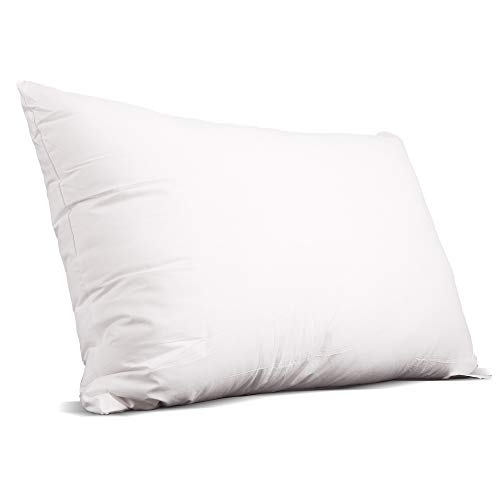
Polyester Pillow
A polyester pillow dried on low heat with dryer balls: the dryer setting for polyester pillows.
Key specs: Polyester fill — Low heat, dryer balls.
The polyester pillow is a pillow filled with polyester fiber, and it is the pillow in this guide for a sleeper who wants to dry a polyester pillow safely. Its dryer setting is low heat with dryer balls, because low heat will not damage the fiber, and dryer balls will keep the pillow fluffy. The cycle should be short, because polyester dries quickly, and the pillow should be fluffed after drying, because a pillow that is not fluffed will go flat.
The polyester pillow's other strength is its ease and its value. The polyester fill is easy to wash and dries quickly, which means it is the easiest pillow to care for, and its cover is washable, which means it can be kept clean. The pillow is soft, which means it feels gentle against the face, and it is one of the least expensive pillows, which means a buyer can replace it without spending much. For a sleeper who wants to dry a polyester pillow safely, low heat with dryer balls is the best choice in this guide.
The trade-offs are flattening and heat. A polyester pillow flattens faster than a down or foam pillow, which means it needs fluffing to hold its shape, and it cannot be dried on high heat, because high heat will melt the fiber. The pillow must be checked after drying, because a pillow that is still damp will smell, and it should be replaced when it no longer holds its shape.
One practical note: a polyester pillow should be dried on low heat with dryer balls, because dryer balls keep it fluffy and help the air circulate, and it should be fluffed after drying, because a pillow that is not fluffed will go flat. A sleeper should use a pillow protector, because a protector keeps the pillow clean and means it needs washing less often. For a sleeper who wants to dry a polyester pillow safely, low heat with dryer balls is the best choice in this guide, and its quick drying is the reason to use it.
Strengths:
- Low heat will not damage the fiber
- Dries quickly; shortest cycle of any fill
- Dryer balls keep it fluffy
Trade-offs:
- Flattens faster than down or foam
- Cannot be dried on high heat; fiber will melt
- Must be fluffed after drying or it will go flat
Who it fits: Sleepers who own a polyester pillow and want to dry it safely.
Best for: sleepers who own a polyester pillow and want to dry it safely. Not suited for: sleepers who want a firm pillow.
Check price on Amazon: Polyester Pillow

Latex Pillow
A latex pillow that should not be machine dried: the dryer setting for latex pillows.
Key specs: Latex foam — Do not machine dry; air dry only.
The latex pillow is a pillow made from latex foam, and it is the pillow in this guide for a sleeper who wants to dry a latex pillow safely. Its dryer setting is no machine drying at all, because heat will damage the latex, and a latex pillow that is put in a dryer will come out warped or crumbled. The pillow should be air dried, because air will dry it without heat, and its cover should be washed separately, because the cover can be machine washed while the latex cannot.
The latex pillow's other strength is its support and its durability. The latex foam is springy, which means it supports the head without flattening, and it holds its shape, which means it supports the neck all night. The pillow is breathable, which means it does not trap heat, and it lasts longer than a polyester pillow, which means it is good value over time. For a sleeper who wants to dry a latex pillow safely, air drying is the best choice in this guide.
The trade-offs are time and care. A latex pillow takes a long time to air dry, because latex holds moisture, and a pillow that is put away damp will smell. The latex cannot be put in a dryer, which means a sleeper who wants a quick dry cannot have one, and the pillow must be kept out of direct sun, because sun can damage latex.
One practical note: a latex pillow should never be put in a dryer, because heat will damage the latex, and its cover should be washed separately, because the cover can be machine washed while the latex cannot. A sleeper should air the latex out in a shaded, well-ventilated room, because sun can damage latex, and a pillow that is aired will stay fresh. For a sleeper who wants to dry a latex pillow safely, air drying is the best choice in this guide, and its gentle care is the reason to use it.
Strengths:
- Air drying will not damage the latex
- Cover can be machine washed separately
- Springy foam supports the head without flattening
Trade-offs:
- Takes a long time to air dry
- Cannot be machine dried at all
- Must be kept out of direct sun
Who it fits: Sleepers who own a latex pillow and want to dry it safely.
Best for: sleepers who own a latex pillow and want to dry it safely. Not suited for: sleepers who want a quick dry.
Check price on Amazon: Latex Pillow

Buckwheat Pillow
A buckwheat pillow that should never be machine dried: the dryer setting for buckwheat pillows.
Key specs: Buckwheat hulls — Do not machine dry; air the hulls.
The buckwheat pillow is a pillow filled with buckwheat hulls, and it is the pillow in this guide for a sleeper who wants to care for a buckwheat pillow safely. Its dryer setting is no machine drying at all, because the hulls will break in a dryer, and a buckwheat pillow that is put in a dryer will come out ruined. The hulls should be removed from the cover, and the cover should be washed separately, while the hulls are aired out, because air will freshen them without damage.
The buckwheat pillow's other strength is its support and its adjustability. The hulls can be added or removed, which means the pillow can be made taller or shorter, and they conform to the head, which means they support the neck without pushing the head forward. The pillow is breathable, which means it does not trap heat, and it lasts for years, because hulls do not flatten like fiber. For a sleeper who wants to care for a buckwheat pillow safely, airing the hulls is the best choice in this guide.
The trade-offs are noise and care. The hulls make a rustling sound, which means a light sleeper may find it noisy, and the pillow is heavy, which means it is awkward to move. The hulls cannot be washed, which means a sleeper who wants a washable pillow cannot have one, and they must be aired out regularly, because hulls that are not aired will smell.
One practical note: a buckwheat pillow should never be put in a dryer, because the hulls will break, and its cover should be washed separately, because the cover can be machine washed while the hulls cannot. A sleeper should air the hulls out in the sun, because sun freshens them, and should replace them when they wear out, because hulls that have broken down will not support the head. For a sleeper who wants to care for a buckwheat pillow safely, airing the hulls is the best choice in this guide, and its gentle care is the reason to use it.
Strengths:
- Hulls can be aired out without damage
- Cover can be machine washed separately
- Hulls conform to the head and support the neck
Trade-offs:
- Hulls make a rustling sound
- Heavy; awkward to move
- Hulls cannot be washed
Who it fits: Sleepers who own a buckwheat pillow and want to care for it safely.
Best for: sleepers who own a buckwheat pillow and want to care for it safely. Not suited for: sleepers who want a washable pillow.
Check price on Amazon: Buckwheat Pillow
Feather Pillow
A feather pillow dried on low heat with dryer balls: the dryer setting for feather pillows.
Key specs: Feather fill — Low heat, dryer balls, long cycle.
The feather pillow is a pillow filled with feathers, and it is the pillow in this guide for a sleeper who wants to dry a feather pillow safely. Its dryer setting is low heat with dryer balls, because low heat will not damage the feathers, and dryer balls will break up clumps, which means the pillow will stay fluffy. The cycle should be long, because feathers take time to dry, and the pillow should be checked often, because a pillow that is still damp will smell.
The feather pillow's other strength is its loft and its value. The feather fill is lofty, which means it moulds to the head, and it is less expensive than down, which means a buyer can get a natural-fill pillow without spending much. The pillow holds its shape, which means it supports the head all night, and its cover is tightly woven, which means the feathers stay in. For a sleeper who wants to dry a feather pillow safely, low heat with dryer balls is the best choice in this guide.
The trade-offs are time and care. A feather pillow takes a long time to dry, because feathers hold moisture, and a pillow that is taken out damp will smell and can grow mould. The pillow must be fluffed after drying, because feathers that are not fluffed will clump, and it cannot be dried on high heat, because high heat will damage the feathers. The quills can also poke through the cover, which means a sleeper may feel them.
One practical note: a feather pillow should be dried on low heat with clean tennis balls or wool dryer balls, because dryer balls break up clumps and help the air circulate, and it should be checked often, because a pillow that is still damp will smell. A sleeper should use a pillow protector, because a protector keeps the pillow clean and means it needs washing less often. For a sleeper who wants to dry a feather pillow safely, low heat with dryer balls is the best choice in this guide, and its gentle heat is the reason to use it.
Strengths:
- Low heat will not damage the feathers
- Dryer balls break up clumps and keep it fluffy
- Long cycle dries the feathers fully
Trade-offs:
- Takes a long time to dry
- Must be checked often; a damp pillow will smell
- Quills can poke through the cover
Who it fits: Sleepers who own a feather pillow and want to dry it safely.
Best for: sleepers who own a feather pillow and want to dry it safely. Not suited for: sleepers who want a quick dry.
How to Dry Pillows Safely
Check the label first, because the label tells the dryer setting for the pillow, and a buyer who ignores the label will ruin the pillow. A down or feather pillow can be dried on low heat with dryer balls, while a memory foam or latex pillow should never go in a dryer, and a buckwheat pillow should never be machine dried at all. A buyer should read the label before drying, because a setting that is safe for one pillow can ruin another.
Use low heat, because low heat is the safe setting for most pillows, and high heat can damage the fill, shrink the cover, or melt the foam. A pillow that is dried on high heat will come out damaged, and a buyer who uses high heat will ruin the pillow. A buyer should set the dryer to low heat, or to air fluff, because a gentle setting will dry the pillow without damage.
Use dryer balls, because dryer balls help a pillow dry evenly and keep its loft. A down or feather pillow dried without dryer balls will clump, because the fill will stick together, while one dried with dryer balls will stay fluffy. A buyer should use clean tennis balls or wool dryer balls, because they break up clumps and help the air circulate.
Check the pillow often, because a pillow that is still damp will smell and can grow mould, and a buyer who takes it out too soon will have a damp pillow. A buyer should stop the dryer and check the pillow, because a pillow that feels damp in the middle needs more time, and one that feels dry can be taken out. A pillow that is fully dry will stay fresh, and one that is damp will not.
Fluff the pillow after drying, because a pillow that is not fluffed will stay flat, and one that is fluffed will regain its loft. A buyer should fluff a down or feather pillow by hand, because the fill will have clumped, and should air the pillow out, because a pillow that is aired will stay fresh. A pillow that is fluffed and aired will support the head, and one that is not will go flat.
How to Use and Care for Your Pillows
Use the pillow as its guide describes, sleeping on it for at least a month before judging it, because a body needs time to adjust to a new pillow, and a pillow that feels wrong on the first night may feel right after a week. Fluff the pillow daily, because a pillow that is not fluffed will flatten, and a flat pillow will not support the head. Use a pillow protector, because a protector keeps the pillow clean and means it needs washing less often.
Care for the pillow by washing its cover regularly, and by airing it out: a pillow that is aired will stay fresh, and one that is not will smell. Dry it on the setting for its fill, because a setting that is safe for one fill can ruin another, and check it often, because a pillow that is still damp will smell. Keep it in a dry room, and replace it when it no longer holds its shape, because a pillow that has gone flat will not support the head.
Store the pillow flat or in a breathable bag, because a pillow that is stored compressed will lose its loft, and one that is stored in plastic will trap moisture. Do not fold the pillow for storage, because folding will crease the fill, and do not leave it in a damp room, because dampness will make the fill smell. A pillow that is stored well will last longer than one that is left flat under the bed.
A dryer setting is also worth checking for a pillow protector, because a protector that is dried on high heat can shrink, which means it will not fit the pillow. A buyer should wash and dry the protector on low heat, because a gentle setting will keep it fitting, and should check it often, because a protector that is still damp will smell.
Mistakes That Waste Money Drying Pillows
The most common mistake is drying a memory foam or latex pillow in a machine. Heat will damage the foam, and a pillow that is put in a dryer will come out warped or melted, while one that is air dried will stay in shape. A buyer should never put a foam pillow in a dryer, because a pillow that is dried wrongly cannot be fixed, and one that is air dried will last for years.
The second mistake is using high heat. High heat can damage the fill, shrink the cover, or melt the foam, and a pillow that is dried on high heat will come out damaged. A buyer should use low heat, or air fluff, because a gentle setting will dry the pillow without damage, and one that is too hot will ruin it.
The third mistake is taking the pillow out damp. A pillow that is still damp will smell and can grow mould, and a buyer who takes it out too soon will have a damp pillow. A buyer should check the pillow often, because a pillow that feels damp in the middle needs more time, and one that feels dry can be taken out.
The fourth mistake is drying a buckwheat pillow in a machine. The hulls will break in a dryer, and a pillow that is put in a dryer will come out ruined, while one whose hulls are aired out will stay in shape. A buyer should remove the hulls and wash only the cover, because a cover that is washed will stay fresh, and hulls that are aired will stay supportive.
Related Guides
More guides on this site on the same topic: Best Cotton Pillows, Best Down Pillows Soft King Size and Best Affordable Feather Pillows.
Frequently Asked Questions
What is the best dryer setting for pillows?
It depends on the fill. A down, feather, or polyester pillow can be dried on low heat with dryer balls, because low heat will not damage the fill, while a memory foam or latex pillow should never go in a dryer, and a buckwheat pillow should never be machine dried. A buyer should check the label, because the label tells the setting for the pillow.
Can I put a memory foam pillow in the dryer?
No, because heat will damage the foam, and a memory foam pillow that is put in a dryer will come out warped or melted. A buyer should air dry a memory foam pillow, because air will dry it without heat, and should wash only the cover, because the cover can be machine washed while the foam cannot.
Should I use dryer balls with pillows?
Yes, for down, feather, and polyester pillows, because dryer balls break up clumps and help the pillow dry evenly, which means it will stay fluffy. A buyer should use clean tennis balls or wool dryer balls, because they break up clumps and help the air circulate, and should not use them with foam pillows, because foam pillows should not be machine dried at all.
How long does it take to dry a pillow?
It depends on the fill, because a polyester pillow dries quickly, while a down or feather pillow takes a long time, because down and feathers hold moisture. A buyer should check the pillow often, because a pillow that feels damp in the middle needs more time, and one that feels dry can be taken out. A pillow that is fully dry will stay fresh, and one that is damp will smell.
Can I dry a buckwheat pillow in the dryer?
No, because the hulls will break in a dryer, and a buckwheat pillow that is put in a dryer will come out ruined. A buyer should remove the hulls from the cover, wash only the cover, and air the hulls out, because air will freshen them without damage, and hulls that are aired will stay supportive.
Final Recommendation
The best dryer setting for pillows depends on the fill: low heat with dryer balls for down, feather, and polyester pillows, and no machine drying at all for memory foam, latex, and buckwheat pillows. Check the label first, use low heat, use dryer balls, and check the pillow often. A pillow dried on the right setting will stay fluffy and fresh, and one dried on the wrong setting will be ruined.


