What's inside
- Quick picks: best fabric for bottom of slippers
- Why the Bottom of a Slipper Matters Most
- Quick Comparison
- Supplies for the Best Fabric for the Bottom of Slippers
- How to Choose a Fabric for the Bottom of Slippers
- Common Mistakes When Choosing a Sole Fabric
- Sizing and Fit for Handmade Slippers
- Caring for Handmade Slippers
- Frequently Asked Questions
- Sewing a Sole Onto a Knitted Slipper
- Conclusion
- A Note on This Guide
As an Amazon Associate I earn from qualifying purchases. This post may contain affiliate links at no extra cost to you.
Quick picks: best fabric for bottom of slippers
| # | Product | Where to buy |
|---|---|---|
| 1 | Con-Tact Brand Self-Adhesive Cork Roll | Check on Amazon |
| 2 | Con-Tact Brand Grip Liner | Check on Amazon |
| 3 | Rubber-Cal Neoprene Rubber Sheet | Check on Amazon |
Why the Bottom of a Slipper Matters Most
The best fabric for the bottom of slippers is the one that does the hardest work, and it is the part that makers think about least. It meets the floor with every step, it takes the wear, it keeps the foot warm or lets the cold through, and it decides whether the slipper slips on a smooth floor or grips. A slipper with a beautiful upper and a poor sole will be uncomfortable, unsafe, and short-lived, while a slipper with a simple upper and a good sole will be comfortable, safe, and durable. The materials in this guide are the ones for the bottom of slippers, and they are chosen because they grip, protect, and last.
The first job of a sole fabric is grip. A slipper worn on wood, tile or laminate must not slip, and the sole material decides whether it does. Leather grips well when new and gets smoother with wear, suede grips well and stays grippy, felt grips on carpet but slips on smooth floors, and rubber grips on almost everything. A maker who wants a slipper for hard floors should choose a material that grips on them, and the rubber and suede below are the best for that.
The second job is protection. A sole must protect the foot from cold, from hard floors, and from sharp objects, and it must be thick enough to do so. A thin fabric will let cold through from a stone floor, and it will wear through quickly, while a thick leather or rubber sole will insulate and last. The thickness matters as much as the material, and a maker should choose a sole that is thick enough for the floor it will be worn on.
The third job is durability. A sole is worn on the feet, on hard floors, and it takes more wear than any other part of the slipper, so the material must be strong enough to survive. A loosely woven fabric will wear through, while a tightly woven one, or a solid material like leather or rubber, will last for years. The materials in this guide are chosen because they are strong enough for soles, not just soft enough, and that distinction matters more than any other.
Each material below is described with its strengths, its trade-offs and the slipper it fits, plus a guide to choosing between them, the mistakes that waste money, and answers to the questions makers ask most. The descriptions are based on widely published maker guides and on common slipper-making practice. The supplies section below names the sheets, rolls and liners to buy for each material, so a maker can buy what the guide teaches with.
Quick Comparison
| Material | Type | Standout features | Best for |
|---|---|---|---|
| Leather | Smooth, durable | Grips, insulates, lasts for years | Best all-round sole fabric |
| Suede | Soft, grippy | Grips well, breathes, durable | Best grippy sole fabric |
| Felt | Dense wool felt | Warm, soft, quiet | Best warm, quiet sole fabric |
| Cork | Natural cork | Cushions, breathes, light | Best cushioned sole fabric |
| Grip Fabric (Non-Slip) | Rubber-dotted fabric | Grips on smooth floors | Best non-slip sole fabric |
| Rubber Sheet | Solid rubber | Toughest, waterproof, grippy | Best toughest sole fabric |
Leather
The classic sole fabric: smooth, durable, and the best all-round choice for handmade slippers.
Leather is the classic fabric for the bottom of slippers, and it is the one that makers have used for centuries. It is smooth, durable, and it moulds to the foot over time, and it is the best all-round choice for a handmade slipper. A sole made from leather will grip well when new, it will insulate the foot from a cold floor, and it will last for years, which is why it is the material that most slipper patterns recommend, and the one that most makers choose first.
Leather works as a sole because it is strong and flexible. It is thick enough to protect the foot, it bends with the foot, and it gets smoother and more comfortable with wear, developing a patina rather than looking worn out. A leather sole can be sewn to the bottom of a knitted or crocheted slipper with a strong thread, and it can be replaced when it wears out, which means the slipper can be repaired rather than thrown away. Owners of leather-soled slippers report that they last for years, and that they are the ones they wear on hard floors.
The trade-offs are that leather is not waterproof, and it can be slippery when wet, so a leather sole should not be worn outside in rain or on wet floors. Leather is also more expensive than fabric, and it needs care, since it should be conditioned occasionally to keep it supple. It is a premium material, and it should be bought for that reason, not as a budget choice.
Strengths:
- Smooth and durable; lasts for years
- Moulds to the foot with wear
- Insulates from cold floors
- Can be replaced; slipper can be repaired
Trade-offs:
- Not waterproof; slippery when wet
- More expensive than fabric
- Needs conditioning to stay supple
Who it fits: Makers who want the classic, long-lasting sole.
Suede
A soft, grippy sole fabric that breathes and holds its grip: the best choice for smooth floors.
Suede is the grippy sole fabric in this guide, and it is the one for a slipper that will be worn on smooth floors. It is the underside of leather, soft and fibrous, and it grips well on wood, tile and laminate, because the fibres catch the floor. A sole made from suede will be soft, breathable, and durable, and it is the best choice for a maker who wants a slipper that grips, and who does not want a hard, smooth sole.
Suede works as a sole because its fibres grip. Unlike smooth leather, which gets smoother with wear, suede stays grippy, since the fibres do not polish down, and it breathes, so the foot stays dry. A suede sole can be sewn to the bottom of a slipper, and it can be replaced when it wears out, which means the slipper can be repaired. Owners report that suede-soled slippers are the ones they wear on smooth floors, and that they are the ones that do not slip, even when the floor is polished.
The trade-offs are that suede is not waterproof, and it stains easily, so a suede sole should not be worn outside in wet weather, and it should be protected with a spray before the first wear. Suede is also less durable than smooth leather, and it will wear out sooner on rough ground, so it is best for indoor slippers, not for outdoor ones. It is a grippy material, and it should be chosen for that reason.
Strengths:
- Grippy fibres that hold on smooth floors
- Breathes, so the foot stays dry
- Soft and comfortable underfoot
- Stays grippy; does not polish smooth
Trade-offs:
- Not waterproof; stains easily
- Less durable than smooth leather
- Best for indoor slippers, not outdoor
Who it fits: Makers who want a grippy sole for smooth floors.
Felt
Dense wool felt: warm, soft and quiet, for slippers that will be worn on carpet and in quiet houses.
Felt is the warm, quiet sole fabric in this guide, and it is the one for a slipper that will be worn on carpet and in a quiet house. It is made from wool fibres pressed together, which makes a dense, thick fabric that insulates, cushions, and absorbs sound, so a slipper with a felt sole will be warm, soft, and silent on hard floors. Felt is the best choice for a maker who wants a slipper that is warm and quiet, and who does not need a sole for rough ground.
Felt works as a sole because it is thick and dense. The fibres trap air, which insulates the foot from a cold floor, and the fabric cushions the foot, which reduces the ache of standing on hard floors. A felt sole can be sewn to the bottom of a slipper, and it can be layered, with two layers for extra warmth, which is a simple way to make a warmer slipper. Owners report that felt-soled slippers are the warmest they own, and that they are the ones they wear in winter, when other slippers are not warm enough.
The trade-offs are that felt is not durable on hard floors, and it will wear through quickly on wood or tile, so it is best for carpet, or for a slipper that will be worn mostly on soft floors. Felt also slips on smooth floors, since it has no grip, so a maker who wants a felt sole for hard floors should add a non-slip fabric or a rubber sole over it. It is a warm, quiet material, and it should be chosen for that reason.
Strengths:
- Dense wool felt; warm and insulating
- Soft and quiet on hard floors
- Cushions the foot; comfortable for hours
- Can be layered for extra warmth
Trade-offs:
- Wears through quickly on hard floors
- Slips on smooth floors; no grip
- Best for carpet, not for wood or tile
Who it fits: Makers who want a warm, quiet sole for carpet.
Cork
Natural cork: light, cushioned and breathable, for slippers that need comfort without weight.
Cork is the cushioned sole fabric in this guide, and it is the one for a slipper that needs comfort without weight. It is made from the bark of the cork oak, harvested without cutting down the tree, and it is light, springy, and breathable, which makes it the most eco-friendly sole material here. A sole made from cork will cushion the foot, breathe, and last for years, and it is the best choice for a maker who wants a natural, comfortable sole.
Cork works as a sole because it is springy. The cork cells compress under pressure and spring back, which cushions the foot and spreads pressure, and the material breathes, so the foot stays dry. A cork sole can be cut to the shape of the slipper and glued or sewn on, and it can be layered with leather for extra durability. Owners report that cork-soled slippers are the most comfortable they own, and that they are the ones they wear when their feet are tired.
The trade-offs are that cork is not waterproof, and it can be damaged by water, so a cork sole should not be worn outside in wet weather. Cork is also less durable than leather or rubber on rough ground, so it is best for indoor slippers, not for outdoor ones. It is a comfortable, natural material, and it should be chosen for that reason.
Strengths:
- Light and springy; cushions the foot
- Natural and eco-friendly; harvested sustainably
- Breathes, so the foot stays dry
- Comfortable for tired feet
Trade-offs:
- Not waterproof; damaged by water
- Less durable than leather or rubber
- Best for indoor slippers, not outdoor
Who it fits: Makers who want a light, cushioned, natural sole.
Grip Fabric (Non-Slip)
Rubber-dotted fabric that grips on smooth floors: the best choice for safety on wood and tile.
Grip fabric, also called non-slip fabric, is the safety sole fabric in this guide, and it is the one for a slipper that will be worn on smooth floors. It is a fabric with small rubber dots or a rubber coating, which grips on wood, tile and laminate, and it is the material that is sewn to the bottom of commercial slippers to stop them slipping. A sole made from grip fabric will be safe on smooth floors, and it is the best choice for a maker who wants a slipper that does not slip, especially for an older wearer or a child.
Grip fabric works because the rubber dots catch the floor. Unlike felt or smooth leather, which can slip on a polished floor, grip fabric holds, even when the floor is smooth, and it is light and flexible, so it does not add bulk to the slipper. A grip fabric sole can be sewn to the bottom of a knitted or crocheted slipper, and it can be layered over felt or leather for a sole that is both warm and grippy. Owners report that grip-fabric slippers are the ones they wear on smooth floors, and that they are the ones that do not slip, even when the floor is wet.
The trade-offs are durability and warmth. Grip fabric is not as durable as leather or rubber, and the rubber dots will wear off with time, so the sole will need replacing sooner. The fabric is also thin, so it does not insulate as well as felt or leather, and a slipper with only a grip fabric sole will be cold on a stone floor. It is a safety material, and it should be chosen for that reason, often layered with a warmer material underneath.
Strengths:
- Rubber dots that grip on smooth floors
- Light and flexible; adds no bulk
- Sewn on easily; good for handmade slippers
- Best for safety, especially for older wearers
Trade-offs:
- Rubber dots wear off with time
- Thin; does not insulate as well as felt
- Less durable than leather or rubber
Who it fits: Makers who want a safe, non-slip sole for smooth floors.
Rubber Sheet
Solid rubber: the toughest, most waterproof sole fabric, for slippers that will be worn anywhere.
Rubber sheet is the toughest sole fabric in this guide, and it is the one for a slipper that will be worn anywhere, indoors and out. It is a solid sheet of rubber, cut to the shape of the slipper and glued or sewn on, and it is waterproof, grippy, and durable, which makes it the best choice for a maker who wants a slipper that can go outside, on wet ground, and on rough floors. A sole made from rubber sheet will last for years, and it is the one for a slipper that needs to survive anything.
Rubber sheet works because rubber is the most durable sole material, and it grips on almost everything. It is waterproof, so it can be worn outside in rain, it is thick enough to protect the foot from stones and sharp objects, and it does not wear through the way fabric does. A rubber sole can be glued to the bottom of a slipper, and it can be replaced when it wears out, which means the slipper can be repaired. Owners report that rubber-soled slippers are the ones they wear outside, and that they are the ones that last longest.
The trade-offs are weight and stiffness. Rubber sheet is heavier than fabric, and it is stiffer, so a slipper with a rubber sole will feel less flexible than one with a fabric sole. Rubber also does not breathe, so the foot can get warm, and a slipper with a rubber sole should have a breathable upper to compensate. It is a tough material, and it should be chosen for durability, not for lightness.
Strengths:
- Toughest sole fabric; lasts for years
- Waterproof; can be worn outside in rain
- Grips on almost every surface
- Can be replaced; slipper can be repaired
Trade-offs:
- Heavier and stiffer than fabric
- Does not breathe; foot can get warm
- Needs gluing and stitching to attach securely
Who it fits: Makers who want the toughest sole for indoor and outdoor wear.
Supplies for the Best Fabric for the Bottom of Slippers
How the supplies were chosen: each sheet, roll and liner below was chosen because it is the material in this guide in a form a maker can actually buy — cut to the shape of a slipper, sewn or glued on, and thick enough for a sole. Every pick is a real product sold for crafts and footwear, named with its brand and model; the buying links and images will be added when the publishing key for this site is available.
| Supply | Type | Best for |
|---|---|---|
| Tandy Leather Tooling Leather | Veg-tan cowhide, by the foot | Classic leather soles |
| Tandy Leather Suede | 1.2 mm veg-tan suede | Grippy suede soles |
| Clover Wool Felt | Wool felt sheets | Warm, quiet soles |
| Con-Tact Cork Roll | Natural cork, 18 in x 4 ft | Cushioned cork soles |
| Con-Tact Grip Liner | Non-adhesive grip liner | Grip layer under a sole |
| Rubber-Cal Neoprene Sheet | Neoprene rubber, by the foot | Toughest waterproof soles |
1. Tandy Leather Vegetable-Tanned Tooling Leather
Vegetable-tanned cowhide sold by the square foot: the classic leather for handmade slipper soles.
Specs: vegetable-tanned cowhide leather; sold by the square foot; cut to the shape of the slipper.
Veg-tan leather is the leather slipper makers have used for centuries: smooth, strong, and it moulds to the foot with wear. Bought by the square foot, one piece is enough for several pairs of soles, and it cuts cleanly with a knife or shears, then sews on with waxed thread.
Strengths:
- Classic sole leather; lasts for years
- Moulds to the foot with wear
- Cuts cleanly; sews on with waxed thread
Trade-offs:
- Not waterproof; slippery when wet
- Needs conditioning to stay supple
- Costs more than fabric sole materials
Who it fits: Makers who want the classic, long-lasting leather sole.
Best for: durable leather soles on handmade slippers. / Not suited for: outdoor wear in wet weather.
2. Tandy Leather Suede Leather
Soft, fibrous suede that grips smooth floors: the grippiest sewn sole in this guide.
Specs: 1.2 mm vegetable-tanned suede; sold by the piece; cut to the shape of the slipper.
Suede is the underside of leather, and its fibres catch wood, tile and laminate where smooth leather slides. A 1.2 mm suede sole is thin enough to sew through easily and grippy enough to keep a slipper safe on polished floors.
Strengths:
- Fibres grip smooth floors
- Breathes, so the foot stays dry
- Sews on easily; thin enough for hand stitching
Trade-offs:
- Not waterproof; stains easily
- Less durable than smooth leather
- Needs a protective spray before first wear
Who it fits: Makers who want a grippy sole for smooth indoor floors.
Best for: non-slip suede soles on indoor slippers. / Not suited for: outdoor wear or wet floors.
3. Clover Wool Felt
Wool felt sheets in three colour palettes: warm, soft and quiet soles for carpet and quiet houses.
Specs: wool felt sheets; sold in Brights, Autumn and Heathers colour palettes; cut to size.
Wool felt is the warm sole in this guide: dense fibres trap air, cushion the foot and absorb sound, so a felt-soled slipper is warm and silent on hard floors. The sheets cut cleanly to the shape of a slipper and sew on with a strong thread.
Strengths:
- Dense wool felt; warm and insulating
- Soft and quiet on hard floors
- Cuts cleanly and sews on easily
Trade-offs:
- Wears through quickly on hard floors
- Slips on smooth floors; no grip
- Best layered under a grip material for hard floors
Who it fits: Makers who want a warm, quiet sole for carpet.
Best for: warm felt soles on carpeted floors. / Not suited for: bare wood or tile without a grip layer.
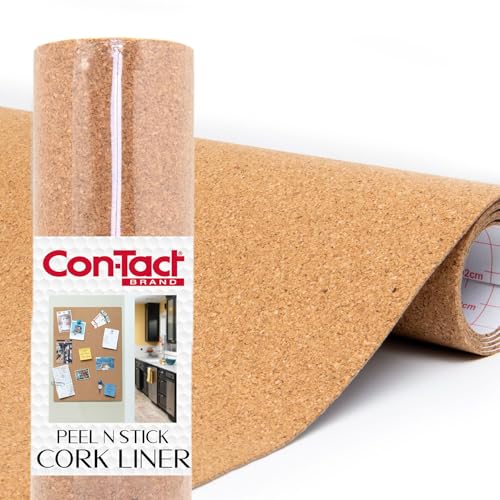
4. Con-Tact Brand Self-Adhesive Cork Roll
Natural cork on a self-adhesive roll: a light, cushioned sole that sticks in place while it is sewn on.
Specs: natural cork; 18 in x 4 ft roll; self-adhesive backing; cut to size.
Cork is the cushioned sole in this guide: light, springy and breathable, and this roll form is easy to work with — cut it to the shape of the slipper, stick it in place with its own adhesive backing, then stitch around the edge for a sole that stays put.
Strengths:
- Light and springy; cushions the foot
- Self-adhesive backing holds it while sewing
- Natural cork, cut to any shape
Trade-offs:
- Not waterproof; damaged by water
- Thin roll; layer it for a thicker sole
- Adhesive alone will not hold; stitch it too
Who it fits: Makers who want a light, cushioned, natural sole.
Best for: cushioned cork soles on indoor slippers. / Not suited for: wet weather or rough outdoor ground.
Check price on Amazon: Con-Tact Brand Self-Adhesive Cork Roll

5. Con-Tact Brand Grip Liner
A non-adhesive grip liner that holds on smooth floors: the safety layer under a warm sole.
Specs: non-adhesive grip liner; sold in rolls; cut to size with scissors; washable.
Grip liner is the safety material in this guide: a rubbery mesh that grips wood, tile and laminate, sewn or glued under a felt or leather sole to add grip without adding bulk. It is the layer that makes a warm slipper safe on a polished floor.
Strengths:
- Grips smooth floors without adding bulk
- Cuts to any shape with scissors
- Washable; can be wiped clean
Trade-offs:
- Thin; adds no warmth or cushioning
- Needs stitching to stay on; adhesive alone fails
- Wears with time; check it and replace it
Who it fits: Makers who want a safe, non-slip sole for smooth floors.
Best for: a grip layer under a warm sole. / Not suited for: a sole on its own, where warmth is needed.
Check price on Amazon: Con-Tact Brand Grip Liner

6. Rubber-Cal Neoprene Rubber Sheet
A neoprene rubber sheet cut to size: the toughest, most waterproof sole in this guide.
Specs: neoprene rubber sheet; sold by the foot; cut to size with a knife; waterproof.
Neoprene rubber is the toughest sole material here: waterproof, grippy on almost every surface, and thick enough to protect the foot from stones and sharp objects. Cut it to the shape of the slipper, glue it on, and stitch around the edge for a sole that lasts for years.
Strengths:
- Toughest sole material; lasts for years
- Waterproof; can be worn outside in rain
- Grips on almost every surface
Trade-offs:
- Heavier and stiffer than fabric
- Does not breathe; foot can get warm
- Needs gluing and stitching to attach securely
Who it fits: Makers who want the toughest sole for indoor and outdoor wear.
Best for: waterproof, durable soles for any floor. / Not suited for: a light, flexible slipper.
Check price on Amazon: Rubber-Cal Neoprene Rubber Sheet
How to Choose a Fabric for the Bottom of Slippers
Start with the floor, because it decides the grip. A slipper worn on wood, tile or laminate needs a sole that grips, and rubber, suede and grip fabric are the best for that, while felt slips and should be avoided on smooth floors. A slipper worn on carpet can use felt, which is warm and quiet, and a slipper worn outside needs rubber, which is the only material that is waterproof and tough enough for rough ground.
Next, consider warmth. A thick sole insulates the foot from a cold floor, while a thin one lets the cold through, and the materials in this guide vary in thickness. Felt is the warmest, leather and cork are in the middle, and grip fabric is the thinnest and coldest. A maker who wants a warm slipper should choose felt or leather, and should layer materials, with a warm layer underneath and a grippy layer on top, which gives the best of both.
Then think about durability. A sole is worn on the feet, on hard floors, and it takes more wear than any other part of the slipper, so the material must be strong enough to survive. Leather and rubber are the most durable, suede and cork are in the middle, and felt and grip fabric wear sooner. A maker who wants a slipper that lasts should choose leather or rubber, and a maker who wants a slipper for a season should choose felt or grip fabric.
Water matters too. A sole that gets wet must dry, and leather, suede, felt and cork all suffer when wet, while rubber does not. A maker who wants a slipper for wet weather should choose rubber, and a maker who wants a slipper for indoors should choose any of the others, since they will not get wet. A sole that is protected with a spray or a sealant will last longer than one that is not, whatever the material.
Common Mistakes When Choosing a Sole Fabric
The most common mistake is choosing a fabric sole for a hard floor. A felt sole will wear through quickly on wood or tile, and it will slip on a smooth floor, while a leather or rubber sole will grip and last. The fix is to choose the sole for the floor it will be worn on, not for the way it looks, since a sole that cannot grip is unsafe.
The second mistake is choosing a sole that is too thin. A thin sole will let cold through from a stone floor, and it will wear through quickly, while a thick sole will insulate and last. The fix is to choose a sole that is at least 2 millimetres thick for leather and rubber, and at least 3 millimetres for felt and cork, since a thin sole is a false economy.
The third mistake is forgetting grip. A smooth sole on a polished floor will slip, and a maker who does not consider grip will make a slipper that is unsafe, especially for an older wearer or a child. The fix is to choose a grippy material, like suede, grip fabric or rubber, or to layer a grip fabric over a warmer material, which gives warmth and grip together.
Sizing and Fit for Handmade Slippers
The sole affects the fit of a handmade slipper, since it adds a little length and a lot of grip. A maker should sew the sole on before the final fitting, and should check that the slipper still fits with the sole in place. A slipper that fits without a sole may feel tight with one, and a slipper that is made to fit with a sole will be comfortable from the first wear.
The sole should be cut to the shape of the slipper, with a little extra around the edge, since a sole that is too small will leave the edges of the slipper unprotected, and a sole that is too large will catch on the floor. A maker should trace the slipper onto the sole material, cut it out, and check the fit before sewing, since a sole that is cut wrong cannot be fixed afterwards.
Caring for Handmade Slippers
Handmade slippers last longer when they are aired out after each wear. Wool needs to dry between wears, and a slipper that is shut away damp will develop odour and the fibres will break down sooner. Leave the slippers in a ventilated spot, and they will dry, the wool will recover, and the slippers will stay fresh for longer.
Leather and suede soles should be protected with a spray before the first wear, and brushed occasionally to restore the grip. A rubber sole should be wiped clean with a damp cloth, and a felt sole should be brushed to remove fluff. A slipper that is cared for will last for years, and one that is neglected will wear out within months.
Frequently Asked Questions
What is the best fabric for the bottom of slippers?
Leather, for most makers. It is durable, it grips well, it insulates from cold floors, and it can be replaced when it wears out. Suede is better for grip on smooth floors, felt is better for warmth and quiet, and rubber is better for outdoor wear and wet weather. The best sole is often a combination: a warm layer underneath and a grippy layer on top.
Do handmade slippers need a sole?
Yes, if they will be worn on hard floors. A knitted or crocheted sole will wear through quickly on wood or tile, so most makers sew a leather, suede or rubber sole to the bottom, or paint on a non-slip fabric. A slipper without a sole is fine on carpet, but it will not last on a hard floor, and it will slip.
How thick should a slipper sole be?
At least 2 millimetres for leather and rubber, and at least 3 millimetres for felt and cork. A thin sole will let cold through and wear through quickly, while a thick sole will insulate and last. A maker who wants a warmer slipper should layer materials, with a warm layer underneath and a grippy layer on top.
Can I make slippers non-slip?
Yes, by using a grippy sole material like suede, grip fabric or rubber, or by layering grip fabric over a warmer material like felt. A slipper with a grip fabric sole will hold on smooth floors, even when they are polished, and it is the best choice for an older wearer or a child, for whom a slip is dangerous.
Sewing a Sole Onto a Knitted Slipper
Sewing a sole onto a knitted slipper is the step that turns a knitted sock into a wearable slipper, and it is simpler than most makers expect. The sole, whether leather, suede or rubber, is cut to the shape of the slipper, and it is sewn on with a strong, waxed thread, using a running stitch around the edge, with the stitches close together so that the sole cannot pull away. A maker who sews the sole on by hand will take about half an hour, and the result will be a slipper that can be worn on hard floors, which a knitted sole alone cannot.
The thread matters more than the stitch. A waxed thread is stronger than an ordinary one, and it will not fray, while a strong cotton or linen thread will also work, though it will wear out sooner. A maker should use a thread that is thicker than the yarn, and should double it, so that the sole is held firmly. A needle with a large eye is needed, since the thread is thick, and a thimble is useful, since the leather or rubber is hard to push a needle through, especially for a maker who is not used to it.
The fit should be checked before the sole is sewn on, since a sole that is cut wrong cannot be fixed afterwards. A maker should trace the slipper onto the sole material, cut it out, and place it against the slipper to check the shape, with a little extra around the edge, since a sole that is too small will leave the edges unprotected, and a sole that is too large will catch on the floor. A maker who checks the fit before sewing will save time, and will make a sole that fits properly.
Conclusion
The best fabric for the bottom of slippers is the one that grips, protects and lasts, and leather leads this guide as the all-round choice while suede leads for grip. Felt is the warm, quiet choice, cork is the cushioned natural choice, grip fabric is the safety choice, and rubber sheet is the toughest choice. Any of the six will make a good sole, and the right one is the one whose grip, warmth and durability match the floor the slipper will be worn on.
Choose the sole for the floor, make it thick enough, sew it on rather than gluing it, and layer materials for warmth and grip together. A slipper with a good sole will be safe, comfortable and durable, which is the real test of a handmade slipper. For ready-made slippers in the same materials, see our guides to the best wool slippers, the best felt slippers and the best boiled wool slippers for men.
A Note on This Guide
This guide covers sole fabrics and materials for handmade slippers, and it recommends the supplies to buy for them: the six materials named here are fabrics and sheets sold by the metre or by the piece, and the sheets, rolls and liners in the supplies section are the products those materials come as. The links and images for those supplies will be added when the publishing key for this site is available.

