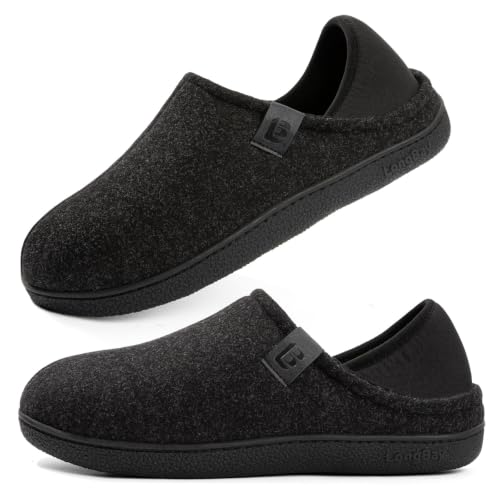
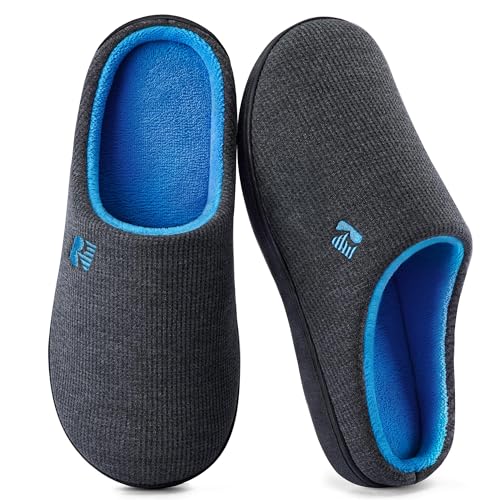
Our Top Picks
 Kseroo 2-Pack Tough Dog Toys for Aggressive ChewersLarge7.52 x 2.55 x 1.62 inches0.6 poundsCheck on Amazon
 OpenLive 16.5ml Dusty Rose Nail Polish Large Volume0.55 Fl Oz (Pack of 1)1.96 x 0.7 x 3.74 inchesCheck on Amazon

What's inside
- How to judge whether a slipper will last
- Stitched soles versus glued soles
- Outsole thickness, rubber compounds, and tread
- Uppers in wool felt, leather, and textiles
- Insoles you can replace change the maths
- Stitching, seams, and the case for double rows
- Styles compared for long service
- Indoor-only soles versus indoor-outdoor soles
- Care routines that genuinely extend life
- Signs of wear and when to repair or retire
- Cost per year of use, without bargain hunting
- Fit, sizing, and foot health over long ownership
- Common buying mistakes that shorten service
- Putting the criteria together for different households
- Disclosure
- Check prices on Amazon
- Final thoughts on buying once and wearing well
As an Amazon Associate I earn from qualifying purchases. This post may contain affiliate links at no extra cost to you.
A pair of house slippers rarely fails all at once. The heel cushion thins first, then the outsole smooths at the ball of the foot, then a seam near the toes begins to lift, and only after weeks of small changes does the pair feel finished. Longevity therefore depends less on a single premium material and more on how the sole attachment, outsole thickness, upper fabric, insole design, and stitching work together under daily indoor mileage. A typical home wearer takes several thousand steps indoors each day across hardwood, tile, carpet, and stairs, and each step flexes the forefoot, compresses the heel, and twists the upper slightly during turns in kitchens and hallways.
This guide explains how to judge durability before ordering, using construction details that manufacturers publish and that you can verify from product photographs and specification sheets. Stitched soles resist separation differently from cemented soles. Thick rubber outsoles wear more slowly than thin foam bottoms. Wool felt and full-grain leather uppers respond to abrasion and moisture in distinct ways. Replaceable insoles extend the useful life of a sound shell even after the original cushioning packs down. Reading those details together gives a clearer picture than softness on the first evening, because new foam almost always feels pleasant regardless of how quickly it will fatigue.
Durability also interacts with fit. A slipper that is half a size too long lets the heel lift and drag, grinding the interior lining and bending the sole at the wrong point. A pair that is too narrow forces the upper outward over the edge of the footbed, stressing side seams and thinning fabric where toes press. Correct length, a secure heel, and enough toe room reduce mechanical wear before materials are even considered, so sizing guidance from the maker, measured foot length in centimetres, and return terms for fit all belong in a longevity decision.
How to judge whether a slipper will last
Start with the sole joint, because separation between upper and sole is the failure mode that most often ends a pair outright. Look for visible stitching that passes through the upper and into a midsole or outsole, a construction often described as stitched, welted, or side-sewn depending on the pattern used. Thread that physically locks layers together can loosen gradually and sometimes be repaired by a cobbler, whereas adhesive bonds can release suddenly after heat, moisture, or repeated flexing weakens the glue line. Photographs taken from a low side angle usually reveal whether a decorative groove is merely moulded into rubber or whether real thread sits inside that groove.
Next, examine outsole thickness at the heel and forefoot rather than total sole height, because stacked foam can look substantial while the actual wear layer remains paper thin. A rubber outsole in the range of several millimetres provides sacrificial material that abrades slowly against wood and tile, and deeper tread lugs postpone the day when the contact patch turns smooth. Makers that publish outsole composition, such as natural rubber, thermoplastic rubber, or ethylene-vinyl acetate blends, give you a basis for comparison, since dense rubber generally resists abrasion longer than soft foam left exposed as the ground-contact surface.
Then assess the upper for fibre content, thickness, and lining attachment. Dense wool felt holds its shape because interlocked fibres resist stretching, and leather develops surface marks while retaining tensile strength across many flex cycles. Thin synthetic fleece may feel warm initially yet pill, mat, and tear at stress points sooner when used daily. Check whether the lining is fully stitched around the collar or only glued at intervals, whether the toe area has an extra overlay, and whether care instructions allow the cleaning method your household actually uses, because a durable upper that cannot be cleaned in your routine will be retired for hygiene reasons before it wears through.
The five checkpoints in order
A practical order of inspection keeps attention on parts that cannot be replaced first. The sole bond comes first because it is rarely user-serviceable at home. The outsole comes second because its wear determines traction and water resistance on hard floors. The upper comes third because splits at the flex point end usefulness even when soles remain sound. The insole comes fourth because it can often be swapped, which lowers its priority as a failure risk. Stitching quality runs through all four checkpoints, since loose thread, skipped stitches, and uneven tension predict where layers will begin to move against each other.
Weight offers a supporting clue rather than a verdict. Extremely light slippers sometimes achieve that weight with thin foam soles and gauze-like uppers, while moderately heavier pairs may carry thicker rubber and denser felt. Weight alone proves nothing, though, because a heavy pair can still use weak adhesive and a light pair can use strong modern textiles. Treat published weight per pair, sole measurements, and material lists as corroborating evidence for the construction story, not as substitutes for examining how the parts are joined and where reinforcement has been placed.
Stitched soles versus glued soles
Stitched construction uses thread to bind the upper to a sole unit, and the mechanical nature of that bond explains its durability advantage. Each stitch acts as an individual anchor, so failure of one anchor does not unzip the entire perimeter unless the thread itself breaks along a run. Side stitching visible around the lower edge of a loafer-style slipper typically passes through leather and a midsole strip, allowing slight flex while holding alignment. Through-stitching on felt clogs often enters the top of a cork or foam midsole, which is why the thread line appears on the footbed surface near the edges in overhead photographs.
Stitched joints also tolerate temperature swings better than many adhesives. Homes expose slippers to warm floors near radiators, cool entry tiles, and occasional trips to a chilly porch, and repeated expansion and contraction can stress a rigid glue line. Thread accommodates small movements between layers without cracking, and waxed or bonded nylon thread resists moisture uptake that would weaken plain cotton thread. When a maker names thread fibre or describes lockstitch rather than a simple chain stitch, that detail matters, because lockstitch runs hold even if a segment is abraded on one side.
Cemented construction, often called glued or bonded construction, presses a prepared upper against a sole with adhesive and heat or pressure. Modern footwear adhesives can be strong, and many athletic shoes rely on them successfully, yet house slippers present a tougher case because they are worn without socks by many people, flex at low speed with high torque during household turns, and are frequently left near heat sources that soften bonds. The weak point is usually the toe spring area and the inner arch edge, where peeling starts as a small lip that catches on carpet edges and grows with each wear.
Delamination rarely announces itself early. A faint clicking sound when walking on hard floors can indicate layers separating and slapping back together. A shadow gap along the sidewall, bubbling in a smooth sole surface, or a heel edge that can be lifted with gentle finger pressure all point to bond failure in progress. Once grit and moisture enter an opened glue joint, rebonding at home becomes unreliable because contaminated surfaces no longer mate cleanly, so early detection matters more for cemented pairs than for stitched pairs, which tend to loosen gradually rather than peel.
Hybrid soles and what they mean
Many durable designs combine both methods, using adhesive to position layers and stitching to secure them permanently. A glued midsole with a stitched outsole, or a cemented upper reinforced by a stitched rand, can deliver tidy appearance plus mechanical backup. The key question is whether stitches penetrate load-bearing layers or merely decorate a surface. Zoomed photographs, cross-section diagrams published by makers, and descriptions that name the layers the thread passes through help separate structural stitching from cosmetic stitching that sits in a shallow channel and carries no load.
Repairability separates the categories further over a long horizon. A local shoe repair shop can often restitch a separated seam on a leather or felt upper, replace a worn heel piece, or patch a small upper split, provided the sole unit remains intact and the materials accept needle work. Fully cemented foam soles offer fewer repair options because new adhesive rarely bonds well to aged, compressed foam. If you plan to keep a pair for several winters, asking whether the design uses replaceable or repairable components is a reasonable pre-purchase step based on the maker documentation.
Outsole thickness, rubber compounds, and tread
The outsole is the only part designed to be sacrificed to friction, so its thickness and compound decide how many months pass before traction fades. Natural rubber offers strong grip on dry wood and tile and resists cutting from small grit, but it can feel heavier and may mark very pale floors if the compound is soft and dark. Thermoplastic rubber blends mould easily into tread patterns and balance grip with abrasion resistance for indoor-outdoor use. Ethylene-vinyl acetate, widely used for midsoles, becomes a weak outsole when left bare, because its cellular structure abrades and compresses faster than solid rubber under concentrated heel load.
Thickness should be judged at the heel strike zone and beneath the metatarsal heads, the two areas that carry peak pressure in normal gait. A sole that is thick at the arch but thin at those load points will still wear through early where it matters. Some makers publish total stack height only, which combines insole, midsole, and outsole into one flattering number, so look for diagrams or descriptions that isolate the rubber layer. A visible colour change between a foam midsole and a darker rubber bottom often shows the true wear layer depth in side profile images.
Tread geometry influences both grip and longevity. Wide, shallow siping helps a smooth rubber sheet grip wet tile by channelling a thin film of water away from the contact patch. Deep lugs suit mixed indoor and outdoor surfaces because they shed small stones and mud, yet widely spaced lugs reduce the rubber area touching a flat kitchen floor. Herringbone and wavy patterns flex with the forefoot and distribute abrasion across many small edges, while a completely flat outsole concentrates wear in a single polished oval that eventually becomes slippery on stairs.
Reading wear patterns on an older pair
Your previous pair is a useful measurement tool. Heavy wear at the outer heel suggests a natural supination pattern that will attack the same corner on any new pair, so a bevelled heel and thicker rubber at that corner are worth prioritising. A smooth patch under the big toe points to strong push-off forces that thin forefoot rubber quickly. Wear that appears on one foot far more than the other can reflect leg-length differences, habitual standing on one leg at a counter, or carrying laundry downstairs with weight shifted to a dominant side, all of which argue for rotating two pairs rather than blaming materials alone.
Tread depth loss follows a predictable sequence. Sharp lug edges round first, then lug height drops until the grooves hold less water, then the base sheet itself begins to thin and flex more noticeably. The practical retirement signal is not a calendar date but a combination of smooth contact patches, reduced grip on a damp bathroom tile, and a sole that feels noticeably thinner when you press a thumb into the heel from below. Continuing past that point risks slips and allows moisture to reach the midsole, accelerating internal breakdown that cannot be reversed by drying.
Uppers in wool felt, leather, and textiles
Wool felt earns its reputation in house footwear because the fibre scales interlock during felting, producing a dense sheet that insulates without needing a separate lofty lining. Quality felt resists stretching across the instep, so the slipper keeps its hold on the heel instead of growing sloppy. Wool also absorbs a meaningful amount of moisture vapour before feeling damp, which helps during long evenings, and it releases that moisture when the pair rests in open air overnight. Thickness grades matter: thin craft-weight felt deforms quickly, while footwear-grade felt several millimetres thick holds a clog shape through seasons of flexing at the toes.
Leather uppers bring a different durability profile based on tensile strength and surface finish. Full-grain leather keeps the tight natural fibre surface, so scuffs remain superficial and the material resists tearing around stitch holes. Suede and nubuck offer a softer hand and show abrasion as flattened nap rather than cracks, provided they are brushed and kept away from soaking water. Split leather and heavily coated finishes can look smooth in photographs yet crack along the flex crease once the coating ages, so descriptions that specify hide type and tanning method carry more weight than the single word leather in a headline.
For readers weighing breathable natural-fibre options against these denser materials, the comparison in best all cotton slippers lays out where lighter weaves fit into a rotation.
Woven textiles and knit uppers vary the most, because yarn composition and knit density change stretch and abrasion behaviour dramatically. A tight knit with a reinforced toe cap can outlast a loose novelty knit by a wide margin, and synthetic yarns dry faster after washing while natural yarns manage odour differently. Stretch panels over the instep improve entry for high arches and swollen feet, but an upper made entirely of high-stretch knit may relax over months until the heel slips. Look for structured heel counters, bound edges, and a firmer weave at the flex point as signs that convenience has not replaced support.
Linings, collars, and interior wear
Interiors often wear out before exteriors, because heels rub linings with every step and toe nails catch loose fibres. Shearling and wool-pile linings cushion well and manage moisture, yet the pile at the heel can mat and thin until the base fabric shows. Terry linings absorb spills and wash easily, though repeated laundering can roughen loops and reduce softness. A lining that is stitched at the collar and anchored at the toe box stays in place, while a loose sock-like lining can bunch, create friction blisters, and tear free at the heel seam.
Collar construction affects both comfort and shape retention. A padded collar grips the ankle area on bootie styles and reduces heel lift, which in turn reduces interior abrasion. Raw felt edges on clogs avoid padding breakdown entirely and suit wearers who dislike bulk. Bound collars with woven tape resist fraying where hands pull the pair on each morning, a small detail that matters because entry stress repeats twice daily and concentrates force on a few centimetres of material at the back of the heel.
Insoles you can replace change the maths
Cushioning foams lose resilience through cell collapse, a process accelerated by body heat, moisture, and the concentrated load under the heel bone. Even a well-built slipper can feel flat after extended daily use while its upper and outsole remain serviceable, which is why a removable insole is a longevity feature rather than a convenience extra. When the insole lifts out cleanly, you can air it separately, wash it according to its own instructions, and eventually substitute a fresh insert of similar thickness so the original fit volume is preserved.
Insole materials age at different rates. Open-cell foam feels soft immediately but absorbs moisture and compresses in the heel cup. Denser memory foam distributes pressure well yet can retain heat and recover slowly in cold rooms. Cork and latex blends mould gradually to the foot and resist permanent packing, though they add weight and may not suit wearers who need a very soft surface for sensitive soles. Wool-topped insoles manage odour and temperature while a firmer base underneath carries load, a layered approach that separates comfort functions instead of asking one foam to do everything.
Replacement only works when dimensions match. Length, width at the forefoot, arch height, and total thickness all influence whether a substitute insole wrinkles, lifts at the edges, or raises the foot so high that the heel escapes the cup. Makers that sell their own replacement insoles remove the guesswork, and that availability is worth checking before purchase if you expect multi-year service. Keeping the original insole as a template for trimming a generic insert, and changing one variable at a time, prevents the fit problems that cause people to abandon an otherwise sound pair.
Footbeds that are built in
Fixed footbeds are not automatically inferior. A moulded cork or contoured foam footbed bonded into the structure can provide arch definition that a flat removable insert cannot, and it will never shift or curl during wear. The trade-off appears later, when the surface compresses or the covering fabric wears at the heel and no simple swap restores it. Some designs compromise by bonding the main footbed while adding a thin removable top sheet, which refreshes the contact surface and hygiene without altering the support geometry underneath.
Arch support interacts with durability because a foot that pronates heavily loads the inner edge of the sole and upper on every step. A defined arch and a firm heel cup spread that load across a larger area, reducing the one-sided wear that twists slippers out of shape. Wearers with prescribed orthoses should check interior volume and whether the stock insole removes fully, since stacking an orthosis on top of a thick fixed footbed raises the heel and destabilises fit. Manufacturer guidance on orthotic compatibility, stated plainly in product documentation, is more reliable than assuming extra room exists.
Stitching, seams, and the case for double rows
A double row of stitching along a sole joint or upper seam spreads load across two lines of thread and provides redundancy when the outer row meets abrasion from floors and furniture legs. The rows must be spaced far enough apart that needle holes do not perforate the material into a tear line, a balance that experienced makers handle by staggering stitches and choosing thread weight to suit leather or felt thickness. On uppers, double stitching at the junction between vamp and quarters protects the seam that flexes most deeply with each step.
Stitch density also tells a story. Very long stitches use less thread and look bold, but each stitch carries more load and a single break releases a longer segment. Very short stitches add strength in stable materials yet can weaken thin leather by crowding holes. A moderate, even stitch length with consistent tension, no loops on the underside, and cleanly finished ends suggests controlled production. Product photographs that show the inside of the slipper are unusually informative here, because interior finishing reveals skipped stitches and raw edges that exterior marketing angles tend to hide.
Seam placement matters as much as seam strength. A seam that runs directly over the toe flex crease endures maximum bending and the pressure of toe movement from inside. Better designs offset that seam, use a single-piece vamp, or reinforce the crease zone with an overlay. Heel seams face a different threat: repeated pulling during entry. A heel seam protected by a vertical leather strip or moved slightly off centre survives that daily tug longer than an exposed seam aligned with the Achilles area.
Thread, eyelets, and small hardware
Thread chemistry is rarely glamorous, yet it decides whether stitching outlives the material it joins. Bonded nylon and polyester threads resist rot and ultraviolet exposure better than untreated natural thread, and their smoother surface passes through dense felt with less fraying during manufacture. On styles with laces or adjustable straps, metal eyelets prevent holes from elongating, while hook-and-loop closures lose grip as lint fills the hooks, a predictable ageing path that can be slowed by closing straps before washing and cleaning the hook surface with a fine comb.
Elastic gussets deserve the same scrutiny. They ease entry for bootie and slip-on shapes, but elastic fibres degrade with heat, body oils, and time, gradually losing recovery until the opening gapes. A design that relies on elastic only for a small expansion panel, while the main upper holds shape independently, ages more gracefully than a design whose entire fit depends on stretched elastic. If a maker publishes gusset material or offers a non-elastic alternative in the same shape, that transparency helps wearers with long ownership horizons choose accordingly.
Styles compared for long service
Loafer styles wrap leather under the foot or attach it to a separate sole, and their soft structure distributes flex across a wide area instead of concentrating it at a rigid edge. They suit dry indoor floors and wearers who value ground feel, but thin leather bottoms without a rubber outsole wear quickly on abrasive surfaces such as rough tile or concrete garage floors. Versions with a full rubber sole and stitched leather upper combine the loafer fit with a replaceable wear surface, which is why construction details matter more than the style name alone.
Clogs and backless slides remove the heel seam and collar from the failure list entirely, because there is no heel cup to collapse or tear. Their open back also ventilates well and allows quick entry, helpful for frequent short trips between rooms. The durability question shifts to the front of the footbed and the point where the upper meets the sole near the toes, since all retention force concentrates there. A wide attachment area, rivets or heavy stitching at the sides, and an upper that extends well down the sidewall indicate a clog built for years rather than a season.
Those who want a backless shape reserved for the sleeping area can consult best bedroom slippers for styles organised around quiet soles and soft interiors.
Bootie slippers enclose the ankle, adding warmth and a secure fit that reduces internal rubbing during stair climbing. Their extra material introduces extra seams around the ankle and often a zipper or elastic panel, each of which becomes a maintenance point. Zippers fail by tooth separation or slider wear, so a bootie with a simple pull-on design and a strong heel loop may outlast a more complex closure. Insulated booties also dry slowly after washing because their layered construction traps moisture, making rotation and thorough airing part of their durability plan.
Open-toe and warm-weather designs
Open-toe slippers reduce heat and allow toe room for wearers with bunions or swelling, but the exposed front edge of the footbed receives direct abrasion and the straps carry all retention load. Wide straps anchored deep into the midsole resist pull-out better than narrow straps glued at the surface. Because open designs are often worn on damp bathroom floors, outsole grip and resistance to water absorption in the footbed become longevity factors, not just safety factors, since a footbed that repeatedly soaks and dries will crack and crumble sooner.
Two-strap adjustable designs let wearers compensate as materials relax with age, extending the period during which fit remains secure. Buckles in metal tolerate repeated adjustment, while plastic buckles can fatigue at the pin hole after many cycles. Adjustability also helps households where one pair serves swollen evening feet and slimmer morning feet, reducing the overstretching that happens when a fixed upper must accommodate the largest size at all times. The benefit disappears if strap holes are punched too close together, so spacing and reinforcement around holes deserve a look in close-up images.
Indoor-only soles versus indoor-outdoor soles
An indoor-only sole prioritises quiet contact, floor friendliness, and flexibility. Suede leather bottoms, thin rubber sheets, and soft foam soles glide silently and rarely mark wood, yet they absorb moisture from a damp floor and wear rapidly on concrete or asphalt. Such pairs belong in bedrooms and living areas, and their service life lengthens dramatically when wearers change footwear for taking refuse out or collecting deliveries. Treating an indoor sole as a general-purpose shoe sole is the fastest route to a worn-through heel.
Indoor-outdoor soles use thicker rubber, sealed midsoles, and uppers that tolerate light moisture, allowing trips to a porch, garden path, or mailbox without a shoe change. The trade-offs are weight, stiffness, and noise on hard floors, plus a greater tendency to carry fine grit indoors, which then scratches floors and accelerates wear on other footwear. A shallow tread with many contact points balances outdoor utility with indoor manners better than aggressive boot-like lugs, which can feel unstable on flat tile and trap small stones that click across hardwood.
Homes with mixed surfaces benefit from honest zoning. A durable indoor-outdoor pair stationed near the main door handles outside errands, while a softer pair stays in the bedroom zone and avoids grit entirely. This division mirrors how work boots and house shoes have traditionally been separated, and it prevents one pair from accumulating every type of wear at once. Over a year, the combined service of two specialised pairs often exceeds the service of one compromise pair used for everything, because each pair rests, dries, and avoids its worst surface.
Stairs, kitchens, and other high-wear zones
Stair edges concentrate load on a narrow strip of outsole and punish smooth or worn treads, so a defined heel breast and grippy rubber matter for households with carpeted or wooden stairs. Kitchens add water, grease droplets, and dropped utensils, favouring sealed soles and uppers that wipe clean without soaking. Workshops and garages introduce grit and sharp offcuts that cut thin soles, a strong argument for keeping bedroom pairs out of those rooms entirely. Mapping where a pair will actually travel each day gives a more accurate durability forecast than any general claim about years of use.
Floor finish also plays a role. Freshly oiled wood can interact with some rubber compounds, and pale soles may pick up dye from dark rugs when damp. Makers sometimes state which floors a sole suits, and floor-care guidance from flooring suppliers can confirm whether rubber marking is a concern for a specific finish. Choosing a non-marking compound for light floors avoids the harsh scrubbing of marks that would otherwise abrade the sole surface and shorten its life as a side effect of cleaning the floor.
Care routines that genuinely extend life
Rest is the simplest care step and the most neglected. Foam and felt both recover partially when given a day unloaded and ventilated, and moisture absorbed from feet evaporates instead of feeding odour-causing microbes inside the lining. Rotating two pairs on alternate days spreads total steps across twice the material and gives each pair drying time, which is especially valuable for wool and shearling interiors in heated homes where feet perspire during long sedentary evenings. Storage on an open rack beats storage in a closed box, because trapped humidity lingers in the footbed.
Cleaning should follow the material, not a household habit. Wool felt often needs only brushing, airing, and spot treatment with a small amount of cool water, since agitation and heat can felt the fibres further and shrink the shape. Leather benefits from a soft brush, occasional conditioning in modest amounts, and drying away from radiators, because excess conditioner softens stitch holes while heat dries the surface until it cracks. Textile uppers that makers label machine washable should be washed cold, in a mesh bag, with closures fastened, then air-dried with the insole removed so the interior dries before mildew can establish.
Washing frequency itself is a wear factor. Every wash flexes seams in water, fades dyes, and stresses adhesives, so a pair washed weekly will age differently from an identical pair spot-cleaned and aired. Removable insoles and washable liners concentrate cleaning on replaceable parts, sparing the structural shell. Socks reduce the soil load dramatically by absorbing sweat and skin oils before they reach the lining, and even thin house socks change the interior ageing timeline for wearers willing to use them during the coldest months.
Drying, deodorising, and storage details
When slippers become wet, stuffing them loosely with plain paper draws moisture from the interior and helps the toe box hold shape while drying at room temperature. Direct heat from a hair dryer, radiator, or tumble dryer can warp rubber, shrink leather, and weaken glue lines, so patience protects construction. Sunlight airs effectively in short periods but fades dyes and dries leather over long exposure, making a shaded ventilated spot the safer routine choice for daily airing after wear.
Odour control works best at the moisture source. Removable insoles can be aired sole-up overnight, and a light dusting of bicarbonate-based foot powder products, used according to their own labels, can be shaken out fully before the next wear. Cedar inserts absorb moisture and add a mild scent while helping the toe area keep form, though they should not be forced into a narrow pair where they stretch the upper. Persistent odour inside a structurally sound pair often lives in the insole, which circles back to the advantage of a replaceable insert.
Seasonal storage deserves a clean start. Storing a dirty pair for summer traps oils and moisture against fibres for months, inviting moth damage in wool and mould on leather. A brush-down, a full day of airing, and storage in a breathable cotton bag with cedar nearby protect natural materials better than sealed plastic. Before the next cold season, flex the soles gently, inspect stitch lines for summer deterioration, and confirm the outsole still grips, so repairs happen before daily use resumes rather than after a seam gives way mid-winter.
Signs of wear and when to repair or retire
Early wear signs are specific and readable. Shiny patches on felt at the toe indicate fibre compression that brushing may partially revive. A crease that stays white on leather after flexing suggests surface dryness that conditioning may address if caught before cracking. Thread that looks fuzzy rather than smooth at the sole line has begun to abrade, and a cobbler can often reinforce a short section before the run loosens. A heel counter that leans inward or outward signals structural fatigue that insoles alone cannot correct, because the shell no longer holds the foot in alignment.
Mid-life repairs make economic and practical sense when the expensive parts remain sound. Restitching a seam, replacing a worn insole, patching a small leather split, and renewing a heel cap all cost less effort than breaking in a new pair and keep a proven fit in service. Repairs fail when the base material around the damage has thinned, when foam midsoles have crumbled into powder, or when outsole rubber has worn to the midsole across a wide area. Asking a repair shop for an honest assessment, based on the condition of surrounding material, avoids spending on a fix that the remaining structure cannot support.
Retirement signals centre on safety and alignment. A sole that has lost grip on familiar floors, a footbed compressed unevenly enough to change knee or hip comfort, an upper torn at the flex point, or a persistent internal ridge that rubs skin all mark the end of useful service regardless of appearance. Continuing to wear a collapsed pair shifts load to joints and can groove flooring if a hard midsole or nail-like worn component contacts wood. Retiring a pair at that stage protects the wearer and the floors the replacement pair will serve.
A simple monthly inspection habit
A monthly check takes two minutes and catches most problems while they remain repairable. Bend each slipper gently and watch the sole joint for gaps, run a thumb across the heel and forefoot tread for smooth patches, look inside for lining tears at the heel, and sniff for trapped moisture that airing has not cleared. Note which side wears faster and whether socks, insoles, or rotation habits need adjusting. Recording the purchase month on a small label inside a storage bag also removes guesswork when judging whether a pair delivered a reasonable span of service.
Households with dogs, renovation dust, or workshop access should inspect more often, because grit embedded in tread acts like sandpaper on floors and on the sole itself. Tapping soles together outdoors and picking embedded particles from grooves restores grip and reduces abrasive wear. Checking after a spill matters too: cooking oil wicked into felt or a foam footbed will keep attracting dirt until cleaned, and water left inside a bootie after a bathroom splash can sit against seams for days in a warm room.
Cost per year of use, without bargain hunting
A fair way to compare two pairs with different purchase amounts is to divide the total ownership outlay by the years of comfortable service each pair realistically delivers, including replacement insoles and any repair work. A modestly built pair replaced every winter can consume more resources over five years than a strongly built pair that serves four winters with one insole change. This framing shifts attention from shelf appeal to construction evidence, because the arithmetic rewards stitched joints, thick outsoles, and replaceable parts rather than decorative features that do not extend service.
Ownership outlay includes care products and time as well as the pair itself. Leather that needs occasional conditioner, felt that needs a fabric brush, and textiles that tolerate simple washing each carry small ongoing demands that should match your willingness to perform them. A pair whose care routine you will actually follow will outlast a theoretically superior pair whose maintenance you skip. Honest self-assessment about washing habits, rotation discipline, and storage space therefore belongs in the calculation alongside materials and stitching.
Readers drawn to a structured cork footbed shape will find construction notes in best birkenstock slippers that clarify how that footbed ages.
Warranty and repair support modify the equation further. A maker that offers resoling, sells spare insoles, or publishes a repair programme signals confidence in the underlying shell and gives the owner a path to extend service. Published warranty terms, read for what they cover rather than how long they sound, reveal whether sole separation and stitching defects are treated as faults or as expected wear. Keep proof of purchase and photographs of any defect as it appears, since documentation speeds any claim and helps distinguish a manufacturing flaw from surface abrasion.
Matching budget tiers to construction
Lower spending tiers can still deliver respectable service when the design is simple: a single-piece felt upper, a stitched rubber sole, and no delicate embellishments. Money saved on ornamentation sometimes funds better base materials in this segment. Middle tiers typically add contoured footbeds, richer leather, and replaceable insoles, which are genuine longevity features when executed well. Higher tiers should justify themselves with measurable upgrades such as thicker hides, welted construction, resolable soles, and documented material grades, not merely with softer first impressions or elaborate packaging.
Fit, sizing, and foot health over long ownership
Length should allow a small margin in front of the longest toe while keeping the heel seated, because toes that strike the front with each step bruise nails and burst toe seams from inside. Width should let the foot rest flat without spilling over the footbed edge, and the instep should hold the pair on during a normal stride without toe gripping. Toe gripping is a hidden wear engine: curled toes claw the insole surface, fatigue foot muscles, and drag the lining at the front, so a secure heel and adequate volume repay themselves in both comfort and material life.
Half sizes, wide fittings, and unisex conversions complicate ordering, and maker size charts that give centimetre measurements for each size reduce error better than generic conversions. Measuring both feet in the evening, standing, with weight evenly spread, captures the larger working size of the foot. Feet differ, sometimes by several millimetres, and the larger foot should govern the choice, with an insole or thicker sock accommodating the smaller side if needed. A pair that fits the smaller foot and squeezes the larger one will fail first at the squeezed side, predictably and avoidably.
For wearers who need lift under the arch during long indoor standing, the options gathered in best arch support bedroom slippers focus on contoured footbeds that still prioritise softness.
Swelling patterns matter for older wearers and for anyone standing through long cooking or caregiving sessions. An adjustable strap or a gusseted upper accommodates evening volume without forcing the morning fit to be loose. Rigid uppers in exactly the morning size can become unwearable by evening, leading owners to crush the heel counter and walk on it as a slide, a habit that destroys the counter and twists the sole. Choosing accommodation in advance protects both the foot and the structure of the slipper.
Children, guests, and shared household pairs
Children outgrow slippers before wearing them out in many cases, so hand-me-down value depends on soles and uppers surviving one growth cycle intact enough for a sibling. Adjustable straps and washable textiles suit that pattern, and a stitched sole tolerates the scuffing style of younger wearers who drag toes and pivot on one foot. Checking interior size markings and re-measuring the next child matters, because a hand-me-down that is too large causes the same heel-drag wear described for adults, only faster.
Common buying mistakes that shorten service
Choosing by first-step softness alone is the most frequent error, because plush foam compresses fastest precisely where it felt most luxurious. A firmer initial feel from cork, dense felt, or layered foam often signals material that will still be supporting the heel after the plush alternative has flattened. Pressing a thumb firmly into the heel area and watching how slowly the material rebounds gives a rough sense of density, and published descriptions that name foam type help confirm what hands suggest in a shop or what photographs cannot show online.
Ignoring the sole joint in photographs is another avoidable error. Listings that show only top-down views hide stitching, glue lines, and outsole thickness, and a maker proud of stitched construction usually displays the side profile prominently. When side views are missing, written construction descriptions, cross-section diagrams, or customer question sections may fill the gap. Treating missing construction information as neutral rather than negative leads buyers to overvalue uppers and undervalue the joint that most often ends a pair.
Buying a fashion shape for a heavy-duty routine also shortens service. A delicate open-toe pair asked to handle school runs across a wet driveway, dog trips to a garden, and daily stair carries will fail in ways that say nothing about its quality for bedroom use. Matching the design envelope to the real routine, including pets, children, floor types, and outdoor excursions, prevents the mismatch that owners later describe as poor durability. The reverse error exists too: a stiff outdoor-rated pair worn only in a carpeted bedroom delivers needless weight and noise for years.
Overlooking care labels and replacement parts
A pair that requires hand washing will not be washed by a household committed to machine laundry, and an unwashed interior becomes the reason for disposal long before soles wear. Reading care labels before purchase, and believing them, aligns maintenance with real habits. Similarly, a removable insole is only an advantage if replacements exist in the right size and thickness, so checking spare-part availability at the time of purchase protects the plan. Makers sometimes discontinue insole shapes, and buying a spare set early is a low-effort hedge for a pair you expect to keep.
Colour and finish choices carry hidden maintenance differences. Pale felt shows soil that tempts frequent washing, dark leather shows salt lines and dust, and metallic or glitter finishes shed surface material with abrasion. A mid-tone, matte, unembellished upper usually ages most gracefully in daily service because wear blends into the surface instead of announcing itself. Where appearance drives retirement more often than structural failure, choosing a forgiving finish is itself a durability decision.
Putting the criteria together for different households
Apartment dwellers on hard floors should weight outsole grip, quiet contact, and heel durability heavily, since most steps land on wood, laminate, or tile and neighbours below hear heavy soles. A stitched clog or loafer with a rubber outsole of moderate thickness, a wool or leather upper, and a replaceable insole fits that profile well. Carpeted homes reduce outsole abrasion but increase fibre drag on seams during turns, so upper strength and stitching move up the priority list while extreme tread depth becomes unnecessary.
Households with radiant floor heating should note that constant gentle warmth dries leather faster and keeps adhesives warm for long periods, favouring stitched construction and a conditioning routine for hide uppers. Homes with underfloor heating also encourage barefoot warmth, so insulation value matters less than moisture management and sole stability on warm, sometimes slightly slick surfaces. In colder, draughty houses, bootie height and felt thickness earn their keep, and the extra seams of a bootie are a fair trade for ankle coverage that flat styles cannot provide.
Anyone recovering from foot surgery or managing diabetes should treat durability as secondary to medical guidance on pressure distribution, seam placement, and interior smoothness, and should follow their clinician advice over general buying guidance. Seamless interiors, wide openings that avoid forcing the foot, and stable soles reduce specific risks for sensitive feet. In those cases a shorter-lived but appropriate pair is the correct purchase, and replacement should be planned on medical timelines rather than on maximum possible wear.
A short pre-purchase checklist
Confirm the sole is stitched or hybrid-stitched, and identify which layers the thread joins. Measure the rubber outsole at heel and forefoot rather than trusting total stack height. Name the upper material precisely, including hide type or felt thickness where published. Check that the insole removes cleanly and that replacements are obtainable. Inspect stitching photographs for even tension, double rows at stress points, and offset toe seams. Match the sole rating to your floors and errands, then read the care label as a commitment you are actually willing to keep.
After the pair arrives, inspect it before the return window closes. Flex the forefoot and watch for glue gaps, press along the sole edge for soft spots, try the stairs you use daily, and wear the pair indoors on clean floors long enough to judge heel hold. Photograph the tread and keep the receipt with a note of the start month, creating a baseline for the monthly inspections described earlier. Early attention converts durability from a hope into a managed property of the pair you already own.
Disclosure
Longevity guidance here rests on published construction details, material specifications, and care documentation from manufacturers, so readers can verify each claim against the same sources before deciding. As an Amazon Associate we earn from qualifying purchases. That relationship does not change the criteria in this guide, and the construction checkpoints described earlier apply to any pair regardless of where it is bought.
Check prices on Amazon
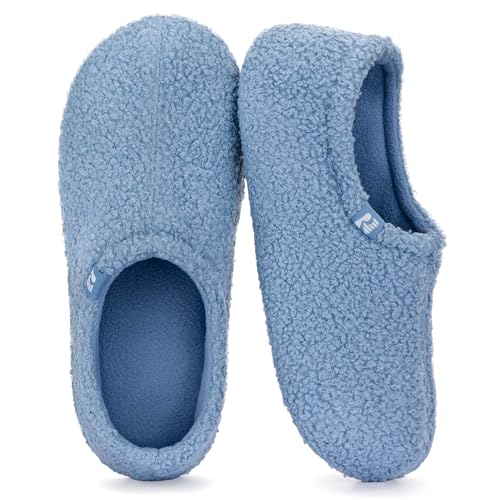
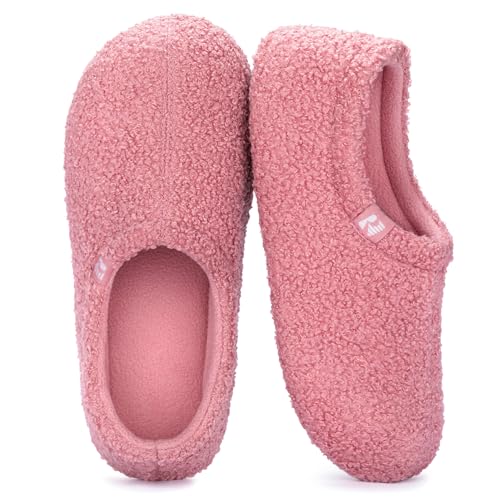
Live listings for the shortlist in this guide are pulled from Amazon below, so prices and availability are always current at the moment you look.



Final thoughts on buying once and wearing well
The longest-lasting slipper is rarely the softest on day one or the most decorated in photographs; it is the pair whose sole is mechanically joined, whose rubber is thick where your weight lands, whose upper material matches your floors and habits, and whose insole can be renewed when cushioning fades. Judge those elements in order, care for the pair with rest, air, and material-appropriate cleaning, and inspect it briefly each month so small repairs stay small. Chosen that way, a single well-matched pair can carry a household through many cold seasons with its shape, grip, and comfort intact.