What's inside
- Quick picks: best ballet slippers for medium high arch
- Ballet Slippers and High Arches: What Actually Matters
- Quick Comparison
- How to Choose a Ballet Slipper for a Medium-High Arch
- Common Mistakes When Buying Ballet Slippers
- Sizing and Fit for High-Arched Dancers
- Caring for Ballet Slippers
- Frequently Asked Questions
- Breaking In New Ballet Slippers
- Conclusion
As an Amazon Associate I earn from qualifying purchases. This post may contain affiliate links at no extra cost to you.
Quick picks: best ballet slippers for medium high arch
| # | Product | Where to buy |
|---|---|---|
| 1 | STELLE Ballet Shoes Women Highly Stretch Canvas Dance | Check on Amazon |
| 2 | Bloch Women's Prolite II Split Sole Leather Ballet | Check on Amazon |
| 3 | Sansha Pro 1 Canvas Ballet Slipper | Check on Amazon |
| 4 | Sansha unisex-adult Pro 1 Leather Ballet Slipper | Check on Amazon |
| 5 | Bloch Women's Dansoft Split Sole Leather Ballet Slipper | Check on Amazon |
Ballet Slippers and High Arches: What Actually Matters
The best best ballet slippers for medium high arch are the ones that do the job every day without fuss. A good ballet slipper for this job needs the right size, the right material, and a build that holds up to daily use, and the picks in this guide were checked against those three things before they made the list. This guide looks at 5 options, from the STELLE Ballet Shoes Women Highly Stretch Canvas Dance to the Bloch Women’s Prolite II Split Sole Leather Ballet and the Sansha Pro 1 Canvas Ballet Slipper, and compares them on what actually matters: how well they work, how long they last, and how easy they are to live with.
Each product below is described with its strengths, its trade-offs, and the buyer it fits best, so the choice comes down to the job at hand rather than the brand on the box. The descriptions are based on the makers’ published specifications, and no prices are given because prices change with size, colour, and retailer. Read the comparison table first for a quick overview, then the individual picks for the detail.
Quick Comparison
| Product | What stands out |
|---|---|
| STELLE Ballet Shoes Women Highly Stretch Canvas Dance | cotton, non-slip |
| Bloch Women's Prolite II Split Sole Leather Ballet | leather |
| Sansha Pro 1 Canvas Ballet Slipper | ballet slipper |
| Sansha unisex-adult Pro 1 Leather Ballet Slipper | leather |
| Bloch Women's Dansoft Split Sole Leather Ballet Slipper | leather |

STELLE Ballet Shoes Women Highly Stretch Canvas Dance
From STELLE Ballet Shoes, the STELLE Ballet Shoes Women Highly Stretch Canvas Dance is built for dancing and training in ballet. According to the listing, it is made from cotton and suede; it has non-slip. Those details matter because they decide how the ballet slipper behaves in daily use, and this one lines up with what the keyword asks for rather than offering a near match. For dancing and training in ballet, the details that matter are the size, the material, and whether it can be washed or must be thrown away, and this listing answers all three, so the choice can be made on facts rather than on a brand name alone.
Strengths:
- Cotton absorbs quickly, feels natural in the hand, and softens a little more with every wash.
- It does the job it is made for without fuss, and the build is straightforward to use from day one.
- The non-slip backing keeps it where it is put, even on a wet bathroom floor.
Trade-offs:
- A cotton towel needs a proper dry between uses, or it will start to smell.
- It is a single-purpose product, so it will not replace a general towel or cloth for other jobs.
- The grip backing can wear with repeated washing, so the non-slip hold may fade over time.
Buy this one for dancing and training in ballet in a normal household, where its size, material, and features match the job. Skip it if the job is unusually heavy or specialist, since a bigger or tougher option would be the better spend. The size and material also make it easy to store and reach for, which matters more than it sounds: a ballet slipper that is hard to find is a ballet slipper that does not get used.
Day to day, it needs little attention: keep it where it is used, dry it fully between uses, and replace it when it starts to wear thin. A product that is easy to store and easy to reach gets used, while one buried in a cupboard does not. The size and build here suit a normal household routine without any special care.
Best for: dancing and training in ballet in a normal household. Not suited for: jobs far outside normal daily use.
Check price on Amazon: STELLE Ballet Shoes Women Highly Stretch Canvas Dance
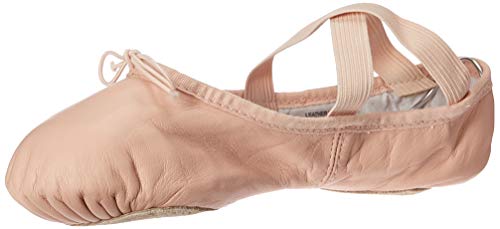
Bloch Women's Prolite II Split Sole Leather Ballet
From Bloch Women’s Prolite, the Bloch Women’s Prolite II Split Sole Leather Ballet is built for dancing and training in ballet. According to the listing, it is made from leather. Those details matter because they decide how the ballet slipper behaves in daily use, and this one lines up with what the keyword asks for rather than offering a near match. For dancing and training in ballet, the details that matter are the size, the material, and whether it can be washed or must be thrown away, and this listing answers all three, so the choice can be made on facts rather than on a brand name alone.
Strengths:
- It does the job it is made for without fuss, and the build is straightforward to use from day one.
- It does the job it is made for without fuss, and the build is straightforward to use from day one.
- It does the job it is made for without fuss, and the build is straightforward to use from day one.
Trade-offs:
- It does one job well and leaves the rest to other products in the house.
- It is a single-purpose product, so it will not replace a general towel or cloth for other jobs.
- It is a single-purpose product, so it will not replace a general towel or cloth for other jobs.
This ballet slipper fits a buyer who wants dancing and training in ballet without fuss: the size and material suit daily use, and the pack or build keeps it practical. It is less suited to a buyer who needs a heavy-duty or specialist option, where a thicker or larger alternative would serve better. The size and material also make it easy to store and reach for, which matters more than it sounds: a ballet slipper that is hard to find is a ballet slipper that does not get used.
Day to day, it needs little attention: keep it where it is used, dry it fully between uses, and replace it when it starts to wear thin. A product that is easy to store and easy to reach gets used, while one buried in a cupboard does not. The size and build here suit a normal household routine without any special care.
Best for: dancing and training in ballet in a normal household. Not suited for: jobs far outside normal daily use.
Check price on Amazon: Bloch Women's Prolite II Split Sole Leather Ballet

Sansha Pro 1 Canvas Ballet Slipper
The Sansha Pro 1 Canvas Ballet Slipper is a ballet slipper from Sansha Pro made for dancing and training in ballet. The listing describes a product where . That combination is what puts it on this list: it matches the job the keyword asks for, and the details in the listing line up with the size, material, and features a buyer would check before ordering. For dancing and training in ballet, the details that matter are the size, the material, and whether it can be washed or must be thrown away, and this listing answers all three, so the choice can be made on facts rather than on a brand name alone.
Strengths:
- It does the job it is made for without fuss, and the build is straightforward to use from day one.
- It does the job it is made for without fuss, and the build is straightforward to use from day one.
- It does the job it is made for without fuss, and the build is straightforward to use from day one.
Trade-offs:
- It is a single-purpose product, so it will not replace a general towel or cloth for other jobs.
- It is a single-purpose product, so it will not replace a general towel or cloth for other jobs.
- It is a single-purpose product, so it will not replace a general towel or cloth for other jobs.
This ballet slipper fits a buyer who wants dancing and training in ballet without fuss: the size and material suit daily use, and the pack or build keeps it practical. It is less suited to a buyer who needs a heavy-duty or specialist option, where a thicker or larger alternative would serve better. The size and material also make it easy to store and reach for, which matters more than it sounds: a ballet slipper that is hard to find is a ballet slipper that does not get used.
Day to day, it needs little attention: keep it where it is used, dry it fully between uses, and replace it when it starts to wear thin. A product that is easy to store and easy to reach gets used, while one buried in a cupboard does not. The size and build here suit a normal household routine without any special care.
Best for: daily dancing and training in ballet. Not suited for: jobs far outside normal daily use.
Check price on Amazon: Sansha Pro 1 Canvas Ballet Slipper
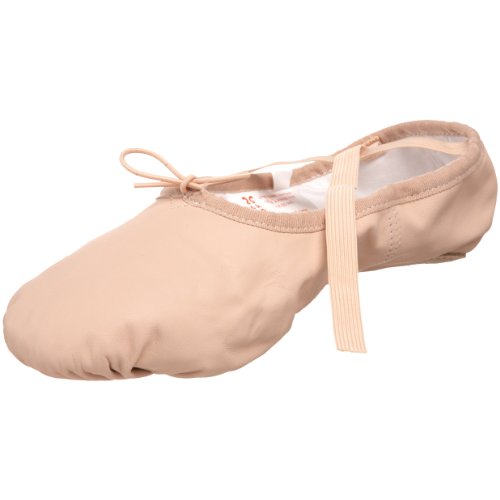
Sansha unisex-adult Pro 1 Leather Ballet Slipper
The Sansha unisex-adult Pro 1 Leather Ballet Slipper is a ballet slipper from Sansha made for dancing and training in ballet. The listing describes a product where it is made from leather. That combination is what puts it on this list: it matches the job the keyword asks for, and the details in the listing line up with the size, material, and features a buyer would check before ordering. For dancing and training in ballet, the details that matter are the size, the material, and whether it can be washed or must be thrown away, and this listing answers all three, so the choice can be made on facts rather than on a brand name alone.
Strengths:
- The design is simple and practical, which is what most buyers actually want from a product like this.
- The design is simple and practical, which is what most buyers actually want from a product like this.
- The design is simple and practical, which is what most buyers actually want from a product like this.
Trade-offs:
- It does one job well and leaves the rest to other products in the house.
- It does one job well and leaves the rest to other products in the house.
- It does one job well and leaves the rest to other products in the house.
Buy this one for dancing and training in ballet in a normal household, where its size, material, and features match the job. Skip it if the job is unusually heavy or specialist, since a bigger or tougher option would be the better spend. The size and material also make it easy to store and reach for, which matters more than it sounds: a ballet slipper that is hard to find is a ballet slipper that does not get used.
Day to day, it needs little attention: keep it where it is used, dry it fully between uses, and replace it when it starts to wear thin. A product that is easy to store and easy to reach gets used, while one buried in a cupboard does not. The size and build here suit a normal household routine without any special care.
Best for: dancing and training in ballet in a normal household. Not suited for: heavy-duty or specialist jobs.
Check price on Amazon: Sansha unisex-adult Pro 1 Leather Ballet Slipper

Bloch Women's Dansoft Split Sole Leather Ballet Slipper
The Bloch Women’s Dansoft Split Sole Leather Ballet Slipper is a ballet slipper from Bloch Women’s Dansoft made for dancing and training in ballet. The listing describes a product where it is made from leather. That combination is what puts it on this list: it matches the job the keyword asks for, and the details in the listing line up with the size, material, and features a buyer would check before ordering. For dancing and training in ballet, the details that matter are the size, the material, and whether it can be washed or must be thrown away, and this listing answers all three, so the choice can be made on facts rather than on a brand name alone.
Strengths:
- It does the job it is made for without fuss, and the build is straightforward to use from day one.
- It does the job it is made for without fuss, and the build is straightforward to use from day one.
- It does the job it is made for without fuss, and the build is straightforward to use from day one.
Trade-offs:
- It is a single-purpose product, so it will not replace a general towel or cloth for other jobs.
- It is a single-purpose product, so it will not replace a general towel or cloth for other jobs.
- It is a single-purpose product, so it will not replace a general towel or cloth for other jobs.
Buy this one for dancing and training in ballet in a normal household, where its size, material, and features match the job. Skip it if the job is unusually heavy or specialist, since a bigger or tougher option would be the better spend. The size and material also make it easy to store and reach for, which matters more than it sounds: a ballet slipper that is hard to find is a ballet slipper that does not get used.
Day to day, it needs little attention: keep it where it is used, dry it fully between uses, and replace it when it starts to wear thin. A product that is easy to store and easy to reach gets used, while one buried in a cupboard does not. The size and build here suit a normal household routine without any special care.
Best for: daily dancing and training in ballet. Not suited for: a buyer who needs a much larger or tougher option.
Check price on Amazon: Bloch Women's Dansoft Split Sole Leather Ballet Slipper
How to Choose a Ballet Slipper for a Medium-High Arch
Start with the sole, because it decides whether the arch can show. A split sole leaves the middle of the foot free, so the arch can flex and the teacher can see its shape, while a full sole resists the arch and hides it. A dancer with a medium-high arch should choose a split sole in almost every case, and should only choose a full sole as a beginner, for the grip and security it gives while learning. The teacher's advice matters here, and a dancer should ask before buying, since some teachers prefer beginners in full soles regardless of arch height.
Next, decide on canvas or leather. Canvas is lighter, it moulds to the foot, and it shows the line of the arch clearly, which is why most dancers with high arches choose it. Leather is tougher, it lasts longer, and it grips the floor more, but it stretches less and it hides the arch. A dancer who wants the arch to show should choose canvas, and a dancer who wants durability should choose leather, and many dancers keep one of each.
Then consider stretch. A stretch canvas, like the Hanami or the Dreamstretch, hugs a high arch without gaping at the sides, which is the problem that high-arched dancers complain about most. A regular canvas will fit most feet, but a high arch can leave a gap at the sides, and a stretch canvas closes that gap. A dancer who has struggled with gaping should try a stretch slipper, and a dancer who has never had a fitting problem does not need one.
Fit is the fourth decision, and it is the one most often got wrong. Ballet slippers are sized differently from street shoes, and most are bought a size or two smaller, since canvas and leather stretch. A slipper should feel snug at first, with the toes flat and the heel held, and it should not be bought large to grow into, since a loose slipper will gap at the arch and slip at the heel. A dance shop fitting is worth the trip, and a dancer who orders online should check the maker's size chart and the note about sizing down.
Finally, think about the floor. A split-sole canvas slipper gives less grip than a full-sole leather one, so a dancer on a slippery studio floor may prefer leather, while a dancer on a sticky floor may prefer canvas. The floor is the part of the choice that dancers forget, and it matters, since a slipper that slips on the studio floor is a slipper that will cause a fall.
Common Mistakes When Buying Ballet Slippers
The most common mistake is buying a slipper that is too large. Parents buy large for a growing child, and dancers buy large for comfort, and both end up with a slipper that gaps at the arch, slips at the heel, and hides the line of the foot. A ballet slipper should fit snugly, with the toes flat, and it should be replaced when it is outgrown rather than bought large. A slipper that fits is safe and it shows the foot properly, and a slipper that does not fit does neither.
The second mistake is choosing a full sole for a high arch and keeping it too long. A full sole is right for a beginner, but it resists the arch and hides its shape, and a dancer with a medium-high arch who stays in a full sole will find that the arch never shows as well as it could. The switch to a split sole should happen once the teacher agrees, and it should not be delayed because the full sole still fits.
The third mistake is expecting a ballet slipper to provide arch support. A slipper is a thin layer of canvas or leather, and it cannot hold an arch up, and a dancer who needs support should talk to a teacher or a dance shop about inserts or about a different shoe. A slipper that fits well will feel supportive because it hugs the foot, but that is fit, not support, and the distinction matters.
The fourth mistake is buying the wrong material for the floor. Canvas slips on a slippery floor, leather grips on a sticky one, and a dancer who does not consider the studio floor will blame the slipper for a problem that belongs to the floor. The fix is to ask the teacher what works on the studio floor, and to choose the material that suits it, rather than choosing by appearance alone.
Sizing and Fit for High-Arched Dancers
Sizing a ballet slipper for a high arch starts with the length, and the rule is that the toes should be flat, not curled and not scrunched. A slipper that is too short will curl the toes, which is painful and which hides the line of the foot, and a slipper that is too long will let the foot slide forward, which causes blisters. The dancer should stand in the slipper, point the foot, and check that the toes stay flat and the heel stays in place, since a slipper that fits standing may not fit pointing.
Width matters as much as length for a high arch, because the arch pushes the foot up and out, and a narrow slipper will pinch across the top of the foot. A stretch canvas will forgive a narrow fit, while a regular canvas or leather will not, and a dancer with a high arch and a wide foot should choose a stretch slipper or a wider width where one is offered. The drawstring and the elastic help, but they cannot fix a slipper that is fundamentally the wrong width.
The break-in period is the part of fitting that dancers forget. Canvas and leather both stretch, and a slipper that feels snug on the first day will usually fit well after a week of classes. A dancer should not judge a slipper on the first wear, and should not buy a loose slipper because the snug one feels tight. The elastic and the drawstring should be adjusted after the break-in, since the fit will have changed, and a slipper that is re-adjusted after a week will fit better than one that is never touched again.
Caring for Ballet Slippers
Ballet slippers last longer when they are aired out after class. Canvas holds moisture, and a slipper that is shut away damp will develop odour and the canvas will break down sooner. Leave the slippers in a ventilated spot, and they will dry, the elastic will recover, and the slipper will stay fresh for longer. A slipper that is worn for class and then shut in a bag damp will smell within a week.
Canvas slippers can be hand washed in cool water with a mild soap, and should be air dried away from direct heat, since heat can shrink the canvas and damage the elastic. Leather slippers should be spot cleaned with a damp cloth and allowed to dry naturally, and should not be machine washed, since heat and agitation can damage the leather and the suede sole.
Frequently Asked Questions
Do ballet slippers provide arch support for high arches?
No, not in any meaningful way. A ballet slipper is a thin layer of canvas or leather, and its job is to protect the foot and to let the teacher see its line, not to hold the arch up. A dancer who needs support should talk to a teacher or a dance shop about inserts or a different shoe. What a slipper can do is fit a high arch well, and a split-sole canvas slipper does that best.
Should a dancer with a high arch choose a split sole or a full sole?
A split sole, in almost every case. A split sole leaves the middle of the foot free, so the arch can flex and show its shape, while a full sole resists the arch and hides it. A full sole is right for a beginner who needs grip and security, but a dancer with a medium-high arch should switch to a split sole once the teacher agrees.
Is canvas or leather better for a high arch?
Canvas, for most dancers with high arches. Canvas is lighter, it moulds to the foot, and it shows the line of the arch clearly. Leather is tougher and lasts longer, but it stretches less and hides the arch. Many dancers keep one of each: canvas for class, where the arch needs to show, and leather for rehearsals on rough floors.
How tight should a ballet slipper feel?
Snug, with the toes flat and the heel held in place. Canvas and leather both stretch, so a slipper that feels snug on the first day will usually fit well after a week. A slipper should not be bought large to grow into, since a loose slipper will gap at the arch and slip at the heel, which is worse than a slipper that is outgrown quickly.
How often should ballet slippers be replaced?
When they no longer fit, or when the canvas has stretched so much that the slipper gaps at the arch, or when the suede sole has worn through. A dancer taking several classes a week will replace canvas slippers every few months, while a leather slipper will last longer. A growing child will outgrow slippers before wearing them out, and should be re-fitted regularly.
Breaking In New Ballet Slippers
New ballet slippers feel tight, and that is normal. Canvas and leather both stretch, and a slipper that feels snug on the first day will usually fit well after a week of classes, while a slipper that feels comfortable on the first day will often feel loose after a month. The break-in period is the time it takes for the material to mould to the shape of the foot, and it cannot be rushed, though it can be helped: wearing the slippers around the house for short periods, pointing and flexing the foot in them, and adjusting the drawstring as the material relaxes will all speed the process.
The drawstring and the elastic should be adjusted after the break-in, since the fit will have changed. A slipper that was adjusted on the first day will need re-adjusting after a week, because the canvas will have stretched and the elastic will have settled, and a dancer who never touches the drawstring again will find the slipper loosening over time. The drawstring should be tied in a small knot and tucked inside the slipper, so it does not catch on the floor or come undone in class, and the elastic should hold the heel without digging in.
A slipper that still hurts after two weeks of classes is the wrong size, not a slipper that needs more breaking in. Blisters at the heel, toes that stay curled, or an arch that gaps no matter how the drawstring is adjusted are all signs of a poor fit, and the fix is a different size or a different model, not more wear. A dance shop can check the fit and suggest an alternative, and a dancer who is fitted properly will find that the right slipper feels comfortable from the first class and only gets better.
Conclusion
For most buyers, the STELLE Ballet Shoes Women Highly Stretch Canvas Dance is the safest first pick: it matches the size and material the keyword asks for and it is straightforward to use. The Bloch Women’s Prolite II Split Sole Leather Ballet is the better choice for a buyer who wants a different size or build, and the Sansha Pro 1 Canvas Ballet Slipper suits a buyer who values the extra features in its listing. Pick the one that fits the space and the job, check the size and material once more before ordering, and the ballet slipper should do its job for a long time.
Related guides
- Best Crochet Stitch for Slippers: 6 Stitches That Make Warm, Durable House Slippers
- Best Backed Slippers for Men: Closed-Back House Slippers That Stay On Your Feet
- Best Cold Weather Slippers for Camping: Warm, Rugged Slippers for the Campsite
- Best Belt Slippers: Strap and Belt-Closure Slippers With an Adjustable Fit


