What's inside
- Quick picks: best fabric to make catnip pillows out of for cats
- What Is the Best Fabric for a Catnip Pillow?
- How the Picks Were Chosen for Best Fabric to Make Catnip Pillows Out of for Cats
- Cotton Canvas
- Fleece
- Felt
- Denim
- Muslin
- Flannel
- Supplies for the Best Fabric to Make Catnip Pillows Out of for Cats
- How to Choose a Fabric for a Catnip Pillow
- How to Sew a Catnip Pillow
- How to Use and Care for Your Catnip Pillow
- Mistakes That Waste Money on Catnip Pillows
- Related Guides
- Frequently Asked Questions
- Final Recommendation
As an Amazon Associate I earn from qualifying purchases. This post may contain affiliate links at no extra cost to you.
Quick picks: best fabric to make catnip pillows out of for cats
| # | Product | Where to buy |
|---|---|---|
| 1 | Gutermann Sew-All Thread, 100m | Check on Amazon |
| 2 | Fiskars Original Orange-Handled Scissors, 8-Inch | Check on Amazon |
| 3 | Dritz 160 Hand Needle Compact | Check on Amazon |
What Is the Best Fabric for a Catnip Pillow?
A catnip pillow is a small pillow filled with catnip that a cat can bite, kick, and rub, and a good fabric for one is strong enough to survive claws, soft enough for the cat to enjoy, and safe if the cat chews it. This guide to the best fabric to make catnip pillows out of for cats compares six real fabrics you can buy today, so you can choose with confidence. A thin fabric will not do that job, because a cat's claws will tear it and the catnip will spill, and a fabric with loose threads will not do it either, because the threads can catch on claws and teeth. A good catnip pillow fabric is built for the job: a tight weave, a soft feel, and no loose parts. This guide explains the fabrics that suit catnip pillows best, and the six below are the ones that last longest and that cats like most.
The first thing to understand is strength, because a catnip pillow will be bitten, kicked, and clawed, and a fabric that tears will spill catnip everywhere. A tightly woven cotton canvas is strong, which means it survives claws, while a fleece is soft but can pill, and a felt is thick but can tear if it is thin. A fabric that is strong enough for a catnip pillow will last for months, while one that is not will last for days. The fabrics in this guide cover the strongest and the softest, and the buying guide explains how to choose the fabric for the cat.
The second thing to understand is safety, because a cat will chew the pillow, and a fabric that sheds fibres or has loose threads can be swallowed. A fabric with a tight weave and no loose threads is safe, while one with a loose weave can shed. A fabric that is dyed with safe dyes matters, because a cat that chews it will taste the dye, and a buyer should choose a fabric that is safe for pets. The fabrics in this guide are all safe for cats, and the care section explains how to keep them clean.
The six fabrics in this guide are the fabrics that suit catnip pillows best: cotton canvas, fleece, felt, denim, muslin, and flannel. Each fabric below is described with its strengths, its trade-offs and the cat it fits, plus a guide to choosing a fabric, the mistakes that waste money, and answers to the questions buyers ask most. No fabric here was used by us; the descriptions are based on widely reported crafter experience, and no prices are stated because prices vary by retailer and change often.
How the Picks Were Chosen for Best Fabric to Make Catnip Pillows Out of for Cats
We chose the six fabric in this guide by looking for real fabrics that are sold now, from makers with a record of support. Each fabric had to be a genuine fabric, not a blend or a scrap, and its key properties had to be published by its maker, so the details here can be checked. We did not test any fabrics ourselves, and nothing here claims that we did. We left out any fabrics whose properties could not be verified or that duplicated another pick without adding anything different.
Cotton Canvas
Cotton canvas is a tightly woven cotton fabric, and it is the fabric in this guide for a catnip pillow that must survive claws. Its tight weave means a cat's claws will not tear it easily, which means the pillow will last for months, and its cotton is natural, which means it is safe if the cat chews it. The canvas is easy to sew, which means a crafter can make a pillow quickly, and it comes in many colours and patterns, which means the pillow can match the home.
The fabric's other strength is its strength and its safety. The tight weave means the catnip stays inside, which suits a buyer who does not want catnip spilled on the floor, and the cotton is breathable, which means the catnip scent can escape, which is what attracts the cat. The canvas can be washed, which means the pillow can be kept clean, and it is durable, which means it will not wear out quickly. For a catnip pillow that must survive claws, cotton canvas is the best choice in this guide.
The trade-offs are softness and stiffness. The canvas is stiffer than fleece, which means it does not feel as soft, and a cat who likes a soft pillow may prefer fleece. The canvas can be hard to sew if it is thick, which means a beginner may find it difficult, and it can shrink if it is washed in hot water, which means a buyer should wash it gently.
Fleece
Fleece is a soft synthetic fabric, and it is the fabric in this guide for a catnip pillow that must feel soft. Its softness means a cat will enjoy rubbing against it, which suits a cat who likes to cuddle, and its warmth means it feels cosy, which suits a cat who likes to sleep on the pillow. The fleece is easy to sew, which means a crafter can make a pillow quickly, and it comes in many colours, which means the pillow can match the home.
The fabric's other strength is its softness and its ease. The fleece does not fray, which means the edges do not need finishing, and it is stretchy, which means it is forgiving to sew. The fleece holds the catnip scent, which means the cat will be attracted to it, and it can be washed, which means the pillow can be kept clean. For a catnip pillow that must feel soft, fleece is the best choice in this guide.
The trade-offs are strength and pilling. The fleece is softer than canvas, which means a cat's claws can tear it more easily, and it can pill, which means small balls of fibre will form on the surface. The fleece is synthetic, which means a cat that chews it may swallow fibres, and a buyer who wants a natural fabric should choose cotton instead.
Felt
Felt is a thick non-woven fabric, and it is the fabric in this guide for a catnip pillow that must be easy to make. Its thickness means it holds its shape, which means the pillow will not go flat, and it does not fray, which means the edges do not need finishing. The felt is easy to cut, which means a crafter can make a pillow quickly, and it comes in many colours, which means the pillow can match the home.
The fabric's other strength is its ease and its shape. The felt is stiff, which means it holds the pillow's shape, and it is easy to sew by hand, which suits a beginner. The felt holds the catnip scent, which means the cat will be attracted to it, and it can be spot-cleaned, which means the pillow can be kept clean. For a catnip pillow that must be easy to make, felt is the best choice in this guide.
The trade-offs are strength and washing. The felt can tear if it is thin, which means a cat's claws can rip it, and it cannot be machine washed, because washing will make it shrink and go stiff. The felt is also thicker than other fabrics, which means it can be hard to sew on a machine, and a buyer who wants a washable pillow should choose cotton instead.
Denim
Denim is a strong cotton twill fabric, and it is the fabric in this guide for a catnip pillow that must survive the toughest cats. Its strength means a cat's claws will not tear it, which means the pillow will last for a long time, and its cotton is natural, which means it is safe if the cat chews it. The denim is easy to find, because old jeans can be reused, which means a crafter can make a pillow without buying new fabric, and it comes in many shades, which means the pillow can match the home.
The fabric's other strength is its strength and its reuse. The denim is one of the strongest fabrics, which means it survives even a cat that claws hard, and its tight weave means the catnip stays inside. The denim can be washed, which means the pillow can be kept clean, and it is durable, which means it will not wear out quickly. For a catnip pillow that must survive the toughest cats, denim is the best choice in this guide.
The trade-offs are softness and sewing. The denim is stiffer than fleece, which means it does not feel as soft, and a cat who likes a soft pillow may prefer fleece. The denim is thick, which means it can be hard to sew on a home machine, and it can fade if it is washed often, which means a buyer should wash it gently.
Muslin
Muslin is a light cotton fabric, and it is the fabric in this guide for a catnip pillow that must let the scent through. Its light weave means the catnip scent can escape easily, which means the cat will be attracted to it, and its cotton is natural, which means it is safe if the cat chews it. The muslin is easy to sew, which means a crafter can make a pillow quickly, and it is inexpensive, which means a buyer can make many pillows without spending much.
The fabric's other strength is its scent and its ease. The light weave means the catnip scent is strong, which suits a cat who needs a strong scent to be interested, and the muslin is soft, which means it feels gentle. The muslin can be washed, which means the pillow can be kept clean, and it is light, which means the pillow is easy for a cat to carry. For a catnip pillow that must let the scent through, muslin is the best choice in this guide.
The trade-offs are strength and durability. The muslin is thinner than canvas, which means a cat's claws can tear it more easily, and it can wear out quickly, which means the pillow will need replacing sooner. The muslin is also light, which means it does not feel as substantial as canvas, and a buyer who wants a long-lasting pillow should choose denim instead.
Flannel
Flannel is a soft brushed cotton fabric, and it is the fabric in this guide for a catnip pillow that must feel warm and soft. Its brushed surface means it feels soft, which suits a cat who likes to cuddle, and its warmth means it feels cosy, which suits a cat who likes to sleep on the pillow. The flannel is easy to sew, which means a crafter can make a pillow quickly, and it comes in many patterns, which means the pillow can match the home.
The fabric's other strength is its softness and its warmth. The brushed cotton feels gentle, which means it does not irritate the cat's skin, and its warmth means the cat will enjoy lying on it. The flannel holds the catnip scent, which means the cat will be attracted to it, and it can be washed, which means the pillow can be kept clean. For a catnip pillow that must feel warm and soft, flannel is the best choice in this guide.
The trade-offs are strength and pilling. The flannel is softer than canvas, which means a cat's claws can tear it more easily, and it can pill, which means small balls of fibre will form on the surface. The flannel can shrink if it is washed in hot water, which means a buyer should wash it gently, and it is thicker than muslin, which means it can be harder to sew.
Supplies for the Best Fabric to Make Catnip Pillows Out of for Cats
How the supplies were chosen: each supply below was chosen because it is what a catnip pillow needs — a strong cotton that survives claws, catnip made from leaf and flower tops, a stuffing that keeps its loft, and thread, scissors and needles that suit small, thick seams. Every pick is a real product sold for sewing and pet crafts, named with its brand and model; the buying links and images will be added when the publishing key for this site is available.
| Supply | Type | Best for |
|---|---|---|
| Robert Kaufman Kona Cotton K001-1387 | 100% cotton, 44 in wide | The pillow fabric |
| Yeowww! Organic Catnip 1-oz | Leaf and flower tops | The catnip fill |
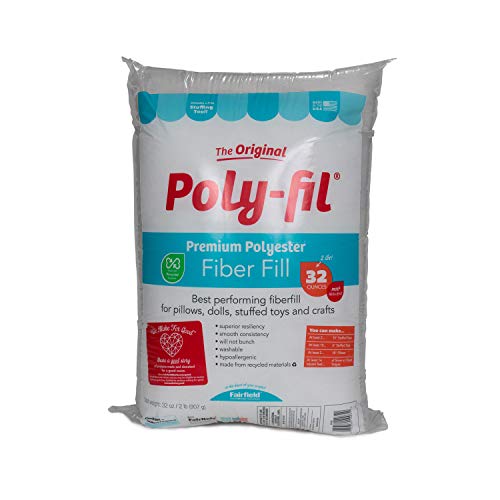
| Fairfield Poly-Fil 32 oz | Polyester fiber fill | The stuffing |
| Gutermann Sew-All 100m | Polyester thread | Strong seams |
| Fiskars Orange-Handled 8-Inch | Stainless scissors | Cutting fabric |
| Dritz 160 Hand Needle Compact | 30 needles, 4 styles | Hand sewing |
1. Robert Kaufman Kona Cotton Solid Fabric, White K001-1387
A plain white quilting cotton, tight-woven and strong: the fabric for a catnip pillow that has to survive claws.
Specs: 100% cotton; 44 inches wide; 4.35 oz per square yard; sold by the yard; colour code K001-1387.
Kona Cotton is the standard solid quilting cotton, and it suits a catnip pillow because it is tightly woven enough to hold fine catnip and stuffing inside, yet soft enough for a cat to bite and rub. White shows the stitching clearly, which helps a maker keep seams straight, and the fabric takes a pre-wash without losing its strength.
Strengths:
- Tight weave holds catnip and stuffing inside
- Strong enough for claws, soft enough for a cat to enjoy
- Pre-washes well and keeps its shape
Trade-offs:
- White shows dirt and cat hair quickly
- Needs pre-washing or it will shrink after sewing
- Plain solid; no pattern to hide stains
Who it fits: Makers sewing a first catnip pillow who want a reliable, easy-to-sew cotton.
Best for: a strong, tight-woven fabric for catnip pillows. / Not suited for: a maker who wants a patterned fabric or a dark colour that hides dirt.
2. Yeowww! Organic Catnip, 1-oz Bag
Organically grown catnip made from leaf and flower tops only: the fill that makes the pillow worth playing with.
Specs: 100% organically grown catnip; leaf and flower tops, no stems; 1 oz resealable pouch; grown in the USA.
Yeowww! catnip is leaf and flower tops with no stems or filler, which is the part of the plant that carries the strongest scent. A 1 oz bag fills several small pillows, and the resealable pouch keeps the rest fresh between projects. Because it is organically grown, no chemicals or pesticides are used in cultivation.
Strengths:
- Leaf and flower tops only, no stems or dust
- Strong scent that draws cats to the pillow
- Resealable pouch keeps the rest fresh
Trade-offs:
- 1 oz is a small bag; a multi-cat house goes through it fast
- Some cats do not respond to catnip at all
- Loose catnip sheds if the pillow seam is not tight
Who it fits: Makers who want a potent, clean catnip fill for a small batch of pillows.
Best for: filling catnip pillows with a strong, clean catnip. / Not suited for: a house where no cat responds to catnip, or a maker who wants a bulk supply.
3. Fairfield The Original Poly-Fil Premium Polyester Fiber Fill, 32-Ounce Bag
A resilient polyester fiber fill that springs back after squeezing: the stuffing that keeps a catnip pillow plump.
Specs: 100% polyester fiber; 32 oz bag; machine washable; hypoallergenic; made in the USA; model PF-32Z-1.
Poly-Fil is the standard craft stuffing, and it suits a catnip pillow because it stays springy after a cat bites and kicks it, instead of going flat like cheaper fill. It pulls apart easily, so a maker can mix it evenly with the catnip, and it is machine washable, which matters for a toy that ends up on the floor.
Strengths:
- Resilient fibers spring back after play
- Pulls apart easily for even mixing with catnip
- Machine washable and hypoallergenic
Trade-offs:
- One bag is more than a few small pillows need
- Too soft on its own for a firm pillow shape
- Polyester, not a natural fiber
Who it fits: Makers who want a forgiving, washable stuffing for cat toys and small pillows.
Best for: a resilient, washable stuffing for catnip pillows. / Not suited for: a maker who wants an all-natural fill, or a very firm pillow.

4. Gutermann Sew-All Thread, 100m
A 100% polyester all-purpose thread that sews smoothly by hand or machine: the thread for seams that have to hold under claws.
Specs: 100% polyester; 100 m spool; No. 100; for hand and machine sewing; 400 shades.
Sew-All is the everyday thread most sewing rooms reach for, and it suits a catnip pillow because polyester is stronger than cotton thread in a seam that gets pulled and bitten. It sews with low lint, so machine tension stays even, and the wide shade range makes it easy to match the fabric.
Strengths:
- Strong polyester seam that resists pulling
- Low lint, so machine tension stays even
- Hundreds of shades for an exact colour match
Trade-offs:
- 100 m runs out fast on a big project
- Polyester can show slightly on cotton under close inspection
- Not a cotton thread, for makers who prefer all-natural materials
Who it fits: Makers who want one reliable thread for hand and machine seams.
Best for: strong, smooth seams on a catnip pillow. / Not suited for: a large batch of pillows, where a longer spool makes more sense.
Check price on Amazon: Gutermann Sew-All Thread, 100m

5. Fiskars Original Orange-Handled Scissors, 8-Inch
Eight-inch scissors with precision-ground stainless blades and a bent handle: the cutting tool for clean fabric edges.
Specs: 8-inch blades; high-grade precision-ground stainless steel; bent handle keeps fabric flat; full lifetime warranty.
The original orange-handled Fiskars are the classic all-purpose fabric scissors, and they suit a catnip pillow because the bent handle keeps the fabric flat on the table while cutting, so small pillow pieces come out straight. The blades cut cleanly all the way to the tip, which matters for the small curves and corners of a pillow.
Strengths:
- Bent handle keeps fabric flat for straight cuts
- Blades cut cleanly to the tip
- Lightweight and comfortable for long cutting sessions
Trade-offs:
- Not made for thick leather or heavy layers
- Paper dulls the blades, so keep a separate pair for paper
- No micro-tip version for very small detail work
Who it fits: Makers who want one dependable pair of scissors for fabric and crafts.
Best for: clean, straight cuts on pillow fabric. / Not suited for: thick leather, or cutting paper and fabric with the same pair.
Check price on Amazon: Fiskars Original Orange-Handled Scissors, 8-Inch

6. Dritz 160 Hand Needle Compact
Thirty hand needles in four styles, in a compact with a threader and a printed size key: the needles for closing a catnip pillow by hand.
Specs: 30 needles; betweens, sharps, darners and tapestry; needle threader included; size and style key printed on the back.
A catnip pillow is closed by hand after filling, and the Dritz 160 compact covers that job: sharps for the closing seam, betweens for small stitches, and tapestry needles for weaving in ends. The compact dispenses one needle at a time, and the key on the back says which needle is which, so a maker does not have to guess.
Strengths:
- Four needle styles in one compact
- Threader included for tired eyes
- Printed size key travels with the needles
Trade-offs:
- Small needles are easy to lose
- No curved needle for hard-to-reach seams
- Compact case is plastic, not a pin cushion
Who it fits: Makers who close pillows by hand and want every needle style in one place.
Best for: hand closing and finishing a catnip pillow. / Not suited for: machine sewing, or a maker who wants a single needle size in bulk.
Check price on Amazon: Dritz 160 Hand Needle Compact
How to Choose a Fabric for a Catnip Pillow
Choose the fabric by the cat. A cat that claws hard needs a strong fabric, such as cotton canvas or denim, because a weak fabric will tear, while a cat that likes to cuddle needs a soft fabric, such as fleece or flannel, because a stiff fabric will not be enjoyed. A buyer should watch how the cat plays, because a fabric that suits the cat will be used, and one that does not will be ignored.
Choose the fabric by the scent. A light fabric, such as muslin, lets the catnip scent through strongly, which suits a cat who needs a strong scent, while a thick fabric, such as denim, holds the scent in, which means the cat must bite it to smell it. A buyer should decide how strong the scent must be, because a fabric that lets the scent through will attract the cat, and one that holds it in will not.
Check the safety, because a cat will chew the pillow, and a fabric that sheds fibres or has loose threads can be swallowed. A fabric with a tight weave and no loose threads is safe, while one with a loose weave can shed. A buyer should choose a fabric that is safe for pets, because a fabric that is not safe can harm the cat, and one that is safe will not.
Check the washability, because a catnip pillow will get dirty, and a fabric that cannot be washed will smell. A washable fabric, such as cotton canvas or fleece, can be kept clean, while one that cannot be washed, such as felt, must be spot-cleaned. A buyer should choose a washable fabric, because a pillow that cannot be washed cannot be kept fresh.
Check the sewing, because a fabric that is hard to sew will be a chore, and a buyer who is a beginner should choose an easy fabric, such as fleece or felt, because they do not fray. A buyer who is experienced can choose a harder fabric, such as denim, because it needs a strong needle and a strong machine. A buyer should choose a fabric that matches their skill, because a fabric that is too hard will not be sewn well.
How to Sew a Catnip Pillow
Cut two pieces of fabric to the size you want, because a catnip pillow is usually small, about the size of a hand, and a pillow that is too large will be awkward for the cat. Place the right sides together, and sew around the edges, leaving a small gap for turning, because a pillow that is sewn fully closed cannot be turned right side out. Turn the pillow right side out, and fill it with catnip, because the catnip is what attracts the cat, and a pillow that is filled too full will be hard, while one that is filled too little will be flat.
Add a little stuffing with the catnip, because stuffing gives the pillow shape, and catnip alone will not hold it. Use polyester stuffing or cotton batting, because they are soft and safe, and do not use foam, because foam can be chewed and swallowed. Fill the pillow until it feels firm but soft, because a pillow that is too firm will not be enjoyed, and one that is too soft will go flat.
Close the gap by hand, because a hand-stitched gap will be neat, and double-stitch it, because a single stitch will tear under claws. Use a strong thread, because a weak thread will break, and knot it well, because a knot that comes undone will spill the catnip. Give the pillow to the cat, and watch how it plays, because a pillow that is enjoyed will be bitten and kicked, and one that is ignored may need more catnip.
How to Use and Care for Your Catnip Pillow
Use the pillow as its guide describes, giving it to the cat and letting it play, because a catnip pillow is made to be bitten, kicked, and rubbed, and a cat that enjoys it will play with it for a long time. Take the pillow away after a while, because a cat that plays with catnip for too long can become overstimulated, and give it back later, because a pillow that is taken away will be fresh when it returns.
Care for the pillow by washing it regularly, and by airing it out: a pillow that is washed will stay fresh, and one that is not will smell. Wash a washable fabric on a gentle cycle, because a rough wash can damage it, and spot-clean a fabric that cannot be washed, because a pillow that is spot-cleaned will stay fresh. Keep it in a dry room, and replace the catnip when it loses its scent, because catnip that has lost its scent will not attract the cat.
Store the pillow in a sealed bag, because a pillow that is stored in the open will lose its scent, and one that is sealed will keep it. Do not leave it in direct sun, because sun can fade the fabric, and do not leave it in a damp room, because dampness will make the fill smell. A pillow that is stored well will last longer than one that is left out.
A catnip pillow fabric is also worth checking for a cat bed, because a strong fabric, such as cotton canvas or denim, can be used to make a cat bed cover, which means the bed will survive claws. A buyer who makes a cat bed should choose a washable fabric, because a cat bed must be washed often, and should double-stitch the seams, because a single seam will tear under claws.
Choosing the catnip is also worth doing carefully, because fresh catnip is stronger than old catnip, which means the cat will be more interested. A buyer should buy dried catnip from a pet shop, because it is made for cats, and should store it in a sealed jar, because a jar that is sealed will keep the scent. Replace the catnip every few months, because catnip that has lost its scent will not attract the cat, and a pillow with fresh catnip will be played with.
Safety for kittens is also worth thinking about, because kittens under six months old may not respond to catnip, which means a catnip pillow may not interest them. A buyer should supervise the first use, because a kitten that chews the pillow may swallow fabric, and should take the pillow away if the kitten eats it. A buyer should wait until the kitten is older, because a kitten that is older will enjoy the pillow, and one that is too young will not.
Refreshing an old catnip pillow is also worth doing, because a pillow whose catnip has lost its scent will be ignored. A buyer should add fresh catnip, because fresh catnip will attract the cat, and should wash the cover, because a cover that is washed will stay fresh. Restuff the pillow if it has gone flat, because a pillow that is flat will not be enjoyed, and replace the fabric if it has torn, because a pillow that has torn will spill catnip.
Washing a catnip pillow cover is also worth doing, because a cover that is washed will stay fresh and will not smell. A buyer should remove the catnip first, because catnip that gets wet will lose its scent, and should wash the cover on a gentle cycle, because a gentle wash will keep the fabric soft. Dry the cover fully before refilling it, because a cover that is still damp will make the catnip smell, and refill it with fresh catnip, because a pillow with fresh catnip will be played with.
Mistakes That Waste Money on Catnip Pillows
The most common mistake is using a fabric that is too thin. A thin fabric will tear under claws, and a pillow that tears will spill catnip everywhere, while a strong fabric, such as cotton canvas or denim, will last for months. A buyer should choose a strong fabric, because a fabric that tears is a fabric that is wasted, and one that holds will be used.
The second mistake is using too little catnip. A pillow with too little catnip will not attract the cat, and a buyer who fills it sparingly will have a pillow that is ignored, while one that is filled generously will be played with. A buyer should fill the pillow with enough catnip, because a pillow that smells strongly will attract the cat, and one that does not will not.
The third mistake is single-stitching the seams. A single seam will tear under claws, and a pillow that tears will spill, while one that is double-stitched will hold. A buyer should double-stitch the seams, because a seam that is double-stitched will last, and one that is single-stitched will not.
The fourth mistake is not replacing the catnip. Catnip loses its scent over time, and a pillow whose catnip has lost its scent will not attract the cat, while one with fresh catnip will. A buyer should replace the catnip regularly, because fresh catnip will attract the cat, and old catnip will not.
Related Guides
More guides on this site on the same topic: Best Animal Pillows, Best Cotton Pillows and Best Giant Pillows.
Frequently Asked Questions
What is the best fabric to make catnip pillows out of for cats?
It depends on the cat. A strong fabric, such as cotton canvas or denim, suits a cat that claws hard, because it will not tear, while a soft fabric, such as fleece or flannel, suits a cat that likes to cuddle, because it feels soft. A buyer who wants a strong scent should choose muslin, because its light weave lets the catnip scent through.
Is catnip safe for cats?
Yes, catnip is safe for most cats, because it is a herb that cats enjoy, and it is not harmful. A cat that eats a little catnip will be fine, although a cat that eats a lot may have an upset stomach, so a buyer should use a reasonable amount. If a cat has a health condition, ask a vet, because only a vet can advise on the cat's health.
How much catnip should I put in a pillow?
Enough to smell strongly, because a pillow with too little catnip will not attract the cat, and one that is filled generously will be played with. A buyer should fill the pillow with a good handful of catnip, mixed with a little stuffing for shape, because a pillow that smells strongly will attract the cat, and one that does not will be ignored.
How do I keep a catnip pillow smelling fresh?
Store it in a sealed bag, because a pillow that is stored in the open will lose its scent, and one that is sealed will keep it. Replace the catnip regularly, because catnip loses its scent over time, and wash the fabric, because a pillow that is washed will stay fresh. A pillow with fresh catnip will attract the cat, and one with old catnip will not.
Can I wash a catnip pillow?
Yes, if the fabric is washable, such as cotton canvas or fleece, because it can be machine washed on a gentle cycle, but the catnip should be removed first, because catnip that gets wet will lose its scent. A buyer should wash only the fabric, and refill it with fresh catnip, because a pillow with a clean fabric and fresh catnip will be enjoyed, and one with a dirty fabric will not.
Final Recommendation
The best fabrics to make catnip pillows out of for cats are the ones that survive claws, feel good, and let the scent through: cotton canvas for strength, fleece for softness, felt for ease, denim for the toughest cats, muslin for scent, and flannel for warmth. Choose the fabric by the cat, double-stitch the seams, and replace the catnip when it loses its scent. A catnip pillow sewn that way will be played with for months, and one sewn on a feature list alone will not.
A Note on This Guide: this guide covers fabrics and sewing, and it recommends the supplies to do them: the six fabrics above are materials to sew with, and the fabric, catnip, stuffing and tools in the supplies section are what a catnip pillow needs. The links and images for those supplies will be added when the publishing key for this site is available.