Key takeaways
- Compare slippers for sesamoiditis by ball-of-foot cushioning, stiff soles, arch support, and breathable uppers for steadier, softer steps around home.
What's inside
- Shopping for slippers when the ball of the foot complains
- The anatomy, in plain terms, and why it shapes design
- Cushioning under the ball of the foot
- Stiff soles and rocker shapes: limiting the bend
- Arch support that actually shares the load
- Room for the forefoot: width, toe box, and seams
- Breathable uppers and materials that stay kind
- Uppers that hold the foot over the footbed
- Sizing and fit for a foot that swells and protests
- Indoor life, arranged around a tender forefoot
- Care, durability, and knowing when a pair is done
- Reading listings, and the questions that reveal a design
- Mistakes shoppers make with this condition
- How this guide compares pairs
- The main shapes on offer, judged by forefoot mechanics
- Temperature, seasons, and the swollen evening foot
- Standing work at home: cooking, laundry, and workshop hours
- A practical buying sequence, in order
- The second pair, travel, and visiting other houses
- Bringing footwear questions to a professional visit
- What a well-matched pair feels like after a month
- Check prices on Amazon
- Disclosure
As an Amazon Associate I earn from qualifying purchases. This post may contain affiliate links at no extra cost to you.
Shopping for slippers when the ball of the foot complains
Sesamoiditis is an irritation of the small sesamoid bones and the tendons around them, tucked beneath the big toe joint at the ball of the foot. People who live with it describe a familiar pattern: a dull ache under the forefoot that builds during a day of standing, a sharper protest when the toes bend upward during push-off, and a particular dread of bare floors first thing in the morning. This guide approaches the subject from the product side of the counter. It compares the slipper features that shoppers with this condition most often look for, explains what each feature does mechanically, and leaves diagnosis and treatment where they belong, with qualified professionals who can examine an actual foot.
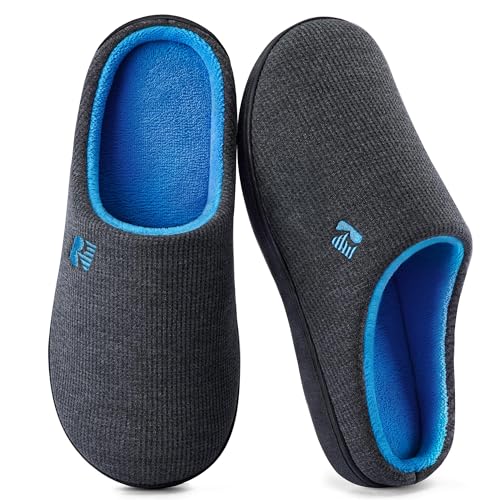
Ordinary house slippers are often the least suitable footwear in the home for a tender forefoot, and the reason is their softness in the wrong places. A thin, floppy slipper bends exactly at the ball of the foot, asks the big toe joint to flex fully with every step, and offers almost no padding between bone and floor. Barefoot walking on tile does the same, which is why many people with sesamoid discomfort find that their feet feel worse after an evening at home than after a day in structured shoes. The slipper features that matter here form a short list: real cushioning under the ball of the foot, a sole stiff enough to limit how sharply the forefoot bends, support under the arch that shares the load, a forefoot wide enough to let the toes lie flat, and an upper that holds all of that in place without squeezing.
None of those features promises a cure, and this guide makes no such claim. Slippers are comfort equipment for indoor hours, one part of how a household adapts to a sore forefoot. What a well-chosen pair can reasonably do is reduce the bending and the bare impact that ordinary slippers allow, spread pressure across a wider area of the sole, and make the hundred small indoor journeys of a day, from bed to bathroom to kettle, less of an ordeal. Read the sections that follow as a buyer’s map of those mechanical ideas, written in ordinary language, so you can judge any listing against them.
The anatomy, in plain terms, and why it shapes design
The two sesamoids are pea-sized bones embedded in the tendon that runs beneath the big toe. They act a little like pulleys, giving the tendon leverage, and they bear weight every time the forefoot takes a step’s load. When the tissues around them become irritated, the area under the ball of the foot grows tender, and movements that load or bend that spot, rising onto the toes, climbing stairs, standing long at a counter, tend to provoke it. High heels shift weight forward onto exactly this area, which is why they are so often the first footwear people with this discomfort abandon. Soft, pointed dress shoes combine both problems, pressure and bend, in one elegant package.
Design follows from that picture. If bending the big toe joint upward aggravates the spot, a sole that resists bending at the forefoot, or that curves so the foot rolls forward instead of folding, reduces the joint’s range of motion during each step. If direct pressure on the ball aggravates it, then cushioning and load-spreading under the forefoot matter more than cushioning at the heel, which is where many comfort slippers concentrate their padding. If the arch shares the load, the forefoot carries less of it, so a contoured footbed with genuine arch structure belongs in the conversation alongside softness. Every section below is one of those ideas examined closely enough to shop by.
It is worth saying plainly that feet differ, and so do cases. Some people find a firmer platform most comfortable; others want maximum softness under the ball and only moderate stiffness. Some have a high arch that needs filling; others have a flatter foot that needs guidance more than height. The sections ahead describe how to recognize each design approach in a listing and how to reason about which combination suits your own feet, your floors, and the advice you have been given by anyone treating you. Where this guide and a clinician’s instructions differ, the clinician’s instructions win, every time.
Cushioning under the ball of the foot
Where the padding sits matters more than how much there is
Forefoot cushioning is a placement question before it is a thickness question. A slipper can carry a generous slab of foam under the heel and almost nothing under the ball, and many do, because heel comfort sells in the first thirty seconds of trying a pair on. For this condition, the foam map should be reversed in emphasis: the thickest, most resilient padding belongs beneath the metatarsal area, the broad pad of the forefoot, with special attention to the zone under the big toe joint. Some designs add a distinct metatarsal pad, a raised, softer dome just behind the ball, which spreads pressure sideways across the forefoot instead of letting it concentrate on one tender point. Listings that describe the footbed zone by zone are easier to trust than those that offer a single cheerful word about softness.
Material decides how long the cushioning story stays true. Memory foam feels luxurious at first touch and molds to the foot, but it compresses under sustained load and can bottom out beneath a concentrated point, leaving the tender area resting on the hard midsole beneath a thin skin of foam. Denser EVA foams and latex foams rebound more and keep their thickness through a long evening of standing. Layered constructions, a firmer base foam with a softer top layer, often serve best of all: the top layer welcomes the foot, the base layer refuses to collapse, and the ball of the foot is spared the moment when padding gives up. When a listing names its foam layers and their order, that is a maker thinking like an engineer rather than a poet.
Thickness, stack, and the feel of the floor
Total sole thickness under the forefoot, sometimes called stack, sets the distance between bone and floorboards. A thicker stack generally softens impact and insulates against cold, hard surfaces, and for morning trips across a tiled bathroom that distance is welcome. There are limits. A very thick, very soft stack can feel unstable, letting the foot roll slightly with each step, and instability makes the forefoot muscles work harder to steady the body, which is its own kind of load. The comfortable middle for most shoppers is a moderately thick forefoot platform that feels planted rather than wobbly, paired with a heel of similar or slightly greater height so the foot does not sit in a downhill pose that pushes weight forward onto the ball.
That last point, the relationship between heel height and forefoot height, deserves emphasis because it is so often ignored in slipper design. A slipper with a plush heel wedge and a thin forefoot quietly tilts the body’s load toward the toes. A level platform, or one where the forefoot padding compensates for the heel’s height, keeps the load shared. When you press a candidate pair on a table and sight along its profile, you are looking for exactly this: no obvious ramp down toward the toes, and no thin, pinched forefoot hiding beneath a dramatic heel cushion.
Stiff soles and rocker shapes: limiting the bend
If cushioning is about pressure, stiffness is about motion. A flexible slipper folds at the ball of the foot with every step, and the big toe joint must extend as the heel lifts and the body passes over the toes. A stiffer sole moves the bend point, or removes it, so the shoe flexes less and the joint flexes less with it. In slippers, stiffness comes from a firm midsole board, a dense rubber outsole, or a shank-like element built into the platform. You can gauge it from a listing photograph more often than makers expect: a sole that holds a clean, straight profile in profile shots, and a product description that mentions a rigid or supportive platform, both point the right way, while a photograph of the slipper folded in half for the camera is advertising the opposite virtue.
Rocker geometry refines the idea. A rocker sole curves upward at the front, and often slightly at the heel, so that instead of the foot bending to roll over the toes, the curved sole rolls on the floor like the runner of a rocking chair. The forefoot leaves the ground with less toe extension, and the step feels like a glide rather than a fold. Gentle rockers suit indoor wear best; an aggressive curve can feel tippy on stairs and is more than most people want for a trip to the kitchen. In listings, look for a toe spring, the visible upward tilt of the front of the sole when the slipper rests flat, and for descriptions of a curved or rolling profile. A modest toe spring paired with a stiff platform is the combination most often sought for this condition.
Stiffness has honest costs, and a good guide should list them. A firm slipper is heavier than a sock-style pair, makes a slightly louder step on hard floors, and will not fold into a suitcase corner. It can also feel unyielding for the first days if your feet are used to very soft footwear, which is why many people alternate a new structured pair with an older soft pair while they adjust, wearing the structured pair for standing and walking tasks and resting in the soft pair on the sofa. That division of labor, structured for motion, soft for stillness, resolves the apparent contradiction between the two styles and is how many households end up organizing their footwear anyway.
Arch support that actually shares the load
The arch is the foot’s own bridge, and a footbed that meets it properly transfers part of each step’s load from the forefoot back along the sole. In slipper terms, real arch support means a contoured footbed whose raised midsection matches the arch’s position and height, not a flat insole with the word support printed on it. Molded cork and latex footbeds hold their contour for years and mold subtly to the wearer; molded EVA footbeds are lighter and washable; foam insoles stamped into an arch shape flatten fastest and should be viewed as a starting hint rather than a structure. The depth of the heel cup matters alongside the arch, because a cupped heel anchors the foot over the footbed, keeping the arch in contact with its support instead of sliding forward off it.
Fit decides whether support helps or merely exists. An arch contour placed for a longer foot will press in the wrong place on a shorter one, which is why sized footbeds beat one-size trimmable insoles for this purpose, and why trying a structured slipper involves standing still for a minute and attending to where the rise meets your foot. The sensation to seek is contact and sharing, a feeling that the middle of the foot has joined the work, rather than a hard lump demanding attention. People with very flat feet sometimes prefer a lower, longer contour; people with high arches often need the rise to be genuinely tall before it touches anything at all. Listings that offer arch height options, or distinct models for different arch profiles, are speaking to this reality.
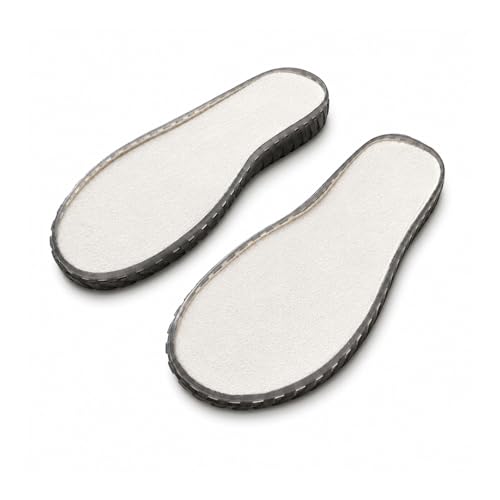
Removable footbeds add a practical dimension. A slipper whose insole lifts out can accept a different insole the owner already uses, can be aired and washed separately, and can be replaced when its cushioning tires, extending the life of the whole pair. If you already own insoles recommended to you, a removable-footbed slipper with enough depth to hold them without crowding the toes becomes a strong candidate. Depth is the detail to verify, because an added insole raises the foot inside the upper, and a shallow slipper will then squeeze the top of the foot or let the heel ride out at the back.
Households comparing structured pairs across a family will notice how differently brands shape these contours, and the broad survey in best acorn slippers for women offers a handy visual reference for molded footbeds, heel cups, and collar heights in mainstream designs.
Room for the forefoot: width, toe box, and seams
A tender ball of the foot should never be squeezed, yet many slippers taper to a fashionable point exactly where the forefoot needs width. When the toes are pressed together, load concentrates on the first and second toes’ joints instead of spreading across the forefoot, and the sesamoid area takes a larger share of a narrower platform. A rounded or anatomical toe box, one shaped like a foot rather than like a leaf, lets the toes lie flat and splay slightly under load, which is the foot’s own load-spreading mechanism. Wide fittings matter here as much as overall size; going up a size to gain width also gains length, which shifts the footbed’s arch and flex point out of position, so a true wide option in your correct length is worth seeking out deliberately.
Seams and decorations deserve a forefoot inspection too. A seam crossing directly over the big toe joint, a stiff embroidered motif on the vamp, or a strap whose edge lands on the ball can each create a pressure line on exactly the wrong real estate. Soft, seamless vamps in knit, felt, or suede avoid the issue, and designs that place their structure at the sides and heel, rather than across the toes, keep the sensitive zone covered by nothing more demanding than a gentle upper. Toe-post styles, which separate the big toe from its neighbors, are a poor match for most people with this discomfort, since the post loads the web space and the style usually comes with a thin, flexible sole as well.
Breathable uppers and materials that stay kind
Feet with a sore forefoot spend more hours in slippers than most, because the alternative, bare floors, is what they are avoiding. Hours of wear make breathability a comfort feature rather than a luxury. Wool felt is the traditional premium answer: it breathes, manages moisture vapor, holds its shape, and feels warm without clamminess. Knitted wool and wool-blend uppers trade a little structure for softness and stretch, accommodating swelling across a day. Cotton knits and canvas breathe well in warm houses and wash easily, though they offer less inherent support and rely on the sole unit for all the structure in the design.
Synthetic fleece and plush linings feel inviting in a shop and trap heat at home; for short evening wear they are pleasant, and for all-day wear they can leave feet hot and damp, which softens skin and makes a tender forefoot feel rawer. If a plush lining is what you love, look for a pair whose lining is a breathable wool blend rather than a sealed synthetic pile, or keep the plush pair for sofa hours and a breathable structured pair for standing hours. Leather and suede uppers sit in a useful middle: they breathe moderately, stretch to the foot’s shape over weeks, and hold the foot more securely than knits, which matters when the sole beneath is doing precise work and must stay aligned under the ball.
Moisture management connects to skin care in a simple way. A forefoot that stays damp inside a warm slipper is more prone to soreness at the surface, whatever is happening at the bone. Breathable uppers, rotation between two pairs so each dries fully, and socks chosen with the same care as the slippers themselves all serve the same end. Thin wool or cotton socks add a friction layer that protects the top of the toes, wick moisture away from the skin, and slightly increase the cushioning under the ball when the slipper’s own padding runs thin. Seamless-toe socks remove one more small irritation from a foot that has enough to deal with.
Uppers that hold the foot over the footbed
Every benefit described so far depends on alignment. Cushioning under the ball helps only if the ball stays over the cushioning, and a rocker rolls correctly only if the heel is not sliding out the back. That is why backless, loose mules are a questionable default for this condition despite their convenience: the toes grip to keep the slipper on, the foot creeps forward, and the forefoot ends up working harder and landing further forward on the footbed than the designer intended. A closed heel, a heel strap, or a high, snug vamp keeps the foot seated, and an adjustable strap across the instep lets the hold change as feet swell or slim across a day.
Slip-on clog shapes with a defined heel lip offer a workable compromise, easy to step into yet retentive enough to walk in, provided the lip is tall enough to matter and the footbed’s heel cup is real. Bootie-height uppers hold best of all and add ankle warmth, though they take a moment longer to put on, which matters to anyone whose mornings are stiff in more places than the feet. The test in a shop or at home is unglamorous: walk at your normal pace, turn a corner, and climb a few stairs, then notice whether you thought about your toes gripping at any point. If you did, the upper is delegating its job to your forefoot, and your forefoot is the employee least able to accept extra work.
Readers outfitting a partner with different needs often split the household order, and the fit-first approach in best all around mens slippers shows how closed heels and adjustable straps are handled in designs built for all-day wear.
Sizing and fit for a foot that swells and protests
Fit a structured slipper in the afternoon, when feet are at their daily largest, and fit it with the socks you actually wear at home. Length should leave a modest margin ahead of the longest toe, because a toe that reaches the front of the slipper will press and bend against the end during push-off. At the same time, excess length moves the footbed’s carefully placed arch and metatarsal features out of register, so the margin is a finger’s width, not a size’s worth. Width should let the forefoot rest without the upper’s edge bulging outward, and the heel should lift only slightly as you walk, settling back into its cup with each step rather than slapping.
Between sizes, the structured category argues for the size that keeps the footbed features aligned, with volume adjusted by straps, laces where they exist, or sock thickness, rather than by length. Some makers offer half sizes or distinct width fittings in their supportive lines, and for this condition those options are worth more than decorative variety. If one foot is noticeably larger or more sensitive than the other, fit to the larger foot and pad the smaller one’s heel with a discreet grip insert; a forefoot that is cramped on the tender side defeats the entire exercise, while a heel insert on the easy side costs nothing in comfort.
Expect a short acquaintance period with any genuinely structured pair. A foot accustomed to flat, soft slippers meets an arch contour and a stiffer platform as new information, and mild awareness of the support during the first days is common. Build wear time gradually, an hour or two for standing tasks, then longer, and keep your previous pair for rest hours in the meantime. Discomfort that sharpens rather than fades, numbness, or new pain in a different place are signals to stop and reassess the fit or the design, not obstacles to push through; footwear is supposed to reduce the load on a sore structure, and a pair that argues with your foot has failed its only examination.
Indoor life, arranged around a tender forefoot
The hardest indoor moments for this condition are predictable, and a household can soften most of them. The first steps of the morning cross cold, hard floors while the foot is stiff, so keeping the structured pair at the bedside, ready to step into before the first stride, changes the day’s opening entirely. Kitchen standing concentrates load in one spot for long stretches; a cushioned mat at the sink and stove, combined with the stiff-soled pair, divides the work between mat and slipper. Stairs load the forefoot during both ascent and descent, and a handrail plus a slipper with a secure heel turns them from an event into a routine.
Surfaces argue for a small amount of strategy. Tile and stone are the least forgiving floors in any house and the strongest argument for a thicker, stiffer sole worn consistently rather than occasionally. Timber floors sit in the middle, and carpet forgives almost everything, which is why many people find their discomfort mysteriously better in carpeted bedrooms and worse in tiled kitchens, a pattern that is not mysterious at all once the surfaces are ranked. Runners and rugs in the high-traffic routes between rooms extend the forgiving territory, and placing one where you stand to fold laundry or sort post is a cheap experiment with immediate feedback.
Rest is part of the equipment too. A foot that has stood through cooking has earned the sofa, and the soft pair kept there is not a betrayal of the structured program but its complement. The pattern that serves most households is simple to state: structured, cushioned, secure slippers for every journey and every standing task, softness reserved for sitting, and bare floors treated as a surface for brief crossings rather than a way of life. People building a budget around that pattern will find the value-minded notes in best affordable men s slippers useful for the second, household pair that always seems to be needed.
Care, durability, and knowing when a pair is done
Supportive slippers age in their foam before they age in their looks. Forefoot cushioning compresses gradually, an arch contour in foam softens, and a rocker profile wears flatter at its contact points, so a pair can look respectable long after its mechanical virtues have retired. The calendar is a rough guide, but the foot is a better instrument: when a once-comfortable pair starts leaving the ball of the foot aware of the floor again, press a thumb into the forefoot padding and compare it with the heel’s. A forefoot that stays dented, or that feels thin and boardy beneath its surface layer, has given its service. Rotating two pairs slows the compression, because foam recovers some loft between wears, and it guarantees a dry pair each morning, which breathable uppers alone cannot promise.
Care routines follow the materials. Wool felt uppers brush clean and air dry; they dislike soaking and heat in roughly equal measure. Cotton and many synthetic uppers tolerate gentle machine washing inside a bag, with the footbeds removed and washed separately if the design allows. Cork footbeds should be wiped rather than immersed, and they reward an occasional sealing treatment recommended by their maker, which keeps the surface from drying and crumbling. Leather uppers appreciate the same boring kindness as leather shoes: rest days, air, and no radiators. Whatever the materials, dry a pair fully before wearing it again, because a damp footbed compresses faster and a damp lining is unkind to skin that is already sensitive.
- Keep the structured pair at the bedside so the first steps of the day land on cushioning, not on cold tile.
- Rotate two pairs where possible, letting foam recover and uppers dry completely between wearing days.
- Check forefoot padding monthly with a thumb press; thinning under the ball is the earliest sign a pair is retiring.
- Wash and dry by the upper’s material, remove footbeds where the design allows, and keep cork and leather away from soaking and direct heat.
- Replace a pair whose arch contour has flattened or whose rocker has worn level, even if the upper still looks presentable.
Reading listings, and the questions that reveal a design
A listing aimed at comfort shoppers will say soft many times; a listing that respects this condition says where, how much, and in what material. Hunt for the specifics: foam names or densities, a stated forefoot thickness, a description of the footbed’s contour, a mention of a rigid or semi-rigid midsole, a photograph of the sole’s profile showing its curve, and width options beyond a single standard fitting. Side-view photographs are the most informative images on the page, because they reveal toe spring, stack height, and whether the forefoot thins toward the toes. A maker who publishes a profile shot is usually a maker who designed the profile on purpose.
Owner comments help when they are read for situations rather than verdicts. A comment mentioning long kitchen shifts, morning bathroom trips, a particular floor, or a second purchase after the first pair wore out carries transferable information. Comments that promise miraculous outcomes for a medical condition should be read with the same skepticism as any other miracle, and they say more about hope than about foam. Look instead for the pattern of ordinary satisfaction: feet less tired at the day’s end, mornings made easier, a pair reordered in a different color. That is the realistic signature of a slipper doing its mechanical job well.
Price, in this category, tracks materials and construction more honestly than it tracks comfort. Molded cork footbeds, leather uppers, and layered foam platforms cost more to make than a single-density foam slipper in fleece, and the difference shows up in longevity as much as in feel. A modest pair replaced twice may serve a household worse than a sturdier pair kept in rotation and resoled by nothing more exotic than a fresh insole. Judge by cost per season of structured service, and remember that the features doing the work here, forefoot foam, platform stiffness, arch contour, are exactly the features that cheap construction imitates in appearance and skips in substance.
Mistakes shoppers make with this condition
- Choosing the softest pair in the shop, then discovering that unstructured softness lets the forefoot bend and bottom out on hard floors.
- Buying a heel-heavy design whose thin forefoot tilts load toward the toes, the opposite of the intended effect.
- Taking a size up for width and losing the arch and metatarsal placement that the footbed was shaped around.
- Wearing a backless mule all day, gripping with the toes to keep it on and wondering why evenings feel worse.
- Keeping a structured pair past the life of its foam, because the upper still looks tidy from above.
- Treating any slipper as a substitute for professional assessment when pain is new, worsening, or follows an injury.
That final point stands apart from shopping advice, and this guide states it once, clearly. New forefoot pain, pain after a fall or a twist, swelling, bruising, numbness, or discomfort that steadily worsens are reasons to have the foot examined in person. A product guide can compare foam and geometry; it cannot see your foot, and it would be a poor friend if it pretended otherwise. The slippers gathered here are for comfort during ordinary indoor life, chosen with an understanding of the mechanics involved, and they earn their place alongside, never instead of, proper care for an injured or persistently painful joint.
How this guide compares pairs
This guide compares slippers for this condition on verifiable design points: the placement and layering of forefoot cushioning, the stiffness of the platform and the presence of a gentle rocker or toe spring, the contour and durability of the arch support, the width and seam placement of the forefoot, the breathability of the upper across long wear, and the security of the heel and instep hold. Our research weighs construction details and maker specifications above comfort adjectives, because adjectives cannot be checked and a sole profile can. Where two virtues trade against each other, as softness does against stability, the guide explains the trade and leaves the weighting to the reader’s own feet and floors.
Expectations deserve the same honesty at the end as at the beginning. A well-chosen pair can make indoor hours kinder: mornings less daunting, kitchen tasks less costly, evenings less of a negotiation with the floor. It does this by padding the ball of the foot, limiting the bend at the joint, sharing load with the arch, and staying securely where it was put. It does not repair tissue, correct anatomy, or replace the judgment of anyone who has examined you. Choose the pair whose mechanics match the pattern of your discomfort, keep a soft pair for the sofa and a structured pair for the journeys, and let the house itself, its mats, its runners, its bedside arrangements, carry part of the load too.
Comfort at home is also a matter of rest at the day’s other end, and readers rearranging a bedroom around tender feet may enjoy the supportive shapes surveyed in best 800 fill pillows, where loft and fill power are weighed with the same care given to foam here.
The main shapes on offer, judged by forefoot mechanics
The structured clog is the workhorse of this category: a molded or layered platform, a high rounded vamp, and an open or lipped heel. Its virtues are consistency and ease. The platform is the same every morning, the vamp holds the forefoot without laces or straps, and the shape steps on and off in seconds at the bedside. Its weakness is the heel’s freedom; a clog with a shallow lip lets the heel wander on stairs, and a clog whose vamp ends low leaves the midfoot to do the holding. Better examples deepen the heel cup and raise the vamp’s line, and the difference is visible in profile photographs if you know to look for it.
Closed-heel slip-ons trade a little of that convenience for security. An elastic gusset, a padded collar, or a low bootie back keeps the foot seated over the footbed through turns, stairs, and the small hurry of answering a door. For a tender forefoot, that security is not a luxury; it is what keeps the cushioning and the arch contour registered under the right anatomy for a whole evening instead of for the first ten steps. Adjustable designs go further, with a strap or twin straps across the instep that can be loosened as the day swells the foot and tightened again in the morning, and for feet whose size changes between breakfast and bedtime, adjustability may matter more than any single foam choice.
House sandals with two wide straps and a contoured footbed occupy a distinct niche. They breathe completely, accommodate almost any forefoot width once the straps are set, and their cork or EVA footbeds often carry the most deliberate arch and metatarsal shaping in the whole slipper market. Their open toes, however, leave the forefoot unprotected against furniture legs and dropped objects, and they offer no warmth, so many households keep them as the warm-season or standing-task option rather than the year-round answer. Bootie slippers with structured soles sit at the other pole: maximum hold, maximum warmth, and a sole unit borrowed from the clog family. Between these poles, the right choice is the one whose compromises match your house’s temperature, your floors, and the hours you actually spend on your feet.
Temperature, seasons, and the swollen evening foot
Feet change size across a day, and a foot managing forefoot discomfort often changes more than most, arriving at evening fuller than it was at breakfast. A slipper fitted only to the morning foot becomes a squeezing device by the time the evening’s standing begins, which is the very shift when support is most wanted. Adjustable uppers answer this directly. So do stretch panels at the vamp, knitted collars that yield without collapsing, and lacing systems borrowed from walking shoes, which look overbuilt on a slipper until the first evening they are loosened by two eyelets and the forefoot sighs. When you assess a fixed upper, assess it at your foot’s largest, not its neatest.
Season multiplies the question. Winter asks for warmth, and insulation usually arrives as fleece, shearling, or felt, each adding bulk inside the upper that eats into the room the forefoot was promised. A winter pair should therefore be sized with its lining in mind, and a shearling footbed, lovely as it is, compresses into a thinner pad than its first-week loft suggests, so the platform beneath it must carry the real cushioning. Summer asks for the opposite: minimal, breathable uppers, footbeds that tolerate bare damp feet and dry overnight, and materials that can be rinsed when they start to hold the season’s warmth. Many households end with a two-season wardrobe for exactly the reasons the rotation advice keeps giving, and the tender forefoot benefits twice, once from the rest each pair receives and once from never being squeezed into the wrong season’s shape.
Standing work at home: cooking, laundry, and workshop hours
Home has its own standing jobs, and they load the forefoot differently from walking. Cooking involves long stillness broken by short pivots, and pivoting twists the forefoot against the floor inside the slipper, which argues for an upper that holds the midfoot firmly and a sole that permits a little rotational give rather than gripping so hard that the twist travels into the joint. Laundry adds carrying, stairs, and bending, a combination that rewards the closed heel and the secure strap. A workshop or garage threshold adds hard concrete and the temptation to step out in whatever is on your feet; a structured slipper with a genuine rubber outsole handles the crossing, while a soft pair should be treated as indoor-only without apology.
Breaks are equipment too. A stool at the counter, a mat at the bench, and a household habit of sitting for the tasks that allow it all reduce the forefoot’s total daily load more than any single product can. The slipper’s role in that system is to make the standing portions as well-distributed as possible: load shared with the arch, pressure spread across the forefoot, bend limited by the platform, and the whole apparatus still on the foot, aligned, at the end of the task. Judged that way, the best pair for a keen home cook may be the adjustable clog, for a laundry-day athlete the strapped closed heel, and for the workshop the bootie on a rubber sole, and none of those choices contradicts the others.
A practical buying sequence, in order
Sequence prevents the common failure of choosing by the first feature that catches the eye. Begin with your floors, because tile and stone justify a thicker, stiffer platform than carpet ever will. Next, measure both feet in the afternoon and note the longer and wider one, since those two measurements set the size and the width fitting. Third, decide the hold: closed heel, strap, clog lip, or bootie, based honestly on how much you hurry, climb, and carry at home. Fourth, choose the footbed, contour height against your arch, forefoot layering against your standing hours, removable if you already use insoles of your own. Only then should uppers, colors, and linings have their say, because they are the features that please, while the first four are the features that work.
When the pair arrives, give it a structured introduction rather than a full day’s trial. Wear it for the morning routine, then for one standing task, then across an evening, noticing three things each time: whether the ball of the foot can feel the floor through the padding, whether your toes are working to hold the slipper on, and whether the arch contact feels like sharing or like poking. Keep the packaging until the sequence is complete, because a reputable seller would rather exchange a lightly worn indoor pair than have you keep a mismatch out of politeness. If the pair passes, write the purchase date inside the heel with a fabric marker; foam ages by calendar as much as by mileage, and that small inscription settles every future argument about how old the cushioning really is.
The second pair, travel, and visiting other houses
A single perfect pair is a fragile plan. Foam needs rest days, uppers need drying days, and a household with one structured pair discovers both facts the first time the pair is washed or left by the wrong door. The second pair need not duplicate the first: a common and sensible arrangement pairs a firm, adjustable daytime design with a lighter contoured sandal for warm evenings, or a bootie for winter with a clog for the rest of the year. What the second pair must share with the first is the mechanical core, forefoot padding, a platform with some spine, and a hold that keeps the foot placed. Decorative soft pairs can still exist in the house; they simply retire to the sofa, where their softness is a pleasure and their flexibility harms nothing.
Travel exposes the same logic in miniature. A structured slipper is bulky, and the temptation is to pack the floppy pair and spend a hotel weekend on marble bathroom floors, the least forgiving surface a tender forefoot meets all year. A contoured house sandal packs flatter than a clog, weighs less than a bootie, and still delivers arch shape and forefoot foam, which is why it so often becomes the travel compromise. Visiting friends raises a smaller version of the same question: a pair kept by your own door for the journey, and the grace to accept whatever carpet a host provides, beats an evening of barefoot politeness on a cold kitchen floor. Planning for these ordinary situations is not fussiness; it is how a foot that needs consideration gets it without negotiation, every single day.
Bringing footwear questions to a professional visit
If you are seeing a clinician about forefoot pain, your slippers are worth a sentence in the conversation, because indoor hours are a large share of a foot’s working life and the footwear worn for them is rarely asked about. Bring the pair you wear most, or photographs of its sole and profile, and be ready to describe where the discomfort sits, when it peaks, and which floors and tasks provoke it. That information helps a professional judge whether your current indoor footwear is helping, neutral, or quietly working against the rest of your care, and whether features such as a stiffer platform or a different arch height suit your particular foot rather than feet in general.
It also helps to arrive knowing which product details you cannot judge alone. A listing can tell you foam layers and sole curves; it cannot tell you whether your arch wants height or guidance, whether your gait rolls inward enough to change the recommendation, or whether an insert should be shaped for you individually. Those are examination questions. The healthiest relationship between a guide like this one and professional care is a division of labor: the guide teaches you the vocabulary of soles and footbeds so that professional advice, when you receive it, lands on prepared ground and can be shopped for accurately the same afternoon.
What a well-matched pair feels like after a month
The first day with a structured slipper is mostly information: the arch announces itself, the platform feels deliberate, and every stair is a small experiment. By the end of the first week, the novelty should be fading into routine, and the signs of a good match are quiet ones. The pair waits by the bed and goes on without thought. The walk to the bathroom happens at a normal pace rather than a negotiated one. Standing at the stove, you notice the recipe more than your feet. None of these moments is dramatic, and that is precisely the point; footwear that works stops asking for attention, and a tender forefoot that is being loaded more kindly mostly reports its opinion by staying silent for longer stretches of the day.
The month mark adds a second kind of evidence, the physical kind. Turn the pair over and read the outsole: even wear across the heel and forefoot suggests the platform is meeting the floor as designed, while a deep, lopsided scuff pattern hints that your gait rolls or that one foot works harder, information worth remembering at the next purchase or mentioning at a professional visit. Press the forefoot foam again and compare it with your memory of the first week; a good layered construction will feel much as it did, while a single soft layer may already carry a permanent thumbprint of itself. Check the straps, gussets, and collar for stretch, because a hold that has loosened quietly moves the foot off its cushioning just as surely as the wrong size did. A pair passing these small inspections at a month is a pair whose design and materials were honest, and it has earned the only verdict this category can fairly offer: not a cure, not a promise, just a house that has become easier to walk around in.
One further habit separates a month of success from a season of it: keep the pair where the routine begins, not where it ends. Slippers stored by the sofa serve the evening; slippers stored by the bed serve the whole day, because the first unsupported steps are the ones the rest of the day quietly pays for. Households that grasp this move the structured pair to the bedside, let the soft pair inherit the sofa, and find that the arrangement soon feels so obvious they forget it was ever a decision. Small logistics of that kind, repeated daily, are where product choices turn into lived comfort. Add one more to the list: keep a thin pair of seamless socks in the same bedside spot, because the mornings when socks feel like too much trouble are usually the mornings feet are stiffest, and a sock’s small layer of glide and warmth makes the structured pair kinder from the very first step to the last one before bed.
Check prices on Amazon
Live listings for the shortlist in this guide are pulled from Amazon below, so prices and availability are always current at the moment you look.
Disclosure
A guide about footwear for a painful foot condition owes its readers candor about money as well as about mechanics, so here it is in the open. As an Amazon Associate we earn from qualifying purchases. That support does not turn a soft mule into a supportive recommendation here, does not add a rocker to a flat sole in our descriptions, and does not dress a comfort product in medical promises it cannot keep. Where evidence about a design was thin, this guide described the trade-offs and left the decision with you.
May your first steps tomorrow land on something kind, and may the walk to the kettle feel like a small errand again rather than an expedition.