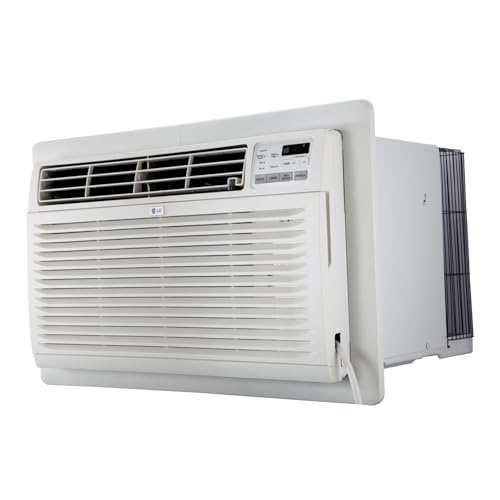
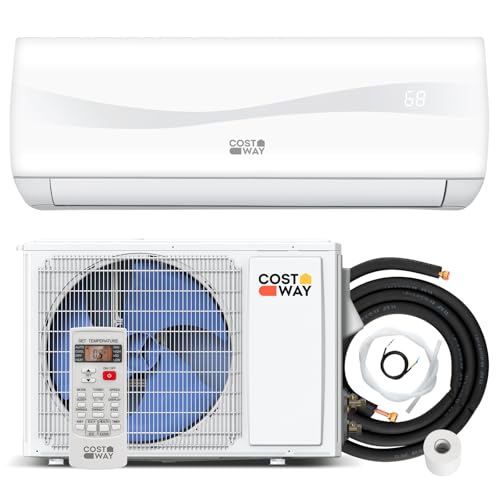
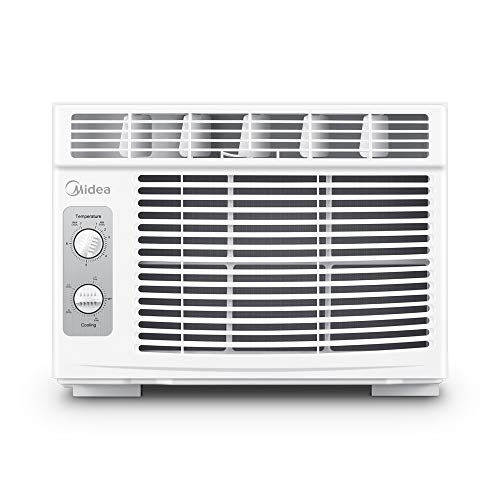
Our Top Picks
 COSTWAY 12000BTU Mini Split Air Conditioner& Heater12000BTU, 115V, 20 SEER9 x 44.5 x 13 inches68 poundsCheck on Amazon
- COSTWAY 18000BTU Mini Split Air Conditioner& Heater18000BTU, 208-230V, 19 SEER8.5 x 37 x 12 inches68 poundsCheck on Amazon



What's inside
- The seasonal ratio hiding behind four letters
- SEER2: the newer scale standing beside the old one
- How to read the label without being misled by it
- The sweet spot: why 16 keeps winning the argument
- When stepping up to 18, 19, or 20 genuinely pays
- When 16 is honestly enough
- Installation: the invisible rating adjustment
- Three archetypes at the 16 rating
- Keeping a 16 performing like a 16
- A short history of the number, and why the floor keeps rising
- Comparing 16 against its neighbors in relative terms
- Efficiency and humidity: the partnership the label only hints at
- Incentives, codes, and the paperwork surrounding the number
- A note for window and portable shoppers translating the scale
- What the rating does not capture at all
- Repair or replace: reading an old system through the efficiency lens
- Climate zones and regional rules in everyday practice
- Verifying the promise on your own electricity bill
- Three households, three honest answers
- Check prices on Amazon
- Questions to settle before signing anything
As an Amazon Associate I earn from qualifying purchases. This post may contain affiliate links at no extra cost to you.
A quick word about how this guide supports itself before we get into efficiency numbers: Cottage Verdict earns referral commissions through retailer links when readers choose to buy, that income never changes what a reader pays for a machine, and it is precisely why the pages below can afford to tell you when a mid-tier efficiency rating is genuinely enough instead of steering every household toward the most expensive badge on the shelf.
Sixteen sits in an interesting place in the air conditioning efficiency landscape. It is well above the minimum ratings regulators allow, comfortably clear of the bargain basement, yet it stops short of the premium tiers where prices climb steeply for each additional point. For a great many households, that makes a 16 SEER machine the most defensible purchase in the catalogue: efficient enough to matter on every summer bill, mainstream enough to be sold and serviced everywhere, and free of the exotic engineering that sometimes accompanies the highest numbers.
But a rating is only useful if the person reading it understands what was measured, under which test, and how far that laboratory figure can drift once a real machine meets a real house. This guide unpacks the number itself, explains the newer SEER2 scale that now shares the label, walks through the economics of the sweet spot in relative terms, and then turns to the unglamorous truth that installation quality can move real-world efficiency further than two points of rating ever will.
The scope here is deliberately the whole 16 SEER class rather than a shelf of specific models. Central and ductless systems carry SEER ratings most prominently, while window units are scored on a related but distinct scale, and this guide will flag that distinction where it matters so readers shopping across formats can translate honestly between them. What never changes is the underlying physics: efficiency is cooling delivered divided by electricity consumed, and every rating system is an attempt to summarize a season of that arithmetic in a single number.
The seasonal ratio hiding behind four letters
The acronym expands to Seasonal Energy Efficiency Ratio, and the definition rewards a slow reading. In plain terms, it divides the total cooling a system delivers across a representative season, expressed in British thermal units, by the total electrical energy it consumes over that same period, expressed in watt-hours. A higher quotient means more cooling per unit of electricity, and the word seasonal is doing important work in the definition, because the test is not a single measurement at peak heat.
The laboratory procedure cycles the equipment through a range of outdoor temperatures meant to resemble a typical cooling season, weighting the mild hours heavily because most real operating time happens when the weather is warm rather than brutal. Part-load behavior therefore dominates the score. A system that sips power while cruising through a pleasant evening earns more credit than one that merely shines during the hottest hour of the test, which is why technologies that modulate output tend to post strong seasonal numbers.
This seasonal averaging explains a common confusion at the showroom. Two machines can share identical capacity and similar peak efficiency yet carry meaningfully different SEER ratings, because one of them handles shoulder-season loads gracefully while the other cycles wastefully. It also explains why a rating cannot predict any single afternoon’s electricity use: on the hottest day of the year, every machine works at its least flattering point on the curve, whatever its badge says.
For window air conditioners, regulators use a sibling metric called CEER, the combined energy efficiency ratio, which folds standby power draw into the calculation alongside cooling efficiency. The distinction matters when comparing across formats. A cottage owner choosing between a through-window solution and a small ductless system is not comparing identical scales, and honest shopping starts by acknowledging that the numbers answer slightly different questions even though both describe cooling per unit of electricity.
SEER2: the newer scale standing beside the old one
Regulators in the United States updated the test procedure behind the rating, and equipment manufactured under the newer rules carries the SEER2 designation instead. The revision was not cosmetic. The new procedure tests systems against higher external static pressure, a change intended to reflect the resistance real ductwork imposes, which the older test had understated for decades. Because the test became harder, the same physical machine generally earns a slightly lower number on the new scale than it would have on the old one.
This creates a translation problem on today’s retail listings, where old-scale and new-scale figures mingle. A machine advertised at 16 on the legacy scale is roughly comparable to one rated around the mid-15 range under SEER2, though the exact correspondence varies by equipment type and should never be treated as a precise conversion. What matters is comparing like with like: two SEER2 numbers can be ranked against each other, two legacy numbers can be ranked against each other, and mixing the scales invites exactly the confusion the revision was meant to reduce.
Minimum standards shifted alongside the test. The floor for new equipment now sits in the mid-14 SEER2 neighborhood for many categories, varying by region and system type, which reframes what 16 means in the current market. On the new scale, a 16 rating stands a clear step above the legal minimum without entering the rarefied tiers, and on the legacy scale it occupies a similar relative position. Either way, the number signals a machine designed to beat the baseline by a deliberate margin rather than to merely comply with it.
Shoppers will also meet EER and its successor EER2 on the same labels. Where SEER describes a season, EER describes a moment: efficiency measured at a single hot condition, traditionally a sweltering outdoor temperature with defined indoor conditions. The two figures complement each other. Seasonal ratings predict bills in mixed weather, while the single-point figure hints at how the machine behaves during the heat-wave afternoons when grids strain and owners care most about raw performance.
How to read the label without being misled by it
Every regulated air conditioner carries a standardized energy guide label, and it rewards slow reading. The headline figure is the seasonal rating, but the label also places that figure on a scale showing the range spanned by comparable models, which instantly reveals whether a given number is heroic or ordinary for its class. A rating near the top of its printed range means something different from the same digits sitting in the middle of a higher-performing category.
The label’s estimated yearly operating cost deserves equal attention and equal skepticism. It is computed from standardized assumptions about climate, hours of use, and a national average electricity price, none of which may resemble your household. Treat the figure as a comparison tool between two labels rather than a forecast of your bill. Two machines evaluated under identical assumptions can be ranked honestly by that estimate, even if your actual summer will rewrite both numbers completely.
Capacity printed beside the rating is the third leg of honest reading. Efficiency figures are only comparable between machines sized for the same job, because an oversized unit with a splendid rating can waste its advantage through short, humid, unsatisfying cycles, while an undersized one runs heroically and still loses. The rating tells you how gracefully a machine converts electricity into cooling; it says nothing about whether the machine was the right size for the rooms it serves.
Beyond the official label, retail listings add marketing layers that need translating. Phrases like up to a given rating describe the best configuration in a product family, often a specific capacity paired with a specific indoor unit, and the exact combination being sold may rate lower. Careful shoppers confirm the rating of the precise pairing they are buying, ideally through the manufacturer’s own specification documents or the independent directories that certify tested combinations, rather than trusting the family’s headline number.
Homeowners focused on running costs will find a wider discussion of consumption habits in our guide to best air conditioners for energy saving, which treats the rating as one lever among several. Thermostat discipline, shading, and maintenance move seasonal consumption by amounts that routinely rival a point or two of nameplate efficiency, and they cost attention rather than capital.
The sweet spot: why 16 keeps winning the argument
Efficiency economics follow a curve of diminishing returns, and 16 sits near the knee of that curve for most households. Climbing from the legal minimum to 16 removes a substantial share of the waste in a typical system: better compressors, larger coil surfaces, and smarter fan control all arrive by this tier, and each contributes savings across every operating hour. The engineering is mature, produced in enormous volumes, and priced by fierce competition among makers who all field entries at exactly this level.
Above that knee, the curve flattens while costs steepen. Each further point of rating demands disproportionately more hardware: still larger coils, more sophisticated variable-speed everything, tighter manufacturing tolerances, and electronics to orchestrate it all. The electricity saved by each successive step shrinks in absolute terms because there is progressively less waste left to eliminate. A household can absolutely justify those tiers, and a later section examines when, but the justification must come from its own usage pattern rather than from the assumption that higher is automatically wiser.
There is also a resilience argument for the sweet spot. Equipment at 16 tends to be the volume mainstream of the industry, which means installers know it intimately, distributors stock its parts deeply, and any competent technician in any town has diagnosed its quirks before. Exotic high-tier machines can be magnificent, yet their control boards and specialized compressors sometimes travel slower through the supply chain when something fails in the middle of a heat wave. Efficiency that cannot be serviced promptly is a fragile kind of efficiency.
Purchase timing interacts with the sweet spot as well. Because this tier sells in volume, it is the tier most often discounted during seasonal promotions and most reliably available when an old system dies without warning in July. A household forced into an emergency replacement rarely has the luxury of ordering a niche flagship and waiting; the 16 on the local shelf, installed well, will outperform the theoretically superior machine that arrives three weeks after the heat breaks.
When stepping up to 18, 19, or 20 genuinely pays
Long operating hours are the strongest case for the higher tiers. A household in a hot climate, cooling from spring through autumn and running the system through most of each day, multiplies every efficiency advantage by an enormous number of hours. Where a lightly used system might take many years to return the premium charged for top-tier hardware, a hard-working system in a demanding climate compresses that arithmetic dramatically, and the higher rating also trims peak demand on the very afternoons when electricity is most precious.
High local electricity prices sharpen the same argument. The value of a saved kilowatt-hour is set by the tariff, and households paying premium rates, whether through geography, utility structure, or time-of-use pricing that punishes afternoon consumption, collect more from each point of efficiency than households on cheap flat rates. Anyone evaluating the step up should perform the comparison using their own tariff and their own realistic hours, because national averages conceal exactly the variation that decides the answer.
Variable-speed equipment at the upper tiers brings benefits that a single seasonal number understates. Systems that modulate continuously hold temperatures steadier, wring more moisture from indoor air during long gentle runs, and operate at whisper levels for most of their hours. Households sensitive to humidity, light sleepers in homes where the air handler lives near bedrooms, and anyone who has endured the clammy chill of an oversized single-stage machine may rationally pay for those qualities and regard the efficiency gain as a companion benefit rather than the headline.
Solar households form a special case worth naming. A home generating its own electricity on summer afternoons values cooling efficiency as a way to stretch self-generated power across more comfort, and smaller electrical demand can also reduce the size of inverter and storage equipment the household needs. For such homes the higher tiers sometimes pay through system design rather than through the utility bill alone, a calculation that rewards sitting down with the household’s actual generation and consumption curves.
When 16 is honestly enough
Mild climates forgive modest ratings. A cottage cooled for a few weeks each summer, or a home in a northern region where the system wakes for scattered warm spells, simply does not accumulate the operating hours that let top-tier efficiency repay its premium. The money held back by choosing the sweet spot can serve the household better elsewhere: sealing the attic hatch, shading the west windows, or servicing the ductwork, each of which reduces the load itself rather than the cost of meeting it.
Short expected tenure argues the same way. A household planning to move within a few years will likely leave the premium hardware behind for the next owner, collecting only a fraction of its lifetime savings in the meantime. Real estate markets rarely reimburse efficiency upgrades at anything like their engineering value, so the rational horizon for the step-up calculation is the period the buyer genuinely expects to live with the machine, not the machine’s full physical life.
Smaller loads shrink the stakes further. Cooling a compact, well-insulated space consumes modest electricity at any reasonable rating, so the absolute difference between tiers narrows to a sum that may take a very long time to justify additional capital. Owners of snug condominiums will recognize their situation in our notes on best air conditioners for condos, where modest floor plans and shared walls already do much of the efficiency work before the equipment is even chosen.
There is also a budget-sequencing point that honest advisors should make plainly. A household choosing between a higher rating and the installation quality that lets any rating survive contact with reality should fund the installation. The finest badge in the catalogue cannot rescue a system undermined by leaking ducts, wrong charge, or careless sizing, whereas a mid-tier machine installed meticulously will deliver its promised season after season. Rating is a property of equipment; efficiency is a property of the whole installation, and the second is what the meter measures.
Installation: the invisible rating adjustment
Field studies of installed systems have repeatedly found that real-world performance trails laboratory ratings by margins that dwarf the gap between adjacent tiers, and the causes are depressingly ordinary. Refrigerant charge set by guesswork rather than measurement, airflow throttled by undersized returns, ducts leaking conditioned air into attics, and equipment matched carelessly between indoor and outdoor components all tax the system every hour it runs. A mediocre installation can demote a premium machine below an honest 16 that was commissioned with care.
Charge deserves first attention because its effects are so direct. Too little refrigerant starves the evaporator, lengthening run times and weakening dehumidification. Too much raises pressures and power draw while inviting liquid back toward the compressor. Correct charge is established by measuring superheat or subcooling against the manufacturer’s targets for the day’s conditions, a procedure that takes a conscientious technician modest time and separates professional commissioning from mere hookup.
Airflow is the second pillar. The indoor coil needs its designed volume of air, commonly a few hundred cubic feet per minute for each unit of capacity, delivered against the resistance of filters, coils, and duct runs. Every restriction, from a clogged filter to a crushed flex duct to a register closed in an unused room, pushes the blower to work harder for less cooling. Under SEER2 testing, this resistance is finally acknowledged on paper; in the house, it has always been the difference between the rating on the label and the rating on the bill.
Sizing governs how the system spends its hours. An oversized machine satisfies the thermostat in short bursts, never settling into the steady state where its efficiency and moisture removal peak, and it wears its compressor with constant starting. An undersized machine runs without pause on hot afternoons and still loses ground. Proper load calculation, accounting for insulation, orientation, windows, and occupancy, is the unglamorous document that protects the value of whatever rating the household buys.
Duct condition completes the picture for central systems. Leaks in unconditioned spaces are doubly expensive, losing cooled air outright and drawing hot attic air into returns. Sealing with mastic, insulating runs that cross harsh spaces, and verifying that the delivered air actually arrives at the registers can recover more real efficiency than a tier upgrade, at a fraction of the disruption. Households replacing equipment should insist the conversation include the ducts, because new machinery bolted to a leaking distribution system inherits the leak’s penalty forever.
Three archetypes at the 16 rating
The rating spans several recognizable patterns of equipment, and choosing among them matters as much as choosing the number itself. The archetypes below describe design philosophies that recur across manufacturers at this tier, presented so a reader can identify the pattern inside any retail listing and match it to the household it will serve.
The budget archetype: single-stage simplicity at an honest rating
The entry pattern reaches 16 with a single-stage compressor, a straightforward indoor blower, and engineering effort concentrated on coil size rather than electronics. It starts and stops in the traditional rhythm, holds its rated efficiency through proven components, and offers the shallowest learning curve for any technician who will ever service it. For mild climates, second homes, and rental properties where robustness outranks refinement, this pattern’s simplicity is a feature that compounds quietly over the years.
Its compromises are comfort-shaped rather than efficiency-shaped. Temperature swings a little wider between cycles, humidity control depends heavily on correct sizing, and the machine announces its starts more plainly than modulating rivals. None of that prevents it from delivering exactly the seasonal economy its label promises, provided the installation respects airflow and charge. Buyers drawn to this tier should spend their saved capital on commissioning quality, which is where this archetype’s real-world reputation is made or lost.
The mid-range archetype: two-stage or entry inverter balance
The middle pattern adds modulation, either through a two-stage compressor that spends most hours on its gentler setting or through an entry-level inverter that varies speed across a useful range. This is the configuration most people picture when they picture the sweet spot: the rating achieved not by a single heroic component but by the system spending its season in efficient part-load operation, which is precisely what the seasonal test rewards.
Comfort improves in ways owners notice daily. Longer, quieter runs even out room temperatures, pull more moisture during humid evenings, and soften the start-stop punctuation of the house’s soundscape. Parts availability stays deep because these configurations sell in large numbers, and the electronics, while more sophisticated than the budget pattern, remain within the diagnostic comfort of any established service company. For a primary home in a mixed climate, this archetype is the default recommendation this guide would defend most stubbornly.
Capacity choice within the pattern still deserves care. The middle capacities suit the broad middle of housing, and the considerations gathered in our overview of best 8000 btu air conditioners illustrate how a correctly sized smaller system can hold its rating in practice while an oversized sibling squanders the same badge through cycling. Modulation forgives slight oversizing more gracefully than single-stage equipment does, but forgiveness is not a license to abandon the load calculation.
The premium archetype: high-spec 16 with flagship manners
The third pattern is less common and easily misunderstood: equipment built to flagship standards of cabinet, coil, and control, but specified at 16 rather than pushed to the family’s maximum rating. Makers offer such configurations where regional rules, product positioning, or pairing choices cap the headline number, and savvy buyers occasionally find in them the quietest, best-sealed hardware of the tier wearing a modest badge.
What the premium buys here is not seasonal arithmetic but everything around it: superior sound insulation, corrosion protection on coils, refined humidity programs, and the deepest warranty structures in the class. Households that have already decided against the operating profile that justifies 18 or 20 may still rationally choose this pattern for a primary residence they intend to keep, treating the extra outlay as a comfort and longevity purchase rather than an efficiency investment. Judged on those honest terms, it can be the most satisfying machine of the three.
Compact spaces test all three patterns differently, because short duct runs or ductless configurations change the installation variables entirely. The small-format thinking collected in our guide to best 5000 btu compact window air conditioners reminds shoppers that format and rating answer different questions, and that a small room served by the right format at a sensible rating will beat a prestigious badge forced into the wrong application every single summer.
Keeping a 16 performing like a 16
Ratings describe new equipment tested under controlled conditions, and every season of neglect erodes the resemblance. A condenser coil matted with cottonwood and dust forces the compressor to work against higher head pressure, quietly converting a 16 into something far more ordinary. Filters left to clog starve airflow in exactly the way the new test procedure worries about. Maintenance is therefore not separate from the efficiency conversation; it is the mechanism by which a purchased rating remains a delivered one.
The owner’s share of that work is modest and rhythmic. Filters on their proper cadence, outdoor coils rinsed clear, vegetation trimmed back so the condenser breathes, and condensate drains confirmed open before the humid months. Registers stay open, because closing rooms off rarely saves what folklore promises and often raises duct pressure enough to cost more than it saves. A thermostat schedule that lets temperature drift upward during absences reduces total hours, which flatters every rating ever printed.
The professional share arrives every year or two in a proper service visit. Charge verified by measurement rather than optimism, electrical connections inspected for heat, blower wheels cleaned of the film that steals airflow, and controls confirmed against their settings. Such visits catch the slow drifts, a weakening capacitor here, a sensor wandering there, that individually cost a few percent and collectively explain why some households watch bills climb while their equipment’s badge insists nothing has changed.
Owners should also understand efficiency’s relationship with age honestly. Even a cherished system loses ground across a long life as coils corrode microscopically, compressor valves wear, and refrigerant circuits accumulate the history of every service ever performed. When a fifteen-year-old machine’s consumption has drifted far from its youth, replacement with a modern 16 may represent a larger real improvement than the badges suggest, because the comparison is against the old machine as it now is, not as it once was.
A short history of the number, and why the floor keeps rising
Efficiency minimums have climbed steadily for decades, and the journey explains why 16 feels simultaneously ambitious and ordinary. Early regulated equipment cooled at seasonal ratings that would embarrass a modern budget model, because compressors were crude, coils were small, and nobody had yet been forced to care. Each regulatory step pushed the floor upward, and each step was met by predictions of disaster that the industry quietly disproved by engineering its way to compliance within a few product cycles.
The pattern matters for buyers because yesterday’s premium becomes today’s baseline with metronomic regularity. A rating that signaled flagship status in one decade becomes the legal minimum in another, which means the relative standing of any number decays even while the number itself stays fixed. Sixteen today is a deliberate step above the floor; sixteen a generation ago was near the summit of what residential equipment could do. Reading a rating therefore requires a date as well as a scale, especially when comparing a new proposal against the badge on an aging machine in the yard.
Rising floors also improve the used-equipment and replacement conversation. When an old system dies, its replacement at even the legal minimum usually represents a substantial efficiency leap, and stepping to 16 widens that leap further. Households sometimes mourn that they cannot replace like with like; in efficiency terms, they should celebrate, because like no longer exists and its disappearance is worth real money across every subsequent summer.
Comparing 16 against its neighbors in relative terms
Abstract ratings become clearer when translated into proportional consumption. Moving from the mid-14 baseline to 16 reduces the electricity needed for the same seasonal cooling by something in the neighborhood of a tenth, varying with climate and equipment pairing. That is a genuine saving, collected hour after hour, and for many households it arrives at a modest step in purchase price because the tier is so heavily produced and contested.
Moving from 16 to the neighborhood of 18 saves a similar-sounding proportion of what remains, yet the absolute quantity shrinks because the remaining consumption is smaller, while the hardware step grows larger. Moving from 18 toward 20 repeats the pattern with still thinner absolute gains. This is the arithmetic skeleton beneath the sweet-spot argument: equal steps in rating yield shrinking steps in consumption, while the engineering cost of each step rises, so the value of a point depends entirely on where on the ladder the household starts.
Climate re-weights every one of those proportions. In a region with a long, fierce cooling season, a tenth of a large consumption figure is a large quantity of electricity, and the higher tiers collect their premium back with interest. In a region where the system naps through most of the year, a tenth of very little remains very little, and the same premium sits stranded in hardware that spends its life waiting for weather that rarely arrives. The ladder is the same everywhere; the rungs are worth different amounts in different zip codes.
Households should also weigh the rating against the home’s other inefficiencies with the same proportional honesty. A leaky, uninsulated house cooled by a superb machine is a fast engine in a boat with a hole in it. Where the building itself wastes a third of the cooling delivered, envelope repairs can outperform any equipment tier, and the wisest sequence is often to shrink the load first and then let a sensibly rated machine serve a house that finally deserves it.
Efficiency and humidity: the partnership the label only hints at
Air conditioning is secretly two jobs performed by one machine: lowering temperature and wringing moisture from indoor air. The seasonal rating speaks almost entirely to the first job, yet comfort in humid climates depends at least as much on the second. A system can post a beautiful efficiency figure while leaving a house cool and clammy, which is why the rating should never be read as a complete description of summer comfort.
Moisture removal happens when air crosses a cold coil long enough for water to condense and drain away. Long, gentle runs are therefore the friend of dry indoor air, and this is where modulating equipment at any rating earns affection in humid regions. Short, violent cycles chill the air quickly, satisfy the thermostat, and shut down before the coil has done its quieter work, leaving humidity to accumulate across the day until the house feels like a cave in the worst sense.
Sixteen-rated equipment spans the full range of humidity behavior. Single-stage examples depend on correct sizing to achieve adequate run length, while two-stage and inverter examples manufacture long runs by design. A household in a swampy climate should interrogate this dimension explicitly when choosing among archetypes at the same rating, asking how the system behaves on a muggy evening when the temperature load is small but the moisture load is enormous, because that evening, repeated for months, is where satisfaction is decided.
Oversizing poisons humidity control more reliably than any other single mistake. The temptation to buy capacity insurance is understandable, yet every increment of excess capacity shortens cycles and surrenders moisture removal, and no rating premium can buy it back. This is another reason the load calculation keeps appearing in this guide: it protects the efficiency the household purchased and the comfort the household actually lives in, simultaneously and inseparably.
Incentives, codes, and the paperwork surrounding the number
Efficiency ratings live inside a thicket of programs that reward them, and while this guide prints no figures, the structure of those programs is stable enough to describe. Utility companies in many regions offer rebates for equipment exceeding the local baseline, with 16 frequently marking the threshold where meaningful incentives begin. Tax provisions at various levels of government have likewise used ratings as eligibility gates, so the number on the label can unlock paperwork value entirely separate from the electricity it saves.
Building codes add a second layer. New construction and major renovations in many jurisdictions must meet energy codes that effectively require equipment at or above certain ratings, and inspectors verify nameplates rather than intentions. A household planning a larger project should confirm early which tier its jurisdiction demands, because discovering a requirement after signing an equipment contract is an expensive order in which to learn things.
Documentation discipline ties these threads together. The certificate that pairs a specific outdoor unit with a specific indoor coil and records their tested combined rating is the document rebates, codes, and warranties all ultimately consult. Keep it with the invoice and the commissioning measurements. Years later, when a program auditor, a home buyer, or a warranty administrator asks what exactly was installed, that single page answers with an authority no memory can match.
A note for window and portable shoppers translating the scale
Because this site spends much of its life among window units, the translation question deserves its own honest answer. Window machines are rated on the CEER scale described earlier, and their numbers live in a different numeric neighborhood, so a shopper cannot line a window unit’s figure up against a central system’s 16 and declare a winner. The scales measure similar virtue under different rules, including how standby draw is counted, and cross-format comparisons must be made on delivered comfort and measured consumption rather than on badge arithmetic.
What transfers perfectly between formats is the underlying discipline. Buy enough efficiency to clear the bargain tier by a clear margin, refuse to pay steep premiums for increments your hours cannot repay, size the machine to the room with genuine care, and install it so the laboratory’s assumptions survive: sealed gaps, correct pitch, unobstructed airflow, and a circuit that feeds it clean power. A window unit chosen by those rules embodies the same sweet-spot philosophy as a 16-rated central system, whatever scale its label happens to speak.
What the rating does not capture at all
A single seasonal quotient, however carefully tested, leaves entire dimensions of ownership unmeasured, and wise buyers keep a separate ledger for them. Sound is the most immediate. Two systems with identical ratings can differ enormously in how their outdoor units announce themselves to a patio conversation or how their indoor blowers intrude on a light sleeper, because acoustic engineering is a design budget decision that no efficiency formula rewards directly.
Refrigerant choice belongs on that second ledger too. The industry is transitioning between refrigerant generations with different environmental profiles and service ecosystems, and the rating is silent about which fluid a given machine carries. A household thinking in decades should ask the question explicitly, since the refrigerant’s long-term availability and technician familiarity will shape service costs across the machine’s life in ways the efficiency badge never mentions.
Resilience during electrical stress is a third invisible quality. Brownouts, surges, and the rough power of storm season test control boards and compressor windings in ways no seasonal test simulates. Surge protection, sensible board design, and a maker’s reputation for electronics that survive imperfect grids all belong in a complete evaluation, particularly for rural households at the end of long distribution lines where power quality is a rumor rather than a promise.
Even the warranty, that familiar document, interacts with efficiency in a way worth noticing. Higher-efficiency equipment concentrates more value in sophisticated components, so the structure of parts coverage matters more, not less, as ratings climb. At the 16 tier the balance is often favorable: components are advanced enough to perform beautifully yet conventional enough that coverage is broad and service is uncomplicated, one more quiet argument for the sweet spot that never appears in the arithmetic of the label itself.
Repair or replace: reading an old system through the efficiency lens
Sooner or later every owner of an aging system faces the fork between another repair and a replacement, and efficiency reframes that decision usefully. An old machine’s badge describes its youth, not its present. A system installed at a respectable rating fifteen years ago may now deliver something far humbler after years of coil corrosion, compressor wear, and charge history, so the honest comparison is between the old machine’s current appetite and a new 16’s tested one, a gap often wide enough to change the answer.
The nature of the failure matters as much as its price. Money spent on a blower motor or a capacitor buys continued service from a system whose core remains sound, and such repairs can be perfectly rational even on elderly equipment. Money demanded by a failed compressor or a leaking coil is different in kind: it purchases the most expensive component of a machine whose every other component is equally old, and it resets none of the aging clocks ticking elsewhere in the cabinet.
Refrigerant history can force the question entirely. Older systems carrying phased-out refrigerants face recharge costs that climb as supplies dwindle, turning a modest leak into an economic verdict. Owners of such machines should treat any significant sealed-system failure as the moment to price replacement seriously, because pouring scarce refrigerant into a leaking veteran rarely survives honest arithmetic against a new system at a modern rating with a fresh warranty.
There is also an opportunity dimension unique to replacement moments. The household that replaces proactively, in mild weather, chooses its contractor, its archetype, and its tier from a position of leisure. The household that waits for a July failure chooses from whatever is on a truck, installed by whoever is available, at whatever the emergency market demands. Planning the replacement while the old system still breathes is therefore an efficiency measure in the broadest sense, and it is how most 16-rated systems end up installed well enough to deserve their badges.
Climate zones and regional rules in everyday practice
Regulators divide the map into regions because a rating’s meaning genuinely changes with latitude. Northern rules historically permitted lower minimums, recognizing that a system used sparingly cannot repay heroic engineering, while southern rules demand more of equipment that will run most of the year. The current framework preserves that logic with region-specific floors, which is why a proposal that delights a contractor in one state may not even be legal to install in another.
For the buyer, the practical lesson is to evaluate 16 against the local floor rather than against a national abstraction. In a northern market, 16 stands proudly above what rules require and above what most neighbors own. In the deepest southern markets, it sits closer to the mainstream expectation, still a sound step up but a less exceptional one. Neither reading changes the machine; both change the wisdom of the premium, because value lives in the distance between what you buy and what your climate would have settled for.
Altitude and humidity carve further local exceptions that no map captures neatly. Thin mountain air changes how coils exchange heat, coastal salt attacks the outdoor unit’s fins and quietly taxes efficiency year after year, and desert dust loads filters at a pace that makes maintenance cadence a first-order efficiency variable. Local contractors who have watched equipment age in your specific conditions carry knowledge that no national guide can replicate, which is why this one keeps returning to the same advice: use the rating to shortlist, then let local evidence arbitrate.
Verifying the promise on your own electricity bill
Once a system is installed, the household gains something no laboratory can offer: its own evidence. Comparing summer consumption before and after a replacement, adjusted honestly for weather, tells the owners what their rating actually purchased. The adjustment matters, because a hotter summer can disguise a better machine and a mild one can flatter a mediocre installation, so the fairest comparisons use cooling degree days from local weather records rather than raw calendar months.
Smart meters and utility portals have made this detective work far easier than it once was. Hourly consumption traces reveal the system’s signature: the height of its afternoon plateau, the gentleness or violence of its evening decline, the telltale sawtooth of a machine cycling too often. Owners who learn to read those traces spot problems, a clogged filter announcing itself as a lengthening afternoon plateau, weeks before the same problem would surface as a comfort complaint or a service call.
Keep the commissioning measurements with those bills and the picture completes itself. Charge readings, airflow figures, and static pressure from installation day form the baseline against which every later drift can be measured. A household that assembles this small dossier owns its efficiency in a way that badge-readers never do, because it can prove, season after season, whether the number on the label is still the number on the meter, and can act at the first divergence instead of the fifth.
That habit of verification also disciplines the next purchase, whenever it comes. Owners who know their true hours, their weather-adjusted consumption, and the exact ways their last installation succeeded or failed walk into the next replacement conversation immune to both underselling and overselling. They know which tier their household can repay and which it cannot, because they have watched their own meter answer the question for years, and no showroom argument survives long against that kind of evidence gathered patiently across real summers in a real house with real weather, real occupants, and real habits shaping every single reading.
Three households, three honest answers
Consider a lakeside cottage in a northern state, cooled for perhaps five weeks a year when family gathers and the lake breeze fails. Its system will log fewer hours in a decade than a southern machine logs in two summers. For this household, the step from the legal floor to 16 already captures most of the savings that exist to be captured, and the step beyond it purchases efficiency that will spend its life in storage. The cottage’s money works harder in storm windows and attic insulation, and its owners should choose the sweet spot without a backward glance.
Consider instead a family in a hot inland city, in a house occupied year-round by people who work from home and cool from April into October. Their system is among the hardest-working appliances they own, running through long afternoons at premium electricity prices. Here the arithmetic genuinely tightens: the hours are so numerous and the tariff so unfriendly that tiers above 16 deserve a serious hearing, and the comfort gifts of full modulation, steadier temperatures and drier air across endless humid evenings, may matter as much as the meter. This household should run its own numbers rather than borrow the cottage’s conclusion.
Finally, consider a retired couple in a mild coastal town, in a compact home they intend to keep for the rest of their lives. Their hours are moderate, their tariff unremarkable, but their tenure is long and their sensitivity to noise and humidity is high. For them, the premium-built pattern at 16, chosen for quiet manners and deep warranty rather than for ladder-climbing, fits with unusual precision. Their example is the guide’s closing lesson in miniature: the right rating is the one that survives contact with a specific household’s hours, prices, climate, and plans, and for a remarkable share of households, that survivor keeps turning out to be sixteen.
Check prices on Amazon
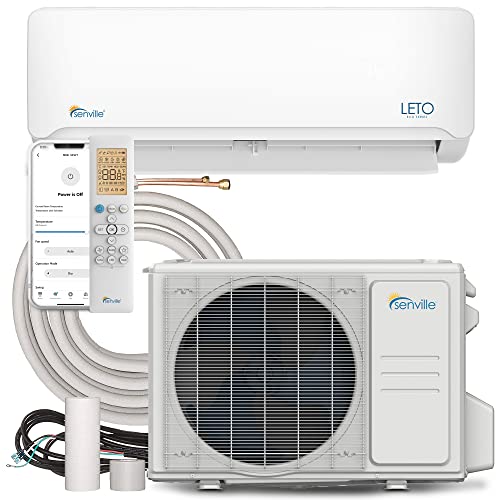
Live listings for the shortlist in this guide are pulled from Amazon below, so prices and availability are always current at the moment you look.

Questions to settle before signing anything
Ask which scale the quoted rating uses, and get the answer in writing on the proposal. A legacy 16 and a SEER2 16 are different claims, and a household comparing proposals from two contractors can be quietly misled when one quotes each scale. Insist that competing bids state capacity, rating scale, and the specific indoor and outdoor pairing being priced, so the comparison rests on identical terms.
Ask how the load was calculated. A contractor who measured the house, asked about insulation and windows, and can show the reasoning behind the proposed capacity is protecting the rating the household is paying for. A contractor who sized by glancing at the old unit’s badge is perpetuating whatever mistake history made, and no tier selection can compensate for a wrong answer to the sizing question.
Ask what commissioning includes. Charge verification by superheat or subcooling, measured airflow, a static pressure reading, and a walkthrough of thermostat programming separate an installation from a delivery. These steps are where laboratory numbers become household reality, and they are inexpensive precisely because they are mostly knowledge and instruments rather than parts.
Ask about the ducts if the home has them, and about humidity if the climate supplies it. A proposal silent on distribution in a house with aging flex duct is incomplete, and a proposal silent on moisture in a Gulf summer is selling temperature while ignoring comfort. The right contractor treats these questions as invitations rather than challenges, because they signal a customer who will appreciate the work that actually determines satisfaction.
Finally, ask yourself the tenure and hours questions one last time, with the answers written down. How many hours will this system honestly run each year, at what electricity price, for how many years under this roof? Those three figures, more than any showroom argument, locate a household on the efficiency curve and announce whether its sweet spot is exactly 16 or somewhere above it. Decide from your own arithmetic, and the badge on the cabinet becomes a confirmation of the decision instead of a substitute for one.
For most households that do this arithmetic honestly, the answer keeps landing where this guide began: a well-chosen 16, in the archetype that fits the home, installed by someone who measures instead of guessing, and maintained by an owner who treats the rating as a promise to protect. That combination delivers the quiet miracle of a summer bill that behaves itself, a house that stays dry and even-tempered through the worst afternoons, and money left over for the parts of cottage life that no efficiency ratio has ever been able to measure.