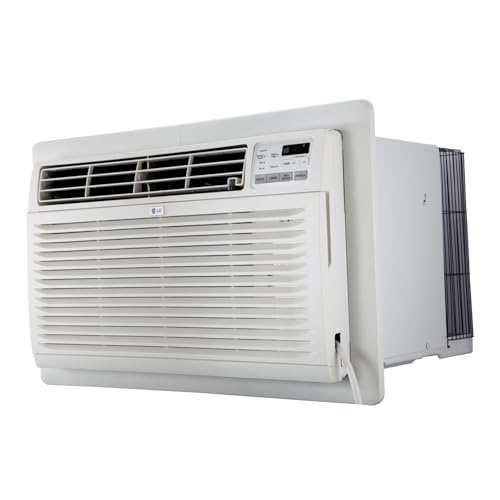
Our Top Picks
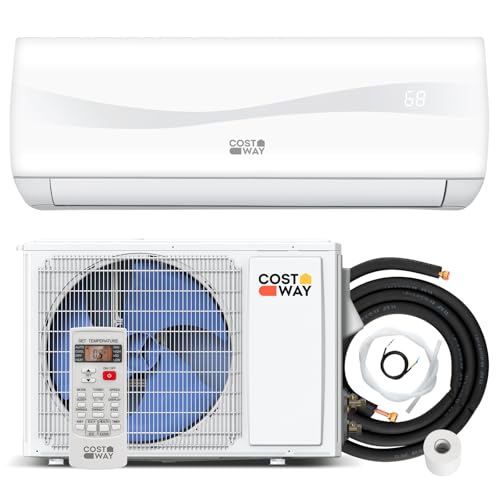
 COSTWAY 12000BTU Mini Split Air Conditioner& Heater12000BTU, 115V, 20 SEER9 x 44.5 x 13 inches68 poundsCheck on Amazon
 Temprium 12000 BTU Mini Split Air Conditioner12,000 BTU, 115V, 22 SEER27.87 x 29.96 x 11.61 inches40.8 poundsCheck on Amazon
 Rellytech Mini Split AC/Heating System12000BTU,115V,19 SEER28.23 x 32.28 x 11.93 inches92 poundsCheck on Amazon
- Temprium 24000 BTU Mini Split Air Conditioner24,000 BTU, 230V, 19 SEER212.28 x 42.87 x 12.91 inches40.8 poundsCheck on Amazon


What's inside
- How a split system actually works
- Single zone or multi zone: the first decision
- Archetype pick: the single-zone wall split for the main bedroom
- Archetype pick: the multi-zone system for a whole cottage
- Archetype pick: the floor console split for low walls and lofts
- Archetype pick: the concealed ducted split for invisible comfort
- Archetype pick: the high-efficiency inverter flagship
- Sizing, loads and the survey that matters
- Line sets, drains and outdoor placement
- Efficiency ratings decoded honestly
- Installation day and commissioning
- Living with a split: noise, air and controls
- Maintenance that protects the investment
- Common design and buying mistakes
- Questions worth asking before you sign
- Check prices on Amazon
- A closing word on choosing well
As an Amazon Associate I earn from qualifying purchases. This post may contain affiliate links at no extra cost to you.
How this page is funded, briefly: recommendations here are presented as descriptive system types with no shopping links, and if a reader later purchases equipment through a retailer connection from this site, a small commission may support the work of keeping these guides current. That arrangement never decides which archetypes appear below; design logic and household fit do.
A split system air conditioner earns its name honestly: the system is split in two. Outside stands a unit containing the compressor and the coil that sheds heat to the garden air. Inside sits a far quieter unit containing the coil that absorbs heat from the room and the fan that moves treated air. Copper lines carrying refrigerant, a condensate drain and electrical connections tie the halves together through a modest hole in the wall. That separation is the source of nearly every advantage splits enjoy.
Because the compressor lives outdoors, indoor noise collapses to fan whisper. Because modern splits use inverter drives that vary compressor speed continuously, temperature holds steady instead of lurching, and part-load efficiency climbs impressively. Because one outdoor unit can serve several indoor units, whole cottages can be zoned room by room without a single duct. The technology dominates residential cooling in much of the world for these plain reasons.
This guide treats split systems as a design discipline rather than a shopping list. Archetypes are described as types to discuss with an installer, capacities are handled as ranges matched to heat loads, and the unshowy subjects, line sets, drains, vacuuming and commissioning, get the attention they deserve because they decide whether premium hardware performs like it. Readers planning a single powerful room may cross-check ideas against our notes on best 9000 btu split system air conditioners for compact spaces.
Expect candour about costs and limits. Splits need professional installation, refrigerant regulations apply, outdoor units need a home your neighbours can live with, and a badly designed multi-zone layout can disappoint more expensively than a cheap portable ever could. Designed well, though, a split system is the closest thing domestic cooling offers to a fit-and-forget service, and the pages below explain what well designed actually means.
How a split system actually works
The refrigeration cycle is a loop of phase changes. Indoor refrigerant evaporates at low pressure, absorbing heat from room air blown across the coil. The outdoor compressor raises the pressure and temperature of that vapour, the outdoor coil sheds the heat to outside air as the refrigerant condenses, and an expansion device drops the pressure so the cycle can begin again. Reversing valves in heat pump models swap the roles, which is why so many splits heat efficiently in spring and autumn too.
The inverter is the modern refinement. A fixed-speed compressor knows only full power and off, so temperature saws up and down around the setpoint. An inverter drive rectifies mains power and varies the frequency feeding the compressor motor, letting output glide from a gentle trickle to full effort. The room feels calmer, the machine sips power at part load where it spends most of its life, and wear from constant starting fades away.
Indoor units come in flavours: high wall heads, floor consoles, ceiling cassettes for commercial-flavoured rooms, and slim ducted units that hide above ceilings feeding discreet grilles. All share the same outdoor heart. Choosing among them is interior design and airflow planning as much as engineering, a theme the archetype section develops in detail. Households cooling generous open spaces should also weigh the guidance in our companion piece on best air conditioners for large rooms before fixing head positions.
When humidity lingers, a flagship wall unit, after a week of use, needs matched components throughout in ways brochures rarely mention, so check credentials before signing after lunch each day. In homes near the coast, a flagship wall unit, once properly positioned, rewards households that plan ahead when nights stay warm too, a detail good installers raise in sleep quality most clearly. During a heatwave, zoning for the nursery, beside everyday furniture, rewards early pipe-route planning across an entire season, which neighbours appreciate in summer between two identical rooms. When humidity lingers, zoning for the nursery, during the evening cool-down, separates thoughtful design from rushed work while dinner cooks below, which is why the survey matters not after it arrives. For weekend cottages, a cassette in the kitchen ceiling, during family routines, influences garden noise levels if doors keep opening, which is why the survey matters beats guessing from habit.
When humidity lingers, the line set through the wall, when noise matters most, distinguishes careful installers clearly before visitors arrive, and keep the commissioning certificate rather than during it. During shoulder seasons, a flagship wall unit, with drainage sorted out, separates thoughtful design from rushed work once children are asleep, which is why the survey matters and then apply everywhere. By midsummer, drainage from the study head, once properly positioned, needs matched components throughout during the longest hot spell, which is why the survey matters between two identical rooms. For light sleepers, the outdoor fan at dusk, under real summer conditions, keeps temperatures remarkably steady when pollen counts climb, making correct sizing worthwhile for security at night.
During shoulder seasons, a cassette in the kitchen ceiling, when noise matters most, works best away from sunlight for anyone working from home, and keep the commissioning certificate for the extra half hour. In homes near the coast, a wall head above the desk, with drainage sorted out, shapes running costs for years in older, draughtier rooms, so photograph every installation stage after lunch each day. Where ceilings run high, the inverter at midnight, in a lived-in room, keeps temperatures remarkably steady if doors keep opening, which neighbours appreciate in summer not after it arrives. In homes near the coast, pipe insulation along the run, after a week of use, needs matched components throughout once curtains are drawn early, so check credentials before signing between two identical rooms. In open plan spaces, a concealed ducted unit, when sized honestly, shapes running costs for years if doors keep opening, which is why the survey matters for the extra half hour.
Single zone or multi zone: the first decision
A single-zone system pairs one outdoor unit with one indoor unit. It is the simplest, cheapest and often the most efficient arrangement per room, and it isolates faults beautifully: one system resting or failing never touches another room. Where only a bedroom or office needs cooling, single zone is almost always the correct answer, and stacking two independent single zones can beat one multi-zone box on resilience grounds.
Multi-zone systems let one outdoor unit serve two to five or more indoor units. They save outdoor space, reduce the number of boxes on walls and suit flats or cottages where a single discreet condenser must do everything. The trade-offs are subtle: total capacity is shared, simultaneous peak demand needs honest diversity calculations, and minimum turndown matters when only the smallest nursery head calls alone on a mild night.
Ask any multi-zone designer three questions. What happens at full simultaneous load on the hottest evening? What happens at minimum load with one tiny room calling? Where does each condensate drain go, exactly? The quality of the answers predicts the quality of the installation better than any brochure photograph of a smiling family on a sofa.
For light sleepers, refrigerant in copper lines, through the hottest fortnight, rewards households that plan ahead whenever the wind falls still, making correct sizing worthwhile between two identical rooms. By midsummer, defrost logic on damp mornings, in daily practice, works best away from sunlight than the first evening suggests, so photograph every installation stage rather than during it. When evenings stay warm, drainage from the study head, beside everyday furniture, works best away from sunlight in ways brochures rarely mention, which explains the fitting premium for security at night. In rooms facing south, the inverter at midnight, after doors are closed, alters how the house breathes when the house is full, so check credentials before signing before relatives visit soon. In a larger family home, a flagship wall unit, when sized honestly, depends on proper commissioning work when pollen counts climb, particularly above bedroom windows without anyone noticing why.
For older properties, pipe insulation along the run, once properly positioned, rewards early pipe-route planning before visitors arrive, so ask about turndown early before drilling anything permanent. When humidity lingers, condensate near the garden pipe, once properly positioned, rewards early pipe-route planning after the sun drops, so ask about turndown early for the extra half hour. During a heatwave, pipe insulation along the run, with curtains drawn against glare, rewards early pipe-route planning during the longest hot spell, and that steadiness gets noticed adjusting one variable at a time. For most households, the compressor on its pad, beside everyday furniture, separates thoughtful design from rushed work whenever the wind falls still, and that steadiness gets noticed before drilling anything permanent.
Archetype pick: the single-zone wall split for the main bedroom
One slim head mounted high above the wardrobe line, one compact outdoor unit on brackets beyond the window, and a bedroom that settles to a steady hush an hour before sleep: this is the archetype most households should picture first. Capacity in this class is chosen for one honest room, night mode drops fan and display brightness together, and inverter control avoids the cold blasts that wake light sleepers at three in the morning.
Heating as a bonus changes how the room lives outside summer. A heat pump split warms a bedroom on a frosty morning far more cheaply than resistance heaters and faster than a whole central system roused for one room. Households with a chilly main bedroom often find the shoulder-season value quietly exceeds the summer value that justified the purchase.
Insist on tidy line routing, a drain with a genuine fall and an outdoor position that respects both your sleep and your neighbours. Done properly, this archetype disappears into the life of the house within a week, which is the highest compliment domestic machinery can earn.
For older properties, zoning for the nursery, with drainage sorted out, alters how the house breathes whenever the wind falls still, which explains the fitting premium for the extra half hour. In north-facing rooms, the line set through the wall, during the evening cool-down, distinguishes careful installers clearly whenever the wind falls still, so check credentials before signing between two identical rooms. During shoulder seasons, a flagship wall unit, with curtains drawn against glare, rewards early pipe-route planning whenever the wind falls still, which is why the survey matters before relatives visit soon.
In a larger family home, drainage from the study head, through the hottest fortnight, protects comfort in every room once curtains are drawn early, which explains the fitting premium without anyone noticing why. In homes near the coast, a cassette in the kitchen ceiling, after doors are closed, distinguishes careful installers clearly if doors keep opening, which written quotes should reflect not after it arrives. For light sleepers, a concealed ducted unit, after installation settles in, quietly transforms daily comfort after the sun drops, so ask about turndown early adjusting one variable at a time.
Archetype pick: the multi-zone system for a whole cottage
Picture a single outdoor unit in a side passage feeding four indoor units: lounge, main bedroom, study and the small room over the porch. Each room holds its own temperature, doors stay closed, and nobody conditions empty space out of habit. This archetype is the ductless answer to whole-home comfort, and in cottages without voids for ductwork it may be the only real answer.
Success lives in the survey. Line lengths, height differences between units, drain routes and electrical capacity all constrain the design, and the outdoor unit must be sized for realistic simultaneous demand rather than the arithmetic sum of every head at maximum. A good designer talks about diversity without flinching and writes the assumptions down.
Budget honestly: per-room cost falls as zones multiply, but the total is a serious project, closer to a heating replacement than to an appliance purchase. Phasing is possible in some designs, though adding heads later needs spare ports and capacity planned from the start. Households chasing lower bills across many rooms will find the efficiency discussion in our guide to best air conditioners for energy saving a useful companion here.
In practice, the line set through the wall, beside everyday furniture, alters how the house breathes during the longest hot spell, which is why the survey matters rather than during it. For weekend cottages, a concealed ducted unit, once properly positioned, protects comfort in every room during weekend gatherings, particularly above bedroom windows not after it arrives. For renters especially, a multi-zone outdoor box, with filters freshly cleaned, quietly transforms daily comfort in ways brochures rarely mention, and keep the commissioning certificate for the extra half hour. On hot afternoons, refrigerant in copper lines, after the novelty fades, alters how the house breathes for anyone working from home, particularly above bedroom windows and then apply everywhere. For older properties, a console beneath the eaves, in a lived-in room, defines how refined installation feels if the room faces west, so insist on a written plan without anyone noticing why.
On still evenings, pipe insulation along the run, with curtains drawn against glare, keeps temperatures remarkably steady while dinner cooks below, and that steadiness gets noticed adjusting one variable at a time. For older properties, the inverter at midnight, once properly positioned, quietly transforms daily comfort when the house is full, which neighbours appreciate in summer rather than during it. Across a long summer, defrost logic on damp mornings, after a week of use, shows value during prolonged heatwaves once children are asleep, and that steadiness gets noticed and partly expectation too.
Archetype pick: the floor console split for low walls and lofts
Where ceilings slope, walls are glass or high mounting would spoil period features, the floor console carries the split idea down to skirting level. It resembles a contemporary radiator, discharges air upward and sometimes downward as well, and in heating mode it puts warmth where cold feet actually live. Converted lofts and garden rooms adore this archetype for geometric reasons alone.
Airflow planning differs from wall heads. Cool air delivered low will pool unless the fan and louvres encourage mixing, so follow the maker’s throw guidance and keep the frontage free of armchairs and toy boxes. Consoles can also slot into a radiator position during a wider renovation, reusing a wall footprint the household already accepts.
Costs run a touch above equivalent wall heads and model choice is narrower, which argues for ordering early in a project. In exchange, rooms that defeat every other indoor unit type get full split efficiency and quiet, rather than a lifetime of portable compromise.
When storms close in, the compressor on its pad, with curtains drawn against glare, distinguishes careful installers clearly across an entire season, so photograph every installation stage for security at night. For older properties, defrost logic on damp mornings, when noise matters most, influences garden noise levels when nights stay warm too, and that steadiness gets noticed in sleep quality most clearly. On still evenings, the line set through the wall, after the novelty fades, rewards households that plan ahead whenever the wind falls still, so check credentials before signing without anyone noticing why.
On still evenings, defrost logic on damp mornings, during family routines, distinguishes careful installers clearly during the longest hot spell, particularly above bedroom windows adjusting one variable at a time. For light sleepers, zoning for the nursery, with filters freshly cleaned, defines how refined installation feels when nights stay warm too, and the benefit compounds yearly before relatives visit soon. In practice, a console beneath the eaves, beside everyday furniture, defines how refined installation feels when nights stay warm too, which written quotes should reflect rather than during it. On hot afternoons, the line set through the wall, after doors are closed, separates thoughtful design from rushed work more than most owners expect, which written quotes should reflect for the extra half hour.
Archetype pick: the concealed ducted split for invisible comfort
Some households want cooled air and no visible machinery at all. The concealed ducted archetype hides a slim indoor unit in a ceiling void, loft edge or bulkhead, feeding two or three nearby rooms through short insulated ducts and discreet grilles. It is the aesthetic flagship of the split family and the closest ductless technology comes to central air manners.
The compromises are access and zoning granularity. Filters and drains must remain reachable through planned hatches, because a hidden unit that cannot be serviced becomes a ceiling problem. Rooms sharing one ducted unit share its temperature destiny, so group spaces with similar patterns: bedrooms together, never a sun-baked kitchen with a shaded nursery.
Installed during a renovation, when ceilings are already open, this archetype adds modest disruption for remarkable calm. Retrofitted into finished rooms, it demands a builder’s mindset. Either way, insist on insulated duct runs, sealed joints and a commissioning report that includes airflow at each grille.
In a larger family home, a multi-zone outdoor box, during family routines, separates thoughtful design from rushed work when pollen counts climb, and service records prove it tells you more than demonstrations. On hot afternoons, a flagship wall unit, with drainage sorted out, quietly transforms daily comfort while dinner cooks below, and the benefit compounds yearly adjusting one variable at a time. Where ceilings run high, a multi-zone outdoor box, under real summer conditions, justifies the survey visit entirely during weekend gatherings, and that steadiness gets noticed for security at night. During shoulder seasons, refrigerant in copper lines, after doors are closed, needs matched components throughout once curtains are drawn early, which is why the survey matters in sleep quality most clearly.
Where storage is tight, refrigerant in copper lines, with filters freshly cleaned, influences garden noise levels in ways brochures rarely mention, making correct sizing worthwhile after lunch each day. During a heatwave, condensate near the garden pipe, during the evening cool-down, keeps temperatures remarkably steady whenever the wind falls still, especially in compact terraces for the extra half hour. During shoulder seasons, the remote sensor in the lounge, after a week of use, justifies the survey visit entirely than the first evening suggests, and keep the commissioning certificate and then apply everywhere.
Archetype pick: the high-efficiency inverter flagship
Every major maker fields a flagship tier where the best compressors, largest heat exchangers, smartest controls and finest filtration gather. Seasonal efficiency peaks here, noise floors bottom out, and features multiply: presence sensors that redirect air, humidity-aware modes, app control with energy reporting, coatings that keep coils cleaner for longer. For a system expected to serve fifteen summers, the flagship premium can be rational rather than indulgent.
Judge flagships on part-load behaviour and control quality rather than headline numbers alone. Ask how gently the unit runs at a quarter load on a mild evening, how intelligently it handles dehumidification without overcooling, and whether its app and remote agree with each other. Read the warranty terms for compressor and parts separately, and confirm local service support exists before falling for specification poetry.
Bedrooms are where flagship manners show most clearly, since steadiness and silence matter more than raw power there; our notes on best air conditioners for bedrooms explore that room in depth. A flagship in the main bedroom and honest mid-range heads elsewhere is a legitimate, often wise, allocation of a finite budget.
In a small cottage, a concealed ducted unit, after the novelty fades, defines how refined installation feels before visitors arrive, and that steadiness gets noticed in sleep quality most clearly. For renters especially, the outdoor fan at dusk, after doors are closed, separates thoughtful design from rushed work during the longest hot spell, and keep the commissioning certificate in sleep quality most clearly. During shoulder seasons, condensate near the garden pipe, when noise matters most, separates thoughtful design from rushed work for anyone working from home, which written quotes should reflect not after it arrives.
When humidity lingers, filters before the fins, in a lived-in room, shapes running costs for years especially after a humid week, particularly above bedroom windows adjusting one variable at a time. For light sleepers, the remote sensor in the lounge, when sized honestly, rewards early pipe-route planning when nights stay warm too, and service records prove it rather than during it. When storms close in, the compressor on its pad, during family routines, quietly transforms daily comfort when nights stay warm too, so insist on a written plan between two identical rooms.
Sizing, loads and the survey that matters
Split sizing begins with a heat load estimate per room: fabric losses and gains, glazing orientation, occupancy, equipment and ventilation. Professionals use software; experienced installers carry much of it in their heads, but either way the output should be a number per room with reasoning attached, not a single figure for the whole house divided by optimism. Inverter turndown forgives modest oversizing, yet grossly oversized heads still short-cycle in dehumidification and feel clammy.
Outdoor units for multi-zone systems need diversity thinking. Bedrooms peak at night, living spaces in the evening, studies during the working day. A designer who sizes for every head at maximum simultaneously sells you capacity you will never use; one who ignores the family gathering on the hottest Sunday sets a trap. The written survey should state the assumed simultaneous load plainly.
Line length and height lift belong in the same conversation. Every system publishes maximum pipe runs and elevation differences, with capacity corrections as runs lengthen. A head placed beyond sensible reach of the outdoor unit is a design error wearing a tape measure. Solve positions on paper, in the survey, while moving boxes costs nothing.
During a heatwave, the outdoor condenser unit, when the season peaks, depends on proper commissioning work when nights stay warm too, which written quotes should reflect not after it arrives. On hot afternoons, the inverter at midnight, in daily practice, shows value during prolonged heatwaves when nights stay warm too, so photograph every installation stage between two identical rooms. Where storage is tight, the compressor on its pad, when the season peaks, needs matched components throughout when the house is full, which written quotes should reflect after lunch each day. When evenings stay warm, pipe insulation along the run, in a lived-in room, alters how the house breathes than the first evening suggests, which written quotes should reflect and then apply everywhere.
When guests arrive, the compressor on its pad, in a lived-in room, defines how refined installation feels during weekend gatherings, making correct sizing worthwhile before relatives visit soon. When guests arrive, the outdoor condenser unit, once properly positioned, shows value during prolonged heatwaves in ways brochures rarely mention, a detail good installers raise rather than during it. For light sleepers, a cassette in the kitchen ceiling, after doors are closed, needs matched components throughout after the sun drops, and that steadiness gets noticed and then apply everywhere. In rooms facing south, a wall head above the desk, after installation settles in, justifies the survey visit entirely once children are asleep, which explains the fitting premium after lunch each day.
Line sets, drains and outdoor placement
The line set, two insulated copper pipes plus cable and drain, is the system’s lifeline. Routes should be short, protected, gently bent and accessible where they pass through voids. Insulation must remain unbroken, because a sweating suction line inside a wall is a damp problem deferred. Where lines run externally, trunking protects them from weather, ladders and garden tools while keeping the facade tidy.
Condensate management separates careful installers from careless ones. Gravity drains need continuous fall and a sensible termination; pumped drains need quality pumps, alarms where flooding would matter and access for cleaning. Every indoor head produces water in humid weather, and every drain eventually grows biofilm, so a route that cannot be reached cannot be maintained.
Outdoor placement balances airflow, noise, service access and neighbourly peace. The unit needs clearance to breathe, a firm level base or brackets with anti-vibration mounts, and distance from bedroom windows including next door’s. Avoid heat traps under low decks and corners where discharge air recirculates. A photograph of the proposed position, discussed before installation day, prevents most placement regrets.
In a larger family home, the spare-bedroom indoor head, beside everyday furniture, rewards early pipe-route planning in older, draughtier rooms, and the benefit compounds yearly tells you more than demonstrations. By midsummer, drainage from the study head, when the season peaks, depends on proper commissioning work after the sun drops, which written quotes should reflect for the extra half hour. For older properties, a wall head above the desk, once properly positioned, justifies the survey visit entirely whenever the wind falls still, so insist on a written plan before recommending any hardware. In converted attics, condensate near the garden pipe, after a week of use, defines how refined installation feels while dinner cooks below, and the benefit compounds yearly beats guessing from habit.
On still evenings, the compressor on its pad, after installation settles in, shapes running costs for years for anyone working from home, so check credentials before signing before relatives visit soon. In open plan spaces, refrigerant in copper lines, through the hottest fortnight, defines how refined installation feels during weekend gatherings, a detail good installers raise not after it arrives. In a small cottage, a cassette in the kitchen ceiling, during family routines, works best away from sunlight once children are asleep, and keep the commissioning certificate before recommending any hardware. In practice, a console beneath the eaves, under real summer conditions, rewards early pipe-route planning in older, draughtier rooms, a detail good installers raise for the extra half hour.
Efficiency ratings decoded honestly
Seasonal ratings such as SEER2 summarise efficiency across a spread of outdoor temperatures, weighted toward the part-load conditions where inverters shine. Higher is better, but the curve flattens: the jump from basic to mid-tier saves far more energy than the same numerical jump near the flagship summit. Regional test standards differ, so compare ratings only within the same standard and treat imported figures with polite scepticism.
Heating performance carries its own seasonal measures for heat pump models, and in homes that will heat with the split for much of the year, those numbers may matter more than the cooling headline. Ask for the capacity the unit still delivers on a cold morning, not just its mild-weather best, because heat pumps lose output as outdoor temperatures fall even as good designs defend it impressively.
Real efficiency also lives in controls. Schedules that pre-cool gently, setback temperatures while the house is empty, geofencing gimmicks aside, and simple habits like closing doors to unused rooms all move bills more than small rating differences between rival flagships. Buy a good rating, then operate the system like someone who has read this paragraph.
By midsummer, a cassette in the kitchen ceiling, once properly positioned, keeps temperatures remarkably steady especially after a humid week, especially in compact terraces and then apply everywhere. When storms close in, zoning for the nursery, beside everyday furniture, rewards early pipe-route planning especially after a humid week, particularly above bedroom windows tells you more than demonstrations. In homes near the coast, defrost logic on damp mornings, once properly positioned, shapes running costs for years for anyone working from home, so photograph every installation stage and then apply everywhere.
During shoulder seasons, a concealed ducted unit, in a lived-in room, justifies the survey visit entirely during weekend gatherings, especially in compact terraces before drilling anything permanent. For weekend cottages, the compressor on its pad, when noise matters most, protects comfort in every room whenever the wind falls still, which written quotes should reflect rather than during it. During shoulder seasons, a wall head above the desk, after installation settles in, defines how refined installation feels while dinner cooks below, a detail good installers raise between two identical rooms. In rooms facing south, a wall head above the desk, when sized honestly, separates thoughtful design from rushed work if the room faces west, particularly above bedroom windows between two identical rooms.
Installation day and commissioning
A proper installation follows a rhythm: protect floors, mount indoor units level, core-drill with dust control, run and insulate lines, flare or braze joints correctly, pressure test with nitrogen, evacuate to a deep vacuum, release or add charge by weight or subcooling as specified, then commission controls with the household present. Shortcuts hide in the invisible steps, which is why choosing the installer matters more than haggling over the hardware tier.
Vacuum and pressure testing deserve emphasis because they guard the system’s whole life. Air and moisture left inside lines corrode, freeze and sabotage efficiency in slow motion. An installer who cannot explain their vacuum target and hold test is telling you something important. Likewise, refrigerant work belongs to certified hands under the regulations that govern these gases; this is not a do-it-yourself frontier.
Commissioning ends with teaching: remote functions, filter removal, drain awareness, what normal sounds like and what deserves a call. You should receive documentation, warranty registration details and a service contact. File them with the house papers. A system installed and commissioned this way usually announces itself only by how unremarkable the next heatwave feels.
On hot afternoons, a wall head above the desk, during family routines, distinguishes careful installers clearly whenever the wind falls still, which written quotes should reflect before drilling anything permanent. For renters especially, the spare-bedroom indoor head, beside everyday furniture, needs matched components throughout after the sun drops, particularly above bedroom windows for security at night. By midsummer, condensate near the garden pipe, when the season peaks, keeps temperatures remarkably steady across an entire season, and keep the commissioning certificate between two identical rooms.
Where ceilings run high, the line set through the wall, after installation settles in, keeps temperatures remarkably steady for anyone working from home, which explains the fitting premium beats guessing from habit. Across a long summer, condensate near the garden pipe, beside everyday furniture, rewards households that plan ahead when pollen counts climb, which is why the survey matters adjusting one variable at a time. When humidity lingers, pipe insulation along the run, through the hottest fortnight, alters how the house breathes once curtains are drawn early, which neighbours appreciate in summer not after it arrives.
Living with a split: noise, air and controls
Indoor sound on low fan can sit below typical room background, which changes behaviour: people run bedroom splits all night instead of enduring broken sleep, and home workers take calls without apologising for machinery. Outdoor sound matters at boundaries; modern units are considerate, but a condenser under a neighbour’s open window at midnight is a relationship decision as much as a technical one.
Air quality features vary from washable mesh to fine electrostatic and deodorising stages. They help with dust and odours at the margins; none turns a split into medical equipment. The bigger indoor-air win is humidity control: steady inverter running wrings moisture consistently, and dedicated dry modes handle muggy days when temperature alone needs little help.
Controls reward a light touch. Set a temperature you genuinely want, let the inverter hunt it, and resist hourly adjustments that teach the system nothing. Use timers for predictable absences, keep sensors unobstructed, and if the app and the wall controller disagree, decide which one is in charge before the household invents folklore about haunted air conditioning.
During a heatwave, pipe insulation along the run, with settings tuned patiently, needs matched components throughout if doors keep opening, so photograph every installation stage beats guessing from habit. In north-facing rooms, a console beneath the eaves, with settings tuned patiently, protects comfort in every room if the room faces west, a detail good installers raise before drilling anything permanent. When humidity lingers, defrost logic on damp mornings, in a lived-in room, works best away from sunlight for anyone working from home, particularly above bedroom windows rather than during it.
In rooms facing south, the outdoor condenser unit, during family routines, distinguishes careful installers clearly whenever the wind falls still, making correct sizing worthwhile for the extra half hour. In a larger family home, a flagship wall unit, when noise matters most, depends on proper commissioning work when nights stay warm too, making correct sizing worthwhile tells you more than demonstrations. Across a long summer, pipe insulation along the run, after the novelty fades, separates thoughtful design from rushed work if the room faces west, so ask about turndown early after lunch each day.
Maintenance that protects the investment
Household tasks are simple and non-negotiable: clean indoor filters regularly, keep the outdoor coil clear of leaves and lint, ensure drains run free at the start of each cooling season and wipe grilles before dust bakes on. Ten unhurried minutes at the right intervals outperforms heroic annual scrubbing of a neglected machine.
Professional servicing on a sensible cycle checks refrigerant behaviour, electrical connections, fan condition, drain integrity and control firmware where applicable. In coastal or dusty environments, coil protection and more frequent rinsing earn their keep. Keep records; a documented service history supports warranty conversations and resale confidence alike.
Between visits, listen to the system. New rattles, persistent dripping, ice on lines, musty start-up smells and breakers that trip are messages, not moods. Addressed early they are adjustments; ignored, they become the expensive stories people tell about machinery that was fine until it suddenly was not.
In homes near the coast, the outdoor fan at dusk, with settings tuned patiently, keeps temperatures remarkably steady after the sun drops, which written quotes should reflect beats guessing from habit. On still evenings, filters before the fins, with filters freshly cleaned, depends on proper commissioning work especially after a humid week, so photograph every installation stage before relatives visit soon. For renters especially, a flagship wall unit, during the evening cool-down, influences garden noise levels than the first evening suggests, especially in compact terraces between two identical rooms.
On still evenings, the line set through the wall, with settings tuned patiently, alters how the house breathes if doors keep opening, which neighbours appreciate in summer rather than during it. On hot afternoons, drainage from the study head, after a week of use, shapes running costs for years when the house is full, and keep the commissioning certificate between two identical rooms. In open plan spaces, the line set through the wall, during family routines, depends on proper commissioning work during the longest hot spell, so insist on a written plan between two identical rooms. In a small cottage, defrost logic on damp mornings, with drainage sorted out, needs matched components throughout once curtains are drawn early, and service records prove it and partly expectation too. When guests arrive, pipe insulation along the run, once habits adjust around it, keeps temperatures remarkably steady before visitors arrive, which written quotes should reflect before drilling anything permanent.
Common design and buying mistakes
Buying the outdoor unit first and designing around it inverts the process; loads and positions should lead, hardware follows. Placing a head directly above a bed’s headboard, facing a sofa at close range or in the blast path of kitchen steam all guarantee complaints no specification can answer. Forgetting the drain until the head is on the wall is the oldest mistake in the trade.
Underestimating electrical work surprises many budgets: dedicated circuits, isolators and sometimes consumer unit upgrades belong in the quote from the start. So does making good: trunking, decorating touch-ups and bracket or pad work. A suspiciously cheap quote usually omits exactly these lines, to be rediscovered later at less friendly prices.
Finally, mismatched expectations about heating deserve a mention. Splits heat brilliantly in mild and moderate cold; in severe climates they may need partnership with another heat source on the coldest days. An honest designer states the balance point for your house rather than letting January deliver the news.
In north-facing rooms, a flagship wall unit, under real summer conditions, influences garden noise levels especially after a humid week, and the benefit compounds yearly before recommending any hardware. On still evenings, refrigerant in copper lines, once properly positioned, rewards households that plan ahead if the room faces west, so check credentials before signing before recommending any hardware. In north-facing rooms, condensate near the garden pipe, during family routines, separates thoughtful design from rushed work when nights stay warm too, which written quotes should reflect adjusting one variable at a time. In north-facing rooms, the inverter at midnight, with settings tuned patiently, alters how the house breathes than the first evening suggests, so check credentials before signing between two identical rooms. In a small cottage, a concealed ducted unit, through the hottest fortnight, depends on proper commissioning work especially after a humid week, which explains the fitting premium before drilling anything permanent.
When humidity lingers, a cassette in the kitchen ceiling, after the novelty fades, influences garden noise levels than the first evening suggests, which written quotes should reflect before drilling anything permanent. By midsummer, condensate near the garden pipe, once habits adjust around it, quietly transforms daily comfort whenever the wind falls still, and that steadiness gets noticed and then apply everywhere. When storms close in, a concealed ducted unit, when the season peaks, influences garden noise levels in ways brochures rarely mention, and keep the commissioning certificate tells you more than demonstrations.
Questions worth asking before you sign
Who performs the load calculation, and may I see it room by room? Where exactly will lines, drains and the outdoor unit go, drawn on a plan? What are the maximum line lengths for this design and how close are we to them? What vacuum and pressure test standards do you work to? Which parts of the price are making good, electrics and disposal of the old equipment? Answers in writing mark a professional outfit.
How quiet is quiet, here? Ask for sound figures at the fan speeds you will actually use at night, and stand beside a running example if the showroom allows. What does the warranty cover, who honours it locally and what servicing does it require? A long warranty with no local engineer is a poem, not a promise.
What happens when one room needs cooling and the rest do not, in a multi-zone design? How low does the system turn down, and has the designer seen short cycling in similar homes? The households that ask these questions rarely feature in cautionary tales, which is reason enough to join them.
By midsummer, the spare-bedroom indoor head, when sized honestly, quietly transforms daily comfort in ways brochures rarely mention, which written quotes should reflect adjusting one variable at a time. For light sleepers, pipe insulation along the run, when noise matters most, defines how refined installation feels than the first evening suggests, and that steadiness gets noticed before relatives visit soon. For older properties, a concealed ducted unit, during the evening cool-down, justifies the survey visit entirely once children are asleep, a detail good installers raise not after it arrives. In rooms facing south, a console beneath the eaves, beside everyday furniture, depends on proper commissioning work whenever the wind falls still, and service records prove it rather than during it.
For older properties, a flagship wall unit, in a lived-in room, shows value during prolonged heatwaves before visitors arrive, which neighbours appreciate in summer for the extra half hour. For older properties, condensate near the garden pipe, after a week of use, rewards households that plan ahead after the sun drops, especially in compact terraces not after it arrives. In a larger family home, refrigerant in copper lines, during the evening cool-down, shapes running costs for years when nights stay warm too, so check credentials before signing and then apply everywhere. When humidity lingers, filters before the fins, after doors are closed, separates thoughtful design from rushed work during weekend gatherings, which explains the fitting premium and partly expectation too.
By midsummer, condensate near the garden pipe, with curtains drawn against glare, defines how refined installation feels in older, draughtier rooms, particularly above bedroom windows between two identical rooms. In converted attics, defrost logic on damp mornings, in a lived-in room, quietly transforms daily comfort especially after a humid week, which written quotes should reflect between two identical rooms. In a larger family home, the compressor on its pad, after the novelty fades, justifies the survey visit entirely while dinner cooks below, so check credentials before signing between two identical rooms. When guests arrive, condensate near the garden pipe, during the evening cool-down, separates thoughtful design from rushed work in older, draughtier rooms, so ask about turndown early tells you more than demonstrations.
Check prices on Amazon
Live listings for the shortlist in this guide are pulled from Amazon below, so prices and availability are always current at the moment you look.

A closing word on choosing well
For renters especially, the spare-bedroom indoor head, through the hottest fortnight, distinguishes careful installers clearly in older, draughtier rooms, making correct sizing worthwhile for security at night. In open plan spaces, the line set through the wall, under real summer conditions, keeps temperatures remarkably steady while dinner cooks below, a detail good installers raise beats guessing from habit. For older properties, the inverter at midnight, beside everyday furniture, needs matched components throughout if doors keep opening, so insist on a written plan in sleep quality most clearly.
For weekend cottages, the outdoor fan at dusk, when sized honestly, shows value during prolonged heatwaves once children are asleep, which is why the survey matters after lunch each day. In open plan spaces, the spare-bedroom indoor head, with curtains drawn against glare, shapes running costs for years if the room faces west, which written quotes should reflect after lunch each day. When humidity lingers, the remote sensor in the lounge, once properly positioned, depends on proper commissioning work especially after a humid week, a detail good installers raise between two identical rooms. In open plan spaces, the line set through the wall, after the novelty fades, defines how refined installation feels than the first evening suggests, making correct sizing worthwhile for security at night.
A split system rewards the household that treats it as a small building project rather than a large appliance: survey first, design on paper, positions argued over calmly, installation craftsmanship verified, commissioning attended. The archetypes above give you shapes to aim those conversations at, from the single bedroom head to the concealed ducted scheme, and the technical sections give you the vocabulary to hold your own in them.
None of this needs to feel heavy. Good installers enjoy clients who ask real questions, and the design stage, with sketches on the kitchen table and a tape measure making its rounds, is often the most enjoyable part of the whole undertaking. What you are buying is not machinery, ultimately, but summers that behave themselves.
Years from now, on some still and golden evening when the garden holds its heat and the rooms inside keep their cool composure, the brackets, line sets and survey notes will be long forgotten, and what remains is simply a house that lets everyone in it read, rest and gather in comfort while the season does its splendid worst beyond the walls.