Our Top Picks
 BLACK+DECKER Portable Air Conditioner10,000 BTU (Without Heat)15.3 x 14 x 24.8 inches47.3 poundsCheck on Amazon


What's inside
- Why Mould Loves an Air Conditioner, and Why That Matters at a Cottage
- Dry Mode and Dehumidification: The Feature That Does the Heavy Lifting
- The Coil That Dries Itself: Fan Overrun and Self-Drying Cycles
- Coil Coatings and Antimicrobial Treatments: Useful Layers, Honest Limits
- Drainage: Where Mould Prevention Is Won or Lost Quietly
- The Oversizing Trap: Why a Bigger Unit Can Grow More Mould
- System Types, Judged Purely on Mould Behaviour
- The Closed Cottage Problem: Weeks of Nobody Watching
- Prevention Is Not Remediation: Knowing the Boundary
- Where Mould Starts First: A Room-by-Room Risk Map
- Moisture Sources Owners Forget to Count
- Sensors, Timers, and Controls That Guard the House for You
- Reading the Early Signs Before They Become a Problem
- Check prices on Amazon
- A Practical Routine for a Mould-Resistant Cottage
As an Amazon Associate I earn from qualifying purchases. This post may contain affiliate links at no extra cost to you.
A note on how this guide supports itself: cottageverdict is reader funded in a small, practical way, earning a little from qualifying purchases made through retailer links on our pages, which helps pay for testing time and site costs without steering a single recommendation.
Why Mould Loves an Air Conditioner, and Why That Matters at a Cottage
Three Ingredients, All Present in a Cooling System
Mould needs remarkably little to get started: microscopic spores that are already present in every breath of outdoor air, a surface carrying a trace of organic dust to feed on, and moisture that lingers long enough for growth to establish. An air conditioner, doing its ordinary work, assembles all three. Its indoor coil runs cold and wet for hours, collecting the very dust that slips past filters. Its drain pan holds water by design. Its ducts and cabinets contain dark, still air at temperatures mould finds comfortable. None of this makes air conditioning a hazard — a well-chosen, well-kept system is one of the strongest anti-mould tools a building can have — but it explains why the details of how a machine handles water decide whether it suppresses mould or quietly farms it.
The stakes rise sharply in a cottage or holiday house. A year-round home gets daily occupation: doors open, showers run, someone notices a musty smell in its first week. A cottage may sit closed for a fortnight between visits, curtains drawn, air still, while a slow drip or a damp coil does its work unobserved. By the time owners return, a colony behind a head unit or inside a drain pan has had generations to spread spores across soft furnishings. Prevention in this setting is not fussiness; it is the difference between a house that smells like timber and lake air and one that greets you with the unmistakable odour of a damp cellar.
It is equally important to state what this guide is not claiming. An air conditioner helps prevent mould by controlling moisture; it does not remove established mould, and no cooling feature substitutes for finding and fixing the water source behind an existing colony, then cleaning or removing affected material properly. Where growth is extensive, or where anyone in the household has respiratory sensitivities, professional remediation is the responsible route. The machines and habits discussed here aim at the earlier, happier problem: keeping a sound, dry cottage sound and dry, season after season.
The Humidity Number That Organises Everything
Nearly every decision in this guide hangs on one measurement: relative humidity, the amount of water vapour in the air expressed against what that air could hold at its current temperature. Indoor mould risk climbs when surfaces sit at sustained high humidity, and the widely used comfort target for occupied homes — holding indoor relative humidity roughly between forty and fifty-five percent — keeps most surfaces below the threshold where mould establishes readily, while staying comfortable for skin, sinuses, timber, and books. Push far below that band and air feels harsh and wood shrinks; drift above it for days and the cottage starts to smell like its own crawl space.
An air conditioner lowers humidity as a by-product of cooling, because water condenses on its cold coil and drains away. But cooling and drying are not the same job, and a machine can satisfy the thermostat while leaving the air clammy — the central problem explored later in the discussion of oversizing. The models that prevent mould best are those designed or configured to keep removing moisture even when the temperature target is nearly met: dedicated dry modes, inverter compressors that run long and gently, fans that dry the coil after shutdown, and drains that carry every litre away without leaving a standing residue behind.
Buy a small hygrometer before you buy anything else. Place it in the room that feels dampest, note readings across a visit — morning, mid-afternoon, after a rainy night — and you will know whether your cottage’s challenge is mild or serious, and whether it arrives with the weather or leaks from a specific source. That humble instrument turns mould prevention from folklore into measurement, and it will later confirm whether a new system is actually holding the line or merely cooling the air while the walls quietly stay wet.
Dry Mode and Dehumidification: The Feature That Does the Heavy Lifting
How a Dedicated Dry Setting Differs From Ordinary Cooling
Many mini-split systems, better window units, and some portables offer a dry mode, shown on remotes as a water droplet symbol, and it is the single most useful mould-prevention feature a cottage can own. In dry mode the machine prioritises moisture removal over temperature change. Typically it runs the compressor gently and cycles or slows the indoor fan, keeping the coil cold enough to condense water steadily while avoiding the blast of chilled air that would satisfy a thermostat quickly and stop the cycle. The room may cool a degree or two in the process, but the real change registers on the hygrometer: hour by hour, the air gives up its water to the drain.
This matters most in the shoulder conditions where mould actually wins its territory — mild, rainy weeks when the cottage feels clammy but not hot. Ordinary cooling barely runs in such weather, because the temperature target is already met, so humidity accumulates unchecked behind closed curtains. Dry mode keeps working precisely then. Owners of lake cottages learn to run it on arrival during a wet weekend, and some leave a system in dry mode on a timer during closed weeks where power and drainage allow, holding the interior in the safe band rather than letting it drift into the seventies where upholstery begins to smell.
When comparing models, ask how the dry mode behaves rather than whether the droplet symbol exists. Does it run continuously at low fan speed, or cycle off at a humidity setpoint? Better systems let you choose a target humidity and hold it, which converts the feature from a blunt instrument into a control loop. Does the manual state a moisture removal rate for the mode? Even a rough figure helps you judge whether the machine can keep pace with a damp cottage in wet weather, or whether it is a token feature sized for a small bedroom on a mild day.
Inverter Compressors and the Virtue of Running Longer
The second great dehumidification ally is the inverter compressor, now common in mini-splits and spreading through window units. A traditional fixed-speed compressor is either fully on or fully off; it cools hard, satisfies the thermostat, and stops — taking its moisture removal with it. An inverter machine instead throttles down and keeps turning slowly, matching output to the moment’s need. The coil stays cold for far more of the day, so condensation keeps forming and draining, while the room avoids the sawtooth of chilly blasts and warm, damp pauses that fixed-speed cycling produces.
For mould prevention, that long, gentle runtime is worth more than raw capacity. Air passing steadily over a cold coil surrenders moisture continuously, and indoor humidity settles into the target band and stays there, instead of spiking between cycles. Bedrooms illustrate the benefit at human scale: the collections in best air conditioners for bedrooms include many inverter models whose overnight behaviour — quiet, slow, constantly drying — is exactly what a sleeping space in a humid climate needs, since night is when closed doors and still air let moisture accumulate around bedding and wardrobes.
Inverters bring a maintenance footnote that belongs in any honest account. Their electronics are more sophisticated, and while reliability in established product lines is strong, repairs belong to technicians with the right boards and training. The mould-prevention ledger still favours them decisively for cottages in damp regions, because the moisture they remove every ordinary day outweighs a hypothetical future repair. Choose a mature product line with a real service network, keep its filters clean so airflow over the coil stays strong, and the inverter’s quiet persistence becomes the closest thing to a set-and-forget humidity guard.
The Coil That Dries Itself: Fan Overrun and Self-Drying Cycles
The Most Dangerous Minutes Come Right After Shutdown
Picture the indoor coil at the moment a cooling cycle ends. Its fins are cold and filmed with water — a perfect, dark, dust-fed surface, now sitting in still air as the room’s warmth seeps back. If that moisture simply stays, evaporating slowly into the cabinet over the following hour, the coil spends a large share of its life damp, and mould colonisation becomes a matter of time. This is why what a machine does in the minutes after cooling stops matters as much as anything it does while running, and why experienced buyers read the shutdown behaviour in the manual before they read the feature list on the box.
The simplest countermeasure is fan overrun: the indoor fan keeps turning at low speed after the compressor stops, moving room air across the coil until the fins dry. Some window units build this in invisibly; many mini-splits expose it as a coil-dry or self-clean setting that owners must enable once and can then forget. The drying period is usually brief — a handful of minutes to perhaps half an hour on deliberate cycles — and its energy cost is trivial beside the benefit. A coil that ends every cycle dry is a coil that mould struggles to colonise, and the air at the next start-up smells like air rather than like a cave.
Freeze-Thaw Washing and Heated Drying Stages
More elaborate self-clean systems go further. One approach deliberately frosts the coil: moisture in the air freezes onto the fins, locking dust into the ice, and then the cycle thaws, sending meltwater sheeting down into the drain pan and carrying the loosened dirt with it. Another, found on some premium mini-splits, follows washing with a warm-air stage that bakes the coil dry. These cycles genuinely leave a coil cleaner than fan drying alone, and in a cottage that sits closed between visits, that difference can decide whether the first start of a trip smells fresh. They still clean only the coil — not the blower wheel, not the pan, not the filter — and they need power and a functioning drain to do their work.
Judge these features by their automation. A self-clean that requires the owner to remember a button sequence will be pressed twice a season; one that runs itself after cooling, or on a schedule the remote holds, will protect the coil all summer. Ask, too, whether the cycle can run while the cottage is empty without complaint — most can, quietly, and some owners pair a weekly automatic cycle with the dry-mode strategy described earlier, so a closed cottage actively maintains itself rather than merely enduring the weather. In a property visited monthly, that quiet autonomy is the closest thing to a caretaker the cooling system can offer.
Coil Coatings and Antimicrobial Treatments: Useful Layers, Honest Limits
Hydrophilic Fins and Protective Finishes
Manufacturers fight coil moisture with chemistry as well as airflow. Hydrophilic coatings on evaporator fins encourage condensate to spread into a thin sheet and run off promptly into the pan, instead of beading, clinging, and bridging between fins where it lingers and traps dust. Corrosion-resistant fin finishes, common on better outdoor coils and increasingly applied indoors, slow the pitting that gives mould a foothold and keeps drainage paths smooth. Some product lines add antimicrobial treatments to filters, drain pans, or blower components, aiming to suppress growth on the surfaces where water and dust meet most often.
These layers earn their place, with two honest qualifications. First, coatings age. Years of thermal cycling, cleaning, and airborne grit wear any finish, so a coating is a head start rather than a lifetime guarantee, and it never excuses skipped filter changes. Second, antimicrobial claims vary widely in rigour, and the sensible buyer treats them as a supporting detail behind the fundamentals — drying behaviour, drainage, filtration, and runtime — rather than as a headline. A machine with ordinary fins that dries itself faithfully will out-prevent a coated machine that sits wet, every season, because moisture control is the mechanism and everything else is assistance.
Filters With a Mould Role, and Their Limits
Filters contribute to mould prevention by starving the coil of food. Every particle caught on the mesh is a particle that does not plaster itself onto wet fins, which is why washable filters rinsed on schedule are a genuine anti-mould measure and why neglected ones undermine every other feature. Some systems add finer secondary screens or treated filter media that capture smaller particles and resist growth on the filter itself. In damp cottages, a filter that can be rinsed and fully dried before refitting beats a disposable that sits loaded through a humid month, provided the owner actually performs the rinse — the recurring theme of this entire guide.
What filters cannot do is sterilise a building. Spores are everywhere, including in the cleanest cottage, and prevention succeeds by denying them water, not by attempting their extermination. Owners sometimes chase increasingly exotic filtration hoping to solve a musty smell that is, in truth, a drainage fault or a leaking wall. Keep the hierarchy straight: fix bulk water first, control humidity second, keep surfaces clean third, and let filtration support all three. A system chosen on that logic, like the carefully drained ductless and window options surveyed for damp regions in best air conditioners for humid climates, will smell right for reasons you can explain and verify.
Drainage: Where Mould Prevention Is Won or Lost Quietly
Slope, Traps, and the Pan Beneath the Coil
Every litre an air conditioner pulls from cottage air must leave the building, and the path it takes is the least glamorous and most decisive part of mould prevention. Condensate should fall from the coil into a pan that itself slopes toward its outlet, then travel through a line with a continuous gentle fall — roughly a centimetre or two per metre — to a safe discharge point. Anywhere the fall flattens or reverses, water stands; standing water in a warm, dark tube grows a biofilm that narrows the passage month by month until the pan overflows into places water should never reach. Most air-conditioner mould stories that end in damaged ceilings began as a slope nobody checked at installation.
Drain pans deserve a look before purchase where possible. Smooth, well-sloped pans with accessible outlets clean easily and dry between cycles; shallow, ribbed pans tucked behind fixed panels hoard residue. Some mini-split heads and air handlers offer drain connections on either side, which sounds trivial until an installer at a cottage needs the flexibility to route the line with proper fall inside a finished wall. Central systems add a trap to the line, which must hold water to work correctly and should be primed at spring opening after months of evaporation — a thirty-second task that prevents a season of gurgling, spitting, and mis-drained pans.
Pumps, Alarms, and the Case for a Visible Outlet
Where gravity cannot serve — a head mounted on an interior wall, a unit in a basement room — a condensate pump lifts the water to a drain. Pumps are dependable when maintained, but they introduce a motor, a float, and a reservoir into a system whose virtue is simplicity, so choose arrangements with an overflow switch that shuts the cooling down before a failed pump becomes a flood. That single safety feature converts the worst drainage failure from hidden water damage into an inconvenient warm afternoon, and in a cottage that sits empty, inconvenient beats invisible every time.
Whatever the route, insist on seeing the water leave. An outlet that drips visibly onto gravel or into an open drain lets any visit confirm the system is draining; an outlet buried in a wall or under a deck asks for faith. Portable units make the same point from the opposite direction: their tanks and drain plugs are fully visible, which is honest, but the owner becomes the drainage system, and a forgotten tank in humid weather stops cooling and lets humidity rebound. The continuous-drain option, a short hose to a floor drain or through a window, deserves serious consideration for any portable working in a damp cottage, as the survey in best 12000 btu portable air conditioners shows when models are compared by their water handling rather than their cooling alone.
The Oversizing Trap: Why a Bigger Unit Can Grow More Mould
Short-Cycling, Explained at the Thermostat
It feels intuitive that a more powerful air conditioner would keep a cottage drier. The physics argue the opposite. An oversized unit blasts the room to its target temperature in a few minutes and switches off — a pattern called short-cycling. During those brief runs, the coil barely settles into steady condensation, and between runs it warms and re-evaporates some of the moisture it just collected back into the room. The thermostat reports satisfaction while the hygrometer tells the truth: temperature achieved, humidity barely dented, soft furnishings quietly absorbing the difference. Repeated all summer, short-cycling is one of the most reliable ways to make a cooled cottage smell musty.
Correct sizing is therefore a mould decision before it is a comfort decision. Capacity should follow the room’s actual heat load — floor area, ceiling height, insulation, window exposure, occupancy — rather than a guess rounded upward for safety. A unit matched to its space runs longer, steadier cycles that wring the air properly, which is also why inverter models forgive modest oversizing better than fixed-speed ones: they can throttle down and keep drying instead of slamming on and off. When in doubt between two sizes for a shaded, well-insulated cottage bedroom, the smaller is frequently the drier choice, provided it can hold temperature on the hottest design day.
Warning Signs Your Current System Is Too Big or Too Short of Runtime
Short-cycling announces itself if you listen. The unit starts and stops several times an hour on a merely warm day. The air feels cool yet clammy, and bedding never quite loses a faint dampness. Humidity readings hover stubbornly high even though the room temperature sits exactly where you set it. Mould appears first in the places air reaches last — inside wardrobes, behind headboards, along the skirting of exterior walls — because those microclimates stay humid longest. Each sign points the same way: the machine is winning the temperature battle in minutes and abandoning the moisture war for the rest of the hour.
Remedies exist short of replacement. Run the dry mode during humid spells so the machine works to a moisture logic rather than a temperature one. Set the fan to circulate gently between cycles in very damp weather, understanding that fan-only running over a wet coil can re-evaporate some water, so this suits systems with effective coil drying best. Keep interior doors open where possible so one hard-working unit conditions the whole floor’s air rather than a single room. And when replacement day comes, let the sizing conversation be led by measured load rather than by the rating of whatever happened to be installed before — the previous owner may simply have bought the biggest box on the shelf.
System Types, Judged Purely on Mould Behaviour
Mini-Splits: The Strongest All-Round Prevention Package
Ductless mini-splits assemble nearly every protective feature in one type: inverter compressors for long drying runtimes, dedicated dry modes with humidity targets on many lines, self-drying and self-cleaning coil cycles, washable filters, and gravity drainage that can be routed properly at installation. They also eliminate ductwork, removing an entire category of hidden damp surface from the building. For a cottage in a humid region, especially one closed for stretches, a mini-split left running dry mode on a schedule is the closest available approach to active guardianship, and its quiet indoor head suits the bedrooms and sitting rooms where mustiness is noticed first.
Their weaknesses are specific rather than general. The indoor blower wheel, deep in the head, slowly accumulates residue in damp service and eventually needs a professional clean. The drain line, often run inside finished walls, must be installed with genuine slope and an access point for flushing, because a hidden line that blocks announces itself late. And the whole package depends on power during closed weeks if it is to guard the house, which some off-grid or fully shut-down cottages cannot offer. Weighed against the field, though, the mini-split’s combination of drying persistence and self-care keeps it at the front of any mould-prevention ranking.
Window and Portable Units: Honest Tools With Clear Boundaries
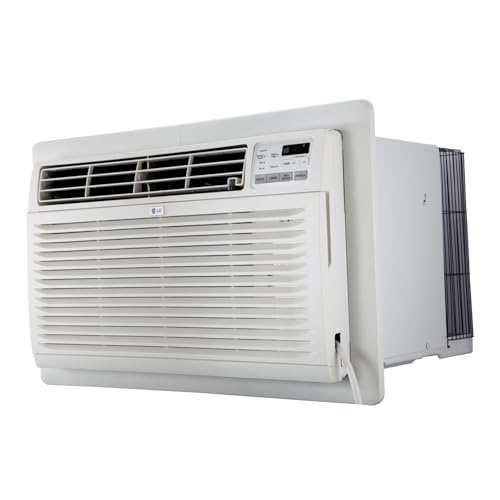
Window units prevent mould mainly by being simple and dryable. Their coils can be cleaned thoroughly during seasonal removal, their pans and drain holes are reachable, and better models add dry modes and fan overrun that dries the coil after each run. A right-sized window unit in a cottage bedroom, run consistently through humid weeks, controls its room’s moisture perfectly well. Its limits are reach — it conditions one room, leaving closed spare rooms to their own devices — and the seal around it, since a poorly fitted unit admits humid outdoor air and rain around its edges, feeding the very problem it is solving inside.
Portables ask the most discipline. Single-hose designs draw replacement air from elsewhere in the building, which can pull humid air through every crack and from adjoining rooms, partially defeating their own drying. Dual-hose models correct much of that, and self-evaporating designs reduce the tank chore, but the type’s mould ledger still depends on the owner emptying water, cleaning filters that live at dusty floor level, and ensuring the exhaust hose seals tightly. In a condominium or small flat where installation options are limited — the situations gathered in best air conditioners for condos — a dual-hose portable with continuous drainage can hold a room in the safe band, provided its water routine is treated as non-negotiable.
Central Systems: Whole-House Control, Whole-House Responsibility
Central air conditioning conditions every room through one system, which prevents the neglected-spare-room problem entirely, and a well-set central system with long runtimes holds a whole cottage in the target humidity band with an ease no fleet of room units matches. Pairing the air handler with a dedicated whole-house dehumidifier, or a thermostat that can overcool slightly to satisfy a humidity setpoint, strengthens the moisture side further for serious climates. When a cottage’s mould risk is driven by general climate rather than one damp corner, central control attacks the cause at the scale it operates.
The responsibility scales with it. Ductwork in humid attics or crawl spaces can itself grow mould if insulation fails or joints leak cold air into contact with warm damp surfaces, and because ducts are invisible, problems mature unseen. Filters forgotten at the air handler starve airflow and invite coil icing, whose meltwater overwhelms pans. Central ownership therefore suits households comfortable with an annual professional service — pressures, drainage, duct inspection, coil condition — as the price of whole-house protection. Paid faithfully, that price buys the most even mould defence available; skipped, it buys the largest hidden system in which trouble can grow.
The Closed Cottage Problem: Weeks of Nobody Watching
What Happens to Indoor Air While the House Sits Empty
Close a cottage on a humid Sunday and a quiet process begins. Residual moisture from showers, cooking, and the occupants themselves lingers in the air and the furnishings. Without ventilation or conditioning, indoor humidity tracks the weather outside, seeping through every gap, and on cool nights it condenses on the coldest surfaces — window glass, exterior wall corners, the underside of a metal roof. Soft materials absorb moisture like slow sponges: mattresses, sofa cushions, stored clothing, the pages of books. Within a couple of damp weeks, the conditions for mould are assembled throughout the house, needing no leak, no flood, nothing but stillness and weather.
This is why cottages so often smell musty on arrival even when nothing is visibly wrong, and why the smell concentrates in closed wardrobes, under-bed storage, and the room farthest from wherever air moves. It also explains the pattern owners report where mould appears on the contents rather than the building — shoes in a cupboard, a leather bag, the back of a picture frame — because those surfaces sit in the stillest, dampest microclimates and offer organic material to colonise. Prevention for a closed house is therefore about air and moisture management during absence, not merely about how well the system cools during occupation.
Strategies for Absence: Timers, Dry Mode, and Sensible Compromises
Where the cottage keeps power through the season, the strongest strategy is active: leave a mini-split or capable window unit set to dry mode or a humidity target, with drainage verified before departure, so the interior is held in the safe band continuously. The energy involved in merely holding humidity in a closed, shaded cottage is modest, because there is no occupancy load and no door traffic; the machine sips rather than gulps. Confirm the condensate outlet is clear, the filters are clean, and a trusted neighbour or caretaker knows the arrangement exists, so a tripped breaker is noticed in days rather than discovered in September.
Where power is shut off or unreliable, prevention turns passive. Before closing, run the system in dry mode for a full day to pull the building’s moisture down, launder and thoroughly dry soft furnishings, and leave interior doors and wardrobe doors ajar so the remaining air equalises instead of stagnating in pockets. Stand mattresses slightly off walls where practical, avoid sealing damp-prone items in plastic tubs while they still hold moisture, and ensure the building’s own defences — gutters, flashing, ground drainage — are sound, because no appliance compensates for rain finding its way in. On the next arrival, ventilate first, then run dry mode again before unpacking, so the house dries faster than your belongings can absorb its damp.
Humidity logging rewards the absent owner. An inexpensive logger or a smart sensor that records readings over weeks replaces guesswork with a graph: you learn whether closed weeks peak gently or spike into the danger zone, whether storms drive the numbers, and whether your chosen strategy is actually working. That evidence turns arguments about settings into observations, and it catches the season when a new problem — a failing drain, a creeping leak — begins, written plainly in data before it is written on a wall in spots.
Prevention Is Not Remediation: Knowing the Boundary
What to Do When Mould Is Already There
Suppose the inspection finds growth already established — a speckled wall behind a wardrobe, a blackened seal, a cupboard whose smell survives airing. The air conditioner’s role now shrinks to supporting actor. First find the moisture source, because mould is a symptom: a leaking pipe, a failed drain line, rising damp, a roof detail admitting rain. Cleaning without fixing the source schedules a repeat performance. Small, hard-surface patches from a known, fixed cause can be cleaned by a careful owner with appropriate protection and ventilation; porous materials like affected plasterboard, insulation, or upholstery often need removal rather than scrubbing, since growth threads through them beyond the reach of any cloth.
Scale and health set the escalation rule. Extensive growth, growth inside ductwork or wall cavities, any flooding history, or a household member with asthma or immune concerns moves the job to professional remediation, where containment, protective equipment, and proper disposal are routine. Be sceptical of shortcuts sold with confidence — foggers, miracle sprays, and ozone gadgets do not remove the need to eliminate moisture and physically clear affected material, and some create hazards of their own in an occupied house. Throughout any cleanup, keep the cooling system from spreading the problem: a unit drawing air across a disturbed colony can distribute spores widely, so isolate the area and follow competent guidance on running or resting equipment during work.
Restarting Clean: The System Itself Needs Checking
After remediation, the air conditioner deserves its own inspection before it resumes guard duty, because a system that shared a house with a mould problem may harbour growth in exactly the places this guide has catalogued — the coil, the blower, the pan, the first metres of duct. A professional clean of the indoor unit, a verified drain, and fresh or thoroughly washed filters reset the machine to a known state. Only then do the preventive features regain their meaning; a self-drying cycle on a contaminated coil is a fan blowing across a problem. Treat the reset as part of the remediation, not an optional extra, and record the date alongside the building’s other service history.
There is a psychological boundary worth respecting too. Owners sometimes respond to a mould scare by running cooling ever colder, hoping frigid air sterilises the house. It does not; spores tolerate cold easily, and overcooling exterior walls can actually create condensation on their room-side surfaces in humid weather, manufacturing new damp patches. The goal was never a cold house. The goal is a dry house at a comfortable temperature, held steadily in the humidity band where mould cannot get started — which is a calmer, cheaper, and far more achievable ambition.
Where Mould Starts First: A Room-by-Room Risk Map
Bedrooms, Wardrobes, and the Cold Corner Problem
Mould rarely announces itself in the middle of a room. It begins where air barely moves and surfaces run coldest: the corner where two exterior walls meet, the wall section hidden behind a wardrobe, the back panel of a cupboard built against an outside wall. In bedrooms the pattern repeats with furniture — headboards pressed flat to cold walls, under-bed boxes sealed against skirting boards, mattresses resting on solid bases with no airflow beneath. An air conditioner can hold the room’s average humidity in the safe band while these pockets sit several points higher, which is why prevention includes furniture placement as much as machinery: a hand’s breadth of gap behind wardrobes, slatted rather than solid bed bases, and wardrobe doors left slightly open during closed weeks.
Sleeping itself loads a bedroom with moisture — two sleepers release a surprising amount of water vapour across a night — and a closed door traps it with them. This is where the overnight behaviour of the cooling system matters most. A unit that cycles hard and stops leaves the small hours humid; one that idles along in dry mode keeps the room’s air turning over the coil until morning. Owners who wake to misted windows in a cooled bedroom are reading a clear signal: the glass is the coldest surface, and if water condenses there visibly, it is condensing invisibly on colder wall pockets too.
Bathrooms, Kitchens, and Laundry Corners
Wet rooms generate moisture in bursts that cooling alone should never be asked to handle. A shower fills a small bathroom with near-saturated air in minutes; boiling pans and drying laundry do the same to kitchens and utility corners. The correct first defence is extraction at the source — a fan that actually vents outside, run during the activity and for a while after — with the air conditioner then maintaining the background level for the house as a whole. Asking a bedroom mini-split to compensate for an unvented bathroom is asking the wrong tool to do the heavy work, and the bathroom’s own surfaces will mould regardless of how dry the hallway feels.
Cottages complicate wet-room discipline because their plumbing often sleeps between visits. Traps dry out, letting odours up; slow drips at compression joints can wet a cupboard floor for weeks unnoticed. Add a building habit to the cooling routine: at each arrival, run taps briefly, check under sinks with a dry hand or a sheet of paper towel that betrays damp instantly, and look at the floor around the water heater. These are thirty-second checks, yet they guard the boundary this guide keeps repeating — appliances control airborne moisture, but only eyes and hands catch the liquid water that causes the worst growth.
Moisture Sources Owners Forget to Count
Cooking, Firewood, Plants, and People
Not all indoor humidity arrives through the walls. A simmering stockpot, a kettle boiled six times a day, wet boots by the door, towels drying over a rail, a stack of firewood seasoning in the corner, a cluster of houseplants watered generously before departure — each contributes its share to the air the cooling system must dry. None is a problem alone. Together, in a small, closed cottage during a rainy week, they can push indoor humidity up faster than a modestly sized unit in dry mode pulls it down, and the owner concludes wrongly that the machine is failing when the building’s moisture budget is simply overdrawn.
The remedy is accounting rather than abstinence. Use lids on pans, run the extractor when cooking, dry laundry outdoors or in a vented space where the season allows, and keep firewood storage outside the conditioned envelope. If guests multiply the occupancy for a holiday week, expect humidity to climb and give the system help: dry mode running longer, interior doors open, bathroom fan used faithfully. Thinking of moisture as a budget — sources on one side, the coil and the extractor fans on the other — turns mysterious mustiness into arithmetic, and arithmetic can always be balanced.
Ground Moisture and the Crawl Space Beneath
Some cottages fight water rising from below. An earth-floored crawl space, a missing vapour barrier, or ground that slopes toward the building loads the floor structure with moisture continuously, and the coolest surfaces in the rooms above — floorboards near exterior walls, the bottoms of cupboards — pay for it. Air conditioning can mask the symptom by drying the room air while the structure beneath stays wet, which is why persistent floor-level mould, cupping boards, or a smell that survives every cleaning deserves a look underneath before it deserves a bigger appliance.
The fixes down there are unglamorous and permanent: a continuous vapour barrier over exposed earth, vents or controlled ventilation appropriate to the climate, grading and gutters that move roof water away from the walls, and plumbing inspected where it passes through the space. Once the ground stops donating moisture, the cooling system’s job shrinks to the airborne share it was designed for, and owners often find that a unit they suspected of weakness was simply outnumbered. Mould prevention, pursued honestly, keeps leading back to the building itself — the machine is the last line, not the only one.
Sensors, Timers, and Controls That Guard the House for You
From a Simple Hygrometer to Alerts on Your Phone
The control features that matter for mould are the ones that act on humidity rather than temperature alone. At the simplest level, a thermostat or remote with a humidity display lets you see the number you are managing. Better, some systems accept a humidity setpoint and will run dry mode automatically when the reading climbs past it, which converts prevention from a remembered chore into a standing instruction. Add a sensor that logs history, and you gain the closed-weeks graph described earlier; add connectivity, and a phone alert can warn that the cottage has crossed into the danger band while there is still time for a neighbour to check a breaker or a drain.
Choose robustness over cleverness. A sensor placed at breathing height, away from the direct blast of the supply air and out of sun, tells the truth; one taped above the unit reads the machine’s own output and flatters it. Batteries in remote sensors should join the spring-opening checklist, alongside smoke alarm checks, so the guardian does not silently retire mid-season. And keep manual overrides understood by everyone who uses the cottage — a well-meaning guest who switches the system from dry mode to a cold blast for a week can undo a month of careful holding, which is an argument for a small instruction card beside the remote rather than for locking anyone out.
Timers and Schedules Matched to Cottage Rhythms
Where full humidity control is unavailable, a plain timer still buys real protection. Scheduling dry mode for the dampest hours — overnight and early morning, when outdoor humidity peaks and surfaces cool — covers the riskiest window of each day during closed weeks. A pre-arrival run, started the day before a visit where connectivity allows, means the house is dried before bedding is unpacked and cupboards are opened, reversing the usual pattern where belongings absorb a fortnight’s damp in the first hour. Even the humble sleep timer on a window unit, set to finish the night in fan-dry rather than hard cooling, trims the hours a coil spends wet.
Schedules should follow the building’s evidence, not the calendar’s symmetry. If the logger shows humidity spiking after storms, weight the runtime there; if shoulder seasons are the danger, guard October harder than August. This evidence-led tuning is what separates cottages that merely own good equipment from cottages that stay fresh year after year. The machine provides the capability — dry mode, coil drying, steady inverter runtime — and the owner’s observations aim it, season by season, at the moisture the particular building actually faces.
Reading the Early Signs Before They Become a Problem
Smell, Sight, and the Back of the Hand
Your senses, used deliberately, are the earliest mould detectors a cottage has. Smell first: a healthy closed house smells of its materials — timber, fabric, a little dust — while a house with active growth carries a sweet, earthy heaviness that concentrates in still corners and soft furnishings, and that returns within hours of airing because its source is alive and continuing. Sight second: check the known addresses each visit — window frames and their seals, the silicone lines in the bathroom, the wall behind the wardrobe, the ceiling corner above the shower, the inside face of the door to any unheated store. Early growth looks like faint spotting or a grey bloom, easy to wipe and easier to ignore than it should be.
Touch completes the survey. Run the back of your hand along the bottom of exterior walls and inside cupboard backs; surfaces that feel cold and faintly clammy in a room that reads comfortably dry are the pockets where the average reading lies to you. Check stored textiles by lifting and smelling the fold, and look at the undersides of mattresses during the spring opening rather than waiting for a guest to report a smell in August. None of this requires instruments, and done as a five-minute circuit on arrival, it catches the season’s first colony while the fix is still a cleaning job and a settings change.
Keeping a Simple Record That Future Seasons Can Use
Write down what you find, in the same cottage notebook that holds filter sizes and service dates. A line per visit — humidity readings, anything spotted, what was cleaned, which settings were left running — builds the pattern that memory blurs. Across two seasons, that record will show whether the trouble always follows wet autumns, whether one room lags the others, and whether the new system’s dry mode genuinely changed the numbers or merely changed the brochure on the shelf. When you eventually brief a technician or a remediation professional, that notebook is the difference between folklore and evidence, and it makes every subsequent decision cheaper and better aimed.
Standalone Dehumidifiers: Partner or Duplicate?
Owners of damp cottages often ask whether a standalone dehumidifier makes the air conditioner’s mould features unnecessary, or the reverse. The honest answer is that the two overlap in summer and diverge in the shoulder seasons. When cooling is running anyway, a capable system in dry mode removes moisture as part of its work, and a separate appliance mostly duplicates the effort. In cool, wet weeks — the classic mould weather of spring and autumn — the dehumidifier earns its floor space, because it dries without chilling a house nobody wants colder. Many cottages therefore run a layered strategy: the cooling system guards the occupied summer, a modest dehumidifier with a continuous drain guards the damp margins, and the hygrometer judges both. Duplication is waste only when the seasons overlap entirely; where they do not, the second machine is not redundancy but coverage.
Check prices on Amazon
Live listings for the shortlist in this guide are pulled from Amazon below, so prices and availability are always current at the moment you look.
A Practical Routine for a Mould-Resistant Cottage
Weekly, Monthly, and Seasonal Habits That Compound
Prevention becomes easy when it is divided into small, dated habits. During occupation, glance at the hygrometer the way you glance at a barometer, and run dry mode on the days when readings climb and the air feels close. Rinse filters on the rhythm your system demands — often monthly in season, more often in pollen or dust — and dry them fully before refitting. Pour a jug of water through the condensate access once mid-season and watch it exit outside. Wipe the visible pan and grille areas when ordinary cleaning passes that way. None of these tasks exceeds a few minutes; together they deny mould its three ingredients in rotation, so no single lapse hands it all three at once.
Seasonally, the routine deepens. At opening, inspect the indoor unit with a torch — coil, pan, blower outlet — and start the year with a self-clean cycle after your own cleaning, not instead of it. Check the drain slope where it is visible, prime central traps, and confirm outdoor coils are rinsed and clear. At closing, run a full drying day, leave the system clean and dry, and set whatever absence strategy your power situation allows. Every few seasons, or at the first persistent odour that cleaning does not cure, book the professional deep clean of the indoor unit and let a technician verify drainage and coil condition with the covers off.
Choosing Your Next System With Mould in Mind
When replacement time comes, let the mould questions lead the conversation. Does it offer a true dry mode, and can it hold a humidity target? Does the fan dry the coil after every cycle, automatically? Is capacity honestly matched to the room, with inverter turndown to avoid short-cycling? Can the drain be routed with real slope, reached for flushing, and protected by an overflow switch? Are filters washable, generously sized, and removable without tools? A system that answers those five questions well will prevent more mould than any antimicrobial badge, and it will do so quietly, in the background, through every closed week and rainy shoulder season your cottage endures.
Hold the hygrometer’s verdict above every brochure: choose the system that keeps your rooms in the dry, comfortable band through the dampest weeks, verify it with your own readings across one full season, and your cottage will keep greeting you the way it should — with timber, linen, and lake air, and not a trace of the cellar smell that sends other owners shopping for remedies.