Our Top Picks


What's inside
- The reference range, and what it really means
- Measure the room like you mean it
- The adjustments that genuinely move the number
- Too large is a problem, and so is too small
- Window units in a room of this size
- Portable units, and the renters who need them
- The ductless split, for rooms used every day
- Through-wall units, the quiet fourth option
- Living with the machine: bedrooms, desks and studios
- Habits that shrink the load before the machine starts
- Maintenance that a room this size actually needs
- Mistakes people make in this exact size band
- A decision walk-through, start to finish
- Seasonal rhythm for a small room
- Humidity, the half of comfort nobody measures
- A short checklist to take to the shop
- Sound, sleep and the neighbours
- When the room changes, revisit the answer
- Check prices on Amazon
- What good looks like, a week after fitting
As an Amazon Associate I earn from qualifying purchases. This post may contain affiliate links at no extra cost to you.
A quick word about how this page exists: Cottage Verdict is an independent guide site, researched and written by people who measure rooms before they recommend machines for them. If a reader later buys through a link on this page the site may earn a small commission, which never changes the sizes, limits or warnings set out below.
Some room sizes are awkward. A space can be too large for the smallest machines and too small for the serious ones, leaving its owner reading charts that seem to argue with each other. The band between one hundred and fifty and two hundred and fifty square feet is, happily, not one of those sizes. It is the heartland of domestic cooling: the large bedroom, the focused home office, the first studio flat, the nursery that used to be a box room’s bigger sibling. Machines are plentiful for these rooms, prices span a wide range, and the sizing rules are well understood.
Well understood does not mean automatic. Two rooms with identical floor plans on paper can behave very differently at four in the afternoon, because one faces north over a shaded garden and the other faces west over a tarmac roof. One has a ceiling at the standard height and thick curtains; the other is a converted attic with the roof sloping through it. One holds a single sleeping person. The other holds two adults, a dog, and a desk carrying three glowing monitors through the working day.
This guide treats the familiar capacity range for the band as a starting point rather than a verdict. We will look at how to measure a room honestly, which adjustments genuinely move the requirement up or down, and what happens when a machine is too large or too small for the space it serves. Then we compare the three formats you are most likely to buy for a room of this size — window, portable and ductless split — in terms of noise, installation, running habits and the small daily frictions that decide whether a purchase feels wise a year later.
Nothing in this guide quotes a price, because prices move with seasons and sales and a figure printed here would mislead somebody by August. What does not move is the arithmetic of the room itself. Learn to read your own space and you can walk into any shop, in any sale, and know which shelf to stand in front of.
The reference range, and what it really means
For a room between one hundred and fifty and two hundred and fifty square feet, the commonly used reference range runs from about six thousand to about eight thousand British thermal units per hour. The lower end suits a room near one hundred and fifty square feet with ordinary ceilings and modest sun. The upper end suits a room near two hundred and fifty square feet, or a smaller room carrying extra loads that the later sections of this guide describe. Most readers will land somewhere inside that span, and the adjustments matter more than the decimal points.
A British thermal unit figure describes how much heat a machine can remove in an hour when it runs steadily. It says nothing directly about how the room will feel, because comfort also depends on humidity, air movement and where the cold stream lands. Treat the figure as a capacity budget. Your room spends that budget on heat arriving through walls and glass, heat given off by people and equipment, and moisture that the machine must condense out of the air along the way.
Manufacturers test their machines under standard conditions that your room will rarely reproduce exactly. A unit working against a fierce outdoor temperature delivers somewhat less than its label promises, and a unit with a clogged filter delivers less again. This is one reason sizing to the very bottom of a range so often disappoints in a heatwave. The label is a fair-weather friend; the room’s worst week is the appointment you are actually buying for.
Portable machines complicate the comparison because their labels have historically flattered them. A portable spends part of its capacity fighting the warm air its own exhaust arrangement draws back into the room, so its effective cooling in a real space is lower than the headline figure suggests. Standards bodies have introduced derated figures for portables in recent years, and those lower numbers are the ones to compare against window and split machines. When two labels disagree about the same portable, trust the smaller one and you will rarely be sorry.
Measure the room like you mean it
Floor area is length multiplied by width, measured wall to wall in feet, and it takes two minutes with a tape. Measure the longest and widest points of an irregular room and treat alcoves honestly: a deep bay window adds area and adds glass, which usually matters more. Rooms that open into a hallway without a door are not really one room for cooling purposes. The machine will try to cool the hall as well, and it will lose, slowly, all afternoon.
Ceiling height is the measurement most people skip and many regret. The reference range assumes a ceiling around eight feet high. A room with a ten-foot ceiling holds a quarter more air than the same floor plan at standard height, and hot air gathers up there where nobody sits. Vaulted and sloping ceilings push the volume higher still. If your ceiling is tall, expect to choose toward the top of the range, and expect a ceiling fan or a well-aimed vent to earn its keep by mixing the layers.
While the tape is out, note the windows properly. Write down which wall each window sits in, roughly how much glass there is, and whether curtains, blinds or external shutters can shade it. Glass is where a room’s cooling budget leaks fastest on a sunny day, and the direction it faces decides when the leak runs hardest. A west-facing window delivers its worst heat in the late afternoon, exactly when a bedroom is being prepared for the night and an office worker is finishing the day in a warm fog.
Finally, count the room’s regular contents. Note the people who use it at the same time, the computers, televisions, games consoles and lamps that run there, and whether a door stays open or shut during the hours you care about. None of this requires instruments. It requires looking at the room as a system for ten minutes, which is ten minutes more than most purchases get, and it is the cheapest accuracy you will ever buy.
Three rooms, one floor plan
Consider a room of two hundred square feet in three different lives. As a spare bedroom used twice a month, with a north-facing window and the door usually shut, it sits comfortably at the lower end of the range and could even forgive a slightly small machine. As a home office holding one person, two monitors and a printer from eight until six, it climbs toward the middle, because equipment heat arrives steadily all day and the occupant notices every degree while sitting still. As a studio’s main room, holding a bed, a sofa, a television and a small kitchenette along one wall, it earns the top of the range without argument, because cooking heat and evening occupancy stack onto whatever the sun delivered earlier.
The floor plan never changed. The room changed completely. Keep that example in mind whenever a friend recommends the exact machine that cooled their two-hundred-square-foot room beautifully. Their room is not your room, even when the estate agent’s measurements say otherwise.
The adjustments that genuinely move the number
Sun exposure is the largest single adjustment for most rooms. A room whose windows face south or west, with little shade from trees or neighbouring buildings, collects heat for hours and holds it in the walls into the evening. Such a room should be sized toward the top of the reference range even at modest floor area. A north-facing room under a large tree can sit a full step lower and still feel fine, because its heat arrives gently and leaves early.
Floor level matters more than people expect. The top floor of a house lives directly under a roof that may reach remarkable temperatures on a still, sunny day, and that heat radiates downward through the ceiling long after the air outside has cooled. A two-hundred-square-foot attic bedroom can need the capacity of a much larger ground-floor room. Ground-floor rooms on a cool slab, shaded by the house itself, are the forgiving opposite and often cool quickly and stay cool.
People add heat in a steady, predictable way. A resting adult gives off roughly the warmth of an old-fashioned light bulb or two, and an active one gives off more. One sleeper in a bedroom barely moves the sizing. Four people in a small studio for an evening of films and board games move it clearly. Regular occupancy is the key word: size for the room’s ordinary crowded hours, not for the one party a year when you can open the door and forgive the machine its limits.
Equipment adds up quietly in modern rooms. A desktop computer with two monitors, a television on standby-turned-active all evening, a games console working hard, a printer, a mini fridge: each contributes a modest trickle, and the trickles join into a stream that runs for hours. Home offices deserve special honesty here, because the worker sits motionless in the accumulating warmth and blames the machine for what the desk actually caused. If the equipment list is long, nudge the capacity upward and arrange the desk so the cooler’s stream reaches the chair without freezing the screen hand.
Kitchens hidden inside studios deserve their own sentence in the calculation. A hob and an oven can overwhelm a small room’s cooling for an hour at a time, and no sensibly sized machine for this band will fight a roasting oven to a draw. The practical answer is timing and extraction: cook with the extractor running, let the worst of the heat leave, and let the cooler restore comfort afterwards. Sizing the machine for the oven hour would leave it oversized for the other twenty-three.
Too large is a problem, and so is too small
An oversized machine cools the air near its thermostat quickly, satisfies itself, and switches off. The air temperature looks correct on paper while the walls, bedding and furniture stay warm and the humidity stays high, because drying air takes sustained running over a cold coil. The room then feels clammy rather than fresh, and the machine restarts soon after with a jolt of noise and cold. Sleepers know this pattern intimately: a blast, a silence, a warm sticky interval, another blast. Bedding that feels faintly damp at three in the morning is the signature of a cooler that is too strong for its room.
Short, frequent starts also wear machinery faster than long, calm runs, and they draw power in repeated surges. The oversized unit often costs more to buy, more to install if brackets or circuits must grow to suit it, and more to live with in every sense except one: it will win a race to cool an empty room at noon. That single talent is the one showrooms demonstrate, which is how so many bedrooms end up with a machine chosen for a test the room never sets.
An undersized machine fails in the opposite direction. It runs without pausing through the hottest hours, holding the room a few degrees above the target and never quite arriving. Its owner turns the setting down in hope, which changes nothing except the electricity consumed, because a machine already running flat out has nothing left to give. Ice can form on a struggling coil in humid weather, airflow fades, and the room warms further in a spiral that ends with the unit resting to thaw while the evening stays hot.
Between those two failures sits the correct size: a machine that runs long, unhurried cycles on a hot afternoon, pauses sometimes on an ordinary one, and keeps humidity low enough that the room smells like bedding rather than like a tent. You will recognise it within the first week, not by the temperature alone but by how rarely you think about the machine at all. Good sizing is forgettable, and forgettable is the highest praise domestic equipment can earn.
Window units in a room of this size
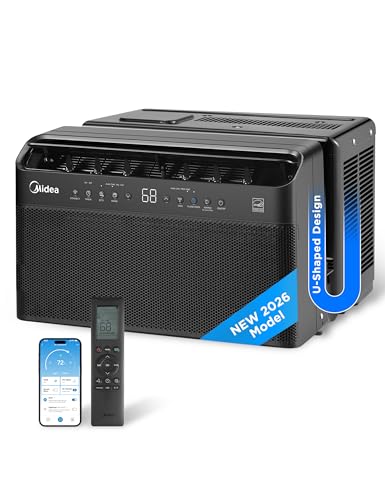
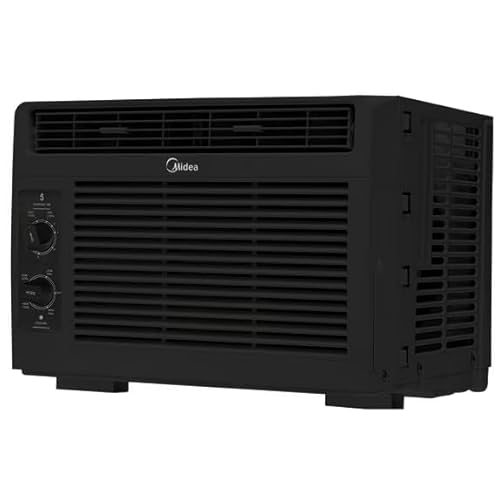
The window unit is the traditional answer for this band, and it remains a strong one. The whole machine sits in the window opening, hot side out and cold side in, with no hoses crossing the floor and no indoor floor space consumed. For rooms near the middle of the range, models in the six-to-eight-thousand band are the natural hunting ground, and roundups such as best 6000 btu window air conditioners show how the smaller end of that field is arranged for rooms near one hundred and fifty square feet.
Installation decides whether a window unit delights or disappoints. The chassis must sit level or tilted very slightly outward, so condensate drains outside rather than finding the inner sill. The side curtains or foam panels that fill the gaps beside the machine need patience: every slit left unsealed admits warm air and the occasional determined insect. A support bracket under the outer edge takes the weight off an ageing sash and stops the slow, creaking sag that opens new gaps in August.
Noise is the format’s honest weakness. The compressor shares the box with the indoor fan, separated from your pillow or your desk by a metal case and little else. Modern inverter-driven window units run noticeably calmer than the fixed-speed machines many people remember from childhood, particularly once the room is cool and the machine can settle to a murmur. Judge a unit by its lowest-speed sound figure, because that is the voice it will use for most of the night.
A window unit also spends a window. In a room with one small window, giving half of it to a machine for the summer changes the light and blocks the quickest route for fresh air on a cool evening. Some households accept that trade without a thought. Others, particularly in a studio where the single window is the room’s whole outlook, find it wears on them by July. Sliding and casement windows may not accept a standard chassis at all without an adapter kit, which is worth establishing before the box is carried upstairs.
Portable units, and the renters who need them
The portable’s appeal is obvious to anyone who rents, lives in a building with rules about window installations, or needs cooling in a room whose windows slide sideways. It arrives on wheels, asks for a hose through a window kit, and leaves no trace when the tenancy ends. For a room of this size it can work respectably, provided its buyer reads the derated capacity figure and chooses accordingly, which usually means aiming higher on the label than the reference range suggests.
The single-hose design carries a built-in contradiction. It expels hot air through its hose, and the air that replaces it seeps in from the corridor, the floorboards and every gap the building offers, warm and uninvited. Dual-hose models draw their working air from outside and return it outside, which removes most of that self-sabotage, and they are the portables to look for when the room must hold its cool for hours. Either way, the hose itself radiates warmth into the room along its length, and shortening and insulating its run is worth real money in comfort.
Condensate is the portable’s daily chore in humid weather. Many models evaporate much of their collected water into the exhaust stream, yet a muggy week can still fill an internal tank and stop the machine at two in the morning with a small, smug beep. If the room is a bedroom, learn where the tank is and how it empties before the first hot night, not during it. A continuous drain hose to a nearby sink solves the problem where the layout allows it, and layout, as always, decides more than brochures admit.
Floor space and noise complete the portable’s account. The machine occupies roughly the footprint of a bedside cabinet, in a room that by definition does not have floor to spare, and its compressor sits inside that footprint, working beside your bed or desk. Wheel it into its corner before you commit, sit where you will sit, and imagine its voice at midnight rather than in a loud shop at noon. Portables suit people who value flexibility over silence, and knowing which of those two you are is most of the decision.
The ductless split, for rooms used every day
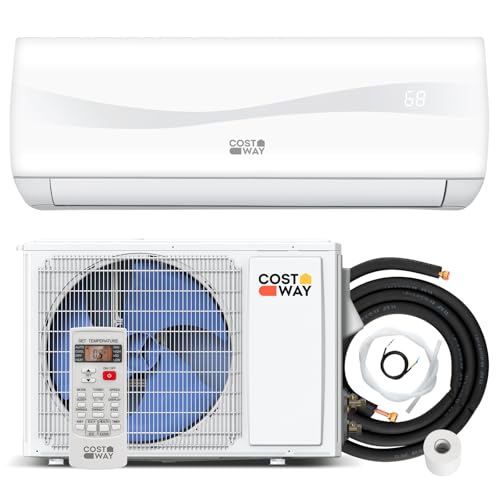
A ductless mini-split puts the compressor outdoors and a slim, quiet head on the wall, joined by refrigerant lines through a modest hole. For a two-hundred-square-foot bedroom or a study used ten hours a day, the difference in noise is not subtle. The indoor unit at low speed is quieter than most people’s breathing, and the absence of compressor thumps through the night changes sleep in a way temperature figures cannot express. Readers whose room is primarily a bedroom will find the sleep-focused discussion in best air conditioners for bedrooms a useful companion to this section.
Split systems modulate their output smoothly, slowing as the room approaches its target and holding it there with small, continuous effort. That behaviour suits this room size particularly well, because the loads are modest and steady: one or two people, some equipment, a day’s sun to undo. The coil stays cool and busy for long stretches, so humidity control is the best of the three formats, and the clammy oversized feeling described earlier is hard to achieve even with a slightly generous size.
The costs are commitment and installation. A split is a fixture, not an appliance. It needs a professional installer, an outdoor spot with airflow and drainage, and permission that renters rarely obtain. The purchase makes sense when the room is yours for years, when sleep or work quality is genuinely suffering, or when a heat-pump model will also take the chill off the room in spring and autumn, spreading its usefulness across three seasons instead of one.
Placement of the indoor head matters in a small room more than in a large one, because there is nowhere for a badly aimed stream to dissipate. Mount it so the air travels along the room’s long axis and returns across the occupied zone, rather than firing directly at the bed or the desk chair. A cold jet on the back of the neck will make an owner hate a perfectly good machine, and the hatred will be aimed at the brand rather than at the bracket, which is where it belongs.
Through-wall units, the quiet fourth option
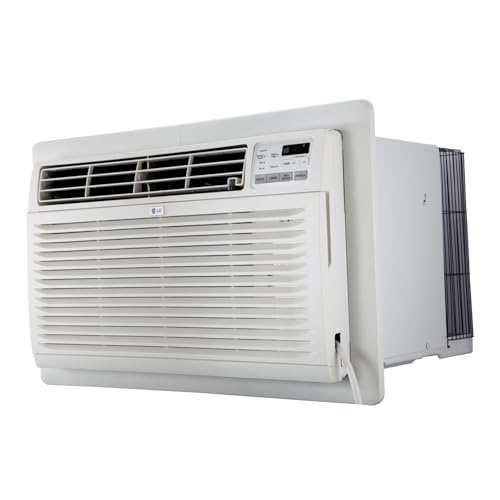
Some rooms in this band already contain a metal sleeve set into the wall, left by an earlier through-wall machine. If yours does, the decision simplifies: a new through-wall unit slides into the existing sleeve, seals neatly, and frees the window entirely. The format behaves like a window unit without spending the window, and its chassis is usually built a little more sturdily for its permanent home.
Cutting a fresh sleeve hole purely to avoid a window unit is harder to justify. The building work, the weatherproofing and the difficulty of reversing the hole all argue for exhausting the simpler formats first. Measure an existing sleeve carefully before ordering, because sleeve sizes vary between makers and eras, and a unit that nearly fits fits badly forever, humming against its frame and leaking around its edges every summer night.
Living with the machine: bedrooms, desks and studios
In a bedroom, the contest is between temperature and noise, and it is fought at two in the morning. A room cooled thoroughly before bedtime, with curtains drawn against the evening sun and bedding chosen light, often lets the machine idle at its quietest setting through the small hours. Pre-cooling is the most underused technique in domestic comfort: thirty energetic minutes while you brush your teeth and read downstairs buys a night of gentle maintenance instead of a night of effort.
Set the target for sleep a degree or two warmer than your daytime preference and see whether you actually notice. Many sleepers do not, because a body under a light cover loses heat differently from a body sitting upright at a desk. What sleepers notice is change: a compressor starting, a fan stepping up, a cold stream arriving and departing. Steady and slightly warm beats perfect and restless, in bedrooms, almost every time it is tried honestly for a week.
In a home office the enemy is the afternoon slump that heat quietly manufactures. A worker in a warm room reads the same paragraph three times and blames lunch. Keep the desk out of the direct cold stream, which stiffens necks and dries eyes, but inside the room’s general circulation, and let the machine start before the room becomes uncomfortable rather than after. Video calls add a small social calculation: a window unit’s voice may reach your microphone more clearly than it reaches you, so test it on a call with a patient colleague before the important presentation, not during it.
A studio asks its single room to be bedroom, office and sitting room in rotation, and its cooler must serve all three shifts. Zoning tricks help: a curtain rail that closes the sleeping corner at night gives the machine a smaller volume to hold while you sleep, and opening it in the morning returns the full room for the day. Portable and window machines both benefit from that reduced night volume, and the studio dweller who masters it can comfortably run a size smaller than the full floor plan suggests. Guides to the top of this capacity band, such as best 8000 btu air conditioners, are worth reading if your studio sits near two hundred and fifty square feet and cooks as well as sleeps its occupants.
Habits that shrink the load before the machine starts
Shade is the cheapest cooling ever sold, and much of it is not sold at all. Closing blinds or curtains on a sun-facing window before the sun arrives keeps a startling share of the day’s heat outside the glass. External shade works better than internal, because it stops the energy before the window turns it into room heat, but even an ordinary lined curtain drawn at the right hour changes what the machine must achieve by evening.
Sealing the room’s easy leaks comes next. A draught strip under a door that opens onto a warm hallway, foam tape where a sash rattles, a cover for an unused fireplace opening: each is a small, dull job, and together they decide whether cooled air stays in the room long enough to be enjoyed. Cooling a leaky room is like carrying water in a bucket with a slow hole. The bucket still works. You just walk much further for the same drink.
Heat discipline inside the room completes the picture. Incandescent and halogen lamps are small heaters that also light the room, and swapping them removes load every hour they burn. Computers set to sleep promptly, consoles fully off rather than idling warm, and a printer powered down between jobs all trim the stream of equipment heat described earlier. None of these habits requires willpower after the first week. They are settings and switches, chosen once, working silently for years, and the broader efficiency picture in best air conditioners for energy saving develops this theme for readers who want to go further.
Ventilation timing is the final habit, and it costs nothing. On a day when the evening air outside falls below the room’s temperature, an open window and a through-draught can flush the day’s stored heat from the walls faster than any machine in this size band. The skill is choosing the hour: open too early and you import the afternoon; open when the street has cooled and the room exhales gratefully. A simple indoor-outdoor thermometer turns that judgement from guesswork into a glance.
Maintenance that a room this size actually needs
Every format in this guide breathes through a filter, and every filter in a lived-in room loads with dust, pollen and the fine lint that bedding and clothing release. A clogged filter starves the coil of air, cooling fades, running lengthens, and in damp weather the coil can ice. Wash or replace the filter monthly through the cooling season, more often in a bedroom where a pet sleeps. It is the highest-value ten minutes in the whole subject of home cooling, and it requires a sink rather than a technician.
Once a season, look at the parts you normally ignore. Check that a window unit still tilts correctly and its drain is clear, that a portable’s hose has not cracked at its bend or slipped half off its collar, that a split system’s outdoor unit stands clear of the leaves and seed fluff that gather behind sheds and fences. Listen to the machine on a quiet evening. A new rattle, buzz or gurgle is information, and it is cheapest on the day it first appears.
Condensate routes deserve the same glance. Algae and dust turn a slow drain into a blocked one across a single humid season, and the overflow always chooses the least convenient surface available: a windowsill, a carpet, the top of a bookcase. Pour a little clean water through the drain path in spring and watch it emerge where it should. Ten calm minutes in April prevent the sodden discovery that otherwise arrives, by long tradition, during the first heatwave of June.
Mistakes people make in this exact size band
The commonest mistake is buying for the floor area of the whole flat rather than the room the machine will serve. A studio’s open plan tempts its owner to add the kitchenette, the entry and the bathroom into the sum, then buy a machine that short-cycles sadly in the sleeping corner where comfort actually matters. Decide which volume the door, the curtain or the layout truly encloses during the hours you care about, and size for that volume with a clear conscience.
The second mistake is trusting a portable’s largest printed number and placing it against window units on equal terms. The comparison fails quietly in the shop and loudly in the bedroom three weeks later, when the machine runs all evening and the room hovers stubbornly above the setting. Read the derated figure, ask what standard produced each number on the box, and let the smaller, more honest number do the deciding.
A third mistake is installing a window unit in a hurry and sealing it with optimism. The gaps beside a chassis are not a detail; on a windy night they can undo a meaningful share of the machine’s work, and they admit the whine of the street along with the warmth. An hour with foam, tape and a bracket on installation day is repaid every night of the season. The same hour spent re-doing the job in August, on a ladder, in the heat the machine was bought to defeat, feels considerably longer.
Owners also forget the electrical side until a breaker teaches them. A cooler shares its circuit with everything else plugged into the room, and a kettle, a heater or a powerful games console joining the same circuit at the wrong moment can trip the protection and leave the room warming while its owner is out. Know which circuit the machine will use, what else lives on it, and whether the plug and socket are sound. Warm plugs and flickering lights are not quirks to live with; they are messages to stop and have the wiring looked at.
The last mistake is judging the purchase in the first forty-eight hours. A room that has baked for a week holds heat in its mattress, its books and its brickwork, and the new machine must mine that stored warmth out before the room feels transformed. Judge across a full week of ordinary use, at the same hours each day, and keep notes if your impressions argue with each other. Comfort that improves daily for four days and then holds steady is a success story, even if the first evening felt underwhelming.
A decision walk-through, start to finish
Begin with the tape measure and the notes described near the start of this guide: floor area, ceiling height, window directions, regular occupants, equipment, floor level. Place the room in the reference range by area alone, then move the choice within the range for each adjustment that genuinely applies. Sun and top-floor position push upward. Shade, ground floor and a shut door pull downward. Two strong pushes in the same direction matter; a single mild one usually just confirms the middle.
Next, let the building choose the format before the catalogue does. A renter with sliding windows and a strict landlord is choosing among portables whatever the charts say, and should spend the saved deliberation on a dual-hose model with an honest rating. A homeowner with a suitable sash and a modest budget is choosing a window unit and should spend the deliberation on installation and the lowest fan speed’s noise. A homeowner whose bedroom suffers every summer, and who plans to stay, should at least price a split system before defaulting to the familiar box, because the night-time difference is the kind that compounds across years.
Then check the unglamorous details of the specific model. Does its thermostat sense the room where you sit, or only the air at the machine, which a remote control with a sensing function can correct? Does its timer do what your routine needs, starting before you arrive and resting after you sleep? Will its filter slide out without dismantling anything, in the dark, half asleep, in August? Machines are lived with at their least convenient moments, and the model that respects those moments wins loyalties that specification tables never explain.
Finally, plan the first week as part of the purchase. Decide where the condensate goes, where the winter cover or the storage corner is, and which evening you will spend sealing and levelling rather than admiring. A machine installed thoughtfully on a Saturday and checked on Sunday enters service as a finished job. A machine balanced on books with its hose slipping will still be an unfinished job at Christmas, radiating low-level dissatisfaction through every warm night in between.
Seasonal rhythm for a small room
Spring is for preparation. Wash the filter, clear the drain, test the machine on a mild afternoon when a fault is an inconvenience rather than an emergency, and confirm the window kit or sash still fits after a winter of the house shifting almost imperceptibly. Houses move more than their owners credit, and a frame that sealed beautifully last year can grow a draughty corner by this one.
High summer is for steadiness. Resist the temptation to chase comfort with the remote, swinging the target down at noon and up at midnight. A machine left at a sensible setting learns the room’s rhythm through its own cycling, the walls stop storing quite so much heat, and the room settles into the forgettable comfort that correct sizing promises. Save the adjustments for genuine changes: a run of exceptional days, guests doubling the occupancy, a new computer arriving on the desk.
Autumn asks for an honest review while the evidence is fresh. Did the room hold its temperature on the hottest afternoon, or merely survive it? Did humidity ever make the bedding feel tired and damp? Was the noise a background fact or a nightly negotiation? Write the answers on the same page as your room measurements and keep them with the manual. Next year’s decision, whether that is a filter, a service visit or a different machine entirely, will be made by a person who remembers the summer accurately: you, on paper, rather than you, guessing, next June.
Winter storage decides how spring begins. A portable should be drained fully, run on fan alone to dry its insides, and stored upright with its hose loosely coiled rather than kinked. A window unit that comes out for the season needs its cavity cleaned before the cover goes on, because last summer’s dust, stored damp, becomes next spring’s musty first breath. A split system asks least: filters washed, outdoor unit cleared of leaves, and a brief run on a dry day to keep everything honest.
Humidity, the half of comfort nobody measures
Two rooms at the same temperature can feel entirely different, and the difference is usually water. Air that carries a heavy load of moisture feels close and warm against the skin, because sweat evaporates slowly into it. Air dried gently by a well-matched cooler feels fresh at a temperature that would sound unimpressive read aloud. This is why the sizing discussion earlier in this guide keeps returning to running time: a machine earns its drying by running, and a machine that rests too much leaves the room cool and swampy by turns.
Bedrooms show the effect first, because bedding traps moisture where a sleeper lies, and because nobody opens a window at three in the morning to correct the atmosphere. If your room cools quickly yet never feels crisp, suspect short cycling before you suspect the machine’s honesty. A slightly lower fan speed, a target set a touch warmer so the run lengthens, or closing the door that lets hallway air wander in can each lengthen the coil’s working time enough to change the room’s whole character.
Studios with kitchenettes and anyone drying laundry indoors add moisture faster than a small cooler expects to remove it. A rack of washing in a two-hundred-square-foot room works just like a slow humidifier running all day. Dry laundry elsewhere when you can, or accept that the machine will spend its evenings paying the washing’s bill. Naming the source honestly beats blaming the machine for arithmetic it never agreed to.
A short checklist to take to the shop
- Know your numbers. Floor area, ceiling height, window directions and the count of people and machines that use the room at once should be written down, not remembered approximately.
- Stay inside the range unless you can say why. Six to eight thousand is the reference span for this band; a choice outside it should come with a named reason, such as a sloping attic roof or a wall of west-facing glass.
- Compare honest figures. For portables, compare the derated capacity; for every format, compare the sound level at the lowest fan speed, because that is the setting you will live with most.
- Decide the format from the building. Tenancy rules, window style, outdoor space and how long you will stay in the home narrow the choice more truthfully than any catalogue order.
- Plan the water and the winter. Condensate needs a route on the wettest night of the year, and the machine needs a storage or cover plan you are genuinely willing to carry out.
- Budget the installation hour. Brackets, foam, tape and patience at fitting time protect the purchase better than a slightly larger machine fitted carelessly.
Take the checklist literally to the shop, on paper or on your phone, and let it interrupt the sales conversation whenever the conversation drifts toward the biggest box on the shelf. Assistants in good shops recognise a prepared buyer and respond with better information. The checklist’s job is not to make you formidable; it is to make sure the room you measured at home is the room the machine is bought for, rather than some average room that exists only in a brochure.
Sound, sleep and the neighbours
A room of this size rarely gives a machine anywhere to hide. In a large house a noisy unit can be forgiven because life happens in other rooms; in a two-hundred-square-foot studio the cooler shares every hour with its owner, including the hours spent trying to fall asleep and the hours spent on the telephone. Sound therefore deserves the same seriousness as capacity, and it should be judged at the setting the machine will actually use overnight, which for most rooms is the lowest fan speed paired with a compressor working gently.
Published sound figures need translating before they mean anything. They are measured at a set distance in a laboratory, not from a pillow two metres away in a room with bare walls that return every tick and rattle. Hard floors, empty corners and a window unit coupled firmly to a thin sash all amplify what the laboratory politely recorded. Soft furnishings work quietly in your favour: a rug, curtains and a upholstered chair absorb the reflections that make a modest hum feel industrial in an unfurnished room.
Vibration is the part of noise most often misdiagnosed. A window unit that buzzes through the wall at a particular compressor speed may fall silent when its mounting is tightened, its foam refreshed or a rubber pad slipped beneath its rail. A portable that drones on a hard floor may settle when it stands on a dense mat. Before concluding that a machine is simply loud, spend one evening hunting the buzz with your hand resting lightly on panels, sills and the machine’s own case. The surface that changes the note under your palm is usually the culprit, and it is usually curable with pennies rather than with a replacement.
Neighbours complete the sound picture for anyone in a flat. An outdoor split unit or a window machine’s external side speaks to the building as well as to you, and its voice carries furthest on still nights when windows stand open on every floor. Position and mounting decide most of that story, and a conversation with the household below before installation day is worth more than an apology tour in the first heatwave. Small rooms sit in dense buildings, and courtesy, like sealing tape, is cheaper applied early.
When the room changes, revisit the answer
The sizing that suits a room today is a photograph, not a law. A nursery becomes a study, a study gains a second desk when a partner starts working from home, a studio’s occasional guest becomes a permanent second occupant. Each change moves the heat sum a little, and most moves can be absorbed by habits: shading that was optional becomes routine, the door that stood open learns to stay shut, the machine starts an hour earlier. Only when those habits are exhausted and the room still falls behind has the machine itself been outgrown.
Furniture moves the answer too, in ways nobody warns about. A tall bookcase against the wall where the cooler’s stream used to travel will carve the room into a cool half and a forgotten half. A bed moved under the window unit for the view may place the sleeper directly in the cold jet that used to fall harmlessly on a wardrobe. When comfort changes after a rearrangement, suspect the airflow before the equipment. Air is the machine’s delivery system, and furniture is the road network it travels; rebuild the roads and the deliveries usually resume.
Keep your original measurements with the manual, and add a dated line whenever the room’s life changes materially. Future you, standing in a shop in some later summer, will be grateful for a page that says what the room was, what was bought for it, and how it performed. That page turns a repeat purchase from a fresh research project into a short update, and it turns advice to friends from vague memory into something they can actually use.
A word about older houses and unusual rooms
Period houses bend the rules in both directions at once. Thick masonry walls drink the day’s heat slowly and release it slowly, which flattens the afternoon peak that modern lightweight rooms suffer, yet the same walls can keep releasing warmth deep into a hot night. Single-glazed sash windows leak air around every meeting rail, and tall ceilings with ornate roses gather a reservoir of hot air far above the occupants. Owners of such rooms should weight the ceiling and leakage adjustments heavily, weight the wall thickness kindly, and expect the machine’s evenings to run longer than a new-build room of identical area would ever ask.
Basement rooms sit at the opposite extreme. Earth-sheltered walls hold them cool through most summers, and many need drying far more than they need chilling. A modest machine run for its drying effect, or even a dehumidifier alone in a mild district, can serve a basement bedroom better than a powerful cooler that chills already cool air. The reference range still frames the conversation, but the basement is the room most likely to justify choosing below it on purpose, with the reason written down: the ground itself is doing half the work.
Check prices on Amazon
Live listings for the shortlist in this guide are pulled from Amazon below, so prices and availability are always current at the moment you look.


What good looks like, a week after fitting
A well-chosen machine in a room of this size announces itself by absence. The bedroom reaches a pleasant coolness before you get into bed and stays there without theatre. The office worker finishes a hot afternoon with a clear head and no memory of adjusting anything since morning. The studio’s sleeping corner feels like a different climate from the street outside, yet the machine that made it so is doing nothing dramatic: a low fan, a steady hum from somewhere unimportant, a room that simply stopped being a problem.
Humidity behaves as part of that quiet success. Bedding feels dry when you turn it back. The room smells neutral rather than faintly warm. A glass of water by the bed does not gather alarming condensation, and the windows stay clear on mornings when the outside air has cooled. These are small evidences, and they are the real specification sheet of a purchase that was sized by measurement instead of hope.
If your first week falls short of that picture, work the simple list before doubting the machine: filter clean, gaps sealed, door shut, target sensible, sun shaded before it lands, sensor reading the room rather than the cold stream. Most disappointments in this size band are installation and habit wearing the disguise of a bad product. The minority that remain after the list has been honestly worked are genuine mismatches, and they are exactly what returns windows and installers’ guarantees exist for.
Rooms between one hundred and fifty and two hundred and fifty square feet reward the buyer who measures first and dramatises nothing. The range is known, the formats are understood, and the adjustments are few enough to hold in one hand. Do the ten minutes with the tape, respect the sun and the ceiling, choose the format your building prefers, and the machine will repay you in the currency this size of room deals in: ordinary days and ordinary nights, made quietly comfortable.
Measure twice, buy once, and let the first hot evening find you reading in a cool room, barely aware of the machine that made it possible.