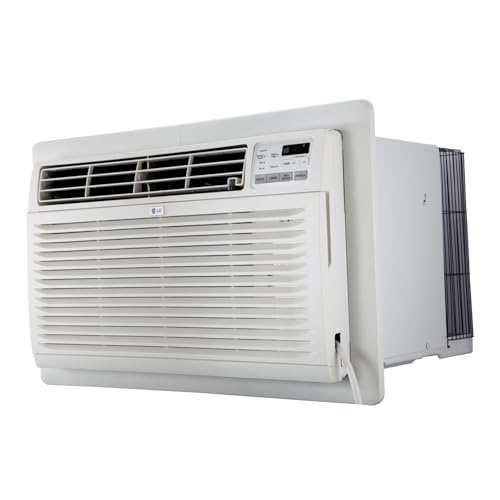
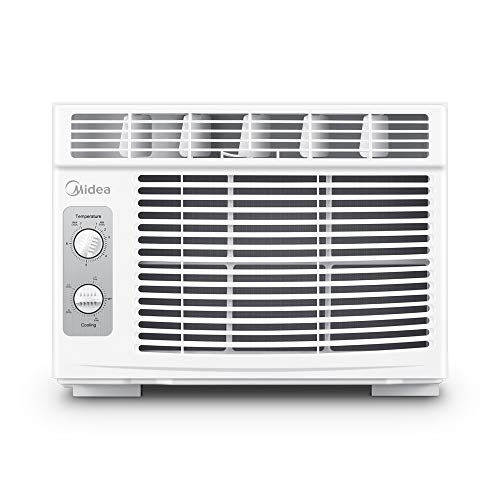
Our Top Picks
 Coolblus 12000 BTU Portable Air ConditionersCool Up to 550 Sq.Ft14 x 13.3 x 27.5 inches30 poundsCheck on Amazon


What's inside
- What Easy Maintenance Actually Means for a Cottage Owner
- Filters First: The Task You Will Do More Than Any Other
- Cleaning Coils and Cabinets Without a Service Call
- Self-Cleaning and Coil-Drying Features: Helpful, Not Magical
- Condensate: The Quiet Water Every System Must Move
- Window Units: The Simplest Machines to Live With
- Portable Units: One Cabinet, Several Small Chores
- Mini-Split Systems: More Parts, Surprisingly Light Routine
- Central Systems: Powerful, Hidden, and Easy to Forget
- Parts, Consumables, and How Long Things Actually Last
- A Seasonal Calendar for Cottages That Close
- Matching the Machine to the Household That Maintains It
- Troubleshooting Without Tears: Reading the Early Warnings
- Check prices on Amazon
- Small Habits That Make Any System Feel Effortless
As an Amazon Associate I earn from qualifying purchases. This post may contain affiliate links at no extra cost to you.
Cottageverdict keeps its field notes and upkeep guides going with support from readers: when a purchase follows one of our outbound retailer links, a modest commission may come back to the site, and that support never changes what a cottage household pays at the till.
What Easy Maintenance Actually Means for a Cottage Owner
The Real Cost Is Your Time, Not the Spare Parts
When people ask which air conditioner is easiest to maintain, they rarely mean the machine with the fewest screws. They mean the one that asks the least of them across a whole season: a filter that slides out without a stepladder wrestling match, a drain that never quietly clogs in August, a coil that can be rinsed rather than scrubbed, and a control panel that explains a fault in plain language instead of blinking a code nobody wrote down. Maintenance effort is measured in minutes per month, in trips up a ladder, in whether a job needs a second pair of hands, and in whether the task can be done on a Friday evening when you arrive at the cottage rather than eating into Saturday morning.
Cottage ownership sharpens every one of those questions. A house that sits empty for two or three weeks between visits cannot be checked daily, so small neglect compounds silently. Dust loads a filter faster in a property near a gravel road. Pollen drifts through screens during the very weeks nobody is there to notice. A condensate line that drains perfectly in June can grow a slime plug by late July, and the first sign of trouble is a stain on the ceiling below. Choosing equipment for low upkeep is therefore less about convenience and more about resilience: the best system is the one that forgives a missed week without punishing you for it.
There is also the question of who does the work. In a year-round home, a service contract spreads professional visits across the calendar. At a cottage, many owners handle routine care themselves and call a technician only for refrigerant, electrical faults, or a compressor that has given up. That division of labour should shape the purchase. A machine whose routine tasks sit within confident DIY reach, and whose deeper tasks are standard work for any local technician, will cost less attention over a decade than a clever model that needs a brand specialist to perform even basic cleaning.
Five Maintenance Burdens Worth Comparing Before You Buy
Every air conditioner, whatever its shape, imposes the same five recurring burdens. First, the air filter must be cleaned or replaced, because a clogged filter strangles airflow and forces the whole system to work harder. Second, the indoor coil and blower collect a film of dust and moisture that needs periodic attention. Third, condensate — the water wrung out of humid air — must be collected and carried away reliably, litre after litre, all summer. Fourth, the outdoor side must shed heat through fins that clog with seeds, grass, and insects. Fifth, moving parts, seals, and controls age, so someone must notice wear before it becomes failure. Models differ enormously in how gracefully they handle each burden.
A useful way to compare is to ask, for each burden, three questions. Can I reach it without tools or dismantling? Can I tell at a glance whether it needs attention? And what happens if I am late — does performance sag gently, or does water end up somewhere it should never be? Window units tend to score well on reach and badly on late forgiveness once their small drain paths block. Mini-split systems spread the burdens between an indoor head and an outdoor unit, which adds a location but rewards you with washable filters and generous drain options. Portable units concentrate everything in one cabinet, which sounds simple until you meet the water tank. Central systems hide most burdens in a closet or attic, out of sight and therefore out of mind, which is precisely their risk.
Keep those five burdens in mind as a checklist while reading the comparisons that follow. Marketing language tends to celebrate a single feature, such as a self-cleaning cycle, while staying quiet about the drain pan underneath. A genuinely low-maintenance machine is boring in the best way: every routine task is obvious, reachable, and tolerant of an imperfect schedule. That is the standard this guide applies to each type, with special attention to cottages that are opened in spring, lived in hard through summer, and closed again when the leaves turn.
Filters First: The Task You Will Do More Than Any Other
Tool-Free Access Is the Single Biggest Time Saver
The filter is the heartbeat of air conditioner upkeep. During heavy use it may need attention every two to four weeks, and in dusty or pet-friendly cottages the interval shrinks further. Because the task repeats so often, small frictions multiply: a grille that needs a screwdriver, a filter frame that flexes and jams, or an access panel positioned so the unit must be half-removed from the window will turn a two-minute job into a postponed job. The easiest designs let you grip a tab, slide the mesh out sideways or downward, rinse it under a tap, shake it dry, and slide it back before the kettle boils.
Window air conditioners usually lead here. Most place the filter directly behind the front grille, and many modern grilles hinge or lift away without tools. Mini-split indoor heads hide their mesh filters beneath a lift-up front panel; the motion is easy once learned, though the height of a wall-mounted head means a step stool joins the routine. Portable units vary the most — some offer a washable panel that pops off the back, others bury a filter behind screws because the cabinet was designed for the showroom rather than the broom cupboard. Central systems use a filter slot at the air handler or a return grille, and the job is simple if the slot is in a hallway closet and genuinely annoying if it sits in a hot attic.
Ask about filter size and shape before buying, not after. Standard rectangular sizes are stocked everywhere, from hardware stores to the general store in the nearest village, while an odd proprietary shape may need ordering and waiting. Washable mesh filters reduce the shopping burden entirely and suit cottage rhythms well, since a rinse at the outdoor tap becomes part of the arrival routine. Whichever style you choose, write the size on a card and tape it inside a kitchen cupboard; future you, standing in a store aisle in July, will be grateful.
How to Tell a Filter Is Due Without a Reminder Light
Many units include a filter reminder light, and it is worth having, but the light usually counts compressor hours rather than measuring dirt. A cottage near a pine forest during pollen season can load a filter long before the timer speaks. Learn the physical signs instead. Hold the mesh up to a window: if light struggles to pass and the surface looks felted, it is due regardless of the calendar. A system that runs longer to reach the same temperature, or one whose supply air feels weaker at the grille, is often simply asking for a clean filter. Ice on the indoor coil, paradoxically, can also trace back to starved airflow from a neglected filter.
Build the check into an existing habit rather than creating a new chore. Many cottage owners pair the filter glance with watering plants on arrival, or with the Sunday tidy before departure. Leaving a spare clean filter in a labelled bag beside the unit removes the drying wait entirely: swap, rinse the dirty one at leisure, and let it dry for next time. That tiny system, costing almost nothing, is what separates households that find upkeep effortless from those who experience the same machine as a burden. Ease of maintenance is partly the equipment and partly the routine wrapped around it, and the wisest buyers choose equipment that makes a simple routine possible.
Cleaning Coils and Cabinets Without a Service Call
The Indoor Coil: Dust, Moisture, and a Gentle Touch
Behind the filter sits the evaporator coil, a dense stack of thin aluminium fins threaded with cold tubing. Air passing through leaves behind whatever the filter missed, and because the coil is wet during operation, dust sticks and compacts into a mat that insulates the very surface meant to exchange heat. Symptoms arrive gradually: cooling weakens, run times lengthen, and a faint musty smell greets you when the fan starts. Owners can prevent most of this with a soft brush and a vacuum crevice tool used gently along the fin direction, never across it, because bent fins close the air passages they are meant to open.
Access decides how realistic that job is. Window units expose their coil once the front and sometimes the outer case are removed, which is a workbench job best done during spring opening or autumn closing rather than mid-season. Mini-split heads open like a clamshell on many designs, revealing filters and part of the coil, though the blower wheel deep inside usually remains a technician task. Portable units offer the least access of all; their coils hide inside a sealed cabinet, and owner care is mostly limited to keeping the filters honest so the coil stays clean by proxy. Central air handlers sit between the two extremes, with panels that open to reveal the coil for inspection, brushing, and professional foaming cleans when needed.
Proprietary cleaning sprays promise a shortcut, and a no-rinse coil cleaner used sparingly has its place, but cottages teach restraint. Fragranced products linger in a small sleeping space, and excess foam can overwhelm a modest drain. Plain water, patience, and prevention outperform chemistry for routine care. The owners who report the least coil trouble share a pattern: filters cleaned on schedule, doors kept closed during dusty work like sanding or mowing near intakes, and a professional deep clean every few seasons rather than emergency calls in heat waves.
The Outdoor Side: Fins, Fans, and Flying Seeds
The outdoor half of any system must reject the heat collected indoors, and it does so through another finned coil wrapped around a fan. That coil lives in the weather, so it collects cottonwood fluff, dandelion clocks, grass clippings, spider webs, and the fine dust that rises from unpaved lanes. A gentle rinse from a garden hose, directed from inside outward where access allows, restores airflow in minutes. The emphasis belongs on gentle: a pressure washer can fold fins flat in a single careless pass, turning a ten-minute rinse into a combing job or a condemned coil.
Placement shapes this burden more than brand does. A condenser tucked beneath a deck where clippings rain down will need rinsing far more often than one standing on a pad in open air with a clear margin around it. Keep shrubs trimmed back to the clearance the manual specifies, and resist storing firewood, kayaks, or recycling bins against the unit over winter. For window units, the outdoor fins are simply the back of the box; a soft brush and hose rinse during the autumn removal, or in place for fixed installations, keeps them honest. Mini-split outdoor units share the central condenser routine almost exactly, with the addition of checking that the wall brackets and line-set insulation have survived the winter intact.
Cottages add one more outdoor consideration: wildlife. Mice and chipmunks view a quiet condenser cabinet as sheltered real estate during the closed season, and their nesting material can jam a fan or chew insulation. A breathable cover, a quick spring inspection before the first start, and a habit of spinning the fan blade by hand — with power off — to confirm it moves freely will catch most surprises. None of this is difficult, which is the point: the easiest systems to maintain are the ones whose outdoor needs reduce to a rinse, a glance, and a clear patch of ground.
Self-Cleaning and Coil-Drying Features: Helpful, Not Magical
What Self-Clean Cycles Actually Do
Many mini-split systems and a growing number of window units advertise a self-clean function, and it is worth understanding precisely what the term covers. In most implementations, the cycle works on the indoor coil after cooling stops. Some designs briefly freeze moisture on the coil and then thaw it, using the meltwater to flush loosened dust into the drain. Others simply keep the indoor fan running at low speed for a period after shutdown, blowing air across the coil until its surface dries. A few add a short high-temperature stage on premium models. Each approach attacks the same enemy — a coil that stays damp and dirty between runs — but they differ in thoroughness, and none of them cleans the filter, the drain pan, or the blower wheel for you.
The drying approach deserves special respect in cottage service. A coil that dries promptly after each run gives mould and bacteria far less opportunity to colonise the fins, and it reduces the stale smell that greets owners when a system restarts after quiet days. If you are comparing two otherwise similar mini-splits, the one whose fan continues briefly after the compressor stops, or that offers an explicit coil-dry mode you can leave enabled, will usually smell fresher and need deep cleaning less often. Treat headline self-clean claims as a supporting feature rather than a headline reason to buy, and ask what exactly the cycle cleans, how long it runs, and whether it starts automatically or needs a button press you will forget by August.
Where Automation Stops and Ownership Continues
Automation can lull cottage owners into skipping the basics, so it helps to draw the boundary clearly. No self-clean cycle inspects a condensate drain for the slime that blocks it. No automatic mode notices a filter that has gone felted with pollen, a condenser buried under seed fluff, or rodent damage inside a cabinet. The features genuinely reduce one category of work — keeping the indoor coil cleaner and drier between professional visits — and that reduction is valuable, particularly in humid regions where coils stay wet for months. But the five burdens from earlier still apply; automation lightens the second and leaves the rest to you.
There is a seasonal wrinkle as well. Self-clean and drying cycles need power, and many cottages are fully shut down in winter with the breaker panel off. That is fine — a clean, dry system stored without power stays clean — but it means the last run of autumn matters. Before closing, run the fan or drying mode long enough to leave the coil dry, clean the filters one final time, and only then cut power. In spring, reverse the courtesy: inspect first, start the system, and let the self-clean cycle do its work after you have done yours. Machines forgive owners who bookend the season thoughtfully, and punish, with smells and stains, those who simply lock the door in September and hope.
Condensate: The Quiet Water Every System Must Move
Drains, Pans, Pumps, and the Slope That Matters
Cooling humid air produces water continuously, and on a muggy day a modest system can wring out many litres between breakfast and bedtime. That water lands in a drain pan and must travel, usually by gravity, through a tube to somewhere harmless. The entire arrangement sounds foolproof until you meet the realities: pans are shallow, tubes are narrow, and the slime that grows in warm standing water is patient. Ease of maintenance, for condensate, means a pan you can see and wipe, a tube you can flush, and enough slope that water never loiters. A fall of roughly a centimetre or two across each metre of run keeps things moving; flat or sagging sections invite trouble.
Window units handle condensate in their own compact way, using the slinger ring on the fan to splash collected water onto the hot outdoor coil, which boosts efficiency and evaporates much of the flow. The remainder exits through a small drain hole at the rear, which is why the unit must tilt very slightly toward the outside. Owners get into trouble when they level a unit perfectly for looks, or when the drain hole plugs with debris and the pan quietly fills until it finds an indoor path. The maintenance ask is tiny — confirm the tilt, keep the rear hole clear, and check the sill for staining — but it must actually happen, ideally at installation and again mid-season.
Mini-split and central systems route condensate through a dedicated line, often with a small pump where gravity cannot do the job, such as a basement air handler or a head mounted below the drain exit. Pumps add a part that can fail, yet they also add freedom of placement, and modern pumps are compact and long-lived when the line is flushed annually. Whichever arrangement you have, learn its route the way you learn a cottage’s plumbing: where the water enters, where it exits, and where you would pour a jug of clean water to test the path. That knowledge converts a potential ceiling stain into a five-minute check.
The Mid-Season Flush That Prevents Most Water Damage
If this guide could impose one habit on every cottage owner, it would be the mid-season drain flush. Sometime in high summer, locate the condensate line’s access point — many installers fit a capped tee near the indoor unit for exactly this purpose — and pour through a slow jug of clean water, watching it emerge at the outdoor end. Some owners add a small amount of plain white vinegar during spring opening to discourage slime, then flush with clear water; the point is flow, not chemistry. If the water backs up, a gentle wet-vacuum pull from the outdoor end usually clears the plug without dismantling anything.
Portable units complicate the picture because many collect condensate in an internal tank or evaporate it through the exhaust hose, with a continuous-drain option via a short tube. In humid weather the tank can fill faster than expected, and most machines simply stop and display a full-tank warning — a safe behaviour that feels like a failure when it happens at midnight in a guest room. Models that evaporate most moisture through the hose reduce the chore substantially, though a backup drain still deserves a monthly glance. When comparing options like those in our guide to best 12000 btu portable air conditioners, weigh the condensate arrangement as heavily as the cooling capacity, because water handling is the chore that defines portable ownership.
Finally, give condensate somewhere dignified to land. A drain line that drips against a foundation, across a deck step, or into a window well creates slip hazards, algae films, and eventually masonry damage. Extend the outlet to a gravel patch or planting bed, keep the opening visible so you can confirm dripping during operation, and check that insects have not nested in the end. A system whose water story is visible and verifiable is, by definition, easier to maintain than one whose drainage disappears into a wall and asks to be trusted blindly.
Window Units: The Simplest Machines to Live With
Why Generations of Cottage Owners Keep Choosing Them
The window air conditioner endures at cottages for a maintenance reason as much as a price reason: the whole machine is one box you can see, reach, remove, and store. Every routine task — filter rinse, coil brush, drain check, fin rinse — happens on that single box, often on a workbench or picnic table where light is good and nothing requires a ladder. When a unit finally wears out, replacement is an afternoon of lifting rather than a booked installation, and the failed unit leaves with you instead of waiting for a contractor’s schedule. For a seasonal property hours from the nearest service depot, that self-sufficiency has real value.
Smaller capacities suit the way cottages are actually cooled, room by room, as needed. A compact unit for the main bedroom asks almost nothing across a season: its filter is small enough to rinse in a bathroom sink, and the whole machine can be carried by one person at closing time. Mid-size rooms step up in capacity to the broader family in best 10000 btu window air conditioners, and the maintenance story barely changes — the box grows heavier, the filter larger, the routine identical. That sameness is a feature. Learn one window unit and you have learned them all.
The Honest Weaknesses: Weight, Seals, and Storage
Ease has its friction points. Larger window units are heavy and awkward, and the seasonal lift in and out is the single most dreaded task in their ownership — a job for two people, gloves, and a plan for where the unit lands. Side panels and foam seals compress and tear over years, so a small kit of replacement weatherstripping belongs in the cottage cupboard. Screens and sashes suffer when installation is rushed; taking twenty unhurried minutes to seat and seal the unit properly in spring prevents both air leaks and the water misdirection that stains sills.
Storage discipline decides winter outcomes. A unit removed in autumn should be cleaned before it goes away, not after: filter rinsed, coils brushed, pan dried, and the cabinet wiped so it does not spend five months marinating in its own dust. Store it upright, indoors if possible, with the cord loosely coiled and the remote — batteries removed — taped in a bag to the grille. Owners who follow that ritual report spring start-ups that smell like nothing at all, which is the highest compliment a stored air conditioner can earn. Owners who skip it meet the stale odour in June and spend a weekend doing in the heat what an hour in October would have handled.
Portable Units: One Cabinet, Several Small Chores
The Hose, the Tank, and the Filter Behind the Panel
A portable air conditioner promises maintenance simplicity because nothing is installed, yet the chores simply change costume. The exhaust hose and its window kit need checking for cracks and gaps each season, because a leaking hose quietly returns hot air to the room and lengthens run times. The intake filters, often two panels on the rear or sides, clog faster than owners expect since the machine sits at floor level where dust, pet hair, and cottage grit circulate. Casters collect string and hair around their axles. None of these tasks is hard; their risk is invisibility, since the machine keeps cooling, a little worse each week, while nobody thinks to look behind it.
Water remains the defining chore, as discussed earlier. Even strongly self-evaporating designs keep a residual tank or drain for humid spells, and the owner who knows where that drain plug sits — and owns a shallow tray that fits beneath it — experiences draining as a two-minute task. The owner who discovers the plug at midnight, kneeling with a baking dish and a torch, experiences the same design as a betrayal. Read the manual’s drainage pages before the first hot weekend, not during it, and practise one dry run of the draining routine while the tank is empty and the stakes are zero.
Rolling Storage and the Off-Season Routine
Where portables genuinely shine is the closed season. The unit unhooks from the window kit, rolls to a cupboard or corner, and asks only for a cleaned filter, an emptied and dried tank, and a loose cover against dust. No outdoor half weathers the winter, no line-set insulation faces the mice, and no ladder work waits in spring. For cottages in regions where cooling is needed for a handful of weeks rather than a full summer, that compact storage footprint can outweigh the type’s modest efficiency. The maintenance ledger is short and entirely indoors, which owners who arrive to a cold building in May particularly appreciate: set up, rinse the filter, and the machine is ready before the kettle.
Durability questions centre on the hose and the controls. Hoses embrittle after years of heat cycling, so inspect the corrugations each spring and expect eventual replacement. Keep the remote and the window panels together in one labelled bag; the classic portable-unit failure at cottages is not mechanical at all but a missing slider panel discovered on the hottest Saturday of the year. A machine whose parts stay together, whose filters pull free without screws, and whose drain you have rehearsed will feel easy. One missing any of those traits will teach you patience you did not ask to learn.
Mini-Split Systems: More Parts, Surprisingly Light Routine
Two Locations, One Short Checklist
A ductless mini-split divides the machine between a quiet indoor head and an outdoor condenser, and owners sometimes assume two locations mean double the upkeep. In practice the routine stays short. Indoors: lift the front panel, slide out the mesh filters, rinse and dry them, and wipe the vanes and casing with a soft cloth. Outdoors: rinse the coil, clear vegetation, and glance at the line-set insulation and drain outlet. The refrigerant circuit itself is sealed and needs no owner attention at all — there is nothing to top up on a schedule, and any system that genuinely loses charge has a leak that belongs to a technician, not a calendar.
The indoor head’s height is the one ergonomic tax. Filters sit above head level by design, so a stable step stool becomes part of the kit, and owners with limited mobility should weigh that honestly. In return, the head’s filters are usually generous in area and slow to clog, and many designs add a secondary screen for finer dust that rinses just as easily. The class surveyed in best 9000 btu split system air conditioners shows the pattern clearly: nearly every model asks for the same lift, slide, rinse, and replace motion, which makes the chore easy to hand over to a cottage-sitter or a grown-up grandchild with a thirty-second briefing.
The Blower Wheel and the Case for an Occasional Professional Clean
Deep inside the indoor head, a long cylindrical blower wheel turns for thousands of hours in damp air, and its blades slowly accumulate a coating that filters cannot prevent. The signs are a faint odour at start-up, a whisper of reduced airflow, and eventually visible darkening when you shine a torch into the outlet. Cleaning that wheel properly means partial disassembly, protective sheeting, and care around electronics — a legitimate technician job every few seasons in humid climates, less often in dry ones. Budget-minded owners sometimes attempt it with kits and patience, but the honest dividing line of mini-split maintenance is here: everything routine is yours in minutes, and this one deep task is periodic and professional.
That division is exactly why mini-splits rank so highly for cottages despite their complexity. The sealed system is exceptionally durable, with compressors that commonly serve for many seasons when the outdoor unit breathes freely and the filters stay clean. There are no ducts to leak, no single large filter to forget in an attic, and zoning means an unused guest wing need not be cooled or maintained as living space. Add the coil-drying behaviour discussed earlier, and the mini-split asks for the least frequent attention of any fixed system — provided the installation was done well, with a drain route that respects gravity and a condensate line you can actually reach to flush.
Central Systems: Powerful, Hidden, and Easy to Forget
The Filter Slot Decides Whether Upkeep Happens
Central air conditioning serves a whole cottage evenly and invisibly, and its maintenance burden is the smallest per room of any type — one filter, one outdoor condenser, one drain line. The catch is that everything lives out of sight. A filter in a hallway return grille gets changed because people walk past it; a filter in an attic air handler gets changed when someone remembers, which at a seasonal property may mean a year late. A clogged central filter does not merely reduce comfort — it can starve the coil, invite icing, strain the blower motor, and quietly raise running costs across an entire summer of weekends.
If your cottage has central cooling, do three things to make its upkeep cottage-proof. First, standardise on one filter size and keep a full season’s supply at the property, stored flat near the slot. Second, write change dates on the filter frame itself with a marker, so the evidence is visible rather than remembered. Third, pair every filter change with the condensate check, since the air handler’s drain pan and trap sit nearby and share the same forgetfulness risk. A primed trap matters after long idle periods too: a dried-out trap can let air bypass and drainage misbehave at the first start of the season, and a cup of water poured in during spring opening restores order.
Ducts, Registers, and the Slow Accumulation You Cannot See
Ductwork asks little but not nothing. Registers and returns collect dust that a vacuum brush handles during ordinary cleaning, and flexible duct runs in attics or crawl spaces deserve a visual inspection each spring for sagging, disconnected joints, or insulation that wildlife has rearranged. Leaking ducts in a hot attic waste cooling you paid to make, yet the fix is often as simple as reseating a connection and resealing it with proper mastic tape. What ducts rarely need, despite enthusiastic marketing, is frequent internal cleaning; undisturbed, intact ductwork is not a routine chore, and owners should be sceptical of anyone selling it as one.
The outdoor condenser of a central system follows the same rinse-and-clear routine as a mini-split’s, scaled slightly larger. Because central systems often serve bigger cottages with longer seasons, an annual professional visit earns its keep here more than with any other type: refrigerant pressures verified, electrical connections checked, capacitors and contactors inspected before they fail on the hottest weekend, and the coil cleaned beyond what a hose achieves. Think of it as the one scheduled appointment that protects all the unscheduled weekends. For owners comparing whole-property approaches for compact seasonal homes, that single predictable visit is part of the type’s appeal — the burden is concentrated, professional, and brief.
Parts, Consumables, and How Long Things Actually Last
Filters, Remotes, Hoses, and Other Small Things That Stop a Weekend
Ask experienced cottage owners what has actually ruined a hot weekend and the answers are rarely dramatic. A remote with corroded batteries and no spare. A portable’s window panel left at the main house. A filter frame cracked during a rushed rinse, leaving the unit to run unfiltered or not at all. A drain tube split where it bends through a wall. These small consumables and accessories are the true front line of maintainability, and the easiest systems to own are those built from common, standardised, replaceable bits rather than unique moulded parts that must come from one warehouse in another time zone.
Before buying, spend ten minutes investigating the boring questions. Are replacement filters a standard size stocked by general retailers, or a proprietary cartridge? Is the remote a common model, and can the unit be fully controlled from its own panel if the remote vanishes? Are portable hoses and window kits sold separately as spares? Do window-unit side curtains come as a replaceable pair? A brand with a deep parts catalogue and a long presence in the market is quietly making a maintenance promise: that in year nine, the small plastic thing you need still exists. That promise matters more at a cottage, where improvisation supplies are a boat ride or a long drive away.
Expected Service Lives, Stated Honestly
Service life varies with climate, use, and care, but fair expectations help planning. Window units commonly serve somewhere in the range of eight to ten seasons of cottage use, often longer when stored indoors and cleaned faithfully, because their hours accumulate slowly at a seasonal property. Portables tend to live a little shorter, with hoses, casters, and tanks ageing alongside the refrigeration parts. Mini-split and central systems are the long-distance runners, frequently reaching well beyond a decade and often toward fifteen years or more when installed correctly and given their modest routine care, though controls and fans may need attention along the way.
Notice the pattern: the systems with the longest lives are not the ones with the least maintenance, but the ones whose maintenance is simplest to keep doing. A mini-split that gets rinsed filters and a clear condenser outlasts a neglected one by years, and the same holds for a central system whose filter actually gets changed. Longevity is less a property of the badge on the cabinet than of the match between the machine’s demands and the owner’s real habits. Buy the system whose routine fits the way your household already behaves at the cottage, and the years tend to take care of themselves.
Manuals, Labels, and the Value of a Paper Trail
One underrated maintenance feature costs manufacturers almost nothing: documentation that survives. A model whose manual lists filter dimensions, drain locations, and fault codes in plain language will be easier to live with in year seven than a rival whose booklet vanished during the first move. Photograph the rating plate of any new unit, with its model and serial details, and keep the picture with your cottage records alongside the manual’s digital copy. When a part is needed or a technician asks questions over the phone, that photograph answers in seconds what memory cannot. Owners of older cottages, where equipment from several eras may share one roof, find this habit quietly transforms every service conversation that follows.
A Seasonal Calendar for Cottages That Close
Spring Opening: Inspect Before You Switch On
Opening weekend sets the tone for the whole cooling season, and the air conditioner’s share of it takes under an hour. Begin outside: remove covers, clear leaves and nesting material from the condenser, confirm the fan spins freely by hand with power off, and rinse the coil if last autumn’s seeds are still lodged in it. Move indoors to rinse or replace filters, wipe grilles, and check the condensate route end to end, pouring water through the line to watch it emerge outside. Only then switch on, run the system for twenty minutes, and walk the property listening and looking — dripping where dripping belongs, no new rattles, no musty blast from the registers that suggests a winter surprise inside.
Spring is also paperwork season, in the lightest sense. Note the filter size and the date of this first service on the card inside the cupboard. Check the spare filter supply and the battery drawer. If a professional visit is part of your pattern — wise for central and mini-split systems — book it now, before the regional rush that arrives with the first heat wave, when the same technicians become the busiest people in the county. Owners who treat opening weekend as inspection time rarely meet their air conditioner again as an emergency; the relationship stays pleasantly boring, which is the goal.
Mid-Summer and Closing: The Two Short Appointments
Mid-summer asks for the smallest visit: filters glanced at and rinsed if loaded, the drain flushed as described earlier, the outdoor coil checked after seed and pollen season, and a hand run along window-unit seals for gaps that whistle. Fifteen unhurried minutes, ideally attached to an existing chore like the mid-season supply run. This is also the moment to notice slow changes — a system that runs a little longer than it did in June, a faint odour at start-up, a drain that drips sluggishly — while they are still observations rather than repairs.
Closing reverses opening with one addition: leave everything dry. Clean the filters a final time, run the fan-only or coil-dry mode until the indoor side is no longer damp, empty and dry portable tanks, and let window units sit open to the air for a few hours before they are covered or carried to storage. Cut power at the breaker for fixed systems if that is your cottage’s winter pattern, and leave a note of what was done, dated, where the next opener will find it. The household that inherits your closing routine — even if it is simply you, six months later, memory faded — will open faster and cooler for it. Seasonal properties reward written habits because the gaps between visits are long enough for the best intentions to evaporate.
Matching the Machine to the Household That Maintains It
Questions to Ask in the Shop and in the Mirror
The easiest air conditioner to maintain is not a universal title; it belongs to whichever machine’s routine matches a particular household’s hands, habits, and building. Start with the mirror questions. Will someone actually climb a step stool monthly, or should every routine part live within reach of the floor? Is there a utility sink or outdoor tap where filters can be rinsed without a production? Does the cottage have a dry cupboard for a stored window unit or portable, or must equipment winter where it sits? Are you present most weekends, or does the property sit empty through the dampest months? Honest answers narrow the field faster than any specification sheet.
Then ask the shop questions, manual in hand — reputable sellers expect them. Show me how the filter comes out. Where does the water go, and how would I clear that path? What does the self-clean cycle actually clean, and does it run on its own? Which parts wear out first, and are they stocked as spares? What error codes can this panel show, and is there a plain-language list of them in the book? A model whose answers arrive quickly and physically — demonstrated, not described — is telling you something true about its design priorities. Machines designed for owners behave well in this interview; machines designed for brochures change the subject.
A Short Verdict for Each Type, Without Favourites
Weighed purely on upkeep, the four families settle into a clear pattern. Window units demand the least knowledge and forgive the most improvisation, at the cost of seasonal lifting and seal care. Portables ask for the most frequent small attentions — filters, hose, water — yet store away to nothing and never involve a ladder or an outdoor half. Mini-splits stretch the intervals between tasks the furthest and reward owners with the longest service life, while reserving one deep-clean job for a professional every few seasons. Central systems concentrate nearly everything into a filter habit and an annual visit, which suits larger cottages and owners who prefer appointments over routines.
Energy behaviour threads through all of this, because a clean machine is an efficient machine: every comparison in best air conditioners for energy saving quietly assumes filters, coils, and drains are being kept as this guide describes. A neglected unit of any type will use more power to deliver less cooling, which is why maintenance belongs in efficiency conversations rather than after them. The cheapest season, in both money and effort, belongs to the household whose equipment stays clean enough that it never has to strain — another way of saying that easy maintenance and low running cost are the same purchase decision viewed from two sides.
Troubleshooting Without Tears: Reading the Early Warnings
Weak Cooling, Odd Noises, and Water Where It Should Not Be
A low-maintenance system is also one that complains early and clearly, and owners who learn its vocabulary rarely face a sudden failure. Weak cooling with strong airflow usually points outward, toward a condenser coil matted with seeds or a garden that has grown too close. Weak airflow with decent cooling points inward, toward the filter and the indoor coil. Ice appearing on lines or fins tells a story of starved airflow or a system working against a closed register, and the correct response is to switch off, let everything thaw fully, clean what can be cleaned, and only then restart — running an iced system harder only deepens the freeze.
Noises carry information too. A new rattle at a window unit is often a loose grille or a cabinet screw that seasonal removal has worked free. A gurgling at a mini-split head can mean the condensate line is struggling, while a clicking from a central air handler that repeats without the blower starting belongs to the professional category. Water is the least ambiguous messenger: a drip from anywhere other than the outdoor outlet deserves same-day attention, because condensate always finds the next easiest path, and that path is usually through a ceiling or into a wall cavity. The habit that protects cottages is simple — investigate the first appearance, not the fifth.
Knowing Where Your Responsibility Ends
Part of easy ownership is a bright line between your tasks and a technician’s. Sealed refrigerant circuits, internal electrics beyond a breaker reset, compressor faults, and control-board failures are professional territory in every system type, and attempting them without training risks both the machine and the person. Everything in this guide — filters, accessible coils, drains, seals, outdoor rinsing, observation — sits safely on the owner’s side. Keeping a trusted technician’s number on the same cupboard card as the filter size closes the loop: routine care stays yours, rare failures have a destination, and no hot weekend is spent searching for help from first principles.
Check prices on Amazon
Live listings for the shortlist in this guide are pulled from Amazon below, so prices and availability are always current at the moment you look.


Small Habits That Make Any System Feel Effortless
The Cupboard Kit and the Arrival Routine
Assemble one small kit and keep it where the filters live: a soft brush, a spare filter, spare remote batteries, a short length of replacement weatherstripping, a jug marked for drain flushing, and the instruction card with sizes and dates. The kit converts maintenance from a scavenger hunt into a single motion, and at a cottage — where the nearest shop may be a Saturday-only hardware store — that conversion is worth more than any single product feature. Review the kit each spring the way you review the first-aid box, replacing whatever the previous season consumed.
Fold the checks into arrival rather than scheduling them as events. While the cottage airs out and the water system pressurises, rinse the filter if the last visit’s note says it is due. While the kettle heats on a mid-summer morning, pour the drain flush. While closing up in autumn, run the drying cycle as you sweep. Tasks attached to rituals survive; tasks attached to intentions quietly expire somewhere around the third busy weekend. This is the unglamorous secret shared by every owner who describes their air conditioner as no trouble at all — the machine is ordinary, but the routine around it has been made nearly automatic.
Choose the machine whose handful of tasks you can picture yourself doing on a tired Friday evening, keep its small kit stocked, and let each season’s opening and closing carry the rest — that is the whole recipe, and the cottage that follows it will greet you cool, dry, and faintly smelling of nothing but the lake air outside.