Our Top Picks
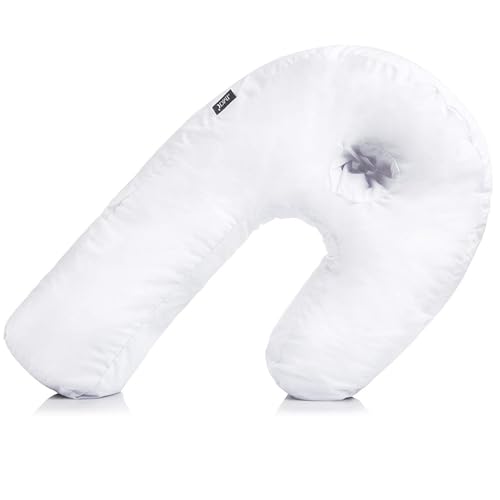 DMI U-Shaped Side Sleeping Pillows For Neck And1 Count (Pack of 1)30 x 20 x 6 inches1 poundsCheck on Amazon


What's inside
- How the V geometry supports the back, neck and arms
- Sitting up in bed for reading and television
- Feeding and holding a baby with steadier arms
- Recovery after surgery and periods of enforced rest
- Reflux, congestion and sleeping at an incline
- Fill types and what each one feels like by midnight
- Covers, fabrics and the laundry reality
- Sizing the cushion for your bed and your body
- How a V pillow differs from wedges and long body pillows
- Keeping the shape, washing well and knowing when to replace
- More ways households put the shape to work
- Troubleshooting the complaints owners mention most
- Materials, sustainability and buying for the long term
- Matching the cushion to five familiar reader profiles
- Pairing the cushion with headboards, bedding and bedside habits
- Seasonal adjustments that keep the cushion comfortable all year
- Check prices on Amazon
- A calm checklist before you choose
As an Amazon Associate I earn from qualifying purchases. This post may contain affiliate links at no extra cost to you.
This guide draws on manufacturer specifications, printed care documentation and patterns gathered from owner feedback, and some links on this page may earn a commission that helps fund further guides without changing the guidance itself.
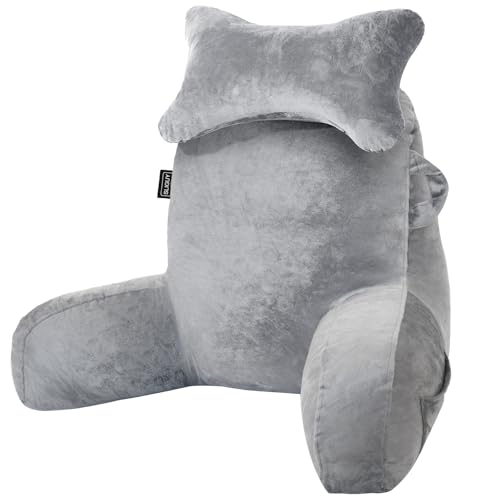
A V shaped pillow looks simple at first glance, yet that single bent silhouette solves a cluster of problems that ordinary rectangular pillows handle badly. Two arms descend from a central point, and the sitter, reader or feeder settles into the notch where those arms meet. The point rests behind the shoulders or beneath the head, while each arm travels forward along the ribs, giving the elbows somewhere supported to land. Because support arrives from three directions at once, the upper body stops doing quiet corrective work that normally builds into aching shoulders by evening.
People usually discover this design through one doorway and then keep finding other rooms where it helps. A reader who props herself against a headboard notices her neck no longer folds forward after twenty pages. A new parent realises the same cushion that steadied a midnight feed also steadies a laptop during morning messages. Someone home from hospital, instructed to rest semi-upright, finds the angled back far kinder than a teetering stack of bed pillows that slides apart at two in the morning. The shape earns its place through versatility rather than novelty.
Choosing well matters because V pillows differ more than their cheerful product photographs suggest. Arm length changes who the cushion fits, fill changes how firmly it holds a posture, and cover fabric changes whether it feels pleasant against bare skin during a long film. A model that delights a tall reader may crowd a smaller nursing parent, and a very lofty version can push a recovering sleeper too upright for comfort. This guide therefore treats selection as a matching exercise between one body, one bed and a handful of honest daily habits.
How the V geometry supports the back, neck and arms
Support begins at the apex, the pointed top where the two arms join above the central notch. When you lean back, that apex sits high between the shoulder blades or directly behind the neck, depending on how deeply you settle into the curve. Its job is anchoring: it stops the cushion migrating sideways and gives the spine a centred reference to rest against. A rounded, generously filled apex feels like a headrest, whereas a flatter apex behaves more like a wedge and suits people who dislike pressure behind the skull.
From the apex, each arm angles downward and forward, and that diagonal line is the clever part of the whole design. A straight bolster supports one horizontal band of the body, but the diagonal arms meet the back, the ribcage and the forearms in sequence as they travel. Your lower back receives contact low on the arm, your shoulder receives contact higher up, and your elbow eventually rests on the padded length beside your hip. Load spreads across a long path instead of concentrating at one pressure point, which explains why long reading sessions feel easier.
The notch between the arms deserves attention because it determines how the cushion treats your neck. A deep notch cradles the head and lets the shoulders rise on either side, a feeling many side-leaning readers love during chapter breaks. A shallow notch keeps the head higher and the chin level, which suits television viewing where the gaze travels straight ahead toward a screen. Neither profile is universally better, and shoppers should picture their favourite evening posture before deciding which curve sounds familiar.
Arm thickness changes the experience just as much as arm length does. Thick arms lift the elbows noticeably, bringing a book or phone closer to eye level without the hands having to hold that height unaided. Slimmer arms tuck closer to the body and leave more mattress width free, an advantage on narrower beds where a partner also needs room. People with broader shoulders often prefer substantial arms because narrow ones can feel like they end before the support story is finished.
Sitting up in bed for reading and television
Reading in bed fails most often at the shoulders rather than at the eyes. Without structured support, the body slowly slumps, the book drops toward the lap, and the neck compensates by bending further than it enjoys. A V cushion interrupts that slide by holding the torso at a gentle recline and raising the forearms, so the book naturally sits higher in the visual field. Pages stay open against the padded arms, and turning them requires less regripping than balancing a hardback on raised knees.
Television viewing asks something slightly different from the same cushion. The viewer sits a fraction more upright, keeps the head level for a distant screen and stays in position through episodes rather than chapters. Here the apex height becomes decisive, because a point that pushes the head forward will tire the neck during a long film night. Shoppers who mainly watch television should favour a moderate apex and firmer fill, since the posture is static and the cushion must resist gradual sinking over hours.
Anyone comparing lounge cushions for this job will find overlapping advice in our guide to best bed reading lounge pillows, although the V format adds forearm support that backrest-only designs rarely provide. That forearm element sounds minor until you notice how much quieter the shoulders feel when elbows stop hovering. Knitters, sketchers and people who mend clothes in bed benefit for exactly the same reason, because both hands work in front of a supported lap. Even holding a warm mug becomes simpler when one arm of the cushion acts as a padded shelf.
Positioning technique extends the benefit considerably. Place the cushion with its apex against the headboard, sit close so your lower back actually contacts the curve, and only then arrange your ordinary sleeping pillow elsewhere for later. Gaps behind the lumbar region undo much of the good geometry, so a small rolled towel can fill any hollow during the first evenings while you learn the arrangement. Once the setup feels automatic, most people stop thinking about posture altogether and simply enjoy the chapter.
Lighting and reach complete the reading picture in ways cushion listings never mention. With elbows supported, a bedside lamp can sit slightly lower without casting your own shadow across the page. Spectacles, bookmarks and a glass of water stay within the calm radius the cushion creates around the torso. The bed stops feeling like a place where you fight gravity and starts behaving like a proper armchair that happens to be soft everywhere.
Feeding and holding a baby with steadier arms
Feeding a small baby is an endurance event disguised as a tender moment, and tired arms reveal that truth within the first week. The baby’s weight rests largely on one forearm, the other hand manages clothing or a bottle, and the parent’s shoulders creep upward as concentration replaces relaxation. A V cushion worn around the waist changes the arithmetic by taking the baby’s weight onto its padded arms, leaving the parent’s hands free to guide, soothe and adjust. The infant lies along one arm at a comfortable height while the other arm supports the parent’s own elbow.
Height alignment decides whether this arrangement genuinely helps or merely looks promising in photographs. Ideally the baby settles level with the parent’s chest without the parent hunching downward or hoisting upward, because either compensation defeats the cushion’s purpose within minutes. Parents with a longer torso often need a loftier fill or a folded blanket beneath the cushion during early weeks. Smaller parents sometimes find a very plump model lifts the baby too high, so a medium loft with some give usually serves the widest range of bodies.
Bottle feeding benefits from the same supported geometry, and partners who share night duties quickly learn why the cushion lives beside the bed. The feeder sits against the apex, cradles the bottle at a steady angle and can maintain that angle without wrist fatigue during a slow feed. Burping breaks become calmer too, since the baby can rest upright against the padded slope while a hand pats gently. Calm, repeatable positioning matters at three in the morning more than any decorative feature ever will.
Safety habits around feeding cushions deserve plain language. A V pillow supports the adult first and the baby only through that adult, so a baby should never sleep unattended on one or be left propped while the parent steps away. Feeding stays an attended activity with the infant held and observed, and the cushion returns to its adult duties once the feed ends. Covers on feeding cushions also meet milk, dribble and the occasional dramatic spill, which makes a removable washable cover close to non-negotiable for this household stage.
Beyond feeding, the cushion earns affection during the long holding hours that fill early parenthood. Babies who want contact while a parent answers messages, reads or simply rests tired legs can lie along a supported arm with the parent’s hand remaining present. Grandparents visiting for cuddles often find the extra structure reassuring, particularly when their own arm strength has faded. The pillow quietly redistributes confidence as much as weight during those visits.
Recovery after surgery and periods of enforced rest
Coming home from hospital frequently involves instructions to rest at an incline, keep a limb raised or avoid flat lying for a while. People improvise with sofa cushions and folded duvets, then discover that improvised towers collapse exactly when sleep finally arrives. A V cushion offers a stable semi-reclined base that can be recreated identically each evening, which matters when a healing body needs consistency more than variety. Its arms also give the hands a resting place that discourages rolling onto a tender side.
Shoulder, chest and abdominal procedures each create their own relationship with incline and arm position. After abdominal surgery, many people find that a supported semi-upright posture makes the journey from lying to sitting feel more manageable, because the arms of the cushion brace the elbows during that push upward. Anyone following a surgical team’s specific instructions should treat those instructions as the authority and use any cushion only within them. This guide describes comfort positioning in general terms, never a substitute for directions given by the clinicians who know the case.
Coughing, laughing and sneezing can feel daunting while stitches heal, and people often hug an ordinary pillow against the body for reassurance during those moments. The firmer arms of a V design can serve a similar bracing role while its back section keeps the torso raised. Keep essential items on the side your stronger arm favours, since the cushion’s width makes reaching across the body awkward. A small bedside table pulled close completes a recovery nest that asks very little movement from its occupant.
Elevation of legs is another quiet talent of this shape when it is turned and arranged thoughtfully. One arm placed beneath the calves can lift the feet during afternoon rest, while the rest of the cushion supports the back in its usual role on another occasion. People recovering from ankle or knee procedures often rotate the cushion through several jobs across a single day. That rotation also spreads wear across the fill instead of compressing one favourite spot into early flatness.
Recovery has an emotional texture that product pages rarely acknowledge, because weeks of restricted movement shrink a person’s world to a few rooms. A comfortable, reliable place to sit up, eat soup, receive visitors and watch daylight move across the garden helps that world feel chosen rather than imposed. The right cushion cannot shorten healing, yet it can make the hours of healing considerably more dignified. Families choosing one for a relative should prioritise easy washing and a cover texture that feels kind against skin made sensitive by inactivity.
Reflux, congestion and sleeping at an incline
Night-time reflux persuades many people to experiment with elevation, because lying completely flat can let a heavy evening meal announce itself unpleasantly. Raising the head and shoulders on a gradual slope is the usual comfort strategy, and a V cushion provides that slope while its arms discourage sideways sliding during sleep. The sleeper settles into the notch, the torso rests along the incline and the arms form soft boundaries that keep the arrangement coherent until morning. People who wake frequently to rebuild pillow stacks often appreciate this stability most.
Side sleeping on an incline is where the shape genuinely distinguishes itself from a plain wedge. A wedge lifts the body but leaves the downhill arm searching for somewhere to rest, whereas the V design gives that arm a padded ledge at a natural height. The upper shoulder can relax forward slightly onto the arm of the cushion, which many side sleepers describe as the difference between tolerating elevation and actually sleeping through it. Anyone with a medical condition governing their sleep position should follow their clinician’s guidance about angle and duration.
Congestion from seasonal colds creates a shorter, simpler version of the same need. A few nights spent slightly raised can make breathing feel easier while a stuffy head clears, and the cushion then returns to reading duty without complaint. Households often buy one during an illness and wonder afterwards how the bed ever functioned without it. Removable covers matter especially here, since a cushion used through a week of coughs deserves a thorough wash before resuming its evening career.
Snoring conversations enter many bedrooms alongside reflux, and partners sometimes hope an inclined position will soften the soundtrack. Elevation helps some sleepers and does nothing for others, so expectations should stay modest and experimental. Try the arrangement for a week, note how mornings feel and adjust the underlying sleeping pillow combination rather than blaming a single purchase. Comfort products reward patient tuning far more than instant verdicts.
Our companion guide to best support pillows wedges for tv viewing explores rigid incline designs in depth, and comparing the two formats clarifies what softness costs and buys. A V cushion compresses, moulds and hugs, while a wedge holds a fixed clinical angle regardless of the sleeper’s mood. People who value embrace choose the V, people who value an unchanging slope choose foam geometry, and some households eventually keep one of each for different seasons of life. Neither answer embarrasses the other.
Fill types and what each one feels like by midnight
Hollowfibre polyester remains the most common filling in this category, and its popularity rests on honest virtues rather than fashion. The fibres are springy, light and tolerant of frequent washing, so a cushion stuffed with them can travel between bedroom, nursery and sofa without feeling precious. Support from hollowfibre feels buoyant at first contact and gradually yields, which suits readers who shift position often. Its weakness appears over months of heavy leaning, when favourite sections can lose loft faster than the rest of the cushion.
Cluster fibre, a close relative, chops that polyester into small soft balls that move somewhat like down inside the case. A cluster-filled V pillow feels plumper and more mouldable, hugging the ribs instead of presenting a uniform wall of padding. Owners can shake fullness toward the apex or out toward the arm ends depending on the evening’s activity. People who dislike any hint of lumpiness should handle one in person where possible, because the texture divides opinion more sharply than standard hollowfibre does.
Shredded memory foam brings a slower, denser personality to the shape. Individual foam pieces settle under weight and hold the resulting contour, giving the back a customised pocket that resists sliding during long films. That density makes the cushion noticeably heavier, which helps it stay planted against a headboard but hinders anyone who moves it between floors daily. Shredded foam also sleeps warmer than airy polyester, a consideration for people who already run hot beneath a duvet.
Solid memory foam V cushions exist but behave quite differently from their shredded cousins. A single moulded piece delivers very consistent support and a defined angle that barely changes under load. Some recovering sleepers prize that predictability, while readers who like to fidget find the fixed geometry bossy. Moulded versions also resist reshaping, so a posture mismatch cannot be solved by punching the fill into a new arrangement.
Natural latex, usually shredded in this product shape, offers spring without the slow sink of foam. It pushes back gently as you lean, keeping the torso alert rather than enveloped, and it tends to hold its loft through years of evenings. Latex carries a higher price and a distinctive faint scent when new that fades with airing. Allergy considerations apply to a small minority of households, so anyone with a known latex sensitivity should choose a different fill family entirely.
Down and feather blends occasionally appear in premium V cushions, delivering unmistakable softness at the cost of structural ambition. They feel wonderful for gentle lounging yet flatten under sustained leaning, needing frequent plumping to restore the intended silhouette. Most households seeking genuine back support will be better served by synthetic or foam fills, reserving feather blends for decorative secondary cushions. Hybrid designs that wrap a resilient core in a softer outer layer attempt to reconcile these competing desires with moderate success.
Matching loft and firmness to your main posture
Loft describes how much vertical presence the cushion keeps once your weight arrives, and it should follow your primary activity rather than your height alone. Upright readers generally thrive on medium-high loft because the book must rise and the elbows must land somewhere substantial. Nursing parents often prefer medium loft with softness at the surface, since a baby rests against the arm for long stretches. Inclined sleepers usually need firmer, moderate loft that will not collapse into flatness halfway through the night.
Firmness labels in this category are unregulated, so one maker’s medium can resemble another maker’s firm in the hand. Shoppers should therefore read fill weight and overall cushion weight as supporting evidence, because heavier V pillows in the same dimensions usually contain more material resisting compression. Photographs showing a person leaning can also mislead, since models may weigh far less than the eventual owner. Treat firmness words as a starting hint and dimensions plus fill type as the real specification.
Body weight interacts with fill in predictable ways that honest guides should state plainly. Heavier sitters compress polyester quickly and may reach the cushion’s limits within a year of nightly use, making shredded foam or latex a wiser long-term investment. Lighter sitters sometimes find dense foam unyielding and prefer the gentler welcome of cluster fibre. There is no dignity in pretending one fill serves every body equally, and choosing for your actual frame produces far happier evenings.
Covers, fabrics and the laundry reality
The cover is the part of the cushion your skin actually meets, so its fabric deserves more scrutiny than listings usually invite. Cotton percale feels smooth and cool, suiting warm sleepers and summer reading sessions on top of the duvet. Cotton flannel trades that coolness for a brushed softness that makes winter evenings feel immediately kinder, though it can hold heat during a feverish cold. Many households eventually own one cover in each fabric and swap them with the seasons like bedsheets.
Polycotton blends prioritise easy care and colour retention over the pure hand-feel of natural fibre. They emerge from the wash with fewer creases and tolerate the hurried laundry habits of busy family life gracefully. Pure cotton may shrink slightly on a first hot wash, so checking whether a cover is pre-shrunk or generously cut saves later wrestling at the zip. Whichever fabric you choose, a tightly woven surface resists the fill fibres that otherwise migrate through cheaper cloth and prickle through nightwear.
Zip placement sounds trivial until you have changed a cover on a large bent cushion while half asleep. A long zip running along the back seam lets the fill slide out in one cooperative motion, whereas short openings turn the job into an undignified tug of war. Hidden zips protect the headboard and your skin from metal teeth, and a small fabric garage at the zip end stops rattling against wooden bed frames. Spare covers, bought alongside the cushion rather than months later, transform laundry day from a deadline into a routine.
Washing instructions vary between makers, yet most removable covers accept a gentle machine cycle and line drying without drama. The inner cushion itself may be sponge-clean only, particularly in foam-filled versions that drink water and dry slowly. Feeding households and recovery households should confirm the inner’s care rules before purchase, because a cushion that cannot be refreshed properly will not survive those demanding seasons gracefully. A washable waterproof liner beneath the decorative cover offers belt-and-braces protection for the messiest chapters of family life.
People who love layering textiles will find the cushion pairs naturally with the wrapped-up comfort discussed in best blankets with sleeves for adults, since supported arms plus a wearable blanket make winter reading feel almost architectural. Fabric colour deserves one practical thought too: pale covers show reading-glasses smudges and tea splashes honestly, while mid-tone patterns forgive the evidence of daily use. Choose the palette your laundry habits can sustain rather than the palette a styled photograph prefers.
Sizing the cushion for your bed and your body
Manufacturers measure V pillows inconsistently, so shoppers should translate listings into three personal numbers before ordering anything. Measure the width of your mattress, the distance from your hip to your shoulder while seated, and the space between your elbows when they rest naturally at your sides. A cushion whose arms end well before your elbows will feel oddly unfinished, while one whose span swallows a single bed leaves no room for a bedside book stack. These humble tape-measure minutes prevent most returns in this category.
On a single bed, a compact V with shorter arms usually preserves enough mattress for sleeping once the reading ends. The cushion can stand against the headboard overnight or move to a chair, rather than forcing the sleeper to share limited width with a bulky companion. Students in small rooms particularly appreciate compact versions because the same cushion serves desk chair, bed and floor cushions duties across one crowded week. Oversized models on narrow beds tend to overhang the edges and slowly slide toward the floor.
Double and larger beds open the full menu of sizes, including generous nursing versions with long supportive arms. Partners should still agree on territory, since a wide V claims the centre ground where two pillows once met peacefully. Some couples solve this by placing the cushion lengthwise for daytime reading and rotating it away at night, a small ritual that keeps the bed feeling shared. A king bed can absorb even the plumpest design without negotiation, which partly explains glowing reviews from owners of very large mattresses.
Arm angle varies between models in ways photographs flatten into sameness. A wide, open V suits broad shoulders and people who like their elbows resting far from the ribs. A narrower, closed V hugs smaller frames and gives nursing parents a snugger cradle for the baby’s resting place. If you habitually read with elbows tucked close, the narrow profile will feel like support, while the same profile would feel like a straitjacket to a sprawling television watcher. Let your resting habits, honestly observed for one evening, cast the deciding vote.
How a V pillow differs from wedges and long body pillows
Wedge pillows commit fully to one job: holding the torso at a fixed incline with no ambiguity. Their firm foam geometry excels when a clinician has specified an angle or when a sleeper wants identical elevation every single night. What wedges cannot do is wrap, cradle a feeding baby or offer the elbows a home during a novel. Comparing the two honestly means admitting that medical precision and evening comfort are different virtues that occasionally overlap.
Long body pillows run straight where the V bends, and that straightness serves side sleepers who hug a cushion between their knees beautifully. A body pillow, however, provides no backrest when placed behind a seated reader, and it cannot raise both forearms symmetrically during a feed. Some people bend a flexible body pillow into an improvised V and enjoy moderate success, though the improvised apex tends to flatten and wander during the night. Purpose-built geometry holds its shape because the seams and fill distribution assume the bend from the start.
Husband pillows and backrest cushions with arms form the closest neighbouring category, standing upright like small armchairs for the bed. Those designs support seated postures superbly but occupy serious storage space and rarely recline into sleeping positions gracefully. A V cushion flattens its ambitions in exchange for range, moving between upright reading and inclined resting without a costume change. Households short on cupboards often choose range over specialisation and never regret the trade.
Our notes on best bath pillows for fitted tub cover a different room entirely, yet the underlying lesson travels well: shaped cushions succeed when their geometry matches the container and the body using them. A bath pillow fails in a tub whose curves fight it, just as a V pillow fails on a bed too narrow for its span. Respect the container, measure the body and let fashionable colours argue only after fit has spoken. That ordering of priorities separates satisfying purchases from decorative disappointments across every cushion category.
Keeping the shape, washing well and knowing when to replace
Daily plumping is the cheapest longevity treatment any filled cushion can receive. Lift the V by its apex, shake each arm downward so fill redistributes toward the ends, then knead the middle sections where body weight concentrates. Thirty seconds of this attention after making the bed prevents the slow migration that leaves arm tips plump and centres hollow. Sunlight and fresh air during a monthly airing on a dry day refresh the fill without any washing risk.
Rotating how the cushion works also extends its useful life in a way owners rarely consider. Alternate which arm takes the greater load during feeds, swap the cushion end for end during reading weeks and avoid using one arm as a permanent footstool. Fill ages where pressure repeats, so distributing the workload across the whole geometry keeps support even. Families with two V cushions sometimes rotate them between bedrooms seasonally for the same reason.
When washing the inner cushion is permitted, use a large-capacity machine, a gentle cycle and a second spin to expel water before drying begins. Tumble drying on low heat with clean dryer balls helps cluster and hollowfibre fills separate again instead of setting into mats. Foam inners should never be wrung, and latex prefers shade drying away from radiators that could dry the material unevenly. Always let the cushion dry completely before replacing its cover, because trapped moisture invites musty smells that no scented spray truly solves.
Replacement becomes due when plumping stops restoring the silhouette or when the apex sinks below the shoulders within minutes of leaning. Most polyester versions serving nightly duty give two to three good years, while quality latex and dense shredded foam often serve considerably longer. A cover can be renewed cheaply, but exhausted fill cannot be flattered back into support by new fabric. Retire a tired cushion to guest-room or pet-bed duty rather than letting it quietly sabotage your main bed’s comfort.
More ways households put the shape to work
Pregnancy introduces a changing body to a bed that suddenly feels designed for somebody else, and many expectant sleepers borrow the V format during the middle months. Tucked behind the back, it discourages rolling flat during the night, while one arm slipped beneath the bump gives the belly a gentle ledge during side rest. Partners report that the arrangement takes less mattress than a full-length pregnancy cushion, leaving room for ordinary human sprawl. As always during pregnancy, personal medical advice about sleep position outranks any general comfort suggestion offered here.
Working from bed during illness or a rare duvet day becomes less punishing when the torso is properly held. A laptop balanced on a tray across the cushion’s arms sits at a steadier height, and the forearms rest instead of bracing the whole upper body against gravity. Video calls benefit quietly too, because a supported sitter fidgets less and holds a natural eye line toward the camera. Anyone working this way regularly should still alternate with a proper chair, since even excellent bedding cannot replace varied posture across a long week.
Older relatives often adopt the cushion for breakfast in bed, letter writing and crossword sessions that stretch pleasantly into mid-morning. The arms provide something reassuring to lean on while rising, and the apex gives the head a resting place during radio programmes. Families choosing for an elderly parent should favour lighter fills that arthritic hands can lift and covers with zips that open widely without force. A cushion that its owner can manage alone preserves independence, which matters as much as comfort at that stage of life.
Children past infancy claim these cushions with complete confidence for den building, story time and Saturday morning cartoons. The bent shape becomes a boat, a horse and a reading throne within a single hour, yet returns to adult service by evening after a quick plump. Households with enthusiastic young claimants may prefer darker covers and fully washable inners, because jam and felt-tip pens respect no furniture. Setting a friendly rule that the cushion lives on the big bed prevents most territorial disputes before they begin.
Guest rooms gain polish from a V cushion dressed in a cover that matches the room’s spare bedding. Visitors read comfortably without requesting extra pillows, and hosts avoid stuffing wardrobes with rarely used rectangular spares. During the day the cushion props decorative shams into a finished arrangement, earning its storage space visually. A small handwritten note about the spare cover’s drawer location saves guests from hunting while tired.
Troubleshooting the complaints owners mention most
Sliding down the bed during the night frustrates new owners more than any other early problem. The usual culprit is a smooth headboard surface combined with a lightweight fill, and the remedy begins with placing the cushion’s apex firmly into the corner where mattress meets headboard. A non-slip shelf liner cut to size beneath the cushion adds discreet grip without altering comfort. Heavier shredded fills also wander less, which is worth remembering when a replacement purchase eventually comes around.
Feeling too warm against a large cushion is the second familiar grumble, especially through summer. Cotton percale covers, a lighter duvet and positioning the cushion only where the back truly needs it can restore a comfortable temperature balance. Latex and hollowfibre breathe more freely than dense foam, so heat-sensitive shoppers should weight that difference heavily at purchase time. Some households keep a slim cotton throw between skin and cushion during heatwaves, which washes easily and protects the cover as a bonus.
Arms that feel too short usually signal a sizing mismatch rather than a defective product. Taller sitters and people who read with elbows wide should measure their seated span honestly and choose the longest format their mattress tolerates. Sitting deeper into the notch also brings the arm ends effectively closer to the hands, a positioning adjustment that rescues many borderline fits. If elbows still hover unsupported after a week of experiments, the cushion belongs to a smaller household member and a larger replacement deserves consideration.
A lumpy or uneven feel after washing generally means the fill dried in clumps or migrated during the spin cycle. Gentle teasing apart of damp clusters by hand, followed by thorough low-heat drying, restores most synthetic fills to civilised behaviour. Preventing the problem is easier: wash the inner inside a large laundry bag, balance the drum with a towel and never store the cushion while any cool dampness remains inside. Foam-filled versions should skip immersion entirely and rely on spot cleaning plus patient airing.
Neck ache that appears after switching to any new support shape deserves a fair adjustment period before judgement hardens. Change one variable at a time, perhaps lowering the apex by sitting slightly forward or removing a second pillow that previously shared the job. Keep brief notes across several evenings, because memory exaggerates single bad nights and forgets gradual improvement. Persistent pain belongs in a conversation with a qualified professional rather than in further cushion experiments conducted alone.
Materials, sustainability and buying for the long term
Shoppers who weigh environmental impact will find meaningful differences hiding behind similar-looking listings. Recycled polyester fill diverts plastic from waste streams while delivering performance close to virgin fibre, and several makers now state the recycled proportion plainly on packaging. Natural latex comes from a renewable crop but travels long distances to reach many markets, complicating any simple verdict. Organic cotton covers reduce chemical use during farming, though they still demand water and careful laundering like conventional cotton.
Durability itself is an environmental virtue that marketing rarely celebrates. A cushion that supports nightly reading for five years spreads its manufacturing footprint far more thinly than a bargain version replaced annually. Replaceable covers, available spare inners and makers who publish care guidance all signal a product designed for service rather than disposal. Ask whether spare covers will still be sold next year before falling for an unusual size that only one supplier supports.
End-of-life planning completes the picture with refreshing honesty. Worn polyester cushions can become pet bedding, car-boot padding for fragile loads or stuffing for draft excluders before finally leaving the household. Textile recycling schemes in many towns accept clean synthetic fillings that charity shops cannot use. Planning a second life for the cushion at purchase time sounds premature, yet it reflects the same practical mindset that makes the first life comfortable.
Value calculations should include the cost of covers, because a headline bargain can double once two decent covers join the basket. Compare total outfits rather than naked cushions, and include delivery bulk, since these are large parcels that occasionally attract oversize charges. A mid-priced cushion with two covers included often outperforms a cheaper rival on every honest measure that matters. Keep receipts and care labels together in the linen cupboard so future questions answer themselves quickly.
Matching the cushion to five familiar reader profiles
The nightly novel reader sits longest and shifts least, absorbed while the cushion quietly carries elbows, shoulders and the weight of a hardback through three chapters. This reader should choose resilient fill that resists the slow flattening caused by identical posture repeated every evening of the year. A washable cotton cover matters because reading snacks leave evidence, and a second cover keeps the ritual alive during laundry weeks. Arm length should reach comfortably past the elbows with a book held open at natural width.
The weekend television watcher uses the cushion in shorter, more social bursts and often shares the bed or sofa with another viewer. Medium loft keeps conversation easy because the head stays level enough for turning toward a companion during adverts and plot twists. A compact footprint leaves the second person genuine space rather than a padded border dispute. This household can prioritise an attractive cover fabric, since the cushion will spend many visible hours propped in the living room.
The parent in the thick of night feeds needs reliability at hours when patience runs thin and lighting stays low. Everything about the chosen cushion should work one-handed and half-asleep: a cover that survives frequent washing, fill that rebounds without plumping rituals and arms long enough to support a feeding position on either side. Keeping the cushion permanently stationed beside the bed removes setup from the night entirely. Once feeding months pass, the same purchase transitions gracefully into story-time service for the child it once helped nourish.
The recovering rest-er values predictability above novelty and should test the cushion’s arrangement during daylight before trusting it through a medicated night. A firmer fill holds the agreed incline steady, while lighter overall weight lets a helper reposition the cushion without a struggle. Covers in a smooth fabric slide less against nightwear, reducing small frictions that irritate healing skin. Writing down the arrangement that works, perhaps on a note inside the bedside drawer, helps different helpers recreate it faithfully.
The inclined sleeper chasing quieter nights should approach the purchase as a month-long experiment rather than a single evening’s verdict. Start with the cushion alone, then trial it alongside a slim ordinary pillow, noting morning comfort in a few honest words each day. A fill that holds shape until dawn matters more here than plush first impressions in a shop. If elevation genuinely suits your body, the right V becomes invisible infrastructure; if not, its reading career still justifies the cupboard space.
Pairing the cushion with headboards, bedding and bedside habits
Upholstered headboards make the friendliest partners for this shape because their padded surface continues the cushion’s own softness upward. The apex rests without slipping, and the whole arrangement feels integrated rather than assembled in a hurry. Wooden slatted headboards can let a slim apex poke uncomfortably between slats, a problem solved by placing a folded throw behind the cushion as a buffer. Metal frames sometimes rattle against zip pulls during position changes, so turning the zip toward the mattress silences the tiny percussion.
Beds without any headboard demand a different strategy, since the cushion needs a wall or a firm substitute to lean against. Positioning the bed close enough to the wall for the apex to meet it works, provided a washable cover protects paintwork from hair and skin contact. A wide, firm euro pillow placed behind the V can also manufacture the missing backstop for a single evening. Renters who move frequently often choose this flexible arrangement rather than buying furniture around a cushion.
Duvet weight changes how the cushion behaves more than shoppers expect. A heavy winter duvet presses the arms inward and can make a narrow V feel narrower still, while a light summer blanket leaves the geometry exactly as designed. Trying a new cushion for the first time beneath your usual bedding gives a truer verdict than testing it on a bare mattress. Similarly, fitted sheets with deep pockets keep the bed’s base tidy when a large cushion gets dragged into position nightly.
Bedside organisation quietly completes the system that the cushion begins. A small tray corrals spectacles, lip balm, a bookmark and the remote control within the supported zone the arms create. Keeping drinks on the tray rather than the mattress protects covers from the one spill that eventually happens to everyone. When everything needed for the evening sits within easy reach, the supported posture survives intact instead of collapsing each time you twist toward a distant table.
Partners develop etiquette around a shared V cushion faster than couples expect. Some households assign it by evening activity rather than ownership, so whoever reads longest inherits the support without negotiation. Others simply buy two compact versions after a month of polite contention revealed the obvious answer. Either solution beats the slow resentment of watching a companion enjoy the good cushion from a stack of failing rectangles. Comfort shared deliberately tends to multiply rather than divide.
Seasonal adjustments that keep the cushion comfortable all year
Winter invites the fullest expression of this cushion’s talents, because long evenings naturally migrate toward the warmest room and the softest seat in the house. A flannel cover over resilient fill, paired with socks and a hot drink, turns reading into a small ceremony that justifies the early darkness outside. Position the cushion away from direct radiator heat, though, since sustained warmth dries some fills and fades cover fabrics faster than ordinary use. A spare hour of daylight airing on a crisp weekend morning keeps the whole arrangement smelling like bedding rather than like a closed room.
Summer asks for restraint and airflow instead of ceremony. Switch to the smoothest cotton cover you own, rest the cushion only behind the back rather than wrapping both arms close, and let a window breeze reach the sides of the body freely. People who sleep inclined through hot months often place a thin cotton layer between skin and cushion to absorb perspiration before it reaches the fill. Morning airing becomes genuinely important in humid weather, because a large cushion holds the night’s moisture longer than a slim pillow ever would. With those small adjustments, the same purchase serves faithfully through every season without needing a warm-weather replacement. Spring and autumn, the in-between seasons, ask only for honest observation: swap covers when evenings genuinely change character rather than by the calendar, plump a little more often while heating patterns shift, and notice whether your reading posture has drifted toward one arm during the darker months, because correcting that drift early keeps the fill honest for the year ahead.
Check prices on Amazon
Live listings for the shortlist in this guide are pulled from Amazon below, so prices and availability are always current at the moment you look.


A calm checklist before you choose
Begin by naming your primary job in one honest sentence, whether that is finishing novels upright, surviving night feeds or resting at an incline after surgery. Secondary jobs can influence the final choice, but the primary job should dictate fill, loft and arm length without apology. Shoppers who skip this sentence often buy the cushion that photographed best and then blame the category. Clarity at the start quietly prevents that entire chain of disappointment.
Next, confirm the practical trio: a removable cover in a fabric your skin likes, dimensions that respect your mattress width and a fill matched to your weight and warmth preferences. Read the care label summary as carefully as the marketing headline, especially if the cushion will serve feeding or recovery duties. Check the returns window too, because posture products reveal their truth only after several real evenings in your own bed. A generous trial period is worth more than a small saving on a cushion you cannot send back.
Finally, plan where the cushion will live when it is not working, since a V shape stores awkwardly in shallow cupboards. Many owners stand it against the headboard permanently, fold it into an armchair or hang it from a sturdy hook behind a door. A cushion with an obvious home gets used daily, while one exiled to a distant spare room slowly becomes furniture rather than equipment. Decide its address before it arrives and the purchase integrates into household life immediately.
The best V shaped pillows disappear into the background of good evenings, supporting stories, feeds, recoveries and inclined sleeps without demanding gratitude or attention. Choose the geometry that matches your body, respect the humble disciplines of plumping and washing, and let the cushion prove itself across one ordinary week rather than a single excited unboxing. When bedtime reading stops hurting your shoulders and the whole bed feels quietly more capable, you will know the bent little cushion has earned its permanent place at the head of your bed.