Our Top Picks


What's inside
- How to read this guide
- The machine families and how each loads the legs
- Movement geometry: step height, pedal spacing, and stride
- Resistance, gradient, and the console figures worth watching
- Impact, joints, and who should be careful
- Space, ceiling height, and noise at home
- Maintenance: belts, rails, chains, and fan housings
- Choosing by kind of user
- Common mistakes
- Frequently asked questions
- Check prices on Amazon
- Conclusion
As an Amazon Associate I earn from qualifying purchases. This post may contain affiliate links at no extra cost to you.
Choosing a cardio machine to strengthen and condition your legs is really a choice about geometry. Every family of machine asks your hips, knees, and ankles to move through a particular path, under a particular load, for a particular number of repetitions, and the muscles that work hardest are decided by that path long before motivation or effort enter the picture. A stepper drives you upward against gravity in short, repeated climbs. An elliptical guides your feet through a long, low oval. A rower turns each stroke into a leg drive followed by a hip hinge. An air bike scales resistance with your own pedalling speed. A treadmill lets gradient turn walking into climbing, and a vertical climber asks hands and feet to ascend together. This guide compares those paths honestly, including what none of them can do.
One clarification belongs at the very start, because the word in the search that brought you here deserves respect and accuracy in equal measure. Tone, as most people use it, means legs that look firmer and feel more capable: muscle that is a little stronger and more enduring, sitting within an overall body composition shaped by total activity, food, sleep, and time. No machine reduces fat from the legs alone, because fat loss does not work by location, and any guide suggesting otherwise is misleading you. What a well-chosen machine genuinely delivers is progressive leg work you can repeat for months: stronger quadriceps, hamstrings, glutes, and calves, better stamina on hills and stairs, and a training habit sturdy enough to support the wider pattern that changes how legs look and feel.
Who benefits most from each family depends on joints, space, and temperament as much as on muscle targets. A reader with sensitive knees may thrive on the low-impact oval of an elliptical or the smooth drive of a rower yet struggle with repeated stepping. A reader in a flat with a low ceiling may rule out a climber before comparing a single figure. A reader who loses interest on steady machines may finally stay consistent on an air bike, where short, hard intervals end quickly. The sections that follow therefore pair every muscle discussion with impact, noise, ceiling height, floor area, and maintenance, because the best leg machine is the one your body, home, and patience all agree to keep using.
How to read this guide
Read the movement geometry first, the resistance and gradient ranges second, and the console figures third, because a path your joints dislike will end the habit no matter how impressive the numbers look. As an Amazon Associate we earn from qualifying purchases. Figures throughout are commonly published ranges for each machine family rather than promises about one particular unit, so use them comparatively: a treadmill gradient range tells you how much climbing the format can offer, a stepper’s step height tells you how deep each repetition bends the knee, and a rower’s description of leg drive tells you where the work sits in each stroke, and together those ranges let you match a family to your legs, your room, and your tolerance for upkeep.
A practical way to use this guide is to score each family against three personal facts before reading any further detail. First, name your joint reality: which movements have felt comfortable for twenty minutes in the past, and which have left knees, hips, or a lower back complaining the next day. Second, measure your room: floor length and width with clearance behind and beside the machine, and ceiling height at the exact spot, not at the room’s highest point. Third, name your session style: steady half hours, short intervals, or brief frequent bouts between other tasks. Every family in this guide wins on one of those facts and compromises on another, and knowing your three facts turns a long comparison into a short, honest shortlist.
The machine families and how each loads the legs
Steppers and step machines repeat the oldest leg pattern there is: pushing the body upward, one leg at a time. Compact mini-steppers place two pedals under a small frame and ask for short, quick steps, while full stair-climbing machines use larger revolving or reciprocating steps closer to real stair height. The work concentrates in the quadriceps at the front of the thigh, the glutes as the hip extends at the top of each step, and the calves as the ankle stabilises and presses. Hamstrings contribute, though less than in a hinge pattern. Because each repetition lifts your body weight through the step height, even a modest pace accumulates serious leg work, and the format needs no electricity in its simplest forms, which also makes it among the quietest and smallest options in this guide.
Ellipticals guide the feet through a fixed oval path while the legs supply continuous, alternating force without either foot leaving its pedal. Add gradient, where a design offers it, and the path tilts so the glutes and hamstrings take a larger share; add resistance and the quadriceps work harder through the front of the stride. The defining trait is the absence of impact: the foot never lands, so the joints repeat a loaded movement without the landing forces of running. Stride length, commonly published in a range around forty to fifty centimetres on full-size designs and shorter on compact ones, decides whether the oval feels like a natural gait or a constrained shuffle, and taller users in particular should treat stride length as a first-order figure rather than a detail.
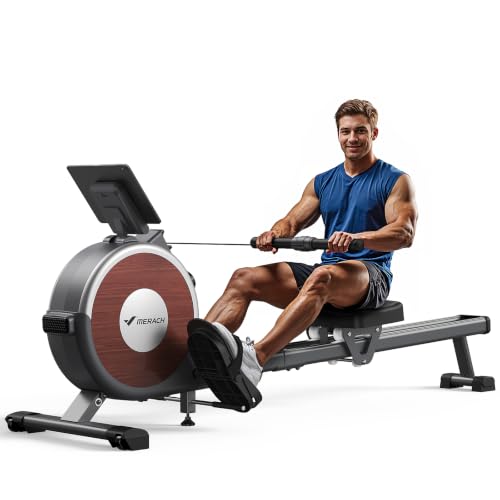
Rowing machines surprise people in a leg guide until the stroke is broken into its parts. A correct row begins with a leg drive: knees bent, shins near vertical, then the legs press the seat away and contribute the largest single share of the stroke’s power before the hips swing and the arms finish. Descriptions of the format commonly attribute well over half the work to the legs and hips together, with quadriceps driving the press, hamstrings and glutes powering the hip extension, and calves stabilising the feet against the stretcher. The legs therefore work hard but for a fraction of each stroke cycle, interleaved with upper-body effort, which makes rowing a superb whole-body conditioner whose leg load is real, repeated, and inseparable from technique.
Anyone setting up a floor-based strength corner alongside a cardio machine, for the squats and deadlift patterns that complete leg training, will find the core-stability context in best captain chairs for exercise a helpful companion read before arranging the room.
Air bikes, the fan bikes with moving handles, tie resistance directly to effort: pedal and push harder and the fan resists more, ease off and it relents, with no dial to set and no ceiling on intensity except your own output. For the legs, the pattern is seated pedalling with a strong quadriceps emphasis, meaningful hamstring contribution on the back of the stroke for riders who pull through, calf work at the ankle, and glute involvement that rises when you stand or drive hard during intervals. The moving handles share work with the upper body, so an air bike session can be leg-led or whole-body by intention. The format’s gift is honest scaling for intervals; its costs are wind noise that rises sharply with effort and a seated position that some hips and backs tolerate better than others.
Treadmills contribute leg work through walking and running, and gradient transforms them. Level walking is gentle, sustainable leg activity with modest muscle loading. Raise the belt to a sustained incline within the commonly published range of roughly twelve to fifteen percent at the top end of many home designs, and walking becomes climbing: glutes and calves take a markedly larger share, quadriceps work through a deeper pattern, and heart rate climbs without any increase in speed or impact. Running adds impact and calf and quadriceps demand of a different order. The treadmill is therefore not one leg tool but a spectrum, from rehabilitation-friendly level walking to steep hill work, and its value to a leg-focused buyer depends almost entirely on whether that gradient range will actually be used.
Vertical climbers ask hands and feet to ascend a rail or frame in a contralateral pattern, opposite hand and foot moving together, mimicking ladder climbing. The legs press through a deep range, the glutes and quadriceps drive each rise, the calves work continuously, and the core and upper body contribute throughout, so sessions feel whole-body and demanding within minutes. Step height on the frame and the smoothness of the rail decide comfort as much as fitness does. Climbers typically occupy a small floor footprint but demand ceiling height and head clearance, and their learning curve is real: rhythm, posture, and breathing need a few sessions to settle before the leg work feels like training rather than coordination practice.
Movement geometry: step height, pedal spacing, and stride
Step height is the stepper’s defining figure. A shallow step permits a fast cadence and suits longer, lower-intensity sessions and smaller users. A deeper step, closer to a real stair riser, bends the knee and hip further on every repetition, loads the quadriceps and glutes more heavily per step, and shortens the session most people can sustain. Neither is superior; they are different training. Problems arise when step height and user are mismatched, when a deep step forces a knee angle that a particular joint dislikes, or when a shallow, rapid pattern encourages bouncing on the pedals with the rails taking the weight that the legs were supposed to lift. Holding rails for balance is sensible; leaning on them to unload the legs quietly cancels the exercise.
Pedal spacing, often described through the cycling term Q-factor, is the lateral distance between the feet. A narrow spacing keeps the legs tracking in line with the hips and knees, which most joints prefer over thousands of repetitions. A wide spacing, found on some elliptical and bike designs where the frame or fan forces the pedals apart, angles the knees inward or outward slightly with every cycle, a small deviation multiplied by the thousands of cycles in a month of training. If you have a history of knee discomfort, treat published pedal spacing and any description of pedal alignment as significant, and favour designs that keep the foot, knee, and hip stacked in one line through the whole path.
Elliptical stride and path shape decide which muscles lead. A longer stride with a flatter oval emphasises a walking-like pattern with strong quadriceps involvement. A shorter, rounder path feels more like stepping and shifts work toward the glutes, especially as gradient is added. Reverse pedalling, where a design permits it, deliberately shifts emphasis toward the hamstrings and calves and is a legitimate variation for balanced development, though it needs a gradual introduction. Handle involvement matters too: pushing and pulling the moving handles shares effort with the upper body and raises total energy use, while holding fixed rails makes the session leg-only and steadier for balance, and both modes have a place in a week of training.
On a rower, geometry lives in the setup: foot stretcher height, seat travel, and rail length. Feet set too high force an awkward shin angle at the catch; feet too low reduce the leg drive’s leverage. A rail long enough for your leg length lets the drive finish fully before the hips swing. On a climber, geometry is the step range and the angle of the frame to your body. On a treadmill, it is belt size: a deck long and wide enough for your natural stride at your fastest intended pace, because a belt that forces a shortened, careful gait changes the leg work and the safety of the session at once. In every family, the pattern is the same lesson: fit the path to the body first, and let effort follow.
Because several of these machines invite floor work and stretching in the same small area, the surface guidance in best basement workout rugs is worth reading before you commit a basement corner to a frame, a mat, and a cool-down routine.
Resistance, gradient, and the console figures worth watching
Resistance ranges are published differently by every family, which makes direct comparison misleading. Steppers quote resistance levels or cylinder settings, ellipticals quote magnetic levels, rowers describe air, magnetic, or water resistance, air bikes quote nothing because resistance is effort itself, and treadmills quote speed and gradient. The honest comparison is progression: can the machine offer a step up that is small enough to take every week or two, and a top end you will not outgrow in a season? A wide range with fine steps serves a leg-conditioning goal better than a narrow range with a heroic maximum, because legs adapt through accumulated, slightly harder weeks, not through occasional maximal efforts.
Gradient deserves separate attention because it is the single most powerful leg variable on the machines that offer it. On a treadmill, moving from level walking to a sustained moderate incline redistributes work toward the glutes and calves and raises energy demand substantially at the same belt speed, all without running impact. On an elliptical with an adjustable path, gradient shifts emphasis backward toward glutes and hamstrings. Published top gradients around twelve to fifteen percent describe the format’s ceiling, not a recommendation to live there; most productive training happens in the middle of the range, held for intervals or steady climbs, with level recovery between. A buyer choosing between two treadmills for leg purposes should compare usable gradient and deck comfort before comparing top speed they may never use.
The console figures worth following for leg training are few and specific. Cadence, in steps, strokes, or revolutions per minute, tells you how fast the pattern repeats and guards against grinding slowly against excessive resistance, which joints dislike. Power in watts, where a machine reports it, is the cleanest measure of actual work and the fairest way to compare sessions across days. Floors climbed or vertical distance suits steppers and climbers. Pace and gradient together define treadmill work, and distance alone defines very little. Choose two figures per machine, record them simply, and progress one at a time: a little more resistance at the same cadence, a little more gradient at the same pace, a little more time at the same watts. That modest discipline is the entire engine of leg conditioning.
Heart rate belongs in the picture as a governor rather than a target to chase daily. Leg work on large muscle groups raises heart rate efficiently, which is precisely why these machines condition the whole system while training the legs. Use heart rate to keep easy days genuinely easy, because a week in which every session drifts hard is a week that ends in skipped sessions and sore knees. The leg adaptations you want, stronger and more enduring quadriceps, hamstrings, glutes, and calves, accumulate from repeatable work, and repeatability is protected by restraint on the easy days as much as by effort on the hard ones.
Impact, joints, and who should be careful
Impact separates the families more clearly than any muscle chart. Ellipticals, rowers, air bikes, and most steppers are low or no impact: the feet stay planted, and load arrives through muscle rather than landing. Treadmill walking is low impact, treadmill running is genuinely high impact, and a climber sits between, with planted feet but deep joint ranges under load. Low impact does not mean low load, and that distinction protects knees from a common misunderstanding. A deep stepper pattern at high resistance can load a knee heavily without any impact at all, while gentle level walking loads it lightly with mild impact. Match both variables, impact and load, to your joints, and increase only one at a time when you progress.
Particular cautions deserve plain statement. Knees that dislike deep flexion should approach deep step heights and climber ranges gradually, favouring shallower patterns and elliptical paths while strength builds. Hips that dislike prolonged seated flexion may prefer standing formats, stepper, elliptical, treadmill, or climber, over long bike or rower sessions, or may need seat and stretcher adjustments taken seriously rather than endured. Lower backs generally prefer the supported hinge of a well-taught rowing stroke to a poorly taught one, and prefer walking, including incline walking, to running during a return from a layoff. None of this is medical advice for an individual condition; it is the ordinary prudence of choosing a repeatable pattern and progressing it slowly, and of seeking professional guidance where pain, rather than effort, is what a movement produces.
Footwear and surface complete the joint picture. Cushioned, stable shoes suit treadmill and stepper work; a flatter, secure shoe often suits rowing and lifting-adjacent floor work; every format rewards a foot that is fixed rather than sliding, whether by strap, pedal texture, or belt grip. Place machines on a firm, level surface, use a suitable mat where a design recommends one to protect flooring and damp vibration, and keep the area behind a treadmill clear for its full safety length. Joint friendliness is a system, machine plus shoes plus surface plus progression, and the machine alone was never going to provide all of it.
Sweat management sounds minor until a home gym shares a living space, and the absorbency and drying notes in best microfiber gym towels help keep a hard leg session from leaving the room smelling like one.
Space, ceiling height, and noise at home
Measure for the machine in use, not the machine at rest. A treadmill needs its deck length plus a clear safety zone behind it. An elliptical needs its length plus room to mount from the side or rear, and its pedal height added to your height must clear the ceiling at the top of the oval, a calculation buyers routinely forget until delivery day. A rower needs the longest clear rectangle in the category but stores upright or folded in some designs, trading daily footprint for storage footprint. A climber needs the least floor and the most verified ceiling height, including your raised hands. A stepper and an air bike are the compact citizens, though the air bike’s fan needs breathing room and its noise needs distance from thin walls.
Noise divides the families by mechanism. Magnetic resistance on ellipticals, steppers, and many rowers is close to quiet, with foot and clothing sounds dominating. Air resistance, on rowers and all air bikes, rises with effort by physics, so the hardest intervals are the loudest moments, which matters for early sessions in a flat. Treadmill noise is motor, belt, and footfall combined, transmitted through floors more than through air, so placement on a ground floor or over a load-bearing area, and a suitable mat, matter as much as the machine’s own design. Water rowers produce a soft slosh many households find pleasant. Judge noise at your intended training intensity, not at a gentle demonstration pace, because that is the sound your household will actually live with.
Ventilation and temperature are space considerations too. Leg training on large muscles generates heat quickly, and a basement or spare room with no airflow shortens sessions in summer regardless of fitness. A fan, which an air bike thoughtfully provides for itself, a window, or a door left open changes session quality more than most console features. Keep water within reach but off the machine’s frame and floor path, keep a towel on the rail rather than the floor, and plan where you will stand, stretch, and sit afterwards, because a room arranged only for the machine and not for the minutes around it will feel improvised every single session.
Maintenance: belts, rails, chains, and fan housings
Each family asks a small, specific upkeep in exchange for its service. Treadmills need belt alignment checks and deck lubrication at the intervals their care notes describe, plus a belt surface kept free of grit carried in on shoes. Rowers need rail and seat rollers wiped so the travel stays smooth, and air rowers need their fan housing kept reasonably free of dust so resistance stays consistent. Air bikes need chain or belt attention depending on drive type, and a check on handle and seat fasteners that work loose under interval efforts. Ellipticals need pedal tracks or ramps wiped and pivot points checked. Steppers need pedal pivots and, on hydraulic designs, cylinders treated as wear parts with a finite life. None of this is heavy work; all of it is cheaper done briefly and regularly than repaired after neglect.
Build maintenance into the training week rather than the training year. A wipe of rails, tracks, and handles after the last session of the week, a glance at belt tracking when you next start the treadmill, a monthly check of fasteners on any frame that vibrates, and a note of any new sound, because machines announce most problems acoustically before they fail mechanically. A squeak at a particular point in a stroke or stride is information about a specific pivot or roller, and noting when it appears helps any later repair conversation enormously. Keep the tools the machine arrived with; they fit, and their presence in a known drawer is the difference between a two-minute tightening and a month of avoidable rattle.
For the bag that carries shoes, a change of clothes, and a towel between home sessions and a gym visit, the capacity and fabric discussion in best towels for gym bag covers the small logistics that keep a routine portable.
Choosing by kind of user
For the joint-cautious beginner, the strongest default is an elliptical with a comfortable stride and fine resistance steps, or level-to-moderate incline treadmill walking where running is not required. Both offer leg work that can start gently, progress in small increments, and fill thirty repeatable minutes without impact or deep knee angles. For the time-poor interval trainer, the air bike is unmatched: no settings to programme, resistance that matches intent instantly, and leg sessions that can be complete, honestly hard, and finished inside fifteen minutes including warm-up, provided the household tolerates fan noise at full effort.
For the whole-body conditioner who wants legs trained inside a larger pattern, the rower rewards technique with the most balanced session in this guide, legs driving, hips hinging, back and arms finishing, all at low impact and with a stored footprint that can shrink upright against a wall. For the stair-and-hill enthusiast preparing for walking holidays, real stairs, or simply a life with more climbing in it, a stepper or an incline treadmill trains the exact pattern the goal demands, and specificity is a genuine virtue here rather than a marketing word. For the small-space dweller with a high ceiling and a taste for novelty that survives novelty, the climber offers dense, whole-body leg work on the smallest floor plan, and asks only honest measurement and a patient first fortnight in return.
For the returning trainee after a layoff, choose forgiveness over ambition: a seated or supported format, a resistance range whose lowest steps are truly easy, and a console that records modest sessions without judgement, because the first month’s task is rebuilding the habit and the tissue tolerance together. For the experienced trainee adding a home machine to existing strength work, choose the family that complements rather than duplicates the gym pattern: pedalling or elliptical volume after heavy squat days, rowing for conditioning that spares the knees, incline walking for recovery work that still trains calves and glutes. The machine earns its place by filling the week’s gaps, not by repeating its highlights.
Common mistakes
The first mistake is chasing a location-specific promise, expecting any machine to slim or shape one area in isolation, and then abandoning a working routine when the mirror changes more slowly than the legs’ actual strength and stamina, which improve first and visibly matter most. The second is progressing everything at once, resistance, gradient, cadence, and duration in the same week, and meeting the predictable soreness or joint complaint that ends the month. The third is leaning, on rails, handles, or a console, unloading the legs while the console credits the session as if they had worked. The fourth is neglecting fit: stride too short, feet too wide, stretcher too high, belt too small, each quietly taxing joints thousands of times before the cause is suspected.
A fifth mistake is buying for the ceiling and forgetting it, or for a room measured without its skirting, doors, and the human being who must walk around the frame. A sixth is ignoring upkeep until a belt slips, a rail grinds, or a chain complains, then blaming the family’s reliability for a maintenance note that was always in the manual. A seventh, subtler mistake is training legs on a machine while neglecting the complementary patterns no cardio machine provides well: hip hinging under load, single-leg balance, and calf work through a full range, all of which belong in a complete leg programme alongside, not instead of, the conditioning this guide compares. The machine is half the equation; the other half is the strength work, food, sleep, and patience around it.
Frequently asked questions
Which machine works the glutes most?
Deep stepping patterns, incline treadmill walking at a sustained gradient, and elliptical work with gradient added all load the glutes strongly, because each extends the hip against resistance through a meaningful range. Rowing’s hip hinge also contributes substantially when the stroke is taught and performed correctly. The practical answer is to choose the glute-loading pattern your joints and room allow you to repeat, and to progress its resistance or gradient gradually, since glutes respond to accumulated progressive work rather than to any single heroic session.
Can a cardio machine tone legs without weights?
It can strengthen and condition the leg muscles and improve their endurance, especially in a beginner or returning trainee, and that change plus overall activity contributes to the firmer look and feel people mean by tone. It cannot reduce fat from the legs specifically, and for continued muscle development beyond the early months, progressive resistance work such as squats, hinges, lunges, and calf raises provides a stimulus that steady cardio alone does not. Treat the machine and the strength work as partners, each supplying what the other lacks.
How often should I train legs on a machine each week?
Most home trainees progress well on three to five sessions a week that involve substantial leg work, mixing harder and easier days and keeping at least one genuinely light day between hard efforts for the same pattern. Beginners should start nearer three shorter sessions and add duration before intensity. Consistency across months matters more than any single week’s total, so choose a frequency you can hold during a busy, imperfect week, not only during a motivated one, and let progression be the reward for attendance rather than its price.
Is an elliptical or a treadmill better for knees?
For many knees, an elliptical’s impact-free path or a treadmill used for walking, including incline walking, are both reasonable, and the choice turns on load and range rather than impact alone. A treadmill used for running adds landing forces that some knees dislike, while an elliptical with a stride that is too short or pedals spaced too wide can irritate a knee without any impact. Fit, gradient, resistance, and progression decide the outcome more than the family name, and persistent pain is a reason to seek individual professional advice rather than another machine.
What ceiling height does a climber or elliptical need?
Add your height to the machine’s highest foot position, then add a safety margin for head movement and, on a climber, raised hands, and compare that total with the ceiling at the exact installation spot, allowing for beams and light fittings. Published product dimensions give the frame figures you need for this sum. Measure before ordering, because both families fit most rooms and fail memorably in the few they do not, usually under a beam or a sloped ceiling that a room’s headline height concealed.
Progression can be planned in plain blocks that suit any family in this guide. Spend two or three weeks holding a comfortable session length while resistance or gradient rises by the smallest available step once a week. Then hold the load and add a few minutes. Then, if joints and energy agree, add one shorter, brisker session rather than making every session brisk. This unglamorous rotation works because leg muscles, tendons, and habits all adapt at different speeds, and the block structure lets the slowest of the three set the pace. Record the two console figures you chose, the session length, and a single word about how the legs felt the next morning; that small record prevents both timid stagnation and enthusiastic overreach.
Warm-up and cool-down deserve the same respect on a machine as outdoors. Begin every session with several genuinely easy minutes in the pattern, letting cadence rise gradually, because cold leg muscles and unhurried joints produce the awkward early repetitions that people misread as the machine’s fault. Finish by easing down rather than stopping abruptly, walk briefly, and use the cool, pliable minutes afterwards for calf and hip-flexor stretching if those areas limit your pattern. None of this requires extra equipment or much time, yet it changes the feel of the main session enough that trainees who adopt it rarely abandon it, and it protects the next session’s quality as surely as it improves this one’s.
Single-leg emphasis can be developed, carefully, on several of these families. On an elliptical or stepper, brief intervals of deliberately favouring one leg’s drive, while the other follows lightly, expose and begin to correct the common pattern in which a stronger leg quietly does a larger share. On a treadmill, incline walking naturally asks each leg to complete its own climb in turn. On a rower, an even drive is a technique goal in itself, felt through the foot stretchers. The point is not elaborate drills but awareness: legs that share work evenly develop evenly, tire evenly, and leave joints carrying symmetrical loads across the thousands of repetitions a home routine accumulates.
Season and schedule shape real routines more than ideal ones. A machine placed where summer heat gathers may need a fan and a morning schedule; a winter routine may migrate to evenings under lights that make the room feel inhabited rather than clinical. Travel, visitors, and busy work periods will interrupt any plan, and the trainees who resume successfully are those who treat a return session as deliberately easy rather than as a test of what was lost. Very little is lost in a fortnight, and what returns fastest is the habit itself when the first session back is pleasant. Protect the routine’s weakest point, whatever yours is, time, temperature, boredom, or a squeaking pivot left unoiled, and the strong points will look after themselves.
Finally, judge the machine after ninety days, not nine. In the first weeks, novelty flatters every format and soreness distorts every judgement. By ninety days you will know the true stride comfort, the true noise at your working intensity, the true upkeep rhythm, and, most importantly, the true attendance the machine inspires in an ordinary life. If attendance is high and joints are quiet, the geometry was right, whatever the specifications promised. If attendance has faded, change the session shape, the time of day, or the room before blaming the family of machine, because the best leg training in this entire guide remains the training that actually happens, repeated, next week and the week after that.
Recovery between sessions is part of leg training, not an interruption of it. Muscle tissue adapts during the hours after work, and the legs’ large groups ask for genuine recovery when sessions have been hard: sleep, food with adequate protein spread across the day, and at least some easy movement rather than complete stillness. A home machine makes training so available that the temptation is daily effort at the same intensity, which quietly converts a progressive programme into accumulated fatigue. Alternate the pattern as well as the load where you can, a stepping day after a pedalling day, an incline walk after a row, so that tissues share the week’s work instead of one pathway absorbing all of it.
Breathing and posture on each family reward early attention. On a stepper, an upright torso with a light rail touch keeps the glutes engaged, while a slumped lean over the console shifts work away from the legs. On an elliptical, the same upright rule applies, with heels settled and knees tracking forward. On a rower, posture is technique: a strong, flat back hinging from the hips protects the spine and routes force through the legs. On a climber, a body held close to the frame with full-foot pressure climbs more honestly than a body leaning back on its arms. None of these cues require talent, only a mirror, a phone recording, or a moment’s attention in the first weeks before habits set.
Interval design can be kept deliberately simple. After an easy warm-up, alternate one minute of noticeably harder leg work with two minutes of easy work, repeating the pair for the middle of the session, and finish easily. On an air bike the harder minute is simply a faster, stronger effort. On a treadmill it may be a gradient rise at the same pace. On a rower it may be a firmer leg drive at a controlled stroke rate. The structure is identical across families, which is useful for households sharing one machine and for trainees who change family later. Progress by adding one interval every week or two, not by making every interval harder, and the programme can run productively for months.
Steady sessions have a different virtue that intervals cannot replace. A longer, conversational effort builds the aerobic base that makes hills, stairs, and active days feel easy, and it trains the legs’ endurance at low cost to the joints. Most balanced home programmes contain both shapes across a week: one or two brisker, shorter sessions and one or two longer, easier ones, with the exact split set by recovery and enjoyment. A console that makes both shapes easy to run, simple manual control rather than only elaborate programmes, serves this balance well. Beware any routine, however fashionable, that makes every session a maximal test; tests measure fitness, but repeatable moderate work is what builds it.
Foot and ankle work is the overlooked end of leg training on machines. Calves respond to range as well as load, so a treadmill walker benefits from the full roll of the foot, a stepper user from pressing through the whole foot rather than only the forefoot, and every user from occasional, separate calf raises through a complete range on a step edge. Ankle stiffness from years of seated work limits stride and squat patterns alike, and gentle, regular mobility work restores options that no resistance setting can. Keep the feet’s role in mind and the leg programme becomes complete from hip to toe rather than strong in the middle and neglected at both ends.
Hydration and fuelling for ordinary home sessions need no special products, only timing and common sense. Arrive at the session normally hydrated, keep water nearby for longer or hotter work, and eat the next ordinary meal when it falls due. Very hard interval sessions on an empty stomach suit some trainees and undermine others, and the honest test is performance and how you feel an hour later. The larger point for a leg-conditioning goal is the week’s total pattern: adequate protein, enough overall energy to support training rather than fight it, and sleep protected as deliberately as any session, because adaptation is built from all three and a machine supplies only the stimulus.
Tracking progress beyond the console keeps motivation accurate. Note how a familiar staircase feels monthly, whether a regular hill walk needs its old pauses, how long a chosen session takes to feel easy at a given setting, and how trousers fit at the waist and thigh together rather than by any single measurement. Photographs in consistent light, taken monthly rather than weekly, show composition changes that daily mirrors miss. Strength markers help too: a controlled sit-to-stand from a low chair, a single-leg balance timed on each side, a calf raise count. These grounded markers protect you from the discouragement of expecting visible change on a weekly schedule when the honest schedule for visible change is a season.
Households sharing one machine should negotiate settings and hygiene as deliberately as couples negotiate any shared equipment. Wipe handles, seats, and rails after use, return resistance and seat positions to a neutral setting or agree to leave them as found, and keep a shared note of any new noise or fault rather than assuming the other person noticed it. A small basket for towels, a water bottle, and the machine’s tools, kept beside the frame, serves everyone. Shared machines survive on these courtesies, and a machine that survives gets used by two people for years, which doubles the value of every specification decision made at purchase.
Children and pets change the safety calculation around any frame with moving parts. Choose a placement where a treadmill belt cannot be started by a curious hand, where a rower’s seat rail is not a trip line across a walkway, and where an air bike’s fan is treated with the respect any moving fan deserves. Use safety keys and switches where a design provides them, store them out of reach, and never leave a machine running unattended in a shared room. These precautions are brief to observe and absolute in importance, and they belong in any honest home guide alongside stride lengths and gradient ranges, because the room a machine lives in is a family room first and a gym second.
When a machine should be replaced or supplemented is a fair final question. Replace it when its path no longer fits your joints, when its resistance ceiling genuinely limits a programme you have outgrown over seasons rather than weeks, or when repair parts and service have become impractical. Supplement it when the gap is a pattern it never claimed to provide, such as heavy strength work or outdoor walking. Do not replace it because a newer console promises motivation; motivation supplied by novelty expires, while motivation supplied by a routine that fits your life renews itself. The families in this guide change slowly, and a well-chosen frame bought for geometry and fit can serve for many years.
Environmental comfort during winter and summer sessions is worth one practical paragraph. In cold rooms, extend the warm-up, because leg muscles and machine lubricants alike are stiffer, and a belt or rail may feel different for the first minutes. In hot rooms, shorten the hardest intervals, increase airflow, and accept a lower power figure at the same perceived effort, since heat, not lost fitness, explains the difference. Trainees who misread seasonal variation as personal regression often abandon sound programmes in August or January. Expect the variation, adjust the session shape rather than the goal, and let the year’s average attendance, not any single month’s figures, judge the routine.
Shoes deserve a final, specific mention because they are the interface between every geometry in this guide and your body. Replace training shoes when their cushioning feels dead or their uppers let the foot slide, since a sliding foot on a pedal or belt changes knee tracking subtly on every repetition. Keep one pair dedicated to indoor training where possible, which also keeps grit off belts, rails, and floors. Lace firmly enough that the heel stays seated, especially for stepping and incline walking. These are inexpensive disciplines, and like most inexpensive disciplines in training, they prevent a disproportionate share of the small aches that otherwise get blamed on machines.
Goal setting for leg training works best in performance terms rather than appearance terms, because performance responds on a schedule you can observe. Walk a chosen incline for twenty minutes without a pause, hold a chosen power figure for a full steady session, climb a set number of floors at a conversational pace, row a set distance with an even leg drive throughout. Each goal is measurable on the console figures this guide has recommended, each is achievable through the gradual progression already described, and each, once reached, has quietly done the appearance work in the background. Appearance follows function with a delay; trainees who reverse that order spend the delay discouraged, while trainees who follow function spend it encouraged.
Plateaus are a normal feature of leg adaptation and should be planned for rather than feared. After the first months of easy gains, a setting that once felt hard will feel ordinary, and the next step up may feel disproportionately large. At that point, change the variable you progress: hold resistance and extend duration, hold duration and add a weekly session, or change the pattern itself for a block, stepping instead of pedalling, inclining instead of rowing. Muscles and joints respond to a new arrangement of familiar work, and the plateau usually breaks without any increase in total effort. A plateau is information about adaptation completed, not evidence that a machine has stopped working.
Active recovery sessions deserve a defined place in the week, particularly for trainees whose other days are demanding. A very easy, longer walk on a level belt, a gentle elliptical session with minimal resistance, or relaxed pedalling while watching something enjoyable all move the legs without taxing them, and many trainees find next-day stiffness reduced rather than increased by such work. The discipline is keeping recovery genuinely easy when the console invites more. Mark recovery sessions differently in your record, judge them by how you feel afterwards rather than by any figure, and protect them from the mission creep that turns every session into a workout and every week into accumulated fatigue.
Understanding soreness helps a home trainee persist sensibly. Mild, symmetrical muscle soreness a day or two after a harder or newer leg session is a common response to unfamiliar work and usually eases as the pattern repeats. Sharp pain, joint pain that alters how you walk, swelling, or soreness that worsens across several days are different signals and deserve rest and, where they persist, professional assessment. The distinction matters because fear of ordinary soreness causes unnecessary abandonment, while dismissal of genuine warning signs causes real setbacks. Progress gradually, change one variable at a time, and the signals stay legible, which is another practical reason for the unhurried progression this guide keeps recommending.
Check prices on Amazon
Live listings for the shortlist in this guide are pulled from Amazon below, so prices and availability are always current at the moment you look.

Conclusion
Every family in this guide trains legs; they differ in path, load, impact, space, and upkeep, and those differences, matched honestly to your joints, room, and temperament, decide your result far more than any claim printed on a console. Pick the pattern you can repeat, progress one console figure at a time, pair the machine with basic strength work and patience about body composition, and the legs you are training will repay the routine in stairs climbed easily and hills taken without negotiation.
Months from now, the right machine will be the unremarkable one in the corner, used on an ordinary Wednesday, quietly making every staircase in your life feel one step shorter.