Our Top Picks
 Panasonic Cordless Phone with Answering Machine2 Handsets4.04 x 5.04 x 6.8 inches0.7 poundsCheck on Amazon
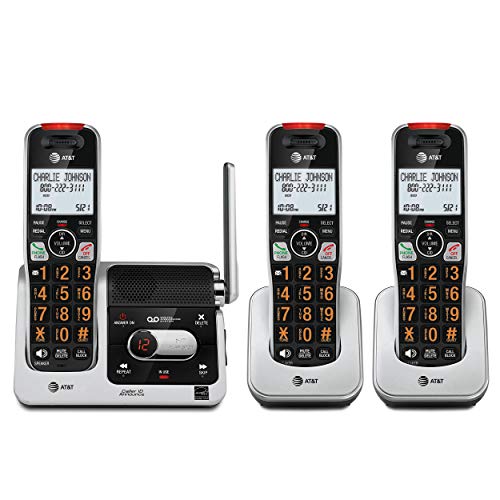 AT&T BL102-3 DECT 6.0 3-Handset Cordless Phone for3 Handset3.81 x 6.04 x 7.21 inches1.98 poundsCheck on Amazon


What's inside
- How to read this guide
- How a series-wired blocker actually works
- One-touch blocking and the moment of the call
- Storage capacity, call logs, and list housekeeping
- Power arrangements and what happens when power fails
- Compatibility: analogue lines, VoIP adapters, and DSL
- Honest limits: spoofing, first rings, and new campaigns
- Privacy by design: no account, no cloud list
- Design for older hands, eyes, and habits
- Installation, step by step in spirit
- Daily use and upkeep
- Choosing by household type
- Common mistakes
- Reading call patterns across a week
- Working alongside provider features without doubling up
- Cordless base stations and handsets around the house
- Withheld numbers, unknown callers, and household policy
- Moving house, changing number, and second lines
- A short buying checklist drawn from the specifications
- Keeping the household informed as settings evolve
- Frequently asked questions
- Check prices on Amazon
- Conclusion
As an Amazon Associate I earn from qualifying purchases. This post may contain affiliate links at no extra cost to you.
A standalone call blocking machine solves a narrow problem in a direct way: it sits in series between the wall jack and a landline telephone, reads the incoming caller ID, and decides whether the phone beside it should ring at all. That single decision, repeated for every incoming call, is what separates a calm hallway from an afternoon interrupted by scams, silent robocalls, and repeat telemarketing. This guide compares these devices by published specifications rather than by promises, looking at preloaded block lists, one-touch blocking, blacklist and whitelist logic, storage capacity, power arrangements, and compatibility with analogue lines, VoIP adapters, and DSL filters. It is written for households that intend to keep a landline, especially homes supporting an older relative who answers out of habit and courtesy.
The right reader for this guide still receives wanted calls on a landline: family checking in, a clinic confirming an appointment, a neighbour coordinating a delivery, or a community service that has used the same number for years. The wrong reader is someone whose unwanted calls arrive mainly on a mobile phone, because a device wired into a home line can do nothing for a handset in a pocket. It is also the wrong purchase for a household ready to cancel landline service entirely, since the blocker depends on that line, on caller ID delivery, and on the physical path between wall jack and telephone. Read the compatibility sections carefully before assuming any blocker will fit a bundled internet phone service.
How to read this guide
A note on scope before the specifications: this guide organises published manufacturer information, carrier requirements, and common setup patterns into a comparison framework, and it treats every capacity figure as a claim to be matched against your own call volume. As an Amazon Associate we earn from qualifying purchases. Figures such as a preloaded list containing tens of thousands of numbers describe the size of a database shipped with a device, not a guarantee that your specific nuisance callers are inside it. Where a range is given, such as storage for roughly one thousand to two thousand blocked numbers, the range reflects differences across the category rather than a single universal standard, and the sections that follow explain which end of each range matters for which household.
Read the mode sections first if you already know the household pattern. A home plagued by many different scam numbers needs strong blacklist behaviour and easy one-touch additions, while a home protecting a vulnerable person may need the stricter whitelist approach, where only approved numbers ring through at all. Read the power and placement sections next, because a blocker that loses its settings when a battery fades, or that sits where nobody can reach its block button, fails in daily life regardless of its list size. Finally, read the honest limits section with care: spoofed numbers change constantly, and no device in this category can promise a silent phone forever.
How a series-wired blocker actually works
Installation places the device directly in the call path. A short cord runs from the wall jack into the blocker, and the telephone cord that once went to the wall now plugs into the blocker instead. When a call arrives, the caller ID information travels ahead of or alongside the first ring, the device compares the number against its lists, and it then either passes the ringing current through to the phone or suppresses the call according to its design and settings. Because the device is in series, its placement matters: a blocker protecting only one extension may leave another phone elsewhere in the house ringing for the very calls it was bought to stop.
Caller ID is the foundation of the whole category. Without a caller ID subscription on the line, most blockers receive no number to evaluate and therefore cannot apply a list at all, or can only fall back on crude behaviours such as challenging every caller. Households should confirm that the line actually delivers name and number information, that it appears correctly on an existing caller ID phone, and that the service delivers the data in a form the device can use before the call is answered. A first ring slipping through before a blocked call is cut off is common in this category and reflects the timing of caller ID delivery rather than a defect.
Blacklist logic: block the known, allow the rest
In blacklist mode the phone rings for everyone except numbers on the block list. That list starts with whatever database the manufacturer preloads, grows each time someone presses the block button during or after an unwanted call, and can usually be edited by hand from the call log. Blacklist mode suits households that receive a healthy mix of wanted and unwanted calls and do not want to risk missing a first call from a new doctor, tradesperson, or school. Its weakness is structural: it is always reacting to numbers after they appear, and scammers who rotate spoofed numbers can stay ahead of any list for a while, even a large one.
The preloaded database deserves a sceptical reading. Manufacturers publish figures in the tens of thousands for the number of known nuisance numbers loaded at the factory, and a larger database does improve the odds on day one. What matters more over a year of ownership is how easily your own additions accumulate, whether the device accepts partial patterns in some form, and whether capacity is consumed by duplicates. A household in a region heavily targeted by one campaign may fill entries faster than a quiet rural line, so storage headroom and simple list review matter as much as the headline preload figure.
Whitelist logic: allow the known, stop the rest
Whitelist mode reverses the decision. Only numbers stored as approved contacts ring the phone; everything else is stopped, sent to an answering function, or challenged. For a household protecting someone who has already been distressed or defrauded by scam calls, this strictness is the strongest protection a standalone device can offer, because a spoofed number that has never been approved simply does not get through. The cost is administration: every legitimate new caller, from a hospital switchboard to a delivery driver using a rotating handset, will be blocked until someone adds the number, and outgoing calls usually still work normally even for numbers not yet on the list.
A practical middle path exists in many households even when a device offers both modes. Start in blacklist mode while the family builds a reliable contacts list from the call log over several weeks, confirming which clinics, pharmacies, and relatives call from which numbers, including mobile numbers used when a landline fails. Then switch to whitelist mode once that list is trustworthy, keeping a written copy near the phone so any household member can add a number without hunting through menus. Households with frequent legitimate calls from large organisations should note that switchboards may present several outgoing numbers, so several entries may be needed for one organisation.
One-touch blocking and the moment of the call
The large block button is the feature most owners actually use. When an unwanted call gets through and is answered, or even while it is still ringing, a single press adds the number to the block list and, on many designs, ends the call. For an older user this matters enormously: no menu, no code, no need to write the number down and enter it later. Button size, placement on the top face rather than a side edge, tactile feedback, and a clear confirmation on the display all determine whether the feature gets used in the stressful seconds of a scam call or ignored because it feels complicated.
Teach the button with a rehearsal rather than an explanation. Have the person who answers most often practise pressing it during a normal family call that has been agreed in advance, so the motion is familiar before a real nuisance call arrives. Agree on a household rule that pressing the button is always acceptable, even mid-sentence and even if the caller claims to be official, because politeness is the lever scammers rely on. Also agree what happens next: nothing. A blocked number needs no follow-up call, no apology, and no verification attempt, and calling back a spoofed number can reach an innocent stranger whose number was borrowed.
Storage capacity, call logs, and list housekeeping
Published storage in this category commonly falls around one thousand to two thousand blocked entries, with approved-contact storage sometimes counted separately. For most households even the lower end is years of capacity, because effective blocking reduces repeat calls and many campaigns abandon a number range. Capacity becomes a real question in two cases: a line that has been public for decades and attracts heavy scam traffic, and a household that blocks aggressively by every unknown caller. When a list fills, behaviour varies, so a periodic review habit matters more than the raw figure: open the log monthly, confirm that no wanted number was blocked by mistake, and remove stale entries if the device requires it.
The review display is more than a convenience. A screen that shows the blocked-call log with dates, times, and repeat counts lets the household see patterns: the same campaign calling every weekday at midday, a wanted caller silently blocked last Tuesday, or a sudden spike after the number appeared on a new form. Screen size and contrast therefore join button size as genuine accessibility specifications. A dim, small display tucked at an angle may be technically present and practically useless to the person who needs it, so favour designs that present the log in large characters with simple forward and back navigation.
When a wanted number gets blocked by mistake
Every household eventually blocks someone it wanted. The recovery path should be simple enough to use while that person is standing at the phone: open the recent blocked list, find the entry by time rather than by memorised number, and restore it, ideally adding it to the approved list in the same visit so the mistake cannot repeat. This is a strong argument for keeping the device where the main phone is used rather than hidden by the router or in a hallway cupboard. It is also an argument for writing the household’s most important numbers on a card near the phone, because recognising a clinic’s number on a small screen is easier with a reference list beside it.
Power arrangements and what happens when power fails
Blockers draw power in one of three broad ways: from the telephone line itself, from batteries, or from a mains adapter. Line-powered designs are the simplest to live with because there is nothing to charge and nothing to run flat, though they may offer dimmer displays or fewer features. Battery-powered designs give placement freedom and can keep working during a mains outage, but they introduce a maintenance task and the risk that protection quietly stops when cells fade. Adapter-powered designs support brighter screens and larger feature sets, yet they need a socket near the phone point and raise the question of whether calls pass through normally if the adapter is unplugged or fails.
Ask one specific question of any design you consider: in a power cut, does an incoming wanted call still ring the phone? Households keeping a landline precisely because it works during outages should not trade that resilience away unknowingly. Also check whether stored lists survive a power loss or a battery change, because rebuilding a carefully grown approved list after a flat battery is the kind of frustration that makes families abandon a device. Where an adapter is used, route its cable so it cannot be knocked out by cleaning or by a chair leg, and label it so nobody unplugs it to charge a handset.
Compatibility: analogue lines, VoIP adapters, and DSL
A pure analogue line from a traditional provider is the simplest case, and most blockers are designed around it. VoIP service delivered through an analogue telephone adapter can also work, because the phone side of the adapter imitates a conventional line, but behaviour depends on how faithfully the adapter delivers caller ID and ringing. Check the essentials early in ownership: confirm that caller ID appears, that the block button ends a call cleanly, and that an approved number rings through without odd delays. Bundled router-based phone sockets deserve the same checks, since the socket on a broadband router is an adapter output rather than a classic exchange line.
Broadband on the same line introduces the DSL filter question. Where filters are used, the blocker belongs on the filtered telephone side of the setup, in the same position the phone itself would occupy, so that it receives a clean voice signal rather than the raw combined line. A misplaced device can produce noisy calls or unreliable caller ID, which then looks like a blocking fault. If the home has structured wiring, a master socket with a built-in filter, or an alarm system wired into the line, treat installation as a small project: change one thing at a time, verify incoming and outgoing calls after each step, and keep the original cabling arrangement noted on paper until everything has worked for a week.
Multiple extensions and answering machines
A house with several extension phones needs a coverage decision. One blocker wired to the main phone protects that phone; other extensions wired in parallel may still ring for blocked calls unless the wiring routes all extensions through the device or each key phone has its own protection. Map the house before buying: which phone is answered most, which one wakes the household at night, and which one the vulnerable person uses. Protect the night phone and the main phone first. Answering machines and voicemail interact as well, because a blocker that answers and drops a call may prevent messages, while one that simply suppresses ringing may let a separate answering service take the call the household never heard.
Set the answering arrangement deliberately after installing a blocker. If the household answering machine picks up after four rings, confirm that blocked calls are not reaching it and leaving silent messages to be cleared each evening. If provider voicemail is used instead, check whether suppressed calls still deposit messages there, since a full voicemail box can block a genuine message from a clinic. Run a simple household drill with a mobile phone: call the landline from an unlisted number, from an approved number, and from a number you temporarily block, and observe ringing, answering, and message behaviour at every extension that matters.
Honest limits: spoofing, first rings, and new campaigns
Spoofing is the limit no specification sheet can remove. Scammers routinely present false caller ID, including numbers that look local, official, or even familiar, and they change those numbers constantly. A blacklist therefore always trails the newest campaign, and the first call from a fresh spoofed number may ring, sometimes more than once while a household member decides what to do. Whitelist mode answers spoofing far more completely, at the cost of blocking new legitimate callers, which is why the mode choice in this guide is framed as a household risk decision rather than a technical preference. Any product language implying total silence forever should be read as marketing, not as a property of the technology.
A related limit is information. A standalone blocker sees only the number presented, not the caller’s intent, accent, or script. It cannot distinguish a genuine bank security call from a convincing imitation if both present an approved number, which is why the device must sit inside a wider household routine: never act on financial instructions from an incoming call, hang up and dial the number printed on a card or statement, and treat urgency itself as a warning sign. The blocker’s real achievement is quieter and more modest than total safety: fewer interruptions, fewer chances for a persuasive stranger to reach a trusting listener, and a log that makes patterns visible.
Privacy by design: no account, no cloud list
A standalone blocker keeps its lists inside the home. There is no account to create, no subscription feeding call data to a remote service, and no app holding a copy of the household’s contacts. For many buyers that locality is a feature equal to the blocking itself, particularly where the protected person would struggle with passwords or where the family simply prefers that a list of family, clinic, and pharmacy numbers stays on a shelf rather than on a server. The trade-off is the absence of remote management: an adult child cannot update the list from another city, and a lost or failed device takes its lists with it unless the household kept a written copy.
Local storage also shapes what questions to ask before buying. Confirm whether lists can be reviewed fully on the device screen, whether entries can be deleted individually rather than only in bulk, and whether a factory reset is protected against accidental use by a curious visitor or grandchild. Keep the paper backup of approved numbers in the same drawer as the phone book if the household still keeps one. That low-technology backup sounds old-fashioned, yet it is exactly what makes recovery from a failed device a ten-minute task instead of a month of missed calls and rebuilding.
Design for older hands, eyes, and habits
Senior-friendly design in this category is specific, not decorative. It means a block button large enough to find by touch, labels in plain words rather than icons alone, a display with strong contrast that can be read in lamplight, and menus shallow enough that adding or restoring a number takes a handful of obvious steps. It also means respecting habit: the phone should still work exactly as before for outgoing calls, the handset should sit where it always sat, and the blocker should not demand a new routine for ordinary family calls. Devices that require a smartphone app for core settings shift the burden onto exactly the person the purchase was meant to relieve.
Involve the person who will live with the device in the final choice between designs. Read them the menu steps aloud from the published manual summaries, ask whether the display size sounds manageable, and agree where the unit will sit so its screen and button are reachable from the chair beside the phone. Small placement decisions carry outsized weight: a device behind the phone invites neglect, while a device in front, angled toward the usual seat, becomes part of the natural motion of answering. Leave the quick-start card, a pencil, and the approved-numbers list together in one spot, because a system that depends on hunting for instructions will not be maintained.
For evenings when the household wants the whole room calmer after a day of managing calls, a separate guide on household sound can help, so see best adult sound machines for that neighbouring topic.
Homes that prefer battery-powered equipment near the bedside often compare several small devices at once, and readers in that situation can see best battery operated white noise sound machines for the related buying discussion.
A desk that holds the main telephone often holds a clock as well, which is why some readers will want to see best alarm clocks for desktop alongside the placement advice above.
When the goal widens from stopping calls to shaping the sound of a whole room, it helps to see best ambient noise machines for room for that broader room-by-room context.
Installation, step by step in spirit
Begin with the line healthy before adding anything. Plug the main phone directly into the wall jack, confirm a clear dial tone, make an outgoing call, and have someone call in so caller ID display is verified on the existing handset. Photograph or sketch the current cabling, especially if splitters, filters, or an answering machine share the socket. Then unplug the phone cord from the wall, connect the blocker to the wall side, connect the phone to the blocker, add power if the design needs it, and repeat exactly the same calls. Changing one variable at a time is what makes any fault diagnosable; a household that rewires three things at once cannot tell which change caused a silent phone.
Spend the first week in observation as far as the household can tolerate it. Review the log each evening, rescue any wanted number immediately, and note which legitimate callers present unexpected numbers, such as a relative calling from a partner’s mobile. Adjust ring counts on answering equipment only after blocking behaviour is understood, because two devices making timing decisions at once can produce confusing results. At the end of the week, sit down with everyone who answers the phone and agree the standing rules: when to press the block button, who may edit lists, and what to do if a wanted caller reports being blocked.
Daily use and upkeep
In daily life a good blocker disappears. Wanted calls ring, most nuisance calls do not, and the household’s only regular interaction is the occasional decisive press of the block button and a glance at the log when curiosity or concern arises. Keep that simplicity protected: resist enabling every optional challenge mode, greeting message, or scheduling feature at once, because layered features interact and confuse. Enable one extra behaviour at a time, live with it for several days, and keep it only if the household can describe what it does. Features nobody understands get blamed for every missed call and are the usual reason devices end up unplugged in a drawer.
Upkeep is light but real. Wipe dust from the display, check that cables remain fully seated after cleaning or furniture moves, replace batteries on a schedule rather than after failure if the design uses them, and review the lists monthly. That monthly review is also the moment to ask the protected person how the phone feels now: are wanted people getting through, are scam calls rarer or merely different, and does the button feel easy to use under pressure? Their answers are the household’s true performance measure, more meaningful than any count of blocked calls, because the purpose of the device is confidence at the moment the phone rings.
Choosing by household type
A confident household annoyed by telemarketing
Choose blacklist mode, a generous preloaded database, the easiest one-touch button, and storage toward the upper part of the common range. This household answers readily, recognises scripts quickly, and mainly wants volume reduced without administration. Display quality matters less than button quality, and line power or adapter power both work because someone in the home will notice and fix a fault. The main risk to guard against is complacency about spoofed local numbers, so pair the device with the standing rule that an incoming call never authorises a payment, a code, or a computer download, whatever number it presents.
A household protecting a vulnerable relative
Choose whitelist capability first and treat every other specification as secondary. The approved list, the restore path, and the clarity of the display for the family member who maintains the list are the purchase. Prefer a design whose settings can be made once and then left alone, consider how outgoing emergency and family calls work unchanged, and build the approved list patiently before switching modes. Tell regular callers what has changed so a blocked first attempt does not alarm them, and give key contacts a mobile number as an alternate route for genuine emergencies that cannot wait for list updates.
A busy multi-extension home
Start from the wiring map rather than the feature list. Decide which phones must be protected, whether one in-series position covers them, and how the answering machine or voicemail will behave. Capacity and modes matter after coverage is solved, because a sophisticated blocker on the wrong extension is a decoration. This household should also value a clear log, since with several people answering, nobody holds the whole picture of what has been blocked, and the log becomes the shared memory that prevents repeated arguments about whether a caller got through last week.
Common mistakes
The most common mistake is buying before confirming caller ID on the line, then blaming the device for having nothing to work with. The second is placing the blocker where its button and screen cannot be used, which quietly converts a one-touch system into a never-touch system. The third is switching to whitelist mode with an incomplete contacts list on the same day an important medical call is expected. Others include forgetting parallel extensions, letting an answering machine keep collecting silent messages from suppressed calls, discarding the paper list of approved numbers, and expecting blacklist mode to defeat spoofing completely rather than to reduce volume substantially.
A subtler mistake is treating every unknown number as hostile in a household whose life runs on callbacks. Plumbers, clinics, schools, and delivery services all call from numbers a household may not know, and a setup tuned for maximum rejection will eventually reject something that mattered. Match strictness to the actual risk: a household that has experienced fraud attempts aimed at a vulnerable person should accept some missed first calls as the price of protection, while a household merely annoyed by marketing can stay permissive and rely on the button. Revisit the choice after a month, because the right setting is the one the household still trusts after real calls have put it to use.
Keep the blocker within arm’s reach of the chair where calls are usually answered, because a button that requires standing up during a ringing call will rarely be used. A corded handset beside the blocker removes one more variable, since a cordless base station adds its own caller ID handling between the device and the person answering. When two relatives share list duties, agree on one naming habit for notes beside the phone so the same clinic is not recorded under three different descriptions. Silent calls that end the moment they are answered are still worth logging, because a cluster of them at the same hour often precedes a scripted campaign.
If a caller claims a number cannot be blocked because it is official, treat the claim itself as a reason to end the call and use the button. Households near a hospital may see several switchboard numbers rotate, so add each presented number after a verified wanted call rather than assuming one entry covers the site. A spare telephone cord of the right length prevents the common installation compromise where the blocker ends up dangling behind furniture and its screen faces a wall. During the first fortnight, keep a pencil tally of nuisance calls that still ring; a falling tally is better evidence of progress than any database size printed on a box.
Callers who withhold their number entirely need a household policy in advance, because indecision at the handset is what turns a simple setting into a daily argument. Where a personal alarm or medical pendant shares the line, verify that system after installation with its provider’s procedure before relying on either device. An answering machine greeting that invites callers to try a mobile number gives blocked legitimate callers a graceful second route without weakening whitelist settings. If the display offers a repeat count for blocked numbers, sort your monthly review by that count to see which campaigns are wasting the most attempts on the line.
Teach visitors and carers the household rule as well, since a well-meaning guest who answers and chats politely can undo the deterrent effect of consistent blocking. A number blocked during a moment of irritation can be restored just as quickly, so encourage honest corrections rather than letting mistakes harden into missed relationships. Keep the wall jack area ventilated and dry like any other small electronic installation, and avoid stacking the blocker under heavy directories that trap heat and hide the screen. When a relative moves to a new mobile number, update the approved list the same day and make a verification call, rather than waiting for an important call to discover the gap.
The log’s date and time are only useful if the device’s clock is set correctly, so check it after any long power interruption as part of restoring normal service. A household that receives many international family calls should review how foreign numbers are presented, since formatting differences can affect how entries are stored and recognised. If ringing volume itself distresses the protected person, remember the blocker reduces how often it starts, while the phone’s own ringer settings govern how loud it sounds when wanted calls arrive. Before travelling, leave the list and the restore steps with whoever will answer the phone, because a house-sitter facing a blocked pharmacy call needs instructions, not detective work.
Scam scripts often begin with a recorded voice asking the listener to press a key; the correct response is to hang up and use the block button, never the key the recording requests. A second inexpensive corded phone plugged in for setup checks makes installation day calmer, because the household line is never left entirely disconnected while cables are rearranged. Note which nuisance calls arrive during meals and evenings, since that timing pattern is a strong argument for stricter settings even in a household that began in blacklist mode. When a blocked number belongs to a large organisation’s shared outgoing range, restoring it may reopen calls from other departments, a trade-off worth recording beside the entry.
The block button’s confirmation message should be checked once at setup so the main user learns what success looks like and does not press repeatedly, which some menus interpret as navigation. Keep provider voicemail and the home answering machine from competing: choose one answering destination deliberately, or callers and blocked-call handling both become unpredictable. A laminated card with three steps — answer, decide, press — survives longer beside a phone than a folded manual page and can be read at a glance under stress. If the line serves a fax device on an extension, expect odd interactions and verify sending and receiving after installation, or retire the fax path before it confuses the setup.
Relatives calling from workplaces may present the organisation’s main number rather than their desk number, so approve that main number once a wanted call confirms it. The quietest result comes from pairing the device with consistent behaviour: short answers to unknown callers, no information offered, and the button used every single time.
Reading call patterns across a week
A blocked-call log becomes genuinely useful when it is read as a pattern rather than as a list of grievances. Note the hours at which nuisance calls cluster, because campaigns favour predictable windows: mid-morning when older residents are home, the early evening when households return, and the quiet after lunch when a ringing phone feels hardest to ignore. If clusters are tight, stricter settings during those windows may be worth considering on designs that support scheduling, while a household whose nuisance calls arrive randomly around the clock gains little from time-based rules. Patterns also reveal escalation: a number that calls once, then three times in an hour after being answered, is behaving differently from a dialler that moves on, and the household’s answer discipline should tighten accordingly.
Compare the log against the household’s own diary before drawing conclusions about any single number. A blocked call at the exact hour a pharmacy usually confirms a prescription deserves investigation, while the same number blocked during a known scam wave probably does not. Keep the comparison light: a notebook line each evening for the first month is enough to separate coincidence from habit. After that month the log can be reviewed weekly, because the household will have learned its own rhythm and will spot a genuinely new pattern — a sudden run of silent calls, a caller imitating a local dialling code — far faster than a daily reader drowning in routine entries.
Working alongside provider features without doubling up
Many lines already carry network-level tools: anonymous call rejection, a provider-maintained block list, or a screening service that labels suspected spam. A standalone blocker does not replace those features so much as sit closer to the household, under its direct control, with a button a resident can use in the moment. Problems arise when layers are added without a plan, because a call challenged twice, or blocked at the network and logged nowhere, becomes hard to diagnose when a wanted caller complains. Choose which layer is primary. Let the home device own the household’s lists, and use network features only for broad categories the device cannot see, such as fully withheld numbers if the household policy is to refuse them.
Document the division of labour on the same card that holds the restore steps. Write which features are active at the provider, which mode the home device is running, and whom to call at the provider if the line itself misbehaves. When something goes wrong, that card prevents the classic loop in which the provider blames the device and the device manual blames the line. It also helps when a relative who set everything up is away: the person holding the card can describe the setup accurately to a support line instead of guessing, and accurate descriptions are what get line faults fixed on the first call rather than the third.
Cordless base stations and handsets around the house
Many homes answer on cordless handsets whose base station is the only wired phone. In that arrangement the blocker belongs in series with the base station, and every handset paired to that base inherits its decisions, which is often the simplest route to whole-house coverage. Check, though, how the base station itself handles caller ID, call lists, and any built-in blocking it may offer, because two systems keeping separate lists will diverge: a number blocked at the handset may still be allowed by the standalone device and the other way round. Pick one list as the household’s single source of truth, and treat any handset-level feature as a convenience for outgoing calls rather than a second blocking regime.
Range and placement interact with blocking in a small practical way. The base station usually lives where the socket and the blocker are, while the person answering may be two rooms away with a handset that shows caller ID but cannot press the block button. Households in that shape should agree a simple rule: end the call politely or not at all, note the time, and let the person nearest the base add the number from the log later. Chasing a button in another room mid-call helps nobody. Some households keep a second handset’s charging cradle beside the main chair purely so caller ID is visible where decisions are actually made.
Withheld numbers, unknown callers, and household policy
Withheld numbers deserve a policy of their own because they are a mixed population: most nuisance callers who hide their number are unwelcome, yet some clinics, hospitals, and switchboards also present as withheld for privacy reasons. A blocker cannot separate those groups by number, since there is no number to read, so the household must decide by risk. A home protecting a vulnerable person may refuse withheld calls entirely and tell its clinic to use an alternate route, while a home expecting frequent medical callbacks may allow withheld calls and rely on the answering person’s caution plus the block button for everything that presents a number.
Whatever policy is chosen, communicate it before it bites. Tell regular services how the household handles withheld calls, add a line to the answering machine greeting if appropriate, and make sure the protected person knows that a withheld call they were expecting may need a second attempt through a family mobile. Revisit the policy after any change in circumstances — a new course of treatment with weekly callbacks, a relative working at an organisation that withholds numbers — because a setting that was safe in spring can quietly become an obstacle by autumn, and policies around a telephone should follow the household’s life rather than the other way round.
Moving house, changing number, and second lines
A blocker moves house more easily than most electronics because its value travels in its lists. Before a move, copy the approved list to paper, photograph the settings if the household keeps such records, and note the mode in use. At the new address, verify caller ID on the new line before reconnecting the device, since a fresh line or a new bundle may deliver caller ID differently or not at all until the feature is activated. Rebuild in blacklist mode for the first days even if the old home ran a whitelist, because local services, neighbours, and the new clinic will all be unknown numbers at first, and a week of observation repopulates the approved list with the numbers that matter at the new address.
A second line, kept for a home office or a fax-era leftover, raises the question of which line deserves protection. Protect the line that rings in the living space and is answered by the vulnerable person; an office line answered by a confident adult during working hours may need nothing more than the same answering discipline. If both lines share one handset system, read the wiring position with extra care, because a blocker placed on a combined feed may affect both lines in ways the household did not intend. When in doubt, protect one line cleanly and observe, rather than improvising a shared arrangement that leaves both lines behaving oddly.
A short buying checklist drawn from the specifications
Gather the decision into a short sequence before comparing any specific designs. Confirm caller ID on the line and note how it is delivered. Decide blacklist or whitelist as the intended primary mode, based on the household’s real risk rather than its annoyance level. Choose the storage end of the common range that matches call volume, and value the restore path as highly as the block path. Settle power by asking what happens in an outage and whether lists survive it. Map the extensions and the answering arrangement, and only then compare buttons, displays, and menus, because those daily-touch qualities decide whether the technically correct device is still plugged in and trusted a year later.
Finally, plan the first month as part of the purchase. Who reviews the log, on which evening, with what notebook? Who holds the paper copy of the approved list, and where does it live? Which regular callers will be told about the change, and what alternate number will they be given? A blocker bought with those answers ready becomes a household system rather than a gadget, and systems are what protect people on the ordinary Tuesday afternoon when a persuasive stranger calls and the person who set everything up is out. The specifications open the door; the routine is what walks through it every day afterwards.
Keeping the household informed as settings evolve
Every change of mode or policy should travel with a short conversation, because the people affected by a blocker are not only the people who configured it. When the household moves from blacklist to whitelist, tell the regular callers in plain terms: the phone now only rings for known numbers, your number has been added, and if you ever change your number, send the new one by family mobile first so it can be approved before you need to call in a hurry. When a new service enters the household’s life — a district nurse, a school, a delivery arrangement — adding its numbers belongs on the same checklist as the first appointment itself, not as an afterthought discovered when a call silently fails to arrive.
Review the whole arrangement twice a year with fresh eyes. Read the blocked log’s recent pages, ask whether any wanted caller has quietly given up trying the landline, and check that the paper list still matches the device’s stored list entry for entry. Households change: relatives move, clinics merge, grandchildren acquire their first phones, and a list that was complete in January can be quietly incomplete by summer. The twice-yearly review is also the moment to confirm that the button still works, the display is still legible to the person who relies on it, and the cables have not been disturbed by redecorating, new furniture, or a well-meaning cleaner with a vacuum.
Frequently asked questions
Does a call blocker work without caller ID?
Generally not in any list-based way. The device needs the incoming number to compare against blocked and approved lists, so a caller ID service on the line is a practical requirement. Some designs offer challenge behaviours for withheld numbers, such as asking callers to press a key, but that is a different mechanism from list blocking and should not be confused with it when comparing specifications.
Will a blocker stop spoofed scam calls completely?
No. Blacklist mode reduces repeat calls and known campaigns, but spoofed numbers change constantly, so new attempts can ring. Whitelist mode is far stricter because unapproved numbers do not ring at all, yet it also stops new legitimate callers until they are added. The honest expectation is a much quieter phone and far fewer risky conversations, not absolute silence.
Can one device protect every phone in the house?
Sometimes, and it depends entirely on wiring. If all extensions pass through the point where the blocker sits in series, one device can cover them. If extensions are wired in parallel from other sockets, they may ring independently. Map the sockets, protect the most-used and night-time phones first, and verify behaviour with test calls from a mobile at each extension.
What happens to blocked callers who are actually wanted?
They can be restored from the blocked list or recent call log on the device, and adding them to the approved list at the same time prevents a repeat. Keep the restore steps written beside the phone, because the moment a relative reports being blocked is not the moment to search for a manual.
Does the phone still work in a power cut?
A conventional corded phone on an analogue line usually works during a mains outage, but an adapter-powered blocker in series may change that depending on its fail-safe behaviour. Line-powered designs preserve the traditional arrangement most simply. Confirm the pass-through behaviour for any design you shortlist if outage resilience is part of why the household keeps a landline.
Check prices on Amazon
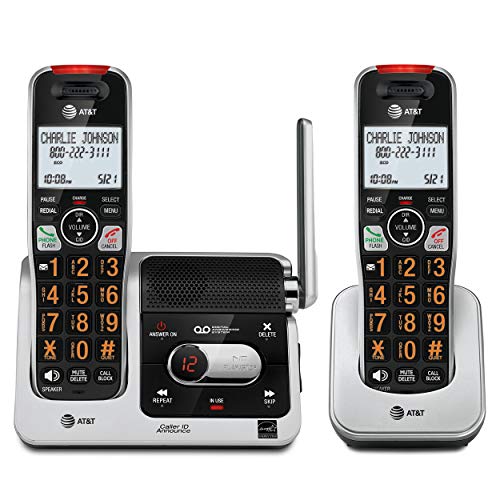
Live listings for the shortlist in this guide are pulled from Amazon below, so prices and availability are always current at the moment you look.

Conclusion
A standalone call blocking machine earns its place by making one decision well, thousands of times, without accounts, apps, or drama: known approved callers ring, known nuisance callers do not, and the household keeps a clear log of everything in between. Choose the mode that matches the household’s real risk, confirm caller ID and wiring before anything else, favour a button and display the actual user can operate, and keep a paper copy of the approved list as quiet insurance. Chosen that way, the phone on the hall table goes back to being what it was always meant to be, a line to family and neighbours, and the final word belongs to the household that now answers it without dread.