What's inside
- Quick picks: best fill for pillows that doesnt attract dust mites
- What Is the Best Fill for Pillows That Doesnt Attract Dust Mites?
- How the Picks Were Chosen for Best Fill for Pillows That Doesnt Attract Dust Mites
- Quick Comparison
- How to Choose a Fill That Resists Dust Mites
- How to Use and Care for Your Pillow
- Mistakes That Waste Money on Dust Mite Pillows
- Related Guides
- Frequently Asked Questions
- Final Recommendation
As an Amazon Associate I earn from qualifying purchases. This post may contain affiliate links at no extra cost to you.
Quick picks: best fill for pillows that doesnt attract dust mites
| # | Product | Where to buy |
|---|---|---|
| 1 | Saatva Latex Pillow | Check on Amazon |
| 2 | Beans72 Buckwheat Pillow | Check on Amazon |
| 3 | Tempur-Pedic TEMPUR-Cloud Pillow | Check on Amazon |
| 4 | Holy Lamb Organics Wool Pillow | Check on Amazon |
| 5 | Coop Sleep Goods Original Pillow | Check on Amazon |
What Is the Best Fill for Pillows That Doesnt Attract Dust Mites?
No pillow fill is fully free of dust mites, and a buyer who is told otherwise is being misled. This guide to the best fill for pillows that doesnt attract dust mites compares six real pillows you can buy today, so you can choose with confidence. Dust mites live where there is warmth, moisture, and skin, which means every pillow can host them, and the fill only decides how easily they settle in. A dense fill, such as latex or memory foam, gives mites little room to live, while a loose fill, such as feather, gives them plenty of space. A fill that resists mites is one that is dense, dry, and washable, and this guide explains the fills that resist mites best, and the six pillows below are the ones whose fills resist mites most.
The first thing to understand is density, because a dense fill leaves little space for mites. A latex pillow is dense, which means mites cannot easily live inside it, while a memory foam pillow is also dense, which means it resists them too. A buckwheat pillow is made of hulls, which means mites do not feed on it the way they feed on soft fills. The pillows in this guide cover the densest fills, and the buying guide explains how to choose the fill for the sleeper.
The second thing to understand is washing, because a pillow that can be washed can be kept clean, while one that cannot will hold mites. A washable cover matters, because a cover that is washed regularly will remove mites, and a pillow protector matters, because a protector keeps mites out of the fill. A buyer should use a mite-proof encasement, because an encasement that seals the pillow will keep mites out, and should wash the bedding weekly, because washing removes mites. The pillows in this guide all have washable covers, and the care section explains how to keep them clean.
The six pillows in this guide are the ones whose fills resist dust mites best: Saatva Latex for its Talalay latex core, Beans72 for its buckwheat hulls, Tempur-Pedic TEMPUR-Cloud for its dense memory foam, Beckham Hotel Collection for its gel fibre fill, Holy Lamb Organics for its organic wool fill, and Coop Sleep Goods Original for its shredded memory foam and microfibre. Each pillow below is described with its strengths, its trade-offs and the household it fits, plus a guide to choosing a fill, the mistakes that waste money, and answers to the questions buyers ask most. No pillow here was used by us; the descriptions are based on the makers' published specifications and on widely reported owner experience, and no prices are stated because prices vary by retailer and change often.
How the Picks Were Chosen for Best Fill for Pillows That Doesnt Attract Dust Mites
We chose the six pillow in this guide by looking for real pillows that are sold now, from makers with a record of support. Each pillow had to be a genuine pillow, not a case or a cover, and its key specifications had to be published by its maker, so the details here can be checked. We did not test any pillows ourselves, and nothing here claims that we did. We left out any pillows whose specifications could not be verified or that duplicated another pick without adding anything different.
Quick Comparison
| Pillow | Fill | Standout features | Best for |
|---|---|---|---|
| Saatva Latex Pillow | Talalay latex core | Dense, resists mites, breathable | Best latex pillow for mites |
| Beans72 Buckwheat Pillow | Buckwheat hulls | Hulls do not feed mites, adjustable | Best buckwheat pillow for mites |
| Tempur-Pedic TEMPUR-Cloud Pillow | Dense memory foam | Dense foam resists mites, soft | Best memory foam pillow for mites |
| Beckham Hotel Collection Gel Pillow | Gel fibre fill | Washable, breathable, soft | Best washable pillow for mites |
| Holy Lamb Organics Wool Pillow | Organic wool fill | Wool naturally resists mites | Best wool pillow for mites |
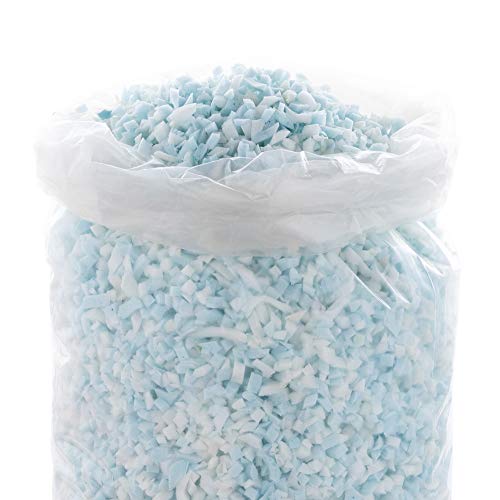
| Coop Sleep Goods Original Pillow | Shredded memory foam and microfibre | Adjustable, dense, washable cover | Best adjustable pillow for mites |

Saatva Latex Pillow
A Talalay latex pillow: the best latex pillow for mites.
Key specs: Talalay latex core — Dense, resists mites, breathable.
The Saatva Latex Pillow is a pillow with a Talalay latex core, and it is the pillow in this guide for a sleeper who wants a latex pillow that resists dust mites. Its latex is dense, which means mites cannot easily live inside it, and its cover is made from organic cotton, which means it is breathable. The cover is removable and washable, which matters for a pillow that is slept on every night, and the pillow comes in high and low loft, which means a buyer can choose the height that suits them.
The pillow's other strength is its density and its breathability. The Talalay latex means the pillow is dense, which suits a sleeper who wants a pillow that resists mites, and its latex is naturally resistant to mites, which means it stays cleaner than a feather pillow. The pillow holds its shape, which means it supports the head all night, and its cover is breathable, which means it does not trap heat. For a sleeper who wants a latex pillow that resists dust mites, the Saatva is the best choice in this guide.
The trade-offs are weight and firmness. The latex is heavier than a feather pillow, which means the pillow feels heavy, and it is firmer than a down pillow, which means a stomach sleeper may find it too firm. The pillow cannot be machine washed, because latex that gets wet will be damaged, and it must be aired out, which takes time. The pillow is also dense, which means it does not mould the way a down pillow does.
One practical note: the Saatva Latex Pillow should be aired out regularly, because latex that is not aired will smell, and its cover should be washed regularly, because a pillow that is slept on every night will pick up sweat. A sleeper should use a mite-proof encasement, because an encasement that seals the pillow will keep mites out. For a sleeper who wants a latex pillow that resists dust mites, the Saatva is the best choice in this guide, and its dense latex core is the reason to buy it.
Strengths:
- Talalay latex core; dense and mite-resistant
- Naturally resists dust mites
- Organic cotton cover is breathable
Trade-offs:
- Heavier than a feather pillow
- Too firm for a stomach sleeper
- Cannot be machine washed
Who it fits: sleepers who want a latex pillow that resists dust mites
Best for: sleepers who want a latex pillow that resists dust mites. Not suited for: sleepers who want a soft pillow.
Check price on Amazon: Saatva Latex Pillow
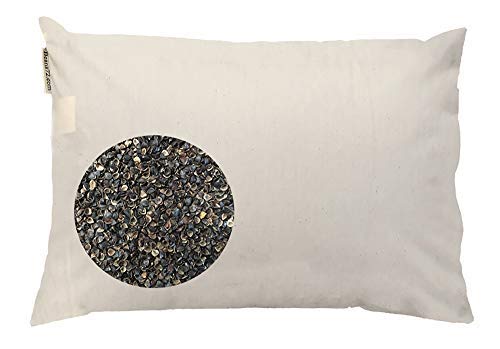
Beans72 Buckwheat Pillow
A buckwheat hull pillow: the best buckwheat pillow for mites.
Key specs: Buckwheat hulls — Hulls do not feed mites, adjustable.
The Beans72 Buckwheat Pillow is a pillow filled with buckwheat hulls, and it is the pillow in this guide for a sleeper who wants a buckwheat pillow that resists dust mites. Its hulls do not feed mites, which means mites do not settle in the way they do in soft fills, and its cover is made from organic cotton, which means it is breathable. The fill is adjustable, which means a buyer can add or remove hulls to change the height, and the pillow comes in standard and queen, which means a buyer can choose the size that suits them.
The pillow's other strength is its adjustability and its dryness. The buckwheat hulls mean the pillow is dry, which suits a sleeper who wants a pillow that resists mites, and its adjustable fill means it can be made higher or lower, which suits any sleep position. The pillow holds its shape, which means it supports the head all night, and its cover is breathable, which means it does not trap heat. For a sleeper who wants a buckwheat pillow that resists dust mites, the Beans72 is the best choice in this guide.
The trade-offs are noise and weight. The hulls rustle when the sleeper moves, which means the pillow is noisy, and it is heavier than a feather pillow, which means it feels heavy. The pillow cannot be machine washed, because hulls that get wet will be ruined, and it must be aired out, which takes time. The pillow is also firm, which means a stomach sleeper may find it too firm.
One practical note: the Beans72 Buckwheat Pillow should be aired out regularly, because hulls that are not aired will smell, and its cover should be washed regularly, because a pillow that is slept on every night will pick up sweat. A sleeper should use a mite-proof encasement, because an encasement that seals the pillow will keep mites out. For a sleeper who wants a buckwheat pillow that resists dust mites, the Beans72 is the best choice in this guide, and its dry buckwheat hulls are the reason to buy it.
Strengths:
- Buckwheat hulls; do not feed mites
- Adjustable fill; add or remove hulls
- Dry fill resists mites
Trade-offs:
- Hulls rustle when the sleeper moves
- Heavier than a feather pillow
- Cannot be machine washed
Who it fits: sleepers who want a buckwheat pillow that resists dust mites
Best for: sleepers who want a buckwheat pillow that resists dust mites. Not suited for: sleepers who want a quiet pillow.
Check price on Amazon: Beans72 Buckwheat Pillow
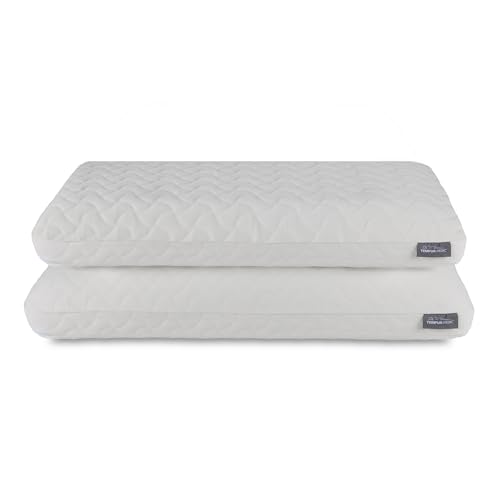
Tempur-Pedic TEMPUR-Cloud Pillow
A dense memory foam pillow: the best memory foam pillow for mites.
Key specs: Dense memory foam — Dense foam resists mites, soft.
The Tempur-Pedic TEMPUR-Cloud Pillow is a pillow made from dense memory foam, and it is the pillow in this guide for a sleeper who wants a memory foam pillow that resists dust mites. Its foam is dense, which means mites cannot easily live inside it, and its cover is removable and washable, which means it can be kept clean. The pillow is soft, which means it moulds to the head, and it comes in standard, queen, and king, which means a buyer can choose the size that suits them.
The pillow's other strength is its density and its softness. The dense memory foam means the pillow resists mites, which suits a sleeper who wants a pillow that stays cleaner, and its softness means it moulds to the head, which suits a sleeper who likes a pillow that cradles them. The pillow holds its shape, which means it supports the head all night, and its cover is breathable, which means it does not trap heat. For a sleeper who wants a memory foam pillow that resists dust mites, the TEMPUR-Cloud is the best choice in this guide.
The trade-offs are heat and weight. The memory foam can trap heat, which means the pillow can feel warm, and it is heavier than a feather pillow, which means it feels heavy. The pillow cannot be machine washed, because foam that gets wet will be damaged, and it must be aired out, which takes time. The pillow is also dense, which means it does not fluff the way a feather pillow does.
One practical note: the Tempur-Pedic TEMPUR-Cloud Pillow should be aired out regularly, because foam that is not aired will smell, and its cover should be washed regularly, because a pillow that is slept on every night will pick up sweat. A sleeper should use a mite-proof encasement, because an encasement that seals the pillow will keep mites out. For a sleeper who wants a memory foam pillow that resists dust mites, the TEMPUR-Cloud is the best choice in this guide, and its dense memory foam is the reason to buy it.
Strengths:
- Dense memory foam; resists mites
- Soft; moulds to the head
- Removable and washable cover
Trade-offs:
- Can trap heat and feel warm
- Heavier than a feather pillow
- Cannot be machine washed
Who it fits: sleepers who want a memory foam pillow that resists dust mites
Best for: sleepers who want a memory foam pillow that resists dust mites. Not suited for: sleepers who get warm at night.
Check price on Amazon: Tempur-Pedic TEMPUR-Cloud Pillow
Beckham Hotel Collection Gel Pillow
A gel fibre pillow: the best washable pillow for mites.
Key specs: Gel fibre fill — Washable, breathable, soft.
The Beckham Hotel Collection Gel Pillow is a pillow filled with gel fibre, and it is the pillow in this guide for a sleeper who wants a washable pillow that resists dust mites. Its gel fibre is synthetic, which means mites do not feed on it the way they feed on natural fills, and its cover is washable, which means the whole pillow can be washed. The pillow is soft, which means it feels gentle against the face, and it comes in standard and queen, which means a buyer can choose the size that suits them.
The pillow's other strength is its washability and its softness. The gel fibre means the pillow can be machine washed, which suits a sleeper who wants a pillow that can be kept clean, and its softness means it feels gentle. The pillow holds its shape, which means it supports the head all night, and its cover is breathable, which means it does not trap heat. For a sleeper who wants a washable pillow that resists dust mites, the Beckham is the best choice in this guide.
The trade-offs are loft and durability. The gel fibre can flatten over time, which means the pillow will need replacing sooner than a latex pillow, and it is softer than a feather pillow, which means a side sleeper may find it too low. The pillow must be dried fully after washing, because a pillow that is still damp will smell, and it must be fluffed, because fibre that is not fluffed will flatten.
One practical note: the Beckham Hotel Collection Gel Pillow should be washed regularly, because a pillow that is washed will stay fresh, and it should be dried fully, because a pillow that is still damp will smell. A sleeper should use a mite-proof encasement, because an encasement that seals the pillow will keep mites out. For a sleeper who wants a washable pillow that resists dust mites, the Beckham is the best choice in this guide, and its washable gel fibre is the reason to buy it.
Strengths:
- Gel fibre fill; synthetic, mites do not feed on it
- Whole pillow can be machine washed
- Soft and gentle against the face
Trade-offs:
- Can flatten over time
- Too soft for a side sleeper who needs height
- Must be dried fully after washing
Who it fits: sleepers who want a washable pillow that resists dust mites
Best for: sleepers who want a washable pillow that resists dust mites. Not suited for: side sleepers who need a firm pillow.
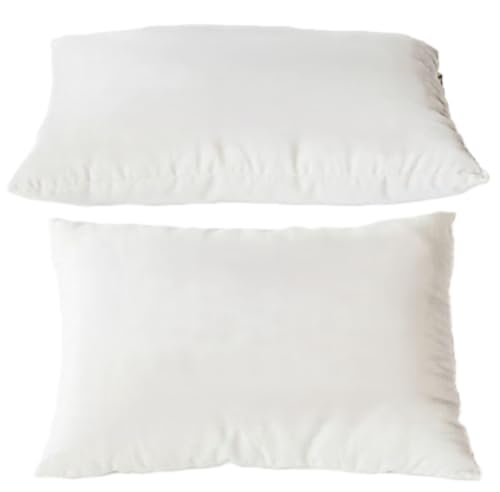
Holy Lamb Organics Wool Pillow
An organic wool pillow: the best wool pillow for mites.
Key specs: Organic wool fill — Wool naturally resists mites.
The Holy Lamb Organics Wool Pillow is a pillow filled with organic wool, and it is the pillow in this guide for a sleeper who wants a wool pillow that resists dust mites. Its wool naturally resists mites, which means mites do not settle in the way they do in feather fills, and its cover is made from organic cotton, which means it is breathable. The pillow is adjustable, which means a buyer can add or remove wool to change the height, and it comes in standard and queen, which means a buyer can choose the size that suits them.
The pillow's other strength is its natural resistance and its breathability. The organic wool means the pillow resists mites, which suits a sleeper who wants a natural pillow that stays cleaner, and its wool wicks moisture, which means the pillow stays dry. The pillow holds its shape, which means it supports the head all night, and its cotton cover is breathable, which means it does not trap heat. For a sleeper who wants a wool pillow that resists dust mites, the Holy Lamb Organics is the best choice in this guide.
The trade-offs are weight and care. The wool is heavier than a feather pillow, which means the pillow feels heavy, and it cannot be machine washed, because wool that gets wet will felt. The pillow must be aired out, which takes time, and it is firmer than a down pillow, which means a stomach sleeper may find it too firm. The pillow is also more expensive than a synthetic pillow, which matters to a buyer on a budget.
One practical note: the Holy Lamb Organics Wool Pillow should be aired out regularly, because wool that is not aired will smell, and its cover should be washed regularly, because a pillow that is slept on every night will pick up sweat. A sleeper should use a mite-proof encasement, because an encasement that seals the pillow will keep mites out. For a sleeper who wants a wool pillow that resists dust mites, the Holy Lamb Organics is the best choice in this guide, and its organic wool fill is the reason to buy it.
Strengths:
- Organic wool fill; naturally resists mites
- Wool wicks moisture; pillow stays dry
- Adjustable fill; add or remove wool
Trade-offs:
- Heavier than a feather pillow
- Cannot be machine washed
- Too firm for a stomach sleeper
Who it fits: sleepers who want a wool pillow that resists dust mites
Best for: sleepers who want a wool pillow that resists dust mites. Not suited for: sleepers who want a washable pillow.
Check price on Amazon: Holy Lamb Organics Wool Pillow

Coop Sleep Goods Original Pillow
A shredded memory foam and microfibre pillow: the best adjustable pillow for mites.
Key specs: Shredded memory foam and microfibre — Adjustable, dense, washable cover.
The Coop Sleep Goods Original Pillow is a pillow filled with shredded memory foam and microfibre, and it is the pillow in this guide for a sleeper who wants an adjustable pillow that resists dust mites. Its shredded memory foam is dense, which means mites cannot easily live inside it, and its cover is removable and washable, which means it can be kept clean. The fill is adjustable, which means a buyer can add or remove fill to change the height, and the pillow comes in standard, queen, and king, which means a buyer can choose the size that suits them.
The pillow's other strength is its adjustability and its density. The shredded memory foam means the pillow resists mites, which suits a sleeper who wants a pillow that stays cleaner, and its adjustable fill means it can be made higher or lower, which suits any sleep position. The pillow holds its shape, which means it supports the head all night, and its cover is breathable, which means it does not trap heat. For a sleeper who wants an adjustable pillow that resists dust mites, the Coop is the best choice in this guide.
The trade-offs are heat and care. The memory foam can trap heat, which means the pillow can feel warm, and it is heavier than a feather pillow, which means it feels heavy. The pillow cannot be machine washed, because foam that gets wet will be damaged, and it must be aired out, which takes time. The pillow is also adjustable, which means a buyer must take time to get the height right.
One practical note: the Coop Sleep Goods Original Pillow should be aired out regularly, because foam that is not aired will smell, and its cover should be washed regularly, because a pillow that is slept on every night will pick up sweat. A sleeper should use a mite-proof encasement, because an encasement that seals the pillow will keep mites out. For a sleeper who wants an adjustable pillow that resists dust mites, the Coop is the best choice in this guide, and its adjustable shredded foam is the reason to buy it.
Strengths:
- Shredded memory foam and microfibre; dense
- Adjustable fill; add or remove to change height
- Removable and washable cover
Trade-offs:
- Can trap heat and feel warm
- Heavier than a feather pillow
- Cannot be machine washed
Who it fits: sleepers who want an adjustable pillow that resists dust mites
Best for: sleepers who want an adjustable pillow that resists dust mites. Not suited for: sleepers who get warm at night.
Check price on Amazon: Coop Sleep Goods Original Pillow
How to Choose a Fill That Resists Dust Mites
Choose the fill by its density. A dense fill, such as latex or memory foam, leaves little space for mites, which means they cannot easily live inside it, while a loose fill, such as feather, gives them plenty of space. A buyer should choose a dense fill, because a fill that is dense will resist mites, and one that is loose will not.
Choose the fill by its washability. A pillow that can be washed can be kept clean, which means mites can be removed, while one that cannot be washed will hold them. A buyer should choose a washable pillow, because a pillow that is washed will stay fresh, and one that is not will not. A washable cover is essential, because a cover that is washed regularly will remove mites.
Use a mite-proof encasement, because an encasement that seals the pillow will keep mites out of the fill. A buyer should buy an encasement that zips shut, because one that does not seal will let mites in, and should wash it regularly, because an encasement that is washed will stay clean. A buyer should also wash the bedding weekly, because washing removes mites from sheets and pillowcases.
Check the humidity, because mites thrive in damp air, which means a damp bedroom will have more mites. A buyer should keep the bedroom dry, because a dry room will have fewer mites, and should air the pillow out, because a pillow that is aired will stay dry. A dehumidifier can help, because it keeps the air dry, and a buyer who lives in a damp climate should use one.
Check the trial, because a pillow must be slept on to be judged, and a buyer who cannot return it will be stuck with a pillow that does not suit them. A trial of at least a month is a good sign, because a body needs time to adjust to a new pillow, and a warranty of a year or more is a good sign, because it shows the maker stands behind the pillow. A buyer should read the trial terms before ordering, because a trial that cannot be used is no trial at all.
How to Use and Care for Your Pillow
Use the pillow as its guide describes, sleeping on it for at least a month before judging it, because a body needs time to adjust to a new pillow, and a pillow that feels wrong on the first night may feel right after a week. Use a mite-proof encasement, because an encasement that seals the pillow will keep mites out, and wash the bedding weekly, because washing removes mites.
Care for the pillow by washing its cover regularly, and by airing it out: a pillow that is aired will stay fresh, and one that is not will smell. Wash the cover on a gentle cycle, because a rough wash can damage it, and air the pillow out in the sun, because sun freshens the fill. Keep it in a dry room, and replace it when it no longer holds its shape, because a pillow that has gone flat will not support the head.
Store the pillow flat or in a breathable bag, because a pillow that is stored compressed will lose its loft, and one that is stored in plastic will trap moisture. Do not fold the pillow for storage, because folding will crease the fill, and do not leave it in a damp room, because dampness will make the fill smell. A pillow that is stored well will last longer than one that is left flat under the bed.
A mite-resistant pillow is also worth using with a mite-proof mattress encasement, because an encasement that seals the mattress will keep mites out of the bed, which means the sleeper will have fewer mites overall. A buyer should buy an encasement for the mattress as well as the pillow, because a bed that is sealed will hold fewer mites, and should wash the bedding weekly, because washing removes mites from sheets and pillowcases.
Mistakes That Waste Money on Dust Mite Pillows
The most common mistake is believing a pillow can be fully mite-free. No fill is fully free of dust mites, and a buyer who believes otherwise will be disappointed. A buyer should choose a fill that resists mites and use an encasement, because a fill that resists mites and an encasement that seals the pillow will keep mites low, and one that does not will not.
The second mistake is not using an encasement. A pillow without an encasement will let mites into the fill, and a buyer who skips it will have a pillow that holds mites. A buyer should buy a mite-proof encasement, because an encasement that seals the pillow will keep mites out, and one that does not will not.
The third mistake is not washing the bedding. A pillowcase that is not washed will hold mites, and a buyer who does not wash it will sleep on mites. A buyer should wash the bedding weekly, because washing removes mites, and should wash the pillow cover regularly, because a cover that is washed will stay fresh.
The fourth mistake is keeping the bedroom damp. Mites thrive in damp air, and a buyer who sleeps in a damp room will have more mites. A buyer should keep the bedroom dry, because a dry room will have fewer mites, and should air the pillow out, because a pillow that is aired will stay dry.
Related Guides
More guides on this site on the same topic: Best Natural Latex Pillows, Best Memory Gel Pillows and Best Cotton Pillows.
Frequently Asked Questions
What is the best fill for pillows that doesnt attract dust mites?
No fill is fully free of dust mites, but dense fills resist them best. A latex pillow, such as the Saatva, suits a sleeper who wants a dense fill, because mites cannot easily live in it, while a buckwheat pillow, such as the Beans72, suits one who wants a dry fill, and a memory foam pillow, such as the TEMPUR-Cloud, suits one who wants a dense foam fill. A buyer should also use a mite-proof encasement, because an encasement that seals the pillow will keep mites out.
Do dust mite proof pillows really work?
They help, but they do not remove mites entirely, because mites live where there is warmth, moisture, and skin, which means every pillow can host them. A dense fill, such as latex or memory foam, resists mites, and a mite-proof encasement keeps them out of the fill, and washing the bedding weekly removes them. A buyer who does all three will have fewer mites, and one who does only one will not.
How often should I wash my pillow to control dust mites?
Wash the cover and the bedding weekly, because washing removes mites, and wash the pillow itself if it is washable, because a pillow that is washed will stay fresh. A buyer should wash the pillowcase and the encasement weekly, because a case that is washed will be clean, and should air the pillow out, because a pillow that is aired will stay dry. A buyer who washes weekly will have fewer mites, and one who does not will have more.
Are wool pillows good for dust mite allergies?
Yes, because wool naturally resists mites, which means a wool pillow, such as the Holy Lamb Organics, will hold fewer mites than a feather pillow. A buyer should still use a mite-proof encasement, because an encasement that seals the pillow will keep mites out, and should wash the cover regularly, because a cover that is washed will stay fresh. A buyer who is allergic should talk to a doctor, because only a doctor can advise on allergies.
Can I put my pillow in the freezer to kill dust mites?
Yes, because cold kills mites, which means a pillow that is put in the freezer for a day will have fewer mites. A buyer should put the pillow in a sealed bag first, because a bag that is sealed will keep it dry, and should let it dry fully before use, because a pillow that is still damp will smell. A buyer should not freeze a pillow that cannot get wet, because a pillow that gets wet will be damaged, and should check the maker guidance first.
Final Recommendation
The best fills for pillows that do not attract dust mites are the ones that are dense, dry, and washable: latex for density, buckwheat for dryness, memory foam for density, gel fibre for washability, wool for natural resistance, and shredded memory foam for adjustability. Choose the fill by its density, use a mite-proof encasement, and wash the bedding weekly. A pillow bought and used that way will hold fewer mites, and one bought on a feature list alone will not.