What's inside
- Best Cleaner for Wool Area Rugs East Bay
- How the Picks Were Chosen
- Quick Comparison
- How to Choose a Cleaner for Wool Area Rugs
- Use and Care
- Common Mistakes When Choosing a Cleaner for Wool Rugs
- What Makes a Cleaner Safe for Wool
- How to Spot-Test a Wool Rug Cleaner
- Oriental Rugs vs Plain Wool Area Rugs: What Changes
- Drying a Wool Rug After Cleaning
- How Often a Wool Rug Needs Cleaning
- Frequently Asked Questions
- What to Check Before You Buy
- Related Guides on Cottage Verdict
- Final Recommendation
As an Amazon Associate I earn from qualifying purchases. This post may contain affiliate links at no extra cost to you.
Best Cleaner for Wool Area Rugs East Bay
The best best cleaner for wool area rugs east bay are the ones that do the job every day without fuss. A good bath rug for this job needs the right size, the right material, and a build that holds up to daily use, and the picks in this guide were checked against those three things before they made the list. This guide looks at 1 options, starting with the SRA Soldering Products Carolyn X-TOL Carpet Shampoo Concentrate, and compares them on what actually matters: how well they work, how long they last, and how easy they are to live with. Each pick below states what it is made of and how it is sized, so the choice can be made on facts rather than on a brand name alone. A good pick should last through daily use and regular washing, and the trade-offs below say plainly where each one falls short.
Each product below is described with its strengths, its trade-offs, and the buyer it fits best, so the choice comes down to the job at hand rather than the brand on the box. The descriptions are based on the makers’ published specifications, and no prices are given because prices change with size, colour, and retailer. Read the comparison table first for a quick overview, then the individual picks for the detail.
How the Picks Were Chosen
The picks in this guide were chosen from real, named products that are sold now, not from generic types. Each product was checked against the maker’s published specifications — materials, size, and care — and against widely reported owner experience, so the descriptions reflect what the bath rug is actually made of and how it actually holds up. A product was only included if it matches the best cleaner for wool area rugs east bay job: the right size, the right material, and a build that suits daily use. No prices are given, because prices change with size, colour, and retailer, and no product is described as tried by us, since these picks are based on published specifications and owner experience, not on a test we ran.
Quick Comparison
| Product | What stands out |
|---|---|
| SRA Soldering Products Carolyn X-TOL Carpet Shampoo Concentrate | wool |
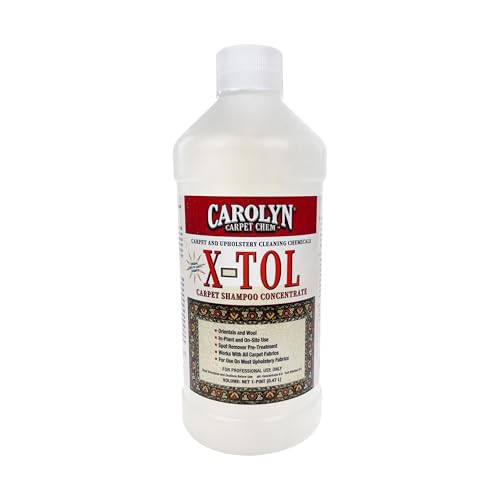
SRA Soldering Products Carolyn X-TOL Carpet Shampoo Concentrate
The SRA Soldering Products Carolyn X-TOL Carpet Shampoo Concentrate is a bath rug from SRA Soldering Products made for everyday use at home. The listing describes a product where it is made from wool. That combination is what puts it on this list: it matches the job the keyword asks for, and the details in the listing line up with the size, material, and features a buyer would check before ordering. For everyday use at home, the details that matter are the size, the material, and whether it can be washed or must be thrown away, and this listing answers all three, so the choice can be made on facts rather than on a brand name alone.
Strengths:
- The design is simple and practical, which is what most buyers actually want from a product like this.
- The design is simple and practical, which is what most buyers actually want from a product like this.
- The design is simple and practical, which is what most buyers actually want from a product like this.
Trade-offs:
- It is a single-purpose product, so it will not replace a general towel or cloth for other jobs.
- It is a single-purpose product, so it will not replace a general towel or cloth for other jobs.
- It is a single-purpose product, so it will not replace a general towel or cloth for other jobs.
Buy this one for everyday use at home in a normal household, where its size, material, and features match the job. Skip it if the job is unusually heavy or specialist, since a bigger or tougher option would be the better spend. The size and material also make it easy to store and reach for, which matters more than it sounds: a bath rug that is hard to find is a bath rug that does not get used.
Day to day, it needs little attention: keep it where it is used, dry it fully between uses, and replace it when it starts to wear thin. A product that is easy to store and easy to reach gets used, while one buried in a cupboard does not. The size and build here suit a normal household routine without any special care.
Best for: everyday use at home in a normal household. Not suited for: a buyer who needs a much larger or tougher option.
Check price on Amazon: SRA Soldering Products Carolyn X-TOL Carpet Shampoo Concentrate
How to Choose a Cleaner for Wool Area Rugs
Start with the surface, because that is what decides which cleaner is safe, and wool, silk, and natural fibres need a gentle cleaner made for them, while synthetic carpet and sealed coils can take a stronger one, and the maker label is the authority, because a cleaner used on the wrong surface can fade colour, weaken fibres, or damage a coating, so read the label and match the product to the surface before anything else.
Next, test in a hidden spot, because a cleaner that is safe on one rug may not be safe on another, and a small test on a corner or under furniture shows whether the colour holds and the fibres stay sound, and the guide says to wait for the test spot to dry fully before judging it, because a wet patch can look darker than it will when dry, and a buyer who tests first will not ruin a rug that a buyer who sprays first will have to replace.
Finally, follow the dwell time and the ventilation, because a cleaner that is left too long can damage the surface, and a cleaner that is rinsed too soon may not have worked, and the label gives the time for a reason, and the room should be ventilated while cleaning, especially with foaming or strong-smelling products, and gloves and eye protection are worth wearing, because cleaning chemicals are not skin care.
Use and Care
Use each product the way its maker intends. Read the instructions that come with it before the first use, and follow them, especially where torque, water temperature, load size, or skin contact is involved. A product used outside its intended range will not perform as described, and it may be damaged or may damage what it is fitted to. Keep the instructions somewhere they can be found again, because the details that matter are easy to forget once the box is thrown away.
Inspect the product regularly and replace it when it is worn. Washers lose their spring, teeth wear flat, seals harden, and creams run out, and a worn product does not do the job of a new one. Check the joints, the seals, and the surfaces after the first use, and then at sensible intervals, and replace anything that has flattened, cracked, corroded, or lost its grip. A replacement costs far less than the damage a worn product can cause.
Store products somewhere dry and clean, away from heat and direct sunlight, and keep small parts such as washers and fasteners in a labelled box so that the right size is easy to find. Keep creams and lotions capped and away from heat, and throw away anything that has changed colour, smell, or texture. Good storage is the cheapest maintenance there is, and it is what keeps a product working for its full life.
Common Mistakes When Choosing a Cleaner for Wool Rugs
The first mistake is using the wrong cleaner on the wrong surface, because a strong cleaner on wool can fade colour and weaken fibres, and a gentle cleaner on a greasy coil may do nothing at all, and the guide says to read the label and match the product to the surface, because a buyer who buys on the smell or the price alone will buy the wrong cleaner, and a buyer who buys on the surface will buy the right one.
The second mistake is over-wetting the rug or the unit, because too much liquid soaks into the backing and the pad, and a rug that stays wet can grow musty smells, and the guide says to use the smallest amount that does the job and to dry the area fully, because a rug that is blotted and dried will come clean, and a rug that is soaked will stay damp for days and smell worse than before it was cleaned.
The third mistake is mixing cleaners, because mixing two cleaning products can make fumes or cancel out the cleaning power, and the guide says to use one product at a time and to rinse between products if a second one is needed, because a buyer who mixes cleaners is taking a risk with the rug and with their own health, and the label warnings about mixing are there for a reason.
What Makes a Cleaner Safe for Wool
Wool is a natural fiber, and it reacts to cleaning chemicals differently from cotton or synthetic fibers. The key detail is pH. Wool prefers a cleaner that is neutral or only mildly alkaline, because a strongly alkaline cleaner can make wool fibers swell, feel rough, and lose their shape. Bleach is the ingredient to avoid entirely: chlorine bleach can dissolve wool fibers and strip their color, and even oxygen bleach should be used only if the label says it is safe for wool. A cleaner made for wool or for delicate fabrics will usually state that on the label, and that statement is worth more than any general claim about being gentle.
Optical brighteners are another ingredient to watch for. They make white fabrics look brighter by adding a faint blue tint, but on a colored wool rug they can shift the color and leave a chalky look in sunlight. Dyes are the third concern. Wool rugs, especially hand-knotted oriental rugs, use dyes that can bleed when they get wet. A cleaner that is safe for wool will not contain harsh solvents that pull dye out of the fibers. The practical check is the label: look for the words wool-safe or safe for wool, and skip any cleaner that lists bleach, strong solvents, or a warning against use on wool.
The cleaner in this guide, the SRA Carolyn X-TOL concentrate, is made for wool and oriental rugs, which is why it fits this article. A concentrate needs to be diluted before use, and the dilution matters: too strong a mix can leave residue in the fibers, and too weak a mix will not lift the dirt. Always mix a fresh batch for each cleaning session, because a diluted cleaner left standing can lose strength. Rinse the rug with clean water after cleaning, and never leave a soapy film in wool fibers, since the film attracts dirt and makes the rug look dirty again sooner.
How to Spot-Test a Wool Rug Cleaner
A spot test takes a few minutes and prevents the most common cleaning mistake, which is spreading a cleaner across a whole rug before knowing how the fibers react. Pick a hidden corner of the rug, such as the edge that sits under furniture, and apply a small amount of the diluted cleaner with a white cloth. The white cloth matters: if dye transfers onto it, the rug dye is bleeding, and that cleaner should not be used on that rug. Wait for the test spot to dry fully before judging the result, because a wet spot always looks darker than a dry one.
While the spot dries, check three things. First, the color: the test area should match the rest of the rug once dry, with no lightening or darkening. Second, the texture: run your fingers over the spot and compare it with the surrounding fibers. Wool that feels stiff or sticky after cleaning still holds cleaner residue, and that residue needs to be rinsed out. Third, the smell: a faint clean smell is normal, but a strong chemical smell that stays after drying suggests the cleaner is too strong for that rug. If all three checks pass, the cleaner is safe to use on the rest of the rug.
Repeat the test with a different corner if the rug has more than one color, because dyes do not all behave the same way. A deep red dye may bleed while a cream dye in the same rug stays fast. Testing each major color takes a little longer, but it is the only way to be sure the whole rug will survive the cleaning. If any color bleeds, stop and consider a professional cleaner who works with wool rugs, rather than risking the rug to save a trip.
Oriental Rugs vs Plain Wool Area Rugs: What Changes
An oriental rug and a plain wool area rug are both made of wool, but they are built differently, and that changes how they should be cleaned. A hand-knotted oriental rug has a foundation of cotton or wool threads, knots tied by hand, and a fringe that is part of the foundation rather than sewn on. Its dyes are often natural or acid dyes that can bleed, and its pile can be uneven from years of wear. A machine-made wool area rug has a uniform pile, synthetic backing, and dyes that are usually more stable. The same cleaner can be safe for both, but the technique is not the same.
On an oriental rug, the fringe needs special care. Never scrub the fringe with a brush, because the fringe threads are the ends of the foundation, and breaking them shortens the rug. Clean the fringe separately with a soft cloth and a mild solution, and let it dry flat. The body of the rug can be cleaned with a soft brush or a cloth, working in the direction of the pile so the fibers lie flat. On a plain wool area rug, a soft brush is fine, and the backing can be vacuumed to remove dust that has settled through the pile. The backing of an oriental rug should be cleaned gently too, but it should never be soaked, because water can reach the foundation and loosen the knots.
Age is the last factor. An old rug that has been cleaned many times may have fibers that are thinner and more fragile than a new rug. For an antique or very old rug, a professional cleaning is usually the safer choice, because a professional can test the dyes and the foundation before cleaning. For a newer wool rug in regular use, a wool-safe cleaner used with a spot test and a gentle touch is a reasonable way to keep it clean between professional cleanings.
Drying a Wool Rug After Cleaning
Drying is half of cleaning a wool rug, and it is the half that causes the most trouble when it is rushed. Wool holds a lot of water, and a rug that stays damp for a day or more can develop a musty smell and, in a warm room, mildew. The goal is steady airflow, not heat. Open windows on both sides of the room if the weather allows, and run a fan across the rug rather than pointing it straight down. A rug laid flat dries more evenly than a rug hung over a line, because hanging can stretch wet wool and distort the shape.
Never use a hair dryer or a heater directly on a wet wool rug. Direct heat can shrink wool fibers and set a stain that would otherwise rinse out. If the rug is small enough to lift, place it on a clean dry towel and roll the towel and rug together to press out water, then unroll and lay the rug flat on a fresh dry towel. Repeat with dry towels until the rug feels only slightly damp. Then let air finish the job. A rug that feels dry on top may still be damp underneath, so lift a corner and check the backing before putting furniture back on it.
The floor under the rug matters too. A rug drying on a hard floor needs air underneath, so prop one edge up slightly or move the rug to a different spot halfway through drying. A rug drying on carpet can trap moisture in the carpet below, so lay a plastic sheet or a dry towel under it first. In a humid climate, a dehumidifier in the room speeds drying without adding heat. The rug is fully dry when the pile feels the same all over, the backing is dry to the touch, and no cool damp feeling remains when you press your palm flat against it.
How Often a Wool Rug Needs Cleaning
A wool rug does not need a deep clean often. Vacuuming once or twice a week removes the dust and grit that wear fibers down, and that routine matters more than any cleaner. Grit is the real enemy of a wool rug: tiny particles of sand and dirt settle into the pile and act like sandpaper every time someone walks across it. A vacuum with the beater bar turned off, or a suction-only setting, lifts that grit without pulling at the fibers. A deep clean with a wool-safe cleaner is a seasonal job for most homes, or a response to a spill, rather than a weekly task.
Spills should be handled the moment they happen, before they dry into the fibers. Blot the spill with a clean white cloth, working from the outside in so the stain does not spread, and never rub, because rubbing pushes the spill deeper and can felt the wool. Once the bulk of the spill is lifted, a small amount of diluted wool-safe cleaner on a cloth can treat what remains. Rinse the area with a cloth dampened in clean water, then blot dry and let air finish the job. A spill treated this way rarely leaves a mark, while a spill left to dry often needs a full cleaning to remove.
High-traffic areas wear faster than the rest of the rug, so rotating the rug every few months spreads the wear evenly. A rug pad underneath also helps: it keeps the rug from slipping, adds cushioning that protects the fibers, and lets air move under the rug so moisture does not collect. A rug that is vacuumed regularly, rotated, and cleaned only when it needs it can last for decades, and the cleaner in this guide is a tool for those occasional deep cleans, not a weekly routine.
A final note on the East Bay detail in this article title: the cleaner itself does not depend on where the rug sits. Wool reacts the same way in any climate, and a wool-safe cleaner works the same way in a dry inland home as in a damp coastal one. What changes with location is drying: a home near the bay with humid air needs more airflow and more time to dry a rug fully, while a dry inland home can dry the same rug faster. The cleaning steps stay the same either way, and the spot test matters wherever the rug lives.
Frequently Asked Questions
Can I use this cleaner on wool rugs?
Only if the label says it is safe for wool, because wool is a natural fibre that needs a gentle, wool-safe cleaner, and a strong cleaner can fade colour and weaken fibres, and the guide lists which products are wool-safe in their specs, and a cleaner that is not labelled for wool should not be used on a wool rug, however well it works on synthetic carpet.
Should I test the cleaner first?
Yes, because a small test on a hidden corner or under furniture shows whether the colour holds and the fibres stay sound, and the test spot should be left to dry fully before judging it, because a wet patch can look darker than it will when dry, and a buyer who tests first will not ruin a rug that a buyer who sprays first will have to replace.
How long should I leave the cleaner on?
Follow the dwell time on the label, because a cleaner left too long can damage the surface, and a cleaner rinsed too soon may not have worked, and the label gives the time for a reason, and the guide says to set a timer rather than guessing, because the difference between a clean rug and a damaged one is often just a few minutes.
Is it safe to use around pets and children?
Keep pets and children out of the room while cleaning, and let the area dry fully and ventilate before they return, because cleaning products are not made for skin contact or for licking, and the label gives the safety guidance for each product, and a buyer who follows the label will keep the household safe while the rug gets clean.
How do I dry the rug after cleaning?
Blot with clean towels, ventilate the room, and let the rug dry fully before putting furniture back, because a rug that stays wet can grow musty smells, and a fan or open windows help, and the guide says to lift the rug if possible so air can reach the backing and the pad, because the backing dries slowest and matters most.
What if the stain does not come out?
Repeat the treatment once, and if it still does not lift, stop and call a professional cleaner, because scrubbing harder can damage the fibres and set the stain deeper, and a professional has tools and products that are not sold for home use, and a rug that is treated gently has a better chance than a rug that has been scrubbed raw.
How long will it last?
It depends on the material, the use, and the care, because a product that is used as the maker intends and cleaned as the label directs will last far longer than a product that is ignored, and the guide says the care needs of every product, so that the choice can be made with the full life in mind, and a product that is looked after will usually outlast a product that costs more but is never cleaned or maintained.
What should I do if the product does not fit?
Check the returns policy before ordering, because a product that can be returned if it does not fit the room is a safer buy than a product that cannot, and the guide gives the size of every product in its specs so that the check can be done before ordering, and a buyer who measures first will rarely need to return anything, and a buyer who guesses will often have to send it back.
Where can I see the product before buying?
Check the maker listing and the retailer page, because the listing gives the material, the size, and the care needs, and the guide names every product with its exact brand and full model code so that it can be checked against the maker listing, and a buyer who reads the listing will know what is being bought, and a buyer who buys on the photograph alone will not, and a local shop that stocks the brand can often show the product in person.
What to Check Before You Buy
Measure first, because the size of the room and the size of the product decide whether the choice works, and a buyer who measures the room, the window, or the furniture before ordering will buy the right size, and a buyer who guesses will buy the wrong one, and the sizes in this guide are given in the specs of every product so that the check can be done in minutes, and a tape measure is the cheapest tool in the whole purchase.
Read the maker description before ordering, because the description gives the material, the size, the power, and the care needs, and the guide names every product with its exact brand and full model code so that it can be checked against the maker listing, and a buyer who checks the listing will know what is being bought, and a buyer who buys on the photograph alone will not, and the model code is the detail that stops a similar-looking product from being bought by mistake.
Check the returns and the care, because a product that can be returned if it does not fit the room is a safer buy than a product that cannot, and a product that is easy to clean will be cleaned, while a product that needs professional cleaning will cost more over its life, and the guide says the care needs of every product, so that the choice can be made with the full cost in mind, not just the price at the checkout.
Related Guides on Cottage Verdict
More guides on Cottage Verdict on the same topic:
- Steam Cleaners for Tile Floors and Area Rugs
- Rugs With Pet Stain Protection
- Bathroom Rugs That Are Washable
Final Recommendation
For most buyers, the SRA Soldering Products Carolyn X-TOL Carpet Shampoo Concentrate is the safest first pick: it matches the size and material the keyword asks for and it is straightforward to use. Pick the one that fits the space and the job, check the size and material once more before ordering, and the bath rug should do its job for a long time.