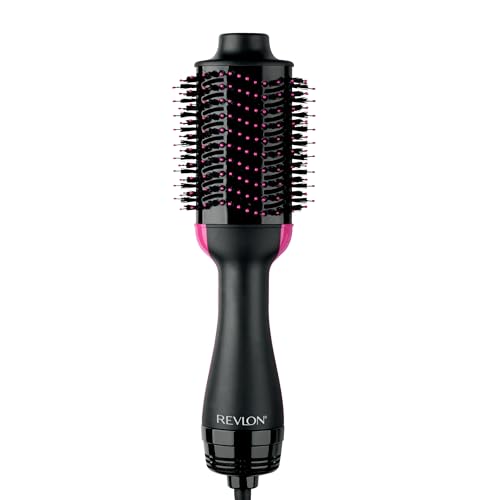
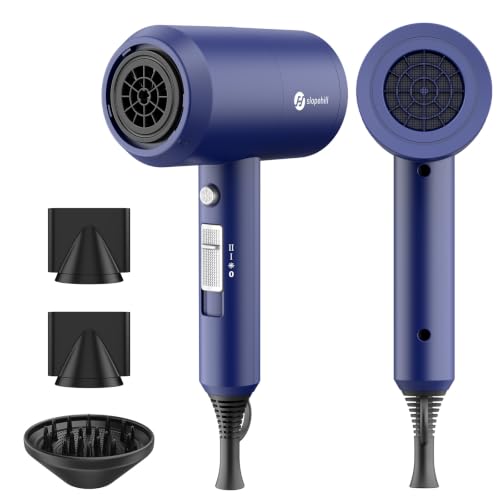
Our Top Picks
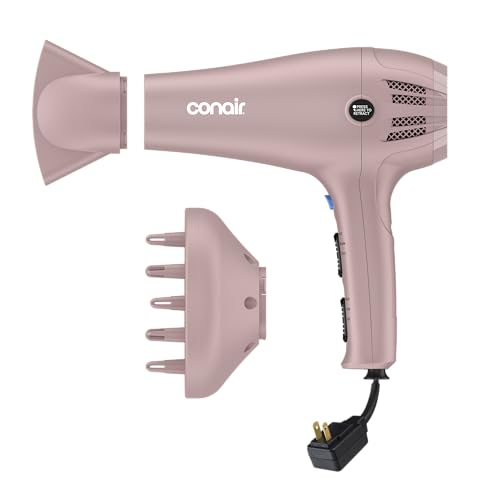
 Conair Hair Dryer with Diffuser and Concentrator3 Piece Set8.24 x 3.68 x 9.2 inches1.42 poundsCheck on Amazon
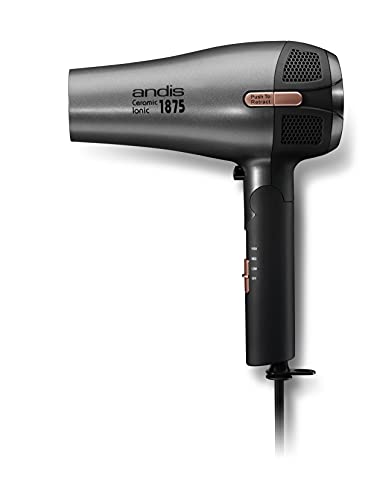 Andis 80280 Fold-n-go 1875 Watt Ceramic Ionic DryerPack of 14 x 11 x 8.2 inches1.7 poundsCheck on Amazon
 REVLON Turbo Hair Dryer4.05x11.15x9.25 Inch (Pack of 1)4.05 x 11.15 x 9.25 inches1.84 poundsCheck on Amazon


What's inside
- Why a cord that disappears changes the routine
- Inside the reel: locks, springs and brakes
- Power, motors and honest airflow numbers
- Heat and speed combinations that protect hair
- Nozzles, diffusers and comb attachments
- Travelling light with a self-tidying dryer
- Storage, care and safety in daily use
- Matching the machine to your hair
- Check prices on Amazon
- A calm shortlist method before you buy
As an Amazon Associate I earn from qualifying purchases. This post may contain affiliate links at no extra cost to you.
Readers who buy through links on this page may earn this site a small commission, and that support keeps our buying guides free to read. Everything that follows comes from studying manufacturer specification sheets, user manuals, and publicly available product documentation rather than from any hands-on claim, so the figures quoted here reflect published cord lengths, wattages, and dimensions that you can verify in those same sources. Where a detail varies between production runs, this guide says so and explains how to confirm it on the packaging before ordering.
Why a cord that disappears changes the routine
Most retractable models extend somewhere between five and nine feet when the cord is pulled fully out, and that single measurement decides whether you can stand back from a steamy mirror or stay tethered close to the outlet. A five-foot cord suits a compact ensuite where the socket sits beside the vanity, because the barrel never needs to travel far from the wall during a short morning routine. Six feet of reach gives a noticeable step up in freedom, letting you turn your head fully, crouch for a low drawer, or share counter space with a partner brushing teeth nearby. Seven-foot cords appear on many mid-size designs aimed at family bathrooms, where outlets often hide behind tall laundry baskets or sit awkwardly at the far end of a double vanity. For shared grooming spaces and shorter styles, see best blow dryers for men. An eight-foot or nine-foot extension belongs to salon-leaning machines built for styling stations, and the extra slack helps when the only free socket lives across the room near the door.
Manufacturers measure cord length from the point where cable exits the handle to the base of the plug, so two dryers both labelled six feet can still feel different once plug shape and handle angle enter the picture. Retracted length matters just as much for storage, with most housings swallowing all but a short tail of cable and leaving a neat loop roughly the size of a coffee mug beside the plug. A cord that retracts in stages, pausing at marked intervals, lets you work with only three feet extended at a small sink instead of fighting surplus cable that pools on wet tiles. Look for printed length stops or a ratchet click at partial extension, since free-running reels either pay out the entire cable or creep shorter while you move the dryer around your head. Thicker cable gauges resist kinking inside the reel, and a supple rubber jacket slides through the guide eye more quietly than a stiff glossy coating that squeaks against plastic edges.
The guide eye itself, usually a small reinforced ring where cable leaves the housing, deserves a close look because fraying almost always begins at that high-friction point after months of daily pulls. A swivel joint at the handle base reduces twisting stress as you angle the barrel, although on retractable designs the swivel range is often narrower than on fixed-cord equivalents to protect the internal drum. If your bathroom outlet sits high above a tall vanity, subtract roughly eighteen inches of usable reach for the vertical drop before deciding that a shorter cord will comfortably suffice. Households sharing one dryer between a bathroom and a bedroom dressing table benefit from the longest practical extension, because moving between rooms rarely means moving the plug between sockets mid-routine. Cord length also shapes safety habits, since a cable stretched drum-tight across a wet floor invites trips, whereas a relaxed arc keeps both plug and housing away from pooled water near the sink.
Inside the reel: locks, springs and brakes
The retraction system in most models is a spring-loaded drum hidden inside the handle or rear housing, wound so that a light tug releases the lock and the spring draws cable home in a controlled sweep. A well-tuned spring pulls steadily without snapping the plug against the housing, and that final few inches should slow noticeably rather than whipping the last section of cable across the counter. Better mechanisms use a centrifugal brake or a friction governor, small internal parts that keep retraction speed even whether you release two feet of cord or the entire length at once. Jerky, stop-start retraction usually signals a cable that has twisted on the drum, and gently extending the cord fully, then guiding it back slowly, often reseats the windings without opening the outer shell. Manufacturers commonly advise feeding the cable back with one hand guiding it, because letting go entirely lets the plug swing, chip tiles, crack the guide eye, or knock toiletries into the sink.
A locking pawl holds the cord at your chosen length during use, and you should feel a soft, definite engagement rather than a vague resistance that slips whenever the dryer changes angle. Repeated partial pulls wear the pawl unevenly, so alternating your usual working length by a few inches from week to week spreads that wear across more of the ratchet track. Dust, hairspray residue, and loose strands migrate toward the cord opening over time, and a monthly wipe of the extended cable with a dry cloth keeps grit from being wound into the drum. Never yank the cable sideways at a sharp angle from the housing, because the drum expects a straight feed and angled pulls grind the jacket against one side of the entry ring. If retraction slows noticeably after a year, the cause is more often a dirty or twisted cable than a tired spring, and a careful full extension plus cleaning usually restores the original pace.
Some designs place a dedicated retract button on the handle that you hold while guiding the cable in, giving finer control than tug-release systems when children use the dryer under supervision. Button-operated reels suit users with limited grip strength, since the release needs a thumb press instead of a sharp pull that can aggravate sore wrists or arthritic fingers. The drum adds bulk, which is why retractable housings often measure a little wider across the rear body than fixed-cord equivalents of similar wattage and airflow. Internal cable routing means a damaged cord is rarely a home repair, so treat the full cable run gently and stop using any unit whose jacket splits or whose copper strands show through. A healthy mechanism sounds like a smooth, low whirr lasting a second or two, while clicking, grinding, or a sudden dead stop mid-retraction points to an obstruction worth investigating before further use.
Power, motors and honest airflow numbers
Wattage on household dryers commonly falls between one thousand and eighteen hundred and seventy-five watts, with the upper figure representing the practical ceiling for standard fifteen-ampere bathroom circuits in North America. Higher wattage generally means faster evaporation from dense or long hair, although nozzle shape and fan design influence real drying speed as strongly as the raw electrical figure printed on the rating label. A twelve-hundred-watt travel-leaning model dries fine or short hair perfectly well and runs cooler on older wiring, making it a sensible match for guest bathrooms and caravans with modest circuits. Dual-voltage designs rated around twelve hundred watts switch between one hundred twenty and two hundred forty volts, a feature that matters far more for international trips than a small difference in peak heat. Motor type shapes both noise and lifespan, with traditional universal motors delivering strong airflow cheaply while newer brushless designs run quieter and concentrate power in a slimmer barrel. Brand-led ranges with long salon heritage are surveyed in best babyliss hair dryers.
An AC motor, the heavier professional style, pushes a steadier airstream that suits thick hair needing sustained heat, whereas a lightweight DC motor keeps casual and travel models easy to hold overhead. Airflow is sometimes quoted in cubic feet per minute or metres per second at the nozzle, and comparing those figures alongside wattage gives a fairer picture than wattage alone when shortlisting. A dryer that reaches high heat but moves little air tends to bake the surface of a section while leaving roots damp, so balanced output matters more than the hottest headline setting. Look for a separate cool-shot control that cuts the heating element entirely, because lukewarm low heat is not the same as genuinely cool air for setting a finished style. Energy use follows wattage and session length, meaning a powerful dryer used for six focused minutes can consume less electricity overall than a weak one labouring through fifteen minutes of passes.
Circuit sharing deserves attention in older homes, since a dryer at full power alongside a heated towel rail or a second appliance on the same circuit can trip a breaker mid-routine. The rating label near the cord entry lists voltage, wattage, and certification marks, and photographing it before purchase helps you confirm compatibility with your supply and your travel adaptor. Some models publish two wattage figures for different voltage settings, so check which number applies in your country rather than assuming the larger value is available everywhere you plug in. A strong motor paired with a narrow concentrator raises air velocity at the hair surface, which is why nozzle pairing belongs in any fair comparison of drying performance between rival designs. Standby consumption is effectively zero on these simple appliances once switched off, yet the heating element cools slowly, so give the barrel a minute on a heat-safe surface before retracting everything into a drawer.
Heat and speed combinations that protect hair
Two heat settings cover the minimum for flexible styling, while three levels separate gentle root drying, everyday warmth, and a high setting reserved for the first rough-dry pass on soaking hair. Independent heat and speed switches give more useful combinations than a single combined slider, because you can pair low heat with strong airflow for fragile fringes or baby-fine lengths. High speed with moderate heat often dries nearly as quickly as maximum everything, while treating coloured or chemically straightened hair far more kindly across repeated weekly sessions. Fine hair responds best to the lower half of the heat range, since thin strands lose moisture quickly and scorch at temperatures that thick, coarse hair tolerates without complaint. A companion overview covering gentler airflow choices is best blow dryers for fine thin hair. Curly hair usually prefers slower air over gentler warmth, a pairing that keeps the curl pattern intact instead of blasting sections apart into frizz before a diffuser even enters the routine. Readers comparing diffuser-led routines for curls may also enjoy best affordable hair dryers for curly hair.
A true cool setting helps lock a bend created by a round brush, and holding that cool stream on each section for ten to fifteen seconds makes the shape last noticeably longer through the day. Thermostatic cycling, found on some designs, trims power when internal temperature climbs too high, protecting both the element and your hair during long sessions in a warm, steamy room. Published nozzle temperatures vary widely with distance, so treat any single degree figure cautiously and judge instead by whether low settings feel comfortable on the inside of your wrist. Scalp comfort sets a practical ceiling, because air that feels painfully hot at six inches will not become safer simply because a specification sheet lists an impressive maximum temperature. Children and anyone with reduced sensation should stay on the lowest heat with the nozzle kept moving, and adult supervision matters more than any automatic cut-out feature advertised on the box.
A thermal fuse provides a final safety layer by shutting the dryer down if airflow is blocked, for example when the rear intake rests against a towel or a hand covers the grille. After an automatic shut-off, unplug the unit and let it cool fully before restarting, since repeated overheating shortens element life and can indicate a filter clogged with lint and hair. Heat distribution across the airstream should feel even, not concentrated in one scorching stripe, and uneven output often traces back to a partially warped nozzle or a failing element coil. Ionic and ceramic marketing terms describe surface materials and charged-particle features intended to reduce static, yet basic technique, steady movement and suitable heat, still decides most real-world results. Tourmaline-coated grilles and ceramic elements aim for steadier radiant warmth, which can feel less harsh on damaged ends even when the measured air temperature matches a basic metal-element model.
Nozzles, diffusers and comb attachments
A slim concentrator nozzle, typically two to three inches wide with a narrow slot, focuses airflow for sleek finishes and is the attachment most worth judging carefully when comparing boxed contents. Concentrators that rotate a full half-turn on the barrel let you switch between vertical and horizontal airflow without twisting your wrist into an awkward angle above your head. Magnetic attachment systems snap nozzles on with a satisfying click and release with a twist, while friction-fit versions cost less but can loosen as the plastic ages and heat cycles accumulate. A diffuser, with its broad bowl and raised prongs, spreads air across curls so they dry in their natural pattern, and deeper bowls suit long hair that needs room to gather without spilling out. Shallow travel diffusers fold or collapse flat on some designs, trading curl capacity for a profile that slips into a wash bag beside the retracted dryer body.
A wide-tooth comb or pik attachment lifts roots and stretches coily textures during drying, and sturdy teeth matter because thin prongs snap quickly under the tension of dense hair. Check whether attachments are included or sold separately, since a low headline specification can hide the cost of adding the diffuser your hair type actually requires every single wash day. Nozzle plastic should feel thick and heat-resistant, because thin walls warp after repeated high-heat sessions and a warped slot leaks air sideways instead of directing it along the section. Cool-touch nozzle tips protect fingertips during mid-style swaps, although the safest habit remains switching the dryer off and waiting a few breaths before handling any attachment after high heat. Storage for attachments rarely comes in the box beyond a simple drawstring pouch, so measure your drawer or shelf with the diffuser included rather than discovering later that the set no longer fits.
A concentrator with a slightly flared outlet softens the airstream edge, reducing the harsh line that a razor-thin slot can leave across a smooth blowout when held too close. If you style fringes or short crops daily, a precision nozzle narrower than standard makes controlled work around the hairline easier without blasting neighbouring sections out of place. Attachment compatibility rarely crosses between brands, and even within one brand different barrel diameters exist, so keep the original set together rather than assuming a spare from an older dryer will fit. Diffuser prong length changes the feel on the scalp, with longer fingers reaching through thick hair to dry roots, while shorter prongs suit waves that need only gentle encouragement. A quick test of attachment security is to hold the dryer nozzle-down and shake lightly, because any nozzle that rattles loose in your hand will eventually drop onto a hard floor mid-routine.
Travelling light with a self-tidying dryer
Weight separates pleasant travel companions from burdens, and retractable models commonly weigh between one and just under two pounds once the drum, spring, and full cable are accounted for. Every extra hundred grams shows during a ten-minute session held overhead, so travellers with shoulder or wrist concerns should favour the lighter end of the range even at slightly lower wattage. Folding handles shrink the packed footprint dramatically, bringing many designs down to roughly the size of a paperback novel when the cord is retracted and the handle tucked alongside the barrel. Measure the folded unit against your actual wash bag, because diffuser bowls and plug prongs add awkward bulges that flat catalogue dimensions never quite capture on paper. A hanging loop moulded into the handle end lets the dryer live on a hook inside a hotel wardrobe or behind a bathroom door, keeping it off damp counters where sockets are scarce.
Dual voltage remains the single most valuable travel feature, switched either by a small dial near the handle or automatically on some designs, and it must be set correctly before plugging in abroad. Plug shape still needs a passive adaptor in many countries, and a compact adaptor stored with the dryer prevents the classic first-night scramble in an unfamiliar city. Hard-shell cases protect the reel mechanism from suitcase pressure far better than soft pouches, since a crushed housing can pinch the drum and turn smooth retraction into a grinding struggle. Hotel dryers vary enormously in quality, which is precisely why frequent travellers accept the extra weight of their own familiar machine with known heat settings and a cord that reaches the mirror. For carry-on packing, place the dryer where security staff can reach it easily, and keep attachments together in one pouch so a dropped diffuser does not vanish into the depths of the bag.
Camping and caravan use adds a different constraint, because site hook-ups may limit total draw, making a modest-wattage model the practical choice even if home routines use something stronger. A dryer that retracts fully travels cleaner, with no loose cable snagging zips or tangling around toiletries, and that tidiness is the core appeal of the format for anyone living out of a bag. Check airline guidance only for accessories, since the dryer itself is a simple mains appliance, while any separate rechargeable styling tools in the same bag follow their own battery rules. After beach trips, wipe salt spray from the housing and extend the cord fully to dry, because gritty residue wound into the reel abrades the jacket a little more with every subsequent retraction. Travel weight figures in listings sometimes exclude attachments and plug, so compare like with like by adding the concentrator and adaptor you will genuinely carry on the trip.
Storage, care and safety in daily use
Retraction transforms storage because the whole appliance becomes one compact object, happy in a shallow drawer, a vanity cupboard, or standing upright in a tall basket beside the sink. A drawer depth of around five inches accommodates most folded models, though you should confirm the plug sits flat rather than propping the unit at an angle that strains the cord entry. Heat lingers in the barrel after use, so let the dryer cool on the counter before drawer storage, or choose a heat-resistant liner if you must put it away quickly on rushed mornings. Wall-mounted holders keep the dryer visible and ventilated, and a cradle that supports the barrel rather than hanging everything from the cord entry protects the reel over years of daily use. Never store the unit with the cord only partly retracted under tension, because a spring held stretched for months can lose some of its pull and begin leaving the last foot of cable dangling.
Keeping the intake grille unobstructed in storage prevents the slow lint build-up that eventually starves airflow, raises internal temperature, and triggers nuisance thermal cut-outs during use. A labelled pouch for each attachment ends the familiar rummage through a shared family drawer, and it also stops hard nozzle edges from scratching the dryer housing while everything is jumbled together. In humid bathrooms, occasional airing matters, so leave the cupboard door open after steamy showers when possible and wipe condensation from the housing before it settles around the cord opening. Children reach stored appliances easily in low drawers, so households with young children often prefer a high shelf or a latched cupboard, with the plug kept out of sight and the cord fully retracted. Under-sink storage invites leaks from traps and bottles, making a raised caddy or a shelf inside the cupboard a safer home than the cupboard floor directly beneath pipework.
The compact shape also suits small living spaces beyond bathrooms, including studio flats, dorm rooms, and camper vans where one multipurpose drawer must hold every grooming tool you own. If you keep a spare dryer for guests, the retracted format stacks neatly in a linen cupboard, and a note in the guest room saves visitors hunting through your bathroom cabinets. Before long storage, extend and inspect the whole cable, clean the filter, and retract slowly, because discovering fraying after months in a drawer usually means discovering it at the worst moment. Avoid coiling anything else around the stored dryer, since pressure from chargers or straightener cables can deform a warm housing and adds exactly the tangle the retractable design exists to prevent. Rotation helps households with two bathrooms, because swapping which unit lives where every few months evens out wear on springs, switches, and filters instead of exhausting one machine completely.
Thick, long hair asks for sustained airflow and enough cord freedom to work in sections around the whole head, so prioritise motor strength and a concentrator that stays firmly attached under load. Sectioning clips transform results on dense hair, letting you dry the underlayers first with the nozzle angled downward, and a longer cord makes circling a seated family member far easier. Fine hair dries quickly but damages easily, favouring lower heat, a wider nozzle opening, and constant movement so no single strand group absorbs the full stream for more than a few seconds. For fragile, thinning hair at the crown, hold the dryer further away and lift roots with fingers rather than a hot brush, because distance moderates temperature more reliably than guesswork. Curly routines often begin with a rough dry at the roots, then a diffuser cupped under each section, and the cord must reach comfortably around a seated position in front of a low mirror.
Wavy hair sits between routines, responding to medium heat and a concentrator for smoothness on top while the lengths keep their movement when air speed stays moderate rather than blasting. Coily textures benefit from tension methods using a comb attachment or a brush, with heat kept moderate and passes repeated patiently instead of raising temperature to rush the final sections. Short crops and pixie cuts need precision more than power, and a compact dryer with a narrow nozzle gives control around ears and neckline without overheating skin that sits close to the airflow. Long beards dry best on cool or low settings at a distance, since facial hair and the skin beneath both dislike the sustained high heat that head hair tolerates during a quick rough dry. Extensions and wigs require extra caution, with adhesives and synthetic fibres setting strict temperature limits, so the lowest heat and a fully cool option become essential rather than nice extras.
Grey hair, often wirier and drier in texture, responds to gentler heat and slower passes, and its tendency to yellow under excessive temperature is another reason to respect the lower settings. Oily scalps benefit from thorough root drying on moderate warmth, because leaving roots damp under styled lengths shortens the clean feeling and invites flatness by the following morning. Dry, damaged ends need the opposite emphasis, with heat directed at roots and mid-lengths while ends dry largely in the warm ambient stream rather than under the nozzle at close range. Anyone styling for a child should choose simple controls, a cool option that is genuinely cool, and a cord length that lets an adult stand comfortably while the child sits safely away from the sink. Hair type can change with colouring, medication, or age, so a dryer with wide, usable adjustment ranges keeps serving the same household member as their routine evolves across the years.
Matching the machine to your hair
Filter cleaning is the highest-value habit for any dryer, and most rear caps twist or pop off so the mesh can be brushed free of lint under good light every few weeks. A clogged filter makes the motor labour, the air hotter and weaker, and the thermal fuse more likely to intervene, so treat sluggish airflow as a cleaning prompt before suspecting a fault. Use a soft toothbrush or a dry cloth on the mesh rather than water, unless the manual explicitly allows rinsing, and let any washed filter dry completely before refitting it to the housing. Wipe the housing with a slightly damp cloth only when the unit is unplugged and cool, keeping moisture away from the cord opening, switches, and intake so nothing migrates toward the motor. Hairspray build-up on the nozzle narrows the slot gradually, and a warm damp cloth softens that lacquer film so the outlet returns to its intended width without scraping at the plastic.
Inspect the full cable length monthly by extending it slowly in good light, feeling for flat spots, cuts, or sticky patches that suggest the jacket is breaking down inside the reel. Stop using the dryer immediately if you see damaged cable insulation, smell electrical burning, or hear crackling, and replace the appliance rather than attempting tape repairs on a heated device. Switches wear with use, and a control that feels loose, sticks between positions, or changes speed when the handle flexes is signalling that internal contacts are nearing the end of their service life. Store the manual or a photograph of its key pages, because fuse ratings, filter instructions, and voltage-switch directions differ between designs and are easiest to check before a trip, not during one. Professional servicing rarely makes economic sense for household dryers, which places even more value on gentle cord handling and regular filter care to stretch the working life you get from the purchase.
If the dryer will sit unused in a holiday home, a dust cover keeps the intake clean, and a brief run on cool air every visit confirms the reel and motor still move freely before you rely on them. Recycling routes for small electricals accept dead dryers in many regions, and cutting off a damaged plug before disposal prevents anyone rescuing an unsafe appliance from a kerbside pile. Keep the purchase receipt with the warranty period noted, since reel mechanisms and switches are exactly the parts most likely to be discussed if a claim arises during the first two years. Avoid opening the housing to chase a retraction fault unless you are qualified, because the wound spring stores energy and can uncoil sharply the moment internal clips release their hold. Small habits compound, and the households that report the fewest dryer dramas tend to share three of them, namely guiding the cord home, cleaning the filter, and never wrapping cable around a warm barrel.
Water and mains electricity demand respect in any bathroom, so keep the dryer away from filled baths, never reach for a fallen appliance in water, and unplug before any cleaning or inspection. A ground-fault protected outlet adds an important layer of protection in bathrooms, and if your sockets lack that protection, ask an electrician about upgrading rather than relying on the appliance alone. Never block the rear intake with your palm during use, because starving the airflow overheats the element within seconds and teaches exactly the habit that triggers protective shut-offs. Keep the nozzle moving across hair rather than parked on one spot, a technique point that doubles as a safety rule for skin, especially around ears, the neckline, and a child’s scalp. Supervise younger users until their routine is automatic, including switching off before putting the dryer down, keeping the cord clear of the sink, and guiding retraction instead of letting the plug fly.
Do not use the dryer to warm bedding, dry clothing, or thaw anything, because fabrics placed over the nozzle trap heat in ways the design never anticipated and quickly overheat the element. Unplug by gripping the plug body rather than tugging the cable, a habit that protects both the wall socket and the internal connections at the plug end of the retractable cable run. If the appliance drops into water while plugged in, do not reach in, and instead switch off at the socket or breaker first if that can be done with dry hands from a dry position. Check that the voltage setting matches your supply after any trip abroad, since a dual-voltage dryer left on the lower setting will overheat rapidly when connected to a higher-voltage outlet. Place the hot barrel on a heat-resistant mat rather than directly on varnished wood, acrylic baths, or synthetic carpets, all of which can mark or soften under a freshly used nozzle.
Keep aerosol sprays away from the intake during styling, because propellants and fine mists drawn across a hot element are a poor combination and also coat the filter with sticky residue. Anyone with a pacemaker or similar device should follow their clinician’s general guidance about household appliances, although ordinary dryer use at normal distances is a routine activity for most people. Replace any dryer that trips your home protection repeatedly, since repeated tripping is information about a developing fault rather than an inconvenience to be worked around with a different socket. Teach every user where the cool setting lives before they need it, because the fastest response to an uncomfortably hot section is cool air and distance, not fumbling through unfamiliar controls. Dry hands before handling the plug, keep the socket area splash-free, and route the extended cord so it cannot drag the appliance off the counter if someone brushes past the doorway.
Check prices on Amazon
Live listings for the shortlist in this guide are pulled from Amazon below, so prices and availability are always current at the moment you look.


A calm shortlist method before you buy
Begin any shortlist with your outlet position and measure the distance to where you actually stand or sit to dry, then add slack for movement so the cord figure you require is grounded in your room. Next, match wattage and motor style to your hair density and session length, remembering that the most powerful option is not automatically the kindest or the quickest for every texture. List the attachments you will genuinely use weekly, and price any design that omits them accordingly, because a diffuser bought later can erase the saving that made a basic box look attractive. Handle weight and balance matter in person where possible, since two dryers of identical weight feel different when one carries its drum high in the handle and the other low near the cord entry. Read the warranty terms for the reel mechanism specifically, because general coverage sometimes treats cords and moving cable systems differently from the motor and heating element.
Check the returns window wherever you shop, as real comfort with grip, noise, and retraction feel only emerges across a week of ordinary mornings rather than from specifications alone. Noise ratings, where published, help households with sleeping children or thin walls, and brushless designs often hold an advantage here that justifies their higher position in a range. Consider who else will use the machine, because a dryer bought for one person’s careful routine may live a harder life once teenagers, guests, and visiting family join the rotation. A simple two-button layout suits shared bathrooms better than fiddly sliders, and controls that can be found by touch keep eyes on the mirror instead of hunting along the handle mid-style. If storage is the entire motivation, confirm the retracted dimensions with plug included, since the plug is the part most often forgotten when a drawer measurement looks perfect on paper.
Spare filters and replacement attachments signal a manufacturer expecting a long service life, and their availability at purchase time is a quiet clue about how the product will age. Seasoned stylists often advise spending on the dryer you use daily before adding occasional tools, a logic that favours a mid-range retractable with the right attachments over a flashier fixed-cord alternative. Finally, keep expectations proportionate, because retraction is a convenience and storage feature layered on a conventional dryer, and the best choice remains the one whose heat, weight, and reach fit your routine. Noise levels on household dryers commonly sit somewhere between seventy and ninety decibels at close range, and a difference of five decibels is clearly audible during a quiet early-morning routine. Quieter designs usually achieve their calm through larger fan passages and slower-spinning motors rather than through insulation alone, so listen for a smooth tone instead of a high-pitched whine when comparing recordings.
A dryer used daily beside a sleeping baby or a night-shift partner earns goodwill through moderate volume, and that social benefit rarely appears on specification sheets yet decides real satisfaction. Handle ergonomics begin with circumference, because a grip around thirty-five to forty millimetres suits most adult hands while very slim handles force fingers to clench harder through a long session. Button placement should fall under the thumb or index finger without shifting grip, and switches that demand a glance downward interrupt the mirror work that styling actually requires. Balanced weight distribution keeps the wrist neutral, with the motor mass centred over the hand instead of cantilevered behind it, a distinction that matters during ten minutes of round-brush work overhead. Textured or matte handle finishes resist slipping when hands carry traces of conditioner or styling cream, whereas glossy shells look sleek in photographs and slide in real bathrooms.
Left-handed users should check switch orientation carefully, since controls designed purely for right thumbs can sit awkwardly against the palm and change settings accidentally mid-pass. The barrel length influences reach to the back of the head, and a slightly longer body keeps hot surfaces further from the neck when you angle air beneath the underlayers. Cool-touch barrel tips and insulated nozzle ends protect the forearm that steadies sections, a small comfort that becomes significant during summer routines in already warm rooms. Comparing a retractable design with a fixed-cord equivalent comes down to habits, because tidy storers gain daily, while stylists who pace around a chair may prefer an unrestricted long cable. Fixed cords can be replaced or repaired more readily by a qualified technician, whereas a reel fault usually means a whole-unit decision, and that trade-off deserves honest weight in the comparison.
Salon professionals often keep a fixed-cord workhorse at the chair and a retractable unit at home, a split that reflects how differently the two environments punish cables and storage space. For a small flat where the dryer lives in a kitchen drawer between uses, retraction wins easily, because a loose two-metre cable would colonise the cutlery tray within a week. Gift buyers favour the retractable format for students and first flats, since the appliance packs, moves, and stores as one object without accessories multiplying across shared accommodation. Troubleshooting a slow rough dry starts with the filter, the nozzle fit, and the heat setting, in that order, before assuming the element or motor has lost its original strength. If airflow pulses rhythmically, check whether the intake is brushing against hair or a shoulder, because intermittent blocking produces exactly that surging pattern during otherwise normal use.
A burning smell on a new dryer often fades after the first few sessions as manufacturing residues clear, yet a persistent smell on an older unit demands unplugging and inspection. Rattling after a drop suggests a loosened fan or housing screw, and continuing to run a rattling dryer risks turning a small mechanical problem into a failed motor. When retraction leaves a consistent short tail exposed, the lock may be engaging early on a twisted section, and several slow full extensions usually reveal where the cable wants to sit. Keep the original packaging until the return window closes, because the moulded insert that protected the reel in transit is also the safest way to send the unit back if the grip disappoints. Voltage converters are a poor match for high-wattage heating appliances, so travellers should rely on genuine dual-voltage designs rather than pairing a home-only dryer with a cheap converter brick.
Frequency differences between countries rarely trouble a simple motor and element, yet the manual remains the authority, and its travel paragraph is worth reading before the first overseas trip. Humidity sensors and automatic heat adjustment appear on some designs, trimming output as hair dries, and they suit users who tend to over-dry ends while concentrating on stubborn roots. Removable end caps and washable filters signal maintenance-minded design, and spare mesh screens in the box suggest the manufacturer expects the appliance to be serviced by its owner for years. A dryer is ultimately judged at seven in the morning, half awake, with wet hair and a train to catch, so favour the controls, weight, and cord behaviour that disappear into that routine. Reading the specification label aloud once, voltage, wattage, and model details, fixes the essentials in memory and makes every later comparison, accessory order, and warranty call faster.
Retail photographs hide scale, so compare listed dimensions against a ruler on your own counter before ordering, especially the barrel diameter that decides whether your existing brush technique transfers comfortably. If you straighten with a brush, practise the tension on a day without deadlines, because a new balance point changes how sections feed through bristles during the first few attempts. Partners sharing one dryer should agree a home hook or drawer, since an appliance that migrates between rooms slowly gathers damage from door edges, chair legs, and hurried cable pulls. Seasonal routines shift too, with winter demanding fuller drying before hats and scarves, while summer allows a lighter finish that air completes during the walk to the station. Hard water regions coat everything in bathrooms with mineral film, and a weekly wipe keeps that film from stiffening the cable jacket where it slides through the guide eye.
Finally, retire a dryer on evidence rather than sentiment when switches falter, cables scar, or heat turns uneven, because grooming appliances earn replacement the same way they earned purchase, through daily reliability. A concentrator held roughly six inches from the section gives a forgiving balance of speed and control, while halving that distance concentrates heat sharply and demands faster, steadier movement. Work in sections no wider than the brush you are using, because oversized sections dry on the surface while trapping moisture beneath, which shows up as frizz an hour later. The rough-dry stage should remove most visible water before any brush touches the hair, and patience at this unglamorous stage decides how polished the finishing passes can become. Point the nozzle downward along the hair shaft rather than upward against it, a direction that encourages the outer surface to lie flatter and reflect light more evenly.
Alternate hands when fatigue creeps in, since a tired grip slows nozzle movement, and slow movement over one spot is how accidental hot patches happen on busy mornings. A heat-protectant spray, applied evenly to damp hair, is a routine companion rather than a licence for maximum temperature, and it works best when the dryer settings stay moderate regardless. Detangle gently before switching on, because knots concentrate airflow resistance, tangle further under a strong stream, and force repeated passes over exactly the areas that need the fewest. For a smoother finish, keep tension consistent through the brush and release each section only after a brief cool pass, rather than dropping hot hair straight onto the shoulders. Bob-length styles benefit from drying the nape first, since that hidden layer stays damp longest and can undo a neat outline when it swells later in humid weather.
Fringes should be dried early and in both directions, because a fringe left to air-dry while the lengths are styled will set with its own opinions about direction. Men with short textured crops often prefer a matte, natural finish, achieved with low heat and fingertip shaping rather than a polished concentrator routine built for longer hair. Beards and longer facial hair respond to a comb guiding the stream downward, with cool air finishing the shape so the result looks deliberate rather than windswept. Anyone returning to drying after illness or injury should rebuild the routine gradually, choosing the lightest comfortable unit and seated styling until strength and stamina fully return. A seated position in front of a stable mirror changes the cord calculation, because the outlet may be further away yet the dryer travels a smaller, more predictable arc.
Mirror placement at standing height with a nearby shelf beats balancing the dryer on a sink edge, where a retracting cable can drag it toward porcelain at the worst moment. Keep a microfibre towel within reach to blot drips before they reach the counter, since water spots under a hot barrel can mark delicate vanity surfaces over time. The intake grille should face away from loose hair during use, because strands drawn against the mesh restrict airflow and can wind around internal parts near the opening. Long hair worn loose while drying the back sections inevitably brushes the intake, so clipping finished sections up and away protects both airflow and the style taking shape. After the final section, a minute of cool air over the whole head settles flyaways and gives a truer preview of the finish than judging while everything is still warm.
Photograph your favourite finished routine once, including settings and attachment, because recreating a good hair day is easier with a record than with a hopeful memory. Humidity in the room fights the finish, so run the extractor fan or open a door during the final passes, letting moist air leave instead of settling back onto warm hair. Winter static responds to slightly lower heat, a thorough cool finish, and not over-drying, since bone-dry hair holds a charge that even careful brushing seems to amplify. Summer routines can stop at ninety percent dry for many textures, letting the last moisture leave naturally and giving the style a softer, less engineered character. When guests borrow the dryer, a thirty-second orientation on the retract control prevents the instinctive hard yank that strangers apply to an unfamiliar cable system.
Label the voltage switch position for your home country with a tiny dot of nail polish beside the dial, a humble trick that prevents a half-asleep mistake after returning from abroad. Spare a thought for pets during drying, because some animals dislike the motor pitch intensely, and a closed door spares them stress while sparing you a startled interruption. The best routine is the one repeated calmly hundreds of times, so small frictions, a sticky switch, a short cord, a heavy handle, deserve more weight than headline features used twice a year. Review your dryer each spring, cleaning the filter, checking the cable, and confirming the reel still locks at several lengths, because gradual decline is easiest to catch before it becomes failure. If the household adds a second dryer, choose a complementary strength, perhaps a compact travel unit beside a powerful home model, rather than duplicating the same compromises twice.
Children learning to dry their own hair need the cool setting demonstrated first, a seated position, and a cord length that keeps the plug far from any water source in the room. Older relatives often value large, legible switch markings and a light body over extra programmes, and their feedback after one ordinary week is the most honest review available. A dryer placed ready on its hook, filter clean and cord home, removes the tiny activation energy that otherwise turns a styling routine into a negotiation on rushed mornings.
Choose the dryer whose cord reaches your mirror, whose heat respects your hair, and whose reel still glides smoothly on an ordinary rainy Tuesday when nobody is watching and the morning is already running late.