What's inside
- Key Takeaways
- Quick Picks
- How Did We Choose These Gas Dryers?
- Why Does a Moisture Sensor Matter More With Gas Heat?
- What Should You Check Before Ordering Any Gas Dryer?
- Which Gas Dryers With Moisture Sensors Deserve a Closer Look?
- How Should You Read Sensor Claims on a Dryer Listing?
- Does Drum Capacity Change How Well Sensing Works?
- How Do the Six Picks Compare Side by Side?
- How Should a Gas Dryer Be Installed Safely?
- How Do You Keep a Sensor Dryer Reading Loads Accurately?
- How Do Dryness Levels Change What the Sensor Decides?
- How Does Sensor Drying Treat Different Fabrics?
- What Should a Seasonal Care Routine for a Gas Dryer Look Like?
- What Will You Notice During the First Month With a Sensor Dryer?
- How Do You Pair a Sensor Gas Dryer With Your Existing Washer?
- What Mistakes Do Gas Dryer Buyers Keep Making?
- When Is a Timed Cycle Still the Right Tool?
- Final Recommendation
- Frequently Asked Questions
- Related Guides
As an Amazon Associate I earn from qualifying purchases. This post may contain affiliate links at no extra cost to you.
cottageverdict.com is reader-supported. When you buy through links on our site, we may earn an affiliate commission.
Where to buy: Every linked model below sits on Amazon, where the listing page carries the current configuration, venting requirements, and delivery terms — check price on Amazon before you commit. Gas appliances are the one laundry category where the purchase is only half the job, because the hookup itself belongs to a licensed installer.
Shoppers hunting for the best gas dryers with moisture sensors usually arrive with the same frustration: timed cycles guess at dryness, and guessing either bakes a load past done or leaves the thickest seams damp. A moisture sensor changes that bargain. Instead of counting minutes, the dryer reads the load itself and ends the cycle when the fabric actually reaches the dryness level you selected. With gas heat, which comes on fast and strong, that feedback loop matters even more, because a gas burner left running on a timer can overshoot quickly on small or synthetic loads.
This guide gathers five gas dryers whose listings describe sensor-based drying in one form or another, plus one dealer-channel line worth knowing about if you would rather buy through a local appliance store. Two of the linked models print the words Sensor Dry right in their names, which makes them the most direct answers to the search. The three Kenmore models describe their sensing under the brand’s own Smart Sensor Drying label, and we treat that wording carefully below rather than pretending every badge means identical hardware. Capacity runs from 7.0 to 8.0 cubic feet across the linked picks, so all of them are full-size machines for a proper laundry room, not compact substitutes.
One honesty note before the picks: a moisture sensor only helps if the rest of the installation is right, if the vent breathes freely, if the drum is loaded so fabric can actually tumble past the sensing strips, and if the household is willing to let the machine finish on evidence instead of habit — four small conditions that together decide whether the technology feels miraculous or merely adequate in the first month of ownership. A crushed vent, a long run with too many elbows, or a lint screen washed so rarely it films over will defeat the smartest sensor ever fitted. The how-to sections further down cover those unglamorous details, because they decide real-world results more than any badge on the control panel.
Key Takeaways
- Sensor Dry is printed directly in the Samsung and LG model names here, making them the clearest matches for a true moisture-sensing gas dryer.
- The three Kenmore picks describe the same job as Smart Sensor Drying, paired with Wrinkle Guard tumbling that keeps finished loads from setting creases.
- Gas installation is not a do-it-yourself task: budget for a licensed installer and a proper shutoff, flex line, and vent run from the start.
- Every linked pick is a full-size front-load machine between 7.0 and 8.0 cubic feet, sized for family laundry rather than apartment corners.
- A clean vent path matters as much as the sensor, since restricted airflow makes any dryer run longer and read loads poorly.
Quick Picks
| Pick | Badge | Why it earns its place |
|---|---|---|
| Samsung 7.5 Cu. Ft. Gas Dryer with Sensor Dry | Most Direct Sensor Match | Its name carries the Sensor Dry claim outright, and the 7.5 cubic foot drum swallows a week of family laundry per load. |
| LG 7.4 Cu. Ft. Gas Dryer with Sensor Dry and TrueSteam | Steam-Equipped Sensor Pick | Sensor Dry teams up with TrueSteam and Wi-Fi, suiting households that refresh wrinkled shirts instead of re-washing them. |
| Kenmore 7.0 Cu. Ft. Gas Dryer, White | Straightforward Family Size | Smart Sensor Drying and Wrinkle Guard arrive in a plain white cabinet with touch controls and no steam hardware to maintain. |
| Kenmore 8.0 Cu. Ft. Gas Dryer, Metallic Silver | Largest Drum, Steam Finish | The biggest drum in this group adds Accela Steam for odors and static on top of the brand’s sensor drying system. |
| Kenmore 8.0 Cu. Ft. Gas Dryer, White | Big Drum, Classic Finish | It mirrors its silver sibling’s capacity and steam features while wearing the easier-to-match white finish most laundry rooms expect. |
| Dealer-Channel Full-Size Gas Dryers | Prose-Only Alternative | Legacy brands sell comparable sensor gas dryers through appliance dealers rather than this marketplace, which suits buyers wanting local service. |
How Did We Choose These Gas Dryers?
The first filter was the fuel: every linked pick burns gas, full stop, because pairing an electric model into a gas guide helps nobody. The second filter was the sensing claim, and here we graded honesty rather than hype. Models whose listing names Sensor Dry outright ranked as the most literal matches. Models describing sensor cycles under a house label were included only where the listing text itself used sensor language, and we say so plainly in their sections instead of upgrading their claims in our own words.
Capacity came third. Gas dryers make the most sense in homes doing serious weekly volume, so we favored drums at or above seven cubic feet that can dry a full washer load in one pass. Features beyond sensing — steam refresh, wrinkle prevention tumbling, smart connectivity — counted as tiebreakers rather than requirements, because a buyer focused on dryness accuracy should not pay for a steam generator they will never fill. Finally, we kept one prose-only slot for the dealer channel, since a meaningful share of full-size gas dryers in North America still move through local appliance stores with their own delivery and hookup crews, and pretending that channel does not exist would make the guide less useful.
Why Does a Moisture Sensor Matter More With Gas Heat?
Gas burners reach working temperature quickly and push a strong stream of hot air from the first minutes of a cycle. That responsiveness is a virtue for heavy cotton loads, which soak up heat and water weight in equal measure. It is a liability for a small load of athletic wear, which can go from damp to overheated while a timer still shows twelve minutes remaining. A moisture sensor closes that gap by watching the load rather than the clock: metal strips or drum sensors register how much water the tumbling clothes still hold, and the control ends heat when the readings flatten at the dryness you picked.
There is a subtler advantage that owners mention after a few months: the dryer becomes predictable in a new way. With a timer, results swing with whoever loaded the machine and however they guessed. With sensing, a load of work shirts finishes the same on a rushed Monday as on a slow Sunday, because the endpoint lives in the fabric rather than in someone’s estimate. Households share laundry duty more peacefully when the machine, not a family member, owns the judgment call about whether things are dry yet.
The practical payoff shows up in three places. Clothing lasts longer when it stops being cooked after it is already dry. Energy bills shrink because gas stops flowing the moment the load finishes instead of whenever a guessed timer expires. And mixed loads behave better, because the sensor keeps the cycle alive for the one stubborn bath towel rather than abandoning it damp while the thin shirts are long done. None of this requires exotic technology — it requires the sensor to be present, calibrated, and paired with decent airflow, which is why venting gets its own section later.
What Should You Check Before Ordering Any Gas Dryer?
Start at the wall behind your current machine. A gas dryer needs a gas supply line with a shutoff valve within reach, a standard electrical outlet for the drum motor and controls, and a vent path to the outside. If your laundry room has only an electric hookup, converting involves running gas pipe, which is permitted professional work in most jurisdictions and not a weekend project. Measure the route the machine will travel from the delivery door to its final spot, including every turn, because full-size dryers are wide boxes that fail at stairwell corners more often than at the laundry room itself.
Then think about the vent run. Shorter and straighter is always better; every elbow subtracts from effective airflow, and flexible foil duct is a lint trap compared with smooth rigid metal. Plan where the vent exits the building and confirm the cap outside opens freely. Households replacing an older gas dryer should also replace the flex connector rather than reusing the old one — installers insist on this for good reason, and it is cheap insurance against a part that ages invisibly behind the machine.
Which Gas Dryers With Moisture Sensors Deserve a Closer Look?

Samsung 7.5 Cu. Ft. Gas Dryer with Sensor Dry — Most Direct Sensor Match
Samsung prints the promise in the model’s name, which saves everyone a guessing game: this 7.5 cubic foot front-load gas dryer is built around Sensor Dry, the brand’s moisture-sensing system that adjusts cycle time as the load gives up its water. For a household that has been burned by timed drying — jeans still cool and damp at the waistband while the legs are bone dry — that directness is the whole appeal. The drum is generously sized for a family machine, taking a full load from a matching large washer without splitting it into two dryer runs.
In daily use, the sensor earns its keep on the loads that timers handle worst. A mixed basket of school uniforms, gym kit, and one heavy hoodie is exactly where fixed minutes fail, because each fabric dries on its own schedule. Letting the machine watch the load means the hoodie decides when the cycle ends, and the thinner pieces simply wait inside without being scorched for an extra quarter hour. The white finish and front-load format also stack or sit beside most modern washers without visual fuss.
- Fuel: gas, front-load configuration
- Drum capacity: 7.5 cu. ft. per the listing title
- Sensing: Sensor Dry named in the model title itself
- Finish: white, model DVG45T6000W/A3
- Price: check price on Amazon
Strengths
- The moisture-sensing claim is unambiguous, stated in the product name rather than buried in marketing copy.
- A 7.5 cubic foot drum handles bulky family loads, including bedding, in a single cycle.
- Sensor-based endings protect heat-sensitive everyday clothing from needless extra minutes of gas heat.
Trade-offs
- The listing title highlights sensing without steam, so buyers wanting a steam refresh cycle should look at the LG below.
- Full-size dimensions demand a real laundry space and a delivery route that can take the width.
- Like every gas model here, it needs professional hookup rather than a plug-and-go arrival.
Best for: families who want the clearest moisture-sensor claim in the group and run several large loads weekly.
Not suited for: anyone hoping to install a gas dryer themselves or squeeze one into a closet-sized space.
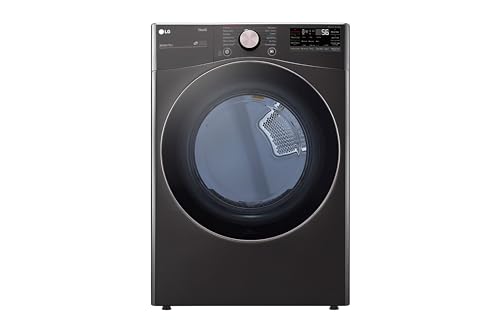
LG 7.4 Cu. Ft. Gas Dryer with Sensor Dry and TrueSteam — Steam-Equipped Sensor Pick
LG pairs its own Sensor Dry system with TrueSteam in this 7.4 cubic foot gas dryer, and adds Wi-Fi on top, making it the most feature-layered machine in this roundup. The sensor handles the core promise of this guide — drying to a measured endpoint rather than a guessed one — while the steam function tackles a different chore entirely: relaxing wrinkles and freshening a shirt that is clean but looks slept-in. Households with office wardrobes often find that refresh cycle replaces a fair amount of ironing across a month.
The connectivity is not a gimmick for everyone. A cycle-end alert to a phone matters in a two-story house where the laundry sits in the basement and finished loads otherwise sit wrinkling while nobody hears the buzzer. That said, the sensing system is the reason this dryer belongs here, and it performs the same quiet trick as the Samsung: mixed loads finish when the wettest item says so. The black finish shown in the listing gives laundry rooms a more deliberate, paired look when matched with a dark washer.
- Fuel: gas, ultra-large-capacity front-load design
- Drum capacity: 7.4 cu. ft. per the listing title
- Sensing: Sensor Dry named in the title, plus TrueSteam
- Extras: Wi-Fi connectivity listed in the title
- Price: check price on Amazon
Strengths
- Steam refresh broadens the machine’s usefulness beyond drying, cutting into ironing and rewash loads.
- Sensor Dry is stated outright in the model name, keeping the moisture-sensing promise unambiguous.
- Connected alerts help large households retrieve finished loads before wrinkles settle in.
Trade-offs
- Steam hardware adds a water connection or reservoir routine that simpler dryers never ask about.
- Smart features only pay off if someone in the house actually uses the app.
- The darker finish shows lint and dust more readily than plain white cabinetry.
Best for: households that want sensor accuracy plus steam refreshing for work clothes and dress shirts.
Not suited for: buyers who prefer the fewest possible systems between them and a dry load of towels.
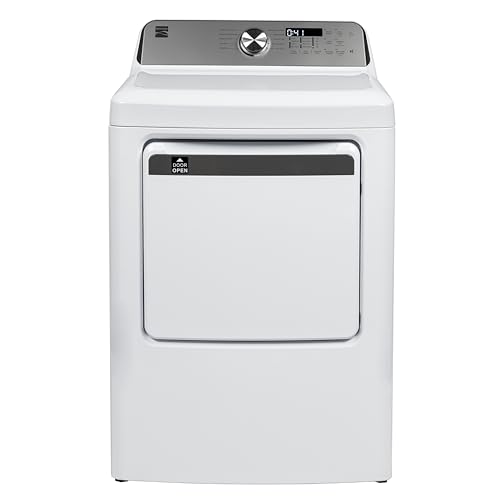
Kenmore 7.0 Cu. Ft. Gas Dryer, White — Straightforward Family Size
Kenmore describes its approach as Smart Sensor Drying, and we will describe it the same careful way: the brand’s own name for a system that watches the load and adjusts the cycle rather than running blind on a timer. This 7.0 cubic foot white gas dryer wraps that system in the simplest package of the three Kenmore picks here — touch controls, a front-load drum, and Wrinkle Guard, which keeps tumbling a finished load intermittently so clothes do not sit in a hot, creasing heap when the cycle ends before anyone unloads it.
That wrinkle feature deserves more credit than it usually gets, because the last ten minutes of real-world drying often happen while the owner is at work, at practice, or asleep. Intermittent tumbling cannot fold your laundry, but it keeps a load of school clothes presentable instead of pressed into drum-shaped folds. At 7.0 cubic feet, the drum is a step smaller than its 8.0 siblings below, which actually suits couples and smaller families whose washer is also mid-sized; an oversized drum buys little when loads never fill it.
- Fuel: gas, front-load configuration
- Drum capacity: 7.0 cu. ft. per the listing title
- Sensing: Smart Sensor Drying in the brand’s own wording
- Extras: Wrinkle Guard tumbling and touch controls
- Price: check price on Amazon
Strengths
- Wrinkle Guard protects finished loads during the gap between cycle end and unloading.
- The mid-range drum size matches standard family washers without paying for unused volume.
- A plain white cabinet and touch panel keep the machine visually simple in any laundry room.
Trade-offs
- No steam system appears in the listing, so refresh duty falls back on a damp-towel tumble trick.
- Kenmore’s sensor language is a house label, so expectations should follow the brand’s description, not Samsung’s.
- Very large households may find seven cubic feet tight for king bedding plus a full wash load.
Best for: couples and mid-size families who want sensor-guided drying without steam hardware or oversizing.
Not suited for: homes regularly drying oversized comforters alongside a full basket of clothes.

Kenmore 8.0 Cu. Ft. Gas Dryer, Metallic Silver — Largest Drum, Steam Finish
Eight cubic feet is the ceiling of this roundup, and this metallic silver Kenmore pairs that volume with the brand’s fuller feature set: Smart Sensor Drying to judge the load, Wrinkle Guard to protect it afterward, and Accela Steam aimed at wrinkles, static, and odors according to the listing. The combination reads like a deliberate answer to the big-family laundry pile, where loads are heavy, mixed, and often forgotten in the drum while dinner happens. Steam gives those forgotten loads a rescue option that a plain dryer cannot offer.
The silver finish is more than decoration for some buyers. Laundry rooms that double as mudrooms or guest-visible spaces benefit from a machine that looks like an appliance rather than a utility box, and metallic finishes hide the small scuffs of baskets and detergent bottles better than gloss white. Underneath the styling, the important story stays the sensor: an eight cubic foot drum full of mixed laundry is precisely where timer drying wastes the most gas, because the spread between the driest and wettest item is widest in a huge load.
- Fuel: gas, front-load configuration
- Drum capacity: 8.0 cu. ft. per the listing title
- Sensing: Smart Sensor Drying in the brand’s own wording
- Extras: Wrinkle Guard plus Accela Steam for wrinkles, static, and odors
- Price: check price on Amazon
Strengths
- The largest drum here swallows king bedding and double wash loads without a second run.
- Steam adds odor and static relief that plain sensor dryers in this group do not claim.
- Metallic silver shrugs off the scuffs and drips that mark up a working laundry room.
Trade-offs
- Steam features add plumbing or filling steps that some owners will use twice and abandon.
- The big cabinet needs the widest clearances of any pick in this guide.
- Silver finishes can be harder to match later if the washer is replaced alone.
Best for: large families who want maximum drum volume with steam rescue for forgotten loads.
Not suited for: narrow laundry closets or buyers who know they will never touch a steam cycle.

Kenmore 8.0 Cu. Ft. Gas Dryer, White — Big Drum, Classic Finish
This white 8.0 cubic foot Kenmore carries the same working kit as its silver counterpart — Smart Sensor Drying, Wrinkle Guard, and Accela Steam for wrinkles, static, and odors — in the finish that matches the majority of installed washers. That makes it the pragmatic big-drum choice: no finish-matching gamble, no visual mismatch beside an existing white machine, and the full sensor-plus-steam feature set for households whose laundry volume has outgrown a standard drum.
Choosing between the two 8.0 Kenmore models is honestly a cabinet decision, and there is nothing wrong with that. What matters for this guide is that the sensing system scales to the drum: a sensor earns its keep most visibly on the biggest, most varied loads, where a timer’s guess can be off by twenty minutes in either direction. White also ages gracefully in bright laundry rooms and pairs with any future washer, which quietly matters for a machine bought to serve a decade of weekly work.
- Fuel: gas, front-load configuration
- Drum capacity: 8.0 cu. ft. per the listing title
- Sensing: Smart Sensor Drying in the brand’s own wording
- Extras: Wrinkle Guard plus Accela Steam, touch controls
- Price: check price on Amazon
Strengths
- Full eight cubic foot capacity handles the heaviest family wash days in single loads.
- Steam and wrinkle protection cover both the drying and the left-too-long scenarios.
- White cabinetry matches the widest range of existing washers and room finishes.
Trade-offs
- Gloss white shows detergent drips and basket scuffs sooner than the metallic finish.
- Capacity this large is wasted on households washing for one or two people.
- Touch-control panels demand a light learning curve for anyone used to a single dial.
Best for: big households wanting the largest drum and full steam features in a match-anything finish.
Not suited for: small households paying for drum volume they will realistically never fill.
Dealer-Channel Full-Size Gas Dryers — Prose-Only Alternative
Some of the most established gas dryer lines in the country barely appear on this marketplace at all, because their makers route full-size laundry through regional appliance dealers instead. Those dealer-channel machines commonly offer their own versions of sensor-guided drying, sold under each brand’s house terminology, and they arrive with a different bundle of value: a local crew that delivers, connects the gas line with licensed staff, hauls the old unit away, and answers the phone when something rattles in year three. For buyers in areas with a strong independent dealer, that service wrapper can outweigh a marketplace price advantage.
We list this route without a link or model number deliberately. Dealer stock rotates by region and season, and pinning a specific marketplace listing to a machine that is really sold across a showroom counter would mislead more than it helps. If you shop this channel, ask the same questions this guide asks of every pick: does the listing or spec sheet describe true moisture sensing rather than a timed cycle with a fancy name, what does installation include, and who services the burner under warranty. A dealer who answers those three questions crisply is selling you the same core promise as the linked picks above, through a different door.
- Fuel: gas, sold through appliance dealers rather than this marketplace
- Sensing: described under each maker’s own terminology — verify on the spec sheet
- Format: full-size front-load or top-load pairings depending on brand
- Positioning: premium-leaning once delivery and licensed hookup are bundled
Strengths
- Local delivery crews typically include the licensed gas connection this category requires.
- A nearby service department shortens the distance between a fault and a fix.
- Showroom shopping lets you open doors and judge drum finish in person.
Trade-offs
- Prices and stock vary by region, so comparisons take more legwork than a listing page.
- House sensor terminology differs by brand and needs careful reading before purchase.
- Delivery scheduling runs on the dealer’s calendar, not next-day marketplace habits.
Best for: buyers who value a local installer and service relationship over marketplace convenience.
Not suited for: anyone who needs a dryer delivered and running on the fastest possible timeline.
How Should You Read Sensor Claims on a Dryer Listing?
Listings speak three dialects, and learning them saves disappointment. The clearest dialect names the system in the product title itself, as the Samsung and LG do with Sensor Dry; a maker willing to put the claim in the name is staking the model on it. The second dialect uses a house label — Smart Sensor Drying in Kenmore’s case — which describes the same working idea in brand vocabulary. House labels are legitimate, but they oblige you to read the maker’s own description of what the system does rather than assuming it mirrors a rival’s implementation feature for feature.
The third dialect is the one to distrust: vague phrases about intelligent or advanced drying with no sensor language anywhere in the listing. A dryer can be excellent and still be a timed machine, but this guide’s promise is specific, and a buyer shopping for moisture sensing should insist on the word sensor appearing in the maker’s own text. When in doubt, the manual settles it — sensor cycles are described there with dryness levels, while timed machines list minutes. Five minutes with a downloaded manual beats a month of arguing with a purchase that never claimed what you hoped it did.
It also helps to know what a sensor cannot do. It cannot dry a load the drum cannot tumble, so a packed-solid drum defeats it. It cannot compensate for a vent so restricted that moist air has nowhere to go, because the drum’s humidity stays high regardless of fabric state. And it cannot judge items that never touch it, which is why the bedding shake-apart habit from earlier matters. Treat the sensor as a skilled driver: it still needs a road, fuel, and a load that fits the vehicle.
Does Drum Capacity Change How Well Sensing Works?
Capacity interacts with sensing in ways the spec sheet never mentions. In a large drum running a small load, items spread thin and tumble freely, and the sensor meets fabric often — readings stay honest. In that same drum stuffed to the door, clothes move as a single rotating mass, the outer layer kisses the sensor strips constantly, and the core can lag far behind the surface reading. This is why the 8.0 cubic foot Kenmore models reward owners who load them generously but not greedily: two-thirds full is the sweet spot where volume and accuracy coexist.
The reverse trap catches owners of the 7.0 cubic foot machine who treat it like an 8.0. An overfilled smaller drum shows the symptoms first — loads needing a second run, waistbands finishing damp, longer average cycles that erase the point of sensing. The fix is unglamorous: split the load. Two honest loads dry faster in total than one overloaded load plus its rescue cycle, and they come out more evenly finished. When you shop, then, size the drum to your washer’s real output and your household’s bedding, not to the biggest number in the lineup.
One more capacity note belongs to anyone pairing a new dryer with an older washer. A modern large washer can hand a dryer more wet weight than an older dryer was built to tumble, and the mismatch hides until bedding day. If your washer is the newer machine, lean toward the larger drums in this guide; if the washer is small and staying, the 7.0 and 7.4 cubic foot picks will serve without wasted space. Pairs work best when both halves agree about what a full load means.
How Do the Six Picks Compare Side by Side?
| Pick | Capacity | Sensor wording on listing | Standout extra |
|---|---|---|---|
| Samsung 7.5 Cu. Ft. Gas Dryer with Sensor Dry | 7.5 cu. ft. | Sensor Dry, named in the title | Clean, direct sensing claim |
| LG 7.4 Cu. Ft. Gas Dryer with Sensor Dry and TrueSteam | 7.4 cu. ft. | Sensor Dry, named in the title | TrueSteam plus Wi-Fi alerts |
| Kenmore 7.0 Cu. Ft. Gas Dryer, White | 7.0 cu. ft. | Smart Sensor Drying, brand wording | Wrinkle Guard, simplest package |
| Kenmore 8.0 Cu. Ft. Gas Dryer, Metallic Silver | 8.0 cu. ft. | Smart Sensor Drying, brand wording | Accela Steam, largest drum |
| Kenmore 8.0 Cu. Ft. Gas Dryer, White | 8.0 cu. ft. | Smart Sensor Drying, brand wording | Accela Steam in white finish |
| Dealer-Channel Full-Size Gas Dryers | Varies by brand | House terminology, verify per model | Local install and service bundle |
How Should a Gas Dryer Be Installed Safely?
Gas work belongs to licensed professionals — that is not a hedge, it is how codes in most places are written, and this guide will not pretend otherwise. A proper installation includes a shutoff valve an arm’s reach from the machine, a new flexible connector sized for the appliance, leak testing at every joint, and confirmation that the burner lights cleanly and vents freely. The installer should also verify the vent run: smooth rigid duct where possible, taped or clamped joints without screws that catch lint, and a termination hood outside that flaps open under airflow.
Ask the installer one extra question while they are on site: where exactly does this model draw its combustion air, and does the room supply enough of it. Laundry rooms that share space with water heaters or furnaces usually breathe fine, but a tightly sealed closet installation can starve appliances of air in ways that show up as poor drying long before they show up as anything more serious. A good installer will welcome the question, explain the clearances they are leaving around the machine, and flag any louvered-door or venting change the room needs. That five-minute conversation protects both the dryer’s performance and the household’s peace of mind for the entire life of the appliance.
Your part of the job is preparation and verification. Clear the route, confirm the laundry room has a working outlet for the controls and motor, and know where your home’s main gas shutoff sits before the truck arrives. After installation, run an empty or towel load and step outside to feel strong, warm airflow at the vent cap. Weak flow on day one means a kink or blockage to fix now, not a quirk to live with. Keep the installer’s paperwork with the manual; if the dryer ever behaves oddly, that record is the first thing a service tech will ask about.
How Do You Keep a Sensor Dryer Reading Loads Accurately?
Sensors fail quietly. The metal moisture strips inside the drum slowly coat with residue from dryer sheets and fabric softener, and a coated strip reads a wet load as drier than it is, ending cycles early. The fix is humble: wipe the strips with a cloth and a little rubbing alcohol or mild cleaner every month or so, and the readings sharpen again. The lint screen deserves the same discipline — scrub it with a brush and warm soapy water when a film builds up, because a clogged screen strangles airflow no matter how smart the controls are.
Loading habits matter too. A sensor judges the fabric that tumbles against it, so a single thick item buried inside a ball of dry synthetics can hide. Shake loads apart as they go in, avoid overpacking the drum past loose-full, and group similar weights when a load is wildly mixed. Once a season, check the outside vent cap and the accessible duct for lint buildup. None of this is glamorous, but it is the difference between a sensor dryer that feels telepathic and one that mysteriously leaves waistbands damp.
How Do Dryness Levels Change What the Sensor Decides?
Most sensor dryers offer a small ladder of endpoints — typically something like less dry, normal, and more dry — and the ladder confuses people because the labels sound like preferences rather than instructions. In practice you are telling the machine how much residual moisture is acceptable when the heat stops. Normal suits the bulk of a wardrobe: shirts, trousers, and everyday cotton that will finish airing on hangers or in drawers. The driest setting exists for items that go straight into storage, like towels folded into a linen closet or bedding sealed into a spare-room drawer, where trapped damp turns musty within days.
The gentler end of the ladder is underused and genuinely useful. Delicate synthetics and elastic-heavy garments live longer when they leave the drum very slightly cool and finish drying on a rack, because heat is what ages elastic and dulls technical fabrics. Choosing a lower dryness level for those loads is not leaving clothes wet; it is splitting the job between the machine and the air, with the sensor handling the heavy water and the room handling the last trace. Once a household learns to think of the dryness control as a fabric-care dial rather than a thoroughness dial, loads start coming out better with less fuss.
There is also a honesty check worth doing in your first week: run one load of bath towels on the normal setting, then weigh a towel in your hands and check the thickest hem after ten minutes of cooling. Warm fabric feels drier than it is, because heat masks moisture; cooled fabric tells the truth. If the hems are genuinely dry, the sensor is calibrated to your expectations. If they stay faintly cool and heavy, step up one level for towel loads specifically, and leave the rest of your wardrobe on normal where it belongs.
How Does Sensor Drying Treat Different Fabrics?
Denim is the sensor’s best friend. Jeans carry most of their water in waistbands, pockets, and double-stitched seams, exactly the places timed cycles abandon first, and a sensor keeps gentle heat moving until those thick zones catch up with the legs. The result is denim that comes out ready to fold rather than needing a second short blast that punishes the already-dry parts. Workwear, canvas jackets, and heavy hoodies behave the same way, which is why households with tradespeople or teenagers in sports kits notice the upgrade fastest.
At the opposite end sit the loads that timers ruin. Athletic shirts, swimwear, and anything with serious elastic content dries in a fraction of the time cotton needs, and every extra minute of gas heat is pure wear. A sensor ends those cycles early almost by definition, since the strips detect dry fabric quickly and stop the show. The quiet benefit compounds: elastic waistbands keep their snap longer, printed gym shirts crack less, and synthetic fabrics shed that scorched smell they pick up when they ride a full timed cycle meant for towels.
Bedding is the middle case that rewards a little human help. A duvet cover can balloon around a pillowcase and trap it damp inside a pocket of dry linen, fooling any sensor. The remedy is old-fashioned: stop once mid-cycle, shake the load apart, turn the duvet cover partly inside out, and restart. Sheets benefit from going in loosely shaken rather than as a washer-shaped wad. Sensors are good instruments, but they read the load you give them, and ten seconds of shaking gives them a fair load to read.
What Should a Seasonal Care Routine for a Gas Dryer Look Like?
Monthly, the routine is three small acts: scrub the lint screen if it feels filmy, wipe the moisture sensor strips inside the drum, and glance at the vent cap outside while a load runs to confirm it opens fully. These take ten minutes combined and they protect the two systems — airflow and sensing — that everything else depends on. Households with pets should treat the lint screen scrub as a fortnightly habit, because fine pet hair mats into a felt that rinsing alone reveals.
Seasonally, go one level deeper. Pull the accessible vent sections apart or hire a vent cleaning service if the run is long, and clear the lint that gathers where elbows change direction. Check the area behind the machine for the dust blanket that collects around the gas line and motor housing, and vacuum it away with the power off. Look at the door gasket and drum light if fitted, and confirm the drum turns quietly by hand with the machine unplugged; new grinding or scraping sounds are information worth acting on early, when a roller or belt is still a cheap part.
Yearly, think like an inspector rather than a cleaner. Review the installation itself: is the flex connector undamaged, does the shutoff valve turn freely, does the burner area look free of corrosion and scorch marks. If anything about the gas side looks tired, that is a licensed technician’s visit, not a search-engine project. Appliances that burn fuel reward this kind of respect with long, boring, reliable service — which is precisely the outcome every buyer in this category actually wants.
What Will You Notice During the First Month With a Sensor Dryer?
The first surprise is usually that cycle times wander. A Tuesday load ends in forty minutes and a Saturday load takes over an hour, and owners raised on timers read that variance as malfunction until they connect it to load size and fabric mix. It is the system working as designed: time becomes the output rather than the input. The second surprise is quieter laundry. Loads stop emerging with that over-baked stiffness, towels keep more loft, and the laundry room smells less like hot fabric and more like nothing at all.
By week three, most households have re-sorted their habits. The sensor cycle becomes the default button, timed drying retreats to special jobs like a damp tent or a load of cleaning rags, and the dryness ladder stops being mysterious. Gas households often notice the burner cycling less during small loads, because the machine no longer holds full heat for a timer’s sake. Keep a rough eye on your gas bill across the first full season if you want the satisfaction of seeing the difference in print; individual results vary with rates and habits, but shorter average cycles point only one direction.
How Do You Pair a Sensor Gas Dryer With Your Existing Washer?
The washer decides what the dryer receives, and a high-spin washer is the sensor dryer’s best partner. Every extra cup of water spun out in the wash is water the dryer never has to evaporate, so loads arrive lighter and finish sooner on any setting. If your washer offers an extended or high-speed spin option, use it for towels, denim, and bedding — the heavy items that dominate drying time. Delicates are the exception; their spin should stay gentle, and the sensor will simply take the extra minutes those pieces need.
Sorting at the washer pays off again at the dryer door. A load washed together usually dries together, but mixed-weight baskets — thin tees buried under bath towels — ask the sensor to referee an unfair contest. When the basket allows it, split by weight rather than by color alone once in a while: a towel-and-denim load and a synthetics load each dry more evenly than the blend, and the synthetics escape the long hot ride they never needed. This is the single habit that most improves results on any pick in this guide, and it costs nothing but a second laundry basket.
Detergent habits quietly reach into drying too. Overdosed detergent leaves residue that coats both fabric and sensor strips over time, and residue-heavy towels absorb less and dry slower with every passing month. Measuring detergent honestly, running the washer’s cleaning cycle on schedule, and skipping heavy softener use on towels keeps the whole chain — wash, sense, dry — working at the level the machines were designed for. Owners who fix the wash side often report that the dryer they were about to blame suddenly performs exactly as promised.
Finally, give the pair a fair physical setup. The dryer should sit level so the drum’s load distribution and sensor contact stay consistent, and the washer’s drain and fill should be finished before blaming dry times on the dryer. A slow-filling or poorly draining washer stretches the whole laundry day upstream of the dryer entirely. When both machines are level, vented, and honestly loaded, the sensor system at the heart of this guide can do the precise work it was bought for.
What Mistakes Do Gas Dryer Buyers Keep Making?
The classic error is ordering the machine before checking the hookup, then discovering an electric-only laundry room on delivery day. Close behind is reusing an old flex connector and aging vent hose to save a small sum against a large appliance — installers replace both for reasons written in incident reports. Buyers also over-trust the word sensor in marketing generally; as this guide shows, some listings name the system in the title while others use house labels, and reading the exact wording prevents mismatched expectations.
Two quieter mistakes deserve mention. Venting into a garage, attic, or crawl space dumps moisture and lint where they cause damage, yet it still tempts people facing a long duct run. And skipping the delivery-route measurement remains the most preventable heartbreak in appliances: a dryer that cannot turn the basement stair corner goes back on the truck, sensor and all. Measure the machine’s path, not just its destination.
When Is a Timed Cycle Still the Right Tool?
Sensor cycles should be the default, not the only habit. A timed burst remains the right answer for jobs with unusual shapes: airing out a stored sleeping bag, warming towels before a bath on a cold night, or finishing one specific item you pulled from a load that already ended. Drying racks’ worth of odd items — a damp backpack, canvas shoes after a wash, a stuffed toy recovering from a spill — also behave better under human supervision with short timed intervals than under a sensor waiting for tumbling fabric contact that may never come consistently.
Timed drying also serves as the diagnostic control in your own kitchen-table experiment. If a load of towels on the sensor setting finishes noticeably damper than the same load given a generous timed run, the machine is telling you something: clean the sensor strips, scrub the screen, and check the vent before concluding the dryer is at fault. Owners who learn both modes — sensor for the wardrobe, timer for the odd jobs and the troubleshooting — get more from these machines than owners who treat one button as the whole appliance. The picks above all assume that partnership between a smart default and an informed owner.
Final Recommendation
For the clearest answer to the exact search that brought you here, the Samsung takes it: Sensor Dry in the name, a family-sized drum, and no extra systems competing for your attention. Choose the LG instead if steam refreshing and phone alerts fit how your household actually lives, since those features genuinely change weekly routines for the right owners. Among the Kenmore models, the 7.0 cubic foot white dryer suits mid-size homes best, while the two 8.0 cubic foot versions earn their space in houses where bedding and double loads are routine — pick silver for scuff-hiding, white for easy matching. Whichever machine you choose, spend as much care on the licensed hookup and the vent path as on the badge, because a great sensor behind a choked vent is a sports car on a dirt road. Dry the load once, dry it right, and let the machine — not a guessed timer — call the finish, load after load, season after season, without drama.
Frequently Asked Questions
Does a moisture sensor really end the cycle by itself?
Yes, on the sensor cycles. The dryer monitors how much moisture the tumbling load still holds and cuts the heat when the reading matches the dryness level you chose, rather than running out a fixed clock. Timed cycles usually remain available for the odd job where you want manual control, but the sensor setting should be the default for everyday loads.
Can I connect a gas dryer myself if I am handy?
Treat this as professional work. Gas connections involve leak risk that does not forgive small mistakes, and most local codes require a licensed installer for exactly that reason. The safe division of labor is simple: you prepare the space and verify airflow afterward, while the installer handles the line, the connector, and the leak test.
Why do my sensor loads sometimes finish slightly damp?
Usually the sensor strips have filmed over with softener residue, or the load was packed so tightly that wet items never tumbled against the sensors. Wipe the strips clean, loosen the load, and confirm the lint screen is scrubbed rather than just emptied. If damp finishes persist after that, restricted venting is the next suspect to check.
Is gas drying cheaper to run than electric?
In many regions gas costs less per load than resistance electric heat, though the gap depends entirely on your local utility rates. The sensor helps either fuel go further, because ending the cycle at actual dryness trims minutes from every single load. Over a year of family laundry, those saved minutes add up to a noticeable difference.
What size gas dryer does a family of five need?
The 7.4 to 8.0 cubic foot models in this guide are the comfortable zone for five people, since they dry a full large washer load plus bedding without splitting. A 7.0 cubic foot drum works when laundry happens more often in smaller batches. Match the dryer to your washer’s real capacity rather than its advertised one.
Related Guides
Once the dryer is sorted, the rest of the laundry-and-linen shelf deserves the same care: our next read walks through Best Energy-Efficient Electric Clothes Dryers for homes without a gas line, while the towel upgrade path starts with Best 36-Inch-Wide Whirlpool Tubs for the bathroom down the hall and continues with Best Impeller Top-Load Washers if a washer replacement joins the project. For the linen closet itself, finish with Best 800 GSM Towels, because a dryer this accurate deserves towels worth drying gently.


