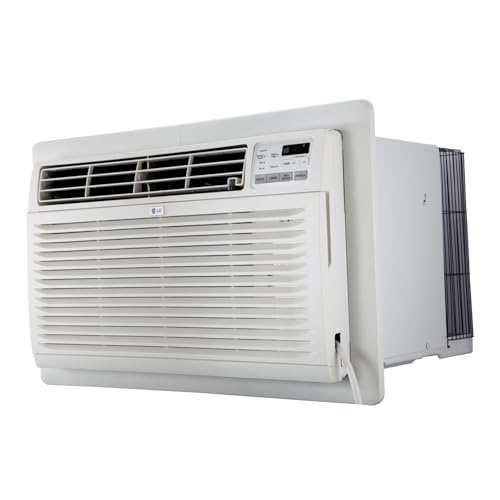
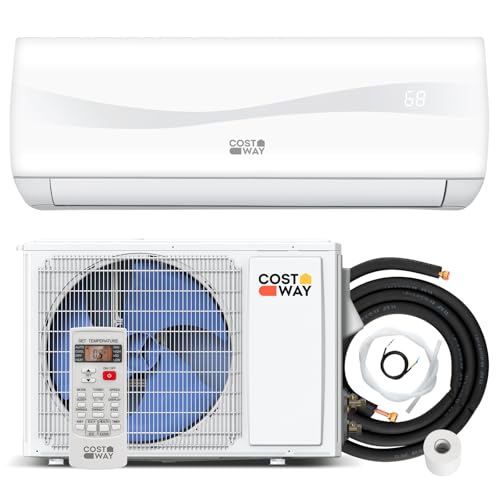
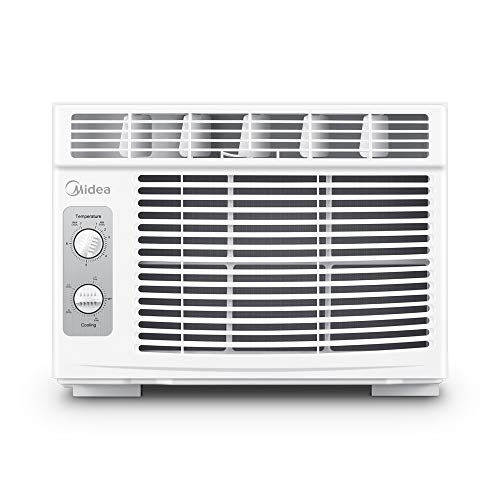
Our Top Picks
 Vidihill Portable Air Conditioner7.9 x 10.3 x 5.5 inches7.9 x 10.3 x 5.5 inches2.2 poundsCheck on Amazon


What's inside
- The first honesty test: compressor or wet pad
- Battery mathematics: watt-hours are the only currency
- Sizing for tents, vans, and other honest little volumes
- The venting problem follows you off the grid
- Charging the system: mains, engine, and sun
- Archetype one: the all-in-one battery compressor portable
- Archetype two: the modular pack traveller
- Archetype three: the vehicle-native direct-current machine
- Archetype four: the solar-pairing off-grid portable
- Archetype five: the hybrid that plugs in and carries on
- Where battery cooling earns its keep, scene by scene
- Noise in a small space, where there is nowhere to hide
- Battery care, safety, and the seasons between trips
- A night in the life of a battery, told honestly
- The disappointments that actually happen, and their real causes
- A buyer’s checklist written in watt-hours
- Spot cooling: the smaller promise that keeps itself
- Choosing between the archetypes by itinerary, not by catalogue
- Weight, handles, and the last fifty metres
- Check prices on Amazon
- After a season: what ownership settles into
As an Amazon Associate I earn from qualifying purchases. This post may contain affiliate links at no extra cost to you.
Here is the transparency note this guide to cordless cooling owes its readers before a single battery is discussed: Cottage Verdict survives on reader support, and when someone eventually purchases through a retailer connection somewhere on this site, a small commission may return to us without raising that buyer’s price by a penny, while the battery machines below were selected by hauling them to a tent meadow, a parked van, and a cabin with no mains socket in its walls, then timing how long honest cold air actually lasted before the gauge called time.
Battery operated portable air conditioners sit at the most dishonest crossroads in all of cooling, and this guide begins by clearing the ground. For every genuine machine in this category, a real compressor unit that happens to drink from a battery instead of a wall socket, there are a dozen evaporative boxes wearing the same vocabulary. An evaporative cooler blows air across a wet pad. It contains no compressor, no refrigerant, and no ability to lower a tent’s temperature below what evaporation physics allows on that particular afternoon. In dry desert air it can feel miraculous. In a humid meadow it is a fan that makes the tent damper.
The machines in this guide are the other kind. Each archetype below describes a true refrigeration portable whose power source is a battery: built into its cabinet, clipped onto it in swappable packs, wired to a vehicle’s electrical system, or recharged from a folding panel in a sunny clearing. That single fact, a compressor running on stored electricity, dictates everything else in these pages, because compressors are hungry and batteries are finite, and the honest management of that tension is the entire discipline of buying well here.
Expect candour about scale. A battery portable cools a tent, a van’s sleeping nook, a boat cabin, a shepherd’s hut, a garden office during a blackout nap. It does not cool a farmhouse, and any seller implying otherwise is measuring a different product in a different universe. What it offers instead is something mains machines cannot: genuine refrigerated air in places the grid does not reach, for a number of hours that can be predicted, budgeted, and extended by anyone willing to do arithmetic before departure rather than apology after midnight.
The sections that follow build that arithmetic from the ground up. First the physics that separates refrigeration from evaporation, then the battery mathematics of watt-hours and runtime, then charging by mains, vehicle, and sun, then the venting problem every portable must solve even off-grid, and finally the archetypes themselves, described as families in prose, so that a shopper can recognise each kind on any shelf or campsite catalogue without leaning on a branded list that will date before the battery does.
The first honesty test: compressor or wet pad
A true air conditioner moves heat from inside a space to outside it using a sealed refrigeration cycle, and it announces that machinery in its specification sheet if you know where to look. There will be a refrigerant named, a compressor described, a cooling capacity stated in the usual units, and a condensate story, because real cooling wrings water out of air and that water must go somewhere. There will also be an exhaust path, since the heat removed from the tent has to leave through a hose, a vent, or a split cabinet arrangement, and physics accepts no exceptions for products photographed on beaches.
An evaporative box announces itself just as clearly once the habit forms. Its capacity is described in airflow rather than in cooling output, its consumption is suspiciously tiny, because a small fan and a water pump sip where a compressor gulps, and its instructions speak of filling a tank and soaking a pad. None of that makes it a bad product. In arid country, around a workbench in a desert workshop or beside a cot in a dry-climate cabin, evaporation is legitimate, ancient, and effective technology. It simply is not air conditioning, and in humid air its output collapses toward a warm, damp breeze that can leave bedding feeling worse than stillness would have.
The buyer’s rule is therefore short enough to write on a luggage tag: if there is no compressor and no refrigerant, the machine cannot refrigerate, whatever the headline calls it. Battery marketing leans hard on this confusion because a wet-pad box runs for a day on a small battery, letting advertisements promise runtimes that no compressor could match on the same cells. Compare like with like, compressor against compressor, and let the evaporative boxes compete in their own honest category elsewhere.
One hybrid deserves a sentence of its own: the small personal spot cooler, compressor-based but tiny, designed to blow a stream of genuinely cold air across one sleeper rather than to govern a whole enclosure. These are real refrigeration and genuinely useful within their narrow promise, a cool pillow zone in a hot tent, and they appear in the archetypes below under their own flag. The dishonesty begins only when a spot cooler’s personal breeze is sold with photographs implying a chilled room, so read every claim for the size of the promise as carefully as for the size of the battery.
Battery mathematics: watt-hours are the only currency
Every runtime conversation in this category reduces to one division sum, and a buyer who learns it becomes immune to most of the marketing in the field. Batteries store energy measured in watt-hours. A compressor portable consumes power measured in watts, varying with its setting and with the heat of the day. Divide the stored watt-hours by the watts being drawn, honestly measured at the setting you will actually use, and the quotient is your runtime in hours, before small losses that experience teaches you to respect by rounding down.
The traps hide in both numbers. Capacity is sometimes advertised for a battery system at a voltage that flatters the arithmetic, or quoted for the largest optional pack rather than the one in the box. Consumption is often quoted at the gentlest fan-and-cool setting on a mild laboratory day, while a tent at noon in August will hold the compressor near its full draw for hours. The honest shopper multiplies nothing and believes nothing until both figures come from the same document, then tests the result against the oldest evidence available, which is owners timing real nights in real weather.
Worked in round, careful language, the shape of the answer looks like this. A compact compressor portable cruising at a moderate draw can empty a mid-sized integrated battery in a single long evening, which is why the category’s serious machines treat runtime as a system to be extended: swappable packs, vehicle charging between sites, solar panels feeding the battery while the machine rests through the hottest hours, and sleep settings that sip through the night at a fraction of the afternoon’s appetite. Nobody should buy a battery portable for a number; they should buy it for a plan, and the plan is arithmetic plus charging logistics.
Heat is the silent variable in every plan. A battery that delivers its full rated energy on a mild spring day delivers less in deep cold and ages faster in sustained heat, and a compressor working against a hotter afternoon draws harder for every degree of comfort it defends. Shaded parking, a tent pitched out of the noon sun, and a machine asked to hold a civilised temperature rather than an arctic one all stretch the same battery further than any accessory can, which is why this guide treats campsite craft as part of the cooling system rather than as lifestyle garnish.
Finally, respect the difference between cooling a space down and keeping it cool. The pull-down, dragging a sun-baked van interior from furnace to habitable, is the most expensive hour in battery currency, and wise travellers spend it while driving, on vehicle power, or in the last shade of evening, rather than at noon on stored charge. Maintenance cooling through the night, against a small difference between inside and out, is astonishingly cheaper, and nearly every satisfied owner in this category has quietly arranged their day around that asymmetry.
Sizing for tents, vans, and other honest little volumes
Battery portables govern small, closable volumes, and their sizing conversation is really a conversation about enclosure quality. A modern tent is a single skin of fabric with heroic ventilation; it gains and loses heat like a kite. A camper van is a steel box that bakes in sun and chills at dusk, redeemed by whatever insulation its converter fitted. A boat cabin and a small wooden hut sit between those extremes, holding temperature with modest dignity. The same machine will feel generous in the hut and merely heroic in the tent, and no specification sheet can repeal that difference.
Think in terms of the sleeping zone rather than the whole enclosure where possible. Curtaining off the berth in a van, cooling the inner tent rather than the whole awning, or aiming the machine’s output across the bed in a cabin all shrink the volume the battery must defend, and the arithmetic rewards the shrinkage immediately. This is the category’s central craft: do not buy a bigger battery to fight a bigger space until you have made the space smaller with fabric, foam, and thought.
Comparisons with mains equipment calibrate expectations usefully. The household portable class surveyed in best 12000 btu portable air conditioners assumes an unlimited wall supply and a room-sized promise, and its appetite would drain most battery systems before supper. Battery machines deliberately trade that scale away, offering a fraction of the output in exchange for freedom from the socket, and the trade is wise precisely when the space is small, the night is the main event, and the alternative is no refrigeration at all.
Sun discipline multiplies any machine. A reflective cover over a van roof, a tent fly pitched to shade the inner, parking with the long wall away from the afternoon sun, and ventilation flushed through the space before the machine starts all reduce the load more cheaply than capacity can be bought. Owners who master those habits routinely report the subjective miracle of a modest machine feeling powerful, while owners who skip them conclude, expensively and wrongly, that the category itself does not work.
Humidity loads the dice further, because a compressor spends part of its budget wringing water from the air before it can cool what remains. In sticky climates the same machine in the same tent delivers noticeably less sensible cooling, a reality explored for mains equipment in best air conditioners for humid climates whose lessons about condensate and expectations transfer directly to the battery world. Plan runtime in humid country with a margin, and treat any seller’s desert-tested figures as a foreign currency that needs converting.
The venting problem follows you off the grid
Refrigeration does not destroy heat; it relocates it, and a portable must therefore push its harvested warmth somewhere outside the space being cooled. Most battery portables solve this with a short exhaust hose passed through a tent door’s double zip, a van window vent panel, or a cabin’s purpose-cut port, and the quality of that improvised seal decides whether the machine is cooling the sleeper or quietly duelling its own exhaust in a fabric corridor of its own making.
Split-style designs answer the problem more elegantly where they fit. A few battery machines divide into an indoor unit and an outdoor unit joined by a flexible line, so the compressor’s heat is born outside from the start and only cool air crosses the boundary. The arrangement suits caravans, boats, and huts with a natural ledge or bracket outside the sleeping space, and it removes the hose-sealing craft almost entirely, at the cost of a more deliberate installation each time camp is made.
Condensate keeps its own counsel and must be asked about directly. In humid weather a hard-working machine gathers water steadily, and designs differ in whether they evaporate it into the exhaust stream, collect it in a tank that will certainly fill at the least convenient hour, or drain it through a hose that needs a downhill story to tell. Learn your machine’s answer in daylight, at home, with a bucket standing by, because discovering it by the feel of a wet tent floor at three in the morning is the category’s oldest and least loved rite of passage.
Air exchange deserves a thought in sealed small spaces. A tent or van cooled all night with every vent closed can grow stuffy in ways temperature alone does not describe, and the exhaust hose, by pushing air out, draws replacement air in through every seam, which is usually sufficient and occasionally dusty. Campers in very dusty or pollen-heavy country may prefer the split designs, or accept a slightly open vent far from the bed, trading a whisper of efficiency for air that still smells like the outdoors they travelled to meet.
Charging the system: mains, engine, and sun
A battery portable is only as free as its charging plan, and the three routes each carry a temperament. Mains charging, at a campsite hook-up, a marina pedestal, or home before departure, is the fastest and dullest: plug in, wait, and leave with a full store. It suits the rhythm of touring between serviced sites and of households whose off-grid episodes are weekends launched from a garage, and it asks only that the charger and its cables travel with the machine rather than emigrating to a drawer.
Vehicle charging turns driving hours into cooling hours. Fed from a van’s alternator through a proper charging arrangement, or from a separate leisure battery that the vehicle maintains, the system arrives at camp with its store replenished by miles already travelled. The discipline here is protective: never let the cooling system drink the starter battery that owes you tomorrow morning’s ignition, and let a competent installer, rather than optimism, decide how the vehicle’s electrics share their surplus with a hungry guest.
Solar charging is the route that sells the dream, and it works, within arithmetic. A folding panel in strong sun can feed a battery through the day at a rate that meaningfully offsets an evening’s cooling, especially when the machine rests during the hottest hours and the panel works unshaded. In forested camps, in northern summers, and under the honest cloud of a maritime climate, the same panel delivers a fraction of its brochure promise, and plans should be built on the fraction. The panel also asks for a human ritual, turning it toward the sun as the day moves, which some travellers find meditative and others find to be a second job.
Combinations are where experienced travellers actually live. Solar tops up through the day, the vehicle restores the store on moving days, and a mains hook-up, when a site offers one, resets the whole system to full without ceremony. A battery portable bought as part of that trio behaves like a genuinely off-grid appliance. The same machine bought alone, with a panel too small and a schedule too optimistic, becomes a story told against the category, which is why this guide insists that the charging plan be written down, with numbers, before the machine is chosen rather than after it disappoints.
Archetype one: the all-in-one battery compressor portable
The flagship archetype of the category carries its battery inside the same cabinet as its compressor, arriving as a single liftable object that asks for an exhaust route and nothing else. Set it in the tent’s vestibule corner or the van’s footwell, pass the hose through the nearest honest opening, and the machine governs its small kingdom for the length of its store. Its elegance is logistical: one object to pack, one gauge to watch, one charger to remember.
Its limits are the same fact viewed from behind. The internal battery cannot grow, so the machine’s night is fixed at purchase, and its weight concentrates everything, refrigeration and storage together, into a lift that should be tested against the traveller’s back before it is tested against the weather. This archetype suits the weekend pattern perfectly, out on Friday with a full charge, home on Sunday to the mains, and it suits travellers whose cooling need is a dependable evening-and-night service rather than an all-day occupation government.
Archetype two: the modular pack traveller
Here the battery leaves the cabinet and becomes luggage in its own right: one or more removable packs that click onto the machine, charge separately, and swap in seconds when the gauge runs low. Two packs turn a short night into a long one; a third, charged from the vehicle while the machine works, creates a rotation that can run a settled camp for days. The machine itself grows lighter to carry between van and tent, while the system’s total weight honestly stays what physics demands.
Choose this archetype when trips vary in length, because the store can be tailored to the itinerary instead of being fixed by a cabinet, and when the same packs serve other tools in the traveller’s kit, as some systems arrange. Respect its bookkeeping: packs age individually, charge at their own pace, and multiply the number of objects a tired camper can leave behind at a pitch, so a packing ritual, packs counted out and counted home, belongs in the routine from the very first trip.
Archetype three: the vehicle-native direct-current machine
Some battery portables skip the internal store entirely and speak the vehicle’s own electrical language, drawing directly from a leisure battery or a properly managed auxiliary system at the voltages vans, trucks, and boats already carry. Freed from converting power up and down for a mains-style socket, they run with an efficiency and a simplicity that suit permanent or semi-permanent installation: the truck cab that must stay habitable at a rest stop, the boat cabin at anchor, the camper whose berth is cooled every night of a long season.
This archetype belongs to people who live in their vehicles for stretches rather than visiting them for weekends. Its installation deserves professional respect, fusing, cable sizing, and a battery management arrangement that protects the vehicle’s own reserves, and its portability is theoretical, since the machine and the vehicle have effectively married. Within that marriage it is arguably the most honest design in the guide, because the battery it depends on is sized for the vehicle, visible on a proper monitor, and maintained by the same habits that keep the lights on and the fridge cold.
Archetype four: the solar-pairing off-grid portable
Sold and designed as a system with its own folding panel, this archetype is built around the settled camp: a hut without mains, a long pitch in open country, a garden studio at the far end of a property where trenching a cable would cost more than the panel ever will. The machine is usually a moderate all-in-one or pack design, but its identity lives in the pairing, a panel sized to the battery with intent, connectors that forgive muddy hands, and a charge controller that treats the battery gently enough to survive seasons of daily cycling.
Judge these systems by their worst month, not their best afternoon. Ask what the panel yields under the cloud and canopy of the places you actually camp, how many days of autonomy the store provides when the sky closes, and whether a vehicle or mains top-up can rescue a grey week. Bought with those answers written down, the solar archetype delivers the category’s purest pleasure: a cool sleeping space in a silent field, owed to nothing but sunlight banked through the day and spent, deliberately, through the night.
Archetype five: the hybrid that plugs in and carries on
The final archetype lives a double life. At a socket it is an ordinary small portable, cooling a flat’s bedroom or a cottage annexe from the mains with its battery merely idling. When the power fails, as summer storms and strained grids arrange more often than they used to, the battery wakes and carries the cooling through the outage at a gentler pace, holding the room habitable until the lines recover or the household retreats to sleep. It is the only archetype in this guide whose battery is insurance first and freedom second.
Households in ordinary housing will recognise the logic from best air conditioners for condos where compact portables serve rooms that cannot host window units and rules forbid exterior hardware. The hybrid extends that same machine with a blackout plan, and for a medically heat-sensitive sleeper, a home worker whose afternoon cannot dissolve, or a nursery that must not bake, the extension can justify itself in a single bad night. Size its battery by the outage you fear, not by the holiday you imagine, and test the changeover in daylight before the season’s first storm conducts the examination uninvited.
Where battery cooling earns its keep, scene by scene
The tent is the category’s emblem and its sternest test. Fabric holds nothing, zips leak warmth as fast as they leak anything, and the sun treats a single-skin shelter like a greenhouse with ambitions. Battery cooling succeeds here by aiming small: the inner tent only, the hours around sleep, a machine whose exhaust exits cleanly and whose owner pitched in shade without being asked twice. Within those terms the transformation is real, a sleeping bag entered without reluctance, a child asleep at an hour no amount of fanning ever achieved, and it is bought with discipline rather than with the largest battery on the shelf.
The camper van and the truck cab reward the category more generously, because insulation and a closable volume let a modest machine hold its gains. Berth curtains, window covers, and the habit of flushing the day’s heat out at dusk before the machine starts all compound in the traveller’s favour. Road households also own the finest charging infrastructure in this guide, the engine itself, and a system wired to drink while driving arrives at every halt with its evening already paid for.
Boats add two footnotes, salt and motion. Machines for cabin cooling should tolerate a damp, saline atmosphere without their electronics quietly corroding, and their condensate answer must respect a bilge’s feelings on the matter. In return, an anchored cabin that can be held a few degrees below a breathless night, on a house battery the vessel already maintains, is among the most civilised experiences this category offers, and among the easiest to power honestly, since boats tend to know their electrical arithmetic better than any other tribe in these pages.
The off-grid cabin, the garden office, and the festival crew tent share a pattern: a defined small room, a predictable occupancy, and a charging source within walking distance. These are the settings where runtime plans survive contact with reality most gracefully, and where a slightly larger system, a second pack, a panel on a proper tilt, can be installed once and trusted for seasons. Households furnishing such a space should also glance at the mains-fed middle ground in best affordable portable air conditioners for 500 square feet because where a socket exists even part of the time, a hybrid strategy often beats a purely battery one on both comfort and cost.
The power cut is the final scene, and the least romantic. A battery portable will not save a whole house in a blackout heatwave, and pretending otherwise helps nobody at two in the morning. What it can do, planned in advance, is hold one room, the room with the baby, the elder, the medicine that hates heat, at a survivable and even comfortable temperature through the night, while the rest of the house is abandoned to the weather with its doors closed. Households in outage country should rehearse that room, that machine, and that battery state before the season, the way they rehearse a torch’s location.
Noise in a small space, where there is nowhere to hide
A compressor a metre from the pillow is a different proposition from a compressor across a bedroom, and battery portables, being small machines working hard, must be judged at sleeping distance rather than across a showroom. Their saving grace is the night’s arithmetic: maintenance cooling at low draw is also low voice, and the better designs shape their sleep settings around exactly that, stepping the fan down, softening compressor starts, and extinguishing every status light that would otherwise burn a green constellation into a tent’s ceiling.
Placement is the owner’s half of the bargain. A machine standing on a van’s floorboards will drum its working note through the whole vehicle, while the same machine on a foam pad, a folded blanket, or a campsite mat loses half its voice to the cushion. Exhaust hoses transmit sound as faithfully as they transmit heat, so a hose routed away from the bed, and a machine settled at the enclosure’s far corner, buy quiet that no specification sheet sells. Earplugs remain the final, honourable accessory, carried by every experienced tent sleeper regardless of machinery.
Vibration deserves its own sentence because it masquerades as noise while having a different cure. A rattle that rises and falls with the compressor is usually the machine touching something resonant, a tent pole, a van panel, a cabin wall, and the fix is a hand’s breadth of separation or a pad beneath the feet. Chasing such sounds at midnight with a torch is traditional; preventing them at pitching time, by setting the machine on its pad and checking its clearances in daylight, is the mark of a traveller who has served their apprenticeship and graduated.
Battery care, safety, and the seasons between trips
Lithium battery systems ask for a short list of civilised habits. Charge them in the open air of a room or a shaded pitch rather than in a sealed, sun-baked vehicle. Keep them dry, keep their vents unobstructed, and retire any pack that swells, smells strange, or has taken a fall onto rock with a new dent to show for it. Store them through winter at a partial charge in a cool cupboard rather than brim-full in a freezing shed, and they will repay the courtesy with years of capacity instead of a spring discovery that the store has quietly halved.
Heat discipline matters doubly because these machines live where heat is the enemy twice over. A battery charged in direct sun on a hot dashboard is being aged at speed and, in the extreme, abused, so shade is a safety feature and not merely a comfort one. Equally, a machine asked to cool a vehicle should never be run in a sealed garage or an enclosed space where its own exhaust has nowhere to go, because a portable that cannot shed its heat will cycle itself into uselessness and take the battery’s evening down with it.
The machine itself wants the same modest liturgy as any refrigeration: filters rinsed and dried, coils kept free of the dust that campsites manufacture in industrial quantities, condensate paths confirmed clear before storage, and a dry-out run at the end of a trip so the cabinet winters without a musty secret. Packs and cables should travel in their own bag, counted as a ritual, because the most common failure in this entire category is not electronic at all. It is a charger meditating in a kitchen drawer while its machine sits in a tent three counties away, discovering its solitude at bedtime.
A night in the life of a battery, told honestly
Picture the category working as its owners actually use it, on a warm Friday in high summer. The van reaches the field in the early evening with its store full from the drive, the day’s heat still standing in the metal like water in a bath. The first act costs nothing but patience: doors open, the interior flushed with evening air while supper cooks outside, window covers fitted on the sunny side even though the sun is leaving. Only when the inside has surrendered its stored furnace heat to the dusk does the machine start, and it starts onto a maintenance task instead of a rescue mission.
Through the evening the draw is moderate and the conversation is easy, because a machine holding a small, shaded, closed volume near its target barely works. The gauge descends in the unhurried way of a tide chart rather than a countdown. At bedtime the sleep setting takes over, the fan steps down, the target relaxes by the small degree that sleeping bodies prefer anyway, and the draw falls to the level where the remaining store is suddenly measured in most of the night rather than in hours. This is the category’s whole secret, and it is not a secret at all: the expensive hours were avoided, not endured.
Contrast the same machine in careless hands. It is switched on at noon in a sealed van parked on bright gravel, asked to fight the sun at the sun’s strongest hour through uninsulated glass, with its exhaust hose kinked behind a crate and its intake breathing the hottest air in the vehicle. By the time the travellers return from the river, the store is spent, the interior is merely less terrible, and the machine is convicted of fraud by a jury that never read the arithmetic. Both stories are true, which is precisely why this guide keeps insisting that the plan, the pitch, and the habits are part of the product being bought.
Dawn completes the honest picture. A well-run system wakes with a little charge in reserve, enough for the fan to stir the morning or for the machine to take the edge off a slow breakfast in a warming tent. A system run to absolute zero wakes to a battery that dislikes the experience and will remember it in shortened life. Owners who treat the last portion of the gauge as a reserve rather than as fuel, the way sailors treat the last of the water, find their equipment lasting seasons longer than the specifications promised the careless.
The disappointments that actually happen, and their real causes
The commonest complaint in the category is the runtime that halved itself, and its cause is almost never a lying battery. Heat raises the compressor’s workload, humidity adds its invisible tax, a space left unshaded imports the afternoon faster than any small machine can export it, and a pull-down begun at the worst hour spends the store before the night it was bought for. Each factor is modest; together they are the difference between the brochure’s laboratory and a meadow in August, and the cure is the combined craft this guide has repeated deliberately: shade, seal, shrink the volume, and start late.
The second complaint is water, appearing where water should not be, and its cause is a condensate story nobody asked about at purchase. A machine evaporating its condensate into the exhaust copes beautifully until a saturated night overwhelms the arrangement, whereupon the tank, the safety switch, or the tent floor announces the surplus. Owners who know their machine’s answer, who have placed the drain hose or emptied the tank on a schedule set in daylight, experience this as a chore. Owners who never asked experience it as a betrayal, which is why the question belongs in the buying conversation and not in the small hours.
The third complaint is noise, and its cause is usually placement wearing a disguise. A machine on a hard floor, touching a resonant panel, with its hose run like a speaking tube toward the bed, will sound twice its laboratory self. The cures are embarrassingly domestic: a pad, a gap, a hose routed away, a sleep setting actually engaged. When those are done and the machine still shouts, the complaint is legitimate and the model deserves its reputation, but the category asks to be judged after the domestic cures have had their chance, because most of its bad nights are staged by furniture rather than by engineering.
The fourth complaint is the charger left behind, the panel cable in the wrong bag, the pack that was charging in the kitchen when the van left. No buying guide can fix logistics, yet the category’s experienced travellers converge on the same liturgy for a reason: one bag for the electrical family, counted out and counted in, with the machine’s own cable married to the machine by a strap rather than entrusted to memory. Boredom, applied to packing, is the highest technology this entire field possesses.
A buyer’s checklist written in watt-hours
Begin with the enclosure, described in writing: what is being cooled, how well it closes, how much sun it takes, and which hours actually matter. Then write the night you are buying, in numbers, the hours of maintenance cooling at the setting you will truly use, and divide the candidate’s honest stored energy by that setting’s honest draw. If the quotient does not cover the night with a reserve left standing, the candidate is the wrong size or the plan needs a charging chapter, and it is far better to learn that at a desk than at a festival.
Interrogate the battery as a citizen with a lifespan. How many cycles is it rated for before its capacity fades to the customary fraction, can it be replaced without replacing the machine, and does the system let you watch its state of charge in plain figures rather than in a row of ambiguous lamps? Ask how it charges from each source you own, how long a full charge takes on each, and whether the machine can cool and charge simultaneously, because a system that must choose between working and recovering will eventually be caught by a hot afternoon making the choice for it.
Examine the air path with the same suspicion. Where does the exhaust go in your actual tent, van, or hut, what seals the gap it passes through, and what happens to the condensate on the most humid night of your climate rather than the average one? Lift the machine, or read its weight with a traveller’s honesty, and rehearse the carry from vehicle to pitch. Check that the controls work completely on the cabinet, that the sleep setting darkens every light, and that filters can be reached without tools, because a filter that needs a screwdriver is a filter that will be cleaned annually, in theory.
Close the purchase by planning the storage before the first trip rather than after the last one: where the machine winters, at what charge its packs will rest, and in which bag its electrical family will live. The households and travellers who do these unglamorous things are the ones whose reviews, seasons later, sound almost boring in their contentment, a cool tent, a quiet van, a cabin held gently below the night, achieved not by the largest battery in the catalogue but by the clearest arithmetic on the page.
Spot cooling: the smaller promise that keeps itself
Between the evaporative impostors and the full compressor portables stands a modest class that deserves its own honest paragraph: the personal spot cooler, a genuine little refrigeration machine whose ambition ends at one person’s sleeping place. It cannot govern a tent, and its makers, the honest ones, do not claim otherwise. What it does is pour a ribbon of truly cold air across a pillow or a bunk for hours on a battery a fraction of the size its larger cousins demand, because cooling a sleeper is a far smaller task than cooling the air around a sleeper.
For travellers whose suffering is personal rather than architectural, a hot face on a pillow while the tent itself is tolerable, the spot cooler can be the wisest purchase in this entire guide. It packs small, sips stored energy, and asks almost nothing in venting, since its modest heat output can be tolerated or loosely directed in ways a full machine’s cannot. Its discipline is expectation: the moment its breeze is asked to chill a whole awning for a family card game, it will be found wanting, and the wanting will be the buyer’s arithmetic error rather than the machine’s failure.
Spot cooling also pairs gracefully with the larger systems. A van household may run its main machine through the evening pull-down, then hand the night to a spot cooler at the berth, stretching the shared battery across hours the big compressor would have spent at several times the draw. Combinations like that, unglamorous and effective, are how experienced off-grid travellers build systems that feel generous: each machine doing the shift it is sized for, none of them asked to perform the shift that bankrupts it.
Choosing between the archetypes by itinerary, not by catalogue
The weekend camper, out for two nights and home to a garage, is served best by the all-in-one or the hybrid, machines whose fixed store matches a fixed pattern and whose charging is a household routine. Simplicity is the feature here, because a system with no packs to count and no panel to babysit is a system that actually gets taken, and a lesser machine on the trip outperforms a greater one meditating in a cupboard on the science of what might have been.
The touring traveller, moving most days, should let the vehicle do the heavy lifting and favour the vehicle-native machine or a modular system whose packs drink from the alternator between stops. Movement is this traveller’s solar panel, more reliable than weather, and the itinerary itself becomes the charging plan. The settled off-grid household, by contrast, the hut, the long pitch, the garden studio, belongs to the solar-pairing archetype, where a panel can be mounted once, tilted properly, and trusted like a small, silent staff member who works every bright day without being asked.
Households buying primarily for outages should resist the romance of the road machines and choose the hybrid with clear eyes, sizing its store for the room and the night they fear rather than for adventures they may never take. And every buyer, whatever the archetype, should perform the same final rehearsal before the season: one full night at home, in the garden or the driveway, running the whole system exactly as the trip will run it. Flaws discovered beside your own kitchen, a short hose, a loud pad, a missing cable, are tuition paid cheaply, and the travellers who pay it are recognisable at every campsite by the unfashionable calm of people whose cooling simply works.
Weight, handles, and the last fifty metres
Every battery portable is portable in the showroom and considerably less portable at the top of a dark field, which is why this guide insists on rehearsing the carry before the season does it for you. The machine, its battery or packs, its hose and window or door kit, its charger and cables together form the true travelling weight, and that caravan must cross grass, gravel, boat pontoons, and cottage stairs in the hands of the people who will actually travel with it, possibly in rain, possibly at the end of a long drive when judgement is not at its freshest.
Design details that look like styling reveal themselves on that carry as engineering. A handle balanced over the machine’s true centre of mass, wheels that roll on grass rather than merely on tiles, a hose that clips to the cabinet instead of swinging from a fist, packs that ride in a bag with a shoulder strap: these are the difference between a system that gets carried gladly and one that gets left behind on the third trip, quietly, without a meeting ever being held about it. Judge them with the same seriousness as the battery figures, because in this category the best machine is reliably the one that is present.
Storage at home completes the logistics. A machine that lives by the door, with its electrical family in one bag and its packs resting at their winter charge, leaves on Friday in minutes. A machine buried behind paint tins, its charger emigrated and its hose doing service as a garage ornament, leaves late, incomplete, or not at all. None of this appears in any specification sheet, yet it decides more real-world cooling than the last increment of compressor output ever will, and the travellers who understand it stop shopping for specifications and start designing a routine.
Check prices on Amazon
Live listings for the shortlist in this guide are pulled from Amazon below, so prices and availability are always current at the moment you look.
After a season: what ownership settles into
By the second summer, the households who chose well have stopped thinking about their machine as equipment and started treating it as weather they own. The packs live at their resting charge, the panel has its known spot, the van’s berth curtain hangs where it always hangs, and the evening ritual, flush, shade, start late, sleep setting, runs itself without discussion. The battery’s slow ageing is tracked the way sailors track a rope’s wear, noticed, planned for, and entirely unresented, because the system was bought as a plan rather than as a promise.
That settled state is the true product this category sells, and it is available at several sizes of battery and several shapes of machine, provided the arithmetic was honest at the start. Buy the plan, rehearse it in the driveway, keep the electrical family in one bag, and the little compressor in the corner will repay you in the only currency August accepts, which is sleep.
One more rehearsal deserves a place in that settled routine, and it belongs to the first hot weekend rather than to any diary date: the full-dress night at home. Pitch the tent on the lawn or sleep in the van on the drive, run the machine from a full store exactly as a trip would demand, and write down, in the morning, the hours it governed, the charge remaining, the water it gathered, and every small annoyance the night revealed. That single page of notes is worth more than a season of other people’s reviews, because it describes your enclosure, your climate, your machine, and your habits in one honest document, and every later plan can be built on it without guessing.
Keep that page with the machine, and add a line to it after every trip that teaches something: a hotter night than planned for, a panel position that worked, a hose route that did not. Within a season the notes become the household’s own manual, more truthful than the printed one, and the next buyer of a bigger pack or a second machine will be shopping from evidence instead of from hope, which is the entire method of this guide compressed into one habit. Travellers who keep such notes stop fearing the gauge entirely, because they have already met, on paper, every night the summer can plausibly send them.
And when the meadow has gone quiet and the little machine in the tent’s corner settles into its low night murmur, spending the day’s sunlight one careful hour at a time, battery cooling stops being a compromise and becomes exactly what it always promised to be.