Our Top Picks
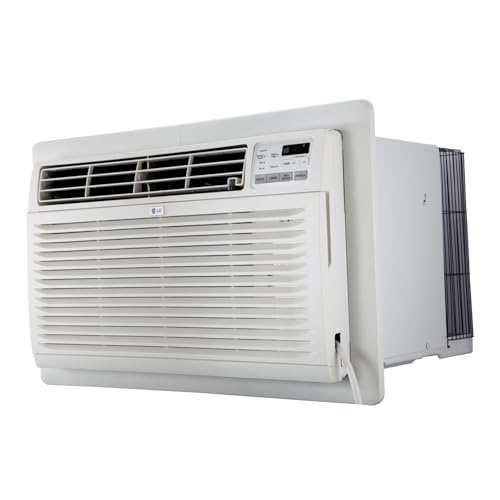
 ACiQ 5 Ton 14.3 SEER2 Central Air Conditioner5-Ton29.1 x 32.8 x 29.1 inches182 poundsCheck on Amazon
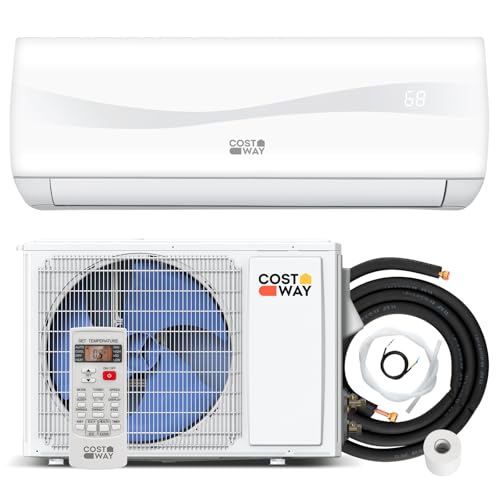
 MrCool SEER2 VERSAPRO Central Ducted Split System5 Ton17.52 x 21.02 x 45 inches132.72 poundsCheck on Amazon


What's inside
- Why five tons is a claim your house has to prove
- Manual J, translated into plain kitchen-table language
- Single stage, two stage and variable speed at the five-ton scale
- The archetypes worth shortlisting
- Ductwork: the silent partner that can veto everything
- Electrical and installation demands nobody should discover mid-job
- Humidity, the quiet test that separates good from merely big
- Why the wrong size costs the most at exactly this size
- Reading your current system for overload and underload symptoms
- Questions that separate careful installers from quick quotes
- Living with a five-ton system: noise, placement and upkeep
- Refrigerant lines, pads and the unglamorous geometry of the yard
- What the first month of ownership should look like
- Where the running costs actually hide across a season
- Additions, sunrooms and other loads that ambush a good plan
- Comparing five-ton quotes without being fooled by the bottom line
- Regional notes: the same five tons, four different personalities
- Warranty fine print at the top of the range
- A short field test you can run this weekend
- One last misconception: bigger is not a reserve for hotter years
- Check prices on Amazon
- Pulling the decision together
As an Amazon Associate I earn from qualifying purchases. This post may contain affiliate links at no extra cost to you.
One honest word about how this guide pays for itself: Cottage Verdict keeps its lights on through small referral commissions that retailers pay when a reader follows a link here and completes a purchase, and that arrangement never adds a penny to what you hand over at checkout.
Why five tons is a claim your house has to prove
Five tons sounds like a specification. In practice it behaves more like an accusation, because a system this large asserts that your home leaks, gains or stores enough heat to justify sixty thousand BTU of hourly cooling capacity. Some houses genuinely do. A sprawling two-storey build with west-facing glass, a sun-baked roof deck and four bedrooms scattered across long duct runs can legitimately need every bit of that output on a July afternoon. Plenty of others wear a five-ton badge simply because the original installer rounded up, the previous owner demanded faster pull-down times, or nobody ever questioned the number stamped on the old nameplate.
That distinction matters more at this size than at any other. An oversized three-ton unit wastes money quietly. An oversized five-ton unit wastes it loudly, through short violent cycles, swollen electricity bills, clammy rooms and ductwork that groans under air it was never shaped to carry. Undersizing hurts too, though differently: the compressor runs from late morning until midnight, the upstairs bedrooms never quite arrive at the thermostat setting, and the machine ages years in a single brutal summer. Getting the size right is therefore not a preliminary chore before the real shopping begins. At five tons, sizing is the shopping.
Square footage gives you a doorway into the conversation, nothing more. The familiar shorthand places a five-ton system somewhere around homes of twenty-five hundred to three thousand square feet, and in a mild climate with good insulation that estimate can land surprisingly close. Move the same floor plan to a humid Gulf summer, strip the attic insulation down to a tired layer from the nineteen-eighties, add a vaulted great room and a wall of sliding glass, and the honest requirement climbs. Relocate it to a shaded lot in a temperate coastal valley with modern windows, and the requirement falls away again, sometimes by a full ton.
Manual J, translated into plain kitchen-table language
Every competent installer eventually mentions Manual J, usually while tapping a laptop or a battered clipboard. Strip away the mystique and the document describes a simple accounting exercise. For each room, someone tallies how much heat sneaks in through walls, ceilings, floors and glass on the hottest design day your region expects, then adds the heat contributed by people, appliances, lighting and the air that leaks through every gap around doors and recessed lights. The sum, room by room, becomes the load. Equipment is then chosen to meet that load closely, not to dwarf it.
You do not need to perform the calculation yourself to benefit from it. You need to recognise whether one actually happened. A contractor who walks each room, measures windows, asks about insulation, peers into the attic and notes which walls catch afternoon sun is gathering Manual J inputs. A contractor who glances at the existing unit, nods at its tonnage and quotes a like-for-like swap within ten minutes is gathering nothing at all. The second approach perpetuates whatever mistake the first installer made, sometimes decades ago, and five-ton mistakes are expensive antiques to preserve.
Ask directly what total load the calculation produced and how it split between floors. A credible answer arrives in BTU figures with a story attached: the bonus room over the garage drives the peak, the east bedrooms barely register, the kitchen spikes during evening cooking. Vague reassurance about having done hundreds of these houses should make you cautious. Houses that look identical from the kerb routinely differ by twenty or thirty percent in measured load once orientation, shading and envelope condition enter the ledger.
Clues your home may genuinely need all five tons
Certain patterns recur in homes where the big number proves honest. Ceiling heights stretch past nine feet across much of the plan, multiplying the air volume each cycle must condition. Large open-plan zones merge kitchen, dining and living space into a single thermal pool with no doors to close against the afternoon. Window area concentrates on southern and western faces, ideally shaded on paper and mercilessly exposed in fact. The roofline sprawls, because a wide single-storey footprint presents more ceiling to a hot attic than a compact stacked plan of equal area.
Occupancy and habit push the needle as well. A household running a home business from a converted garage, hosting frequent guests, or cooking elaborate meals through the hottest hours adds internal gains that a quiet couple in the same shell never would. None of these clues decides the question alone. Together, corroborated by an actual load calculation, they build the case that five tons is a requirement rather than a habit.
Clues the current system was oversized from birth
Oversizing leaves fingerprints. The existing unit satisfies the thermostat suspiciously fast on mild days, sometimes within six or seven minutes, then sits silent while moisture creeps back into the air. Rooms feel cool yet faintly sticky, because the coil never stayed cold long enough to wring much water from the passing air. Certain bedrooms swing between chilly blasts and warm stillness. The outdoor unit sounds busy and important yet the electricity bill suggests it accomplishes little per dollar spent.
Condensation offers another confession. Sweating registers, musty smells near supply vents and paint softening around ceiling diffusers all hint at brief cold cycles colliding with humid indoor air. If your present five-ton machine behaves this way, replacing it with another five-ton machine simply because the pad, the lineset and the paperwork already say five tons repeats the error with newer equipment and a longer warranty on the wrong answer.
Single stage, two stage and variable speed at the five-ton scale
Compressor staging decides how gracefully a big system handles ordinary days, and ordinary days vastly outnumber design days. A single-stage five-ton condenser knows exactly two states: silent or delivering its entire output at once. In April and October, when the house might need only a third of peak capacity, that all-or-nothing personality produces the short-cycle behaviour described earlier. The thermostat gets its number quickly. The air keeps its moisture. The compressor endures the electrical and mechanical stress of constant starting, which is when these machines suffer most of their wear.
Two-stage equipment softens that picture considerably. First stage typically carries roughly two-thirds of total capacity, enough for the overwhelming majority of hours across a cooling season, and it runs longer, quieter cycles that pull humidity down steadily. Only when a heatwave or a houseful of guests overwhelms first stage does the second step engage and the full five tons arrive. For large homes in mixed climates, this middle path often delivers the most sensible balance of purchase cost, comfort and restraint, because the system spends its life loafing rather than sprinting.
Variable-speed and inverter-driven designs erase the steps entirely. Their compressors modulate across a broad band of output, sipping capacity on a mild morning and swelling toward maximum as the afternoon peaks, then easing back without ever fully stopping during long stretches. Matched with a communicating air handler whose blower ramps in sympathy, such a system can hold indoor temperature within a remarkably narrow band while continuously wringing moisture from the air. Readers comparing approaches for generous floor plans will find useful context in our guide to best air conditioners for large rooms, where capacity staging meets real room-by-room behaviour.
The catch at five tons is that sophistication scales in price faster than sheet metal does. Control boards grow more elaborate, proprietary thermostats enter the quote, and the pool of technicians fluent in a given communicating platform shrinks outside major cities. None of that disqualifies variable speed. It does mean the premium buys the most in humid regions with long shoulder seasons, where modulation works daily miracles, and the least in dry climates where cooling arrives in a short, fierce season and a sturdy two-stage machine handles nearly every hour with dignity.
Efficiency ratings, read with a cold eye
Seasonal efficiency figures climb as staging improves, and at five tons the arithmetic of consumption becomes impossible to ignore. A big compressor running thousands of hours converts even modest percentage gains into serious kilowatt-hours. Yet nameplate ratings describe a matched system tested under laboratory conditions: a specific condenser paired with a specific coil and air handler, charged precisely, breathing through ideal ductwork. Substitute a mismatched indoor coil or starve the system of return air and the field efficiency drifts well below the brochure figure.
Homeowners sometimes fixate on squeezing out the highest available rating while neglecting the duct system that determines what fraction of that efficiency ever reaches a bedroom. Money redirected toward sealing, insulating and balancing ducts frequently returns more comfort per unit of spending than the jump between adjacent efficiency tiers. Our companion piece on best air conditioners for energy saving works through that trade-off in detail, and it pairs naturally with the staging discussion here because the cheapest cooling is always the cooling your house fails to lose.
The archetypes worth shortlisting
Rather than chase individual model badges, which shift with regional distribution and model-year revisions, it helps to shop by archetype. Four shapes dominate the five-ton landscape, and each suits a recognisably different household.
Archetype one: the value single-stage workhorse
This is the traditional five-ton split system built around a single-stage scroll compressor, a straightforward PSC or basic ECM blower and an efficiency rating near the regulatory floor for its region. Cabinet construction is honest galvanised steel, the warranty terms are respectable without being lavish, and nearly any competent technician within a day’s drive can source its parts. Purchase cost sits at the bottom of the five-ton field, and installation quotes stay comparatively simple because nothing about the platform demands specialised training.
Choose it when the climate delivers a compact, intense cooling season, when the home serves as a part-time residence, or when budget must stretch across other urgent envelope repairs. Accept its compromises knowingly: louder starts, wider temperature swings, weaker dehumidification during mild spells and the highest running costs of the group whenever the season stretches long. In a dry high-desert summer where humidity barely registers, those compromises shrink to near invisibility, which is precisely why this archetype refuses to disappear from the market.
Archetype two: the two-stage middle path
Here the compressor gains its lower gear, the indoor blower becomes a variable-speed ECM unit, and the whole system learns restraint. First-stage operation covers most weather with long, gentle cycles; second stage waits for genuine extremes. Humidity control improves markedly over the single-stage design, sound levels fall because the machine spends most hours turning slowly, and seasonal efficiency steps up enough to matter on a five-ton appetite.
For the archetypal large suburban home in a humid or mixed climate, this is the configuration experienced installers recommend most often, and their reasoning is pragmatic rather than sentimental. Complexity stays manageable, parts remain widely stocked, and the comfort gap between this tier and the flagship variable-speed platforms narrows to a sliver during real weather. If your quotes cluster anywhere, expect them to cluster here.
Archetype three: the variable-speed flagship
The premium archetype pairs an inverter-driven or multi-stage compressor with a fully communicating air handler, proprietary controls and the highest seasonal efficiency figures in the residential catalogue. Temperature stability becomes almost uncanny. Guests stop noticing the system entirely, which is the finest compliment cooling equipment can receive, and humidity management reaches levels that let you raise the thermostat setting slightly while feeling equally comfortable, quietly refunding part of the premium through reduced demand.
Insist on two conditions before paying for this tier. First, the installing firm must genuinely support the platform, with trained staff and a track record you can verify through local references rather than a sales brochure. Second, the duct system must be audited and corrected, because flagship modulation cannot rescue undersized returns. A variable-speed marvel throttled by bad ductwork performs like a frustrated mid-range unit wearing an expensive coat.
Archetype four: the five-ton heat pump variant
In regions where winters bite without truly savaging, a five-ton heat pump version of any tier above can shoulder both seasons, reversing its refrigerant flow to harvest outdoor heat when temperatures allow and leaning on auxiliary strips or a furnace partner during deep cold. Shoulder-season efficiency is superb, and households retiring an ageing furnace alongside a dying condenser may consolidate two replacements into one project. Cold-climate shoppers should interrogate low-temperature capacity figures carefully, since a unit rated at five tons for cooling may deliver considerably less heat on the coldest mornings, exactly when the house asks hardest.
Ductwork: the silent partner that can veto everything
Airflow arithmetic at this size stops being forgiving. A five-ton system wants to move roughly two thousand cubic feet of air per minute, and that river needs channels wide enough to carry it without excessive velocity or pressure. Many homes built for a three-and-a-half or four-ton predecessor hide trunk lines and branch runs sized for that smaller river. Bolt a five-ton air handler onto those ducts and static pressure climbs, the blower labours, delivered capacity sags, noise blooms at every register and the efficiency you purchased evaporates into friction.
Return air deserves particular suspicion. Builders chronically undersize returns because supply registers are visible selling points while returns hide in hallways. A single modest return grille cannot feed a five-ton blower. Expect a serious installer to measure total external static pressure, inspect the return path and propose additional return drops or enlarged trunks where the numbers demand it. That line item may look like upselling. Frequently it is the difference between a system that performs to its rating and one that merely occupies the pad outside.
Sealing matters at scale, too. Duct leakage percentages that a small system tolerates become enormous absolute losses when two thousand cubic feet per minute pressurises the network for hours daily. Every disconnected joint in a vented attic pours purchased cooling into a space nobody lives in while drawing hot, dusty attic air back through the gaps. Mastic-sealed joints, insulated runs and a post-installation leakage check transform the same equipment into a noticeably better system, and the improvement shows up in the far bedrooms first, which is where large homes usually disappoint their owners.
Zoning a big house instead of brute-forcing it
Some houses that appear to need five tons actually need two smaller answers. A two-storey plan with a sweltering upper floor and a comfortable ground floor often behaves better under separate systems or a properly engineered zoned arrangement, where motorised dampers direct capacity toward the level calling for it. Zoning a single five-ton unit demands care: when only one small zone calls, the system must shed the rest of its airflow somewhere, through bypass strategies or dump zones, or pressure and noise problems follow the dampers home.
Variable-speed equipment zones most gracefully because it can throttle down to meet a single zone’s modest request. Two-stage gear manages acceptably. A single-stage five-ton unit paired with tight zoning is the combination most likely to disappoint, since its only trick is full output and a small zone gives that output nowhere dignified to go. Discuss zoning before selecting the archetype, not after the contract hardens, because the right answer may reshape the entire quote.
Electrical and installation demands nobody should discover mid-job
A five-ton condenser draws serious current. Depending on the model, expect a dedicated circuit in the range commonly served by a substantial breaker, heavy-gauge conductors and a disconnect within sight of the unit. Older homes with crowded hundred-amp service panels may need a panel upgrade or a sub-panel before the new system can legally draw breath, and discovering that requirement after the old unit sits in the driveway is a miserable species of surprise. Ask every bidder to state, in writing, what electrical work their quote includes and what it assumes about your panel.
Physical logistics deserve a glance as well. The outdoor unit is large, heavy and intolerant of being wedged against fences or buried in shrubbery; it needs clearance to breathe and room for a technician to work. The lineset run between condenser and coil has manufacturer limits on length and vertical lift, and long runs may require charge adjustments or larger line diameters. Attic air handlers at this size arrive in sections for a reason, and someone should confirm the attic access can actually swallow the equipment before delivery day turns into carpentry day.
Permits and inspections, tedious as they sound, protect you twice. They force the installation onto the record for insurance and resale purposes, and they create an outside check that refrigerant handling, electrical work and condensate drainage meet code. Condensate management at five tons is no footnote: a hard-working coil in humid weather produces a startling volume of water, and the drain needs proper slope, a trap where required, and ideally a float switch that kills the system before an overflow stains the ceiling below.
Humidity, the quiet test that separates good from merely big
Temperature is the number on the thermostat. Humidity is the feeling on your skin at two in the morning when the sheets seem faintly damp despite the house reading cool. Large systems fail this test more often than small ones because capacity tempts them into brevity. Every start needs several minutes before the coil reaches full dehumidifying temperature, and every stop lets the blower coast or the moisture sitting on the coil re-evaporate into the airstream. Short cycles therefore tax comfort twice.
Long, low, steady operation is the cure, which loops the conversation back to staging. It also explains why thermostat fan settings matter: leaving the fan on continuously between compressor cycles can push collected moisture back into the rooms, undoing the previous cycle’s quiet work. Homes in genuinely swampy climates sometimes pair the central system with a dedicated whole-house dehumidifier, an arrangement explored further in our guide to best air conditioners for humid climates, and for sprawling Gulf Coast floor plans that pairing often outperforms simply buying a larger or fancier condenser.
Watch indoor relative humidity across a week of normal operation after installation. Readings that hover in the comfortable middle band while the system cycles modestly suggest the sizing and staging choices landed well. Readings that stay stubbornly high while temperatures look perfect point back to oversizing, excessive fan operation or duct leakage pulling moist air into the system, and each cause has a different remedy, so measure before arguing.
Why the wrong size costs the most at exactly this size
Every sizing error carries a multiplier, and at five tons the multiplier is the largest in the residential catalogue. Consider the oversized case first. A system twenty percent too large does not simply waste twenty percent of its purchase price. It cycles more often, and each start draws a surge while delivering minutes of inefficient ramp-up before the coil settles into productive work. Bearings, contactors and compressor windings absorb that punishment thousands of extra times per season. The blower, shoving full airflow against ducts that may already be marginal, consumes more electricity per delivered unit of cooling than its rating suggests, because fan energy climbs steeply with pressure.
Then the comfort tax arrives. Because cycles end early, the far rooms receive truncated doses of cooled air; the thermostat, usually parked in a privileged hallway near the return, declares victory while the nursery still bakes. Occupants respond the way occupants always do: they lower the setpoint. Each degree of compensation forces the oversized machine to run longer against a bigger indoor-outdoor difference, and the bill climbs in pursuit of a problem that capacity created rather than solved. Owners frequently describe the result as a house that is simultaneously expensive and uncomfortable, a combination unique to generous oversizing.
Undersizing writes a different invoice. The system runs nearly continuously through peak weeks, which sounds efficient and partly is, until components that expected overnight rest accumulate heat stress and the indoor temperature drifts upward each afternoon regardless of the thermostat’s pleading. Supplemental window units appear in the worst bedrooms, each one an unplanned purchase drawing unplanned power through extension-era wiring, and the household quietly spends the savings it thought it captured by choosing the smaller quote. Prolonged runtime also exposes every weakness in the condensate path, because a coil that never dries is a coil that grows things.
Between those failure modes sits the narrow honest band where a correctly loaded five-ton system actually shines: long, productive cycles on hot days, relaxed modulation or first-stage cruising the rest of the season, even room temperatures and humidity that behaves. The band is narrow enough that guessing rarely lands inside it, which returns us, as every path in this subject does, to the load calculation.
Reading your current system for overload and underload symptoms
Before any contractor visits, your existing equipment has already filed a report. Learning to read it sharpens every conversation that follows. Start with cycle behaviour on a typically hot afternoon. Time three consecutive runs. A healthy large system in real heat should settle into substantial runs, often well past fifteen minutes, with rests that feel earned rather than frantic. Runs of five or six minutes punctuated by brief silences, repeated all day, describe a machine with far more capacity than the moment requires, or a thermostat suffering from a draughty location, and either diagnosis deserves attention before new equipment inherits the same conditions.
Temperature spread between rooms tells the duct story. Carry a simple thermometer from the coolest room to the warmest during a long cycle. Differences of a couple of degrees are ordinary in big floor plans. Gaps approaching five degrees or more point toward airflow imbalance, crushed or disconnected runs, or a layout that has outgrown its original duct design, especially in homes that gained finished basements, converted attics or closed-in porches after the first system was installed. No condenser upgrade fixes a starved branch line, and honest contractors will say so even when it shrinks their ticket.
Listen, too. Whistling registers suggest velocity through openings too small for the volume demanded of them. A return grille that hums or pulls a tissue hard against its face is confessing restriction. Outdoor units that start with a shudder and a lights-dimming dip are announcing electrical strain worth investigating. None of these observations requires instruments, yet together they let you distinguish a contractor who investigates from one who merely replaces.
When the honest answer is not five tons at all
Sometimes the load calculation lands at four tons, or four and a half, and the bravest move in the whole project is accepting the smaller number. Envelope improvements can pull a borderline house down a size with room to spare: attic insulation brought to modern depth, air sealing around can lights and top plates, duct insulation in unconditioned space, shade film or exterior shading on the worst western glass. Each measure keeps paying after the equipment decision fades, lowering both summer peaks and winter losses, and the household ends up with a system that runs longer, quieter cycles through a tighter shell.
Households at the other boundary, where the calculation overshoots five tons, face the two-system conversation. Splitting capacity across two smaller units buys redundancy, genuine zoning and gentler part-load behaviour, at the price of maintaining two of everything. Sprawling single-storey homes and properties with detached conditioned spaces often land here, and it is worth hearing the option fully before defaulting to the largest single box the residential market sells. Guidance written for more compact footprints, such as our overview of best air conditioners for small homes, underlines by contrast just how different the decision geometry becomes once a house outgrows the middle of the catalogue.
Questions that separate careful installers from quick quotes
Ask each bidder to show the load calculation, not merely to confirm one exists. The document should name your rooms, your window areas and an outdoor design temperature appropriate to your region rather than a heroic worst case borrowed from a hotter state. Follow by asking which indoor coil and air handler they intend to pair with the condenser, and whether that exact combination carries a published rating, because unmatched pairings can quietly surrender both efficiency and warranty standing.
Press on ductwork specifics. Will they measure static pressure before and after the installation? Does the quote include sealing accessible joints, and what happens if the existing trunk proves too small for the new blower’s ambitions? Vague answers here predict the most common disappointment in large-system replacement: gleaming new equipment strangled by the same tired airways that undermined its predecessor.
Clarify the thermostat and control story, particularly with two-stage and variable-speed archetypes that only reveal their manners through compatible controls. Some flagship systems revert to dumb single-stage behaviour when paired with an ordinary thermostat, an expensive tragedy that unfolds silently in thousands of homes. Confirm that staging, dehumidification modes and blower profiles will actually be configured during commissioning, and ask whether the quote includes a return visit after a week of operation to review cycle behaviour and humidity readings. Firms that commission carefully tend to welcome the question.
Finally, discuss refrigerant and future service plainly. The industry has been transitioning toward newer refrigerant blends, and equipment choices made now will be serviced for fifteen years or more by whoever remains in business nearby. A slightly less exotic platform with deep local support often outlives a dazzling import that only one overworked specialist in the county understands. Longevity is a feature, even if it never appears in a brochure.
Living with a five-ton system: noise, placement and upkeep
Big condensers move big air, and their sound carries a low, purposeful character rather than the buzz of smaller units. Modern two-stage and variable-speed models spend most hours turning slowly enough that conversation on the patio continues undisturbed, while single-stage units announce every start to the whole garden. Placement relative to bedroom windows and neighbours’ outdoor living space deserves thought before the pad is poured, because relocating a charged system later costs real money and nobody enjoys being the household that serenades the street.
Keep the coil breathing. Shrubs should stand clear by a comfortable margin, grass clippings and cottonwood fluff need rinsing from the fins with a gentle hose stream from inside out where access allows, and anything stored against the cabinet during winter should move before the first warm spell. Indoors, a five-ton blower punishes neglected filters swiftly; airflow through a clogged filter at this scale raises static pressure, strains the motor and can ice the coil during humid weather. Households with pets or renovation dust should check filters monthly rather than seasonally and treat the chore as part of owning capacity this generous.
Annual professional maintenance earns its keep through small catches: a weakening capacitor replaced before a heatwave weekend, a condensate trap cleared before it backs up, refrigerant charge verified before a slow leak turns a strong system feeble. Ask the technician to record static pressure and temperature split at each visit. A drifting trend across years warns of duct changes, coil fouling or charge loss long before comfort collapses, and a written history strengthens any warranty conversation.
Refrigerant lines, pads and the unglamorous geometry of the yard
Between the condenser and the indoor coil runs a pair of copper lines, one insulated, that quietly decides how much of the rated capacity survives the journey. At five tons those lines are thick, their allowable length is finite, and every unnecessary elbow adds resistance the compressor must overcome for the next fifteen years. Installers sometimes inherit a lineset from the previous system and reuse it to save the household money, a kindness that can backfire when the old lines are the wrong diameter for the new equipment, contaminated by a burnout, or routed through a wall cavity where a slow leak would hide for seasons. Ask whether the quote reuses or replaces, and let the answer depend on diameter charts and flushing evidence rather than habit.
The pad deserves thirty seconds of thought as well. A five-ton condenser is heavy enough to tilt a undersized or poorly bedded slab over a few wet winters, and a tilted unit pools oil and condensate in ways its designers never intended. A level composite or poured pad, gravel drainage beneath, and clearance from downspout discharge all cost little on installation day and repay quietly for years. In snow country the unit may also need elevation on stands so winter drifts and defrost melt do not bury the coil, a detail desert installers never face and northern households ignore at their peril.
Sun exposure sparks endless debate. A condenser shaded by a well-placed awning or the north wall of the house rejects heat slightly more easily than one baking on a south-facing slab, yet artificial shade that restricts airflow, such as a low deck or a dense trellis, costs far more than the shade saves. Prioritise moving air over shadow, keep the discharge path above the unit completely open, and let the machine’s fan do the work it was sized for.
What the first month of ownership should look like
New large systems reveal their character quickly, and the first month is your cheapest diagnostic window because the installer’s work is fresh and warranties sit at full strength. Keep a simple log for the first fortnight: thermostat setting, how the far bedroom feels at bedtime, whether the outdoor unit seems to run in long stretches or nervous bursts, and any sounds that repeat. Patterns in that notebook turn a vague service call into a precise one.
Expect a brief settling period. Duct tape smells and faint new-equipment odours fade within days. Minor temperature imbalances between rooms often yield to register adjustments and, where fitted, balancing dampers, which is why careful installers label damper positions rather than leaving them to folklore. If humidity readings stay high while temperatures behave, call while the observation is fresh; staging configuration, blower speed taps and dehumidification settings are all adjustable after the fact, and a system this capable should not need a season of tolerance from its owners.
Register the warranty promptly and keep the commissioning paperwork with the load calculation in one folder. Model and serial numbers, the installing firm’s licence details and the measured static pressure figures form the biography of the system, and every future technician who opens that folder starts work ten minutes ahead. Households that keep these records also negotiate from strength if a major component ever fails inside the coverage window.
Where the running costs actually hide across a season
Owners tend to imagine the compressor as the sole author of the electricity bill, and while it writes the largest chapters, the supporting cast adds pages. The indoor blower on a five-ton system can draw as much power as several ceiling fans and a refrigerator combined, and it runs whenever the system heats, cools or merely circulates air. Duct leakage then taxes every one of those watts by forcing longer runtimes to deliver the same comfort to the registers. A household can therefore cut consumption noticeably without touching the condenser at all, simply by sealing the duct network and letting the blower work against a system that keeps what it moves.
Thermostat behaviour writes another quiet chapter. Deep setbacks feel virtuous, yet a large home allowed to drift far upward during the working day demands a long, full-capacity recovery in the late afternoon, precisely when outdoor temperatures peak and equipment efficiency bottoms out. Modest setbacks, or none during extreme weeks, often cost less than heroic ones, and staged or variable-speed systems exploit gentle holding patterns beautifully because they can maintain a setpoint at partial output for hours. Programmable schedules should follow the household’s real rhythm rather than an office fantasy copied from a utility leaflet.
Utility rate structures complicate the picture further. Households on time-of-use pricing may benefit from pre-cooling the thermal mass of a big house in the late morning, letting walls, floors and furnishings absorb coolth that carries the family through the expensive evening window with the system idling at low stage. A five-ton variable-speed unit excels at this strategy; a single-stage unit forced to pre-cool simply runs flat out earlier, shifting cost rather than shaving it. Discuss rate plans with your installer, because the smartest equipment choice partly depends on how your meter charges for the hours when cooling matters most.
Additions, sunrooms and other loads that ambush a good plan
Many five-ton conversations begin because a house grew. The finished attic, the enclosed porch, the primary suite added over the garage: each extension arrives with its own solar exposure and insulation standard, and each one leans on a duct system designed for a smaller, simpler building. Before enlarging the central plant, price the alternative of serving the new space independently with its own compact system. Additions with hostile glass or intermittent use often behave better under separate control, and the main house keeps the four-ton system its load calculation actually requested.
Sunrooms deserve special honesty. A glass-heavy room can demand a startling share of a home’s total cooling while being occupied mainly in the gentler hours of the day. Folding that peak into the central sizing decision inflates the equipment for the other ninety percent of the house during the other ninety percent of the season. Shading, low-emissivity glazing and a dedicated small unit for the sunroom usually deliver happier results than a central system swollen to conquer one glazed corner on the hottest Sunday of the year.
Workshops, garage gyms and pool houses raise similar questions with dustier complications, since their air should often stay separate from the household’s anyway. Treating each unusual space as its own small problem keeps the central decision clean, and a clean central decision is the entire theme of this guide: capacity follows measured load, room by room, with no passengers smuggled in by guesswork.
Comparing five-ton quotes without being fooled by the bottom line
Quotes for systems this size spread widely, and the spread usually reflects scope rather than greed. One bid may quietly include duct sealing, a second return drop, a new lineset and a panel upgrade, while a rival’s lower figure assumes every one of those items is already perfect or destined to become a change order. Lay the documents side by side and hunt for the invisible lines: equipment model numbers for both halves of the system, the thermostat being supplied, electrical work, permit fees, condensate safeguards, disposal of the old unit and the labour warranty standing behind the manufacturer’s parts coverage.
Ask each bidder what their price deliberately excludes. Honest firms answer that question easily, because they have already thought about where a job like this can grow. Evasive answers predict invoices that swell after the old equipment has been hauled away and your bargaining position has been hauled away with it. Also weigh the calendar: a slightly higher quote from a firm that can install before the next heatwave may be worth more than a bargain scheduled for the far side of August, when the current system is already limping.
Financing and rebate paperwork deserves a mention because large systems often qualify for utility incentives tied to efficiency tiers or load-calculation documentation. Those programmes reward exactly the diligence this guide recommends, sometimes requiring the contractor to file the calculation you already asked to see. Keep copies of everything submitted; incentive cheques have a way of depending on the household’s records rather than the contractor’s memory.
Regional notes: the same five tons, four different personalities
In the humid Southeast, a five-ton system earns its living as much through moisture removal as through temperature reduction, and two-stage or variable-speed archetypes justify themselves quickly. Corrosion from coastal air begins to matter within a few miles of salt water, which is a separate discipline covered in our coastal guide elsewhere on this site. In the Southwest, peak capacity and performance at extreme outdoor temperatures dominate the decision, while humidity settings fade into the background and single-stage equipment remains defensible for a larger share of homes.
Northern households pairing five tons of cooling with a serious heating season should examine how the air handler, furnace or heat pump partner behaves in January, not merely how the condenser struts in July. A blower chosen only for summer airflow may distribute winter heat unevenly, and dual-fuel arrangements need controls that switch between sources at a sensible balance point. Mountain and high-plains homes add altitude to the puzzle, since thinner air changes both the load and the equipment’s delivered performance, one more reason the calculation must use local design data rather than a national rule of thumb.
Warranty fine print at the top of the range
Large systems carry large repair bills when major components fail outside coverage, so the warranty deserves the same scrutiny as the efficiency rating. Parts coverage on premium archetypes often stretches longer than on value models, but the fine print usually conditions that generosity on timely product registration and, in some cases, on installation by a dealer authorised for that brand. Compressor coverage may differ from the rest of the parts list, and labour is almost always a separate matter, either excluded, sold as an add-on or provided briefly by the installer as a gesture of confidence.
Transferability matters in homes that may change hands within the equipment’s life. Some manufacturers shorten coverage when a property is sold unless the new owner registers the transfer within a stated window, a detail that surprises sellers who promised buyers a decade of protection. If resale sits anywhere on your horizon, ask how the coverage travels and keep the answer with the commissioning folder.
Extended labour plans can make sense at this scale precisely because a single blower motor or control board replacement on a flagship communicating system is a serious invoice. Evaluate such plans the way you would any insurance: by the reputation of the firm standing behind them and by whether the plan survives if that firm is sold. A warranty is only ever as strong as the organisation obliged to honour it on the hottest weekend of the year.
A short field test you can run this weekend
You can gather surprisingly useful evidence about your own house with nothing more than a notebook, a thermometer and one warm afternoon. Begin by noting the outdoor temperature and the thermostat setting, then record how long the current system runs before satisfying the call and how long it rests afterwards. Repeat the observation twice more across the afternoon, because a single cycle can mislead while three begin to describe a personality.
Next, walk the house slowly during a long run and stand at each register. Some should push a confident stream of cool air; note any that merely sigh, any that blast hard enough to flutter curtains, and any rooms where the air feels noticeably warmer despite a willing register. Check the return grilles with the back of your hand for steady pull, and glance at the outdoor unit to confirm its fan spins freely with the coil faces reasonably clean.
Finish indoors. Look at the condensate drain where it exits, confirm moisture is actually leaving the building during a humid run, and check the filter’s condition honestly rather than charitably. Write everything down with times attached. When contractors arrive the following week, that single page will steer the conversation away from catalogue talk and toward your house, which is where every good five-ton decision has always been made.
One last misconception: bigger is not a reserve for hotter years
Homeowners sometimes defend oversizing as insurance against future heatwaves, imagining the spare capacity as a reserve waiting politely in the machine. Refrigeration does not store reserve that way. The extra tonnage expresses itself every ordinary day as shorter cycles and poorer moisture removal, while the design-day protection it supposedly buys could have been achieved more honestly through shading, sealing and insulation that reduce the peak itself. Climate trends are real, and load calculations already incorporate regional design temperatures that planning bodies revise over time; if your contractor’s figures use current local data, the safety margin you need is in the envelope work, not in a swollen compressor.
There is also a resilience argument for restraint. A correctly sized system running long cycles keeps every room closer to the same temperature, so if the equipment falters during a heatwave, the whole house drifts upward slowly and evenly rather than collapsing room by room. Comfort built on balance degrades gracefully. Comfort built on brute force tends to fail all at once, at the least convenient hour, in front of guests.
One practical habit ties all of these threads together: photograph the nameplate of every component installed, indoor and outdoor, before the crew leaves, and store those images beside the paperwork. Model numbers fade from memory within a year, yet every filter order, warranty claim and service visit for the next decade and a half will ask for them. The two minutes spent with a phone camera on installation day quietly save an hour of ladder work and guesswork every single time the system needs attention thereafter, and the same photographs give a future buyer of the house instant, verifiable proof of exactly what equipment they would be inheriting with the keys.
Check prices on Amazon
Live listings for the shortlist in this guide are pulled from Amazon below, so prices and availability are always current at the moment you look.


Pulling the decision together
Begin with the load calculation and believe its verdict even when it flatters or embarrasses the old nameplate. Let staging follow climate: single-stage for short, dry seasons and restrained budgets; two-stage as the dependable default for large homes in mixed or humid regions; variable speed where long shoulder seasons and sticky air reward modulation daily, provided local support runs deep. Treat ductwork as a co-author of the result, funding the sealing, return and trunk corrections the measurements demand. Confirm the electrical service can feed the machine without drama, and choose the installer whose commissioning habits sound almost fussy.
Do that, and five tons stops being a gamble. It becomes what it should have been all along: a large, calm system matched to a large, honestly measured house, running long and quietly through the worst afternoons of the year while the rooms at the far ends of the duct runs finally feel like part of the same home. When the heat peaks in late August and every bedroom settles at the same cool, dry number without a murmur of complaint, you will know the calculation, not the catalogue, made the decision — and that is the only endorsement a system this size ever needs.