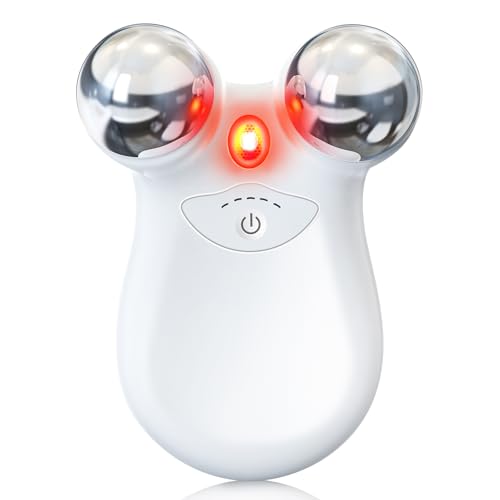
Our Top Picks
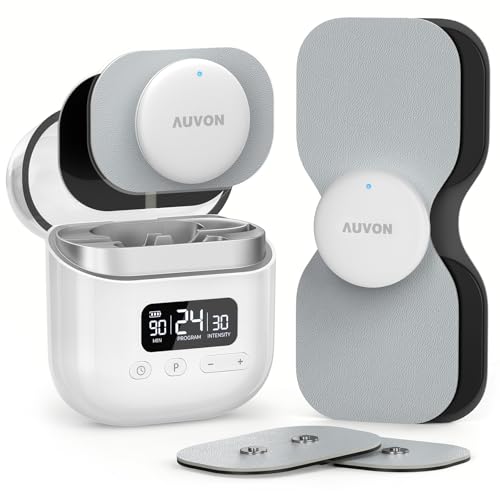
 AUVON 24 Modes TENS Unit Muscle Stimulator for16 Piece Set5.87 x 3.19 x 2.44 inches0.4 poundsCheck on Amazon
 Comfytemp 3-in-1 TENS Unit Muscle Stimulator for Pain2 Channels0.79 x 2.56 x 4.65 inchesCheck on Amazon


What's inside
- Channels and coverage: how much hardware you need
- Programmes, frequencies and intensity steps
- Electrode pads: sizes, gel and replacements
- Batteries, charging and screens you can read
- Placement guidance for the lower back and hip
- Comfort, evidence and honest expectations
- Building a routine that survives busy weeks
- Check prices on Amazon
- Buying with your eyes open
As an Amazon Associate I earn from qualifying purchases. This post may contain affiliate links at no extra cost to you.
Some links on this page are affiliate links, which means a purchase you make after following one can return a modest commission to this site at no extra cost to you. The guidance below is assembled from manufacturer instructions, published device specifications, and openly available educational material about transcutaneous electrical nerve stimulation, and it is written to help you compare features rather than to diagnose or treat any condition. Anyone whose symptoms are new, worsening, or accompanied by warning signs discussed later in this guide should seek assessment from a qualified clinician.
Channels and coverage: how much hardware you need
A single-channel unit drives one pair of electrodes, which suits a small, well-defined area on one side of the lower back but leaves no capacity for treating the buttock and the back at the same time. Dual-channel designs run two independent pairs, so you can place one pair beside the spine and another across the gluteal area while adjusting each circuit’s intensity separately to match local sensitivity. Four-channel models extend that flexibility to larger coverage, although the extra leads add tangling, charging, and pad-replacement costs that only make sense if your placement plan genuinely uses them. Independent intensity control per channel matters more than channel count alone, because skin over the lumbar muscles tolerates a different level from skin over the bony sacrum just a few inches away. Lead wires on many units measure roughly forty to fifty inches, giving enough slack to clip the device at a waistband and route cables under clothing without tugging pads loose as you move.
Wireless designs replace leads with small pods stuck directly to each pad, removing cable snag entirely while introducing pairing steps, pod charging, and a higher replacement cost if one pod is lost. Check whether channels can run different programmes simultaneously, since some units force every channel to share one mode, which limits the common pattern of steady stimulation on the back and a modulated pattern on the leg. Pad connectors vary between snap studs and pin plugs, and buying a unit whose connector matches widely available replacement pads keeps long-term running costs predictable and low. A belt clip or lanyard sounds trivial until you stand up mid-session, because a unit that slides off a lap and yanks its leads can peel a pad halfway off and break the contact you had carefully set. Channel layout on the screen should show at a glance which pair is active and at what level, since fumbling through menus while pads are live invites accidental jumps in intensity.
For sciatica patterns that alternate sides, a dual-channel unit covers either side without moving pads mid-session, and that convenience alone justifies the step up for many households. Electrodes work in pairs to complete a circuit, so an odd pad count in a starter kit usually means a spare rather than a usable extra position, a detail worth knowing before planning placements. Larger bodies and broader pain maps benefit from more channels mainly through coverage, not through any increase in maximum output, which is governed separately by the intensity specification. Seating sized for broader frames is discussed in best massage chairs for big and tall. If two people in a household share one device, extra channels matter less than hygienic pad separation, because pads are personal items that should never move between different people’s skin. Start by honestly mapping where you would place pads on a typical day, then buy the channel count that map requires, rather than paying for capacity that spends its life coiled in a drawer.
Programmes, frequencies and intensity steps
Programme counts range from a handful of preset patterns to more than twenty, yet the useful differences come down to how pulse frequency, width, and intensity vary over time within each pattern. Low-frequency settings, often described around two to ten hertz, produce a tapping or pulsing sensation that some users prefer for short sessions focused on a stubborn area of the buttock. Higher-frequency settings, commonly in the eighty to one hundred twenty hertz region, tend to feel like a steady buzzing or tingling and are the conventional starting point in many instruction booklets. Modulated programmes sweep frequency or intensity up and down automatically, which can feel less monotonous during a thirty-minute session because the sensation keeps shifting before your nerves fully adapt. Burst patterns group pulses into rhythmic packets separated by brief pauses, creating a deeper thumping quality that some people find comfortable around large muscle groups of the hip.
A dedicated massage-style or kneading pattern alternates intensity in waves, and while pleasant, it should be judged as a comfort feature rather than evidence of any superior clinical effect. Pulse width, measured in microseconds and often adjustable between roughly fifty and three hundred, changes how deep or sharp a given intensity feels on the skin surface. Units that let you adjust frequency and width manually offer fine control for experienced users, while preset-only designs reduce guesswork for beginners who want to start cautiously and simply. Session timers commonly run from ten to sixty minutes, sometimes with a continuous option, and a clear countdown plus automatic switch-off protects against absent-mindedly extending a session far beyond plan. Memory of the last-used programme and intensity is a small mercy on mornings when pain makes patience scarce, provided the device still starts at zero or a low level rather than resuming full output instantly.
Intensity scales differ wildly between brands, with some offering twenty steps and others sixty or more, so a level number on one unit tells you nothing transferable about another unit’s output. Finer intensity steps help sensitive users find the narrow band between barely perceptible and too strong, and that band is exactly where most instruction guides suggest a session should sit. Some units include a gentle ramp at the start of each programme, softening output as it rises over several seconds instead of delivering the selected level in a single abrupt step. Mode names on packaging are marketing labels rather than standard terms, so compare the underlying pattern description in the manual instead of assuming that identically named modes feel alike. Keep a simple notebook of which programme, level, and duration felt comfortable on which day, because that personal record becomes more useful within a fortnight than any generic recommendation chart.
Electrode pads: sizes, gel and replacements
Standard square pads measure about two inches by two inches and suit the broad, flatter areas either side of the lumbar spine where contact is easy to maintain through a session. Rectangular pads around two by four inches cover more of the long muscles running alongside the spine, reducing the number of repositionings needed when discomfort spreads along the back. Small round or oval pads, near one inch across, fit curved or narrow spots such as the edge of the sacrum, although their concentrated contact makes intensity feel stronger at the same setting. Oversized pads up to four by six inches appear in some kits for very broad coverage, and they demand smooth, flat skin to avoid edge lifting that concentrates sensation at the remaining contact points. Self-adhesive gel layers provide both contact and stick, and their lifespan depends on clean skin, careful storage on the plastic backing sheet, and protection from dust, pet hair, and fabric fibres.
Most gel pads are rated by manufacturers for roughly fifteen to thirty uses, with adhesion fading gradually until a pad that still conducts begins peeling at the corners whenever you bend or sit back. Reviving a tired pad sometimes works for one more session by cleaning the gel gently with a fingertip of water and air-drying, but a pad that has lost even contact should be replaced rather than coaxed. Never share pads between people, and never place a cracked, dried, or unevenly gelled pad on skin, because poor contact concentrates output into hot spots that sting instead of tingle. Replacement pad cost belongs in the purchase decision, since a heavily used unit may consume several sets a year, and proprietary shapes can cost multiples of generic snap-compatible equivalents. Fabric-backed pads flex comfortably over the curve where back meets buttock, while firmer foam-backed versions sit flatter on the lumbar area and resist curling at the edges during longer sessions.
Hypoallergenic gel options exist for users whose skin reacts to standard adhesives, and rotating placement by half an inch between sessions gives any mildly irritated patch time to settle. Store pads gel-side down on their backing sheets inside a sealed bag, away from radiators and sunny windowsills, because heat and dry air shorten adhesive life faster than ordinary use does. Shaving dense hair at a placement site, cleaning skin with soap and water, and letting it dry fully before applying pads improves both adhesion and the evenness of the sensation considerably. Butterfly or winged pads wrap slightly around curved anatomy such as the hip, and their shape can hold contact through gentle movement better than a flat square on the same spot. Keep at least one sealed spare set at home, because the day a pad fails mid-routine is inevitably the day discomfort is worst and a replacement order is still two days away.
Batteries, charging and screens you can read
Rechargeable lithium cells dominate current designs, typically delivering somewhere between eight and forty hours of use per charge depending on intensity, programme, and how many channels run at once. A unit powered by replaceable batteries suits travel and occasional use, since a flat device can be revived instantly with spares instead of waiting beside a socket for a charge cycle. Charging usually happens over a common phone-style cable, and confirming the connector type before purchase saves the annoyance of yet another unique lead living permanently in a drawer. Battery indicators range from a simple low warning light to a segmented gauge, and a gauge you can read at a glance prevents the small frustration of a device dying five minutes into a session. Some units can operate while charging and others lock out during the process, a distinction that matters if your routine happens at a desk where a cable is always within reach anyway.
Cold weather shortens effective battery life, so a unit kept in an unheated room or a car glovebox may show less stamina in winter than its summer performance led you to expect. Charge the device after long storage rather than leaving it flat for months, because lithium cells age fastest when stored empty, and a quarterly top-up keeps an occasional-use unit ready. Screen brightness and backlight duration quietly drain power, so settings that dim the display quickly extend runtime for users who run long or frequent sessions through the day. If two household members share one device in rotation, total daily drain doubles, and a larger-capacity model or a charging habit by the kettle quickly stops being optional. Power banks can recharge a unit away from mains sockets, which helps during long journeys, although stimulation itself should never happen while you are driving or responsible for machinery.
A clear distinction between charging and fully charged states on the indicator prevents unplugging too early, a small design detail that separates thoughtful units from frustrating ones. Replacement of a sealed internal battery is rarely a home job, so brands that publish expected battery lifespan and offer a service route deserve credit when comparing long-term value. For infrequent users, a simple battery-powered design can outlast a rechargeable one in readiness, because it does not depend on remembering a charging routine between widely spaced sessions. Keep charging cables untangled from lead wires in the storage case, since the two are easily confused in dim light and forcing the wrong connector can damage a socket beyond repair. Runtime claims are measured at moderate settings, so treat headline hours as a ceiling and expect noticeably less when running two channels at strong levels with the backlight on.
Placement guidance for the lower back and hip
A large, high-contrast display earns its place when you adjust settings in a dim bedroom, and digits for intensity should be readable at arm’s length without hunting for reading glasses. Backlit screens help evening routines but should dim automatically, both to save battery and to avoid a glowing rectangle on the bedside table after the session ends. Physical buttons with distinct shapes allow adjustment by feel when the unit sits clipped at your back waistband, whereas flat touch panels demand that you look at the device for every change. A lock function prevents accidental intensity jumps when the unit brushes against a chair back or seatbelt, and it is one of the most practically valuable features on any shortlist. Icons for battery, timer, channel, and mode should be self-explanatory, because a manual consulted at midnight for the third time signals an interface that failed its basic job.
Some displays show a body diagram with suggested placements, which can orient a beginner quickly, although printed guides and clinician advice remain the authority for your individual situation. Screen size trades against unit size, and a pocketable device with a modest display may serve daily routines better than a large-screen model that lives forgotten in a cupboard. Check whether intensity changes require confirmation presses or apply instantly, since instant adjustment is convenient while instant large jumps after a stray button press are not. A clear distinction between the two channels on screen, by colour, position, or labelling, prevents the classic error of raising the wrong circuit while the other side sits at a level you intended to lower. Units aimed at older users often advertise oversized digits and simple two-button intensity control, and those honest usability features matter more than a long list of programmes nobody navigates.
If you wear the device under clothing at work, a discreet display that can be darkened completely protects your privacy in shared spaces while the session continues quietly. Protective cases or screen films are rarely included, so budget a moment to consider how the device will travel in a bag alongside keys and chargers that scratch displays quickly. A responsive screen that registers presses through the slight moisture of warm hands sounds minor until you are mid-session adjusting with fingertips that have just applied a fresh pad. Favour units whose display shows remaining session time prominently, because knowing whether three or twenty minutes remain shapes whether you settle in or prepare to finish up. Finally, judge the interface by how it behaves at start-up, since a device that powers on at zero intensity with your last programme remembered combines safety with convenience in the right order.
Comfort, evidence and honest expectations
Instruction manuals commonly illustrate lumbar placements with pads either side of the spine over the muscular area of the lower back, never directly on the spinal bones themselves. A frequent pattern for one-sided leg symptoms places one pair on the lower back and a second pair on the buttock of the affected side, following the broad path of discomfort rather than a single point. Pads should sit on intact, clean, dry skin, spaced at least an inch apart, and never touching each other while the device runs, because contact between pads short-circuits the intended path. Never place electrodes on the front or sides of the neck, across the chest near the heart, on the head, or over the eyes, and treat those exclusions as absolute rather than advisory. Avoid broken, inflamed, infected, or recently shaved-and-irritated skin, varicose veins, and areas with reduced sensation where you cannot judge intensity reliably enough to stay within comfort.
Start every new placement at the lowest intensity and raise it slowly until the sensation feels strong but comfortable, a tingling or buzzing that never crosses into pain, burning, or sharpness. If sensation feels uneven, switch off before moving a pad, because peeling and repositioning a live electrode can deliver an unpleasant spike as contact area shrinks to a final corner. Sessions commonly run between fifteen and thirty minutes in manufacturer guidance, and longer is not automatically better, so respect the timer in your manual rather than improvising extended routines. Sitting or lying still for the first sessions helps you learn how a placement feels, while gentle walking later can show whether pads stay adhered through ordinary household movement. Clothing pressure changes sensation, and leaning back against a chair over a lumbar pad intensifies contact, so recheck comfort after settling into your final position rather than only while standing.
Keep a placement diary with a simple sketch, programme, level, and duration, because sciatica patterns shift and yesterday’s perfect position may not match next week’s presentation. Anyone with a pacemaker, implanted defibrillator, or other implanted electronic device must not use this type of stimulation unless a clinician who knows the implant has explicitly approved it. Pregnancy, epilepsy, recent surgery near the placement area, and active malignancy all require individual medical advice before use, and a general buying guide cannot substitute for that conversation. Stop a session and seek medical assessment promptly for new leg weakness, numbness in the saddle area, changes in bladder or bowel control, fever with back pain, or pain following significant trauma. These devices are sold to help manage discomfort, not to cure nerve compression or replace investigation of its cause, and persistent or worsening symptoms deserve proper diagnosis rather than stronger settings.
Building a routine that survives busy weeks
Comfort during a session depends on small details, including room temperature, because cold skin feels stimulation more sharply and a pad applied in a chilly room may need a lower level than expected. Warm the gel pad briefly between your palms before applying it in winter, which improves adhesion and removes the small shock of cold gel against the lower back at the start of a session. Loose clothing over leads reduces tugging, and routing wires inside a waistband rather than outside prevents the snagging on door handles that ends many sessions abruptly. A small pouch or case keeps unit, leads, and pads together, and that organisation is what turns an occasional experiment into a routine you can start within a minute of deciding to. Skin checks after each session take seconds, and mild pinkness that fades quickly is common, while lingering redness, blistering, or itching means that site needs rest and the pad or gel needs review.
Alternate between two nearby placements across the week to give skin recovery time, especially if you use the device daily, because adhesive and stimulation both ask something of the same patch. Hydrated skin conducts more evenly than very dry skin, yet lotions applied immediately before a session undermine adhesion, so moisturise after sessions rather than before them. If pads curl during wear, a strip of medical tape over the pad edges can extend a session, although tape is a workaround that signals replacement time is approaching soon. Evening routines suit many people because a session can sit alongside reading or television, and pairing the habit with an existing ritual is the most reliable way it survives busy weeks. Keep the device out of the bathroom routine, since stimulation should never happen in the bath or shower, and water around electrical contacts and adhesive pads helps nothing at all.
A second set of leads, inexpensive for most connector types, saves a session when one wire develops an intermittent break near the plug, which is the most common failure point in the whole kit. Test a suspect lead by swapping channels, because a fault that follows the lead rather than the pad or the channel identifies the culprit without buying replacements on guesswork. Store the unit away from children and pets, since small pads, button cells in accessories, and trailing wires all present hazards that a closed case in a high cupboard removes entirely. When travelling, pack pads flat in their bag between clothes rather than in an outside pocket where they flex and pick up lint through any imperfect seal in the packaging. Label each person’s pads and storage bag with initials in a shared household, a humble system that prevents mix-ups and keeps hygiene rules intact without any awkward conversations later.
Check prices on Amazon
Live listings for the shortlist in this guide are pulled from Amazon below, so prices and availability are always current at the moment you look.


Buying with your eyes open
Research literature on this stimulation approach for long-term back and leg pain reports mixed findings, with some trials showing short-term relief for some participants and others showing little difference from comparison treatments. Households comparing seated support options for longer routines may also look at best massage chairs with stretch. That mixed picture is exactly why honest guides frame these devices as one comfort tool among several, alongside movement, exercise programmes, medication review, and professional therapy where appropriate. Guidelines from major health bodies tend to be cautious about electrical stimulation for persistent low back pain, and anyone considering purchase deserves to hear that caution plainly rather than discover it later. Individual responses vary widely, so a neighbour’s enthusiasm and a stranger’s disappointment are equally weak predictors of your own experience with a given placement or programme. Beware any marketing that promises permanent correction of a disc problem or nerve root compression, because a surface electrode device has no plausible route to restructuring the underlying anatomy.
Reasonable expectations sound modest, namely a period of reduced discomfort during or shortly after a session that makes rest, gentle movement, or sleep easier to achieve on a difficult day. Keeping a two-week symptom and session diary gives you evidence of your own, and if nothing improves across varied placements and programmes, that record supports a more informed conversation with a clinician. Cost should be weighed against that uncertainty, which favours sensibly priced units with cheap replacement pads over elaborate models whose extra programmes repeat the same underlying patterns. Renting or borrowing through a clinic, where such schemes exist, can answer the personal-response question before purchase, and some retailers offer return windows long enough for a fair trial at home. Physiotherapists sometimes use these devices within a broader plan and can advise on placement for your presentation, a consultation that may cost less than an premium unit bought on guesswork.
Medication interactions are not a feature of surface stimulation, yet the device should still appear in any list of treatments you share with clinicians so the whole picture of your care stays coherent. Sleep, mood, and activity levels all influence how pain is experienced, so judge the device across ordinary varied days rather than declaring success or failure from a single unusually good or bad afternoon. If discomfort is steadily improving with time and conservative care, a device may simply accompany that recovery, and crediting it entirely would be as mistaken as blaming it for a bad week. New symptoms on the opposite side, pain that changes character, or numbness that spreads are reasons to pause self-management and seek reassessment, not reasons to add channels or raise intensity. An honest seller will publish output specifications, pad dimensions, contraindications, and manual downloads openly, and reluctance to share those basics is itself useful information during shortlisting.
Morning stiffness leads some users to schedule a session before the day’s first walk, settling the back while breakfast is prepared and the house is still quiet. Some readers pair an exercise routine with supportive seating such as best captain chairs for exercise. Desk workers often run a discreet session mid-afternoon, when sitting has accumulated its effect, and a waistband-clipped unit under a loose top draws no attention in most workplaces. Evening sessions pair naturally with prescribed stretching or gentle exercise, in an order your clinician or physiotherapist can help you sequence for your particular presentation. Consistency beats intensity in building a routine, so a comfortable twenty minutes most days teaches you more about your response than occasional marathon sessions at high levels. Set the timer rather than watching the clock, and use the session for something absorbing, because attention fixed on every tingle magnifies it in a way that relaxed distraction does not.
After a session, move gently and notice which activities feel easier, since that functional feedback, standing, walking, stairs, matters more than rating discomfort alone on a numbered scale. On flare days, lower your expectations and your intensity together, because irritated tissues often prefer gentler input, and forcing yesterday’s level through today’s sensitivity helps nobody. Keep water and any medication your clinician has prescribed within reach before starting, so a session is not interrupted by the small journeys that require peeling off pads to move safely. A household calendar note of sessions helps shared-device families avoid double-booking the unit at the same evening hour, a mundane problem that quietly kills otherwise good routines. If you miss several days, simply resume at a modest level rather than compensating with longer sessions, because the device has no training effect that needs catching up in that way.
Seasonal changes alter routines, with winter layers making waistband access slower and summer sweat testing pad adhesion, so expect to adjust placement habits as the year turns. Document which clothing works with leads and clips, and keep one comfortable outfit as your session standard, removing a small daily friction that otherwise accumulates into skipped days. Review your diary monthly and retire programmes you never choose, because narrowing to two or three trusted patterns simplifies every future session and clarifies whether the device earns its drawer space. Share relevant diary patterns at medical appointments, since concrete records of what helped, where, and for how long are far more useful to a clinician than a general impression that things feel different. When a device reaches the end of its life, recycle it through small-electrical schemes where available and replace pads and leads on the new unit rather than mixing worn accessories into a fresh start.
Shortlist by placement map first, channel count second, and programme list third, because that order follows how the device will actually be used rather than how brochures prefer to sell it. Larger seating built for shared or heavy-duty settings is covered in best commercial massage chairs. Confirm the output specification in the manual, including maximum intensity, frequency range, and pulse width range, and be wary of listings that hide those numbers behind lifestyle photography. Price the first year honestly by adding two or three replacement pad sets and a spare lead to the headline figure, since ownership cost, not purchase cost, is what repeats. Choose controls you can operate without perfect vision or fine dexterity if those are concerns in your household, and let that practicality outrank sleeker touch interfaces every time. A trial or returns window has real value given individual variability, so read its conditions before ordering and keep packaging until the window closes and your diary shows a fair test.
Warranty length for the unit and clarity about battery service separate careful manufacturers from anonymous ones, and both are checkable facts on a product page or in a downloadable manual. Download the manual before purchase whenever it is offered, because twenty pages of placements, warnings, and specifications tell you more than any advertisement about whether a design suits you. Check pad connector type and replacement availability in your country, since an otherwise ideal unit becomes a paperweight when its unique pads ship slowly from overseas at high cost. If a clinician has recommended specific features, write them down and compare literally against the specification, rather than relying on memory during an evening of browsing through similar-looking devices. Resist bundles stuffed with accessories you will never use, and favour a plain kit with quality pads, clear instructions, and the channel count your placement map actually requires.
Consider household sharing honestly, including separate pads, charging contention, and differing sensitivity, because two modest personal units sometimes serve a couple better than one elaborate shared model. Read critical reviews for patterns about adhesion, lead durability, and customer service rather than for verdicts on pain relief, which depend on conditions no reviewer shares exactly with you. Finally, remember that no purchase is urgent in the way marketing suggests, and a week spent clarifying your placement needs and contraindications is time invested, not time lost. Intensity deserves its own careful discussion, because the number on the screen is an arbitrary scale while the milliampere output behind it, often up to around sixty or eighty on consumer units, is the comparable figure. Raise intensity in the smallest steps your unit allows, waiting several seconds between changes, since sensation builds gradually and a hurried climb overshoots the comfortable band before you notice.
The target feeling is frequently described in manuals as strong yet pleasant tingling, and any sharpness, burning, or involuntary muscle jerking is a signal to reduce the level immediately. Muscle contraction is not the goal of this type of stimulation, so if the buttock or leg visibly twitches with each pulse, the setting or the placement needs adjusting downward. Sensitivity varies across the back, with areas over bone needing less intensity than padded muscular regions, which is precisely why independent channel control proves useful in two-pair placements. First sessions should be short, perhaps ten to fifteen minutes, while you learn your response, and extending duration across a week is wiser than beginning with the longest programme in the booklet. Skin preparation is half the craft, and washing with ordinary soap, rinsing well, and patting dry removes the oils and lotion films that make pads skate and sensation patchy.
Do not apply pads immediately after a hot bath or shower, because warm, damp skin conducts differently and can make a familiar level feel unexpectedly intense during the opening minutes. Rotate pad stock so a freshly opened set is not your only option, and note the date on each storage bag to track how many sessions a set has honestly delivered. Leads deserve inspection at the plug ends, where repeated bending frays internal strands invisibly, producing intermittent dropouts that mimic pad failure until the wire is swapped and the fault follows it. Wireless pods remove lead faults entirely but introduce pairing discipline, and a pod left uncharged before a difficult evening teaches the value of a charging dock kept in one fixed place. Travelling with a unit means packing pads flat, leads coiled loosely rather than knotted, and the manual or its photographs on your phone in case placement details blur mid-trip.
Hotel routines work best seated on the bed edge with everything within reach, because standing to fetch a dropped lead while pads are attached invites exactly the tugging you want to avoid. Workplace use benefits from a silent device, so check whether button presses beep and whether that sound can be muted before assuming a unit will stay discreet in an open office. Sharing a calendar of symptoms with a partner or family member can help spot patterns, such as worse evenings after long drives, that placement tweaks alone would never reveal. Driving is a hard boundary, and stimulation must never happen behind the wheel, because a sudden intense pulse or a peeling pad is a distraction no journey justifies. Similarly, avoid sessions while operating machinery, climbing ladders, or bathing, contexts where a moment of distraction or a wet environment turns a benign routine into a genuine hazard.
If you take regular medication, keep taking it exactly as prescribed alongside any device routine, and raise questions about combined management with the clinician who knows your full history. Physiotherapy exercises and device sessions can complement each other within a professional plan, and the professional’s sequencing advice outranks any generic schedule printed in a booklet. Cost comparisons should include the human factor, namely your willingness to maintain pads, charge batteries, and keep a diary, because an elaborate unit abandoned in a drawer delivers nothing at all. Beware subscription-style pad clubs that lock you into proprietary refills at premium rates when generic compatible pads exist, and read renewal terms before accepting an introductory discount. Second-hand units raise hygiene and battery questions, and if you accept one, replace all pads, inspect leads, reset settings to zero, and read the current manual rather than trusting the previous owner’s habits.
A clinician’s red-flag list should live on paper near the device, because in a painful evening the temptation is to self-manage first and check warnings later, which reverses the safe order. New bowel or bladder changes, saddle numbness, or rapidly progressing leg weakness are emergencies rather than diary entries, and they warrant urgent assessment the same day they appear. Fever alongside back pain, unexplained weight loss, a history of cancer, or pain after a fall all belong in the same prompt-assessment category, regardless of how a device session feels. Keep expectations anchored to function, such as sitting through a film, walking to the shops, or sleeping a longer stretch, because those lived measures reveal value that abstract scores can miss. Photograph your pad placements once you find a comfortable pattern, since a picture on your phone reproduces spacing and orientation more reliably than a written description after a tiring day.
Label the two lead pairs with small coloured ties if you adjust them differently, because swapping a high-level channel onto a sensitive placement is an easy mistake in dim evening light. When a session ends, remove pads slowly, switch the unit fully off before peeling the final corner, and store each pad on its sheet immediately rather than leaving gel exposed on a bedside table. Moisturise the placement area after the session if skin feels dry, and inspect for lingering marks before dressing, building a ten-second habit that protects the skin you will need again tomorrow. Replace the whole pad set when adhesion becomes inconsistent across pieces, since mixing one fresh pad with one tired partner creates uneven contact that no intensity adjustment can fully correct. If progress stalls for several weeks despite careful placements, treat that information kindly but honestly, and take your diary to a professional rather than escalating settings in search of a breakthrough.
Support groups and forums can offer practical placement tips, yet filter every suggestion through the manual’s safety exclusions, because confident anecdotes travel faster than careful contraindication lists. A smaller, simpler unit used faithfully will teach you more in a month than a flagship model used twice, so let honesty about your habits guide the tier you actually buy. A note on terminology helps shopping, because the same technology appears under several names in listings, yet the manual’s description of electrodes, channels, and programmes reveals what a device actually does. Some units marketed for muscle stimulation include additional modes beyond the nerve-stimulation patterns discussed here, and those extra modes follow their own guidance and contraindications in the manual. Keep the two technologies conceptually separate in your mind, since settings intended for muscle work are not interchangeable with the gentler sensory patterns typically used around the lower back.
If a combined unit confuses the distinction, favour the model whose instructions explain each mode plainly, because clarity in documentation usually mirrors care in design and support. Electrode gel is the working surface of the whole system, and its condition influences comfort more than small differences between rival devices operating within similar output ranges. Peeling a pad slowly from one corner while supporting the skin with the other hand prevents the small tugs that redden sensitive areas, especially where skin is thin over the sacrum. Trim, rather than shave, dense hair at a placement site when possible, because freshly shaved skin can sting under stimulation and micro-nicks raise the risk of irritation during a session. Wait at least a day after waxing or any skin treatment before placing pads on that area, and let sunburn heal completely before resuming sessions over the affected patch.
A simple skin lotion applied the night before, rather than the hour before, keeps skin supple without sabotaging adhesion when the next session begins. Sweat is the enemy of adhesion during warm weather, so a cool room, a fan, or a session after the day’s heat fades can double the reliable life of a pad set. Air-conditioning and loose clothing help summer routines, while winter asks for warmed pads and patience, and accepting that seasonal rhythm prevents blaming the device for physics. The carrying case is part of the therapy in a practical sense, because a kit that travels between bedroom, desk, and suitcase without scattering is a kit that stays in use. Photograph the case layout once everything fits neatly, and repacking to match that picture after trips takes seconds and reveals a missing lead before it becomes a problem.
Households with pets should store pads in a hard case rather than a soft pouch, since a curious cat can perforate a gel surface through fabric with a single exploratory bite. Keep the device firmware or app expectations simple, because a unit that demands phone pairing before every session adds a failure point between you and a routine that should start in seconds. If a model offers an app, judge it by whether session history exports easily, since your diary belongs to you and may be worth sharing with a clinician in a readable form. Bluetooth features drain batteries faster, so a user who values runtime over data may prefer a plain standalone unit whose simplicity is a feature rather than a limitation. A remote control accessory can help placements you cannot reach to adjust, although most back placements are managed fine from a waistband-clipped unit once levels are learned.
Magnetic charging connectors, where fitted, reduce fumbling with small ports, and they also release safely if the cable is tripped over instead of dragging the unit off a table. Check the ingress common sense of any device, because none of these units belong near showers, splashes, or damp hands, whatever their build quality suggests at a glance. Reading the contraindication page aloud once, slowly, is a worthwhile ritual for every new owner, because skimming warnings in excitement is how important exclusions get missed. Share the manual with anyone else in the household who might borrow the unit, and insist they read the placement exclusions before their first session rather than after a mistake. A spare printed copy of the placement diagram in the case helps when a phone battery dies mid-trip, a small redundancy that experienced travellers learn to appreciate.
When pain patterns change seasonally, revisit placements rather than assuming last winter’s map still fits, because bodies, activity, and symptoms all drift across a year. Long drives deserve a plan, with breaks for walking and stretching built into the journey, and any device session scheduled at the destination rather than attempted in a service-area car seat. Office chairs influence afternoon discomfort as much as any device setting, so adjust seat height, foot support, and screen position before blaming a session for failing to undo eight hours of posture. Footwear, mattress age, and lifting habits all belong in the same honest review, because a stimulation device is one lever among many and rarely the largest one available. A physiotherapist can observe your walking and lifting in minutes and spot mechanical contributors that no amount of home experimentation would reveal, which is money spent on information rather than equipment.
Keep receipts and warranty details for pads and unit together, because a pad batch that fails early is a supplier conversation, and dates plus photographs settle such exchanges quickly. When replacing a unit, transfer your diary rather than your settings, because intensity scales differ and yesterday’s favourite number may correspond to a very different sensation on new hardware. Start the new device at its lowest setting even if you are experienced, and rebuild your personal map patiently, since familiarity with the method does not transfer as a licence to skip caution. Support lines and manufacturer email addresses are worth testing with a small question before you urgently need them, because responsiveness in calm times predicts help in difficult ones. Community libraries of things and some clinics lend household health devices, and a borrowed fortnight can answer fit and habit questions more honestly than any amount of reading.
If you decide the approach is not for you, that is a valid outcome of a fair trial, and the diary that proves it will guide the next conversation about alternatives with real evidence in hand. Resale or donation of a used unit should always include fresh pads, a wiped-down device, and a clear note that the new owner must read the manual and check contraindications themselves. Ultimately the device earns its place by fitting a life, appearing on the evenings it is needed, asking little maintenance, and never promising more than a modest, honest contribution to comfort. Session length interacts with skin tolerance, because adhesive worn for an hour in a warm room challenges skin more than two shorter sessions separated by a proper break. Set a visible timer in the room as a backup to the device countdown, since a phone call or a visitor can easily stretch an intended twenty minutes into an unplanned hour.
If you fall asleep easily during evening sessions, choose a unit with a firm automatic switch-off and avoid relying on waking to end a programme manually. Naps and stimulation do not mix safely, because a sleeping user cannot report rising discomfort, and any pad shifting unnoticed can concentrate sensation against unmonitored skin. Keep a glass of water and the room arranged before starting, so the session unfolds without the small standing journeys that tug leads and break your settled position. A footstool changes seated posture meaningfully, raising the knees slightly and altering how the lower back rests, which can change where a pad feels most comfortable during the same programme. Note in your diary whether you sat, stood, or lay down, because posture is a variable in every result and forgetting it makes good and bad days impossible to compare fairly.
Lying on your side with a pillow between the knees suits some back placements, although pads on the lower side bear body weight and need a comfort check after settling. Prone lying removes pressure from lumbar pads entirely and lets clothing stay loose, yet it makes screen access awkward, so set programme and level before settling into position. After several weeks, review which placements you actually repeat, and let that evidence retire the elaborate maps you never use, simplifying the routine to what genuinely serves you. A second opinion from a different professional can be valuable when progress stalls, and bringing your diary turns that appointment from a retelling into an analysis. Ask any clinician you consult what outcome they would expect and over what period, because a realistic horizon protects you from abandoning a reasonable plan too early or persisting too long.
If cost is a barrier to professional advice, ask about group exercise programmes or community clinics, which in many areas offer supervised back care at modest prices. Charities and health services publish free, plain-language guides to living with persistent back pain, and reading one alongside this buying guide rounds out the equipment view with self-management skills.
May your next session be set up slowly, placed carefully, and finished with the quiet satisfaction of a routine that respects both your comfort and your judgement.