Our Top Picks


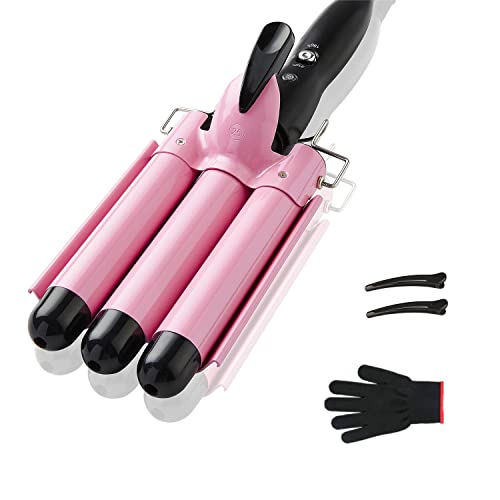
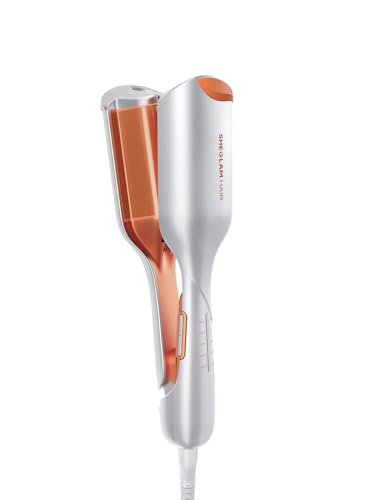


What's inside
- Loose waves without the overnight braids
- Barrel diameter: 19, 25 and 32 millimetres explained
- Ceramic, tourmaline and the coatings between
- Matching temperature to your hair, honestly
- Burn protection: cool tips, stands, gloves and housings
- Automatic shutoff and other electrical safeguards
- Dual voltage, plugs and taking a waver travelling
- A styling routine that respects the hair
- Cleaning, storage and making a coating last
- Choosing between models: a calm decision sequence
- Questions readers ask most often
- Hair types in closer detail
- How wavers compare with wands, irons and rollers
- Troubleshooting the results nobody wants
- The first month with a new waver, week by week
- Occasions, photographs and humidity: styling with a deadline
- Ergonomics: weight, balance and the twenty-minute test
- What the specification sheet will not tell you, and how to infer it
- A note on sustainability and repair
- Check prices on Amazon
- Disclosure, in plain language
As an Amazon Associate I earn from qualifying purchases. This post may contain affiliate links at no extra cost to you.
Loose waves without the overnight braids
A triple barrel waver clamps a section of hair between two lower barrels and one upper barrel, holding it for a few seconds so the strand cools into a continuous S shape. Move the tool down the section, overlapping the last ridge, and the bends join into the relaxed, undulating texture people associate with a day near the sea. No braiding damp hair before bed, no rotating a single wand until your shoulder aches, and no separate technique for the back of your head beyond a mirror and patience. The simplicity is the appeal, and it is also the trap, because a tool this easy to switch on invites rushed heat choices that hair remembers long after the waves wash out.
Three decisions shape every result. Barrel diameter decides whether the finished wave reads as tight, rippled texture or as wide, lazy movement. Coating material decides how evenly heat reaches the strand and how smoothly the barrels release it. Temperature decides whether the wave sets at all, and whether it sets at the cost of dryness, colour fade or breakage over the following weeks. This guide works through each decision using manufacturer specification sheets and user manuals for triple barrel tools, alongside published hair-care guidance from makers and stylists. We compared published specifications rather than handling the tools, and the sections below translate those documents into choices you can make by hair type, length and routine.
Anyone who dries their hair before styling, which should be everyone, since wavers belong on fully dry hair, may also want our comparison of best blow dryers for fine thin hair, because the drying step sets up everything the waver later does.
Barrel diameter: 19, 25 and 32 millimetres explained
Most triple barrel wavers cluster around three sizes. Barrels near nineteen millimetres produce close, frequent ripples with a distinctly textured, almost crimped character, although the bend stays rounded rather than sharp. They suit shorter hair, finer strands that lose loose styles quickly, and anyone deliberately seeking a retro, high-texture finish. The trade-off is time: narrow barrels cover less hair per clamp, so a full head of long hair becomes a long appointment with your own reflection.
Barrels around twenty-five millimetres sit in the versatile middle. The wave spacing looks natural on medium and long hair, the tool still finishes a full head in a reasonable sitting, and the result reads as styled without looking engineered. For a first waver, this is the size our research points to most often, because it forgives imprecise sectioning and works across the widest span of hair lengths. If your hair falls between shoulder and mid-back and you want waves that survive a commute, start your shortlist here.
Barrels near thirty-two millimetres create broad, sweeping bends with generous spacing. On long, thick hair the effect is glamorous and soft; on short hair the barrels may be wider than the section can feed properly, producing one shallow dent instead of a wave. Large barrels also carry more heated surface near the scalp and ears, so the handling notes in the safety section matter more, not less, as diameter grows. Weight rises with size too, since three fat ceramic-coated barrels and their housing ask more of your wrist across a full styling session.
How barrel depth and clamp shape change the bend
Diameter alone does not define a wave. The depth of the groove between barrels and the curve of the clamping barrel decide how sharply hair folds. Deep grooves with a pronounced upper barrel press a defined ridge that holds its shape for days on suitable hair. Shallow designs yield a gentler undulation that drops sooner but looks more casual on day one. Manuals rarely quantify groove depth, so product photographs showing a side profile of the closed barrels tell you more than the specification table does; look at how far the upper barrel sinks between the two lower ones.
Clamp tension matters as well. A spring-loaded clamp that closes firmly gives consistent contact along the whole section, which produces an even wave from root area to ends. A loose clamp lets thick sections bulge at the edges, leaving the middle under-pressed and the outer strands overexposed. Some models add a locking switch that holds the barrels closed for storage; that lock is for your drawer, not your hair, and using it to clamp harder during styling risks sharp folds and unnecessary heat concentration.
Ceramic, tourmaline and the coatings between
Plain ceramic barrels heat evenly and resist the hot spots that metal plates can develop, which is why ceramic dominates this category. An even surface temperature means the strand pressed at the barrel edge receives roughly the same heat as the strand in the centre, so waves set uniformly and you are less tempted to re-clamp a section that looked underdone. Ceramic also glides smoothly, reducing the drag that can roughen the cuticle as you release each section.
Tourmaline-infused ceramic adds a crystalline material that makers credit with generating more negative ions when heated, which in turn is said to reduce static and frizz. Treat the ion language cautiously, since manufacturers measure and report it inconsistently, but the practical point stands: tourmaline models usually sit a step up in price, often include finer temperature control, and tend to suit frizz-prone or coarse hair that benefits from the smoothest possible pass. If your hair puffs at the first hint of humidity, the upgrade may earn its keep; if your hair is fine and calm, plain ceramic usually suffices.
Titanium appears on a minority of wavers, usually marketed toward very thick or coarse hair because it transfers heat aggressively and holds high temperatures steadily. That aggression cuts both ways. Fine, bleached or fragile hair can be overwhelmed by titanium at settings that ceramic would deliver gently. Unless your hair is genuinely resistant to styling and a stylist has suggested titanium tools, ceramic or tourmaline ceramic remains the safer default for home use.
Coating durability deserves a question before purchase. Hair products bake onto hot barrels over time, and a coating that scratches when you clean it will soon heat unevenly and snag strands. Manuals consistently advise cleaning only when the tool is completely cold, using a soft cloth slightly dampened with water, and never scraping with metal implements. A maker that sells the tool with a heat-resistant glove and a clear cleaning routine is usually a maker that expects the coating to be looked after and to last.
Matching temperature to your hair, honestly
Heat ranges on triple barrel wavers commonly span roughly one hundred twenty to two hundred thirty degrees Celsius, delivered either as a few preset levels or as a dial or digital control adjustable in small steps. Finer control helps because hair types sit close together on the scale, and the difference between a wave that sets and a wave that damages can be twenty degrees. Digital displays also remove guesswork when you return to the tool after a month and want exactly the setting that worked last time.
Fine or fragile hair belongs at the low end. Start near the bottom of the range, test one hidden section near the nape, wait two minutes, and judge the result after the strand has fully cooled, because a wave always looks weaker while warm. If the bend relaxes to nothing, raise the temperature by one small step and repeat on a fresh section rather than re-clamping the same strand repeatedly. Repeated passes at moderate heat injure hair more reliably than one confident pass at a suitable setting.
Medium, untreated hair usually sets well in the middle of the range. Thick, coarse or very long hair may need the upper-middle region, particularly on the underlayers where strands are healthiest and most resistant. Even then, the top of the dial should be a rare destination reserved for genuinely stubborn hair, not a default chosen to save time. Colour-treated hair deserves a step down from whatever its texture suggests, since dye processes leave the cuticle more porous; bleached hair deserves two steps down and a serious conversation with yourself about whether heat styling should be weekly or monthly.
- Fine, thin or bleached: begin at the lowest settings and increase slowly, one step per test section.
- Medium and untreated: begin mid-range, adjusting for length and density.
- Thick, coarse or resistant: begin upper-middle, keeping hold times short.
- Colour-treated of any texture: drop one step below the texture-based starting point.
Hold time, section size and the cooling rule
Most manuals suggest holding each clamp for roughly five to ten seconds, varying with temperature and hair thickness. Longer holds at lower heat and shorter holds at higher heat can produce similar bends, but the lower-heat route treats the strand more kindly. Section size interacts with both variables: a section thicker than the barrel groove can accept will heat unevenly, with the outer hair shielding the inner hair, so the wave forms on the surface and vanishes inside. Sections around two to four centimetres wide, thin enough to lie flat in the groove, give the most consistent results.
Cooling fixes the wave. Hydrogen bonds in the hair shaft rearrange under heat and settle as the strand returns to room temperature, which is why disturbing a fresh wave undoes it. Let each finished section fall and rest untouched until the whole head is done, then shake the waves loose with your fingers or a wide-tooth comb. Brushing immediately, or worse, clamping a section again because it looked soft while warm, wastes effort and doubles heat exposure for no benefit.
Heat protectant belongs in every routine, applied to dry hair and allowed to dry again before the waver touches it, unless the product specifically directs application to damp hair before drying. Sizzling when the barrels close means moisture or product is boiling on the strand, a sign to stop, let the hair dry fully, and resume. Our research found this warning repeated across manufacturer manuals with unusual unanimity, and it is the single easiest damage-prevention step to follow.
Burn protection: cool tips, stands, gloves and housings
Three heated barrels arranged in a row present more hot surface than almost any other styling tool, so the protective details are functional, not decorative. Cool tips at the barrel ends give your free hand a safe place to steady the tool, and they should genuinely stay cool, which better designs achieve with heat-resistant plastic caps separated from the barrel metal by an insulating gap. Short or absent cool tips on a large-barrel model make two-handed control awkward precisely where control matters most, near the ears and hairline.
A built-in rest stand keeps the barrels lifted off the counter between sections. Without one, the tool rolls or lies directly on whatever surface you are using, and wavers have scarred many a wooden dressing table and melted into synthetic carpet. A heat-resistant mat is still worth owning, because stands can be knocked and mats also give you a defined parking place during sectioning. Check that the stand folds or retracts flush during use; a stand that catches hair mid-style quickly gets taped down and stops protecting anything.
Many models include a heat-resistant glove for the hand that feeds hair into the barrels. Gloves vary from genuinely insulating to thin fabric that merely delays heat transfer, so wear it as a safety margin rather than a licence to grip the barrels. Your guiding hand should mostly hold the cool tip and the hair ends, with the glove guarding against accidental brushes. Fingertips near the top barrel are the classic burn site, usually in the first week with a new tool while movements are still deliberate rather than automatic.
Housing design influences safety in quieter ways. An insulated outer shell above the top barrel lets you press the clamp without heating your knuckles. Controls placed on the inside of the handle get knocked mid-style; controls placed too close to the hinge get squeezed accidentally. A temperature lock, where fitted, prevents the dial drifting as you work. Swivel cords, typically around two and a half metres, reduce the twisting that pulls a hot tool toward the counter edge, and a hanging loop encourages storage that keeps barrels off other surfaces.
Readers with delicate or previously damaged hair should also review best blow dryers for damaged hair, since cumulative heat across drying and styling, not any single tool, is what fragile hair actually experiences.
Automatic shutoff and other electrical safeguards
Automatic shutoff turns the tool off after a period without use, commonly thirty or sixty minutes depending on the model. It exists for the morning you answer the door mid-style and forget the waver entirely. Treat it as a backstop rather than a routine: switching off at the control and unplugging after each session remains the habit manuals recommend, and a tool left plugged in on a wooden surface is a risk even with shutoff fitted, because the feature can fail and because the barrels stay dangerously hot for many minutes after power stops.
Cool-down time surprises new owners. Large ceramic barrels retain heat long enough to damage a drawer lining or a travel pouch twenty minutes after use. Plan a cooling spot in your routine, ideally the same heat-resistant mat on a clear surface, and keep the cord from dangling where a child or pet could pull the tool down. Some models add a heat-resistant storage pouch; even then, the pouch goes on only once the barrels feel merely warm to a cautious knuckle held near, not on, the surface.
Indicator lights and ready beeps sound trivial until you style in a hurry. A light that changes state at target temperature prevents the two classic errors: clamping too early, which produces weak waves and tempts a second pass, and waiting so long that you rush the rest of the routine. Audible signals help when the display faces away during back sections. Rapid heat-up claims, often thirty to sixty seconds on specification sheets, are plausible for reaching a low setting; reaching the top of the range takes longer, and the ready signal, not the stopwatch, should govern your first clamp.
Dual voltage, plugs and taking a waver travelling
Dual voltage models accept both the roughly one hundred ten to one hundred twenty volt supply common in North America and the two hundred twenty to two hundred forty volt supply used across much of Europe, Asia and Australia. The specification to find on the rating label or in the manual is an input range written as something like 110–240V. A tool labelled only for a single voltage must never be plugged into a higher-voltage outlet through a simple plug adaptor, because an adaptor changes only the shape of the plug, not the electricity arriving through it. A single-voltage waver on foreign voltage can overheat within moments and fail permanently, sometimes taking the outlet with it.
True dual voltage tools switch automatically or by a small selector, and still need the correct plug adaptor for the destination. That adaptor carries no conversion duty, so a compact travel adaptor suffices. Voltage converters, the heavier devices that actually transform supply, are a poor match for high-wattage heated tools and many converter makers exclude styling appliances entirely; buying a dual voltage waver is simpler, lighter and safer than travelling with a converter.
Packing deserves the same care as plugging in. Let the tool cool completely, engage the barrel lock if fitted, coil the cord loosely without tight bends near the handle joint, and place the waver inside a heat-resistant pouch in the middle of your case, cushioned by clothing. Hotel bathrooms offer limited counter space and enthusiastic extractor fans that swing cords; style at the desk or dressing table instead, with a mirror propped securely and the hot tool parked on its mat away from water. Cruise ships and some airlines restrict heated styling tools in cabins or hand luggage, so check the specific rules before you travel rather than at the security tray.
Frequency differences between countries, fifty versus sixty hertz, rarely trouble a simple heating tool, since the barrels care about voltage rather than timing. Digital controls with timers usually tolerate both as well when the maker rates the tool for dual voltage. If a manual limits use to one region despite a wide voltage range, follow the manual; warranty cover often stops at the border even when the physics would cooperate.
A styling routine that respects the hair
Begin with clean, thoroughly dry hair, detangled from ends upward so the barrels never drag through a knot. Apply heat protectant evenly and let it dry. Divide the hair into a lower layer and an upper layer with a clip, because waving in layers prevents the common outcome where the visible surface looks finished and the underlayer stays straight, only to emerge by lunchtime. Work from the back toward the front on each layer, and from the lowest section upward within it.
Feed each section into the open barrels near the root area, leaving a small gap from the scalp to avoid both burns and an unnatural ridge pressed flat against the head. Close the clamp, hold for your chosen count, release, then move down so the top barrel sits in the last ridge you formed. That overlap is what joins separate clamps into one continuous wave rather than a series of disconnected dents. Continue to the ends, leaving the final two centimetres out if you prefer the relaxed, undone finish that distinguishes beach waves from formal curls.
Fine hair benefits from smaller sections and lower heat with a slightly longer hold. Thick hair benefits from patience most of all: thinner sections, not higher heat, are the correct answer when waves keep falling flat, because a thin section heats through completely at a moderate setting. Curly hair that has been blow-dried smooth will wave readily but may frizz at the hairline in humid weather; a light anti-humidity product applied after cooling, not before heating, usually settles it without cooking extra product onto the barrels.
Day two, day three and refreshing without reheating everything
Sleeping on a silk or satin pillowcase reduces the friction that drags waves apart overnight, and gathering the hair loosely above the head preserves the bend pattern better than a tight ponytail, which stamps a crease across the middle. In the morning, most heads need only the front sections and the top layer refreshed. Reheat sparingly: choose the few flattened areas, use yesterday setting or one step lower, and leave the rest alone. Hair accumulates heat damage across sessions, so a refresh that touches a third of your hair is a genuine saving, not a shortcut.
Dry shampoo at the roots restores lift when natural oils weigh waves down, while the lengths usually want the opposite, a drop of lightweight oil worked between palms and pressed over the surface to calm flyaways. Water-based restyling sprays can reactivate some styling products, but wetting waves thoroughly and re-drying them returns you to the beginning. By day three most waver styles have relaxed into a softer texture that many people prefer to day one; plan your styling day accordingly if an event matters, experimenting well beforehand rather than debuting a new tool on the morning itself.
Those comparing gentler everyday drying options for wavy routines may find best affordable hair dryers for curly hair relevant, since diffusing and waving often alternate across the same week.
Cleaning, storage and making a coating last
Product residue is the slow enemy of every heated tool. Hairspray, oils and protectants bake into a faint film that first dulls the glide, then creates uneven contact, then tempts you toward higher temperatures to compensate for waves that suddenly will not set. Cleaning interrupts that spiral. With the tool unplugged and completely cold, wipe the barrels with a soft cloth barely dampened with water; for stubborn film, a cloth with a little mild detergent solution, followed by a clean damp wipe, follows the pattern most manuals describe. Dry the barrels before storage and never immerse the tool or hold it under a tap.
Cord care decides whether a waver reaches its fifth year. Wrapping the cord tightly around hot or even warm barrels strains the internal wires at the handle entry, the classic failure point that later produces intermittent heating. Coil the cord in loose loops alongside the cooled tool instead. A swivel joint reduces twisting during use but does not make the cable immortal; if the outer sheath cracks or the tool cuts out when the cord moves, stop using it and seek repair or replacement rather than taping over damage on a high-wattage appliance.
Storage in a humid bathroom shortens the life of electronics and coatings alike. A drawer or cupboard outside the steamiest zone, with the barrel lock engaged and the pouch on, keeps dust off the surfaces and prevents the slow corrosion that clouds metal fittings. If the bathroom is genuinely the only option, the pouch and a silica gel sachet in the drawer are worthwhile habits. Keep the tool away from aerosol sprays in use; a blast of hairspray across hot barrels is both a coating problem and a flammability footnote in several manuals.
Choosing between models: a calm decision sequence
Start with diameter, chosen by hair length and the wave scale you actually admire in photographs of your own hair type, not on a model with twice your volume. Nineteen for short or texture-loving, twenty-five for the broad middle, thirty-two for long and abundant. Next, filter by temperature architecture: fine, bleached or colour-treated hair needs low starting points and small adjustment steps, while coarse hair tolerates presets. A digital control earns its premium for anyone who will style weekly and wants repeatable settings.
Then examine the safety furniture in photographs and specifications: cool tip length, stand design, glove inclusion, shutoff timing, cord length and swivel. These details decide whether the tool fits your bathroom, your hands and your morning routine. A waver that lives on a crowded counter in a household with children needs its stand and shutoff more than it needs an extra heat preset. A waver destined for a spacious dressing room faces fewer tests, though burns remain equally unwelcome everywhere.
Travel plans come next. If you cross voltage regions even once a year, dual voltage belongs on the must-have list, because the alternative is leaving the tool home or risking it abroad. Check the rating label wording rather than trusting a retailer headline, and confirm whether switching is automatic. Finally, weigh the tool in your hand if you can, or check its listed weight carefully if buying unseen: large-barrel models can exceed what a smaller wrist wants to hold at head height for twenty minutes, and fatigue mid-style leads directly to sloppy sections and accidental contact with hot surfaces.
Price tiers in this category mostly buy control and finish rather than a different category of result. Budget models with two heat settings and plain ceramic barrels can produce lovely waves on cooperative hair. Mid-range tools add digital settings, tourmaline coatings and better gloves and stands. Premium models refine temperature stability, heat-up speed and housing quality. Hair cannot tell what you spent; it can only tell how evenly and how hotly it was treated, so allocate spending toward the features that govern those two variables for your hair type.
Red flags worth walking away from
A waver with no published temperature range, only words like low and high with no figures anywhere in its documentation, asks you to guess at the variable that matters most. A model with no shutoff, no stand and stubby tips concentrates several avoidable risks in one purchase. Unlabelled voltage claims on the packaging that contradict the rating label on the tool itself should end the consideration entirely, since electrical safety information is exactly where a maker must be precise. Finally, a clamp that does not close evenly in product photographs, visible as a gap at one end, will press uneven waves no matter how carefully you section.
Questions readers ask most often
Can I use a waver on hair extensions?
Human hair extensions generally tolerate heat within the same limits as the wearer own hair, although the bonds or tapes attaching them do not. Keep barrels away from attachment points, lower the temperature a step, and follow any specific guidance from whoever fitted them. Synthetic extensions vary enormously: some fibres melt at temperatures a waver reaches on its lowest setting, so unless the fibre is explicitly rated as heat-friendly to a stated figure, keep the tool away entirely.
Why do my waves fall out within an hour?
The usual causes are sections too thick to heat through, temperature a step too low for your hair resistance, waves disturbed before cooling, or hair carrying heavy conditioning residue that weighs the bend down. Correct them in that order across successive sessions, changing one variable at a time. Styling on hair washed the previous day often holds better than styling on freshly conditioned hair, because a little natural texture gives the bend something to grip.
How often can I wave without courting damage?
There is no universal safe frequency, because dose depends on temperature, hold time, hair condition and what else you do to it. A practical approach is to leave rest days between heat sessions, keep temperatures at the lowest setting that works, and watch the ends: growing dryness, split ends appearing faster than trims remove them, or strands that stretch and stay stretched when wet all indicate the routine has outpaced the hair tolerance. Reduce heat or frequency at the first of those signals, not the last.
Do I need the glove that comes in the box?
Use it while learning, at minimum. The first sessions with any new tool involve slower, closer hand positions, and the glove covers the awkward phase generously. Experienced users often keep wearing it on the feeding hand for large-barrel models, where more hot surface passes near the fingers. A glove is not a substitute for cool tips and careful handling, but as a second line of defence it costs nothing to wear.
Hair types in closer detail
Straight, fine hair is the most demanding canvas for a waver, not because it resists heat but because it resists keeping the result. The bend forms easily and relaxes eagerly, especially in humidity or under the weight of rich styling products. Smaller sections, the twenty-five millimetre barrel rather than the largest, styling on second-day hair and a light hold product applied after cooling give this hair type its best odds. Resist the urge to solve relaxation with maximum heat; fine strands scorch at temperatures coarser hair shrugs off, and a damaged fine strand loses what little grip it had.
Naturally wavy hair takes to a triple barrel almost too willingly. The tool organises an existing tendency, so lower temperatures and shorter holds usually suffice, and the main skill lies in choosing sections that follow the natural fall rather than fighting it. People with this hair type often wave only the top layer and front, letting their own texture fill the underlayers, which halves both styling time and heat exposure while looking entirely deliberate.
Curly hair presents a preparation question. Waving directly over curls produces a mixed texture that can look charmingly undone or simply confused, depending on how uniform the curl pattern is. Most routines blow-dry the hair smooth first, which doubles the heat story of the day, so schedule waver sessions for days when a gentler drying method, such as a low-heat diffuse followed by careful smoothing only where needed, can prepare the canvas. Alternatively, embrace the waver on wash-free days when curls have already relaxed through the week.
Coarse, thick hair needs the tool to work harder in one specific way: complete heat penetration. Density insulates inner strands, so the answer remains thinner sections and a patient hold, with temperature in the upper-middle of the range rather than pinned at its ceiling. Dividing the hair into three layers instead of two transforms results for this group more than any product change. Grey hair, which often grows in wirier and drier than the hair it replaced, behaves like a coarser version of its original texture and benefits from extra conditioning on non-styling days and a firm ceiling on temperature.
Short hair, fringes and other edge cases
Hair shorter than chin length can still take a wave from a nineteen millimetre tool, provided each section is long enough to wrap the groove once. Very short layers near the crown may only accept a single clamp, producing texture rather than a travelling wave, which many short styles wear well. Keep barrels angled away from the scalp on short hair, because the margin between hair and skin shrinks and the cool tip becomes your primary guide.
Fringes split opinion. Waving a fringe to match the rest can look cohesive, but a fringe sits on the forehead, where a bend placed slightly wrong dominates the whole face. Most stylists leave a fringe straight or give it one gentle pass at low heat, blending it at the sides where it meets waved sections. Cowlicks at the hairline deserve similar restraint: clamp beside them rather than across them, and let the natural growth direction win the argument.
Children hair is finer, scalps are more sensitive, and patience is shorter, so heated wavers belong to adult styling in almost every household rulebook. If an older teenager uses one for an occasion, an adult should set the temperature at the low end, supervise the session, and own the unplugging at the end. The shutoff feature is not supervision, and neither is a glove.
How wavers compare with wands, irons and rollers
A curling wand wraps hair around a single barrel to form spirals or loose curls depending on technique. It offers more variety, from tight ringlets to brushed-out glamour waves, but demands considerably more skill, especially behind the head, and each curl is formed individually. A triple barrel waver trades that variety for speed and uniformity: every head waved with one looks related to every other, which is either the point or the limitation, depending on your wardrobe of styles.
Straightening irons can be coaxed into producing waves by rotating the plates as they glide, a technique that rewards practice and punishes hesitation with kinks. People who already own a good iron and style occasionally may not need a dedicated waver at all. Frequent stylers usually prefer the waver because its learning curve is measured in minutes and its results repeat reliably on tired mornings when technique is in short supply.
Heated rollers and overnight methods occupy the gentle end of the spectrum. Rollers set volume and soft movement with lower direct heat, at the cost of setting time. Braids, twists and foam rollers on damp hair avoid heat entirely and suit fragile hair beautifully, though they require planning the night before and produce a less predictable pattern. A sensible styling wardrobe for delicate hair might be overnight methods for ordinary weeks and the waver, at modest temperatures, reserved for occasions.
Combination tools that swap heads between waver barrels, wand and brush attachments appeal to small bathrooms. Their compromises live in the joints: interchangeable heads can wobble slightly, heat a touch less evenly at the connection, and limit barrel sizes to whatever the set includes. Dedicated tools usually feel sturdier. Decide by how often you will genuinely use each head; an attachment used twice a year is storage wearing a disguise.
Troubleshooting the results nobody wants
Crease lines across each section mean the clamp closed unevenly or the hair shifted as it closed. Feed the section in smoothly, close the barrels with steady pressure rather than a snap, and keep the tool still during the hold; even a small rocking motion stamps a line. A crease near the root usually traces back to starting too close to the scalp at an angle, so begin slightly lower and tilt the tool so the barrels sit parallel to the head.
Frizz after waving has three common origins. Hair that was not fully dry steams inside the clamp and emerges rough. Hair waved at excessive temperature loses surface smoothness. Hair handled while still warm separates and puffs. The fixes correspond exactly: dry thoroughly, step the temperature down, and observe the cooling rule with religious patience. A finishing product pressed over cooled waves, rather than raked through them, calms what remains.
Uneven waves, defined on one side and faint on the other, usually reflect handedness rather than equipment. Your dominant side receives neat sections and confident clamps; the other side gets whatever your weaker wrist can manage. Slow down on the awkward side, use the mirror deliberately, and consider working that side first while your attention is fresh. Back sections benefit from smaller divisions and a second mirror angled to show the rear, or from a trusted household member willing to report honestly rather than kindly.
A burnt smell during styling is information, not atmosphere. It signals product buildup on the barrels, a temperature beyond the hair tolerance, or a hold that ran long while you were distracted. Stop, unplug, let everything cool, clean the barrels, and resume another day at a lower setting with a timer you respect. Hair that smells burnt after washing has absorbed real damage; condition it gently, trim what the ends demand, and treat the episode as the tuition fee for a lesson about your personal heat ceiling.
The first month with a new waver, week by week
Week one belongs to a single practice session with nowhere to go afterwards. Wash and dry your hair, set the temperature conservatively, and wave the underlayer only, where mistakes hide. Study how your hair responds over the following two days: where the bend held, where it dropped, and whether the ends feel any drier than usual. That private experiment teaches more about your personal settings than any chart, because charts describe hair categories and you own a specific head.
Week two adds the top layer and the full routine at the same cautious temperature, raising it one step only on sections that clearly failed to hold. Note the setting that worked, ideally on a card kept with the tool, because memory edits numbers optimistically after a good hair day. Week three is for timing: learn how long a full head genuinely takes you, including sectioning and cooling, so future styling plans rest on evidence rather than hope. Most people discover the job takes longer than the advertisement implied and shorter than they feared.
By week four the movements should feel unremarkable, which is exactly when carelessness about hot surfaces creeps in. Refresh your parking spot for the tool, confirm the mat still lives where your hand expects it, and clean the barrels properly for the first time even if they look innocent. A month of protectant and finishing products leaves more film than the eye catches under bathroom lighting. Owners who build the cleaning habit early rarely meet the mysterious phase, somewhere around month six, where waves mysteriously stop setting and temperatures mysteriously start climbing.
Occasions, photographs and humidity: styling with a deadline
Event hair rewards rehearsal. Style a full practice head at least several days before any occasion where photographs matter, at the same time of day if possible, and observe how the waves behave after three hours, six hours and an evening outdoors. Hair that survives a rehearsal intact can be trusted; hair that collapses by hour two needs smaller sections, a firmer cooling discipline or a different style altogether, and discovering that on rehearsal day costs nothing but an ordinary evening.
Humidity is the great editor of waved hair. Moist air enters the strand and relaxes the bonds you set with heat, fastest on fine and porous hair. On humid days, wave slightly tighter than your target, because relaxation will loosen the pattern toward where you wanted it, and finish with an anti-humidity product once everything has cooled. Carrying a small silk scarf for a sudden downpour protects an hour of work for the weight of a pocket square, a trade every waved head should accept gratefully.
Wind works differently, separating waves into strings rather than relaxing them. A light, flexible hold product through the mid-lengths before leaving home keeps the pattern reading as waves rather than strands, and fingers, not a brush, should do any rearranging during the day. Indoor heating in winter dries the air and the hair together; waves hold beautifully and feel progressively parched, so occasion styling in January deserves a conditioning session earlier that week and a firm promise to yourself about rest days afterwards.
Photographs flatter waves that have movement and punish waves that have shine overload. Heavy oils applied for smoothness can make hair read as dark, flat sheets under flash, so use finishing products sparingly before an photographed event and rely on the cooling and finger-shaking finish instead. Check the result in a mirror under the harshest light available in the house, usually the bathroom, because a style that survives that scrutiny will survive a camera.
Ergonomics: weight, balance and the twenty-minute test
A waver is held at head height, often behind the head, for the length of a full styling session, and its ergonomics decide whether the final sections receive the same care as the first. Listed weights for triple barrel models commonly fall between roughly three hundred fifty and six hundred grams, with larger barrels at the heavier end. Numbers on a page feel abstract; the lived experience is a forearm that begins negotiating around section nine. A handle shaped to fill the palm, rather than a slim cylinder, spreads that effort, and a tool balanced toward the handle rather than the barrels spares the wrist the constant job of preventing a forward tip toward the face.
Button placement interacts with grip in ways that only appear mid-style. A temperature dial that rotates under the heel of your hand will drift upward through a session unless it locks, and the hair will report the drift before you notice it. Recessed controls, click-stopped dials and digital locks exist precisely because manufacturers heard about this. Similarly, an on-off switch that requires a deliberate slide beats a soft button that a firm grip can silence halfway through a section, leaving you holding cooling barrels against hair and wondering why the wave failed.
Cord exit angle sounds like trivia until a cord that leaves the handle straight downward catches on your shoulder with every rear section. A swivel joint that rotates a full circle lets the cord fall wherever gravity prefers without twisting the tool in your hand. In a small bathroom, cord length cuts both ways: generous length reaches a distant socket without an extension lead, which heated tools should avoid, while excess cord pools on the floor where feet and stool legs find it. Measure your own socket-to-mirror distance and buy for that reality.
What the specification sheet will not tell you, and how to infer it
Heat-up time is quoted under laboratory conditions at a stated voltage, usually to a mid-range setting. Your mileage at the top setting on a cold morning will differ, and the ready indicator remains the only honest signal. Temperature stability, the quality that separates satisfying tools from frustrating ones, rarely appears in numbers at all; infer it from the presence of a thermostat description, from the fineness of the adjustment steps, and from whether the maker publishes a tolerance range for its settings. Silence on all three suggests a simple heating element cycling around its target with generous swings.
Barrel length is the quiet determinant of speed. Longer barrels accept wider sections and suit long hair, while shorter barrels manoeuvre better around short layers and fringes. Specification sheets list overall tool length prominently and barrel length reluctantly, so derive it from photographs against the stated total, or ask the retailer directly. A household with two users of very different hair lengths may find a mid-length barrel the only civilised compromise, accepting slower sessions for the longer-haired partner in exchange for control for the shorter-haired one.
Finally, read the care and safety pages of the manual for any model on your final list, because those pages reveal the maker expectations honestly. A manual that specifies cleaning intervals, cord inspection, storage conditions and shutoff behaviour in detail describes a company that expects its tool to be used weekly for years. One that devotes its pages to styling photographs and a single paragraph of warnings describes a company selling a season. Your hair, your counter and your mornings all have a stake in which of those companies you choose.
A note on sustainability and repair
Heated styling tools join landfill far more often through trivial failures than through worn-out barrels. A cracked cord sheath, a loose hinge or a failed switch ends the life of an otherwise sound appliance, so a maker that offers spare parts, a repair route or at least a responsive service address deserves preference over one that treats the tool as disposable. Before buying, glance at the support pages and note whether manuals, parts diagrams and contact routes exist for models several years old, not only for the current catalogue.
Longevity also follows from restraint in daily use. A waver run at moderate temperatures, cleaned monthly and stored dry will outlast a neglected twin by years, which makes the care sections of this guide an environmental argument as much as a styling one. When a tool finally does retire, treat it as electronic waste through your local collection scheme rather than household rubbish, since heating elements and circuit boards belong in the recycling stream your council provides for small appliances.
One last practical habit separates satisfied owners from the rest: keep the box card, the manual and your noted personal setting together in one drawer. Six months from now, when a friend asks how you achieved a particular finish or when a replacement becomes necessary, that small archive answers instantly, and your future self will not need to rediscover temperatures, timings and section sizes that your past self already worked out carefully.
Check prices on Amazon
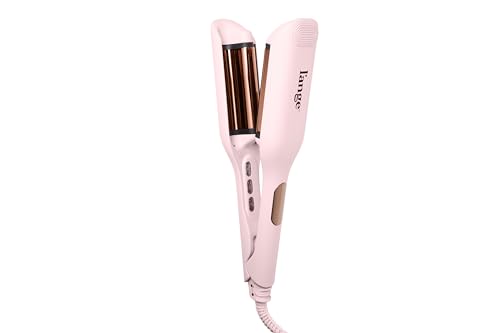
Live listings for the shortlist in this guide are pulled from Amazon below, so prices and availability are always current at the moment you look.

Disclosure, in plain language
Here is how this site keeps the lights on: certain outbound links in this guide are affiliate links, and if you follow one and buy something, Cottage Verdict may receive a commission from the retailer without the price changing for you. We mention it openly because you deserve to know, and because it does not steer the advice above, which rests on manufacturer documentation and published hair-care guidance that we compared during our research; we have not personally styled with the tools described, and your own hair will always be the final judge of any setting suggested here.
Readers rounding out a heat-conscious routine can browse best affordable hair dryers according to hair stylists for drying tools chosen with similar restraint about temperature.
Pick the barrel that matches your length, set the heat your hair actually needs rather than the heat your impatience wants, and your waver will reward you with waves that look like weather and weekends instead of work.