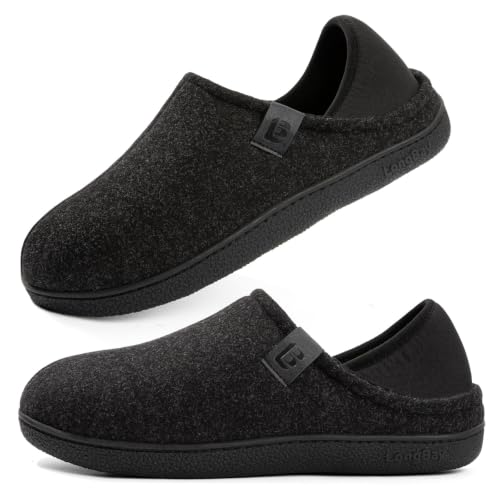
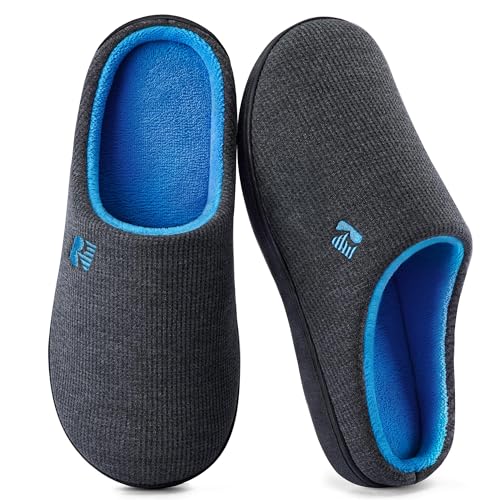
Our Top Picks
 isotoner Women's Diamond Microterry Gemma Ballerina Slippers with6.5-7.510 x 8.3 x 0.7 inches0.3 poundsCheck on Amazon


What's inside
- How to read this guide
- What suede actually is
- How a suede sole behaves on real floors
- The water problem, stated plainly
- How the sole is attached
- What sits between leather and foot
- Suede against the alternatives, on sole material alone
- Uppers that pair with a suede sole
- Sizing, stretch, and the first month
- Care that keeps the nap alive
- Who should choose something else
- Matching the build to the household
- Season by season
- Judging a listing without handling the pair
- How a pair ages, stage by stage
- Labelling traps and imitation materials
- Questions buyers ask most
- Storage, rotation, and the second pair
- Check prices on Amazon
- A compact checklist for the final choice
As an Amazon Associate I earn from qualifying purchases. This post may contain affiliate links at no extra cost to you.
A suede sole is the quietest, softest interface a slipper can offer a floor, and also the most deliberately limited. It is a layer of leather turned flesh-side out, with no rubber tread, no moulded lugs, and no ambition beyond the threshold of the front door. People who love this style of slipper tend to love it completely: the near-silent step, the way the sole warms and moulds to the foot, the feeling of walking through the house almost barefoot but insulated from cold boards. People who expect outdoor durability or wet-floor security from it will be disappointed just as completely, which is why an honest guide to the category spends as much time on boundaries as on virtues.
The construction sounds simple and hides real variation. Suede soles differ in the thickness of the leather, in whether that leather is a split taken from the lower layer of a hide or a fuller cut with more of the hide substance behind it, in how the sole joins the upper, and in what, if anything, sits between the leather and the foot. Each of those variables changes grip, lifespan, and feel in ways a shopper can assess from published descriptions and clear photographs, without needing to handle the pair. This guide reads those variables one at a time and ties each to the floors and habits it suits.
Context matters because the suede sole competes against very different ideas of what a slipper should be. At one extreme sit moulded rubber soles built like light shoes, ready for driveways and damp patios. At the other sit fabric soles that amount to thick socks with ambitions. Suede occupies the considered middle: more protective and longer-lived than cloth, more floor-friendly and quieter than rubber, and honest about being an indoor object. Judged on indoor criteria — silence, floor care, ground feel, warmth without bulk — it is a refined answer. Judged on outdoor criteria it was never attempting, it fails by design.
Fit deserves an early warning, because leather behaves unlike the synthetic materials most footwear now uses. A suede-soled slipper, especially in a moccasin construction, stretches and settles around the individual foot over the first weeks of wear, so the correct new fit feels snugger than intuition suggests. Buying for the comfortable looseness of a trainer leads, a month later, to a sloppy pair that slips at the heel. The sizing sections below explain how to choose for the fit the slipper will become, not merely the fit it offers on the first evening.
How to read this guide
Before the comparisons begin, one note on how this site supports itself: links here may earn the site a small commission as an Amazon Associate when readers buy through them. That relationship does not shape the assessments, which are built from material specifications, construction descriptions, and leather-care guidance published by makers and tanneries rather than from any claim of personal wear trials. Thickness figures, sole materials, and joining methods can all be verified against product descriptions, and readers are encouraged to check them there, because a suede sole rewards buyers who read specifications closely.
Vocabulary is standardised from the start. Sole means the leather layer that meets the floor. Insole and footbed mean the surface the foot rests on, which in this category may be leather, sheepskin, fleece, or a thin foam stack. Upper means everything above the sole line. A moccasin construction, discussed in its own section, wraps a single piece of material under the foot so that upper and sole surround the toes in one continuous piece. Keeping those terms separate prevents the common confusion between a suede sole and a suede upper, which are independent choices: a slipper can wear either, both, or neither.
What suede actually is
Suede is leather finished on its flesh side, the inner surface of the hide, sanded or buffed until the fibres stand in a short, soft nap. That nap is the source of everything distinctive about the material: its matte softness, its ability to grip a smooth floor through thousands of tiny fibre contacts, and its vulnerability to water, which darkens the nap and can leave it stiff once dried. The grain side of the same hide, by contrast, becomes smooth leather — tighter, shinier, and more water-resistant. A suede sole therefore starts life as the less armoured face of the material, chosen for friction and feel rather than for toughness.
Split suede dominates this category, and the term deserves explanation rather than suspicion. Thick hides are split into layers during tanning, producing a grain layer on top and one or more split layers beneath. Splits lack the dense, interwoven fibre structure of the top layer, so they are softer, more flexible, and less resistant to abrasion, while also costing less and arriving in very consistent thickness. For a sole that spends its life on interior floors, a good split offers an entirely reasonable balance. Problems arise only when a split is shaved extremely thin to cut cost, at which point wear-through at the heel and big toe arrives early.
Fuller suede cuts, sometimes described as double-faced or taken from a complete hide section, carry more substance and a longer wear horizon. Sheepskin slippers illustrate the premium version of the idea: the fleece forms the lining while the outer skin, finished as suede, forms the sole, all in one piece of material with nothing to delaminate. Calf and cowhide suedes appear in thinner and thicker grades respectively, cowhide generally offering the sturdier sole at the cost of some suppleness. Published descriptions that name the hide type and give a thickness in millimetres give the shopper something real to compare; vague references to genuine leather give almost nothing.
Thickness, where stated, usually falls somewhere between one and two and a half millimetres for the sole layer. The lower end feels like a glove on the foot and suits light indoor wear on smooth floors. The upper end adds meaningful protection against the edge of a dropped object, the chill of a stone floor, and the abrasion of daily steps counted in thousands. Shoppers walking on tile over concrete, or on older boards with the occasional raised nail head or splinter, should weight thickness heavily. Those on carpet and warm timber can prioritise softness instead.
How a suede sole behaves on real floors
On hardwood and laminate, the nap earns its keep. Thousands of short fibres deform against the board surface and generate a broad, even friction that feels secure without any tread pattern. The grip is of a particular character: resistant to the slow slide of a standing foot, less resistant to a sudden lateral twist than a lugged rubber sole would be. Walking normally, turning at a kitchen counter, climbing carpeted stairs — all feel planted. The material also glides just enough to avoid the squeak and stick that rubber produces on polished timber, which is part of why dancers and martial artists have long favoured suede-faced footwear indoors.
Silence is the second signature behaviour. A leather sole lands with a soft, low sound closer to a sock than to a shoe, and on the floor below a bedroom or flat, that difference registers nightly. Households with sleeping children, shift workers, or thin party floors choose suede for acoustic reasons as much as for comfort. The quiet extends to chair legs and door thresholds: nothing clicks, nothing taps, and nothing announces a midnight trip to the kitchen beyond the creak of the boards themselves.
Floors, in return, suffer nothing from the arrangement. Suede carries no tread edges to catch and lift the corner of a vinyl plank, no hard compound to leave black scuff arcs, and no grit-trapping lugs, though it can pick up fine dust and should be brushed rather than worn gritty across a delicate finish. Antique boards, oiled finishes, and pale laminate all tolerate suede indefinitely. This floor-friendliness is a genuine purchasing argument in rented homes and in houses where refinishing a scratched floor costs more than a decade of slippers.
Carpet changes the equation modestly. The nap grips carpet pile rather than sliding over it, so a suede sole on deep pile feels less fluid than on boards, and the leather collects lint at the edges that a brush removes in seconds. On low-pile carpet and rugs the effect is minor. Tile and stone, meanwhile, expose the material limits: dry glazed tile offers noticeably less friction than timber, polished stone less still, and any film of water on either surface turns a suede sole into something to treat with respect, a point the safety discussion returns to in full.
The water problem, stated plainly
Suede and water are adversaries, and no care product repeals that relationship. Rain, a spilled drink, or a wet bathroom floor soaks into the nap readily, leaving dark patches that dry slowly. Worse than the staining is the texture change: leather wetted and dried without care can stiffen, because the fibres bond to each other as moisture leaves. A sole that gets soaked once may recover with slow drying and brushing. A sole soaked weekly becomes board-like, cracked at the flex points, and unpleasant long before it wears through.
Practical consequences follow for how the slipper can be used. Stepping onto a wet porch, crossing a dewy lawn to a bin, or standing at a sink on a splashed floor all fall outside the design brief. Owners who need those trips covered keep a different pair by the door and treat the suede pair as strictly interior equipment. Bathroom use deserves a specific caution: bathrooms combine hard, smooth floors with routine water, precisely the pairing this sole handles worst, and a bath mat is a partial answer rather than a solution.
Protective sprays formulated for suede slow water uptake and reduce staining, buying time to wipe a spill rather than absorbing it instantly. They do not convert suede into a waterproof material, and they need reapplication as the nap wears and the treatment abrades away. A sprayed sole still avoids puddles. The honest summary is that suede asks its owner to accept a boundary — dry indoor floors only — and repays that acceptance with years of quiet, moulded comfort that water-tolerant soles rarely match for feel.
How the sole is attached
Stitched construction
Stitching a sole to an upper with a visible thread seam remains the benchmark joint in this category. A lockstitch or saddle stitch through leather and upper material creates a mechanical bond that flexes with the foot, tolerates the repeated bending at the ball of the foot, and, crucially, can be repaired by a cobbler when the thread eventually wears. Thread choice matters: waxed polyester or linen thread resists the abrasion of floor contact far better than plain cotton. Where the stitching sits also matters, since a seam recessed slightly above the floor plane survives far longer than one ground against boards with every step.
Stitched pairs announce their quality in ways a shopper can verify from photographs. Even stitch spacing, a consistent margin from the sole edge, and thread that sits in a shallow channel all indicate care. Irregular spacing or thread already fraying in product images predicts early failure regardless of leather quality. The stitched approach costs more to produce, and the price difference against glued pairs reflects labour rather than branding, making this one of the few places in footwear where spending more buys a mechanically identifiable improvement.
Glued construction
Cemented soles rely on adhesive between sole and upper, and modern footwear adhesives, properly applied to prepared surfaces, hold far better than their reputation suggests. The failure mode, when it comes, is peeling that starts at the toe or heel edge where flexing concentrates, then travels. Heat accelerates it, so glued pairs suffer beside radiators and in hot cars. A glued sole in a light slipper worn gently indoors may serve for years, yet the joint cannot be renewed as readily as stitching, and once an edge lifts, grit works into the gap and hastens the separation.
Hybrid builds split the difference: adhesive bonds the layers while a decorative or functional stitch reinforces the perimeter. Reading descriptions closely separates a true structural stitch from a purely cosmetic one applied to a single layer for appearance. The distinction is not always stated, and photographs that show thread passing visibly through the sole edge are the more reliable evidence. Shoppers prioritising longevity should treat unclear construction descriptions as glued until proven stitched.
The moccasin wrap
The true moccasin eliminates the sole seam at the most vulnerable place by wrapping one piece of material beneath the foot and gathering it to a plug or apron on top. The leather under the toes is the same piece that covers them, so there is no joint at the toe to peel or split, and the whole structure flexes like a glove. This is among the oldest footwear patterns in existence, refined over centuries, and its survival owes nothing to nostalgia: the pattern genuinely suits soft indoor footwear. Its weakness sits in the gathered seam across the top of the toes, which must be stitched strongly, and in the fact that when the underfoot leather finally wears through, the upper shares its fate.
Variations complicate the label. Some slippers borrow the moccasin look — the gathered toe, the lace trim — while sitting on a conventionally attached sole, and nothing about that is dishonest provided the description does not claim a wrap construction it lacks. The functional question is always where the material under the ball of the foot comes from and how it joins the rest. Shoppers who grasp that single question can decode most construction marketing in the category within a sentence or two.
What sits between leather and foot
The simplest suede-soled slippers put the foot almost directly on leather, separated only by a thin insole of the same or a companion material. Ground feel is at its maximum here: floor temperature, board edges, and texture all register, and the foot muscles work much as they do barefoot. Devotees of minimalist footwear seek exactly this arrangement and regard any cushion as interference. The trade is equally clear — standing for an hour on a hard kitchen floor in an unpadded pair tires the heels and the balls of the feet in a way a cushioned pair does not.
A thin foam layer, commonly a few millimetres of EVA or a soft latex, changes the standing experience disproportionately to its thickness. It spreads load across the heel, takes the sting out of tile and stone, and adds a whisper of insulation, while still leaving the sole flexible enough to roll through a step. Foam quality varies widely: dense, slow-recovery foams hold their spring for seasons, whereas cheap open foams flatten within weeks into a hard, useless wafer that also traps odour. Descriptions that name the foam type and thickness offer more guidance than those promising cloud-like comfort in adjectives.
Sheepskin and fleece footbeds solve a different problem, temperature and moisture rather than impact. Wool fibres absorb a remarkable amount of moisture without feeling damp, buffer the foot against both cold floors and overheated rooms, and resist odour through the natural properties of lanolin-bearing fibre. A sheepskin footbed on a suede sole is the classic cold-house combination, and its weakness is compression: the pile packs down under the heel over months, though the fibres often revive partially with brushing and airing. Removable insoles, where offered, extend the working life of the whole slipper by letting the most perishable layer be replaced.
Heel height in this category hovers near zero, and that flatness is a feature with consequences. A near-zero drop between heel and toe keeps the foot in its natural alignment, lengthens the calf and Achilles gently with each step, and suits the barefoot-style walking the category attracts. It also means anyone transitioning from heeled shoes or raised trainers may feel calf and arch fatigue for the first weeks, as tissues adapt to working through a fuller range. That adaptation is normal, gradual exposure manages it, and people with specific tendon conditions should take individual advice rather than treating flatness as universally therapeutic.
Suede against the alternatives, on sole material alone
Setting sole materials side by side clarifies what a buyer is trading. A hard rubber sole grips wet surfaces suede cannot approach, shrugs off outdoor trips, and outlasts leather on abrasive ground by a wide margin. It also lands loudly, can mark pale floors, insulates the foot from ground feel almost completely, and stiffens the slipper into something closer to a shoe. Neither is better in the abstract; they answer different briefs, and many households sensibly own one of each for different zones of the day.
Readers who have already decided that grip and outdoor range matter most will find that branch of the family tree surveyed in best hard sole slippers womens, where tread compounds and sole hardness take the place of nap and leather thickness as the deciding specifications. Comparing the two guides side by side is genuinely useful, because the same foot and the same house can argue for opposite soles depending on whether the wearer cooks on wet tile or reads beside a wood stove.
Fabric soles sit at the other pole. A padded cloth sole is the lightest and cheapest option, folds for travel, and washes easily, yet it wears through fastest of all, offers the least protection against floor cold and furniture edges, and provides indifferent grip once its surface texture smooths with use. Suede outlasts cloth several times over in typical indoor service and grips more consistently across its life, which is the core of its value argument: it is the durable version of a soft sole, not merely the traditional one.
Leather in its smooth form occasionally appears as a sole too, usually on formal house slippers and dance-adjacent styles. Smooth leather slides more than suede on timber — sometimes intentionally, for turning and gliding — and resists light moisture better, while offering less security in ordinary walking. The comparison sharpens the identity of suede: of the soft soles, it is the grippy one; of the grippy soles, it is the quiet, floor-kind one. Buyers who need maximum security on dry indoor floors and accept the water boundary are precisely its audience.
The full-leather tradition, where upper and sole share the same material family, has its own following and its own specification language, explored in best leather slippers for readers who want the comparison carried beyond the sole line. That wider view helps explain why suede-soled models so often pair with leather or sheepskin uppers: the materials age together gracefully, responding to the same conditioners, brushes, and slow air-drying.
Uppers that pair with a suede sole
Sheepskin uppers create the warmest version of the style, wrapping the foot in fleece while the skin side forms both upper surface and sole. The result is a single-material slipper with superb temperature regulation and a price that reflects whole-skin construction. Shoppers drawn to that tradition in its most rugged, hard-wearing branch can see how the same fleece appears over a very different foundation in best mens sheepskin slippers hard sole, a useful contrast for deciding whether warmth or ground feel should lead the purchase.
Suede uppers over a suede sole produce the softest, most flexible slipper in the family, a design that folds around the foot with almost no structure and suits people who dislike any sense of enclosure. The cost is support and shape retention: an all-suede pair relaxes into the shape of its owner and offers nothing to a foot that needs guidance. Wool felt and knitted uppers occupy a middle path, adding warmth and some structure at lower weight, though felt can pill and stretch at the heel if the pattern lacks reinforcement.
Closure style interacts with the sole more than shoppers expect. A slip-on moccasin depends on the snugness of its wrap and the eventual stretch of its leather, while a bootie style with a higher ankle holds the foot mechanically and tolerates a roomier fit. Adjustable straps and laces appear on some models and forgive sizing errors, at the cost of hardware that can press on the top of the foot. Because the sole contributes no structure of its own, the upper carries the entire responsibility for keeping the slipper located on the foot, and its design deserves the same scrutiny as the leather beneath.
The moccasin pattern, already discussed as a sole construction, also defines an upper style in its own right, with the gathered plug over the toes and often a rawhide lace threaded around the collar; readers who find that silhouette appealing as a complete design, not only as a sole solution, can pursue it in best moccasin slippers. Judging those models still comes back to the questions this guide has pressed throughout: how thick is the leather underfoot, how is it joined, and what, if anything, cushions the standing hours.
Sizing, stretch, and the first month
Leather stretches where it is loaded and almost nowhere else, which produces the characteristic break-in of a good pair. Across the width, over the toes, and around the collar, a snug new slipper yields measurably — experienced makers often advise that a moccasin-style pair should feel borderline tight at first, with toes near the end but not curled. Length changes far less than width, so a pair that is short on day one stays short. Between sizes, the width-stretch rule argues for the smaller size when the length is adequate in both, a recommendation that reverses the instinct most shoe shopping teaches.
Whole and half sizes complicate the picture because many traditional makers cut only whole sizes, expecting the leather to bridge the gaps. Feet at the boundary deserve extra care: measuring both feet in the evening, when they are at their largest, and comparing against the maker length chart in centimetres gives a firmer basis than a remembered shoe size. Left and right feet commonly differ by half a size, and the larger foot should govern the choice, since the smaller foot tolerates slight room far better than the larger tolerates compression.
Socks rewrite the fit calculation. A pair chosen for bare feet will feel crowded over thick winter socks, while a pair chosen for socks flaps loosely in summer. Households in cold climates often dedicate the suede pair to sock wear and size accordingly, accepting the seasonal trade. Barefoot wear offers the full benefit of a leather or fleece footbed against the skin and the quickest moulding of the insole to the individual foot, at the cost of more moisture and skin oil reaching the lining, which the care routine must then manage.
Stretch also explains the most common disappointment in the category: the pair that was perfect in the shop and sloppy by spring. Synthetic-lined or fabric uppers stretch little, but an all-leather pair can gain the equivalent of a half size in volume across its first months. Buying with that trajectory in mind, and using the collar lace or an added insole to fine-tune later, converts the disappointment into the category best-known pleasure — a slipper that fits its owner more precisely after a season than any shoe fit them on the day it was bought.
Care that keeps the nap alive
A suede brush is the one tool ownership genuinely requires. Its combination of crepe rubber, brass or nylon bristles, and a rubber edge exists to lift the nap, extract the dust that dulls it, and restore the fibre contact that provides grip. Brushing after every few wears, always on a dry sole, takes under a minute and does more for lifespan than any spray. The sole tells its own story under the brush: a nap that rises evenly is healthy, while shiny, flattened patches at the heel and under the big toe mark the high-wear zones to watch.
Water accidents call for patience rather than intervention. The pair should dry at room temperature, stuffed loosely with paper to hold shape and draw moisture, well away from radiators and direct heat that would bake the leather stiff. Once fully dry, vigorous brushing raises the nap and often erases the tide mark that looked permanent while damp. Salt lines and pale stains may need a dedicated suede eraser or a careful pass with a fine brush and a little steam held at a distance, never contact with a soaking cloth.
Odour management in an unlined or fleece-lined pair relies on air and rotation. Leather and wool both benefit from a rest day between wearings, during which moisture leaves and fibres recover, so two pairs in rotation outlast two pairs worn in sequence. Cedar inserts absorb moisture and add a mild scent, while bicarbonate sprinkled inside overnight and shaken out in the morning handles a stronger case. Machine washing, unless the maker explicitly designs for it, endangers stitching, glue, and leather in a single cycle and should be treated as a last resort that may end the pair.
Wear announces its endpoint clearly for anyone watching. The danger point is the patch under the ball of the foot and the corresponding spot beneath the big toe, where gait concentrates pressure and the leather thins fastest. Holding the sole to the light, or pressing the area between finger and thumb to compare its substance with the leather at the waist of the sole, reveals thinning long before a hole opens. A cobbler can sometimes resole a stitched pair, and for a well-loved moccasin that repair can cost less than replacement while preserving the moulded upper — one more dividend of choosing stitching at the start.
Who should choose something else
Honesty about exclusion matters as much here as in any category. Anyone whose balance is uncertain, who uses a walking aid indoors, or who has been advised to maximise traction should not rely on a leather sole, because its grip, while good on dry timber, never approaches the security of a purpose-built non-slip tread, and it degrades exactly when a floor turns damp. Falls are the dominant injury risk in the home, and no comfort feature justifies adding to that risk for a vulnerable wearer. The category is for the steady-footed, and saying so protects both readers and the reputation of a fine material.
Homes with routinely wet floors argue the same way. A kitchen where water lands beside the sink daily, a household with a large dog and a mopped entry, a bathroom-centred morning routine on glazed tile — each exposes the sole to its two weaknesses, slipperiness when wet and stiffness after repeated wetting, every single day. Such households are better served by keeping suede for the dry rooms only, if at all, or by choosing a sole designed for damp duty throughout. Matching the slipper to the wettest room it must cross, rather than the pleasantest, is the practical rule.
Children outgrow and outwear the category quickly, dragging toes and soaking soles with a thoroughness adults rarely match, and the economics of leather rarely survive contact with a growing foot. Pets pose a different threat: a leather sole is, to many dogs, an exceptionally interesting chew, and pairs left within reach may not survive the night. Neither point diminishes the material; both simply locate it correctly, as equipment for adults in dry, calm indoor territory who will brush it, rest it, and keep it out of the rain.
Matching the build to the household
The quiet flat in a shared building
For the apartment dweller whose footsteps travel through the floorboards into a neighbour ceiling, the priorities arrange themselves quickly: a genuine suede sole of moderate thickness, a soft upper with no hard heel counter to knock against skirting, and a footbed that needs no breaking-in noise of its own. A stitched moccasin pattern serves this life beautifully, because its flex makes no sound at all and its low profile stores in a drawer. The neighbour variable is invisible in most footwear marketing, yet for dense housing it can be the single most valuable property a slipper owns.
The old house with cold boards
Period houses pair draughts with floorboards that radiate cold from a cellar or crawl space, and here insulation outranks ground feel. The winning specification stacks a thicker suede sole beneath a real insulating layer — fleece, sheepskin, or a substantial foam — inside a bootie upper that seals the ankle against draughts. A minimal, single-layer pair in such a house feels elegant for a week and then migrates to the back of a cupboard, defeated by February. Reading the house honestly, rather than the aesthetic, decides which construction earns its place.
The long standing day at home
Home bakers, workshop hobbyists, and anyone whose leisure keeps them upright on hard floors for hours should weight the midsole above every other variable. A few millimetres of resilient foam under the heel and forefoot, inside a sole thick enough to resist a dropped utensil edge, converts the category from lounge equipment into all-day house footwear. Pure ground-feel purists accept tired feet as the price of their philosophy; everyone else should buy the cushion while it is still optional rather than adding insoles later to a pattern never shaped to hold them.
The traveller and the guest pair
A suede-soled pair folds flatter than almost any alternative, slips into a bag corner, and turns a hotel carpet or a friend parquet into familiar territory. For travel, a glued or hybrid construction in a lighter leather keeps weight down and the risk calculus changes, since a travel pair lives a gentler life than a daily pair. Hosts who keep a basket of guest slippers also find suede kind to unknown feet, because its stretch forgives approximate sizing. Hygiene between guests argues for the brush-and-air routine and, where the design allows, a washable or replaceable insole.
Season by season
Winter is the natural home of the fleece-lined, suede-soled combination, when cold floors punish thin footwear and dry indoor air keeps the leather in its safest environment. The same dry air, though, can parch leather over a long heating season, and a light application of a suede-safe conditioner at the start and middle of winter keeps the sole supple. Central heating also raises the static level in synthetic carpets, a minor nuisance the leather sole handles better than fabric, since leather dissipates charge more readily than most cloth.
Summer reverses several judgements. An unlined leather footbed breathes surprisingly well and absorbs foot moisture into the material itself, so a simple moccasin can feel cooler than a foam-and-fleece design that insulates in both directions. Heat, however, swells feet, and the pair that fitted perfectly in January may pinch in August until the leather relaxes again — one more argument for buying fit with the stretch trajectory in mind. Humidity is the summer hazard: in a damp coastal climate, leather stored in a closed cupboard can mildew, and airy storage matters as much as brushing.
Shoulder seasons test the water boundary most, because they invite the quick step outside — post collected, herb cut, cat admitted — that soaks a sole on wet paving. Discipline, or a sacrificial outdoor pair stationed at the door, preserves the indoor pair through April and October. Owners who accept one wetting should dry the pair slowly and completely before the next wearing, since leather worn while still damp stretches unevenly and can take a permanent set in the wrong shape.
Judging a listing without handling the pair
Photographs reveal more than most shoppers extract from them. A sole photographed edge-on shows its thickness honestly and exposes layered constructions pretending to be solid leather. Stitching can be counted, its margin measured against the edge, its regularity judged at a glance. The nap itself should look even and matte; a sole that shines in product photography may be a coated split or a smooth leather mislabelled, and either possibility changes the grip story entirely. Zooming to the heel, where wear concentrates, sometimes reveals whether the maker reinforced the area or left it at the mercy of gait.
Descriptions sort themselves by specificity. A listing that names the hide, states a thickness, identifies the joining method, and describes the footbed layers has given the buyer four verifiable facts. A listing built from adjectives — luxurious, premium, cloud-soft — has given none, however warm its tone. Weight, where published, quietly corroborates substance: a pair with a genuinely thick leather sole and fleece lining weighs noticeably more than a thin fashion pair of the same size, and an implausibly light figure warns that the leather has been shaved to save material.
Returns policy forms part of the product in a category where fit declares itself only after a fortnight of stretch. A maker confident in leather sizing usually allows indoor trial wear on clean floors, understanding that the first fitting is a provisional one. Trying a new pair should happen on carpet or clean boards, briefly, across several evenings, before any outdoor step or care product commits the purchase. Keeping the brush strokes and the trial indoors preserves both the nap and the option to exchange for the neighbouring size.
How a pair ages, stage by stage
The first fortnight belongs to the break-in. The leather under the foot compresses into a shallow map of the individual sole, the collar relaxes around the ankle, and any initial stiffness at the toe gather softens as the material learns the flex points of its owner. Slight heel slip in these early days is common and usually resolves as the footbed moulds and the upper settles. Judging the pair finished or failed during this window is the classic beginner error; leather footwear should be assessed at the end of the first month, not the end of the first evening.
The long middle period that follows is the plateau owners buy the category for. Fit becomes personal and precise, the nap settles into a dependable grip, and the pair asks only for brushing and rest days. Small changes accumulate invisibly: fleece packs slightly, foam — where present — loses its first softness and stabilises, stitching beds into its channel. A pair photographed at six months and at eighteen months looks remarkably similar, which is precisely the point of buying substance rather than novelty. This plateau, in a well-chosen pair, stretches across years.
Decline, when it arrives, concentrates in predictable places and announces itself honestly. The heel strike zone thins and begins to shine, the patch beneath the big toe follows, and the nap in those places stops responding to the brush. Uppers usually outlast soles, which is why resoling a stitched pair makes economic sense while a glued pair, its joint already stressed by any attempt at separation, rarely justifies the work. Recognising the stage matters because a thinned sole also loses its cold insulation and its even grip, so the end of a pair is a comfort and safety event, not merely a cosmetic one.
Labelling traps and imitation materials
The word suede on a listing does not always mean leather. Microfibre synthetics imitate the nap convincingly in photographs and are sometimes described with phrases engineered to blur the distinction, such as suede-feel or suede-look material. A synthetic sole is not automatically poor — it can grip adequately and tolerates damp better than leather — but it wears, stretches, and ages by different rules, and it should be bought knowingly at a synthetic price. The reliable tell is the material declaration: genuine products state leather, often with the hide type, while imitations retreat into percentages of unnamed fibres.
Bonded leather occupies a murkier middle ground. Made from leather fibres reconstituted with binders, it begins life looking the part, then tends to crack and peel at flex points far earlier than a true split. On a sole, where flexing is constant and abrasion continuous, bonded material is the weakest defensible choice in the wider leather family. Shoppers comparing two similar listings should favour the one that says split suede or names its hide over the one leaning on the unqualified word leather, because specificity in this category consistently tracks with substance.
Country-of-origin lines and tannery references, where makers volunteer them, add a further layer of verifiable information, since vegetable-tanned and chrome-tanned leathers differ in feel, ageing, and care preferences. Vegetable-tanned soles tend to start firmer, darken richly with wear, and respond well to conditioning, while chrome-tanned leather arrives softer and holds colour more evenly. Neither is a defect or a virtue in itself; they are different temperaments in the same material, and a buyer who knows which one a pair uses can predict its first season with unusual accuracy.
Questions buyers ask most
How long should a suede sole last?
Lifespan depends on floor abrasiveness, body weight, gait, and rotation far more than on calendar time. A single pair worn daily on gritty tile or rough boards may thin at the heel within a year, while the same pair rotated with another, on timber and carpet, can serve for several years before the wear points demand attention. Brushing grit out of the nap matters disproportionately, because trapped particles turn every step into sandpaper work against the leather. Watching the big-toe patch, rather than counting months, gives the honest answer for any individual pair.
Can the grip be restored when the sole feels slick?
Usually, yes, at least partly. A sole that has gone smooth and shiny has generally had its nap crushed flat and loaded with dust and floor polish rather than worn away entirely. Thorough brushing against the nap direction, followed by brushing with it, lifts the fibres and recovers much of the original friction. If the leather itself has worn to a polished thinness, no brush restores what is gone, and that distinction — crushed nap versus absent leather — decides whether the pair needs care or replacement.
Are these slippers a sensible choice for plantar discomfort?
The flat, thin profile divides opinion and bodies alike. Some wearers with forefoot pain relish the spread and ground contact of a near-barefoot design, while others need the structured support and cushioning that this category deliberately omits. Nothing in a suede sole provides arch support beyond what a shaped footbed adds, and persistent pain deserves individual professional guidance rather than a footwear experiment based on general reading. Treat the style as neutral equipment: kind to healthy feet, silent on therapy.
What does the smell of a new pair indicate?
A distinct leather smell at unboxing is normal and fades across the first weeks as the material breathes. An overwhelming chemical odour, by contrast, suggests heavy synthetic finishes or adhesives and often accompanies the thinner, coated splits discussed earlier. Airing a new pair outside its box before first wear helps either way. Persistent odour after a fortnight of airing is a reasonable ground for return in a category whose materials should smell of tannery, not of solvent.
Storage, rotation, and the second pair
How a pair rests between wearings shapes its lifespan almost as much as how it walks. Leather that dries in a crumpled heap under a radiator takes a set, absorbs heat damage, and loses the moulded shape that made it comfortable, while a pair left in a cool, airy spot on a simple rack returns to its resting form and releases the day moisture gradually. Shoehorns and trees, designed for structured footwear, are unnecessary here; a loose roll of paper in the toe during the first month, and an uncramped shelf afterwards, give a soft slipper all the support its construction wants.
Rotation deserves its reputation as the cheapest longevity upgrade available. Two pairs alternated daily each rest long enough for leather and fleece to dry fully and for compressed fibres to recover, and the arithmetic of wear divides between them, so the household replaces footwear less often than a single pair worn to exhaustion would demand. Rotation also hedges the water risk elegantly: when one pair suffers a soaking, its partner covers the drying days without forcing damp leather back into service. Many long-term owners arrive at a heavy winter pair and a lighter unlined pair, rotating by season as much as by day, and find that the two-pair system answers the sizing and temperature compromises discussed earlier more gracefully than any single compromise pair could.
Households with several wearers benefit from one small organisational habit: keeping each person suede pair in its own labelled spot near the door of the room where it is mostly worn. Shared baskets invite size mix-ups, and a stretched pair moulded to one foot feels wrong on another, undoing the personal fit the leather worked a month to achieve. A hook, a cubby, or a simple floor rack per person preserves both the fit and the rotation rhythm, and it keeps pairs out of the damp pile by the entrance where boots and outdoor shoes shed their weather.
Check prices on Amazon
Live listings for the shortlist in this guide are pulled from Amazon below, so prices and availability are always current at the moment you look.


A compact checklist for the final choice
Reduce the decision to six checks and the category becomes manageable. Confirm the sole is leather suede rather than a synthetic imitation, using the hide name and nap description as evidence. Choose a thickness that matches the hardest floor in the house, not the softest. Prefer stitching where the budget allows it, and understand what a glued joint asks in return. Decide the footbed question — bare leather, thin foam, or fleece — by how long the pair will be stood in, not sat in. Size for the fit after stretch, measured in the evening against a centimetre chart. Finally, walk the intended routes of a normal day in the mind, and count the wet thresholds; if the count is high, change the plan before changing the pair.
Each check protects against a distinct regret, and together they cover nearly every disappointment the category produces. The imitation sole disappoints in grip within a month. The thin sole disappoints at the heel within a season. The glued joint disappoints at the toe, the absent cushion at the end of a long cooking day, the generous size at the heel by spring, and the ignored wet floor disappoints everywhere at once. None of these outcomes requires bad luck; all of them are visible in advance to a buyer reading specifications with the right six questions in hand.
Value, finally, should be reckoned per year of service rather than per purchase. A well-made stitched pair, rotated and brushed, commonly outlasts two or three pairs of thin fashion slippers while feeling better in every one of those years, and its cost divides accordingly. The calculation reverses only when the household cannot honour the indoor boundary, because a soaked and stiffened premium pair is worse value than a cheap pair bought with realistic expectations. The material rewards the owner who understands it; that understanding, more than any single specification, is what this guide has tried to hand over.
Choose the leather honestly, keep it dry, brush the nap back to life when it flattens, and a suede sole will turn the ordinary geography of home — hallway, hearth, and the cold boards before the kettle boils — into the softest walking of the day.