Our Top Picks
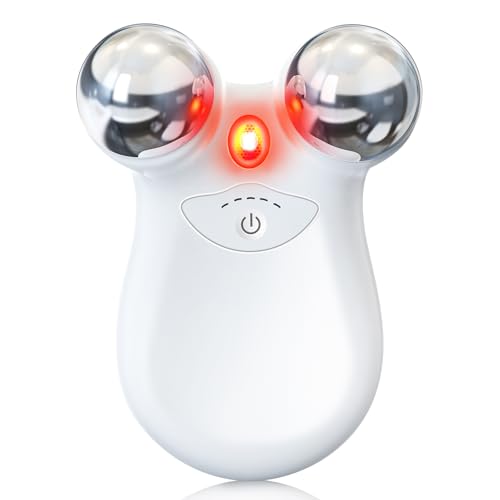
 LEERCON Massage Gun Deep Tissue Mini Muscle MassagerMini5.5 x 5.5 x 1.9 inches1.3 poundsCheck on Amazon


What's inside
- What counts as a handheld massage machine, and what stays out of scope
- Amplitude: the stroke depth that shapes everything else
- Stall force: how much pressure the motor tolerates before it slows
- Speed ranges and the puzzle of percussions per minute
- Heads and attachments: geometry matched to muscle groups
- Battery capacity, charging, and honest runtime expectations
- Weight, balance, and the real problem of reaching your own back
- Noise: what the decibel figures do and do not tell you
- Heat variants and the limits of surface temperature
- Cases, travel, and living with the device between sessions
- Cleaning contact heads and keeping shared devices hygienic
- Where not to press: general safety information for bony and sensitive areas
- How the two families compare when the spec sheets are set side by side
- Reading a product listing like an editor: claims to verify before you buy
- Accessories and complementary gear that change how the device feels
- Building a session: sequencing speeds, heads, and muscle groups
- Troubleshooting the complaints that appear in almost every owner thread
- Two ownership details that rarely appear in advertisements
- Check prices on Amazon
- Disclosure
As an Amazon Associate I earn from qualifying purchases. This post may contain affiliate links at no extra cost to you.
What counts as a handheld massage machine, and what stays out of scope
A handheld massage machine is a device you grip, guide, and lift with one or two hands while it works against a muscle. That simple definition separates the two families covered in this guide from everything else in the wider massage category. The first family is the percussion device, often shaped like a small drill or a bent handle, which drives a head back and forth in a short, rapid stroke. The second family is the wand style unit, a longer body with a rounded or flexible neck and a broad head that vibrates rather than strokes. Both families share the same basic bargain: you supply the positioning, the pressure judgment, and the patience, and the machine supplies repeatable motion that your own thumbs and knuckles cannot sustain for long.
Plenty of familiar products sit outside that bargain, and they are deliberately excluded here. A massage chair moves you rather than the other way around, and its rollers follow fixed tracks inside a frame. A back pad drapes over a seat and works only where the pad touches. A foot unit stays on the floor and addresses one region while you sit still. None of those products tells you anything useful about grip fatigue, stroke depth, or how a motor behaves when you press it into a calf at an awkward angle. Keeping the scope tight matters because the specifications that decide satisfaction with a handheld unit, amplitude, stall force, weight, and noise at each speed, barely appear on the packaging of seated equipment at all.
Within the handheld class, size splits into three rough tiers that published specifications make fairly easy to spot. Full size percussion units usually carry the longest stroke, the largest battery, and a weight that becomes noticeable after several minutes of overhead reaching. Mid size units trade a little stroke depth for a body that fits a gym bag side pocket. Mini units shrink the motor and battery together, which keeps them light for travel but limits how hard they can be pressed into dense tissue before the motor slows. Wand style units follow a different logic altogether, since their heads oscillate side to side or buzz at high frequency instead of travelling in and out, so comparing a wand against a percussion gun on stroke numbers alone leads to a confused shortlist.
Our research for this guide rests on published specifications, manufacturer manuals, and the measurement conventions brands themselves print in their documentation. That approach keeps the comparison honest in a category where headline numbers are often quoted under ideal conditions that no home user reproduces. A speed figure measured with the head spinning freely in the air, for example, says little about how the same device behaves against a thigh. Reading the fine print about how a number was obtained turns out to be more useful than the number itself, and much of what follows is about learning to spot which conditions a brand chose to disclose and which ones it quietly left out.
Amplitude: the stroke depth that shapes everything else
Amplitude describes how far the head travels in and out during each stroke, measured in millimetres from the fully retracted position to the fully extended one. In the current handheld market, published figures cluster in recognizable bands. Compact and mini percussion units commonly list strokes in the region of six to eight millimetres. Mainstream full size models often publish figures between ten and thirteen millimetres, and a smaller group of heavy duty designs claims fourteen to sixteen millimetres. Those bands matter because stroke depth influences how the sensation distributes through tissue. A shorter stroke tends to feel busy and surface focused, while a longer stroke tends to feel slower, heavier, and more deliberate at the same speed setting.
Amplitude interacts with speed in ways that spec sheets rarely explain. Multiply a modest stroke by a high percussion rate and the head covers a surprising amount of total travel each second, which is why a shallow stroke device at its top setting can feel intense even though its depth number looks tame. Conversely, a long stroke device at a low setting delivers widely spaced, distinct pulses that many people prefer along the back or through the glutes, where the goal is a slow press rather than a buzz. When you read a listing, treat amplitude and the speed range as a paired system rather than two independent bragging points, because the character of the device lives in the combination.
A common source of confusion is that some brands measure amplitude as the total travel of the head, while others describe the same motion with looser language borrowed from vibration products. A wand style head, for instance, may swing a few millimetres sideways, and a listing may present that sideways excursion beside percussion stroke figures as if the two were interchangeable. They are not. Sideways oscillation spreads sensation across the surface under the head, while an in and out stroke directs each pulse into the tissue beneath it. If a product page gives an amplitude figure without stating the direction of travel, the manual usually settles the question, and checking it takes less time than returning a device that works differently than expected.
- Short strokes around six to eight millimetres suit small areas such as forearms, calves, and the muscles along the shin where a long stroke feels clumsy.
- Mid range strokes around ten to twelve millimetres cover the broad middle ground of thighs, glutes, chest, and upper back work for most home users.
- Long strokes around fourteen millimetres and above concentrate force into fewer, heavier pulses and reward a light guiding hand rather than added pressure.
- Wand style oscillation should be judged by head size and frequency range instead of stroke depth, because the motion geometry is fundamentally different.
Stall force: how much pressure the motor tolerates before it slows
Stall force is the amount of pressure, usually expressed in pounds or kilograms, that you can apply through the head before the motor can no longer maintain its stroke and begins to bog down or stop. Published figures for handheld percussion devices span a wide field. Lightweight mini units may list figures in the region of fifteen to twenty five pounds. Mid size models often claim somewhere between thirty and forty five pounds, and the heaviest full size designs publish figures above fifty pounds. Treat every one of those numbers as a claim made under the brand’s own conditions, because there is no single shared standard that forces every maker to measure the same way.
In daily use, stall force shows up as a feeling rather than a number. Press a low stall device firmly into a dense thigh and the rhythm falters, the pitch of the motor drops, and the stroke visibly shortens. The device is not broken; it is simply working past the load its motor and battery can sustain. A higher stall figure buys headroom, which lets you lean into large muscle groups without constantly modulating your grip. That headroom matters most for people who want to work through the glutes, the upper back between the shoulder blades, or the thick part of the calf, where reaching the tissue you intend to reach requires pressing through layers that resist a light touch.
More stall force is not automatically better for every body or every session. Smaller frames, sensitive areas, and anyone returning to activity after a layoff often do better with a device that discourages heavy pressure, because the temptation to grind a powerful head into a sore spot can leave the area feeling worse the next day. Experienced users tend to describe good technique as letting the head float across the surface with only modest added weight from the hand. Under that technique, a mid range stall figure is rarely the limiting factor. The limiting factor becomes your own patience and positioning, which is why stall force should be read as insurance for dense tissue rather than a score to maximize.
Battery condition quietly changes stall behaviour as well. Many devices deliver their strongest, most consistent stroke in the upper half of a charge and feel slightly softer near the end of a long session, especially at higher speeds. Manuals rarely state this plainly, but the pattern follows from how small motors draw current under load. If you mostly use a device for short sessions after training, you may never notice. If you plan longer sessions shared between partners or across a whole evening of recovery work, a model with a larger battery, or a removable pack you can swap, keeps the stroke character consistent from the first minute to the last.
Speed ranges and the puzzle of percussions per minute
Speed on a percussion device is quoted in percussions per minute, often shortened to PPM, and occasionally converted into revolutions per minute or hertz in manuals that borrow language from power tools. Typical published ranges begin somewhere between twelve hundred and eighteen hundred percussions per minute at the lowest setting and climb to around twenty eight hundred to thirty two hundred at the top. Some performance oriented models publish ceilings a little higher, while gentle recovery focused designs cap their range lower on purpose. A range with four to six steps is common, although a few designs use a dial or a pressure sensitive control that varies speed continuously.
The practical question is not how fast a device can go but how usable its steps feel across a session. A low setting in the twelve hundred to sixteen hundred band gives distinct, countable pulses that suit warming up tissue, working near tender areas, and easing into a session without startling yourself. Middle settings around two thousand to twenty four hundred cover most general work on large muscles. Top settings above twenty eight hundred feel increasingly like vibration, because the pulses arrive so quickly that individual strokes blur together. At that point the device behaves more like a wand, which can be pleasant on the surface but delivers less of the deep, separated pulse that made percussion designs popular.
Brands measure headline speed with no load on the head, and that single fact explains many disappointed first impressions. Under pressure, the actual rate drops, sometimes noticeably on smaller motors. A device that claims a very high ceiling but slows sharply against a thigh may deliver less working speed than a modestly rated device with a stronger motor. Since few brands publish loaded speed figures, the honest way to compare is to look at the whole picture: motor class implied by weight and battery size, stall force claims, and the spacing of the steps. Wide, evenly spaced steps usually indicate a control system designed around real use rather than a spec sheet race.
Wand style units describe speed differently, and the vocabulary shift can mislead shoppers who compare across families. Instead of percussions per minute, wand manuals talk about vibration frequency, intensity levels, or pattern modes that pulse and wave. A pattern mode changes sensation without changing depth at all, which makes wands versatile for people who want variety across a session and for areas where a stroking head feels too aggressive. If you prefer a wand, judge the range by how gradually the intensity climbs from its lowest step to its highest. A wand whose first step already feels strong leaves no room for sensitive areas, and that matters more than the number of decorative patterns above it.
Heads and attachments: geometry matched to muscle groups
Most percussion devices ship with a set of interchangeable heads, commonly four to six pieces, and the shapes repeat across brands because they map onto anatomy. A round ball head spreads each pulse over a broad contact patch and serves as the general purpose choice for thighs, glutes, and the chest. A flat head covers an even wider area with a shallower feel, useful along the quadriceps or across the back of a training partner. A bullet or cone head concentrates the stroke onto a small point for the arch of the foot, the palm, deep spots in the glute, or the tissue beside the shoulder blade. A fork or U shaped head straddles structures you should not press directly, most often the spine, and also fits around the Achilles tendon.
Head material changes the experience as much as head shape. Firmer heads, moulded from dense plastic or firm foam over a rigid core, transmit the stroke with little loss and feel precise on large muscles. Softer cushioned heads, including air filled or layered designs, absorb part of each pulse and feel gentler on bony or tender areas. Some sets add a textured head intended to increase surface grip so the device skates less across clothing or skin. When you compare sets, count how many heads you would genuinely rotate through in a week. A six head set where two heads duplicate each other is worth less than a four head set where every shape earns its place in the case.
Attachment systems deserve a glance before you commit, because they age differently. Most heads push into the nose of the device on a stem with a friction ring, which makes swaps quick but allows a worn ring to loosen over time. A few designs use a twist lock or a threaded mount that feels more secure but slows mid session changes. Replacement heads are not universally interchangeable between brands, even when stems look similar in photographs, so a lost bullet head may need to come from the original maker. Checking whether the brand sells individual replacement heads, and whether the stems are a common diameter, saves frustration a year into ownership.
Wand heads solve a different problem. Rather than swapping shapes, most wands rely on one broad, smooth head, sometimes with a flexible neck that lets the head angle against curved areas such as the neck, the traps, or the lower back while you hold the body at a comfortable distance. A flexible neck also absorbs some intensity, which is why wands often feel stronger when the head is pressed straight on. Silicone covered heads clean more easily and feel neutral against skin, while older style vinyl or rubberized surfaces can pick up lint and odours over time. For shared household use, a smooth nonporous head surface is the single most practical feature a wand can offer.
- Ball head: the default for large muscle groups and for learning how a new device behaves at each speed.
- Flat head: broad, shallow contact for quadriceps, chest, and long passes along the back of a partner.
- Bullet head: concentrated pressure for feet, palms, and small stubborn spots, best used at lower speeds.
- Fork head: straddles the spine and the Achilles so the stroke lands on muscle on either side, never on bone or tendon itself.
- Cushioned head: softens each pulse for ribs, collarbones, and other areas where firm heads feel harsh.
Battery capacity, charging, and honest runtime expectations
Battery specifications appear in two dialects that shoppers often mix up. Some brands quote milliamp hours, with handheld percussion devices commonly landing between two thousand and three thousand milliamp hours per pack, while others quote watt hours or simply advertise a runtime in hours. Advertised runtimes of four to six hours are common for full size models, and some claim considerably more. Those claims almost always describe the lowest speed with no load, a condition nobody actually uses. Runtime at middle speeds under real pressure is the figure that shapes your week, and it is usually a fraction of the headline number.
A useful mental model treats runtime as a budget spent at different rates. Low speeds sipping power during a fifteen minute session barely dent a full size pack, so a single charge can cover many days of short routines. High speeds under firm pressure spend the budget several times faster, and heated heads, where fitted, spend it faster still. People who share one device between two or three household members should think in sessions per charge rather than hours per charge. If each person uses twenty minutes a day at mixed speeds, a mid capacity pack may need charging every few days, which is easy to forget until the device fades mid session.
Removable batteries change the ownership pattern in a way that sealed designs cannot match. A swappable pack lets you keep a spare charged, travel with one pack in the case and one in the charger, and replace a tired battery years later without replacing the whole device. The trade off is a slightly bulkier handle and one more seam in the body. Sealed designs feel cleaner and often resist dust better, but the whole unit is tethered to its cable during charging, and a battery that loses capacity eventually retires the device. Neither approach is wrong; the right choice depends on whether you value simplicity now or serviceability later.
Charging connections have largely settled on USB-C for newer handheld models, which means a travel charger or a laptop port can refill the device without a proprietary brick. Older and budget designs still ship with barrel connectors or maker specific docks. Charge times from empty typically run between two and four hours for full size packs. A simple battery indicator, whether a ring of lights or a small percentage display, prevents the most common frustration in this category, picking up a device that dies three minutes into a session. Percentage displays are easier to plan around, while a single warning light only tells you what you already suspected.
Weight, balance, and the real problem of reaching your own back
Published weights for handheld percussion devices range from under half a kilogram for mini models to around a kilogram or slightly more for the heaviest full size units, with wand style bodies often sitting in the middle of that span. Weight alone, however, predicts fatigue poorly. Balance decides how the weight feels. A device whose motor sits close to the grip keeps its mass near your hand, so steering it feels natural. A device with a long nose and a heavy head assembly levers against your wrist with every change of direction, and the effort accumulates in the forearm long before the session ends.
Self use exposes the limits of every handheld design, because the muscles that most often want attention, the upper back, the traps, and the rear shoulder, are exactly the ones hardest to reach with your own arm. Reaching between the shoulder blades means working with a bent wrist and a raised elbow, a posture that tires quickly even with a light device. Longer handles, angled grips, and wand bodies with extended reach all exist to soften this problem. Some percussion models offer a handle geometry that lets you hold the device behind your back with the head pointing toward you, which changes the wrist angle enough to matter during a ten minute session.
Grip shape and surface finish deserve more attention than they usually get. A slightly oval handle resists rotation in the hand better than a perfectly round one, which reduces the constant small corrections that fatigue the fingers. Matte or lightly textured finishes stay secure when hands are warm or when a light lotion is involved, while glossy bodies can creep. Button placement matters too. Controls that sit under the thumb of the gripping hand let you change speed without repositioning, whereas buttons on the rear face force you to stop, look, and restart your rhythm. These details sound minor in a listing and feel major by the third week of daily use.
A practical way to judge fatigue before buying is to hold the published weight in context. Fill a bottle to roughly the listed weight of a device you are considering and hold it at arm’s length in the positions you would use on your back and shoulders. Most people find that anything much above a kilogram becomes a negotiation after a few minutes of overhead work, while devices in the five hundred to seven hundred gram band stay manageable for full sessions. Mini devices win this comparison easily, which is part of their appeal, but they give back ground on stall force and stroke depth, so the choice remains a balance rather than a verdict.
Noise: what the decibel figures do and do not tell you
Noise claims in this category usually fall between roughly thirty five and sixty five decibels depending on speed, load, and the distance at which the measurement was taken. That last variable is where comparisons fall apart, because brands rarely state their measurement distance. A figure taken at arm’s length reads far lower than the same device measured beside the ear, and a device pressed against muscle sounds different from one running freely in the air. Treat published decibels as a rough ordering tool within a single brand’s lineup, not as a precise ranking across brands.
How that sound is textured matters alongside how loud it runs. Percussion devices produce a rhythmic mechanical note that rises in pitch with speed, and some designs add a whine from the motor or a rattle where the head stem meets the nose. Brushless motors, which many mid range and premium models now use, tend to sound smoother and lower than older brushed designs. Wand style units produce a steadier hum that many people find easier to ignore in a quiet room, although inexpensive wands can buzz harshly at their highest settings. If you plan to use a device while a partner sleeps nearby or while watching television at normal volume, the low and middle settings tell the real story, because that is where quiet designs separate themselves.
Surfaces amplify or absorb what the device produces. Working on a muscle while sitting on a wooden bench, or resting the device body against furniture between passes, can transmit vibration into the room in a way that a spec sheet never captures. Using the device on a bed or a carpeted floor keeps the session noticeably quieter. Technique helps as well: a head kept in firm, even contact with tissue sounds calmer than a head bouncing lightly across the surface, because the bouncing adds a percussive rattle on top of the motor note. Steady contact is also better practice for the tissue itself, so quiet and effective tend to arrive together.
Heat variants and the limits of surface temperature
A growing number of handheld models offer a heated head or a heat setting built into one attachment, and the appeal is easy to understand. Warmth encourages you to slow down, and many people find a warm head more comfortable on stiff morning muscles or on the neck and shoulders at the end of a working day. Published surface temperatures for heated heads typically sit in a band around forty to fifty five degrees Celsius at the contact face, with one to three selectable levels. Those figures describe the head surface under the brand’s conditions, and the temperature your skin experiences also depends on pressure, movement, and how long the head stays in one place.
Heat adds constraints that a standard head does not have. A heated head draws extra power, shortening runtime, and it needs a warm up period that can run from under a minute to several minutes depending on design. It should keep moving across the tissue rather than resting in a single spot, and it deserves extra caution on areas where sensation is reduced, because the usual feedback that tells you to move on arrives late. Manuals for heated models consistently advise against falling asleep during use and against using heat over irritated or broken skin. Those are not legal decorations; they reflect how surface heat behaves when contact is prolonged and unmonitored.
Combination heat and cold accessories take a different route. Some sets include a head that can be chilled in a freezer or warmed in water, adding no electronics at all. These passive heads lose their temperature gradually during a session, which some users prefer because the effect is self limiting. Electronic heat holds its level until the battery or the timer says otherwise. Choosing between them is partly about patience and partly about routine. If your sessions are short and spontaneous, an electronic head that warms on demand fits better. If you prepare for sessions in advance, a passive head kept ready in the freezer costs nothing to run.
Cases, travel, and living with the device between sessions
Most full size percussion devices arrive in a moulded case with a cut out for every head, and the quality of that case quietly shapes daily habits. A case that opens flat, holds the device securely, and gives each head its own labelled slot encourages you to put everything away properly, which keeps heads from vanishing into gym bags and drawers. Soft pouches, common with mini and wand models, weigh less and travel better but offer little protection against a dropped bag. If you fly with a device, the battery rules for lithium cells mean the unit belongs in cabin baggage, and a hard case earns its space in a crowded carry on.
Charging cables, spare stems, and small accessories multiply quickly in this category, so a case with a mesh pocket or a separate pouch keeps the kit together. People who use a device at a desk, in a locker room, and at home often end up buying a second cable rather than carrying one back and forth. That small purchase reveals a general truth about ownership: the device you actually use is the one that is charged, complete, and within reach. Storage is therefore not an afterthought but part of the product, and listings that show the open case with everything in place are giving you real information about daily life with that model.
Travel also raises a question about size that home use hides. A full size device with its case can occupy as much room as a pair of shoes, which is a real cost on a short trip. Mini models exist largely for this reason, and many frequent travellers accept their lower stall force and shorter stroke as a fair exchange for a device that fits beside a wash bag. Wand models pack awkwardly because of their length, although their light weight compensates. Thinking about where the device will live and travel before choosing a tier prevents the common outcome of a powerful unit that stays home while a weaker one does all the travelling.
Cleaning contact heads and keeping shared devices hygienic
Heads touch skin, clothing, and occasionally the floor of a gym, so a simple cleaning routine protects both the device and the next person who uses it. Smooth plastic, silicone, and firm foam heads can generally be wiped with a cloth dampened with mild soap and water, then dried before going back into the case. Porous foam heads absorb more and dry more slowly, which is one reason cushioned heads should be checked for lingering moisture before storage. Manuals commonly warn against soaking the device body, submerging the nose assembly, or using harsh solvents that can cloud plastic and break down foam.
Shared household use adds a sensible extra step. Wiping each head between users takes seconds and removes the main objection partners and family members raise about a communal device. Some households assign heads by person, which the colour or shape differences between heads make easy to remember. The stem and the nose of the device deserve an occasional wipe as well, since that junction collects dust and fabric fibres. Keeping the case interior clean matters too; a case that stores dirty heads in sealed foam will eventually smell like it, and a brief airing after sessions keeps the whole kit fresher.
Inspect heads as part of cleaning, because wear shows up there first. Cracks in a firm head, a foam surface that stays compressed, or a stem ring that no longer grips all change how the stroke feels and can make the device noisier. Replacing a worn head is inexpensive compared with replacing the device, and it restores the sensation you originally chose. If a brand does not sell replacement heads individually, that fact belongs in your buying decision, especially for the specialty heads you expect to use most. A device with a generous head set and no replacement path is quietly a device with a fixed lifespan.
Where not to press: general safety information for bony and sensitive areas
Handheld massage devices work on muscle, and the simplest safety rule in the category is to keep the head on muscle and off structures that were never meant to take a pounding stroke. Bone is the clearest example. Running a percussion head directly over the spine, the shin bone, the kneecap, the elbow point, or the ridge of the collarbone feels harsh because there is little soft tissue to absorb the pulse, and the fork head exists precisely to work the muscles beside the spine without striking it. Areas where bone sits close to the surface deserve either a cushioned head at a low speed or no device at all.
The front and side of the neck require particular respect. Major blood vessels and delicate structures sit close to the surface there, and general guidance for this product category is consistent: avoid applying percussion to the front of the throat and be conservative around the side of the neck, keeping any work there light, brief, and on the muscular part toward the back. The same conservative approach applies to the face, the head, open wounds, recent injuries, areas of unexplained pain, and anywhere sensation is reduced. A device manual is the right place to confirm the maker’s own list, and anyone managing a medical condition, a pregnancy, a pacemaker, or a recent procedure should take individual advice from a qualified professional before using powered massage on the affected region.
Session habits carry as much weight as placement. Short sessions of a few minutes per muscle group are the pattern manuals describe, with longer total sessions built by moving between areas rather than dwelling on one spot. Chasing a single tender point with a bullet head at high speed rarely ends well, and a bruised feeling the next day is a sign to reduce pressure, speed, or time rather than to push through. The float technique mentioned earlier, letting the head rest on the tissue with only modest hand pressure, protects against most overuse mistakes. Pain that is sharp, radiating, or accompanied by numbness is a signal to stop, not a target to work on.
- Keep percussion on muscle bellies and off the spine, joints, and prominent bones.
- Avoid the front of the throat entirely and treat the side of the neck with light, brief, cautious contact only.
- Skip areas with broken skin, recent injury, unexplained pain, or reduced sensation.
- Work a few minutes per area, then move on; total time should come from covering ground, not from dwelling.
- Stop if you feel sharp pain, numbness, or tingling, and seek individual professional advice for medical questions.
How the two families compare when the spec sheets are set side by side
Percussion devices ask you to evaluate stroke, stall force, and speed steps, while wands ask you to evaluate head size, frequency range, and neck flexibility. Shoppers who try to force both families onto one scorecard end up punishing each for lacking the other’s strengths. A clearer approach is to decide what sensation you are actually shopping for. If you want distinct, deep pulses that reach into large muscles and a set of heads for different areas, the percussion family is built for that job. If you want broad, adjustable vibration that covers an area quickly and feels forgiving on sensitive spots, the wand family answers better.
Cost structures differ too, though the important differences are structural rather than numerical. Percussion devices concentrate their value in the motor, the battery, and the head set, so build quality shows up in stroke consistency under load. Wands concentrate value in the head material, the flexibility of the neck, and the smoothness of the lowest intensity step. In both families, the cheapest examples tend to cut the same corners: vague specifications, noisy mechanisms, and controls with steps so uneven that only one or two settings feel usable. A listing that publishes a full specification table, including weight, dimensions, and charging time, is signalling a maker comfortable with scrutiny.
Households often end up with one of each, and that outcome is more sensible than it sounds. The percussion unit handles post training work on legs and glutes, while the wand lives near the sofa for shoulders and neck at the end of the day. Because the two families overlap so little in sensation, owning both is not duplication in the way that owning two similar percussion guns would be. If the budget allows only one, let your most common use case decide, and remember that the best device in this category is the one whose weight, noise, and controls fit your daily routine closely enough that it never migrates to the back of a cupboard.
Reading a product listing like an editor: claims to verify before you buy
Specifications reward a sceptical reading order. Start with the manual rather than the marketing page, because manuals must describe the product as shipped, including its real speed steps, its charging requirements, and its safety list. Compare the amplitude and stall figures against the bands described earlier in this guide; a mini device claiming the stroke and stall numbers of a heavy full size model is telling you something about its marketing rather than its motor. Check whether runtime claims name a speed setting. Check whether noise claims name a distance. Each missing condition is a small warning that the number was chosen for appearance.
Photographs carry information too. A device shown only in a hand, never beside an object of known size, may be smaller or larger than you imagine, so look for the stated dimensions and map them against a ruler before ordering. Head sets photographed without the stems visible hide the attachment system you will live with. Case photographs that show the interior tell you whether the heads have individual slots. Even the charging cable in the photograph matters, because it reveals whether the device uses a common connector or a proprietary one you will need to replace from a single source.
Sweat management sounds unrelated to massage until you picture a full recovery evening that starts with training and ends on the sofa, and small comforts decide whether the routine sticks. For readers stocking that routine, a roundup covering absorbent options for training sessions is filed under best workout towels if you want to sort it alongside the device decision. Details like this rarely appear in massage guides, yet routines fail on logistics far more often than they fail on motor specifications, and a little planning across the whole session pays off every single week.
Questions worth answering in the listing before checkout
- Does the manual state amplitude, speed steps, weight, and charging time in plain numbers?
- Is the stall force figure plausible for the size and weight class of the device?
- Are replacement heads sold individually, and which attachment system do they use?
- Does the battery come out for swapping or replacement, or is it sealed into the body?
- Which connector charges the device, and how long does a full charge take?
- Does the heated head, if any, publish its surface temperature levels and warm up time?
Accessories and complementary gear that change how the device feels
A few inexpensive additions alter the experience of a handheld device more than a model upgrade would. A stable surface to lie or sit on keeps you from bracing with the very muscles you are trying to relax. A small cushion under a knee or an elbow changes the angle of a limb enough to open up a muscle group that felt unreachable. Lighting and room temperature sound trivial until you notice that you cut sessions short in a cold, bright room and linger in a warm, dim one. The device supplies the stroke; the environment decides how long you stay to receive it.
Core and bodyweight work often share the same corner of the home as recovery gear, and readers planning that shared space sometimes ask about seating style supports for abdominal training. That separate category is collected at best captain chairs for exercise for anyone mapping out a combined training and recovery area. Keeping strength equipment and recovery equipment in one planned zone, rather than scattered wherever they first landed, makes both halves of the routine easier to start, and starting is where most home fitness plans succeed or fail.
Heat, stretching, and percussion each occupy a different slot in a recovery routine, and confusing their roles leads to buying the wrong tool. Stretching addresses range of motion, heat addresses comfort and willingness to move, and percussion addresses the sensation of tight, worked muscle. A handheld device does not replace the other two, and a routine that rotates modest amounts of each tends to satisfy more people than a routine that leans entirely on one. This is also why session length advice stays modest: the device is one ingredient, and doubling its time rarely doubles its contribution.
Building a session: sequencing speeds, heads, and muscle groups
A well structured session follows the logic of the tissue rather than the order of the heads in the case. Starting at a low speed with the ball head on a large muscle group lets the area warm and lets you judge how responsive it feels that day. Some days the same thigh that welcomed firm work last week feels guarded and tender, and the early low speed passes are how you find that out before committing to anything stronger. From there, raising the speed one step at a time and switching to a flatter or firmer head for the main work keeps the progression deliberate instead of random.
Finishing matters as much as starting. Dropping back to a low setting for the final passes gives the session a clear end and leaves the area feeling settled rather than buzzed. People who use a device after training often work in the order they trained, while people using one at the end of the day tend to start with the neck and shoulders and work downward. Neither order is mandatory. What matters is consistency, because a repeatable routine makes it easy to notice which variables help. Change one thing at a time, speed, head, or duration, and the device becomes a tool you understand rather than a gadget you wave around hopefully.
Recovery corners at home work better when small supporting items live in the same place as the device itself, and after long sessions a fresh layer to lie on keeps the whole setup feeling clean. When you are arranging that corner, note that a guide to floor coverings for training spaces sits behind best basement workout rugs for readers sorting out what goes underfoot. Keeping the device, its case, and a mat in one spot removes the friction that quietly kills recovery habits, because a routine that requires hunting through three rooms for parts rarely survives a busy month.
Troubleshooting the complaints that appear in almost every owner thread
The most common complaint about percussion devices is a head that rattles or pops out mid session. The usual causes are a worn friction ring, a head that was not seated fully, or debris in the nose socket, and all three respond to cleaning and inspection before they require parts. A device that loses power noticeably at high speed may be showing battery age, especially if the drop arrived gradually over many months. A device that runs hot around the nose during long sessions is often being pressed harder than its stall rating comfortably allows, and easing pressure usually restores normal behaviour.
Wand complaints follow their own pattern. A neck that grows too flexible with age changes how intensity transfers, and a head surface that becomes tacky or discoloured has usually met a cleaning product it did not like. Buzzing that appears only at one setting can point to a loose internal mount, which is a warranty conversation rather than a home repair. In both families, the pattern to notice is change: a device that behaves differently from how it behaved when new is giving you information, and acting on small changes early, a fresh head here, a replacement ring there, keeps a good device in service for years.
Outdoor training and hot weather recovery bring one more comfort item into the picture, because a session that follows a run in the heat starts with cooling down rather than with percussion. Readers who train outside may want the cooling options gathered at best cooling towels for sports before they settle in with any device. Sequencing matters here as well: cool the skin, let breathing settle, and only then begin slow, low speed work, since a body that is still overheated reads every sensation as stronger than it is.
Two ownership details that rarely appear in advertisements
Charging habits shape battery lifespan more than any single specification does. Lithium packs in handheld devices prefer regular, moderate use over long storage at either extreme of charge, so a device that lives in a drawer for months between uses ages faster than one used weekly and kept partly charged. If you know a device will sit unused during a long trip, leaving it neither completely full nor completely empty is the gentler choice, and a short session soon after you return confirms everything still runs smoothly before you actually need it.
Warranty scope in this category usually separates the device body from its accessories, and heads, rings, and cables may carry shorter cover than the motor and battery. Reading that split in advance tells you which small parts are worth buying as spares while they are easy to find. It also tells you how the maker expects the product to age: a brand that sells every wear part individually expects owners to maintain the device, while a brand that sells none expects replacement, and your own preference between those philosophies is a legitimate reason to choose one model over another.
Check prices on Amazon
Live listings for the shortlist in this guide are pulled from Amazon below, so prices and availability are always current at the moment you look.


Disclosure
Prices, stock, and specifications shift quietly in this category, so the figures discussed here describe published ranges at the time of writing rather than a promise about any single listing you open tomorrow. As an Amazon Associate we earn from qualifying purchases. That relationship never changes the bands, limits, or cautions set out above, and it plays no part in how the specification ranges in this guide were chosen or ordered. Where a brand’s own manual and its marketing page disagree, this guide follows the manual, and readers comparing listings should do the same.