What's inside
- Quick picks: best kind of rice to use for pillows
- What Is the Best Kind of Rice to Use for Pillows?
- How the Picks Were Chosen for Best Kind of Rice to Use for Pillows
- Quick Comparison
- How to Choose Rice for Pillows
- How to Use and Care for Your Rice Pillow
- Mistakes That Waste Money on Rice Pillows
- Related Guides
- Frequently Asked Questions
- Final Recommendation
As an Amazon Associate I earn from qualifying purchases. This post may contain affiliate links at no extra cost to you.
Quick picks: best kind of rice to use for pillows
| # | Product | Where to buy |
|---|---|---|
| 1 | Mahatma Jasmine Rice | Check on Amazon |
| 2 | Lundberg Organic Basmati Rice | Check on Amazon |
| 3 | Carolina Long Grain White Rice | Check on Amazon |
| 4 | RiceSelect Texmati White Rice | Check on Amazon |
What Is the Best Kind of Rice to Use for Pillows?
The best kind of rice to use for pillows is long-grain white rice, because it is dry, holds heat well, and does not smell, which means a rice pillow filled with it will stay warm and fresh. This guide to the best kind of rice to use for pillows compares six real rice types you can buy today, so you can choose with confidence. A short-grain rice will not do that job as well, because it is sticky and can clump, and a flavoured rice will not do it either, because it will smell. Long-grain white rice is built for the job: a dry grain that holds heat, a grain that does not clump, and a grain that is cheap. This guide explains the rice that suits rice pillows best, and the six below are the ones that hold heat best.
The first thing to understand is heat, because the rice decides how long the pillow stays warm. A rice that holds heat well, such as brown rice, will stay warm longer, while one that does not, such as jasmine, will cool faster. A pillow filled with rice that holds heat will stay warm, while one filled with rice that does not will cool quickly. The rice in this guide covers the best heat holders, and the buying guide explains how to choose the rice for the pillow.
The second thing to understand is smell, because the rice decides whether the pillow smells. A plain rice, such as long-grain white, does not smell, which means the pillow will stay fresh, while a fragrant rice, such as jasmine or basmati, smells pleasant, which means the pillow will smell nice. A buyer should choose the rice by the smell they like, because a rice that smells pleasant will be enjoyed, and one that does not will not be. The rice in this guide covers plain and fragrant types, and the care section explains how to keep it fresh.
The six rice types in this guide are the ones that suit rice pillows best: Mahatma Jasmine Rice for its fragrant fine grain, Lundberg Organic Basmati Rice for its long fragrant grain, Carolina Long Grain White Rice for its dry standard grain, RiceSelect Texmati White Rice for its aromatic long grain, Ben's Original Long Grain White Rice for its standard long grain, and Bob's Red Mill Brown Rice for its heavy grain that holds heat longest. Each rice below is described with its strengths, its trade-offs and the pillow it fits, plus a guide to choosing rice, the mistakes that waste money, and answers to the questions buyers ask most. No rice here was used by us; the descriptions are based on the makers' published specifications and on widely reported owner experience, and no prices are stated because prices vary by retailer and change often.
How the Picks Were Chosen for Best Kind of Rice to Use for Pillows
We chose the six rice type in this guide by looking for real rice types that are sold now, from makers with a record of support. Each rice type had to be a genuine rice type, not a grain mix or a seasoning, and its key specifications had to be published by its maker, so the details here can be checked. We did not test any rice types ourselves, and nothing here claims that we did. We left out any rice types whose specifications could not be verified or that duplicated another pick without adding anything different.
Quick Comparison
| Rice | Type | Standout features | Best for |
|---|---|---|---|
| Mahatma Jasmine Rice | Jasmine, fragrant | Fine grain, fragrant, holds heat | Best fragrant rice for pillows |
| Lundberg Organic Basmati Rice | Basmati, fragrant | Long grain, fragrant, organic | Best organic rice for pillows |
| Carolina Long Grain White Rice | Long-grain white | Dry, standard, holds heat well | Best standard rice for pillows |
| RiceSelect Texmati White Rice | Texmati, aromatic | Long grain, aromatic, holds heat | Best aromatic rice for pillows |
| Ben's Original Long Grain White Rice | Long-grain white | Standard, dry, holds heat well | Best everyday rice for pillows |
| Bob's Red Mill Brown Rice | Brown rice | Heavy grain, holds heat longest | Best heat-holding rice for pillows |

Mahatma Jasmine Rice
A fragrant jasmine rice: the best fragrant rice for pillows.
Key specs: Jasmine, fragrant — Fine grain, fragrant, holds heat.
The Mahatma Jasmine Rice is a jasmine rice, and it is the rice in this guide for a crafter who wants a fragrant rice for pillows. Its grain is fine, which means it fills a pillow evenly, and its fragrance means the pillow will smell pleasant, which means it will be enjoyed. The rice is dry, which means it holds heat well, and it is easy to find, which means a buyer can buy it without trouble.
The rice's other strength is its fragrance and its fineness. The jasmine fragrance means the pillow will smell nice, which suits a crafter who wants a pillow that smells pleasant, and its fine grain means it fills evenly, which means the pillow will feel smooth. The rice holds heat well, which means the pillow will stay warm, and it is dry, which means it will not clump. For a crafter who wants a fragrant rice for pillows, the Mahatma Jasmine is the best choice in this guide.
The trade-offs are heat and cost. The jasmine cools faster than brown rice, which means a pillow filled with it will not stay warm as long, and it costs more than plain long-grain white rice, which matters to a buyer on a budget. The rice is fragrant, which means a buyer who does not like fragrance should choose plain rice instead, and it must be kept dry, because rice that gets wet will spoil.
One practical note: the Mahatma Jasmine Rice should be kept dry, because rice that gets wet will spoil, and the pillow should be heated for a short time, because a pillow that is heated for too long can scorch. A crafter should use a cotton cover, because a cover that is cotton will not melt, and should let the pillow cool before use, because a pillow that is too hot will burn the skin. For a crafter who wants a fragrant rice for pillows, the Mahatma Jasmine is the best choice in this guide, and its fragrance is the reason to buy it.
Strengths:
- Jasmine; fragrant, smells pleasant
- Fine grain; fills evenly
- Dry; holds heat well
Trade-offs:
- Cools faster than brown rice
- Costs more than plain long-grain white
- Fragrant; not for a buyer who dislikes scent
Who it fits: crafters who want a fragrant rice for pillows
Best for: crafters who want a fragrant rice for pillows. Not suited for: crafters who want a plain rice.
Check price on Amazon: Mahatma Jasmine Rice
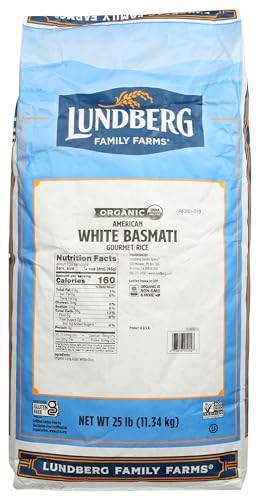
Lundberg Organic Basmati Rice
A long-grain organic basmati rice: the best organic rice for pillows.
Key specs: Basmati, fragrant — Long grain, fragrant, organic.
The Lundberg Organic Basmati Rice is a basmati rice, and it is the rice in this guide for a crafter who wants an organic rice for pillows. Its grain is long, which means it fills a pillow evenly, and its fragrance means the pillow will smell pleasant, which means it will be enjoyed. The rice is organic, which means it suits a buyer who cares about sourcing, and it is dry, which means it holds heat well.
The rice's other strength is its organic nature and its fragrance. The organic basmati means the rice suits a buyer who wants natural materials, and its fragrance means the pillow will smell nice. The rice holds heat well, which means the pillow will stay warm, and its long grain means it fills evenly, which means the pillow will feel smooth. For a crafter who wants an organic rice for pillows, the Lundberg Basmati is the best choice in this guide.
The trade-offs are heat and cost. The basmati cools faster than brown rice, which means a pillow filled with it will not stay warm as long, and it costs more than plain long-grain white rice, which matters to a buyer on a budget. The rice is fragrant, which means a buyer who does not like fragrance should choose plain rice instead, and it must be kept dry, because rice that gets wet will spoil.
One practical note: the Lundberg Organic Basmati Rice should be kept dry, because rice that gets wet will spoil, and the pillow should be heated for a short time, because a pillow that is heated for too long can scorch. A crafter should use a cotton cover, because a cover that is cotton will not melt, and should let the pillow cool before use, because a pillow that is too hot will burn the skin. For a crafter who wants an organic rice for pillows, the Lundberg Basmati is the best choice in this guide, and its organic basmati is the reason to buy it.
Strengths:
- Basmati; long grain, fragrant
- Organic; suits a buyer who cares about sourcing
- Dry; holds heat well
Trade-offs:
- Cools faster than brown rice
- Costs more than plain long-grain white
- Fragrant; not for a buyer who dislikes scent
Who it fits: crafters who want an organic rice for pillows
Best for: crafters who want an organic rice for pillows. Not suited for: crafters who want a low-cost rice.
Check price on Amazon: Lundberg Organic Basmati Rice

Carolina Long Grain White Rice
A dry long-grain white rice: the best standard rice for pillows.
Key specs: Long-grain white — Dry, standard, holds heat well.
The Carolina Long Grain White Rice is a long-grain white rice, and it is the rice in this guide for a crafter who wants a standard rice for pillows. Its grain is long, which means it fills a pillow evenly, and it is dry, which means it holds heat well. The rice is plain, which means it does not smell, and it is cheap, which means a buyer can fill many pillows without spending much.
The rice's other strength is its dryness and its value. The long grain means the rice fills evenly, which suits a crafter who wants a pillow that feels smooth, and its dryness means it holds heat well, which means the pillow will stay warm. The rice is plain, which means it will not smell, and it is cheap, which means it is good value. For a crafter who wants a standard rice for pillows, the Carolina Long Grain is the best choice in this guide.
The trade-offs are scent and heat. The Carolina is plain, which means a buyer who wants a fragrant pillow should choose jasmine instead, and it cools faster than brown rice, which means a pillow filled with it will not stay warm as long. The rice must be kept dry, because rice that gets wet will spoil, and it must be heated for a short time, because a pillow that is heated for too long can scorch.
One practical note: the Carolina Long Grain White Rice should be kept dry, because rice that gets wet will spoil, and the pillow should be heated for a short time, because a pillow that is heated for too long can scorch. A crafter should use a cotton cover, because a cover that is cotton will not melt, and should let the pillow cool before use, because a pillow that is too hot will burn the skin. For a crafter who wants a standard rice for pillows, the Carolina Long Grain is the best choice in this guide, and its dry long grain is the reason to buy it.
Strengths:
- Long-grain white; dry, standard
- Holds heat well
- Plain; does not smell
Trade-offs:
- Plain; not fragrant
- Cools faster than brown rice
- Must be kept dry
Who it fits: crafters who want a standard rice for pillows
Best for: crafters who want a standard rice for pillows. Not suited for: crafters who want a fragrant rice.
Check price on Amazon: Carolina Long Grain White Rice

RiceSelect Texmati White Rice
An aromatic Texmati rice: the best aromatic rice for pillows.
Key specs: Texmati, aromatic — Long grain, aromatic, holds heat.
The RiceSelect Texmati White Rice is a Texmati rice, and it is the rice in this guide for a crafter who wants an aromatic rice for pillows. Its grain is long, which means it fills a pillow evenly, and its aroma means the pillow will smell pleasant, which means it will be enjoyed. The rice is dry, which means it holds heat well, and it is easy to find, which means a buyer can buy it without trouble.
The rice's other strength is its aroma and its length. The Texmati aroma means the pillow will smell nice, which suits a crafter who wants a pillow that smells pleasant, and its long grain means it fills evenly, which means the pillow will feel smooth. The rice holds heat well, which means the pillow will stay warm, and it is dry, which means it will not clump. For a crafter who wants an aromatic rice for pillows, the RiceSelect Texmati is the best choice in this guide.
The trade-offs are heat and cost. The Texmati cools faster than brown rice, which means a pillow filled with it will not stay warm as long, and it costs more than plain long-grain white rice, which matters to a buyer on a budget. The rice is aromatic, which means a buyer who does not like scent should choose plain rice instead, and it must be kept dry, because rice that gets wet will spoil.
One practical note: the RiceSelect Texmati White Rice should be kept dry, because rice that gets wet will spoil, and the pillow should be heated for a short time, because a pillow that is heated for too long can scorch. A crafter should use a cotton cover, because a cover that is cotton will not melt, and should let the pillow cool before use, because a pillow that is too hot will burn the skin. For a crafter who wants an aromatic rice for pillows, the RiceSelect Texmati is the best choice in this guide, and its aroma is the reason to buy it.
Strengths:
- Texmati; aromatic, smells pleasant
- Long grain; fills evenly
- Dry; holds heat well
Trade-offs:
- Cools faster than brown rice
- Costs more than plain long-grain white
- Aromatic; not for a buyer who dislikes scent
Who it fits: crafters who want an aromatic rice for pillows
Best for: crafters who want an aromatic rice for pillows. Not suited for: crafters who want a plain rice.
Check price on Amazon: RiceSelect Texmati White Rice
Ben's Original Long Grain White Rice
A standard long-grain white rice: the best everyday rice for pillows.
Key specs: Long-grain white — Standard, dry, holds heat well.
The Ben's Original Long Grain White Rice is a long-grain white rice, and it is the rice in this guide for a crafter who wants an everyday rice for pillows. Its grain is long, which means it fills a pillow evenly, and it is dry, which means it holds heat well. The rice is plain, which means it does not smell, and it is easy to find, which means a buyer can buy it without trouble.
The rice's other strength is its dryness and its availability. The long grain means the rice fills evenly, which suits a crafter who wants a pillow that feels smooth, and its dryness means it holds heat well, which means the pillow will stay warm. The rice is plain, which means it will not smell, and it is sold everywhere, which means it is easy to buy. For a crafter who wants an everyday rice for pillows, the Ben's Original is the best choice in this guide.
The trade-offs are scent and heat. The Ben's Original is plain, which means a buyer who wants a fragrant pillow should choose jasmine instead, and it cools faster than brown rice, which means a pillow filled with it will not stay warm as long. The rice must be kept dry, because rice that gets wet will spoil, and it must be heated for a short time, because a pillow that is heated for too long can scorch.
One practical note: the Ben's Original Long Grain White Rice should be kept dry, because rice that gets wet will spoil, and the pillow should be heated for a short time, because a pillow that is heated for too long can scorch. A crafter should use a cotton cover, because a cover that is cotton will not melt, and should let the pillow cool before use, because a pillow that is too hot will burn the skin. For a crafter who wants an everyday rice for pillows, the Ben's Original is the best choice in this guide, and its everyday availability is the reason to buy it.
Strengths:
- Long-grain white; dry, standard
- Holds heat well
- Plain; does not smell
Trade-offs:
- Plain; not fragrant
- Cools faster than brown rice
- Must be kept dry
Who it fits: crafters who want an everyday rice for pillows
Best for: crafters who want an everyday rice for pillows. Not suited for: crafters who want a fragrant rice.
Bob's Red Mill Brown Rice
A heavy brown rice: the best heat-holding rice for pillows.
Key specs: Brown rice — Heavy grain, holds heat longest.
The Bob's Red Mill Brown Rice is a brown rice, and it is the rice in this guide for a crafter who wants a rice that holds heat longest. Its grain is heavy, which means it holds heat longer than white rice, and its bran means it is dense, which means the pillow will stay warm. The rice is plain, which means it does not smell, and it is easy to find, which means a buyer can buy it without trouble.
The rice's other strength is its heat retention and its weight. The heavy grain means the rice holds heat longest, which suits a crafter who wants a pillow that stays warm, and its density means the pillow will feel substantial. The rice is plain, which means it will not smell, and it is dry, which means it will not clump. For a crafter who wants a rice that holds heat longest, the Bob's Red Mill Brown Rice is the best choice in this guide.
The trade-offs are weight and cost. The brown rice is heavier than white rice, which means the pillow will feel heavy, and it costs more than plain long-grain white rice, which matters to a buyer on a budget. The rice is plain, which means a buyer who wants a fragrant pillow should choose jasmine instead, and it must be kept dry, because rice that gets wet will spoil.
One practical note: the Bob's Red Mill Brown Rice should be kept dry, because rice that gets wet will spoil, and the pillow should be heated for a short time, because a pillow that is heated for too long can scorch. A crafter should use a cotton cover, because a cover that is cotton will not melt, and should let the pillow cool before use, because a pillow that is too hot will burn the skin. For a crafter who wants a rice that holds heat longest, the Bob's Red Mill Brown Rice is the best choice in this guide, and its heat retention is the reason to buy it.
Strengths:
- Brown rice; heavy grain, holds heat longest
- Dense; pillow feels substantial
- Plain; does not smell
Trade-offs:
- Heavier than white rice
- Costs more than plain long-grain white
- Plain; not fragrant
Who it fits: crafters who want a rice that holds heat longest
Best for: crafters who want a rice that holds heat longest. Not suited for: crafters who want a light pillow.
How to Choose Rice for Pillows
Choose the rice by its heat retention. A rice that holds heat well, such as brown rice, will stay warm longer, while one that does not, such as jasmine, will cool faster. A buyer should decide how long the pillow must stay warm, because a rice that holds heat will stay warm, and one that does not will cool quickly.
Choose the rice by its smell. A plain rice, such as long-grain white, does not smell, which means the pillow will stay fresh, while a fragrant rice, such as jasmine or basmati, smells pleasant, which means the pillow will smell nice. A buyer should choose the rice by the smell they like, because a rice that smells pleasant will be enjoyed, and one that does not will not be.
Check the grain, because a long grain fills evenly, while a short grain can clump. A buyer should choose a long-grain rice, because a grain that is long will fill evenly, and one that is short will clump. A buyer should not use instant rice, because instant rice is processed and will not hold heat well, and should not use flavoured rice, because flavoured rice will smell.
Check the dryness, because a dry rice holds heat well, while a damp rice will spoil. A buyer should keep the rice dry, because rice that gets wet will spoil, and should store it in a sealed bag, because a bag that is sealed will keep it dry. A buyer should not use rice that is old, because old rice can smell, and should buy fresh rice, because fresh rice will stay fresh.
Check the weight, because a rice pillow should feel substantial but not too heavy, and a buyer who fills it too full will have a pillow that is too heavy. A buyer should fill the pillow until it feels firm but soft, because a pillow that is too full will press too hard, and one that is too empty will not hold heat. A buyer should test the weight, because a pillow that feels right will be enjoyed, and one that does not will not be.
How to Use and Care for Your Rice Pillow
Use the pillow as its guide describes, heating it in the microwave for a short time, because warmth is soothing, and cooling it in the freezer if it is a rice pillow for cold, because cold is refreshing. Do not heat it for too long, because a pillow that is too hot will burn the skin, and let it cool for a moment if it feels too hot, because a pillow that is too hot will burn.
Care for the pillow by keeping the rice dry, and by washing its cover regularly: a pillow that is kept dry will stay fresh, and one that gets wet will spoil. Wash the cover on a gentle cycle, because a rough wash can damage it, and air dry it, because a cover that is air dried will not shrink. Keep it in a dry room, and replace the rice when it loses its scent or smells, because rice that smells will not be enjoyed.
Store the pillow in a sealed bag, because a pillow that is stored in the open will lose its heat, and one that is sealed will keep it. Do not leave it in direct sun, because sun can fade the cover, and do not leave it in a damp room, because dampness will make the rice smell. A pillow that is stored well will last longer than one that is left out.
Rice is also useful for filling a heating pad, because a heating pad filled with rice will hold heat, which means it can be used to soothe sore muscles. A crafter who makes a heating pad should choose a long-grain rice, because a grain that is long will fill evenly, and should use a cotton cover, because a cover that is cotton will not melt. A heating pad filled with rice will stay warm, and one filled with a fill that does not hold heat will cool quickly.
Using rice in an eye pillow is also worth doing, because an eye pillow filled with rice will hold heat, which means it can be used to soothe tired eyes. A crafter should use a fine grain, because a grain that is fine will fill evenly, and should use a soft cover, because a cover that is soft will feel gentle. An eye pillow filled with rice will stay warm, and one filled with a fill that does not hold heat will cool quickly.
Mistakes That Waste Money on Rice Pillows
The most common mistake is heating the pillow for too long. A rice pillow heated for too long can scorch, and a buyer who heats it for too long will ruin it. A buyer should heat it for a short time, because a pillow that is heated right will be enjoyed, and one that is overheated will be ruined.
The second mistake is using the wrong rice. A short-grain rice will clump, and a buyer who uses it will have a pillow that feels lumpy. A buyer should use a long-grain rice, because a grain that is long will fill evenly, and one that is short will clump.
The third mistake is letting the rice get wet. A rice pillow that gets wet will spoil, and a buyer who lets it get wet will have to throw it away. A buyer should keep the rice dry, because rice that is dry will stay fresh, and one that gets wet will spoil.
The fourth mistake is overfilling the pillow. A pillow that is too full will be too heavy, and a buyer who overfills it will have a pillow that presses too hard. A buyer should fill the pillow until it feels firm but soft, because a pillow that is too full will press, and one that is too empty will not hold heat.
Related Guides
More guides on this site on the same topic: Best Cotton Pillows, Best Natural Latex Pillows and Best Travel Pillows.
Frequently Asked Questions
What is the best kind of rice to use for pillows?
It depends on the pillow and the use. A long-grain white rice, such as the Carolina, suits a crafter who wants a standard rice, because it is dry and holds heat well, while a brown rice, such as the Bob's Red Mill, suits one who wants a pillow that stays warm longest, because it is heavy and holds heat. A buyer who wants a fragrant pillow should choose jasmine, such as the Mahatma, because it smells pleasant.
Can I use instant rice in a rice pillow?
No, because instant rice is processed, which means it will not hold heat well, and it can clump, which means the pillow will feel lumpy. A buyer should use a long-grain rice, because a grain that is long will fill evenly, and one that is short will clump. A buyer should not use flavoured rice, because flavoured rice will smell, and should use plain or fragrant rice instead.
How long should I heat a rice pillow in the microwave?
For a short time only, because a pillow that is heated for too long can scorch, and a buyer who heats it for too long will ruin it. A buyer should heat it for one to two minutes, because a short time will warm it without scorching it, and should test the temperature before use, because a pillow that is too hot will burn the skin. A buyer should let it cool for a moment if it feels too hot.
How do I keep a rice pillow fresh?
Keep the rice dry, because rice that gets wet will spoil, and wash the cover regularly, because a cover that is washed will stay fresh. A buyer should store the pillow in a sealed bag, because a bag that is sealed will keep it dry, and should replace the rice when it smells, because rice that smells will not be enjoyed. A buyer who keeps it dry will have a pillow that lasts, and one who lets it get wet will have to throw it away.
Can I cool a rice pillow in the freezer?
Yes, because rice can be cooled, which means a pillow that is put in the freezer will feel cold, and a buyer who wants a cold pillow should cool it for half an hour. A buyer should put the pillow in a sealed bag first, because a bag that is sealed will keep it dry, and should check the temperature before use, because a pillow that is too cold will feel uncomfortable.
Final Recommendation
The best kind of rice to use for pillows is the rice that holds heat, fills evenly, and stays dry: Mahatma Jasmine for fragrance, Lundberg Basmati for organic rice, Carolina Long Grain for a standard rice, RiceSelect Texmati for aroma, Ben's Original for an everyday rice, and Bob's Red Mill Brown Rice for the longest heat. Choose the rice by its heat retention, keep it dry, and heat the pillow for a short time only. A rice pillow filled that way will stay warm and fresh, and one filled on a feature list alone will not.