Our Top Picks
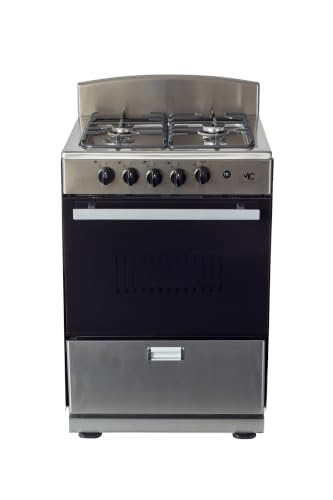
 Avanti Compact Gas Range Oven 24-Inch with 424-Inch25 x 23.5 x 40.75 inches114 poundsCheck on Amazon
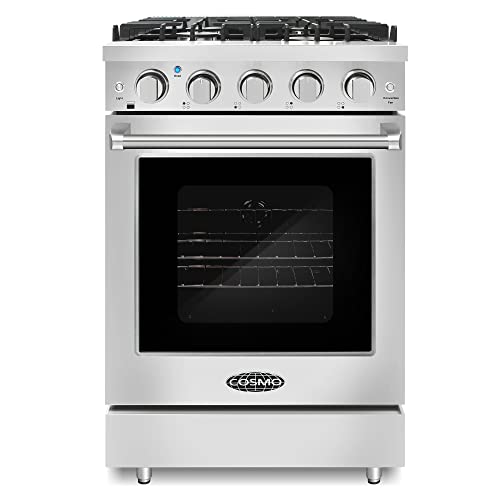
 Loiano 24 Inch Freestanding Electric Range in Stainless23.1 x 23.4 x 37.7 inches144.4 poundsCheck on Amazon


What's inside
- Why the nominal width rarely matches the opening
- Gas, electric, and dual fuel in a compact body
- Burner layouts and what the output figures actually promise
- Oven cavities, racks, and baking in a narrow box
- Reading stainless steel finishes like a materials buyer
- Electrical circuits, gas lines, and the unglamorous requirements
- Clearances, codes, and fitting the appliance safely
- Controls, ignition, and everyday usability
- Matching the range to how the household actually cooks
- Ownership costs that never appear on the product page
- Questions buyers ask before committing
- Bringing the decision down to a shortlist
- Delivery day, doorway widths, and preparing the alcove
- Workflow in a kitchen where two people cannot pass
- Reading warranties and specification sheets with a sceptical eye
- A cleaning rhythm that keeps steel and burners honest
- Scenarios: the rental flat, the garden suite, the keen cook
- Secondhand units, spare parts, and end of life planning
- Check prices on Amazon
- How seasons and household routines change the verdict
As an Amazon Associate I earn from qualifying purchases. This post may contain affiliate links at no extra cost to you.
A twenty four inch range sounds like a simple purchase until the tape measure comes out. In a small kitchen, an apartment galley, or a backyard accessory dwelling unit, that nominal width decides whether drawers open fully, whether a cabinet door swings past the oven handle, and whether the cooktop sits flush with counters on both sides. Stainless steel adds another layer of decisions, because the finish shows fingerprints, reflects light differently across brands, and hides minor scuffs better than glossy enamel in some lights while revealing them mercilessly in others. This guide works through the category slowly, using manufacturer specifications, listing data, and installation documents rather than impressions gathered around a showroom floor.
Shoppers usually arrive here from one of three situations. Some are replacing a worn compact range in a rental flat where the opening between cabinets cannot grow. Others are fitting out a studio, a basement suite, or a garage conversion where every appliance must earn its footprint daily. A third group cooks seriously in a narrow city kitchen and refuses to accept a flimsy cooker simply because the alcove is small. Each situation points toward different priorities, so the sections below separate width tolerance, fuel type, burner layout, oven behaviour, and utility requirements instead of collapsing everything into a single ranking.
Disclosure for compact range shoppers: pages on this site contain links that may earn a commission supporting our research work when a reader buys through them, and that support never changes which specifications get criticised or praised here.
Why the nominal width rarely matches the opening
Manufacturers describe these appliances as twenty four inch models, yet the actual body width in specification sheets commonly lands somewhere between roughly twenty three and a half inches and a fraction beyond twenty four. That spread matters because cabinet openings in older buildings were often framed by eye, settled over decades, or trimmed with filler strips that quietly steal space. A range listed at the wider end of the band can jam against laminate edges, while a narrower body leaves a visible slot where crumbs and splashes collect. Measuring the opening at counter height, at mid height, and near the floor catches walls that lean or cabinets that bow.
Depth deserves equal suspicion. Compact ranges vary in how far the oven door handle projects, how far the back panel bows for gas connections, and whether the cooktop lip overhangs the counter front. In a galley layout, an extra inch of handle projection can bruise hips and snag apron strings every single day. Specification drawings usually publish a depth figure excluding handles and another including them, and comparing the wrong figure against a walkway measurement leads to a kitchen that technically fits but feels hostile.
Height adjustment hides in the levelling legs. Most compact models raise or lower by a modest range so the cooktop can sit level with surrounding worktops, which matters for sliding pans across from a counter and for keeping liquid batters from pooling toward one corner. Floors in converted spaces slope noticeably, especially in basements and older porches turned into kitchens, so leg travel should be checked against the actual fall of the floor rather than assumed adequate. A range that rocks on two diagonal feet will flex its door seal and rattle grates whenever a heavy pot lands.
Anyone still deciding between size classes should read the neighbouring category guides before ordering anything. Households stepping down from a full width cooker sometimes find that a narrower electric model suits a secondary suite better, which is why the guide to best 20 inch electric ranges sits in this collection alongside the wider formats discussed here. Keeping that comparison open prevents the expensive mistake of forcing a twenty four inch appliance into a gap that was always meant for something smaller.
Gas, electric, and dual fuel in a compact body
Gas versions dominate the traditional end of this category. Sealed burners simplify cleanup compared with older open designs, electronic ignition has largely replaced standing pilots, and most models offer a conversion path between natural gas and liquid propane through a kit described in the installation manual. Flame control remains the strongest argument: heat changes the instant the knob moves, pans respond quickly, and cooking continues during a power outage for the burners at least, provided ignition can be lit manually according to the maker guidance. The oven, however, may still depend on electric ignition systems that stop working when the supply fails.
Electric models split into coil, smooth ceramic glass, and induction variants, although induction remains uncommon at this width. Coil elements tolerate heavy cast iron and slightly warped pan bases, replacement parts are inexpensive and widely stocked, and the surface forgives dragging cookware. Smooth tops look calmer in a small room, wipe down quickly after a boil over, and double as extra landing space once cooled, yet they demand flat bottomed pans and punish sugary spills left to bake on. Resistance ovens also heat more evenly for baking in many specification comparisons, because the element arrangement avoids the single bottom burner pattern common in compact gas ovens.
Dual fuel pairs a gas cooktop with an electric oven, pairing responsive burners with steadier baking temperatures. In twenty four inch bodies this combination appears in premium lines aimed at keen cooks in city apartments. The trade offs are practical rather than glamorous: the appliance needs both a gas line and a suitably rated electrical circuit, installation quotes climb, and service technicians for niche brands may be scarce outside large metropolitan areas. For a rental unit maintained by a general handyperson, a single fuel appliance usually survives longer between repairs simply because fewer systems can fail.
Fuel availability should settle the question before features enter the discussion. A cottage without a gas main but with a propane tank faces regulator and jet changes. An apartment board may forbid new gas connections entirely. An accessory unit wired during a recent renovation might already carry a heavy circuit intended for an electric cooker, making the electric route nearly free of extra trades. Listing data occasionally buries fuel type in a specifications tab, so confirming the exact variant matters, because the same model family often sells in both fuels with nearly identical photography.
Burner layouts and what the output figures actually promise
Four burners squeezed across a compact top cannot all accept large pans simultaneously, whatever the brochure photography implies. Typical arrangements place one higher output burner at a front corner, a pair of medium burners diagonally opposed, and a small simmer burner at the rear. Skillet diameter becomes the hidden constraint: a twelve inch frying pan centred on a front burner will overhang the neighbouring grate and block a second pan entirely. Cooks who regularly run two wide pans, perhaps searing while a sauce reduces, should map their actual cookware diameters onto the grate diagram published in many specification sheets.
Burner ratings appear in British thermal units for gas and wattage for electric elements, and headline numbers flatter easily. A rapid burner rated generously still loses much of its heat around the sides of a narrow saucepan, while a modest burner under a wide, heavy griddle delivers more useful energy into food. Pan material, lid use, and kitchen draughts shift real boiling times as much as small rating differences between rival models. Our research therefore treats output figures as a rough hierarchy inside one model line, not as a precise prediction across brands measured under differing lab conventions.
Simmer performance separates thoughtful designs from crude ones. Delicate sauces, melting chocolate, and holding rice at a bare bubble need a burner that stays lit at very low settings without ticking out in a breeze from an open window. Some compact gas ranges achieve this with a dedicated small burner, others with a wide turndown ratio on the main burner, and the specification sheet rarely explains which approach applies. Electric smooth tops cycle their elements on and off at low settings, producing temperature swings that thick pan bases smooth out considerably.
Grate material changes daily handling more than most buyers expect. Heavy cast iron grates feel stable and tolerate sliding pans, but lifting them to clean a spill takes two hands and a clear stretch of counter nearby. Lighter enamelled steel grates come off easily for soaking in a small sink, though they can flex under a full stockpot and chip if dropped on tile. Continuous grates, where one flat surface spans both sides, appear on pricier compact models and help when dragging a Dutch oven between burners without lifting.
Oven cavities, racks, and baking in a narrow box
Capacity figures for compact ovens generally fall somewhere near two cubic feet, give or take several tenths depending on how the maker counts unusable corners. The usable question is simpler: will a standard half sheet pan slide in flat, will a tall Dutch oven fit with its lid on the middle rack, and will a roasting bird clear the top element or burner baffle. Interior width in the specification table answers the first question, while the distance between rack positions answers the rest. Several models advertise generous capacity yet place rack runners so closely that only shallow trays work in practice.
Convection fans appear in many mid priced compact ovens and genuinely help when two trays bake together, circulating air that would otherwise stratify above a single heat source. Fan noise in a studio flat deserves a thought, because the same room holds the sofa and the bed. Some ovens run the fan briefly after shutdown to cool the cavity, a sound that surprises new owners at midnight. Where convection is absent, rotating trays halfway through baking remains the dependable workaround that experienced small oven cooks have used for generations.
Broiler placement divides the category sharply. Gas models may house the broiler inside the main oven or in a separate drawer beneath it, and drawer broilers demand bending fully while pulling a rack toward your shins with heat rolling outward. Electric models usually broil from a top element inside the cavity, which is easier to watch and safer for finishing gratins. Anyone who broils fish weekly should weight this difference heavily, because awkward access discourages use and the feature effectively disappears from daily cooking.
Temperature accuracy in compact ovens varies with sensor placement and door seal quality. A thin seal leaks heat along the top edge, cycling the burner more often and browning one side of a tray faster. Replacement seals are cheap for mainstream brands and nearly unobtainable for obscure imports after a few years, which argues for checking parts availability before purchase. An inexpensive oven thermometer, moved between corners across several bakes, reveals more about a particular unit than any brochure claim about precision thermostats.
Reading stainless steel finishes like a materials buyer
Stainless describes a family of alloys and finishes rather than one surface. Brushed finishes with a visible grain scatter light and disguise fine scratches that accumulate around control knobs, while mirror leaning panels spotlight every wipe mark. Some manufacturers apply a fingerprint resistant coating that changes the colour temperature slightly toward grey; panels from different production runs can mismatch a neighbouring refrigerator bought years earlier. In a small kitchen where appliances sit inches apart, that tonal shift reads clearly under warm evening lighting.
Gauge matters quietly. Thinner door skins dent when a knee or a pan handle knocks them, and the hollow sound when a knuckle taps the panel hints at how much backing material sits behind the steel. Magnetic behaviour offers a rough clue about alloy grade, since many austenitic grades barely hold a magnet while ferritic grades grip firmly, but neither response alone proves durability. More useful checks include hinge solidity, the absence of sharp folded edges along the door sides, and whether the kick plate below the oven is steel or painted plastic imitating it.
Cleaning routines for this finish reward restraint. Warm water with a small amount of mild detergent on a microfibre cloth, wiped along the grain, handles most grease films and dried splashes. Abrasive pads cut across the grain and leave bright scars that catch light permanently, while chlorine based cleaners left sitting can pit the surface in humid coastal air. Vinegar solutions shift water spots left by hard tap water, and drying after wiping prevents fresh spots from forming during the next cooking session. Oven door glass needs separate care, because degreasers safe on steel may cloud printed markings near the controls.
Handles and knobs often decide how old a range looks after five years. Metal knobs age gracefully and can usually be replaced individually, whereas plastic knobs with a metallic coating peel at the grip points where fingers and cleaning cloths concentrate wear. A tubular handle mounted on solid standoffs stays cool enough to grab and gives a towel a secure rail, though it also collects drips running down the door front. Checking whether the handle ends are capped or open tubes matters for hygiene, since open ends trap grime in a way that only a bottle brush reaches.
Electrical circuits, gas lines, and the unglamorous requirements
Electric compact ranges still draw serious current despite their modest size. Many require a dedicated circuit in the forty to fifty amp range with a receptacle positioned low behind the unit, and the exact requirement follows the rating plate rather than general advice found in forums. Older apartments may offer only a shared thirty amp feed installed for a long gone appliance, leaving an upgrade quote from an electrician as part of the true purchase cost. Cord configuration also varies by jurisdiction and by whether the home wiring has three or four conductors, a detail installers ask about before the truck rolls.
Gas installations involve a shutoff valve within reach behind or beside the appliance, a flexible connector of approved type and length, and leak checks at every joint after positioning. Clearance between the connector and sharp cabinet edges prevents chafing as the range slides in and out for cleaning across the years. Propane conversions change orifice sizes and regulator settings, work that belongs to a licensed fitter in most regions, and the converted rating plate should be marked so a future technician does not assume the original fuel. Skipping that paperwork creates a hazard for the next owner who never hears the history.
Readers comparing only electric variants within this width can narrow the field through the dedicated guide to best 24 inch electric ranges, which separates coil, ceramic, and induction adjacent choices in greater depth. That detour is worthwhile because electric installation costs hinge on panel capacity, and a home already near its service limit may need load management devices or a panel upgrade that dwarfs the appliance budget. An electrician can estimate headroom from the main breaker rating and the schedule of existing large loads such as water heaters, dryers, and vehicle chargers.
Ventilation rarely appears in product listings yet shapes how a compact kitchen feels after twenty minutes of searing. A small range under a weak recirculating hood will coat nearby cabinet faces with grease film within months, and stainless fronts show that film as streaky patches. Ducted extraction, even at modest airflow ratings, removes moisture that otherwise condenses on windows in a studio flat during winter. Where ducting is impossible, a splatter screen, lids on frying pans, and a habit of wiping surfaces weekly keep the problem manageable rather than solved.
Clearances, codes, and fitting the appliance safely
Combustible clearances printed in installation manuals specify distances to side walls, overhead cabinets, and unprotected surfaces above the cooktop. Compact kitchens tempt owners to squeeze a range beneath low cupboards installed for a previous, shorter appliance, and that temptation must be refused when the manual demands more headroom. Heat rising from rear burners scorches cabinet undersides slowly, discolouring finishes long before anything ignites, so the clearance protects cabinetry as much as it guards against fire. Metal heat shields can sometimes reduce required distances, but only when the manual explicitly permits that arrangement.
Anti tip brackets are supplied with nearly every freestanding range and too often stay in the parts bag. A child climbing on an open oven door, or an adult leaning on the door while reaching a high shelf, can lever a light compact range forward with frightening ease. The bracket screws into the floor or wall and engages a rear leg, taking minutes to fit during installation and nothing afterwards. Verifying engagement by gently pulling the unit forward after installation confirms the leg actually entered the slot rather than resting beside it.
Flooring under a compact range carries concentrated weight on four small feet. Vinyl planks can indent permanently, soft pine boards may split where a leg lands near a knot, and levelling adjustments change which foot bears the most load. A thin sheet of hardboard or a purpose made appliance mat spreads the weight during positioning and lets the unit slide without gouging. Installers also appreciate a protected path from the door, because a stainless door skin dents when it clips a hallway corner during delivery.
Rural and off mains households approach this category from a different angle, prioritising low electrical demand and propane readiness over electronic features. For that narrower brief, the companion guide to best 24 inch gas ranges for off grid examines models whose ignition and oven systems suit limited power budgets. Even grid connected buyers can borrow one lesson from that research: every electronic convenience, from touch controls to self cleaning cycles, adds a failure mode that a plain knob driven appliance simply does not have.
Controls, ignition, and everyday usability
Front mounted knobs keep controls visible above the cooktop and away from small hands reaching up from below, but they also sit where pan handles swing and where a hip can nudge a setting while turning. Rear control panels stay cleaner and resist accidental knocks, at the cost of reaching across hot burners to adjust the oven. Compact models split between both layouts, and households with young children often prefer rear panels despite the reach, pairing them with backless pans and long handled tools to keep sleeves away from flames.
Push and turn ignition, where the knob must be pressed inward before rotating, frustrates toddlers and some arthritic hands alike. Knob resistance varies widely between brands and receives almost no coverage in specification tables, making showroom handling valuable where possible. Markings matter too: printed legends around knobs fade with cleaning chemicals, while etched or enamel filled legends survive. A quick photograph of the control panel when the appliance is new preserves the original markings for reference years later when the print has worn thin.
Oven controls range from a single thermostat dial to digital pads with timers, delayed starts, and Sabbath modes. Digital boards offer precision and convenience, yet a board failure can disable the entire oven even though the heating elements remain sound. Mechanical thermostats fail more gradually, drifting with age in ways an oven thermometer exposes. For a secondary suite where the range cooks simple meals, mechanical simplicity often outlasts electronic sophistication, while keen bakers in a primary kitchen may accept board risk in exchange for convection control and accurate low temperatures for proofing dough.
Storage drawers beneath compact ovens are shallower than their full size counterparts and sometimes turn out to be mere access panels for the broiler or burner. Where a real drawer exists, it suits flat trays and lids rather than deep pots. Warming functions in that drawer appear on a few models and hold plated food at serving temperature during gatherings, though in a tiny kitchen the drawer more often becomes the only home for a roasting pan used twice a year. Checking the drawer slides for metal rather than plastic runners predicts whether it will still glide after a decade of tray weight.
Matching the range to how the household actually cooks
Breakfast only households, where the cooker boils eggs, toasts under a broiler, and fries on weekends, can prioritise easy cleaning and a dependable oven over burner firepower. A smooth electric top with two strong elements covers that pattern gracefully, and the flat surface earns its keep as extra counter space in a room where counters are measured in inches. Spending more for a rapid gas burner in such a home buys speed that nobody uses, while the open grate design collects dust and crumbs daily.
Households cooking nightly from raw ingredients need the opposite weighting. Burner stability under heavy pans, a simmer setting that behaves, and an oven that fits a family sized casserole matter more than cosmetic finish grades. A cook who cans preserves or brews in a tall stockpot should check the distance from cooktop to overhead cabinet with that exact pot, because compact kitchens often pair low cupboards with ranges bought for them, and a pot that cannot sit on the rear burner forces all large vessel work to the front where splashes land on the cook.
Bakers should interrogate oven specifications hardest. Even heat, a reliable low range for slow roasting, and a door window large enough to judge colour without opening the door all influence results weekly. Steam builds inside small cavities quickly, which helps crusty breads and hinders crisping vegetables, so venting behaviour becomes a real variable rather than trivia. Some compact ovens vent through a rear cooktop slot that warms anything stored behind the burners, a quirk worth knowing before placing oil bottles in that convenient looking gap.
Some kitchens solve capacity by splitting functions, pairing a compact cooktop or range with a separate wall oven placed at eye level. Readers planning that layout will find dimensions and cavity comparisons in the guide to best 24 inch wall ovens, which covers built in units matching this same width family. The split arrangement costs more in cabinetry and trades, but it removes the bending involved in lifting heavy roasts from a low cavity and lets two cooks work without negotiating around a single oven door.
Ownership costs that never appear on the product page
Parts availability decides whether a midlife fault becomes a repair or a replacement. Igniters, thermostats, door seals, and surface elements fail on predictable schedules, and mainstream manufacturers stock these items for many years through multiple distributors. Boutique imports sometimes require ordering a control board from overseas with weeks of delay, during which a small household loses its only oven. Searching a parts catalogue for the exact model number before buying reveals whether common components carry sensible availability notes or perpetual back order warnings.
Energy running costs differ modestly between fuels at this scale, but standby consumption surprises owners of models with clocks, touch panels, and electronic ignition modules that sip power continuously. In an off grid or low consumption household that sip matters; in a city apartment it amounts to a trivial monthly figure. Gas ovens lose more heat through venting than insulated electric cavities, while electric elements convert nearly all drawn energy into heat inside the box. Local tariffs swing the comparison either way, so generic claims about one fuel being cheaper deserve scepticism until checked against household bills.
Cleaning labour is an ownership cost paid in evenings. Sealed gas burners with removable caps break down into a handful of parts that fit a small sink, while intricate burner assemblies with tiny screws discourage deep cleaning until performance visibly suffers. Self cleaning oven cycles, where fitted, consume significant energy and heat the whole room, a genuine burden in a studio during summer. Pyrolytic enamel and steam clean liners soften that burden but still need ash or residue wiped out afterwards, so the feature should be valued realistically rather than as magic.
Resale and tenancy considerations close the loop for landlords fitting compact units into rental properties. Stainless fronts photograph well in listings and signal a cared for kitchen, yet tenants clean them with whatever spray sits under the sink, including products that dull coated finishes. A plain, uncoated brushed finish tolerates that abuse better than delicate fingerprint resistant treatments. Standardising on one model across several units also simplifies spare parts, instruction sheets left in drawers, and the knowledge a maintenance worker builds about a particular ignition system.
Questions buyers ask before committing
Will a compact stainless range hold a turkey or a large roast?
Most cavities in this class accept a moderate bird or a joint on a low rack once the upper racks come out, but the door frame and the broiler element set hard limits that capacity figures hide. Measuring the tallest roasting pan you own, with its contents allowance, against the published interior height gives a dependable answer. Pans with high loop handles lose usable clearance quickly, so low profile roasters earn their place in small oven households.
Does stainless steel need special pans or utensils?
The finish affects the exterior and the cooktop surround rather than the cooking surface itself, except on models where the top is also steel around the burners. Metal utensils can scratch that surround when used carelessly around a pan, and steel wool should stay away from it entirely. Cookware choice follows the heat source: flat bases for smooth electric tops, sturdy bases that will not warp and rock on gas grates, and magnetic bases only where induction appears.
How long should a range at this size realistically last?
Service life depends on component quality and repair access more than on the calendar. A simply built gas model with available igniters and seals can serve through many years of daily cooking, while an electronics heavy model may end its life when a discontinued board fails. Treating door hinges gently, keeping burner ports clean, and fixing small faults early all extend the span meaningfully regardless of brand tier.
Can one person install a compact range alone?
Weight alone argues against solo work, since even compact units are awkward, top heavy boxes with sharp underside edges. Gas and electrical connections each carry their own safety requirements, and several jurisdictions reserve that work for licensed trades regardless of homeowner skill. Two people for positioning plus qualified connection work is the prudent pattern, and the cost belongs in the purchase budget from the start rather than emerging as a surprise.
Bringing the decision down to a shortlist
Start by measuring the opening three times and writing down the smallest figure, then filter every candidate against true body width, handle depth, and leg adjustment range. Settle the fuel question from the building supply outward, not from preference inward, because connection costs can reorder the entire shortlist overnight. Rank burner layout against the pans actually owned, oven geometry against the dishes cooked monthly, and finish grade against the cleaning products realistically used in that home. Check parts availability for the final two or three candidates, read their installation manuals fully, and only then compare headline features that brochures push hardest.
A compact stainless range will never offer the sprawling surface of a full width cooker, and pretending otherwise leads buyers toward frustration with a perfectly sound appliance. Judged on its own terms, though, the right model boils, roasts, bakes, and broils for years inside a footprint that leaves room for a dishwasher, a recycling bin, or simply a second person moving around the sink. The kitchens that work best with these ranges belong to owners who measured honestly, chose fuel pragmatically, and accepted one or two compromises consciously instead of discovering them after delivery day.
Delivery day, doorway widths, and preparing the alcove
Compact describes the installed footprint, not the journey through the building. Stairwell turns in older apartment blocks, narrow cottage doorways with low lintels, and tight corners between hallway and kitchen defeat many deliveries that looked straightforward on paper. Measuring the narrowest point along the whole route, including door frames with their stops fitted and any handrail that projects into the stairwell, prevents the humiliating discovery that a range fits the kitchen but cannot reach it. Delivery crews appreciate knowing about steps, gravel paths, and soft ground beforehand, because a wheeled dolly behaves very differently on wet grass than on a paved drive.
Packaging adds several inches in every direction, and some suppliers refuse to unbox appliances outside the threshold in poor weather. Asking in advance where unboxing happens, who removes the old unit, and whether the crew will level the new one saves arguments on the day. Photograph the alcove before removal of the old cooker, including the gas union, the receptacle position, and the floor condition, so any dispute about pre existing damage has evidence. Keep the manual, the conversion kit, and any spare jets in a labelled envelope taped inside a nearby drawer, where a future technician will actually find them.
Preparing the space the night before speeds everything. Clear the counters flanking the opening, empty the drawers that the installers may need to open for access panels, and move pets into a closed room away from propped doors. Shutoff valves should be located and gently exercised before the appointment, because a valve seized after twenty idle years can turn a one hour swap into a plumbing job. A bucket, old towels, and a torch cost nothing to stage and repeatedly prove useful when a connector weeps or a screw rolls beneath the cabinet plinth.
Workflow in a kitchen where two people cannot pass
Small kitchens punish appliances that demand wide door swings or deep bending at busy moments. An oven door opened downward becomes a temporary shelf that blocks the entire walkway, so plating up often happens on a board balanced over the sink or on a folding table in the next room. Ranges with doors that feel balanced through their travel, neither dropping heavily nor springing upward, reduce burns and spills in these tight choreography conditions. Hinge damping rarely appears in listings, yet owners notice it every single day.
Storage planning around a compact cooker deserves deliberate thought. Pots used daily should live within one step of the burners, while rarely used roasting tins can migrate to a high shelf or under a bed in a studio flat. Heat sensitive items such as oils, spices, and wooden boards should not occupy the cabinet directly beside the oven wall, which warms noticeably during long roasts. The slim gap between range and counter, if one exists, suits a narrow pull out rack for trays stored vertically, turning a crumb trap into useful capacity.
Lighting changes how stainless behaves in daily life. Under a cool white bulb the finish reads bluish and shows water marks starkly; under warm evening lamps it glows and forgives minor smudges. North facing cottages with flat daylight reveal streaks left by rushed wiping more clearly than artificially lit interior apartments do. None of this alters cooking performance, but buyers who care about the calm look of a small room should view the finish under lighting resembling their own rather than under showroom spots designed to flatter every surface.
Reading warranties and specification sheets with a sceptical eye
Warranty documents for compact ranges often split coverage by component, with longer promises on sealed systems or cooktop surfaces and shorter terms on electronics, igniters, and cosmetic panels. Labour may be covered for a shorter period than parts, leaving owners paying call out fees for a component supplied free. Registration deadlines sometimes shorten the term when missed, a clause buried in paperwork that many buyers never open. Photographing the rating plate, storing the receipt digitally, and noting the serial number in a household file takes ten minutes and removes friction from any later claim.
Specification sheets reward slow reading because footnotes carry the qualifications. Capacity may be quoted to a standard that counts space a rack cannot occupy, burner output may be stated for a fuel the local variant does not use, and width may exclude a trim kit sold separately. Cross checking the sheet against the installation manual for the same model exposes most of these gaps, since the manual must give fitters honest dimensions. Where the two documents disagree, trust the manual and ask the retailer to confirm in writing before the order ships.
Reviews and listing summaries should be mined for recurring mechanical themes rather than star shaped verdicts. Repeated mentions of a door that runs hot, a fan that drones, or knobs that loosen point toward design traits, while isolated complaints about delivery damage say more about logistics than engineering. Our research weighs patterns across many owner reports alongside the documents, looking for the faults that appear in different homes, under different installers, across several years of production.
A cleaning rhythm that keeps steel and burners honest
Daily habits matter more than heroic monthly scrubbing. Wiping the cooktop surround once it cools, lifting loose crumbs from grate edges, and drying the door front after steamy cooking prevents the layered film that later demands strong chemicals. Burner caps on gas models should sit fully dry before refitting, because trapped moisture under a cap can disturb the flame pattern and leave yellow tips that soot pan bases. Ports clogged by boil overs clear with a wooden cocktail stick, never a metal pin that can enlarge the opening and distort the flame permanently.
Monthly attention goes to the places eyes skip. The oven door seal collects grease and crumbs along its lower fold, the kick plate hides dust and pet hair against the floor, and the gap behind the backguard gathers a surprising quantity of splatter. Pulling the range forward twice a year, after shutting off supplies safely, reveals dropped utensils, mouse evidence in rural homes, and the condition of the flexible connector and power cord. That inspection also lets the floor beneath be cleaned before sticky residue hardens into a permanent outline of the appliance.
Interior oven care depends on the lining type. Plain enamel wipes down with a paste of bicarbonate of soda left overnight on baked patches, while catalytic liners burn off splashes gradually during high heat cooking and should never be scoured. Glass door panels on many models unclip or unscrew for cleaning between panes, a job worth doing when condensation streaks appear inside, following the manual sequence exactly so the seals reseat correctly. Racks soak flat in a bathtub lined with an old towel when the kitchen sink is too small, which in compact homes is most of the time.
Scenarios: the rental flat, the garden suite, the keen cook
Consider a landlord refitting a one bedroom flat between tenancies. The opening measures just under the nominal width, the gas supply exists but the flue arrangement is old, and the property must photograph brightly for listings while surviving tenants who never read manuals. A simple gas model with sealed burners, an uncoated brushed finish, mechanical controls, and widely stocked igniters fits that brief far better than a feature laden import. The landlord also leaves a laminated card in a drawer explaining ignition, grill operation, and which cleaner the finish tolerates, reducing midnight calls about a cooker that was never broken.
Now picture a garden suite built for a parent who cooks twice daily and entertains grandchildren on Sundays. Counter height seating nearby means the oven door swing and handle temperature matter for small visitors, while the cook values a stable simmer for soups and an oven that fits the family casserole carried from the main house. An electric model with a smooth top doubles as serving space during gatherings, removes combustion moisture from a small sealed building, and pairs naturally with the solar array already on the roof. The deciding factor was not fashion but the absence of a gas supply along the garden route.
Finally, take the keen cook in a narrow city terrace who makes bread weekly and hosts six people monthly. Here dual fuel earns its complexity, offering flame control for the stovetop reductions and a fan assisted electric oven for even loaves, provided the budget stretches to both connections. That cook also measures the largest sheet tray against the cavity, checks the broiler arrangement for finishing vegetables, and accepts a longer wait for parts in exchange for the cooking behaviour wanted. The same appliance would be a poor choice for the landlord above, which is precisely why context outranks any universal recommendation.
Secondhand units, spare parts, and end of life planning
Used compact ranges circulate widely because renovations free them while they still work. Buying secondhand can suit a workshop kitchen or a temporary let, but the checks multiply: burner flames should burn blue and even, the oven should reach temperature without tripping anything, the door should seal along every edge, and the rating plate must match the fuel available at the new home. Missing racks, warped grates, and perished seals are negotiable faults with known prices, whereas a cracked smooth top or a dead control board usually ends the bargain arithmetic immediately.
Disposal of the old appliance carries obligations that vary by locality, from refrigerant free but metal rich recycling streams to retailer take back schemes arranged at purchase. Gas units must be disconnected properly rather than simply cut away, and the supply capped by a qualified person even when a replacement arrives the same day. Keeping the doorway route clear for removal matters as much as for delivery, since the departing unit is often grimier, heavier with accumulated grease, and missing the packaging handles that made the new one manageable.
Long term owners can soften future costs by buying a spare igniter or a replacement seal while the model is current, storing them labelled with the purchase date. Manufacturers discontinue small parts without announcement, and a modest drawer of spares has saved many households from replacing an otherwise sound cooker over a minor component. Recording which local technician handled the installation, and keeping their details with the manual envelope, shortens every future repair conversation because that person already knows the quirks of the building supply.
Check prices on Amazon
Live listings for the shortlist in this guide are pulled from Amazon below, so prices and availability are always current at the moment you look.


How seasons and household routines change the verdict
Winter cooking leans on the oven for hours at a time, warming a small home pleasantly while testing door seals and thermostat behaviour under sustained load. Summer cooking shifts toward the cooktop, salads, and quick sears, where a hot oven becomes a liability in a studio that cannot shed heat overnight. Households in warm climates often favour models whose ovens insulate well and whose burners light reliably after humid weeks, while northern owners care more about how the appliance behaves during long, slow braises on dark afternoons. Neither perspective shows up in headline specifications, yet both shape satisfaction across the years.
Holiday gatherings stress a compact range in ways ordinary Tuesdays never do. Four burners fill, the oven cycles between dishes, and someone inevitably needs counter space exactly where a hot pan wants to land. Planning the menu around one oven bound centrepiece, with sides that tolerate resting or reheating in sequence, turns the small cavity from a bottleneck into a scheduling puzzle that experienced hosts solve calmly. A folding stand beside the range, a tray for finished items, and a written running order taped inside a cupboard door all help more than wishing the appliance were wider.
Households with shift workers or light sleepers should think about sound. Cooling fans, relay clicks from cycling electric elements, and the tick of expanding metal during heat up carry through thin partition walls in converted buildings. Gas burners run almost silently apart from ignition clicks, while some convection ovens hum at a pitch that certain listeners find wearing across an evening. Owner reports mention noise far more often than brochures do, so scanning those accounts for repeated comments about fans is worthwhile detective work before committing.
Accessibility deserves a final mention, because compact kitchens frequently serve older cooks or anyone using a seated position at the counter. Controls that can be read without bending, knobs with a pronounced grip shape, oven doors that open without a strong pull, and a broiler located inside the main cavity rather than in a low drawer all reduce strain and risk. Levelling the cooktop carefully also keeps pan handles from slowly rotating toward the walkway on a sloped surface, a small hazard that grows tiresome and dangerous over time. Choosing with these details in mind produces a kitchen that remains usable as the household changes, instead of one fitted narrowly to the people who happened to sign the order form.
One more practical habit separates satisfied owners from frustrated ones: keeping a short log during the first month of use. Note which burner boils the usual kettle fastest, where the oven runs hot or cool against a thermometer, how long the fan continues after shutdown, and whether any knob marking confuses guests. That humble notebook page, tucked beside the manual envelope, turns vague impressions into evidence when a warranty conversation or a parts order arrives later. It also teaches the household the individual character of their particular unit, because two ranges from the same production line can behave slightly differently once installed in different rooms, on different supplies, behind different doors. Cooks who learn those quirks early stop blaming recipes for results that were really about a cool rear corner or a fierce front burner, and they adjust placement, timing, and rack choice with confidence instead of guesswork. Visitors benefit as well, since a host who knows the cooker can explain its habits in one sentence rather than hovering anxiously while someone else prepares breakfast. Over years, that familiarity becomes the real luxury in a compact kitchen: not extra width, not novelty features, but an appliance whose behaviour is understood so thoroughly that cooking feels unhurried even when the room is small and the schedule is not.
Budget planning for this purchase should hold a small reserve beyond the ticket and the connection work. A longer flexible connector than expected, a replacement receptacle, a floor protector, a trim strip to close a side gap neatly, or a return visit to adjust levelling after the unit settles can each add a modest charge that feels irritating only because nobody forecast it. Keeping that reserve also changes the shopping conversation in a healthy way, because the buyer stops stretching for a higher tier model with money that the installation will quietly claim anyway. A mid tier range fitted correctly, levelled carefully, vented thoughtfully, and understood thoroughly will outperform a flagship model wedged into an unprepared alcove on every measure that matters at dinner time, from level cakes to pans that sit flat and doors that close with a clean, even seal.
Keep the delivery paperwork, the fitter contact card, and a note of the exact fuel configuration together, because that small bundle will answer nearly every question the appliance raises during its first year.
When the last tape measurement is written down and the fuel line question is settled, a small stainless range stops being a compromise and becomes the quiet centre of a kitchen that finally fits its cooks.