Our Top Picks
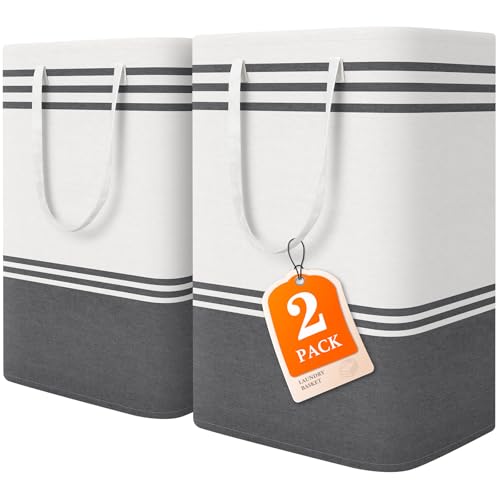
 Sadstory 70 L Large Plastic Bushel Laundry HamperLarge19.3 x 18.7 x 16.14 inches12.76 poundsCheck on Amazon
 FillTouch Canvas Laundry Basket12.5 x 12.5 x 10 inches12.2 x 12.2 x 10 inches0.44 poundsCheck on Amazon


What's inside
- Why bedding and towels defeat ordinary laundry baskets
- Capacity, explained in bushels and litres
- Measuring your own laundry before choosing
- Lids: when they help and when they hinder
- Sorting sections and dividers
- Handles and the physics of carrying wet linen
- Folding frames and collapsible designs
- Ventilation: keeping damp linen from turning musty
- Materials compared for bedding duty
- Where the basket lives: placement by room
- Liners, bags, and keeping the basket itself clean
- A buying checklist grounded in the specifications
- Common mistakes when sizing up
- Questions households ask about big laundry baskets
- Sorting bedding by wash programme, not just by colour
- Small homes, shared houses, and awkward spaces
- Children, guests, and pets: the loads nobody plans
- Durability: what wears out and what it looks like
- A worked example: sizing for one household, step by step
- Seasonal shifts in bedding laundry
- Basket, hamper, sorter: clearing up the vocabulary
- Odour management beyond ventilation
- Accessibility: baskets that respect the carrier’s body
- The wash-day workflow, from basket to machine and back
- Renters, movers, and baskets that travel well
- Two-basket systems and other arrangements worth copying
- Check prices on Amazon
- Closing thoughts on a container that earns its floor space
As an Amazon Associate I earn from qualifying purchases. This post may contain affiliate links at no extra cost to you.
Full openness at the outset: this guide is reader supported, which means certain links here are affiliate links and a purchase made through one may return a small payment to the publisher at no added cost to the buyer. That support funds the specification comparisons and household arithmetic set out below.
Why bedding and towels defeat ordinary laundry baskets
A basket that handles a week of shirts and socks can fail completely on wash day for bedding. A single duvet cover, left uncompressed, can fill a modest hamper on its own. Bath towels arrive thick, heavy, and often damp, and they keep growing in bulk as they absorb moisture from the air of a steamy bathroom. Sheets add a different problem: they are light but slippery, sliding off a neat pile and trailing over the rim like escaping ribbons.
Households that wash bedding on a weekly rhythm therefore need a container judged by different standards from the bedroom clothes hamper. Volume comes first, but shape matters nearly as much. A wide mouth accepts a bundled sheet set without wrestling; a tall, narrow tube forces the same load into a compressed plug that traps damp air in its centre. Weight matters too, because a basket full of wet towels is a genuinely heavy object to carry down stairs.
This guide works through the specifications that decide whether a large laundry basket suits sheets and towels: capacity quoted in bushels and litres, lids, sorting sections, handles, folding frames, and the ventilation that keeps damp linen from turning musty before wash day arrives.
Capacity, explained in bushels and litres
Manufacturers describe basket size in two overlapping languages. Litres give a precise volume and appear on most modern product listings. Bushels, an older dry measure still common in laundry goods, describe the same space in rounder terms: one bushel equals roughly thirty-five litres. A basket rated at one and a half bushels therefore holds about fifty-three litres, while a two-bushel model reaches roughly seventy litres.
Neither number tells the whole story, because stated capacity is usually measured to the brim. Usable capacity ends lower, at the point where a lid still closes or where the load stops spilling during a carry. A prudent shopper mentally discounts the headline figure by about a fifth and judges the basket by what fits beneath that practical fill line.
Shape distorts capacity further. Two baskets with identical litre ratings can accept very different loads if one is a deep cylinder and the other a broad rectangle. Long items such as folded duvet covers and bath sheets favour width; a broad basket swallows them flat, while a narrow one demands rolling or folding that wastes space and time.
Translating capacity into real loads
Abstract litres become useful when converted into the loads a household actually washes. A full set of bedding for one bed, meaning a fitted sheet, a flat sheet, a duvet cover, and two pillowcases, occupies roughly fifteen to twenty litres when dropped in loosely rather than folded. A large bath towel, similarly dropped rather than folded, takes about four to six litres, and a hand towel perhaps a third of that.
On those figures, a fifty-litre basket holds about two full bedding sets, or one set plus a family’s towels for several days, with room to spare beneath the fill line. A seventy-litre model stretches to three bedding sets, which suits a household that strips every bed on the same morning. These are planning estimates, not promises; thick winter flannel and oversized bath sheets push every figure upward.
Measuring your own laundry before choosing
The most reliable sizing tool in the house is the load itself. On the next bedding wash day, gather everything destined for the machine into a pile before it goes in: every sheet, case, cover, and towel. Note how many distinct items the pile holds and how high it stands in your current basket. If it overflows a forty-litre hamper, the replacement should start its search at sixty litres and look upward.
Households differ in rhythm as much as in size. A couple changing one bed weekly generates a modest, predictable flow. A family with children, guests, and a dog that sleeps where it should not produces bedding laundry in surges. Surge patterns favour one large basket that can absorb a whole strip-the-beds morning; steady patterns can manage with a smaller container emptied more often.
Also consider where full baskets must travel. A seventy-litre basket of damp towels may weigh well over ten kilograms, and carrying it from an upstairs bathroom to a ground-floor utility room is a different task from sliding it across a hallway. Honest sizing weighs the carrier as well as the container: sometimes two medium baskets, each manageable, serve a household better than one giant that nobody wants to lift.
Lids: when they help and when they hinder
A lid earns its place in shared or visible spaces. It hides rumpled bedding from view in a guest room, keeps household pets out of clean-smelling linen waiting for the wash, and slows the escape of musty odours from damp towels into a bedroom. In a hallway or landing where the basket sits in public view, a lidded model simply looks tidier.
The same lid becomes an obstacle in a fast-moving family bathroom. One hand holds a dripping towel while the other must lift, flip, or slide a cover, and a lid that needs two hands soon ends up propped permanently open or removed entirely. Hinged lids that stay upright once lifted, and lids with a drop slot for small items, soften that friction considerably.
Ventilation interacts with the lid decision. A tightly sealed lid over damp towels creates exactly the still, humid pocket where mildew thrives. Lidded baskets intended for wet loads should have perforations, a gap at the hinge, or a fabric construction that breathes through its walls. A solid lid on a solid plastic tub is a combination best reserved for dry laundry only.
Types of lid commonly offered
- Loose lift-off lids are simple and cheap, but they need a parking spot every time the basket is loaded, and they are the first part to crack when dropped.
- Hinged lids stay attached and open one-handed; the hinge itself is the wear point to inspect before buying.
- Split or double-flap lids serve two-compartment sorters, letting each side open independently.
- Drawstring fabric closures on soft baskets cinch shut for carrying and open fully for loading, though they offer little odour control.
- Open-top designs skip the lid question entirely and maximise airflow, at the cost of showing their contents to the room.
Sorting sections and dividers
Bedding laundry sorts less by colour than clothing does, yet dividers still prove useful. One section can hold the white towels that take a hot wash while the other collects coloured sheets bound for a cooler cycle. Households that wash a delicate wool blanket or a set of linen sheets separately from the cotton bulk benefit from keeping those pieces apart from the moment they leave the bed.
Removable dividers offer the best of both arrangements. With the divider in place, the basket behaves as two smaller compartments for the weekly routine. Pulled out, the full volume returns for the monthly duvet wash or the post-holiday mountain of guest bedding. Fixed dividers commit the basket to one pattern forever, which suits households whose rhythm never changes.
Some designs replace a divider with two or three removable inner bags. Each bag lifts out and travels to the machine independently, which spreads the carrying weight and lets one load start while the rest stays sorted. The bags themselves need washing occasionally, since they absorb the same damp and odour as their contents.
For households whose main sorting problem involves wet towels specifically, the companion guide best laundry basket for wet towels goes deeper on that single use case.
Handles and the physics of carrying wet linen
Dry bedding is bulky but light; wet towels are neither. Water held in cotton terry can double or triple a towel’s dry weight, and a basket loaded after baths and showers concentrates that weight in one awkward package. Handles decide whether the trip to the machine is a routine carry or a wrestling match.
Cut-out handles moulded into plastic baskets work well for short, level trips. Their weakness appears on stairs, where the load tilts and the rigid grip forces the wrist into an angle that tires quickly. Rope or fabric handles flex with the load and hang more naturally at the carrier’s side, though they must be stitched or knotted strongly enough to trust with a full wet load.
Two handles, one on each side, suit a straight lift into a car or up a single step. A single long handle or shoulder strap suits distance, letting the basket hang while the other hand opens doors and gates. Some large models add wheels or a rolling base, which transforms the task on one level and becomes dead weight the moment stairs intervene.
What to check about handles before buying
- Attachment strength: handles riveted, stitched through doubled fabric, or moulded as one piece with the body outlast handles glued or clipped on.
- Grip comfort: a narrow edge that cuts into fingers under a twelve-kilogram load will be avoided, and an avoided basket fails its purpose.
- Position: handles set slightly above the basket’s centre of gravity keep the load from tipping as it is lifted.
- Replacement and repair: rope handles can be re-knotted or swapped at home; a cracked moulded handle usually ends the basket’s useful life.
A simple in-shop trial helps: load the display basket with anything heavy at hand, lift it, and walk a few paces. Wrist strain, finger bite, and tipping all announce themselves within seconds, long before the same flaws could sour months of weekly carries at home.
Folding frames and collapsible designs
Space in many homes is borrowed rather than owned, and a large basket that folds away between wash days earns its keep in a small flat or a shared house. X-frame designs, borrowed from camp furniture, support a fabric bag on crossed legs and collapse flat enough to slide behind a door or beside the washing machine. Pop-up spiral frames spring open for use and twist down into a disc for storage.
Folding mechanisms trade rigidity for convenience. A framed fabric basket flexes as it is carried, which is harmless for sheets but can let a heavy wet load sag and shift. Frames with a solid base board or a reinforced rim hold their shape better under towel weight. The joints and hinges of any folding design deserve scrutiny, since they flex thousands of times across the product’s life and are usually where failure begins.
Collapsible rigid baskets, made from plastic panels joined by flexible hinges, occupy a middle path. They stand firmly when open, carry a full load without sagging, and flatten to a fraction of their height when the laundry is done. Their panel joints can pinch fingers and trap grit, so a quick rinse and a shake before folding keeps the mechanism moving freely.
When folding matters most
Guest rooms, holiday lets, and student housing all share a pattern: intense laundry activity on changeover day, then none for a week. A folding basket serves the surge and disappears for the interval. In a dedicated utility room with permanent floor space, by contrast, a rigid basket that never folds is simpler, stronger, and usually cheaper for the same volume. Matching the mechanism to the rhythm of the household matters more than the novelty of the fold itself.
Ventilation: keeping damp linen from turning musty
A towel used once is not dirty in any urgent sense, but it is wet, and wet cotton stored in still air develops a sour smell with remarkable speed. Bacteria and mildew feed on the moisture and on traces of soap and skin oil left in the fibres. Once that odour sets into a pile of towels and sheets, a normal wash may not fully clear it, and the whole load emerges technically clean yet faintly stale.
Ventilation is the basket’s defence. Holes, slots, mesh panels, and woven walls all let air move through the load, drying the outer layers and slowing microbial growth. The difference between a perforated basket and a sealed tub becomes obvious within two days of storing post-bath towels in a warm bathroom.
Placement supports whatever airflow the basket’s design allows. A ventilated basket wedged into a sealed cupboard gains little; the same basket standing in a room with ordinary air movement performs as intended. Where possible, leave a hand’s width of space around the basket rather than pressing it against a wall, especially on the side facing the room’s air current.
Habits that matter as much as holes
Even the airiest basket cannot rescue a towel that arrives soaking and tightly balled. Shaking a towel out and dropping it in loosely, rather than screwing it into a knot, doubles the surface exposed to air. Spreading a very wet item over the basket’s rim for a few hours before dropping it in helps further, though it trades tidiness for freshness.
Wash rhythm completes the system. Ventilation buys time, roughly a few days in a warm room, but it does not grant indefinite storage. Bedding and towels that wait a week between washes should wait in the most open basket available, and anything that already smells sour when it goes in will smell worse when it comes out, whatever the container.
Readers choosing the towels themselves, rather than their storage, may find best 100 turkish cotton bath towels and best 800 gsm towels useful companions to this guide.
Materials compared for bedding duty
Woven wicker and rattan bring airflow, light weight, and a look that suits bedrooms. Their weaknesses are snagging and cleaning: a rough strand can pull a thread on a fine sheet, and woven crevices hold dust and lint that resist a quick wipe. A removable fabric liner solves both problems at once and can be washed with the load it carried.
Moulded plastic is the workhorse material. It wipes clean, shrugs off water, and costs little for its volume. Perforated versions ventilate well; solid versions suit dry storage only. Cheap thin plastic flexes and eventually cracks at the rim and handle points, so wall thickness and a slight springy give, rather than brittle hardness, are good signs at the shelf.
Fabric baskets in cotton canvas, polyester, or felt are light, quiet, and kind to door frames when carried through a house. They rely on a frame or stiffened rim to hold their shape, and they absorb odours over time unless the fabric itself can be washed. For damp towel duty, synthetic fabrics dry faster and resist mildew better than natural canvas.
Metal mesh and wire frames offer the strongest airflow of any construction and carry heavy wet loads without complaint. Their open structure shows contents plainly, which some households like for a utility room and dislike for a bedroom. Wire ends and welds should feel smooth; a sharp point will find the best sheet in the house with unerring accuracy.
Bamboo and other laminated woods sit between wicker and plastic in character: structured, reasonably light, and attractive, but unhappy about prolonged soaking. A bamboo basket used for damp towels should stand where it can dry between loads, and its slats benefit from an occasional wipe with a dry cloth.
Where the basket lives: placement by room
In a bathroom, the basket competes for floor space with everything else and breathes the dampest air in the house. A tall, narrow footprint often fits beside a vanity or between a tub and a wall, and strong ventilation matters more here than anywhere. Materials that tolerate splashes, meaning plastic, metal, or synthetic fabric, outlast wicker and bamboo in this room.
In a bedroom, looks and lids rise in importance. Bedding stripped in the morning can wait in a lidded wicker or fabric basket that reads as furniture rather than equipment. Air is drier than in a bathroom, so the mustiness clock runs slower, and a weekly wash rhythm rarely troubles even a modestly ventilated design.
Utility rooms and laundries reward pure function. Large rigid baskets, sorters with several sections, and rolling models all make sense where the machine is steps away and nobody minds seeing the load. This is also the natural home for the biggest capacities, since the full basket travels the shortest distance.
Hallways and landings are compromise locations: visible enough to want a lid, trafficked enough to need a footprint that does not trip anyone at night. A basket that lives on a landing should be stable when brushed by a passing hip, which favours a low, broad shape over a tall, narrow one.
Doorways, stairs, and other carrying realities
Before settling on the largest model, walk the route it will travel when full. Measure the narrowest doorway, note any tight turn at the top of the stairs, and consider whether the basket passes through one-handed while the other hand holds a rail. A basket that fits its room but not its route will be half-emptied at the stairs every week, which quietly defeats the point of its capacity.
Liners, bags, and keeping the basket itself clean
A removable liner extends a basket’s life and simplifies its hygiene. The liner catches lint, hair, and the damp that would otherwise soak into wicker or canvas, and it goes into the wash alongside its contents. Households with several baskets sometimes keep a spare liner so a clean one drops in immediately while the used one is in the machine.
The basket body still needs attention. Plastic and metal tolerate a wipe with a damp cloth and a mild cleaner, then air drying before the next load. Wicker wants a soft brush and an occasional vacuum along its weave. Fabric bodies that cannot be washed benefit from time in fresh air and sunlight, which discourages the odours that accumulate in fibres.
Mildew spots, once visible on a basket, call for prompt action: a thorough clean, complete drying, and a review of where the basket stands, because the spot is a symptom of still, damp air as much as of the container itself. Moving the basket a metre can accomplish what repeated cleaning cannot.
One way to lighten the basket’s burden is to choose towels that give up moisture quickly in the first place; best absorbent and quick drying bath towels covers towels selected for exactly that balance of absorbency and fast drying.
A buying checklist grounded in the specifications
Listings for laundry baskets lean heavily on lifestyle photography, which shows a basket beside a plant and reveals nothing about its working life. The specifications below decide daily satisfaction, and most appear in the product details for a buyer who knows to look.
- Capacity in litres, with dimensions: convert bushels at roughly thirty-five litres each, then compare the footprint and height against the space and doorways at home.
- Usable depth: a basket much deeper than an arm’s comfortable reach turns retrieving the last sheet into a lean-and-grope exercise.
- Ventilation area: count the openings honestly; a decorative row of holes near the rim does little for a damp towel at the bottom.
- Handle construction and stated weight limit: wet loads are the true test, and a maker willing to state a limit in kilograms is offering useful information.
- Lid action: hinged, slotted, or split lids should open with one hand and stay open without being held.
- Liner included and washable: a liner that cannot itself be washed merely relocates the hygiene problem.
- Folding mechanism, if any: check what the collapsed size actually is, and whether the frame locks open so it cannot fold mid-carry.
Price spreads in this category mostly buy materials and finish rather than function. A well-chosen plastic or fabric basket at a modest price will outperform a handsome wicker piece whose weave snags sheets and whose lid seals in damp. Spend first on capacity that matches the load, ventilation that matches the towels, and handles that match the carrier.
Common mistakes when sizing up
Buying by photograph is the most frequent error: a basket that looks generous beside a staged single towel may hold one bedding set and nothing more. Checking litres against the load arithmetic from earlier in this guide takes a minute and prevents the commonest disappointment.
Ignoring the wet weight comes second. Households size a basket for the dry pile, then discover that the same volume of damp towels is a load nobody wants to carry up from a basement laundry. If the route involves stairs, sizing down and making two trips willingly beats dreading one heavy trip.
A third mistake is sealing damp laundry away for the sake of tidiness: a beautiful lidded, unventilated basket in a warm bathroom manufactures musty towels with industrial reliability. Tidiness that costs freshness is a poor bargain, and the fix is airflow, not fragrance sprays or scented liners, which mask odour while mildew continues underneath.
Finally, many buyers forget the washing machine’s own capacity. A basket far larger than the drum encourages overloading the machine, and an overloaded drum washes bedding poorly, rinses worse, and leaves the thick folds of a duvet cover still soapy. The basket and the machine should be sized as a pair, with the basket holding roughly one full machine load, or two at most for households that run back-to-back cycles.
Questions households ask about big laundry baskets
How many litres does a family of four need? For bedding plus towels on a twice-weekly rhythm, sixty to seventy litres serves most such households. Families washing daily in smaller loads can drop to forty-five litres and gain a basket that is easier to carry.
Is a bushel the same everywhere? The bushel used in laundry goods follows the United States dry measure of about thirty-five litres. Listings occasionally round loosely, so treat a bushel figure as approximate and prefer the litre figure or the physical dimensions when both are given.
Can one basket serve both dry clothes and damp towels? Yes, provided it ventilates well and the damp items sit on top rather than buried under dry clothing. Households that find odours transferring should separate the two streams, even if that means a small open basket for towels beside the main hamper.
Do wheels help? On a single level with hard floors, a rolling base turns a heavy load into an easy pull. With carpets, thresholds, or stairs, wheels add weight and catch on edges, and a plain carry is simpler.
How often should the basket itself be cleaned? A wipe or liner wash every few weeks suits most homes. Baskets holding damp towels in warm rooms benefit from a weekly airing, and any visible mildew deserves immediate attention rather than a place in the monthly routine.
Sorting bedding by wash programme, not just by colour
Clothing sorters think in colours and fabrics, but bedding sorts along a different axis: temperature and bulk. White cotton towels tolerate, and benefit from, the hottest wash the machine offers. Coloured sheets usually wash cooler to protect their dyes. A duvet cover with a zip or buttons wants a cycle gentle enough not to tangle it around everything else in the drum. A two-section basket maps neatly onto that reality, with one side gathering the hot-wash whites and the other the cooler mixed load.
Special items deserve their own small stream. A wool blanket that washes rarely and gently should not spend a week compressed under damp towels, absorbing their odour. Neither should the guest-room sheets that came off a bed used for one night and are barely soiled; they can wait for a fuller load, but they wait best in open air rather than at the bottom of a heavy pile.
Households with allergy concerns often wash bedding more frequently and at higher temperatures, which shortens the storage interval and reduces the ventilation burden. For them, a smaller, rigid, easy-clean basket near the bedrooms may outperform a giant sorter across the house, simply because the laundry never sits long enough to need elaborate management.
Small homes, shared houses, and awkward spaces
In a flat without a utility room, the laundry basket often lives a double life: storage container and piece of furniture, parked in a bedroom corner or a bathroom alcove. Folding and pop-up designs shine here, because the space they occupy can be reclaimed the moment the wash is done. A basket that slides under a bed or hangs on the back of a door respects a small floor plan in a way no rigid seventy-litre tub can.
Shared houses add negotiation to the problem. One large communal basket invites other people’s damp towels into your sheets and blurs responsibility for wash day. Several smaller personal baskets, one per bedroom, keep loads separate and let each person carry their own. The total volume across the house may be the same, but the social friction drops away.
Over-door hanging baskets and slim designs that fit the gap beside a washing machine deserve mention for genuinely tight quarters. Their capacities are modest, often twenty to thirty litres, so they suit towels and pillowcases better than full bedding sets. Pairing one slim hanger for daily towels with a folding large basket produced on bedding day covers both rhythms without surrendering permanent floor space.
Stairs, again, because they decide so much
It is worth returning to the staircase, the single feature that most often turns a good basket into a resented one. Townhouses with bedrooms two floors above the laundry are common, and every design decision compounds along that route. Weight, grip, and whether the load blocks the carrier’s view of the steps all matter for safety, not merely comfort. A basket that must be hugged with both arms, hiding the treads, is a hazard in a way a one-handed carry with a free hand for the rail is not. Where the route is long and steep, two smaller baskets making two trips is not a failure of sizing; it is the correct engineering answer.
Children, guests, and pets: the loads nobody plans
Household laundry planning usually imagines a stable roster of sleepers, and then real life intervenes. A child’s illness can strip a bed twice in one night. Guests arrive with their own towels and leave a full extra set behind them. A pet that sleeps on the bed turns a weekly sheet change into a twice-weekly one during shedding season. A basket sized exactly for the planned load has no slack for any of this.
Keeping roughly a quarter of the basket’s volume in reserve is a reasonable rule of thumb. The reserve absorbs the surprise loads, and on ordinary weeks it simply means the regular load sits lower, ventilates better, and is easier to lift. Reserve capacity also helps during holidays and family visits, when the house runs at full occupancy and the laundry rhythm compresses.
For guest-heavy households, a dedicated spare basket that appears when visitors arrive and folds away when they leave solves the problem without enlarging the everyday setup. Holiday lets and spare-room hosts often keep such a basket with the spare bedding itself, so the whole changeover kit lives in one place.
Durability: what wears out and what it looks like
Large laundry baskets rarely fail dramatically; they decline. Plastic rims develop hairline cracks where hands grip them. Fabric seams at handle attachments fray a stitch at a time. Wicker strands dry, snap, and begin to snag. Hinges on lids and folding frames loosen until the lid sits crooked and the frame wobbles. Each of these is a signal to read early, because a basket that collapses under a wet load on a staircase is worse than an ugly one.
Build quality announces itself in predictable places. On plastic, look for even wall thickness and a rim rolled or reinforced rather than a raw cut edge. On fabric, look for handles stitched in an X pattern through a reinforced patch, and for a base that keeps its shape when the bag is empty. On wicker, look for tight, even weaving and a frame that does not creak when twisted gently. On metal, look for smooth welds and coated wire ends.
Longevity also depends on the match between basket and burden. A light folding basket asked to haul wet towels daily will die young no matter how well it is made, while a rigid workhorse asked only to hold dry sheets may serve for a decade. Buying the basket whose strength matches the heaviest load it will routinely carry, rather than the lightest load, is the cheapest durability strategy available.
Repair before replacement
Several common failures yield to simple repairs. A fraying handle stitch can be re-sewn with strong thread in minutes. A loose hinge pin can be replaced with a bolt of the right diameter. Wicker can be re-wrapped at a broken strand with twine that blends into the weave. Plastic cracks are harder to mend honestly; a crack at a load-bearing point usually means the basket should retire to dry storage duty, holding spare blankets rather than hauling wet loads.
A worked example: sizing for one household, step by step
Consider a household of two adults and one child, with a washing machine of ordinary family size, washing bedding weekly and towels twice a week. The weekly bedding change produces one adult set and one single-bed set: on the loose-drop estimates used earlier, about thirty litres together. Towels accumulate between washes at perhaps four bath towels and several hand towels, adding roughly fifteen litres. The standing load therefore peaks near forty-five litres before wash day.
Applying the reserve principle, a basket around sixty litres fits this household well: the peak load fills it to about three quarters, surprise loads still fit, and nothing needs compressing. A two-section version lets the white towels wait apart from the coloured sheets. Because the laundry sits beside the bathroom on the same floor, weight is a minor concern and a lidded fabric design on a folding frame could serve, though a rigid perforated model would ventilate the towel side better.
Change one variable and the answer moves. Move the machine to a basement and handles plus total weight jump in importance; the same household might split into two thirty-litre baskets. Add a second child and a dog, and the peak load climbs toward sixty litres, pushing the choice toward a seventy-five-litre rigid basket or a pair of mediums. The arithmetic is simple; the value lies in doing it with your own household’s numbers rather than a showroom’s staged single towel.
Seasonal shifts in bedding laundry
Bedding volume is not constant across the year. Summer brings lighter sheets, more frequent changes in hot weather, and a flow of beach and pool towels that arrive sandy and soaked. Winter brings flannel sheets, heavier duvets with bulkier covers, and blankets rotating through the wash. A basket chosen in April may feel undersized in January even though the household has not changed.
The seasonal swing argues for the same reserve capacity recommended for surprise loads. It also argues for a second, occasional container: many households keep a large inexpensive tub or a pop-up basket in a cupboard for the winter blanket rotation and the summer towel surge, using it perhaps forty days a year and storing it flat or nested the rest of the time.
Changeover days in spring and autumn, when winter bedding is washed before storage and summer bedding comes out, produce the year’s largest single loads. Planning those days around two or three machine cycles, with the basket as a staging area rather than a container that must hold everything at once, keeps the marathon manageable.
Basket, hamper, sorter: clearing up the vocabulary
Retailers use these three words loosely, but the distinctions help a shopper filter listings quickly. A laundry basket is primarily a carrier: open or lidded, it moves laundry between room and machine. A hamper is primarily storage: it stands in one place, usually has a lid, and receives dirty laundry until wash day. A sorter is a hamper divided into sections, built for households that separate loads as they undress or strip beds rather than at the machine.
Sheets and towels blur the categories, because bedding laundry is both stored for days and carried in bulk. Many households end up with a hybrid arrangement: a hamper-style sorter standing in a bathroom or landing, with removable bags or a light inner basket that makes the carrying trip. Recognising which function matters most in your own routine points the search at the right shelf of the shop.
Terminology also explains some disappointing purchases. A beautiful hamper with a tight lid and no carry handles may be exactly what its maker intended, and still wrong for a household that needs to haul bedding down two flights. Reading listings for the carrier features, handles and weight, alongside the storage features, lids and looks, prevents that mismatch.
Odour management beyond ventilation
Airflow does most of the work, but a few supporting habits keep a basket smelling neutral between washes. The first is promptness with the worst offenders: a towel that dried a leaking pipe or a sheet from a sick bed should go straight to the machine or, failing that, wait somewhere open rather than sealed in the pile. One strongly sour item can perfume an entire load of otherwise innocent linen.
The second habit is drying the basket itself. After a load of damp towels leaves, the basket’s floor and lower walls often hold residual moisture. Leaving the empty basket open in moving air for an hour, or wiping it dry, resets it for the next load. Liners that stay damp between uses should be swapped for the spare rather than endured.
Scented products deserve a sceptical eye. Fragranced liners and sprays layer perfume over mildew odour without touching its cause, and the perfume can transfer to clean bedding stored nearby. Baking soda sprinkled in a fabric liner and shaken out later absorbs some odour honestly, but it is a supplement to airflow and prompt washing, never a substitute for either.
When the smell is in the towels, not the basket
Sometimes the basket is blamed for an odour that lives in the towels themselves, built up from detergent residue and repeated damp storage over months. Such towels smell sour the moment they get wet again, even fresh from a wash. Stripping them with a hot wash and no fabric softener, then drying them fully, usually clears the build-up. If towels return from every wash already stale, the basket is innocent and the laundry routine needs the attention.
Accessibility: baskets that respect the carrier’s body
Laundry is repetitive physical work, and bedding laundry is its heaviest branch. For older household members, anyone with a bad back, or anyone recovering from an injury, the design of the basket can decide whether wash day is independent or a favour to ask. Several features shift the balance.
Height matters first. A basket whose rim sits near hip height spares the deep bend that a low, wide tub demands when sheets are loaded and lifted out. Rolling models with a handle at a comfortable pull height remove lifting almost entirely on one level. Where stairs are unavoidable, splitting the load into two light baskets, each carried one-handed with the other hand free for the rail, is the safest configuration of all.
Weight of the empty basket counts more than listings suggest. A heavy wooden or thick metal container adds its own kilograms to every trip before a single towel lands in it. Lightweight plastic, fabric on a frame, or thin-walled metal designs keep the payload as the main event. Grips that accommodate two hands side by side, rather than pinching fingers into a narrow slot, also distribute force more kindly across arthritic joints.
Finally, consider the machine end of the journey. A basket that can rest on a raised surface beside the washer, at the same height as the drum door, turns loading into a slide rather than a lift-and-drop. Some households keep a small folding stool or a sturdy crate by the machine purely to give the basket that perch, a cheap adaptation that pays off every single wash day.
The wash-day workflow, from basket to machine and back
A basket performs best as part of a sequence rather than as a lone container. The smoothest bedding routine runs in a loop: strip the beds and drop everything straight into the basket, carry once, wash in the order the basket was loaded, dry, fold onto the basket’s lid or rim, carry back, and remake the beds from the basket as a mobile shelf. Each step borrows the previous step’s order, and nothing gets sorted twice.
Loading order deserves a moment of thought. Items washed first should sit on top, so the load emerges from the basket in the sequence the machine will take it. Households that wash towels before sheets, to give towels the longer drying time, load sheets first and towels last, inverting the pile. It sounds fussy; in practice it becomes automatic within a few weeks and removes the small daily friction of digging for the item that should go in next.
The return trip is where folding earns its minutes. Sheets folded straight from the line or dryer, laid into the basket in bed-by-bed sets, remake a bed in moments, with the fitted sheet, flat sheet, and cases arriving together. A basket wide enough to accept a folded set flat, rather than rolled or bunched, quietly encourages that habit, which is one more reason width often beats depth for bedding duty.
Renters, movers, and baskets that travel well
People who move often learn to value household goods that pack small and survive transit, and laundry baskets are no exception. Folding and nesting designs dominate this niche for obvious reasons: a collapsible basket rides in the car rather than the van, and arrives ready for the first night’s bedding change in a new home. Rigid one-piece baskets, by contrast, travel full of soft goods or not at all; movers often press them into service as containers for cushions and bedding during the move itself, a role they fill surprisingly well.
Renters also face the constraint of other people’s walls and floors. A basket that stands on small feet or a smooth base will not scratch a landlord’s floorboards, and a design that needs no wall mounting suits a lease that forbids fixings. Where the laundry is shared or in a basement room, a lidded, lockable-looking basket offers a measure of privacy and keeps one’s bedding distinct from neighbours’ loads, a small courtesy that shared facilities reward.
Students and anyone in temporary housing sit at the far end of this spectrum: the pop-up basket that costs little, weighs almost nothing, and can be replaced without regret is often the rational choice, even knowing its frame will tire within a couple of years. Matching the basket’s expected lifespan to the household’s expected stay is simply honest budgeting.
Two-basket systems and other arrangements worth copying
Some households abandon the search for one perfect basket and run a pair with divided duties. A large ventilated hamper stands where bedding is stripped, receiving sheets and covers through the week. A smaller, lighter carrier shuttles between that hamper and the machine, moving one drum load at a time. The standing container can be as big and handsome as the room wants, because it never travels; the carrier can be plain and strong, because nobody has to look at it.
A related arrangement pairs a bedroom basket with a bathroom basket. Towels, which arrive damp daily, collect in the small open basket near the bath where airflow is constant. Sheets, which arrive dry and all at once, collect in the bedroom basket on change day. The two streams meet only at the machine, and each container is sized and shaped for its own material rather than compromising between them.
Families with children sometimes add a third element: a low, light basket that a child can carry, holding that child’s own bedding and towels. The load is small enough to be safe, the habit of gathering and carrying one’s own laundry starts early, and the main household basket shrinks by exactly that child’s share. It is a modest system, but households that adopt it rarely return to the single giant container.
One last consideration is colour and finish, which sound like pure decoration and are not quite. Pale baskets show lint, hair, and mildew spots early, which is useful information in a container whose hygiene matters, while very dark finishes hide the same warnings until they are well established. In sunlit rooms, dark plastic can also grow warm enough to speed the souring of a damp load resting against its walls. None of this should override capacity, airflow, or handles in the decision, but between two baskets that tie on the working specifications, the one whose surface tells the truth about its own cleanliness is the better servant. Households that keep the basket in a bedroom may also find that a finish echoing the room’s wood or textiles makes the object easier to live with at the large sizes bedding demands, and an object that pleases the eye is emptied more willingly than one the room resents.
It is also worth deciding, before the basket arrives, who in the household owns the bedding wash. A container chosen by its carrier, at a size that person finds honest to lift, gets used as intended. A container imposed by someone who never carries it tends to be quietly routed around, with piles forming on chairs and floors instead, and the household ends up owning both a large basket and the original problem it was bought to solve. Ten minutes of conversation about the route, the rhythm, and the carrier’s limits is worth more than any single feature on the box.
Check prices on Amazon
Live listings for the shortlist in this guide are pulled from Amazon below, so prices and availability are always current at the moment you look.


Closing thoughts on a container that earns its floor space
The right basket for sheets and towels is the one whose numbers match the household: litres counted against real loads rather than showroom impressions, ventilation matched to how damp the towels are and how long they wait, handles and weight matched to the person who carries and the stairs they climb. Lids, dividers, and folding frames each solve a genuine problem for some homes and add friction for others, so they should be chosen for a named reason, not for the length of the feature list. Get the capacity and airflow right, keep a quarter of the space in reserve for the weeks when life produces extra bedding, and this plainest of household objects will quietly do its work for years. Here is to wash days that end with every sheet accounted for and nothing heavier to carry than a basket that was chosen, at last, with the load honestly in mind.

