Our Top Picks



What's inside
- The compressor decides the lifespan ceiling
- Cabinet steel, chassis rigidity, and the rattle test
- Vibration is a wear mechanism, not just an annoyance
- Coils, fins, and the slow chemistry of decay
- Fan motors, bearings, and moving parts that outlast seasons
- Electronics, controls, and the parts that fail first
- Reading a warranty like an engineer
- Spare parts availability is the second warranty
- Three archetypes of the long-lived window unit
- Installation choices that protect or punish the machine
- Maintenance habits that turn build quality into actual years
- Warning signs of flimsy construction in a listing
- The refrigeration circuit: brazing, charging, and quiet craftsmanship
- Sound aging: why some machines grow louder and others do not
- A seasonal commissioning ritual for owners who think in decades
- Seals, louvers, grilles, and the soft parts that age in public
- What ten years of service actually demands from a design
- Judging the remaining life of a used or inherited machine
- Check prices on Amazon
- Who should pay for durability, and who can safely save
As an Amazon Associate I earn from qualifying purchases. This post may contain affiliate links at no extra cost to you.
One honest note before the hardware talk begins: Cottage Verdict keeps publishing because reader purchases sometimes send a modest referral commission back to the site through retailer links, and that support arrives without adding anything to the price a buyer pays at checkout, which is exactly why the machines below were judged on metallurgy, fasteners, and service records rather than on whoever happens to be promoting them this season.
Most window air conditioner guides rank machines by cooling power, smart features, and how quietly they hum on the first night. This one asks a ruder question: what will the unit feel like in its seventh August? A machine that cools beautifully for two summers and then rattles itself apart is not a bargain at any price point, because the real cost of a window unit is spread across every season it survives, every filter it accepts without the frame cracking, and every time its compressor starts on a hot afternoon without a shudder that travels through the wall.
Build quality in this category is not a vague premium aura. It shows up in measurable, touchable places: the gauge of the steel wrapped around the chassis, the way the compressor sits on its mounts, the coating that keeps condenser fins from rotting in coastal air, the bearing choice inside the fan motor, and the length of time the maker keeps gaskets, remotes, and control boards on a parts shelf after the model year ends. Those details decide whether a unit becomes a ten-year appliance or a three-year disposable.
The angle here is deliberately narrow. Cooling capacity, room matching, and general shopping criteria matter, and sister guides on this site cover them at length. What follows isolates mechanical integrity and longevity: how a durable window air conditioner is put together, how to read the evidence of careful construction in a product listing or on a showroom floor, and how ownership habits either protect that engineering or quietly undo it.
The compressor decides the lifespan ceiling
Every refrigeration circuit lives or dies with its compressor. The compressor squeezes refrigerant gas, endures the highest pressures and temperatures inside the machine, and cycles on and off thousands of times across a single summer in a warm climate. When a compressor fails, the repair bill usually approaches the replacement cost of the whole window unit, which is why its construction sets a practical ceiling on how long the appliance can possibly serve.
Rotary compressors dominate modern window units, and the better examples share recognizable traits. Their internal clearances are machined tightly enough that oil keeps filming the moving surfaces instead of being flung into the refrigerant lines. Their windings use copper rather than thinner substitutes where heat is worst. Their shells are welded evenly, with no thin spots that flex and fatigue as pressure pulses through the housing during each start.
Starting behavior tells a story about compressor health. A well-matched compressor with a properly sized capacitor spins up decisively, drawing a brief surge and settling into a steady hum within a second or two. A struggling unit groans, clicks, or dims the room lights noticeably at every start, and those hard starts hammer the windings and the start relay. Machines engineered for longevity soften this moment, either through capacitor sizing that delivers strong starting torque or, in inverter designs, through electronics that ramp speed gradually instead of slamming the motor across the line.
Inverter compressors deserve a specific mention in any durability discussion. Because an inverter machine modulates speed instead of banging between full power and silence, it accumulates far fewer brutal start-stop events across a season. Fewer thermal shocks, fewer pressure spikes, and less mechanical lurching all favor long service. The trade-off is electronic complexity: the drive board becomes a new potential failure point, so an inverter unit only earns its longevity advantage when that board is well cooled, sealed against condensate, and still stocked as a spare years later.
Oil management is the invisible half of compressor survival. Inside a healthy system, a thin mist of lubricant circulates and returns to the sump. Poorly routed lines or a compressor mounted out of level can starve that return path, and the machine slowly grinds itself while appearing to cool normally. Quality designs tilt the odds with internal baffles, sensible line routing, and installation instructions that insist on a slight outward pitch so the whole chassis sits as the engineers intended.
Cabinet steel, chassis rigidity, and the rattle test
Pick up two window units of similar capacity and the heavier one is often, though not always, the better built. Weight in this category frequently means thicker sheet metal, a sturdier internal frame, and a compressor with more substance. Thin cabinets oil-can and flex when the machine is lifted into a window, and that flexing misaligns fan shrouds, stresses refrigerant joints, and opens seams where rain and insects later find their way inside.
A rigid chassis does quiet structural work for a decade. It holds the evaporator and condenser coils in parallel so air passes evenly across both faces. It keeps the fan blade centered in its shroud with clearances that neither scrape at startup nor whistle at speed. It gives the mounting rails and side curtains something solid to fasten against, so the installed unit sits planted instead of perched. When reviewers describe a machine as feeling dense or composed, they are usually reporting chassis rigidity without naming it.
Fasteners reveal the maker’s intentions cheaply and honestly. Screws driven into folded, doubled sheet metal hold for years of vibration. Screws bitten into single thin edges strip the first time a panel comes off for cleaning. Rivets are acceptable where panels never need removal, but serviceable joints should use real threaded hardware. On better machines, the outer case lifts away after removing a modest row of screws, exposing coils and fan for the deep cleaning that keeps an old unit efficient.
Corrosion protection separates coastal survivors from inland-only machines. The cabinet should be galvanized or powder-coated on edges and underside, not just across the visible top. Drain pans molded from resin or treated metal resist the standing condensate that eats untreated steel every summer. Around salt air, aluminum fins with a hydrophilic or anti-corrosion coating can double the useful life of the outdoor coil compared with bare metal that powders and crumbles between the fins.
Try the rattle test whenever a floor model is available. Grip the cabinet corners and twist gently; a well-built case resists without creaking. Rap the top panel with a knuckle and listen for a dull thud rather than a tinny ring. Press the grille: it should flex slightly and spring back, not crackle. None of these gestures proves a decade of service, but each one exposes the flimsy construction that guarantees an early decline.
Vibration is a wear mechanism, not just an annoyance
Owners treat vibration as a comfort complaint, something that buzzes the window frame and disturbs sleep. Engineers treat it as a slow destructive force. Every oscillating tremor works fasteners loose, frets copper lines against brackets until walls thin, fatigues solder joints on control boards, and gradually walks the whole machine out of its careful factory alignment. A unit that runs smoothly at installation but shakes by year three is announcing internal wear in the plainest language it has.
The sources are predictable. Fan blades accumulate uneven grime and drift out of balance. Compressor mounts, usually rubber grommets or springs, harden and crack with heat and age until they transmit motion instead of absorbing it. A blade that clipped its shroud once during a rough installation may carry a bent tip forever, thumping the air in a steady rhythm. Cabinet panels that were merely adequate when new begin to drum once their foam tape compresses and their screws lose bite.
Quality construction fights vibration at the design stage. Compressor feet sit on mounts chosen for the actual weight and frequency of the machine, not generic pads. Fan assemblies are balanced as a unit and fixed to a motor shaft with hardware that resists creeping. Internal lines are clipped at intervals short enough that no long span can resonate like a guitar string. Dense insulation pads line the panels most prone to drumming, and they are glued across their full face rather than dabbed at corners where peel starts early.
Installation quality can protect or destroy this work. A unit resting on a sagging sill transfers its weight unevenly and twists the chassis every time the compressor kicks. Proper support brackets, a level sill, and foam sealing that fills gaps without forcing the case out of square keep the machine in the geometry its designers assumed. Readers fitting a larger chassis into an older cottage window will find the sizing discipline in our guide to best 10000 btu window air conditioners worth borrowing, because an oversized unit shoehorned into a tired frame vibrates against woodwork it was never meant to touch.
Owners can audit vibration with nothing but attention. Note whether the hum changes when a palm presses the cabinet top; if pressure silences a buzz, a panel or seam has loosened and can often be cured with fresh foam tape. Listen at startup and shutdown, the two moments when imbalance speaks loudest. A machine that shudders as it winds down is describing worn mounts or a tired fan bearing months before either fails outright, and catching that message early turns a replacement into a modest repair.
Coils, fins, and the slow chemistry of decay
The two heat exchangers in a window unit are acres of thin aluminum fin wrapped around copper or aluminum tubing, and their enemies are time, moisture, and airborne chemistry. Fin stock corrodes from the edges inward. Coastal salt accelerates the process brutally, but inland machines face their own attackers: fertilizer drift, pool chemicals, pet urine on ground-level installs, and the acidic condensate that sits in a clogged drain pan through every humid night.
Better machines treat coil longevity as a specification rather than luck. Protective coatings bonded to the fin stock slow oxidation and help condensate sheet off instead of beading in corrosive droplets. Slightly heavier fin gauge resists the bending that happens during cleaning, because every bent fin chokes a little airflow and invites the owner to bend ten more with an impatient brush. Wide fin spacing in the outdoor coil trades a whisper of peak efficiency for passages that shed cottonwood fluff and dust instead of matting into felt.
Copper tubing still earns respect for durability. It tolerates vibration without work-hardening as quickly as some alloys, it can be brazed by any competent technician decades after manufacture, and it resists the formicary corrosion that household vapors sometimes inflict on lesser tubing. Where makers substitute aluminum microchannel coils, the better designs isolate dissimilar metals carefully, since galvanic reactions at sloppy joints have quietly killed many otherwise sound machines.
Drainage design belongs in the same conversation. A pan that fully empties leaves nothing to freeze, stink, or corrode. Many window units deliberately retain a shallow pool so the fan can sling water onto the hot condenser for extra cooling, an efficient trick that becomes destructive when the pan is untreated metal or the sling ring corrodes into jagged imbalance. Durable examples coat the pan, shape it to drain on command through a removable plug, and keep the water path away from electrical compartments entirely.
Fan motors, bearings, and moving parts that outlast seasons
One motor usually drives both the indoor blower and the outdoor fan in a window unit, spinning two wheels from a double-ended shaft. That motor works in punishing conditions: heat radiating from the condenser on one side, cool moist air on the other, dust arriving from both directions. Its bearings decide whether year six sounds like year one or like a spoon in a garbage disposal.
Sealed ball bearings are the durability choice. They arrive packed with grease for life, shrug off dust that would infiltrate open designs, and hold the shaft concentric so blades keep their shroud clearances. Sleeve bearings cost less and run quietly when fresh, yet their oil wicks dry over seasons, especially in machines stored on their sides or run in extreme heat. Once a sleeve bearing wears oval, the shaft wobbles, the blade tips kiss the housing, and the motor begins drawing more current to do worse work.
Thermal protection is the quiet guardian inside a good motor. A winding that overheats during a blocked-coil heat wave should trip a protector and rest rather than cooking its insulation into brittleness. Machines built for long service also route motor leads away from sharp chassis edges, sleeve them where they pass through bulkheads, and anchor them so vibration cannot saw insulation against bare metal across a thousand summer nights.
The fan wheels themselves deserve scrutiny. Molded wheels with uniform blade geometry hold balance far longer than stamped assemblies with folded joints. Metal outdoor fans resist ultraviolet and heat distortion in sun-blasted windows, while quality polymer wheels resist the corrosion that pits cheap metal. Either material can serve a decade; what matters is hub security, blade uniformity, and whether a replacement wheel remains orderable when the original finally cracks.
Small rooms expose lazy fan engineering quickly, because a bedroom unit cycles at low speed for hours and any bearing whine becomes the loudest sound in the house. The comfort-first thinking in our notes on best air conditioners for bedrooms pairs naturally with the mechanical standards here: a machine can be both gentle at midnight and honestly built, and neither virtue excuses the absence of the other.
Electronics, controls, and the parts that fail first
Ask repair technicians what actually kills window units and few begin with compressors. They describe control boards cooked by their own heat, touch panels that stop responding after humid summers, remote receivers blinded by failed capacitors, and thermostats drifting until the machine short-cycles itself into an early grave. Modern build quality is therefore partly electronic quality, and it is the half most buyers never think to examine.
A durable control board lives in a compartment shielded from condensate drip paths, ventilated enough to shed heat, and coated or potted where moisture threatens. Capacitors rated generously for temperature survive attic-like window exposure far better than marginal components chosen to shave pennies. Relays with honest current ratings switch compressor loads without pitting their contacts into intermittent faults that masquerade as compressor trouble and send owners shopping for machines they do not need.
Mechanical controls, still offered on the simplest models, carry a genuine longevity argument. A rotary thermostat and a two-speed switch contain almost nothing that can obsolesce, corrode beyond cleaning, or require a factory board that may be discontinued. They surrender scheduling, remote access, and precise setpoints, yet for a workshop, a rental cottage, or a spare room, that trade can be rational. The finest electronic designs answer back with modularity: boards that unplug, sensors on leads rather than soldered in place, and panels that can be swapped without disturbing the refrigeration circuit at all.
Displays and buttons endure surprising abuse in sunny windows. Ultraviolet embrittles cheap membrane keypads until they crack around the most-pressed keys. Better interfaces recess the panel, use sealed membranes, or move primary control to a remote whose loss does not cripple the machine because full manual controls remain on the cabinet. When evaluating a listing, look for that redundancy. A unit that becomes a paperweight when its remote vanishes has a design flaw no compressor can redeem.
Reading a warranty like an engineer
Warranty documents are marketing to most readers and confession to careful ones. A maker reveals its private expectations about failure rates in the structure of coverage: which components earn long protection, which are covered briefly, and whether labor joins parts or abandons the owner after the first season. Reading that structure teaches more about expected lifespan than any advertising claim about toughness.
The sealed refrigeration system deserves the longest coverage, because it contains the compressor and the brazed circuit that owners cannot service themselves. Extended protection on that system signals that the manufacturer expects the expensive heart to survive. Short coverage there, dressed up by longer promises on trivial components, inverts the honest pattern. Similarly, a cabinet rust-through provision quietly certifies that the maker trusts its coatings and drainage in real weather.
Notice what the warranty demands from the owner. Registration windows, proof of correct installation, and maintenance expectations are all reasonable, yet they become traps when buried. A long warranty that evaporates because a card was never mailed is marketing wearing a legal costume. Prefer terms that register automatically at purchase or through the maker’s site, and keep the receipt, model photograph, and serial plate image in the same folder from day one.
Geography matters too. Coverage means little where no service network exists, and rural owners should weigh an authorized repairer two towns away more heavily than an extra year on paper from a brand nobody nearby will touch. Before buying, a quick call to the nearest listed service agent, asking whether they stock boards and fan motors for the model family, predicts the ownership experience with unusual accuracy.
Spare parts availability is the second warranty
Long after formal coverage ends, a machine survives on the parts ecosystem behind it. Filters, side curtains, remote controls, fan wheels, control boards, thermistors, and mounting hardware form the practical list of things that break, vanish, or degrade across a decade. A manufacturer that publishes exploded diagrams, sells components through open channels, and keeps superseded parts cross-referenced is effectively extending the product’s life beyond any document.
Model continuity helps enormously. Brands that evolve a chassis across many seasons accumulate deep parts inventories and technician familiarity, so a ten-year-old unit still finds its board on a shelf. Brands that restyle and re-engineer annually orphan their own machines quickly. When comparing two similar units, search the maker’s parts listings for the current model and for its five-year-old sibling; the depth of what remains orderable for the older machine is the clearest available forecast of your own future.
Standardization is another quiet gift. Filters cut to common dimensions, remotes shared across a family, and capacitors in ordinary values all reduce the chance that a trivial failure ends the appliance. Proprietary everything may look sleek in a catalogue, but each unique component is a future extinction risk. Owners of older cottages, where a unit may serve a guest room for fifteen summers, should prize boring interchangeability over novelty every time.
Documentation quality belongs here as well. A real service manual with wiring diagrams, error codes, and disassembly order signals a maker that expects its products to be repaired. A glossy quick-start leaflet and nothing else signals the opposite expectation. The presence of torque guidance for case screws and a published cleaning procedure for coils sounds mundane until the first time an owner needs exactly those facts at the start of a heat wave.
Three archetypes of the long-lived window unit
Specifications sheets rarely confess construction quality directly, so it helps to shop by archetype: recognizable patterns of design intent that recur across brands and seasons. The three patterns below cover most households. Each describes a philosophy of building, not a single product, and each can be found at retail listings in several capacities once you learn to spot its fingerprints.
The budget archetype: simple, stout, and repairable
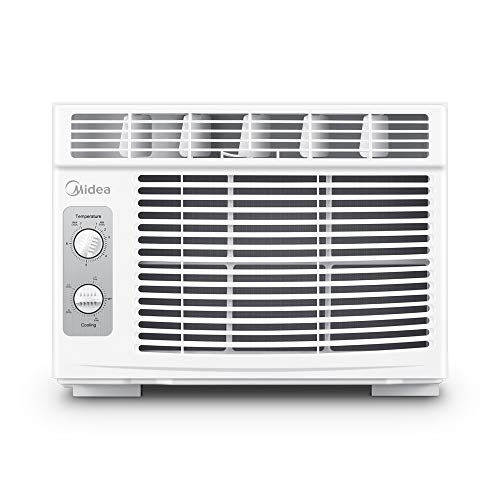
The honest budget machine pursues longevity through simplicity rather than exotic materials. Expect a mechanically controlled or minimally electronic interface, a single-speed or two-speed compressor, a cabinet of adequate rather than luxurious gauge, and a design that has been in production long enough for its weaknesses to be known and mostly fixed. Its virtues are negative space: no fragile touch panel baking in the sun, no proprietary module between the owner and a cool room, no feature whose failure disables the whole appliance.
Judge this archetype by the fundamentals it cannot hide. The case should still feel rigid, the fan should still ride on decent bearings, and the maker should still publish parts support for older siblings of the same chassis. Where corners get cut, they should be cut from convenience: a basic remote, a plain grille, a shorter feature list. When the savings come out of coil coatings, mount quality, or cabinet steel instead, the machine has crossed from frugal into disposable, and its sticker advantage will be repaid in replacement seasons.
This pattern suits smaller rooms, guest spaces, and owners comfortable with a wrench. Capacity needs stay modest in such rooms, and the sizing logic in our roundup of best 6000 btu window air conditioners shows how a correctly matched smaller unit avoids the short cycling that wears compressors and contactors alike. A modest machine run within its envelope routinely outlives a strained flagship, because duty cycle is destiny for mechanical things.
The mid-range archetype: balanced engineering with inverter manners
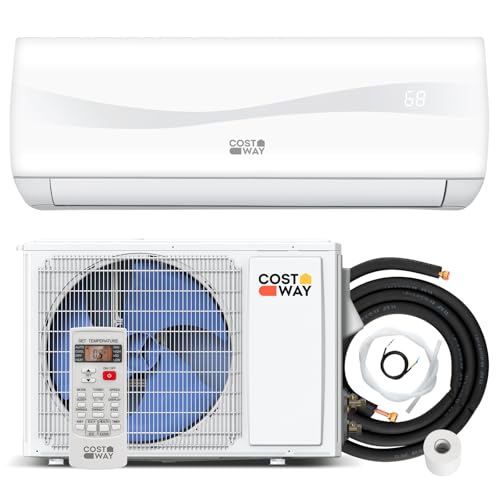
The middle pattern is where most long-service value concentrates. Inverter drive appears here, bringing gentle starts, low-speed cruising, and a compressor that spends its life modulating rather than slamming between extremes. Cabinets gain real rigidity, coil coatings become standard rather than aspirational, and control boards move into better-sealed compartments with components rated for the heat they will actually meet.
What distinguishes the durable mid-range machine from the merely fashionable one is restraint. It adds the inverter and perhaps a sleep curve, but keeps a physical control set on the cabinet, uses a remote that duplicates rather than replaces, and holds to a chassis the maker has refined across seasons. Parts depth is strongest in this tier because volumes are high and model runs are long, which quietly makes these units the easiest to keep alive at year nine when a fan motor finally asks to retire.
Households cooling a main living space or a primary bedroom usually belong here. The machine will run long daily hours, so bearing quality, mount resilience, and board cooling all compound. Owners should still interrogate the warranty structure and the parts catalogue with the same suspicion applied to cheaper tiers; a mid-range badge is a claim, not a measurement, and the evidence lives in documents rather than in the finish of the front panel.
The premium archetype: overbuilt hardware and decade thinking
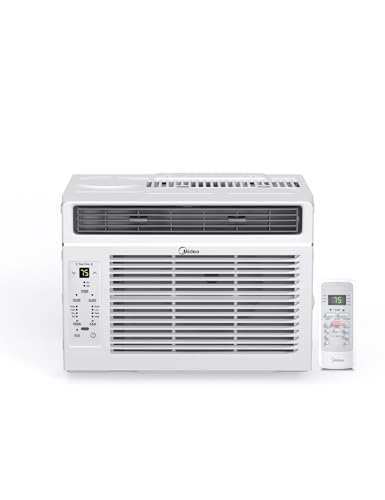
At the top pattern, engineering budgets visibly go into mass and margin. Compressors grow thermal headroom, running cooler at a given load. Cabinets approach small-appliance furniture in rigidity, with sound-deadening that doubles as panel reinforcement. Dual motors or independently driven fans may appear, separating indoor and outdoor airflow so each wheel is optimized and neither bearing set carries the other’s burden. Fasteners turn stainless in exposed locations, and coil protection reaches the standard expected in harsher commercial duty.
Premium longevity also buys serviceability theater of the best kind: cases that open fully, boards on connectors, sensors that unplug, and published service documentation that treats repair as a normal chapter of ownership. The warranty usually lengthens on the sealed system, and the parts pipeline for flagship chassis tends to persist because the maker has reputational capital invested in those owners.
Whether the premium pattern is rational depends on tenure. A household expecting to occupy the same rooms for a decade, especially in a climate with long cooling seasons, can amortize overbuilt hardware across thousands of gentle operating hours. A short lease or a lightly used spare room rarely collects that dividend. Large spaces change the arithmetic again, since a hard-working unit in a big room lives a tougher life; the capacity grounding in our guide to best air conditioners for large rooms helps match the machine so premium construction is spent on endurance rather than wasted on strain.
Installation choices that protect or punish the machine
More window units die from their installation than from their birth. A chassis twisted into an out-of-square opening carries misaligned fans for life. A unit pitched inward weeps condensate onto sills and into its own electrical bay. A machine sealed with expanding foam glued to its case may never come out for the deep service that would have saved it, and a unit left to bear its full weight on a rotten sill sags a little further every summer until the fan finds the shroud.
Support is the first kindness. A proper bracket or a sound sill distributes weight to the wall structure, holds the slight outward pitch drainage requires, and removes the prying load from the window sash itself. Side curtains should close gaps without being asked to hold the machine; they are weather seals, not structure. Weatherstripping belongs between case and frame to break the metal-to-wood path that otherwise conducts vibration into the building and announces every compressor start to the whole room.
Electrical conditions belong to installation quality too. A tired receptacle with loose contacts heats under sustained compressor load, and voltage sag on an overloaded circuit punishes motors at every start. Long undersized extension cords have no place in this appliance’s life at all. Where older cottages offer questionable wiring, a dedicated circuit conversation with an electrician protects both the machine and the house, and it costs less than one cooked control board.
Removal and storage, for households that pull units each autumn, decide how gracefully a machine ages. A unit stored upright in a dry space, cleaned before it goes away and covered against dust, begins spring healthy. The same machine stored on its back in a damp cellar can pool oil away from its compressor bearings, invite corrosion across its pan, and host a mouse condominium in its insulation. Fifteen careful minutes in October are worth a season of service later.
Maintenance habits that turn build quality into actual years
Durable construction buys potential; maintenance converts potential into a calendar. The filter is the obvious covenant. A clogged filter starves the evaporator of air, invites coil icing, lengthens compressor runs, and raises pressures throughout the circuit. Washing or replacing it on the maker’s cadence, tightened during pollen or wildfire smoke weeks, is the cheapest longevity act an owner performs, and machines with sturdy filter frames reward it by surviving hundreds of removals without cracking.
Coils need an annual honest cleaning. Indoor fins collect a felt of dust and cooking aerosol that insulates instead of exchanging heat, while outdoor fins pack with lint, seed fluff, and storm debris. A soft brush, low-pressure water from the inside out where the manual allows, and patience around easily bent fins restore the machine’s breathing. Owners who keep coils clean watch energy use stay near first-year levels and remove the overheating that quietly ages boards, motors, and compressor oil together.
Listen and look on a schedule. Once each season, stand outside during a hard cooling run and learn what healthy sounds like for your specific machine, so the new rattle in year five registers as news. Inspect the drain path before peak humidity, clear the weep route, and confirm the unit still pitches outward. Check the cord and plug for heat discoloration. Tighten any case screw that vibration has backed out, replacing foam tape that has gone flat and papery.
Shade and shelter extend electronic life surprisingly well. A unit baking in direct western sun runs its condenser against hotter air and cooks its display and board through the cabinet. An awning or the natural shade of a deep eave lowers that burden without restricting airflow, provided nobody encloses the machine in a decorative box that traps its own exhaust. Ventilation around the outdoor half is sacred; shrubs trimmed back and stored items kept clear are longevity measures disguised as tidiness.
Warning signs of flimsy construction in a listing
Online shopping hides the knuckle test, so listings must be read forensically. Weight is the first proxy: two machines of equal capacity rarely differ by many pounds unless one carries more metal, a larger compressor, or both. Dimensions matter similarly, because a slightly deeper cabinet often houses a bigger coil face, and coil face area correlates with gentler, longer operation at a given load.
Warranty summaries printed in the listing deserve the same reading as the formal document. Sealed-system coverage length, parts coverage length, and whether the numbers differ wildly between them all translate the maker’s confidence into arithmetic. A listing that shouts about smart features while whispering nothing about coverage structure is telling you where the money went.
Photographs reward zooming. Look at the rear coil guard: a real grille protecting fins from hail and fingers suggests protective thinking throughout. Look at case seams, the thickness suggested by folded edges, and whether the control panel sits recessed or exposed. Examine the cord gauge implied beside the plug and the presence of a proper test-and-reset device where the class of machine calls for one. None of these details is glamorous, which is precisely why they leak the truth.
Review patterns, read skeptically, add a final signal. Ignore isolated fury and isolated rapture. Pay attention when owners in different regions independently describe the same failure at the same age: the board at year three, the fan bearing at year four, the case rusting at the same corner. Recurrence is data. Equally, a model whose long-term owners casually mention a second decade is demonstrating the only review metric this guide ultimately respects.
The refrigeration circuit: brazing, charging, and quiet craftsmanship
Between the compressor and the coils runs a small network of copper lines carrying refrigerant under pressure, and the quality of its joints decides whether the machine keeps its charge for fifteen years or sighs it away in four. Factory brazing done in a clean, controlled atmosphere produces joints with full penetration and smooth fillets that tolerate vibration indefinitely. Rushed joints carry scale inside the tube, and that contamination later scores compressor bearings and clogs the tiny metering device that feeds the evaporator.
Charge accuracy matters more than most owners realize. A system filled precisely to specification runs at designed pressures, returns oil predictably, and cools with margin to spare on the hottest afternoons. An undercharged machine runs longer and hotter to deliver the same comfort, while an overcharged one labors against excess pressure at every revolution. Neither error announces itself dramatically in the first season; both quietly tax every moving part until the accumulated wear becomes a failure with no single obvious cause.
The metering device, whether a capillary tube or a small expansion valve, is another hidden quality marker. Capillary tubes are beautifully simple and nearly immortal, though fixed in behavior. Expansion valves respond to load and protect the compressor from liquid floodback during odd conditions, at the price of moving parts inside the circuit. Well-engineered machines match the choice to their capacity class and protect either device with a filter-drier that traps the moisture and debris which otherwise wander the circuit doing slow harm.
Service valves and access points reveal whether the maker expects the sealed system ever to be diagnosed. Many window units omit them to save cost, sealing the circuit for life and forcing technicians into piercing workarounds during any repair. Their absence is understandable in small machines, yet larger quality units sometimes include proper access, and that inclusion speaks volumes about the intended service horizon of the whole design.
Refrigerant transitions add a modern wrinkle to longevity planning. As the industry shifts between refrigerant generations, machines built around widely adopted charges will enjoy better technician familiarity and parts support a decade from now. An obscure or short-lived refrigerant choice can strand an otherwise healthy unit when a recharge becomes impractical. Buyers thinking in decades should ask which refrigerant a model carries and how broadly the service trade has embraced it.
Sound aging: why some machines grow louder and others do not
Owners often report that a unit was quiet when new and gradually became a nuisance, and that trajectory is a durability report in disguise. Machines age loudly for specific mechanical reasons: bearing clearances opening, mount rubber hardening, panel fasteners loosening, fan blades accumulating asymmetric deposits, and insulation pads compressing until cabinet sections touch and buzz in sympathy. Each cause is preventable at the factory or correctable in the field, which is why rising noise should be read as maintenance information rather than fate.
Design choices made for first-night quietness sometimes age poorly. Extremely soft mounts isolate beautifully while fresh, then sag until the compressor rests against its stops and transmits everything. Thin sound blankets quiet a showroom demonstration, then absorb moisture and slump against hot components. The durable approach uses mounts with progressive stiffness, insulation that is sealed against humidity, and blade geometries that move air efficiently at modest rotational speeds so there is simply less noise being manufactured in the first place.
Low-speed behavior deserves particular respect in a longevity guide. A machine that spends its nights turning slowly subjects its bearings and compressor to gentle continuous duty, and inverter designs extend that advantage by cruising instead of cycling. Frequent short bursts are the harshest pattern: oil barely circulates, pressures never stabilize, contacts arc at every start, and moisture condenses in places it never dries. Correct sizing, again, is a mechanical virtue, because an appropriately sized unit runs long calm cycles that suit every component it contains.
Owners can slow acoustic aging with trivial habits. Keep the filter clean so the blower never strains against static pressure it was not designed to meet. Rinse the outdoor coil so the fan is not pushing against a wall of felt. Snug the front panel after every removal instead of leaving one screw in a drawer. Replace hardened anti-vibration pads during a deep service rather than waiting for the cabinet to announce their death at three in the morning.
A seasonal commissioning ritual for owners who think in decades
Long-lived machines usually belong to owners with a ritual, and the start of cooling season is when it pays best. Bring the unit out of storage or uncover it in place, then inspect before energizing: cord integrity, plug blades bright and tight, case free of nests and corrosion blooms, drain path open, filter washed and fully dry. Run the fan alone first and listen. Only then ask for cooling, and stay nearby through the first compressor cycle to learn the season’s baseline sounds.
Mid-season, repeat the listening exercise during the hottest afternoon available, when pressures peak and weaknesses speak. Note the discharge air’s bite against your hand, the steadiness of the fan note, and whether the case carries any new tremor. A photograph of the outdoor coil taken each year at the same angle becomes a corrosion record more honest than memory, and a notebook line recording filter dates and odd noises turns future troubleshooting from archaeology into reading.
End-of-season care closes the loop. Clean everything before storage rather than after, because grime left in place corrodes and hardens all winter. Dry the pan and interior thoroughly to deny mold its foothold. Store upright, indoors where possible, with the cord coiled loosely and the manual resting on top. Machines treated this way routinely greet their tenth spring sounding like their second, which is the entire ambition of buying for quality in the first place.
Seals, louvers, grilles, and the soft parts that age in public
Hard components get the glory in durability discussions, yet the parts owners touch daily are polymers and foams whose aging is written in sunlight and ozone. Louvers that direct air across a room pivot on small pins and are worked back and forth thousands of times. Quality louvers use resilient resin with generous pin diameters and stops that prevent over-travel, while flimsy ones snap at the hinge during the first enthusiastic adjustment and spend the rest of their lives aiming at the floor.
Side curtains and their frames seal the gaps beside the chassis, and they endure a harder life than their humble appearance suggests. They bake in sun, flex with every window movement, and are folded or slid during each installation and removal. Better kits use ultraviolet-stable material thick enough to resist tearing at the screw points, mounted in tracks that let the panels move without binding. When curtains perish, owners improvise with towels and tape, infiltration soars, and the compressor pays for the failure of a part that cost very little to make properly.
Gaskets and foam seals compress permanently when their material is chosen carelessly. The strip between case and sill, the seal around the front frame, and the weather barrier behind the grille all begin as springy barriers and can end as flat ribbons that whistle on windy nights. Closed-cell foams resist water uptake and keep their resilience far longer than open-cell sponges, which drink condensate, freeze in shoulder seasons, and crumble into the drain path. Replacement foam is inexpensive and universally available, so this is one aging pathway owners can reverse in an afternoon with a measuring tape and patience.
The front grille itself tells a similar story. It is removed for every filter service, so its clips cycle constantly. Well-designed grilles use flexible living hinges or positive latches that tolerate years of handling, while brittle snap tabs begin shedding pieces early, leaving the grille to vibrate against the frame it no longer grips. A maker that sells replacement grilles and curtains years later understands something essential: the soft perimeter of the machine is a consumable system, and planning for its renewal is part of building for quality.
What ten years of service actually demands from a design
It helps to translate an abstract lifespan into the arithmetic a machine experiences. A unit cooling a bedroom through a long summer may run its compressor for well over a thousand hours a year, start and stop tens of thousands of times across a decade, breathe a small lake of condensate through its pan, and endure hundreds of thermal cycles that swell and shrink every joint it owns. Viewed that way, ten years is not a marketing flourish; it is an endurance specification that every subsystem must be sized to survive simultaneously.
That framing explains why quality machines often look slightly overbuilt beside rivals of equal capacity. Their designers were not decorating. They were leaving margin for the year when the coil is a little dirty, the voltage a little low, the afternoon a little hotter than the rating point, and the owner a little late with the filter. Margin is what allows a machine to meet its worst week in its ninth year with the same composure it showed during its first, and margin, once understood, is easy to recognize and hard to fake.
Keep that image in mind while comparing spec sheets that otherwise look identical. Cooling capacity can be matched by any competent factory for a single test afternoon. Endurance is a different promise entirely, written into steel thickness, bearing selection, coating chemistry, and the parts catalogue, and it is the promise this entire category should be bought on whenever the machine is expected to matter for more than a couple of summers.
Judging the remaining life of a used or inherited machine
Cottages change hands with their window units installed, and renters inherit machines of unknown history, so the ability to assess an existing unit’s remaining life is a practical branch of this subject. Begin with the nameplate: model and serial numbers encode the manufacturing date for most makers, and age reframes every other observation. A beautifully kept twelve-year-old machine may still be nearer its end than a neglected five-year-old, because seals, capacitors, and refrigerant charge all age on calendars as well as hour meters.
Run the machine through a full cooling cycle on a warm day and gather evidence methodically. Time how long the compressor takes to deliver properly cold discharge air. Listen for bearing growl at the fan’s lowest speed, where flaws hide least. Watch the outdoor side for the steady condensate drip that signals a working evaporator and an open drain. Feel the case for localized tremor, and check whether the lights in the room dip at each compressor start, betraying tired starting components or a struggling motor.
Open what the owner is permitted to open. The filter’s condition is a diary of the previous keeper’s habits. Coil faces visible behind it should show bright, even fins rather than mats of gray felt or patches of white corrosion bloom. The pan should hold no rusty standing water, and the cabinet’s underside, inspected with a flashlight from below, reveals whether years of condensate have been quietly consuming the structure that holds everything else together.
Then make the economic judgment with clear eyes. A sound chassis with a tired fan motor is a repair worth commissioning, because the expensive sealed system still has seasons to give. A corroded coil, a compressor that starts reluctantly, or a cabinet rusting through at the pan describes a machine whose remaining life should be measured in weeks of convenience rather than years. Retire those without sentimentality, and let the standards in this guide choose the successor, so the next assessment a future owner performs begins from a far stronger inheritance.
Check prices on Amazon
Live listings for the shortlist in this guide are pulled from Amazon below, so prices and availability are always current at the moment you look.


Who should pay for durability, and who can safely save
Not every household needs the most overbuilt machine in the catalogue. A seldom-used guest room cooled a dozen nights a year will retire any decent unit through calendar aging rather than wear, and simple construction serves it honestly. A workshop where sawdust assaults every filter argues for the most serviceable, easily opened chassis rather than the most electronic one. Matching the durability strategy to the duty is the actual skill this guide is trying to teach.
Pay for construction where hours accumulate: primary bedrooms, living rooms in long-season climates, home offices occupied all summer, and rental properties where a mid-July failure becomes an emergency callout and an unhappy tenant. In those settings the premium and mid-range archetypes repay their engineering through avoided replacements, quieter aging, and parts that exist when something finally wears. The calculus is about seasons of service, not about impressing anyone with a flagship badge.
Climate severity should steer the specific protections purchased. Coastal households buy coil coating and cabinet corrosion resistance first. Dusty rural homes buy filtration access, coil spacing, and motors sealed against grit. Northern cottages that store units half the year buy storage-friendly design and control simplicity, because a board that dislikes damp cellars will not survive many winters regardless of its summer brilliance.
Finally, hold the whole purchase to a simple standard: could this machine plausibly be repaired, with parts, by a competent local technician, in its eighth year? If the evidence assembled from warranty structure, parts depth, documentation, and construction feel all answer yes, you have found the quality this category’s name promises. Buy that machine, install it square and supported, keep its filter honest and its coils breathing, and it will repay you in the only currency that matters here, one uneventful summer after another, long after louder rivals have rattled themselves into the scrap stream behind the appliance store.