Our Top Picks


What's inside
- What an inverter actually does, in plain language
- Part-load efficiency: where the savings genuinely live
- Turndown ratio and the meaning of minimum capacity
- Sizing an inverter: the old rules bend, they do not vanish
- Five inverter archetypes, described rather than sold
- Archetype one: the inverter window unit for a single room
- Archetype two: the dual-hose portable with inverter drive
- Archetype three: the single-zone wall-mounted split
- Archetype four: the multi-zone system for several rooms
- Archetype five: the ducted inverter heat pump for whole-house duty
- Efficiency ratings and how to read them without vertigo
- Noise: the specification inverter buyers feel most
- Heating, defrost and the cold-climate question
- Controls, sensors and living with a thinking machine
- Installation quality: the premium is won or lost here
- Refrigerants and the direction of regulation
- Maintenance for machines with brains and filters
- When a fixed-speed machine is still the honest answer
- Mistakes inverter buyers repeat most
- Questions households ask before committing
- How much electricity will an inverter system really save?
- Will it keep a bedroom steady all night?
- What happens during a power cut or a voltage dip?
- Can an inverter system heat a home through a real winter?
- Are repairs going to be ruinously complicated?
- How long should an inverter system last?
- Comparing quotations for inverter systems
- The ownership rhythm that keeps the promise
- Apartments, additions and other tricky buildings
- The environmental ledger of variable speed
- A sensible buying sequence, from first thought to first summer
- Check prices on Amazon
- Capacity labels and why the same machine wears different numbers
As an Amazon Associate I earn from qualifying purchases. This post may contain affiliate links at no extra cost to you.
A quick word about how this site pays its bills: when readers eventually buy equipment through the retail links that accompany the published edition, a modest commission flows back and funds the research desk. That arrangement shapes nothing below. The machines are presented as descriptive categories rather than clickable offers, no prices appear anywhere in the text, and the sensible reader will confirm every capacity and dimension with a dealer or installer before committing to a purchase.
Every air conditioner moves heat from indoors to outdoors using a compressor, and the defining question of the last two decades is how that compressor should behave. A conventional machine knows two states: running flat out and switched off. An inverter machine varies its speed continuously, speeding up to attack a hot room and then easing down to a gentle cruise that holds the temperature where it settled. That single difference, a compressor with a throttle instead of a switch, rewrites the experience of cooled air.
The consequences arrive in a predictable order. Temperature swings narrow, because the machine no longer overshoots, rests, and overshoots again. Electricity consumption falls during the long mild hours that dominate most seasons, because a compressor turning slowly is far thriftier than one restarting repeatedly. Noise drops, since fans and compressors spend their lives at partial speed. And the air itself feels calmer, a steady coolness rather than alternating blasts and silences.
None of this makes inverter technology automatically correct for every room. The electronics that grant the flexibility cost money, demand competent installation and complicate some repairs. Short cooling seasons, rarely used guest rooms and buildings about to be sold can all argue for simpler machinery. This guide works through the physics, the archetypes, the sizing questions and the ownership habits that separate a delighted inverter household from one that paid a premium for benefits it never uses.
What an inverter actually does, in plain language
Start with the electrical problem. A traditional compressor motor runs directly from the mains supply and therefore turns at a speed fixed by that supply, delivering its full cooling capacity whenever it runs. The thermostat copes by rationing time: run until the room is slightly too cool, rest until it is slightly too warm, repeat forever. Comfort is the average of those two small errors.
An inverter is the electronic intermediary that breaks that fixity. It converts incoming alternating current to direct current and then rebuilds it as alternating current at a chosen frequency, feeding the compressor motor a supply whose frequency dictates its speed. Ask for gentle cooling and the drive serves a low frequency; demand a rapid pull-down after a hot afternoon and the drive raises frequency, sometimes beyond the motor’s nominal rating for a short burst, to deliver a surge of capacity.
Modern systems pair that drive with a brushless direct-current motor and an electronic expansion valve, so refrigerant flow and compressor speed are choreographed together rather than merely coexisting. Sensors watch indoor temperature, coil temperatures, outdoor conditions and discharge pressures, and the control board continuously settles on the laziest operating point that still satisfies the room. Laziness, in this engineering sense, is elegance: the machine does exactly as much work as the moment requires.
The contrast in lived experience is easiest to feel at night. A fixed-speed bedroom unit announces every cycle with a shudder, a gust and a change in the room’s sound, then lets the temperature drift upward until the next announcement. An inverter unit, correctly sized, reaches the setpoint and then whispers along beneath notice, trimming its output in small increments as the night cools outside. Sleepers who wake at every mechanical event tend to become converts after a single week.
Part-load efficiency: where the savings genuinely live
Air conditioners spend remarkably little of their lives at full capacity. Design conditions describe the hottest afternoons of a statistical year, yet most operating hours arrive in the shoulder territory of warm mornings, cloudy spells and evenings when the building has begun to shed its heat. Equipment is therefore best judged by its manners at partial load, and partial load is precisely where variable-speed machinery earns its premium.
A compressor cruising at a fraction of its maximum speed moves refrigerant gently, and the heat exchangers, sized for the machine’s full output, become generously large relative to the work being done. Generous exchangers transfer heat with smaller temperature differences, which is thermodynamic shorthand for less effort per unit of cooling. Meanwhile the fixed-speed rival serving the same mild load must cycle, and every restart spends energy re-establishing pressures while delivering a burst of cooling the room did not quite need.
Seasonal efficiency ratings attempt to capture this behaviour by weighting performance across a range of outdoor temperatures rather than quoting a single full-load figure. Inverter models typically shine in those ratings, sometimes dramatically. Treat the numbers as comparisons within a category rather than prophecies of your bill, because installation quality, duct condition and thermostat habits still govern what a particular house will actually spend. Readers building a wider efficiency strategy around the purchase will find a companion treatment at best air conditioners for energy saving, which places inverter operation beside insulation and shading inside a single household ledger.
There is a second, quieter economy: wear. Machinery ages fastest at its extremes, during starts, stops and full-throttle hours. A compressor that starts softly, runs steadily and seldom visits its limits distributes its working life across gentle duty. Manufacturers rarely promise longevity in numbers, yet the logic of reduced mechanical and electrical stress is sound, and service technicians consistently report that steady running suits refrigeration circuits better than perpetual stop-start punishment.
Turndown ratio and the meaning of minimum capacity
The specification that separates great inverter systems from merely adequate ones is how low they can go. Turndown describes the span between maximum and minimum output, and minimum capacity decides what happens on a mild night when the room needs only a whisper of cooling. A machine whose floor is still substantial must cycle even with its inverter working, surrendering the smoothness that justified its price.
Ask dealers for the minimum cooling output in plain figures and compare it against your room’s load on a gentle evening rather than its load at the summer peak. Bedrooms in well-insulated homes can need astonishingly little cooling after midnight, and a system that can descend to meet that need will run for hours without a single stop. That continuous slow running also wrings moisture from the air steadily, a comfort dividend that cycling machines cannot match on humid nights.
Maximum capacity deserves a glance in the opposite direction. Many inverter systems can overdrive briefly, exceeding their nominal rating to recover a room that has baked all day with the system off. That surge is a convenience for pull-down, not a sizing strategy. A machine that needs its overdrive every ordinary afternoon is an undersized machine wearing a brave face, and its efficiency and noise figures will confess the strain.
Sizing an inverter: the old rules bend, they do not vanish
Variable speed forgives modest sizing errors more gracefully than fixed-speed equipment, because an oversized inverter can throttle down instead of short-cycling brutally, and an undersized one can overdrive through brief peaks. Forgiveness has limits. A grossly oversized system still costs more to buy, may dehumidify poorly at very low loads in some designs and wastes the exchanger capacity you paid for. A grossly undersized one lives at full throttle, where its efficiency advantage evaporates and its noise advantage goes with it.
The respectable route remains a load calculation that accounts for room dimensions, glazing, orientation, insulation and occupancy. Inverter flexibility should be spent absorbing the uncertainties inside that calculation, the party that runs late, the heatwave that exceeds the design day, the home office that gains a second monitor, rather than replacing the calculation altogether. Installers who wave away measurement because the inverter will sort it out are selling convenience, theirs rather than yours.
Humidity sharpens the sizing conversation in warm coastal and continental climates alike. Long, slow runtimes at moderate coil temperatures collect moisture steadily, which is one reason correctly sized inverter systems feel drier than their thermometers explain. Oversize the machine and runtimes shrink toward the cycling pattern the technology was bought to escape. When a dealer proposes stepping up a size for safety, ask what that step does to minimum capacity and to runtime on an ordinary humid evening, and listen carefully to whether the answer involves numbers.
Multi-room installations add a diversity puzzle. A shared outdoor unit serving several indoor heads rarely faces every room demanding maximum output simultaneously, so its capacity can be somewhat less than the sum of the heads it feeds. That diversity is legitimate engineering, provided the designer has thought about the household’s real patterns: the family gathering where every room fills at once, the heatwave evening when nobody retreats early. Single-room systems sidestep the puzzle altogether, among them the popular wall-mounted format surveyed at best 9000 btu split system air conditioners, and that simplicity explains much of their enduring appeal.
Five inverter archetypes, described rather than sold
Catalogues blur into hundreds of model numbers, yet the market’s shapes are few. The five archetypes below cover the territory from a single rented room to a fully ducted house, and each is described by its architecture, its segment and the temperament it suits. Treat them as briefs for a conversation with an installer, who can translate the description into the specific equipment your electrical supply, your climate and your building can support.
Archetype one: the inverter window unit for a single room
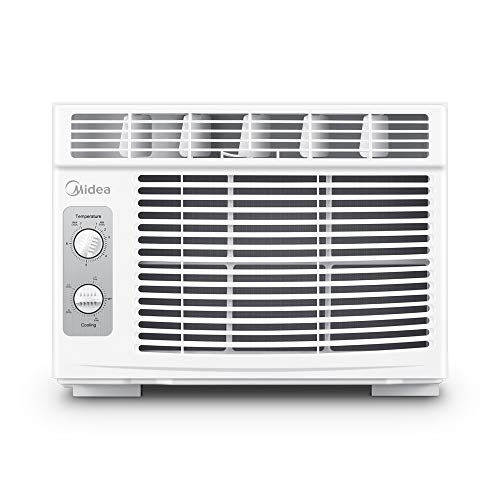
The window format has quietly absorbed inverter technology, replacing the thumping compressor of memory with a variable-speed drive inside the same through-the-wall-or-window cabinet. It occupies the budget to mid-range segment, needs no professional installation beyond a secure mounting and a suitable socket, and suits renters, students and anyone cooling one defined room in a home whose other spaces fend for themselves.
The transformation in character is real. Instead of the traditional window unit’s cycle of roar and silence, the inverter version settles into a low murmur and stays there, which matters enormously when the room is a bedroom or a study where calls happen. Cooling capacity in this class covers small to medium rooms honestly. Ambitions beyond that, a sun-drenched open-plan floor, belong to larger archetypes, and no drive electronics can repeal the arithmetic of a small cabinet moving a large room’s air.
Archetype two: the dual-hose portable with inverter drive
Portable cabinets remain the technology of last-minute summers and strict landlords, and inverter versions soften their traditional vices. Variable-speed operation trims the noise that made older portables unwelcome in bedrooms and steadies their temperature control, while twin hoses that breathe directly from outside, instead of borrowing air the room has already paid to cool, correct the negative-pressure inefficiency that single-hose designs suffer.
Expect mid-range pricing and honest limitations. A portable still exhausts through a window kit that must be sealed with care, still collects condensate that needs managing in humid weather and still delivers less cooling per unit of electricity than any fixed installation. Its kingdom is flexibility: cooling that arrives this week, moves between rooms across a season and leaves with its owner at the end of a tenancy. Judged as a permanent whole-home answer it disappoints; judged as rented comfort it has no rival.
Archetype three: the single-zone wall-mounted split
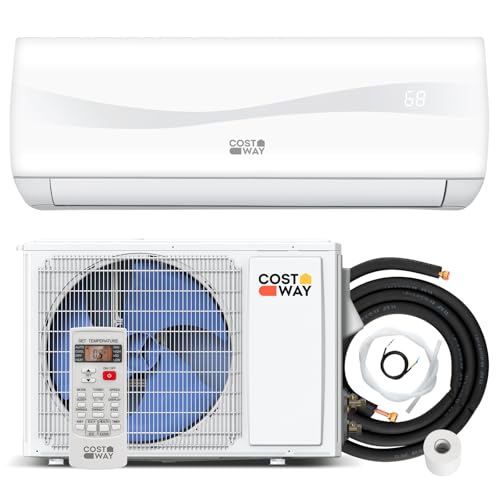
One outdoor unit, one indoor head on the wall and a pair of refrigerant lines between them: this is the archetype that carried inverter technology into the mainstream, and it remains the default recommendation for a master bedroom, a home office or a main living room in homes without ducts. It spans the mid-range into premium territory depending on efficiency tier and features, and professional installation is part of its true cost.
Its virtues compound. The compressor lives outdoors, so the indoor sound is mostly gentle airflow. Capacity modulates across a wide span, holding a bedroom steady through the night at a whisper. Heating usually rides along, since most such systems are heat pumps, turning the purchase into a two-season appliance whose shoulder-season heating can be remarkably economical. Households whose priority is undisturbed sleep should read best air conditioners for bedrooms alongside this section, because placement and low-speed noise figures matter as much there as raw capacity.
Archetype four: the multi-zone system for several rooms
When three, four or five rooms each want their own climate, a multi-zone design feeds several indoor heads from one larger outdoor unit, every head with its own setpoint and schedule. The segment is premium once installation is counted, and the design conversation grows richer: which rooms genuinely need heads, how refrigerant lines will travel, and what happens to capacity on the rare evening when every room calls at full demand together.
The reward is a house that behaves like several small climates under one roof, with unused rooms costing almost nothing and family members no longer negotiating a single hallway compromise. The risk is concentration: one outdoor unit is a single point of failure, and a fault can silence every room at once. Households that prize resilience sometimes choose two smaller single-zone systems for the most important rooms instead, accepting extra outdoor cabinets in exchange for independence.
Archetype five: the ducted inverter heat pump for whole-house duty
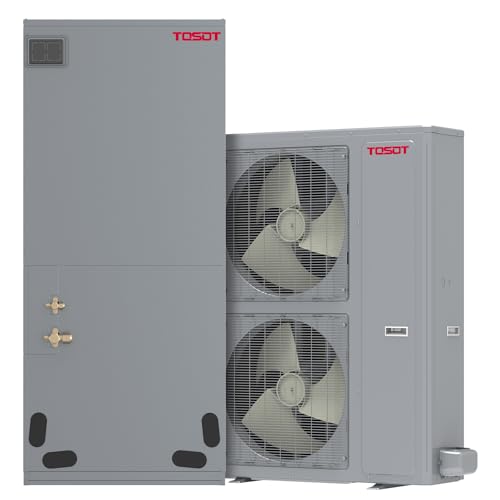
At the top of the residential range, an inverter-driven outdoor unit pairs with an indoor air handler and the home’s ductwork, delivering variable-speed comfort through grilles in every room. It sits in the premium segment and belongs to houses with sound ducts, long cooling seasons and owners planning to stay long enough to harvest the efficiency they are buying. Zoning dampers can divide the house into territories, each served according to its own schedule.
This archetype’s part-load behaviour is its glory: long, slow, quiet runs that hold the whole building within a narrow band while sipping electricity. Its weakness is inherited from its distribution system. Leaky or undersized ducts tax any machine, and a variable-speed flagship bolted to failing ductwork performs like an ordinary system at an extraordinary price. Duct inspection and remediation belong in the quotation, not in the regrets.
Efficiency ratings and how to read them without vertigo
Specification sheets present a thicket of numbers, and the seasonal efficiency figure is the one to anchor on, because it weights performance across the range of temperatures a season actually contains. Within a single category and size class, those figures rank machines usefully. Across categories, a ducted system’s rating and a wall split’s rating are earned under different assumptions, and comparing them digit for digit misleads more than it informs.
Independent testing traditions are worth consulting alongside manufacturer literature, because laboratory programmes measure the same model the same way across brands and sometimes catch the gap between brochure behaviour and delivered behaviour. The roundups gathered under best air conditioners consumer reports illustrate how test-based rankings shuffle the order that marketing departments would prefer, particularly on noise and on efficiency at partial load where inverter machines should be proving themselves.
Full-load efficiency still matters in the hottest climates, where afternoons pin equipment near maximum output for hours and the seasonal average leans heavily on peak behaviour. Desert households should weigh the high-temperature figures seriously, while temperate households can afford to prioritise the gentle part-load numbers that will describe most of their machine’s working life. Climate, as always in this subject, decides which column of the table deserves your attention.
Beware the efficiency that exists only at one heroic operating point. Some designs post spectacular figures at a specific gentle load yet behave ordinarily elsewhere, and a system is a season-long companion rather than a single test result. Ask how the machine performs across its range, and favour the design whose numbers stay respectable from its minimum cruise to its maximum effort, because your summer will visit every point on that curve.
Noise: the specification inverter buyers feel most
Sound figures for indoor units are quoted at the lowest fan speed, which is fair in one sense, since inverter systems spend much of their time near that setting, and incomplete in another, since pull-down after a hot day uses the louder end of the range. Read the full span of figures rather than the single quietest number, and imagine each against its moment: the murmur that accompanies sleep, the stronger rush that accompanies the first hour home.
Outdoor noise follows the same logic. A variable-speed condenser idling through a mild evening can be nearly inaudible at a few metres, while the same cabinet working hard on a scorching afternoon speaks more plainly. Placement remains destiny: distance from bedroom windows, a solid mounting that does not drum against the wall, and screening that absorbs rather than reflects all shape how the machine sounds to you and to the people next door.
Vibration deserves separate attention because it is the noise owners describe as coming through the structure rather than through the air. Soft-starting inverter compressors are inherently kinder here, yet a rigid mount on a resonant wall can still telegraph a hum into the room behind it. Anti-vibration pads and sensible siting cost little at installation and are miserable to retrofit once pipework has fixed the machine’s position.
Heating, defrost and the cold-climate question
Most inverter air conditioners are heat pumps, reversing their cycle to gather heat from outdoor air and deliver it indoors, and the variable-speed drive transformed their cold-weather reputation. Older fixed-speed heat pumps surrendered early as temperatures fell. Modern inverter designs keep compressors turning productively in serious cold, modulating to match a building’s heat loss with an efficiency resistance heaters cannot approach.
Capacity still declines as the outdoor temperature drops, because there is simply less heat in cold air to harvest, and honest specification sheets publish output at several outdoor temperatures rather than only at the mild rating point. Cold-climate households should read the low-temperature columns first, ask about the balance point where supplementary heat joins, and treat any reluctance to discuss winter figures as an answer in itself.
Defrost cycles are the winter rhythm to understand. Frost gathers on the outdoor coil in damp cold weather, and the machine periodically reverses briefly to clear it, during which indoor heating pauses and a puff of steam may rise from the cabinet. Well-designed controls keep these interruptions short and infrequent. A system defrosting constantly is usually reporting an installation or charge problem rather than a climate inevitability, and it belongs on the service list rather than in the household’s folklore.
Controls, sensors and living with a thinking machine
The remote control or wall controller is your daily interface with a sophisticated system, and its legibility matters more than its feature count. You should be able to set a temperature, choose a mode, schedule the week and read what the machine believes the room temperature is, all without excavating a manual. App control adds remote adjustment and energy reporting that genuinely helps households with irregular routines, provided the underlying controller remains usable when the phone is in another room.
Sensor placement quietly governs satisfaction. A unit sensing temperature at its own high wall position reads a different room from the one your chair inhabits, which is why better systems offer a follow-me function through a sensor in the remote, or wired wall sensors at seated height. During installation, ask where the machine will sense from, because relocating that decision afterward ranges from awkward to impossible.
Smart features earn their keep when they respect the technology’s nature. Geofencing that starts a gentle pre-cool before arrival suits a modulating machine beautifully. Aggressive setback schedules suit it less, because an inverter system is happiest holding a steady temperature with tiny corrections, and deep daily setbacks force the very full-throttle pull-downs its efficiency story tries to avoid. Let the machine cruise; that is what you bought.
Humidity modes deserve a trial in muggy climates. Many inverter systems can run a dedicated dry mode, holding the coil cold and the fan low to condense moisture without overcooling the room, and some can prioritise humidity targets alongside temperature ones. Experiment during the first humid week rather than the tenth, while the installer’s advice is fresh, and note which settings your household actually prefers in the log you will be keeping anyway.
Installation quality: the premium is won or lost here
Refrigerant pipework for an inverter system must be clean, correctly sized, properly evacuated and charged with precision, because the electronics assume a healthy circuit and will spend their intelligence compensating for faults they were never meant to hide. A deep vacuum held and verified, joints made with care and insulation continuous along the lines are not ceremony. They are the difference between the efficiency on the brochure and the efficiency on your meter.
Electrical work carries a particular note for this technology. Inverter drives are sensitive to supply quality and generate their own electrical character, so dedicated circuits, correct breaker selection and sound earthing matter, and older consumer units occasionally need attention before a large system can join the household’s loads. Your installer should calculate maximum demand alongside vehicle charging, electric cooking and any other heavy draws the home already carries.
Condensate drainage is the humble system that generates a disproportionate share of callbacks. Drains must fall continuously, traps must be arranged where the design requires them, and pumps, where gravity cannot be arranged, should be accessible and alarmed rather than buried silently above a ceiling. Water always files its complaint eventually; good installation decides whether that complaint arrives as a stain or as a scheduled service item.
Commissioning closes the installation properly. The crew should demonstrate the system at several speeds, confirm heating as well as cooling where fitted, verify drainage with real water, register warranties and leave documentation that names the refrigerant charge, the pipe lengths and the settings chosen. Inverter systems reward this diligence for years, because their quiet competence makes small faults easy to overlook until those faults have quietly taxed every season since installation.
Refrigerants and the direction of regulation
The gases inside modern systems have been changing under regulatory pressure, moving toward refrigerants with lower climate impact when they eventually escape. Current residential equipment increasingly uses newer blends or mildly flammable refrigerants that demand specific handling, charge limits and installer certification. None of this should frighten a buyer; it should direct them toward installers who are trained and equipped for the refrigerant in the machine they are selling.
Leak tightness is the environmental measure entirely within your project’s control. A system that never leaks has a refrigerant footprint close to zero in operation, whatever gas it carries, while a sloppy installation can undo the benefit of the most virtuous chemistry. Pressure testing before charging, verified in your presence if you wish, is therefore both a performance ritual and an environmental one.
End of life belongs in the same conversation. When an inverter system eventually retires, its refrigerant must be recovered by law in most jurisdictions and its electronics recycled as electronic waste rather than landfilled casually. Dealers who can describe their recovery arrangements plainly are telling you something about how they will treat the rest of the job.
Maintenance for machines with brains and filters
The owner’s duties remain reassuringly physical. Indoor filters need washing or replacement on the rhythm your dust levels dictate, more often with pets, nearby roads or building work in progress. A clogged filter starves airflow, and an inverter system responds by working its fan and compressor harder to deliver the same comfort, quietly spending the efficiency you purchased. Ten unhurried minutes with a filter is the highest-value maintenance in the entire category.
Outdoor coils need their own attention: leaves lifted away after storms, vegetation held back to the clearance the manual specifies and a gentle rinse when dust cakes the fins. Never attack a coil with a pressure washer, whose enthusiasm bends fins flat and converts a washable problem into a permanent efficiency tax. Keep the cabinet’s drainage paths clear so meltwater and condensate escape instead of pooling around electrical fittings.
Professional servicing earns its fee by reading what owners cannot. A technician can check refrigerant charge through measured temperatures and pressures, inspect electrical connections that thermal cycles loosen, test capacitors and boards, update firmware where the manufacturer provides it and confirm that sensors report truthfully. Inverter electronics make guesswork diagnosis expensive, which is why a documented annual visit, ideally before the cooling season, protects both the warranty and the household’s summer.
Between visits, trust your attention. A new vibration, a fan note that changed character, ice forming where ice never formed, a room that slowly loses its steadiness across a month: each is the system reporting early, while remedies are still small. Photograph fault codes instead of merely remembering them, and keep the service log with dates and observations, because the technician who inherits a clear history diagnoses in minutes what guesswork stretches into repeat visits.
When a fixed-speed machine is still the honest answer
Guest rooms used a dozen nights a year rarely repay inverter premiums, because the savings accrue across operating hours the room never accumulates. A simple machine, honestly sized and decently installed, serves those spaces without apology. The same logic covers workshops cooled only during projects, rental units on short tenancies and any building whose sale is planned before the efficiency dividend can mature.
Buildings with chaotic electrical environments deserve a thought as well. Inverter drives are electronics, and while reputable designs tolerate ordinary supply variation gracefully, properties suffering chronic voltage problems may need that problem solved before sophisticated equipment joins the load. A good installer will raise the question during the survey rather than after the first board fault, and their raising it is a mark in their favour.
There is also a repairability geography to respect. In regions where every technician knows fixed-speed machinery and few stock inverter boards, a breakdown in a heatwave can mean days waiting for a part that a simpler system would not have needed. Metropolitan households rarely face that calculus. Remote households should weigh it honestly alongside the running-cost figures, because comfort technology that cannot be repaired locally is a promise with a postcode condition.
Mistakes inverter buyers repeat most
Oversizing on the theory that the inverter will simply turn down leads the list. Turndown has a floor, and a machine whose minimum output still exceeds a small bedroom’s midnight need will cycle like the fixed-speed unit it replaced, at a higher purchase price. The remedy is unglamorous: insist on the load calculation, compare minimum capacities between finalists and let those two documents argue with the instinct to buy one size larger for luck.
Starving the outdoor unit of air is the second classic. Cabinets tucked behind dense shrubs, boxed in by decorative screens or wedged into corners where their own exhaust recirculates will run hot, loud and inefficient no matter how elegant their drives are. Clearances in the manual are engineering requirements, not landscaping suggestions, and a photograph of the intended position, agreed before installation day, prevents the quiet sabotage of a thoughtless fence panel added later.
Chasing the temperature with the remote is the third. Occupants who swing the setpoint down five degrees to cool faster misunderstand the machine, because an inverter system already works hardest when the gap is large and eases off as the room approaches target. Set the temperature you actually want, give the system an hour of steady intention and let its modulation do the subtle work. Thermostat impatience converts the calmest technology into a imitation of its predecessor.
Neglecting filters because the machine still feels fine completes the familiar set. Inverter systems compensate so smoothly for rising resistance that owners receive no obvious signal until efficiency has been leaking for a season. Put filter care on a calendar rather than on a sensation, the way you would service a car by mileage rather than by the sound it makes.
Questions households ask before committing
How much electricity will an inverter system really save?
The honest answer is a range governed by your season and your habits. Households replacing an elderly fixed-speed unit and cooling through long warm seasons commonly notice a substantial fall in summer consumption, because both the part-load advantage and the newer machine’s general efficiency work in their favour. Households cooling briefly in mild climates may notice barely anything, because there were few operating hours in which savings could accumulate. Your installer’s estimate, built on your tariff and your likely hours, deserves more trust than any percentage quoted in an advertisement.
Will it keep a bedroom steady all night?
That is precisely the duty this technology was born for, provided the sizing respects the room’s small overnight load. Choose a system whose minimum capacity is genuinely low, position the indoor unit so its gentle stream does not fall directly onto the bed and let the setpoint sit where you sleep best rather than where daytime pride suggests. Most owners report that the absence of cycling, the silence where the shudders used to be, changes their sleep more than the temperature figure itself.
What happens during a power cut or a voltage dip?
Modern systems shut down safely and restart themselves when supply returns, typically with a short delay that protects the compressor, resuming the mode and setpoint they held before the interruption. Repeated severe dips are unkind to any electronics, and properties with fragile supplies should discuss surge protection with the installer as part of the electrical work. The machine’s memory is good; the grid’s manners are the variable worth managing.
Can an inverter system heat a home through a real winter?
In many climates, yes, and in the coldest regions, yes with a partner. Output declines as outdoor temperatures fall, so the design question is where your home’s balance point sits: the temperature below which supplementary heat must assist. Cold-climate models extend that point impressively downward, yet a house in a severe continental winter may still pair the heat pump with a boiler or resistance backup under one control strategy. Deciding that partnership at design stage costs little; improvising it in January costs considerably more.
Are repairs going to be ruinously complicated?
Diagnosis requires better instruments and model-specific knowledge than fixed-speed machinery demanded, and control boards are costlier parts than contactors. Set against that, the systems report their own fault codes, suffer fewer mechanically brutal failures and are now the mainstream technology that training programmes teach first. The practical defence is choosing a brand with a real local dealer network and keeping the annual service habit, so small electronic warnings are read while they are still small.
How long should an inverter system last?
Well-installed equipment, serviced on schedule and protected from neglect, commonly serves through the same span expected of quality refrigeration machinery generally, with the gentle-duty argument suggesting the compressor itself may age kindly. The electronics’ lifespan tracks heat and moisture exposure, which returns the conversation to installation: a board in a clean, dry, correctly ventilated cabinet lives a different life from one baking above a neglected coil. Longevity is purchased at installation and renewed at every service.
Comparing quotations for inverter systems
Quotes for identical rooms can diverge widely because the invisible lines differ: pipe lengths assumed, electrical upgrades included or omitted, condensate arrangements engineered or improvised, warranty terms on parts versus labour, and the commissioning measurements promised. Build a small table of what each firm actually includes before comparing totals, because the cheapest quote is frequently the one that has quietly excluded the work that makes the technology perform.
Ask each installer the same questions and keep the written answers. What is the calculated load for this room, and what minimum capacity does the proposed unit have? Where exactly will the outdoor cabinet sit, and what clearances surround it? Which figures will you record at commissioning, and who returns if the room misbehaves in its first season? Firms that answer in numbers and in writing are describing how the project will feel; firms that answer in adjectives are also describing it, less reassuringly.
References age like evidence. A customer three summers into ownership can tell you about noise at night, about bills against predictions and about how the firm behaved when something small went wrong. A customer from last month can only confirm that the crew arrived. Weight older references accordingly, and treat a portfolio consisting solely of fresh installations as information rather than oversight.
The ownership rhythm that keeps the promise
Year one is for learning your own house through the machine’s eyes: which setpoint the bedrooms prefer, how the system behaves during the first humid week, whether the afternoon sun through one particular window deserves a blind rather than a bigger compressor. Record those discoveries. They become the settings and habits that the following years simply repeat, and they are worth more than any feature comparison conducted in a showroom.
Later years settle into a calm pattern of filter care, an annual professional visit and the occasional glance at the outdoor cabinet after storms. Inverter systems ask for this modest attention and repay it with a consistency that owners stop noticing, which is the deepest compliment household machinery can earn. The house simply feels temperate, in the morning and at midnight, in the mild weeks and the fierce ones, and the technology responsible has dissolved into the background of domestic life where it belongs.
Apartments, additions and other tricky buildings
Apartments impose constraints that houses forgive: balcony space rationed by building rules, façade penetrations requiring permission, neighbours separated by a single slab of concrete that conducts vibration cheerfully. Compact inverter splits suit this world because their outdoor cabinets are smaller and quieter at partial load, yet the installation conversation must include the building’s management from the first week. Condensate routes, in particular, have ended more apartment projects than any compressor question, because water needs a legal path out of the building and improvising one across a balcony is nobody’s definition of legal.
Home additions present the opposite puzzle, abundant freedom and no infrastructure. A garden room, a converted garage or a new primary suite sits beyond the reach of the home’s existing ducts, and extending those ducts usually costs more than giving the addition its own single-zone inverter split. The addition gains independent control as a bonus, since its glass, insulation and occupancy rarely match the main house’s rhythm. Designers who treat additions as separate small buildings, thermally speaking, produce happier rooms than those who stretch old systems to cover new floor plans.
Historic houses add tenderness to the brief. Fabric that cannot be chased for ducts, plaster that should not be drilled casually and rooms whose proportions predate mechanical cooling all argue for the least invasive archetype that does the work, often a single-zone split with lines routed through closets and along skirting shadows. The inverter’s contribution here is behavioural: gentle continuous operation suits old buildings, whose thick walls store coolth and reward steady input rather than blasts, better than cycling machinery ever did.
Home offices deserve their own sentence in this survey because their loads are peculiar: small rooms, dense electronics and an occupant whose income depends on concentration. A modest inverter split, or a head within a multi-zone design, holds such a room in the narrow band where neither the worker nor the equipment complains, and its quiet part-load running keeps calls and recordings free of the mechanical punctuation that fixed-speed units used to insert into every meeting.
The environmental ledger of variable speed
Electricity consumption dominates an air conditioner’s lifetime environmental account, dwarfing manufacturing and refrigerant effects for most households, which is why part-load efficiency matters beyond the bill. A machine that sips through the thousand mild hours of a season saves more carbon than a machine that shines during the fifty fierce ones, and inverter operation is essentially a strategy for winning those mild hours systematically.
Peak demand adds a civic dimension. Grids strain on the hottest afternoons, when thousands of fixed-speed compressors restart together in punishing synchrony, and the marginal electricity generated in those hours is often the dirtiest a system produces all year. Inverter fleets soften that peak by drawing steadily and modestly once rooms are at temperature, a collective benefit no individual bill itemises but every grid operator recognises. Households on time-of-use tariffs can sometimes see the private version of the same reward.
Solar pairing completes the picture gracefully. Panels produce most generously during the bright hours when cooling is wanted, and a modulating system can shape its appetite to the roof’s output, cruising harder while the sun provides and easing as it withdraws. Owners planning panels within a few years should mention the intention at design stage, because controls and capacity choices made now decide how elegantly that partnership works later.
None of this sanctifies careless sizing or sloppy installation, which can return an inverter system’s real-world consumption to ordinary levels while its owner quotes brochure figures at dinner parties. The environmental case rests on the same foundation as the comfort case: measure the load, install with precision, maintain the filters and let the machine modulate through long steady hours. Virtue, in this technology, is mostly a by-product of competence.
A sensible buying sequence, from first thought to first summer
Begin with the room rather than the catalogue. Write down its dimensions, its glazing and orientation, who uses it and when, and what the present arrangement does badly: the nights too warm, the afternoons too loud, the corner that never cools. That short document disciplines every later conversation, because it converts a shopping trip into a brief, and installers respond visibly better to households who can describe the problem they are being paid to solve.
Next, gather two or three quotations from firms that will perform a load calculation, and compare them by the method described earlier rather than by the totals alone. Expect the conversation to cover minimum capacity, outdoor placement, condensate routing and commissioning practice. A firm that prices without visiting, or that quotes a capacity before measuring anything, has told you how the rest of the relationship will proceed.
Then interrogate the finalists on the unglamorous particulars. Which refrigerant does the proposed system use, and are your technicians certified for it? What does the warranty cover in parts and in labour, and what servicing does it require to stay valid? How long between a breakdown call and a visit during peak season? The answers, written into the agreement rather than left as conversation, are the difference between a purchase and a hope.
Schedule installation away from the season’s first heatwave if the calendar allows any choice at all, because crews are calmer, lead times shorter and commissioning more thorough when the phones are not ringing off their desks. If an old system still limps, running it through one final mild season while the new project is designed properly can be sound economics, provided its refrigerant and its reliability are not quietly consuming the saving.
Finally, plan the first month as a commissioning of habits rather than a verdict. Live with the suggested setpoints before adjusting them, test the humidity mode during the first muggy week, note the sounds the system makes at its working speeds and keep the installer’s snagging visit for after those discoveries. Inverter systems reveal their virtues across weeks of ordinary weather, and households that judge them by a single dramatic afternoon misread the technology as thoroughly as those who judged it by a brochure.
Check prices on Amazon
Live listings for the shortlist in this guide are pulled from Amazon below, so prices and availability are always current at the moment you look.
Capacity labels and why the same machine wears different numbers
Buyers comparing equipment across borders quickly notice that one machine may carry several capacity figures, because rating conventions test at different outdoor temperatures and express output in different units across markets. A nominal figure describes performance at one standard condition; your climate will rarely be standing at that condition when you need cooling most. Hot-climate readers should hunt for the output published at high outdoor temperatures, where capacity sags as the machine works against a fiercer gradient, and judge finalists by that column rather than by the flattering nominal line.
Cooling and heating capacities also differ within the same cabinet, sometimes substantially, so a system chosen for its summer figure may surprise its owner in January. Read both numbers, ask how each was derived and consider which season carries your household’s real risk. A coastal home whose winters are mild can accept a heating figure that a mountain household should reject outright, even if the two families are looking at the same brochure on the same evening.
Airflow figures deserve the same scepticism applied to every other headline. The indoor unit’s highest fan speed produces the brochure’s airflow and also its loudest voice, while the speeds you will live with nightly move considerably less air. Judge throw and coverage by the middle settings, and treat the maximum as a pull-down reserve rather than a description of ordinary life. Specifications reward readers who ask at which setting each number was earned.
A final discipline distinguishes contented owners from perpetual upgraders: once the crew has left, stop shopping. A well-chosen inverter system will not win every comparison published afterward, because comparisons reward whichever quality the reviewer weighted that month, and your machine was weighted for your rooms, your climate and your ears. Judge it instead by the evidence of your own seasons: the meter’s behaviour, the steadiness of the bedrooms, the absence of mechanical drama during heatwaves and the service log filling slowly with routine entries rather than emergencies.
If that evidence ever falters, return to the unglamorous suspects first, the filter, the outdoor coil, the blocked drain and the shrub that grew across the cabinet’s breathing space during two inattentive summers. Sophisticated machinery fails simply far more often than it fails cleverly, and the owner who checks the simple causes before telephoning for a board replacement saves money in nearly every household this technology serves.
Travel and absence deserve a brief word before the verdict, because inverter systems handle empty houses with particular grace. A home left for a fortnight in a hot climate benefits from a low holding temperature that protects furnishings, instruments and houseplants without the waste of full comfort settings, and a modulating machine maintains that holding pattern at a trickle of consumption. On the day of return, an app command sent from the airport restores ordinary temperatures gradually, so the house is settled rather than blasted by the time the key turns. Households that travel monthly extract this quiet dividend all year; households that never leave may never notice it exists, which is a fair summary of how this technology distributes its rewards.
So buy the inverter for the hours, not the headline: for the long gentle evenings when a throttled compressor hums below conversation, for the nights it holds a bedroom steady without once clearing its throat, and for the seasons it repeats that courtesy without being asked twice.