Our Top Picks


What's inside
- Air conditioner units, explained without the showroom fog
- How every air conditioner actually cools a room
- The main families at a glance
- Sizing by BTU: the maths that decides everything else
- Efficiency labels worth decoding before you buy
- Archetype one: the classic fixed-speed window unit
- Archetype two: inverter window designs, including U-shaped and saddle styles
- Archetype three: the single-hose portable
- Archetype four: the dual-hose portable
- Archetype five: the single-zone ductless mini-split
- Archetype six: the multi-zone mini-split system
- Archetype seven: central ducted air conditioning
- Archetype eight: through-wall units and packaged terminals
- Installation realities nobody should discover mid-heatwave
- Running costs, noise, and living with your choice
- A decision path you can finish this evening
- Common mistakes that money cannot easily undo
- Matching the archetype to awkward real rooms
- Seasonal rhythm: buying, installing, and maintaining on a calendar
- Check prices on Amazon
- Frequently asked questions
As an Amazon Associate I earn from qualifying purchases. This post may contain affiliate links at no extra cost to you.
Heads up before we get into hardware: some retailers may pay this site a small commission when readers follow outbound shopping links, and that support never decides which machine families earn a place in the discussion below.
Air conditioner units, explained without the showroom fog
An air conditioner unit sounds like a single product category until you start shopping, at which point the phrase splinters into window boxes, rolling portables, wall-mounted splits, and whole-house central systems that hide most of their machinery outdoors. Each format moves heat out of a home through the same refrigeration cycle, yet the lived experience differs enormously. One renter-friendly box can cool a bedroom tonight with nothing more exotic than a screwdriver, while a ducted installation might occupy a crew for days and reshape closets, ceilings, and electrical panels along the way.
Choosing well therefore begins with the building rather than the brochure. How many rooms actually need cooling, and during which hours? Does a lease forbid drilling through exterior walls? Are there ducts already snaking through the attic, or would adding them mean opening finished ceilings? Answers to those questions narrow the field faster than any brand comparison, because format determines installation burden, noise placement, and how evenly cool air reaches corners far from the machine itself.
This guide treats products as archetypes instead of pretending one specific model suits every reader. You will meet the dependable fixed-speed window unit, the quieter inverter designs that straddle a sill, portables built around one hose or two, ductless splits serving a single zone or several, conventional central equipment tied to ductwork, and through-wall machines that occupy a permanent sleeve. For each family we explore strengths, compromises, upkeep, and the household situations where the design tends to shine or disappoint.
Along the way we will translate British thermal units into room sizes, decode efficiency labels that changed recently, and walk through electrical, drainage, and placement details that listings often bury. No single archetype wins universally. The most satisfying purchase usually looks slightly boring on paper: correctly sized, sensibly installed, quiet enough for its room, and cheap enough to run that nobody hesitates before switching it on during a heatwave.
How every air conditioner actually cools a room
The refrigeration loop in plain language
Inside nearly every unit, refrigerant circulates through a sealed loop, absorbing warmth at the indoor coil and releasing that energy at the outdoor coil. A compressor squeezes the refrigerant gas, a fan pushes air across hot fins outside, and an expansion device drops pressure so the indoor side turns cold enough to pull heat from passing room air. Moisture from humid air condenses on those chilly fins, which explains the drip tray, drain hose, or condensate pump accompanying so many installations.
Because the loop only relocates heat rather than manufacturing cold, placement of the hot side matters profoundly. A window unit dumps warmth directly outside through its rear section. A portable must push heated air through a hose, and any leakage around that hose lets warmth creep back. Split systems separate the noisy compressor outdoors from the quiet indoor head, connected by insulated copper lines carrying refrigerant between them. Central equipment follows the split principle at larger scale, pairing an outdoor condenser with an indoor coil sitting atop a furnace or inside an air handler.
Why dehumidification feels like extra cooling
Comfort depends on humidity almost as much as temperature. When indoor coils run cold for sustained stretches, they wring moisture from the air, and occupants perceive the drier atmosphere as fresher even before the thermostat drops several degrees. Short, powerful blasts from an oversized machine can chill a room quickly yet shut down before much moisture condenses, leaving a clammy feeling that tempts people to lower the setpoint further and waste energy chasing dryness through brute force.
Steady, modest operation usually wins the humidity battle. Inverter compressors that slow down instead of stopping excel here, keeping coils cold across long, gentle cycles. In muggy coastal or river-valley climates, shoppers should value runtime behaviour and dedicated dry modes alongside headline capacity. Conversely, desert households may care less about moisture removal and more about raw heat rejection during afternoons when outdoor temperatures soar well past what laboratory ratings assume.
Airflow, filtration, and the forgotten fan
Fans decide where cooled air lands. A unit with strong throw can push a stream across a long rectangular room, while a weak blower pools cold air near the machine and leaves the far bed or desk warm. Oscillating louvres help distribute the flow, though nothing substitutes for sensible placement away from obstructions like tall wardrobes or heavy curtains. Filters sit in the airstream to catch dust before it mats onto coils; neglected filters strangle airflow, raise energy use, and can make a correctly sized system behave like an undersized one by midsummer.
The main families at a glance
Window units remain the default answer for cooling one room on a modest budget, provided a suitable window exists and local rules allow the installation. Portables trade efficiency for mobility and minimal commitment, suiting renters facing casement windows or strict building rules. Ductless mini-splits cost more upfront yet deliver quiet, zoned comfort without duct losses, making them favourites for additions, converted garages, and homes lacking existing ductwork. Central systems serve entire houses through shared ducts, ideal when the infrastructure already exists or during major renovations. Through-wall units occupy a middle path, permanent like a split but contained like a window box, common in apartments and older hotels. Heat-pump variants of splits and central systems add winter heating to the same hardware, a bonus worth weighing in mild climates.
Keep those broad personalities in mind while reading the detailed sections that follow. Whenever an archetype sounds perfect, look for its installation footnote; whenever one sounds flawed, check whether your situation actually triggers the flaw. A portable condemned for inefficiency may still be the only legal option in a listed building, and a central system praised for invisibility becomes far less attractive once duct construction enters the estimate.
Sizing by BTU: the maths that decides everything else
Starting from floor area
Capacity is measured in British thermal units per hour, and a widely used starting point allocates roughly twenty BTU for each square foot of living space. A compact bedroom of one hundred and fifty square feet therefore points toward a machine near five thousand BTU, while a generous open-plan living area of five hundred square feet lands closer to ten or twelve thousand once cooking appliances and afternoon sun enter the picture. Treat that arithmetic as a doorway into the conversation, never as the final verdict, because ceilings, insulation, and occupancy all bend the requirement.
Readers comparing dedicated sizes will find our notes on best 10000 btu window air conditioners useful for understanding what that mid-range capacity feels like across a long evening. Tall ceilings add volume that the floor-area shortcut ignores, so vaulted rooms deserve an upward adjustment. Kitchens generate heat from ovens and hobs, and practitioners commonly add several thousand BTU when a cooking space joins the cooled zone. Rooms habitually holding more than two people also gain body heat, with each additional regular occupant nudging the target upward by a small increment.
Sun, shade, and the direction your windows face
A west-facing wall of glass can punish an otherwise adequate system during late afternoon, precisely when families return home and demand relief. Heavily shaded rooms, by contrast, often thrive with capacity trimmed slightly below the generic estimate. North-facing spaces in northern latitudes receive gentler light and may need less muscle than identical rooms staring into sunset. Curtains, external awnings, and deciduous trees all shave the solar load, sometimes enough to drop a purchase into a smaller, quieter, cheaper-to-run class.
Insulation quality quietly rewrites the maths again. A renovated cottage with sealed gaps and thick loft insulation holds cooled air far longer than a draughty pre-war house leaking through sash windows and uninsulated walls. Before upsizing a machine to compensate for a leaky envelope, consider whether draught-proofing delivers more comfort per unit of spending. Sealing obvious gaps also reduces dust ingress, which keeps filters cleaner and airflow stronger through the season.
The twin traps of oversizing and undersizing
Oversized equipment satisfies the thermostat quickly, then rests while humidity lingers, producing the cold-but-sticky sensation described earlier. It also cycles its compressor frequently, and repeated starts draw heavy current while adding wear. Undersized gear presents the opposite misery: it labours continuously on the hottest days, never quite reaching the setpoint, and its constant full-speed running can erase any purchase savings through electricity consumption. A machine that runs long, steady cycles near its design capacity on peak afternoons is usually the correct choice, even if a bigger sibling looks more impressive in a comparison table.
Variable-speed inverter models soften both traps because they modulate output across a range instead of lurching between full blast and silence. That flexibility forgives modest sizing errors and suits rooms whose load swings with the sun. Fixed-speed machines demand more careful matching, rewarding buyers who measure honestly rather than rounding up out of anxiety. When torn between two sizes in a humid region, experienced installers often favour the smaller inverter option for its longer dehumidifying runtimes.
Efficiency labels worth decoding before you buy
CEER, EER, and SEER2 without the headache
Window and portable machines carry a Combined Energy Efficiency Ratio, which folds standby power into the seasonal picture alongside cooling output divided by watts consumed. Traditional EER captures performance at one hot test condition, rewarding units that stay composed during heatwaves. Central and split systems use seasonal ratings, recently updated to SEER2 in the United States, where revised testing with higher external static pressure produces numbers that look lower than legacy SEER despite describing similar real-world behaviour. Comparing a new SEER2 figure against an older SEER claim is therefore misleading unless you know both scales.
Higher efficiency generally costs more at purchase and repays through lower running expenses, with the payback period shrinking in hot climates and lengthening where summers stay brief. Shoppers in mild coastal zones might rationally accept middling efficiency in a rarely used guest room, while a home office cooled daily for months justifies stretching toward the most frugal model available. Regional energy codes sometimes set minimum thresholds for central equipment, and utility rebate programmes occasionally reward exceeding those floors, so checking local schemes before ordering can change which archetype makes financial sense.
Refrigerants and the environmental angle
Newer equipment increasingly uses refrigerants with lower global-warming potential than the fluids they replace, and regulations in many markets are phasing down older compounds. For buyers, the practical implications involve availability of servicing, technician familiarity, and the likelihood that a system installed today remains supportable across its lifespan. Ask installers which refrigerant a proposed split uses and whether local suppliers stock it readily. Window and portable units are sealed appliances, so refrigerant choice matters less day to day, though responsible disposal at end of life still counts.
Smart controls, timers, and honest convenience
Wi-Fi apps, voice-assistant hooks, geofencing, and scheduling have spread from flagship splits down to humble window boxes. Their genuine value lies in preconditioning a room before arrival and in raising temperatures automatically when a house empties, trimming waste without daily effort. Beware, however, of paying a premium for connectivity while neglecting fundamentals like coil size or fan quality. A dumb machine with a reliable mechanical dial can outlast several generations of apps, and some households prefer controls that never demand a password reset during a heatwave.
Archetype one: the classic fixed-speed window unit
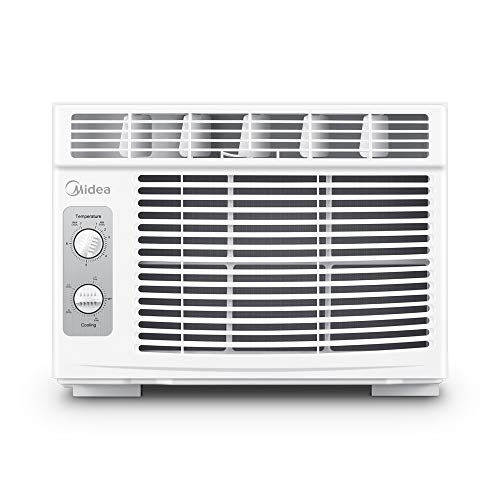
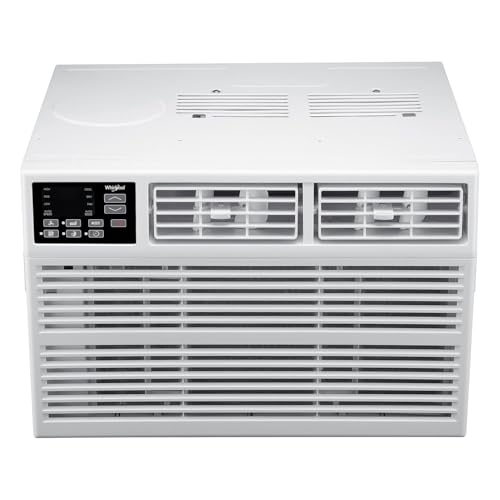
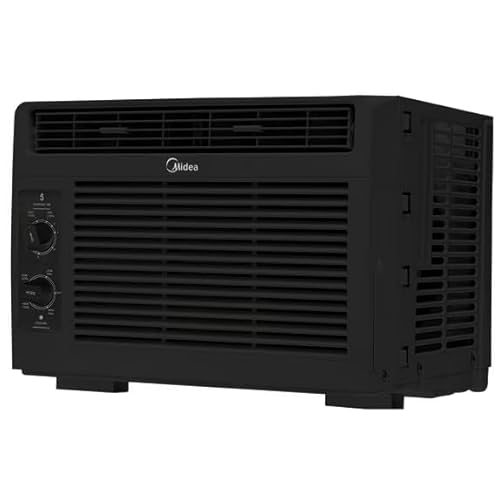
Picture a single metal cabinet, roughly the proportions of a microwave scaled upward, sliding into a raised sash window and sealing the gaps with accordion side panels. Compressor, coils, and fans all live inside that one box, with the warm half projecting outdoors and the cool half facing the room. This archetype built its reputation over decades because it asks so little: a suitable window, a nearby socket, basic weatherstripping, and an afternoon of careful lifting. For a first apartment bedroom or a home office carved from a spare room, few alternatives match its combination of immediacy and modest purchase cost.
Performance surprises many sceptics. Because the hot components sit genuinely outside the building envelope, window units reject heat more honestly than portables wrestling with indoor hoses. Efficiency figures for modern examples comfortably outpace comparably priced portables, and cooling capacity labelled on the box corresponds closely to what the room receives. Shoppers eyeing a mid-size example for a combined living and dining space can cross-check expectations in our roundup of best 12000 btu portable air conditioners, where the contrast between hose-based and window-based delivery becomes vivid.
Compromises concentrate around noise, light, and the window itself. The compressor hums on the other side of a thin chassis, and fixed-speed models announce each start with a small thump and a surge of fan noise. The installation sacrifices part of the window, blocking light and any breeze on mild days, and removing the unit for winter storage is a chore many owners postpone until the first frost. Security deserves attention too: a poorly braced unit can be pushed inward from outside, so support brackets and locking sashes matter, especially at ground level.
Installation quality separates satisfaction from regret here. The cabinet should tilt almost imperceptibly toward the exterior so condensate drains outside rather than pooling indoors. Foam seals around the perimeter stop insects and hot air sneaking past the side panels. On upper floors, a support bracket rated for the weight protects both the sill and anyone walking below. Two people should share the lift, because even mid-size examples are awkward, dense objects with sharp finned edges waiting to slice careless fingers.
Who should pick this archetype
Choose the classic window box when one room needs dependable cooling, the window geometry cooperates, and budget discipline matters more than silence. It suits students, first-time renters with permissive leases, and homeowners cooling a single workspace while the rest of the house stays warm. Skip it when windows slide sideways without an adapter kit, when a homeowners association bans visible units, or when the sleeper in the room wakes at the slightest mechanical murmur.
Archetype two: inverter window designs, including U-shaped and saddle styles
Inverter window units keep the single-cabinet convenience while borrowing compressor technology from split systems, allowing the motor to cruise at partial speed once a room approaches its target. The result is a machine that sips power during long evening stretches and avoids the temperature sawtooth of older designs. Two newer silhouettes exploit the format further. U-shaped bodies straddle the sill so the window can close down into the channel, restoring much of the view and muffling compressor noise behind glass. Saddle designs drape over the sill like a riding seat, lowering the indoor profile and freeing even more of the window opening.
Bedrooms benefit most visibly from this evolution. A light sleeper who once endured a fixed-speed box clunking awake hourly may sleep straight through an inverter model murmuring at its lowest setting. Nurseries and home studios follow similar logic, since steady background hush matters during calls, recordings, and naps. Energy bills also reflect the gentler duty cycle, particularly in climates where cooling runs from late spring into early autumn rather than for a handful of brutal weeks.
Costs climb relative to basic boxes, and the novel shapes introduce their own fitting puzzles. U-shaped units demand specific sill depths and window types, and their support brackets can intimidate first-time installers despite reassuring videos. Saddle models hang significant weight on the wall below the sill, so renters should confirm that patching small bracket holes sits within their lease terms. Measuring three times becomes essential advice rather than a cliché with these designs.
Who should pick this archetype
Pick an inverter window design when the room doubles as a sleeping or working sanctuary, when electricity tariffs punish waste, or when preserving window function matters. It rewards owners planning to keep the unit for many seasons, since the higher purchase price amortises across years of quieter nights. Renters on short leases may struggle to justify the premium unless the unit can travel to the next address.
Archetype three: the single-hose portable
A single-hose portable stands on casters inside the room, exhausting hot air through one flexible duct clipped into a window kit. No lifting into a frame, no permanent alteration, and the machine can roll between a living room by day and a bedroom by night, at least in theory. That freedom explains its enduring popularity among renters facing sliding doors, crank-opening casements, or landlords who prohibit anything visible from the street.
Physics, however, collects a toll. The air blown outside must be replaced, and replacement air infiltrates from corridors, gaps, and adjoining warm rooms, dragging heat and humidity back indoors. Manufacturers historically labelled these machines with optimistic capacity figures, and regulators responded with a second, lower seasonal rating that reflects the infiltration penalty. When comparing a portable against a window unit, trust the conservative seasonal number rather than the larger traditional figure printed beside it.
Practical annoyances accumulate around water and hoses. In humid weather the internal tank fills or the condensate evaporates imperfectly, demanding drainage through a hose to a floor drain or a periodic emptying ritual. The exhaust hose radiates warmth along its length and occupies floor space, while the window kit needs careful sealing to avoid becoming an open invitation for insects. Noise stays inside the room entirely, since nothing separates sleeper from compressor except the appliance casing.
Who should pick this archetype
Reach for a single-hose portable when no other format is permitted, when cooling needs are occasional, or when a temporary solution must bridge a renovation or a broken central system. It also serves rooms used sporadically, like a guest suite that hosts visitors a few weekends each summer. Households battling severe heat daily will usually outgrow its compromises and should treat it as a stopgap rather than a destination.
Archetype four: the dual-hose portable
Adding a second hose transforms the portable proposition. One duct draws outdoor air in to cool the condenser, and the other expels the heated stream, so the room itself is no longer the source of makeup air. That sealed exchange curbs the negative-pressure problem haunting single-hose designs, letting more of the rated capacity actually serve the occupants. Cooling feels brisker, and the machine cycles less desperately on humid evenings when infiltration would otherwise reload the room with moisture.
The hardware grows bulkier in exchange. Two hoses snake to a wider window panel, the cabinet often weighs more, and storage eats a larger corner of a closet during winter. Setup takes longer than the advertisements imply, because both ducts need gentle bends rather than kinks, and the intake must not gulp rain or debris from a sheltered but dirty exterior spot. Some models offer a convertible arrangement using one hose when convenience trumps efficiency, a flexibility that suits shoulder seasons.
Dual-hose portables occupy an interesting middle ground for workshops, rented offices, and finished basements where windows are small or oddly placed. They still trail window units on efficiency and still park their compressor beside your chair, yet the gap narrows enough that the mobility premium becomes defensible. If a portable is unavoidable and the room is large, this is generally the configuration to hunt for, even though the selection is thinner and restocking can be seasonal.
Who should pick this archetype
Select the dual-hose design when portable freedom is mandatory but the space is big, sunny, or humid enough to expose single-hose weakness. It fits tenants in garden-level flats, hobbyists cooling a garage studio, and anyone whose window opens in a way that defeats cabinet-style units. Measure doorways and storage space first, because the larger chassis surprises buyers accustomed to compact appliances.
Archetype five: the single-zone ductless mini-split
A mini-split divides the system across a wall. Indoors, a slim head mounts high on the wall or, in variants, near the floor or ceiling, blowing conditioned air through motorised vanes. Outdoors, a compact condenser sits on a pad, a balcony, or wall brackets. Refrigerant lines, a condensate drain, and a communication cable thread through a small hole behind the indoor unit, and a qualified installer evacuates the lines before releasing refrigerant into the circuit.
The rewards are immediate and cumulative. With the compressor banished outside, indoor noise drops to a whisper at low fan speeds, and inverter control holds temperatures within a narrow, comfortable band. Efficiency leads the field among common residential options because no ducts leak conditioned air into attics, and the variable-speed compressor matches output to the hour rather than the worst afternoon of the year. Bedrooms gain particular value; our dedicated look at best air conditioners for bedrooms explores how that quiet, draft-managed delivery changes sleep quality compared with cabinet machines.
Commitment is the counterweight. Professional installation is effectively mandatory, involving refrigerant handling certification, vacuum pumps, and sometimes electrical upgrades, so the installed cost dwarfs the equipment price of a window box. The indoor head remains visible furniture, a long horizontal presence that some interiors absorb gracefully and others resent. Repairs also require specialist visits rather than a trip to a warehouse store for a replacement unit, and a breakdown during peak season can mean waiting in line behind every other household whose system failed in the same heatwave.
Placement decisions deserve the installer’s full attention. Mounting the head above a bed can create a chilly downdraught some sleepers love and others hate; positioning it to wash air along the ceiling usually spreads comfort more evenly. The outdoor unit needs clearance for airflow and service access, plus a condensate route that will not drip onto a neighbour’s patio or freeze across a walkway in heat-pump heating mode. Line-set length limits how far apart the two halves can live, so sprawling floor plans may need multiple outdoor units or a different archetype entirely.
Who should pick this archetype
Choose a single-zone split for a primary bedroom, a garden office, an attic conversion, or any one space where you spend long hours and crave quiet. Homeowners planning to stay put benefit most, since installation spending returns value across many summers. It is excessive for a rarely used spare room and impractical where exterior walls cannot be penetrated at all.
Archetype six: the multi-zone mini-split system
Multi-zone equipment lets one outdoor condenser feed several indoor heads, each with its own target temperature and schedule. A household can cool the main bedroom and a nursery overnight while letting an empty kitchen drift warmer, then reverse the pattern during a working day spent in a study. That zoning slashes waste compared with conditioning an entire house to satisfy one occupant, and it solves the puzzle of homes without ducts where several rooms genuinely need relief.
Complexity rises in step with ambition. The outdoor unit must be sized for realistic simultaneous demand rather than the arithmetic sum of every head running flat out, a judgement call called diversity that experienced designers handle carefully. Long refrigerant runs to distant rooms add cost and potential leak points. When the shared outdoor unit fails, every zone loses cooling at once, unlike a fleet of independent window boxes where one breakdown inconveniences a single room.
Aesthetics multiply too: several wall heads impose a visual rhythm across a home, and condensate drainage from interior walls can require small pumps that introduce their own faint sounds and maintenance needs. Ceiling cassettes and concealed ducted heads exist for buyers who dislike the standard wall unit’s appearance, though they add installation intricacy and expense. Discuss future expansion during design, because adding a head later may exceed the outdoor unit’s port capacity even when raw capacity remains available.
Who should pick this archetype
Pick multi-zone splits when a ductless home needs cooling in three or more regularly used rooms and occupants keep different schedules or temperature preferences. It suits multigenerational households, where grandparents and teenagers rarely agree on a thermostat, and renovated properties where tearing open walls for ducts would destroy fresh finishes. Smaller households may find several single-zone systems simpler, more resilient, and occasionally comparable in installed cost.
Archetype seven: central ducted air conditioning
Central systems hide comfort in plain sight. An outdoor condenser pairs with an indoor coil and blower, pushing cooled air through a network of ducts to registers in every room. Occupants see only vents and a thermostat, hear mostly moving air, and enjoy the most even temperatures of any archetype when ducts are tight, insulated, and sensibly balanced. For larger homes already possessing ductwork from a furnace, adding or replacing central cooling is often the path of least resistance and greatest whole-house satisfaction.
Duct condition decides whether that promise materialises. Leaky joints in a scorching attic can surrender a substantial share of cooling before it reaches a bedroom, and undersized returns starve the blower while raising noise. A reputable installer inspects, seals, and tests the duct system rather than bolting new equipment onto neglected infrastructure. Homes in humid regions should also confirm that airflow per ton of capacity suits moisture removal; our climate-focused notes at best air conditioners for humid climates dig into why slower, well-tuned airflow protects comfort there.
Capacity for central gear is expressed in tons, each ton equalling twelve thousand BTU per hour, and proper sizing relies on a room-by-room load calculation rather than rules of thumb drawn from square footage alone. Contractors who quote a replacement purely by matching the old nameplate may perpetuate a previous owner’s oversizing mistake. Variable-speed and two-stage central systems narrow the gap with inverter splits, running long, quiet, dehumidifying cycles at partial output for most of the season and reserving full power for exceptional afternoons.
Zoning dampers can divide a ducted house into separately controlled areas, at the cost of additional thermostats, bypass considerations, and commissioning care. Without zoning, a central system conditions empty rooms alongside occupied ones, an inefficiency that matters less in compact, well-insulated homes where temperatures equalise quickly. Filtration is a genuine strength here: a central air handler can carry deep media filters that clean the entire house’s air far more thoroughly than the thin mesh screens fitted to room units, a meaningful advantage for allergy sufferers willing to maintain them.
Who should pick this archetype
Choose central cooling when ducts already exist in decent shape, when the whole household keeps similar hours, or when invisible, uniform comfort tops the priority list. It also fits new construction, where duct routes can be planned inside conditioned space. Avoid it when duct installation would require gutting finished rooms, because mini-splits will likely deliver similar comfort with far less disruption and spending.
Archetype eight: through-wall units and packaged terminals
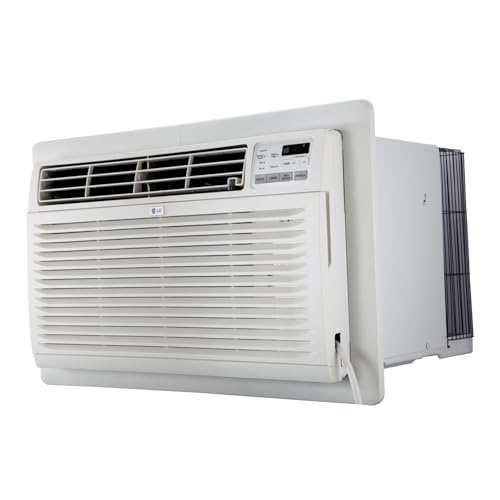
Through-wall machines resemble window units that grew up and signed a lease. They slide into a metal sleeve set permanently into an exterior wall, leaving windows free and presenting a flush, deliberate appearance inside and out. Apartment blocks, condominiums, and older homes with sleeves already installed form their natural habitat. Replacement is refreshingly mechanical: measure the sleeve, match dimensions and voltage, slide the old chassis out and the new one in, then seal and trim.
Packaged terminal units, familiar from hotel rooms, combine heating and cooling in one through-wall cabinet controlled from a front panel or wall thermostat. In residential settings they appear in sunrooms, in-law suites, and rental units where independent control matters and a separate system per dwelling simplifies billing. They are louder than splits and less efficient than the best modern alternatives, yet their self-contained nature keeps installation predictable and servicing straightforward, since a technician can swap an entire unit quickly.
Buyers inheriting a sleeve must resist assuming universal fit. Sleeve dimensions vary by manufacturer era, and stuffing a smaller chassis into a larger opening with improvised filler invites water ingress, air leakage, and vibration. Electrical supply also differs: some sleeves feed higher-voltage circuits with special plugs that a standard replacement may not match. Photograph the existing nameplate and measure the sleeve’s interior before ordering anything, and budget for a new sleeve if corrosion has compromised the old one’s drainage slope.
Who should pick this archetype
Pick a through-wall unit when a sleeve already exists, when windows must stay usable, or when a landlord wants durable, room-by-room control without refrigerant work. It is rarely worth cutting a fresh hole solely for this format, because a mini-split installed through a far smaller opening delivers quieter and more efficient service for a comparable overall project.
Installation realities nobody should discover mid-heatwave
Electrical capacity and circuits
Cooling equipment draws serious current, and older homes may lack spare capacity in the panel or free breaker slots. Small window units usually sip from ordinary household outlets, though they still deserve a circuit not already burdened by a microwave or hair dryer. Larger window models and through-wall machines sometimes require dedicated higher-voltage outlets whose shape prevents casual substitution. Splits and central systems almost always need a dedicated circuit, an outdoor disconnect, and a permit, so an electrician’s visit belongs in the project plan rather than on the emergency list.
Surge protection deserves a mention in storm-prone regions, where a lightning-induced spike can destroy the control board of an expensive inverter system. Whole-house protectors installed at the panel guard every archetype at once, while plug-in protection for a window unit is cheap insurance. Renters should check whether repeatedly tripping breakers signal an overloaded circuit rather than a faulty appliance, and raise the issue with the landlord instead of reaching for an extension cord, which cooling equipment should never use.
Drainage, condensation, and water damage prevention
Every cooling hour produces water somewhere. Window units drip outside, portables collect or evaporate condensate, and splits route it through a drain that can clog with algae and back up into a wall. Knowing where your system’s water goes, and checking that path at the season’s start, prevents the ceiling stain that reveals a blocked drain weeks too late. Condensate pumps need testing, drain pans benefit from occasional cleaning, and any musty smell near an indoor head warrants investigation rather than air freshener.
Permits, rules, and neighbours
Building departments may require permits for split and central installations, and condominium boards often dictate where outdoor units may sit, how lines may run, and which hours installers may drill. Historic districts can restrict visible equipment on street-facing elevations. Even a window unit can fall foul of rules about projecting over public pavements. A short enquiry before purchase beats an enforcement letter after installation, and keeping neighbours informed about a condenser near a shared fence line preserves goodwill when the machine hums through a warm night.
Running costs, noise, and living with your choice
What actually drives the electricity bill
Runtime multiplied by wattage writes the bill, so thermostat habits rival equipment efficiency in importance. Each degree you raise the setpoint trims consumption noticeably, and pairing cooling with ceiling fans lets occupants feel comfortable at warmer settings because moving air accelerates evaporation from skin. Pre-cooling a well-insulated home during cheaper tariff hours can shift load away from peak pricing, though leaky houses squander that stored coolness quickly. Blackout curtains on sun-beaten windows reduce the load before the compressor ever starts, making them among the cheapest efficiency upgrades available.
Maintenance protects the efficiency you paid for. A clogged filter or a condenser coil blanketed in cottonwood fluff forces longer runtimes for the same comfort. Shading an outdoor unit sounds helpful but enclosing it tightly suffocates airflow; a fence or shrub planted with generous clearance is fine, while a decorative box hugging the cabinet is not. Annual professional servicing for splits and central systems catches refrigerant and electrical issues early, whereas room units mostly ask for filter washing, coil rinsing, and dry storage.
Reading noise claims like a sceptic
Manufacturers quote noise at the gentlest fan setting in a laboratory, which may bear little resemblance to the turbo mode you will actually use on a scorching evening. Compare figures cautiously across brands, since measurement standards vary, and weight the low-speed number most for bedrooms where the machine will cruise overnight. Placement tricks help every archetype: a window unit sealed snugly rattles less, a portable on carpet drones less than one on bare boards, and a condenser mounted on wall brackets can transmit vibration into the structure unless isolation pads intervene.
Consider also the character of the sound, not merely its volume. A steady broadband whoosh fades from awareness, while a cycling compressor’s intermittent clunks keep announcing themselves. Inverter machines earn affection precisely because their sound stays continuous and low rather than punctuating the night. In open-plan spaces, locate the loudest component away from conversation and television seating, and remember that corners amplify bass frequencies, so a portable parked in a corner may boom unexpectedly.
Air quality extras and their limits
Some units advertise ionisers, ultraviolet lamps, or elaborate multi-stage filters. Basic dust filtration is genuinely useful, and washable filters encourage upkeep, but exotic purification claims should not steer a purchase away from correct sizing and solid installation. Households with serious allergies will achieve more through a central system’s deep media filter or a standalone purifier sized for the room. Keep humidity in the comfortable middle range as well, because overly dry air irritates throats while persistent dampness invites mould on cool surfaces.
A decision path you can finish this evening
Start by listing the rooms that truly need cooling and the hours they are occupied, then measure each space and note ceiling height, window orientation, and any lease or association restrictions. That inventory immediately eliminates some archetypes: no suitable window removes the classic box, a ban on wall penetration removes splits, and existing healthy ducts argue strongly for central equipment. Next, size each zone using the floor-area starting point adjusted for sun, occupancy, and cooking, and sanity-check the result against the oversizing cautions earlier in this guide.
With format and capacity settled, compare efficiency within the surviving category rather than across incomparable labels, and read the conservative seasonal rating for portables. Gather installed quotes for split or central work from more than one contractor, asking each how they sized the system and what they will do about ducts or drainage. For room units, verify window dimensions, sill depth, outlet type, and storage plans before ordering, and arrange a second pair of hands for installation day.
Finally, think about the second summer, not just the first. Will filters be easy to reach on a stool, or will upkeep quietly stop? Can a technician service the outdoor unit without trampling a prized flower bed? Does the warranty require professional installation or annual servicing to remain valid, and are parts for this brand stocked locally? A choice that survives those questions tends to keep a household comfortable long after the initial research is forgotten.
Common mistakes that money cannot easily undo
Buying the largest unit on sale tops the list, followed closely by trusting a portable’s biggest printed number. Installing a window unit without a support bracket on an upper floor risks property and safety, while sealing a split’s condensate drain into an unsuitable pipe invites hidden water damage. Another frequent error is cooling a whole house to rescue one hot room whose real problem is a blocked register, a sun-baked roof, or a door left open to a humid hallway. Diagnose the specific discomfort before purchasing capacity to fight it.
Neglecting winter plans wastes money quietly. Window units left installed through freezing weather leak heat around their panels, and portables stored with water inside grow musty. Splits used for heating need their outdoor coils kept clear of snow drift and their defrost drainage considered. Central systems appreciate a covered condenser only if the cover breathes; wrapping equipment airtight traps moisture against metal. A short end-of-season routine, written on a card taped inside a cupboard door, keeps these chores from depending on memory.
Matching the archetype to awkward real rooms
The sun-baked attic conversion
Converted lofts collect heat through the roof all day and release it slowly into the evening, so their load peaks later than rooms downstairs and persists after sunset. Low, sloping ceilings complicate window-unit fitting, and a portable may steal precious floor area from an already tight footprint. A compact split head mounted on the gable end often solves both geometry and endurance, washing air along the ridge while its inverter keeps working gently into the night. Insulating and ventilating the roof void remains worthwhile regardless, because no machine should be asked to fight a roof that behaves like a storage radiator.
The rented room where nothing may be altered
Tenants facing absolute prohibitions on drilling, brackets, or visible exterior changes have fewer levers, yet the situation is not hopeless. A portable vented through a carefully fitted, removable window panel respects most rules, provided the panel seals well and can leave with the tenant. Pairing it with blackout blinds, a door sweep, and a fan to stretch the cooled zone turns a compromised appliance into a tolerable system. Document the window’s original condition with photographs before fitting anything, so deposit discussions at move-out stay factual rather than theatrical.
The open-plan space that defeats small machines
Combined kitchen, dining, and living areas present a volume problem disguised as a floor-area problem, since cooking heat, multiple occupants, and entertainment electronics all pile into one zone. A single mid-size window unit placed at one end may chill its immediate surroundings while the sofa at the far end stays stubbornly warm. Two approaches work better: a properly sized central or multi-zone arrangement designed for the whole footprint, or a larger window or through-wall unit positioned so its airstream travels the room’s long axis unobstructed. Ceiling fans at either end help blend the temperature layers that otherwise stratify.
The home office with video calls all day
Remote workers discover quickly that background noise acceptable in a living room becomes exhausting when a microphone amplifies it for colleagues. Computers and monitors also add a steady heat load that sizing charts for bedrooms ignore. An inverter window design or a small split earns its premium here by holding a stable temperature without audible surges during meetings. Position the unit so its discharge does not blow directly onto the desk, since a cold draught on the neck provokes thermostat fiddling that a steadier placement would prevent.
The nursery and the grandparents’ bedroom
Rooms for infants and elderly relatives share a need for gentle, predictable conditions without icy blasts or abrupt overnight swings. Precise thermostats, reliable timers, and quiet low-speed operation outrank raw capacity in these spaces. Caregivers should also think about cord safety, stable mounting, and controls that cannot be accidentally reset by curious fingers or an arthritic hand brushing a panel. A machine whose display glows brightly at night may disturb a light-sleeping grandparent, so a display-off feature is worth more than its trivial billing suggests.
Across all these scenarios, the pattern repeats: describe the room honestly, respect the building’s constraints, and let the archetype follow from those facts instead of from whichever product happens to be promoted that week. Promotions rotate; roof angles, lease clauses, and sleeping habits do not.
Seasonal rhythm: buying, installing, and maintaining on a calendar
Timing a purchase outside the first heatwave of the year changes the experience completely, because installers have open diaries, retailers hold deeper stock, and nobody is negotiating while sweating through a sleepless night. Late winter and early spring suit split and central projects especially well, giving tradespeople unhurried hours to measure, calculate loads, and commission equipment carefully. Room units bought in the off-season can be test-fitted on a mild weekend, when a sizing mistake or a missing bracket is an errand rather than an emergency.
Once installed, a simple calendar keeps performance from drifting. Filters deserve inspection monthly during heavy use and a wash or replacement whenever they look grey rather than white. Outdoor coils appreciate a gentle rinse after pollen season and again after storms plaster them with debris. Before the first hot spell each year, run the system on a warm afternoon, listen for unfamiliar rattles, confirm that condensate flows where it should, and check that the thermostat schedule still matches how the household actually lives. Catching a weak capacitor or a blocked drain in April is a minor appointment; discovering the same fault during a July heatwave joins a queue of identical emergencies.
Check prices on Amazon
Live listings for the shortlist in this guide are pulled from Amazon below, so prices and availability are always current at the moment you look.


Frequently asked questions
Can one large unit cool an entire small home?
Sometimes, when the floor plan is open, doors stay ajar, and insulation is decent, a single well-placed machine can take the edge off everywhere while truly cooling its own room. Closed doors and long hallways defeat that hope quickly, because cool air does not turn corners politely. Households often do better with two smaller units in the rooms that matter than with one oversized unit roaring in a corridor. Testing with an inexpensive thermometer in the farthest room reveals the truth within a day.
Do I need a professional to install a mini-split?
In most jurisdictions, yes, because refrigerant handling, line evacuation, and electrical work fall under licensing and warranty conditions. A small number of pre-charged do-it-yourself kits exist for confident homeowners where regulations allow, yet even those demand careful torque, leak checking, and circuit work. Given that installation quality determines efficiency and lifespan, professional fitting usually represents money well spent rather than an upsell to resist.
How long should an air conditioner last?
Room units commonly serve somewhere around a decade, with lifespan shortened by coastal salt air, dusty environments, and storage in damp sheds. Splits and central systems often run considerably longer when serviced regularly, though control boards and refrigerant availability eventually push owners toward replacement. Rising repair frequency, declining performance despite clean coils, and a compressor that struggles to start are the usual signals that a successor should be researched before the old machine fails outright in July.
Is a heat pump version worth choosing?
Where winters are mild to moderate, a heat-pump split or central system can handle most heating efficiently and reserve backup heat for rare cold snaps, consolidating two appliances into one maintained system. In severe climates, cold-climate models have improved markedly, yet a household should confirm capacity at the lowest local temperatures and understand when auxiliary heat engages. The cooling side performs identically, so the decision hinges on heating economics and the condition of the existing furnace.
Why does my room still feel humid with the air running?
Short cycles from an oversized unit, a fan set to run constantly and re-evaporate coil moisture, or infiltration through gaps around a portable’s window kit are the usual culprits. Try a dry or dehumidify mode if offered, confirm the fan rests when the compressor stops, and seal obvious leaks. Persistent dampness in a basement may exceed what any comfort-cooling unit should handle, pointing instead toward a dedicated dehumidifier and a search for groundwater or plumbing sources.
Whatever format eventually hums, drips, or whispers in your home this summer, may its first evening find you measuring comfort not by the thermostat’s number but by how completely you forget the machine is even there.