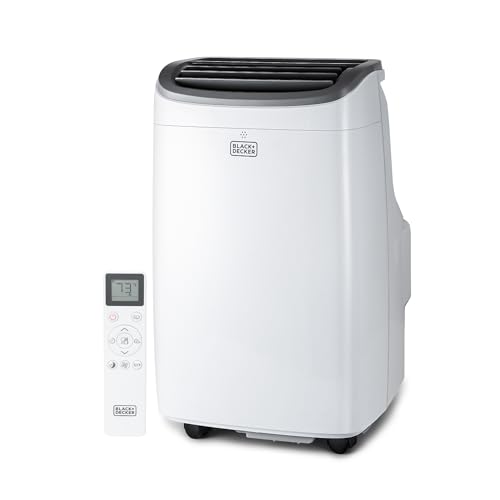
Our Top Picks


What's inside
- How genuine mini refrigeration differs from evaporative imitations
- Selection criteria for very small rooms
- Archetype picks for compact cooling
- Noise, vibration and the politics of shared walls
- Power draw, running habits and building rules
- Placement experiments worth an evening
- Questions from small room occupants
- Check prices on Amazon
- Final checks before choosing a miniature cooler
As an Amazon Associate I earn from qualifying purchases. This post may contain affiliate links at no extra cost to you.
Affiliate disclosure: Cottage Verdict may receive a small commission if you purchase through links elsewhere on this site, which helps fund our testing notes and never changes the guidance offered in this particular guide.
Tiny rooms overheat in a peculiar way. A dorm bunk area, a narrow rented bedroom, or a desk corner tucked beneath a sloping ceiling collects body warmth, laptop exhaust, and afternoon sun within a few square metres, so the air turns stuffy long before a larger lounge would feel uncomfortable. Shoppers searching for relief in that setting meet a confusing shelf of products all calling themselves mini, although only some of them refrigerate air in any meaningful sense. Sorting genuine compressor machines from dressed up fans is therefore the opening task for anyone hoping a compact purchase will genuinely change how a small space feels at midnight.
True refrigeration follows a familiar cycle. A compressor squeezes refrigerant gas, a condenser sheds captured warmth outside the room, an expansion device drops pressure sharply, and an evaporator coil turns cold enough to pull heat and moisture from indoor air passing across it. Any appliance lacking that loop cannot lower room temperature below the surrounding level by more than a whisker, whatever the marketing language suggests. Evaporative gadgets take another route entirely, blowing air across damp pads so water absorbs energy while evaporating, which adds humidity and works best where incoming air arrives dry and hot rather than already muggy.
That distinction matters most in humid regions and sealed rental rooms. Adding moisture to air that already feels heavy can leave bedding clammy and tempers short, even when a breeze tricks skin into sensing brief relief. By contrast, a small compressor model wrings water out of the air as it cools, collecting condensate in a tank or sending it along a drain line, so fabrics dry out and sleep improves. Readers comparing bedroom focused guidance such as best air conditioners for bedrooms will notice the same humidity argument appearing repeatedly, because moisture control quietly separates comfort from mere moving air in sleeping quarters.
Scale imposes hard ceilings on performance. A miniature cabinet holds a miniature coil, a modest fan, and a compressor sized for frugality rather than brute force, so its cooling reach suits one occupant zone or a genuinely compact room. Expecting such a unit to rescue an open plan living area invites disappointment, whereas aiming it at a bed, a study chair, or a gaming seat produces a pocket of relief that feels disproportionate to the electricity consumed. Honest expectations transform these appliances from gambles into tools, provided buyers match the machine to the corner it must serve instead of the whole dwelling.
How genuine mini refrigeration differs from evaporative imitations
Packaging language offers the first clues. Refrigerated models describe compressor operation, refrigerant circuits, exhaust arrangements, and condensate handling, because those parts define their behaviour. Evaporative products emphasise water tank capacity, ice compartments, and pad materials, since evaporation is their sole mechanism. Neither vocabulary is dishonest by itself, yet confusing one for the other leads to returns and resentment. A shopper who needs temperature reduction in a coastal city should insist on compressor evidence, while a desert dweller with ventilated rooms might deliberately choose evaporation for its gentle running demands and simple upkeep.
Exhaust routing reveals another dividing line. Every refrigerated appliance must dump extracted warmth somewhere beyond the cooled zone, usually through a hose reaching a window kit or through a dedicated vent. A box that claims refrigeration while offering no path for rejected heat deserves scepticism, because physics refuses that bargain indoors. Evaporative boxes legitimately lack exhaust hoses, since they convert sensible warmth into latent moisture instead of relocating heat. Checking for a hose, a window panel, or a drainage arrangement therefore settles many purchasing questions before brand comparisons even begin.
Temperature claims deserve translation into lived experience. Evaporative airflow can feel several degrees cooler against skin in arid conditions, partly through evaporation on the body itself, yet the room thermometer barely budges and may climb once humidity accumulates. Compressor cooling lowers the thermometer reading across the whole enclosed volume, slowly but measurably, and holds that reduction while the machine runs. Renters in small rooms should ask which outcome they actually need: a personal breeze during desk work, or a bedroom that stays cooler through the night after doors close and ventilation fades.
Selection criteria for very small rooms
Cooling capacity leads the checklist, expressed in British thermal units per hour. Compact refrigerated models cluster at modest outputs suited to single rooms, and oversizing brings short cycling, clammy air, and needless noise. Undersizing leaves the compressor labouring continuously without reaching the thermostat setting on fierce afternoons. Room dimensions, ceiling height, window orientation, insulation quality, and occupancy all nudge the ideal figure, so treat published coverage estimates as starting points rather than promises. Shoppers weighing output bands will find neighbouring guidance like best 8000 btu air conditioners useful when a supposedly mini room measures larger than first assumed.
Noise shapes satisfaction more than brochures admit. Compressors hum, fans whoosh, and small cabinets resonate against thin dormitory furniture, so published sound levels deserve attention alongside cooling figures. A unit tolerated happily in a daytime study corner may sabotage light sleepers when placed beside a pillow. Low speed settings, sleep timers, and compressor designs that ramp gently rather than clunking awake all soften the experience. Positioning helps as well: a machine resting on carpet or a mat behaves more politely than one vibrating across bare boards, and distance from the bed head buys quiet without sacrificing much cooling.
Electrical appetite matters in older rentals and student housing where circuits already carry kettles, microwaves, and gaming rigs. Miniature refrigerated units sip compared with full sized systems, yet their draw still deserves respect on shared breakers. Evaporative alternatives consume dramatically less, sometimes running happily from modest supplies, which explains their popularity in off grid cabins and market stalls. Checking plug type, cable length, and any building rules about window installations prevents the classic heartbreak of a delivered appliance that cannot legally or safely run where it was meant to live.
Footprint and storage complete the practical picture. Term time ends, leases change, and a machine that folds into a cupboard or rolls beneath a desk earns loyalty beyond its cooling figures. Handles, castors, hose storage, and filter access all influence whether a unit gets maintained or neglected. A neglected filter chokes airflow, raises noise, and stretches running hours, quietly erasing the efficiency that justified the purchase. Buyers should picture the appliance in February as well as July, because ownership spans the whole year while heat waves occupy only part of it.
Archetype picks for compact cooling
Five archetypes cover nearly every miniature cooling scenario encountered in dormitories, rented rooms, and desk nooks. Each sketch below describes construction, behaviour, and the occupant it suits, spanning frugal evaporative helpers through to capable compressor machines for sleep critical spaces. Segments are labelled plainly so readers can shortlist by circumstance rather than by advertising volume, and every archetype assumes the room is genuinely small, since stretching any of them across a sprawling area defeats the purpose of buying compact equipment in the first place.
Archetype one: the true compressor cube for a single sleeper
Imagine a squat refrigerated cube built around a modest compressor, a short exhaust hose, and a window sealing kit sized for sliding sashes common in student blocks. Output targets one bed and its immediate surroundings, drawing moisture into a small internal tank that either evaporates through the hose stream or signals when emptying is due. In premium guise this archetype adds a soft start compressor and a genuinely hushed night mode, while frugal versions trade polish for straightforward dials and a lighter cabinet that one person can lift onto a storage shelf unaided.
Sleep quality is where this design earns devotion. Placed across the room from the pillow, aimed so cooled air washes along the bed rather than blasting the face, it steadies temperature through the hours when dormitory corridors finally quieten. The compressor note becomes background texture for many sleepers, steadier than traffic sounds, although very light sleepers should still audition the night setting before committing. Condensate discipline matters: checking the tank weekly during muggy spells prevents surprise shutoffs on the hottest night of the term.
Limitations deserve plain speech. The hose occupies window space, the cabinet claims floor area that tiny rooms guard jealously, and cooling collapses if the door stands open to a warm hallway all evening. This archetype rewards occupants who treat the room as a sealed pod during sleeping hours. For a renter forbidden to fit window kits, it fails administratively rather than technically, which is why lease terms belong in the buying conversation alongside capacity figures and sound levels.
Archetype two: the evaporative tower for dry climate desk work
Picture a slim evaporative tower with a refillable reservoir, honeycomb pads, and oscillation that sweeps a desk zone without monopolising floor space. It refrigerates nothing, yet in arid inland heat it delivers a persuasive sensation of relief for someone seated within its breeze path for long study or work sessions. Budget examples keep controls simple and pads replaceable, while mid range versions add larger tanks that stretch refills across a working day and filters that slow dust accumulation on the damp media.
Placement discipline defines success here. Fresh air must enter the room and moist air must leave, ideally through openings on opposite sides, otherwise humidity snowballs until the effect fades into warm dampness. A cracked window behind the occupant and a door ajar to a ventilated corridor can sustain the effect for hours. Anyone sealing this tower into a closed humid bedroom overnight has chosen the wrong tool, and no tank additive or ice trick rescues that mismatch for long.
Running demands delight frugal households. The electrical draw resembles a bright lamp rather than a kitchen appliance, pads rinse clean under a tap, and there is no hose, no window kit, and no landlord conversation. Students moving rooms each term appreciate the absence of installation entirely. The honest trade is ceiling: on the muggiest afternoon of the year this archetype merely stirs the discomfort, so buyers in mixed climates should treat it as a shoulder season ally rather than a heat wave guarantee.
Archetype three: the personal desktop evaporative box
Visualise a book sized evaporative box that perches beside a monitor, sipping water from a small tank and pushing a narrow ribbon of humidified air toward one face and pair of hands. It makes no attempt to cool a room, and judged by that modest ambition it succeeds charmingly during video calls, revision sessions, and late night writing in a warm attic corner. The cheapest segment of the entire category lives here, with simple fans, replaceable cartridges, and power supplied through commonplace small connectors.
Expectations must stay miniature to match. Step two metres away and the effect evaporates, literally and figuratively. Share the desk with a second person and arguments begin. Yet for a single occupant in a bedsit whose landlord forbids window alterations, this box offers lawful, immediate, personal relief while reading or typing, especially where evenings cool down naturally and only the desk hours feel oppressive. Its portability also suits shift workers who sleep in changing locations and need a familiar breeze ritual in unfamiliar rooms.
Hygiene is the hidden homework. Stagnant tank water and neglected pads cultivate odours that no amount of airflow disguises, so rinsing, drying, and cartridge replacement belong in the weekly routine. Owners who treat the box like a kettle, descaling and airing it regularly, report seasons of faithful service. Owners who abandon it damp in a drawer rediscover it as a science experiment, which says more about storage habits than about the underlying evaporative principle.
Archetype four: the window mounted mini compressor for rented bedrooms
Consider a compact window mounted refrigerated unit whose chassis straddles the sill, placing the noisy half outdoors and the cooling face indoors. For a small rented bedroom with a suitable sash window, this arrangement delivers genuine temperature reduction without surrendering floor area, and the outdoor noise placement flatters sleep. Mid range examples add remote controls and programmable timers, while premium variants refine compressor mounting to tame vibration transmitted through older window frames into the wall.
Installation is the gatekeeper. The window must bear the weight safely, side gaps need sealing against insects and draughts, and some leases or dormitory contracts forbid sill mounted equipment outright. Where permission exists, fitting takes an afternoon of careful measuring rather than professional help for the smaller sizes, although a second pair of hands transforms the lifting stage. Readers exploring the broader window category will recognise this archetype as the little sibling of machines discussed under best 5000 btu compact window air conditioners, scaled for rooms where even modest outputs feel generous.
Seasonal removal shapes ownership. Northern renters often extract the unit each autumn, storing it upright so refrigerant oil settles correctly before the next summer. That ritual, plus filter rinsing and fin inspection, keeps performance steady across years. The archetype suits occupants expecting to stay put for several summers; frequent movers may resent the fitting labour each time an address changes, and should weigh that friction honestly against the excellent sleeping conditions the design provides.
Archetype five: the dual hose compact portable for sleep sensitive renters
Envision a compact portable refrigerated machine with two hoses, one drawing outdoor air across the condenser and one expelling warmed air, avoiding the negative pressure quirk that makes single hose portables suck hot corridor air through every door gap. In a small sealed bedroom the efficiency gain is tangible, and cooling arrives faster after sunset switch on. Premium construction dominates this archetype, with insulated hoses and compressor blankets that keep the midnight soundscape civilised for neighbouring sleepers.
Bulk is the unavoidable invoice. Two hoses need window access and storage volume, the cabinet outweighs simpler minis, and rolling it across thresholds tests castor quality. Renters gain installation freedom since nothing mounts permanently, and the machine follows them between addresses without frame alterations. For a light sleeper in a humid city renting a genuinely tiny room, that combination of real refrigeration, respectable quiet, and zero structural change often justifies the extra shelf space surrendered to hose storage each winter.
Condensate handling separates thoughtful examples from irritating ones. Designs that evaporate most moisture through the exhaust stream spare occupants the nightly tank ritual, reserving manual draining for exceptional humidity. Drainage access should sit low and obvious, because hunting for a bung at two in the morning beside a full tank teaches owners to read manuals they skipped in June. This archetype closes the picks by showing how much engineering can hide inside a compact footprint when designers respect both physics and sleep.
Scenario alpha concerns a north facing bunk alcove, where a single occupant revising after midnight needs relief while reading without disturbing anyone beyond the doorway. Air in such a pocket turns dry quickly because furnishings crowd circulation and every appliance donates warmth to a volume too small to dilute it. A miniature refrigerated machine earns its place here only when its exhaust path stays short, its intake remains unobstructed by bedding or files, and its lowest fan setting still moves enough air across the coil to dehumidify steadily. Evaporative help, by contrast, flatters the skin during the first hour yet gradually loads the bedding with moisture, which is why occupants in this setting should watch how fabrics feel at dawn rather than trusting evening impressions. Measuring success is refreshingly concrete: pillowcases stay dry, the occupant wakes fewer times, and the small room recovers a comfortable baseline within half an hour of switch on. Anything promising faster miracles for this footprint is selling theatre, whereas honest equipment simply repeats that modest victory night after night until the season turns.
Scenario bravo concerns a sun baked attic slope room, where a writer working beneath low eaves needs relief while studying without disturbing anyone beyond the doorway. Air in such a pocket turns still quickly because furnishings crowd circulation and every appliance donates warmth to a volume too small to dilute it. A miniature refrigerated machine earns its place here only when its exhaust path stays short, its intake remains unobstructed by bedding or files, and its lowest fan setting still moves enough air across the coil to dehumidify steadily. Evaporative help, by contrast, flatters the skin during the first hour yet gradually loads the bedding with moisture, which is why occupants in this setting should watch how fabrics feel at dawn rather than trusting evening impressions. Measuring success is refreshingly concrete: pillowcases stay dry, the occupant wakes fewer times, and the small room recovers a comfortable baseline within half an hour of switch on. Anything promising faster miracles for this footprint is selling theatre, whereas honest equipment simply repeats that modest victory night after night until the season turns.
Scenario charlie concerns a shared corridor bedsit, where a nurse resting between night shifts needs relief while writing without disturbing anyone beyond the doorway. Air in such a pocket turns dusty quickly because furnishings crowd circulation and every appliance donates warmth to a volume too small to dilute it. A miniature refrigerated machine earns its place here only when its exhaust path stays short, its intake remains unobstructed by bedding or files, and its lowest fan setting still moves enough air across the coil to dehumidify steadily. Evaporative help, by contrast, flatters the skin during the first hour yet gradually loads the bedding with moisture, which is why occupants in this setting should watch how fabrics feel at dawn rather than trusting evening impressions. Measuring success is refreshingly concrete: pillowcases stay dry, the occupant wakes fewer times, and the small room recovers a comfortable baseline within half an hour of switch on. Anything promising faster miracles for this footprint is selling theatre, whereas honest equipment simply repeats that modest victory night after night until the season turns.
Scenario delta concerns a basement flatlet with small windows, where a gamer streaming from a corner desk needs relief while restoring energy without disturbing anyone beyond the doorway. Air in such a pocket turns bright quickly because furnishings crowd circulation and every appliance donates warmth to a volume too small to dilute it. A miniature refrigerated machine earns its place here only when its exhaust path stays short, its intake remains unobstructed by bedding or files, and its lowest fan setting still moves enough air across the coil to dehumidify steadily. Evaporative help, by contrast, flatters the skin during the first hour yet gradually loads the bedding with moisture, which is why occupants in this setting should watch how fabrics feel at dawn rather than trusting evening impressions. Measuring success is refreshingly concrete: pillowcases stay dry, the occupant wakes fewer times, and the small room recovers a comfortable baseline within half an hour of switch on. Anything promising faster miracles for this footprint is selling theatre, whereas honest equipment simply repeats that modest victory night after night until the season turns.
Scenario echo concerns a caravan annexe used as study, where a student attending remote lectures needs relief while resting without disturbing anyone beyond the doorway. Air in such a pocket turns hushed quickly because furnishings crowd circulation and every appliance donates warmth to a volume too small to dilute it. A miniature refrigerated machine earns its place here only when its exhaust path stays short, its intake remains unobstructed by bedding or files, and its lowest fan setting still moves enough air across the coil to dehumidify steadily. Evaporative help, by contrast, flatters the skin during the first hour yet gradually loads the bedding with moisture, which is why occupants in this setting should watch how fabrics feel at dawn rather than trusting evening impressions. Measuring success is refreshingly concrete: pillowcases stay dry, the occupant wakes fewer times, and the small room recovers a comfortable baseline within half an hour of switch on. Anything promising faster miracles for this footprint is selling theatre, whereas honest equipment simply repeats that modest victory night after night until the season turns.
Scenario foxtrot concerns a box room converted to nursery corner, where a parent rocking an infant at noon needs relief while editing without disturbing anyone beyond the doorway. Air in such a pocket turns cramped quickly because furnishings crowd circulation and every appliance donates warmth to a volume too small to dilute it. A miniature refrigerated machine earns its place here only when its exhaust path stays short, its intake remains unobstructed by bedding or files, and its lowest fan setting still moves enough air across the coil to dehumidify steadily. Evaporative help, by contrast, flatters the skin during the first hour yet gradually loads the bedding with moisture, which is why occupants in this setting should watch how fabrics feel at dawn rather than trusting evening impressions. Measuring success is refreshingly concrete: pillowcases stay dry, the occupant wakes fewer times, and the small room recovers a comfortable baseline within half an hour of switch on. Anything promising faster miracles for this footprint is selling theatre, whereas honest equipment simply repeats that modest victory night after night until the season turns.
Scenario golf concerns a studio kitchenette sleeping zone, where a chef resting after lunch service needs relief while sorting without disturbing anyone beyond the doorway. Air in such a pocket turns sunlit quickly because furnishings crowd circulation and every appliance donates warmth to a volume too small to dilute it. A miniature refrigerated machine earns its place here only when its exhaust path stays short, its intake remains unobstructed by bedding or files, and its lowest fan setting still moves enough air across the coil to dehumidify steadily. Evaporative help, by contrast, flatters the skin during the first hour yet gradually loads the bedding with moisture, which is why occupants in this setting should watch how fabrics feel at dawn rather than trusting evening impressions. Measuring success is refreshingly concrete: pillowcases stay dry, the occupant wakes fewer times, and the small room recovers a comfortable baseline within half an hour of switch on. Anything promising faster miracles for this footprint is selling theatre, whereas honest equipment simply repeats that modest victory night after night until the season turns.
Scenario hotel concerns a loft mezzanine sleeping platform, where a couple sharing one narrow bed deck needs relief while typing without disturbing anyone beyond the doorway. Air in such a pocket turns stuffy quickly because furnishings crowd circulation and every appliance donates warmth to a volume too small to dilute it. A miniature refrigerated machine earns its place here only when its exhaust path stays short, its intake remains unobstructed by bedding or files, and its lowest fan setting still moves enough air across the coil to dehumidify steadily. Evaporative help, by contrast, flatters the skin during the first hour yet gradually loads the bedding with moisture, which is why occupants in this setting should watch how fabrics feel at dawn rather than trusting evening impressions. Measuring success is refreshingly concrete: pillowcases stay dry, the occupant wakes fewer times, and the small room recovers a comfortable baseline within half an hour of switch on. Anything promising faster miracles for this footprint is selling theatre, whereas honest equipment simply repeats that modest victory night after night until the season turns.
Scenario india concerns a garden office pod, where a designer sketching through afternoon glare needs relief while sleeping without disturbing anyone beyond the doorway. Air in such a pocket turns shadowed quickly because furnishings crowd circulation and every appliance donates warmth to a volume too small to dilute it. A miniature refrigerated machine earns its place here only when its exhaust path stays short, its intake remains unobstructed by bedding or files, and its lowest fan setting still moves enough air across the coil to dehumidify steadily. Evaporative help, by contrast, flatters the skin during the first hour yet gradually loads the bedding with moisture, which is why occupants in this setting should watch how fabrics feel at dawn rather than trusting evening impressions. Measuring success is refreshingly concrete: pillowcases stay dry, the occupant wakes fewer times, and the small room recovers a comfortable baseline within half an hour of switch on. Anything promising faster miracles for this footprint is selling theatre, whereas honest equipment simply repeats that modest victory night after night until the season turns.
Scenario juliet concerns a spare closet turned reading nook, where a retiree enjoying novels in seclusion needs relief while planning without disturbing anyone beyond the doorway. Air in such a pocket turns breezy quickly because furnishings crowd circulation and every appliance donates warmth to a volume too small to dilute it. A miniature refrigerated machine earns its place here only when its exhaust path stays short, its intake remains unobstructed by bedding or files, and its lowest fan setting still moves enough air across the coil to dehumidify steadily. Evaporative help, by contrast, flatters the skin during the first hour yet gradually loads the bedding with moisture, which is why occupants in this setting should watch how fabrics feel at dawn rather than trusting evening impressions. Measuring success is refreshingly concrete: pillowcases stay dry, the occupant wakes fewer times, and the small room recovers a comfortable baseline within half an hour of switch on. Anything promising faster miracles for this footprint is selling theatre, whereas honest equipment simply repeats that modest victory night after night until the season turns.
Scenario kilo concerns a university hall single room, where a fresher enduring the first autumn heatwave needs relief while reading without disturbing anyone beyond the doorway. Air in such a pocket turns dry quickly because furnishings crowd circulation and every appliance donates warmth to a volume too small to dilute it. A miniature refrigerated machine earns its place here only when its exhaust path stays short, its intake remains unobstructed by bedding or files, and its lowest fan setting still moves enough air across the coil to dehumidify steadily. Evaporative help, by contrast, flatters the skin during the first hour yet gradually loads the bedding with moisture, which is why occupants in this setting should watch how fabrics feel at dawn rather than trusting evening impressions. Measuring success is refreshingly concrete: pillowcases stay dry, the occupant wakes fewer times, and the small room recovers a comfortable baseline within half an hour of switch on. Anything promising faster miracles for this footprint is selling theatre, whereas honest equipment simply repeats that modest victory night after night until the season turns.
Scenario lima concerns a rented annexe above a shop, where a barista napping before evening shifts needs relief while studying without disturbing anyone beyond the doorway. Air in such a pocket turns still quickly because furnishings crowd circulation and every appliance donates warmth to a volume too small to dilute it. A miniature refrigerated machine earns its place here only when its exhaust path stays short, its intake remains unobstructed by bedding or files, and its lowest fan setting still moves enough air across the coil to dehumidify steadily. Evaporative help, by contrast, flatters the skin during the first hour yet gradually loads the bedding with moisture, which is why occupants in this setting should watch how fabrics feel at dawn rather than trusting evening impressions. Measuring success is refreshingly concrete: pillowcases stay dry, the occupant wakes fewer times, and the small room recovers a comfortable baseline within half an hour of switch on. Anything promising faster miracles for this footprint is selling theatre, whereas honest equipment simply repeats that modest victory night after night until the season turns.
Scenario metro concerns a tiny home sleeping loft, where an owner builder testing off grid habits needs relief while writing without disturbing anyone beyond the doorway. Air in such a pocket turns dusty quickly because furnishings crowd circulation and every appliance donates warmth to a volume too small to dilute it. A miniature refrigerated machine earns its place here only when its exhaust path stays short, its intake remains unobstructed by bedding or files, and its lowest fan setting still moves enough air across the coil to dehumidify steadily. Evaporative help, by contrast, flatters the skin during the first hour yet gradually loads the bedding with moisture, which is why occupants in this setting should watch how fabrics feel at dawn rather than trusting evening impressions. Measuring success is refreshingly concrete: pillowcases stay dry, the occupant wakes fewer times, and the small room recovers a comfortable baseline within half an hour of switch on. Anything promising faster miracles for this footprint is selling theatre, whereas honest equipment simply repeats that modest victory night after night until the season turns.
Scenario nectar concerns a houseboat cabin berth, where a sailor resting between harbour duties needs relief while restoring energy without disturbing anyone beyond the doorway. Air in such a pocket turns bright quickly because furnishings crowd circulation and every appliance donates warmth to a volume too small to dilute it. A miniature refrigerated machine earns its place here only when its exhaust path stays short, its intake remains unobstructed by bedding or files, and its lowest fan setting still moves enough air across the coil to dehumidify steadily. Evaporative help, by contrast, flatters the skin during the first hour yet gradually loads the bedding with moisture, which is why occupants in this setting should watch how fabrics feel at dawn rather than trusting evening impressions. Measuring success is refreshingly concrete: pillowcases stay dry, the occupant wakes fewer times, and the small room recovers a comfortable baseline within half an hour of switch on. Anything promising faster miracles for this footprint is selling theatre, whereas honest equipment simply repeats that modest victory night after night until the season turns.
Scenario onyx concerns a dormitory corner by the radiator wall, where a postgraduate marking essays late needs relief while resting without disturbing anyone beyond the doorway. Air in such a pocket turns hushed quickly because furnishings crowd circulation and every appliance donates warmth to a volume too small to dilute it. A miniature refrigerated machine earns its place here only when its exhaust path stays short, its intake remains unobstructed by bedding or files, and its lowest fan setting still moves enough air across the coil to dehumidify steadily. Evaporative help, by contrast, flatters the skin during the first hour yet gradually loads the bedding with moisture, which is why occupants in this setting should watch how fabrics feel at dawn rather than trusting evening impressions. Measuring success is refreshingly concrete: pillowcases stay dry, the occupant wakes fewer times, and the small room recovers a comfortable baseline within half an hour of switch on. Anything promising faster miracles for this footprint is selling theatre, whereas honest equipment simply repeats that modest victory night after night until the season turns.
Scenario piano concerns a micro flat hallway desk niche, where a translator meeting dawn deadlines needs relief while editing without disturbing anyone beyond the doorway. Air in such a pocket turns cramped quickly because furnishings crowd circulation and every appliance donates warmth to a volume too small to dilute it. A miniature refrigerated machine earns its place here only when its exhaust path stays short, its intake remains unobstructed by bedding or files, and its lowest fan setting still moves enough air across the coil to dehumidify steadily. Evaporative help, by contrast, flatters the skin during the first hour yet gradually loads the bedding with moisture, which is why occupants in this setting should watch how fabrics feel at dawn rather than trusting evening impressions. Measuring success is refreshingly concrete: pillowcases stay dry, the occupant wakes fewer times, and the small room recovers a comfortable baseline within half an hour of switch on. Anything promising faster miracles for this footprint is selling theatre, whereas honest equipment simply repeats that modest victory night after night until the season turns.
Scenario quartz concerns a converted garage sleeping bay, where a musician practising scales at midday needs relief while sorting without disturbing anyone beyond the doorway. Air in such a pocket turns sunlit quickly because furnishings crowd circulation and every appliance donates warmth to a volume too small to dilute it. A miniature refrigerated machine earns its place here only when its exhaust path stays short, its intake remains unobstructed by bedding or files, and its lowest fan setting still moves enough air across the coil to dehumidify steadily. Evaporative help, by contrast, flatters the skin during the first hour yet gradually loads the bedding with moisture, which is why occupants in this setting should watch how fabrics feel at dawn rather than trusting evening impressions. Measuring success is refreshingly concrete: pillowcases stay dry, the occupant wakes fewer times, and the small room recovers a comfortable baseline within half an hour of switch on. Anything promising faster miracles for this footprint is selling theatre, whereas honest equipment simply repeats that modest victory night after night until the season turns.
Scenario river concerns a serviced room with sealed windows, where a consultant cooling a laptop station needs relief while typing without disturbing anyone beyond the doorway. Air in such a pocket turns stuffy quickly because furnishings crowd circulation and every appliance donates warmth to a volume too small to dilute it. A miniature refrigerated machine earns its place here only when its exhaust path stays short, its intake remains unobstructed by bedding or files, and its lowest fan setting still moves enough air across the coil to dehumidify steadily. Evaporative help, by contrast, flatters the skin during the first hour yet gradually loads the bedding with moisture, which is why occupants in this setting should watch how fabrics feel at dawn rather than trusting evening impressions. Measuring success is refreshingly concrete: pillowcases stay dry, the occupant wakes fewer times, and the small room recovers a comfortable baseline within half an hour of switch on. Anything promising faster miracles for this footprint is selling theatre, whereas honest equipment simply repeats that modest victory night after night until the season turns.
Scenario solar concerns a top floor bedsit under dark roofing, where a baker sleeping through daylight hours needs relief while sleeping without disturbing anyone beyond the doorway. Air in such a pocket turns shadowed quickly because furnishings crowd circulation and every appliance donates warmth to a volume too small to dilute it. A miniature refrigerated machine earns its place here only when its exhaust path stays short, its intake remains unobstructed by bedding or files, and its lowest fan setting still moves enough air across the coil to dehumidify steadily. Evaporative help, by contrast, flatters the skin during the first hour yet gradually loads the bedding with moisture, which is why occupants in this setting should watch how fabrics feel at dawn rather than trusting evening impressions. Measuring success is refreshingly concrete: pillowcases stay dry, the occupant wakes fewer times, and the small room recovers a comfortable baseline within half an hour of switch on. Anything promising faster miracles for this footprint is selling theatre, whereas honest equipment simply repeats that modest victory night after night until the season turns.
Scenario tango concerns a narrowboat stern cabin, where a continuous cruiser pausing for summer needs relief while planning without disturbing anyone beyond the doorway. Air in such a pocket turns breezy quickly because furnishings crowd circulation and every appliance donates warmth to a volume too small to dilute it. A miniature refrigerated machine earns its place here only when its exhaust path stays short, its intake remains unobstructed by bedding or files, and its lowest fan setting still moves enough air across the coil to dehumidify steadily. Evaporative help, by contrast, flatters the skin during the first hour yet gradually loads the bedding with moisture, which is why occupants in this setting should watch how fabrics feel at dawn rather than trusting evening impressions. Measuring success is refreshingly concrete: pillowcases stay dry, the occupant wakes fewer times, and the small room recovers a comfortable baseline within half an hour of switch on. Anything promising faster miracles for this footprint is selling theatre, whereas honest equipment simply repeats that modest victory night after night until the season turns.
Noise, vibration and the politics of shared walls
Compact cooling lives or dies by neighbour relations. Dormitory partitions and rental stud walls transmit compressor vibration with embarrassing fidelity, so a machine admired in a showroom may generate complaints through a headboard shared with the next room. Rubber pads, carpet squares, and sensible distance from partition walls reduce transmission more reliably than any specification sheet promise. Occupants should also consider cycling behaviour: a unit that starts and stops frequently announces itself repeatedly, while one that runs steadily at low output fades into background awareness for both the owner and the household beyond the wall.
Fan character matters alongside compressor tone. Small fans spin quickly and can produce a high pitched edge that some listeners find more wearing than a deeper hum at similar measured volume. Listening position changes everything, since a desk worker sits within the airflow path while a sleeper lies offset from it. Where auditioning is impossible, choosing models with several fan steps gives the owner negotiating room between cooling speed and acoustic peace. Timers help politically as well, letting the room pre cool before bedtime so the lowest, quietest setting can merely maintain comfort overnight.
Power draw, running habits and building rules
Electricity behaviour divides the category sharply. Refrigerated minis draw meaningful current when compressors engage, then settle once the target temperature approaches, whereas evaporative units draw a small steady amount regardless of conditions. In housing with prepayment meters or strict fair usage clauses, that difference becomes a budgeting conversation. Occupants can soften refrigerated running demands by shading windows during the afternoon, sealing door gaps during cooling hours, and setting targets that are comfortable rather than heroic, since every degree of extra ambition lengthens compressor duty noticeably in a small volume.
Building permission deserves the same seriousness as electrical safety. Some dormitory contracts ban compressor appliances entirely while welcoming evaporative fans, and some landlords object specifically to window kits that alter frames or invite condensation damage. Reading the agreement before ordering saves restocking grief. Where rules are silent, a brief written note to the landlord describing a freestanding unit with a removable window panel often reassures everyone. Portable designs shine administratively here, because departure day leaves the room exactly as arrival day found it, deposit intact and arguments avoided.
Placement experiments worth an evening
Owners of tiny rooms become airflow experimenters whether they plan to or not. Raising a unit so its outlet clears bed height changes how cooled air cascades across bedding. Angling the stream along a wall rather than directly at the occupant often feels gentler and distributes relief more evenly. Keeping intake grilles clear of curtains is non negotiable, since starved airflow raises noise and throttles cooling simultaneously. A single evening spent testing two or three positions, noting comfort at the pillow and at the desk separately, teaches more than a week of reading conflicting owner anecdotes online.
Thermal shortcuts amplify whatever machine is chosen. A reflective blind drawn before noon, a laptop docked away from the bed, and cooking kept out of the sleeping zone all reduce the load the little compressor must fight. Conversely, drying laundry indoors during a heat wave sabotages dehumidification efforts in the most avoidable way imaginable. Mini cooling rewards households that treat heat as something to keep out first and remove second, because prevention costs nothing while removal always bills the meter.
Questions from small room occupants
Can an evaporative box cool a whole dorm room?
Realistically it cannot lower the temperature of an enclosed room the way refrigeration does, and in humid weather it may leave the space feeling heavier than before. Its honest role is personal: one seated or resting person positioned inside its breeze path enjoys meaningful relief, especially where air outside is dry and some ventilation exists. Occupants needing room wide change for sleep should look toward compressor designs, or reconsider whether a well placed ordinary fan plus cooler night air through a window already solves their particular building.
Why does a mini compressor unit drip water?
Cold coils condense moisture from passing air exactly as a chilled glass gathers droplets, and that water must collect somewhere. Tanks, evaporation through exhaust streams, and drain ports are the three usual answers, each with different attention demands. Dripping beyond the designed path signals a tilted cabinet, a blocked drain, or a full tank asking for service. Treating condensate as information rather than nuisance helps owners spot filter blockages early, since struggling airflow changes condensation patterns before cooling fails outright.
How close can the unit sit to the bed?
Manufacturers specify clearances for intake and exhaust that should be respected first, and comfort considerations come second. Direct cold airflow onto the face all night dries eyes and throats for many sleepers, so offset placement with air washing across the bed usually wins. Noise distance helps too, because even a modest hum gains authority at pillow range. The sweet spot in most tiny rooms is diagonal: far corner, outlet angled along the bed, hose run short and straight, controls reachable without gymnastics.
Is bigger output always safer for a small room?
Oversized compressors reach the thermostat quickly, then stop before removing much moisture, leaving air that reads cool yet feels clammy against skin and bedding. Frequent restarts also wear components and punctuate sleep. A correctly matched smaller unit runs longer, steadier cycles that dry the room properly and hold temperature with fewer announcements. Buyers tempted to future proof by oversizing should remember that miniature cooling is a precision tool for a defined pocket of space, not a down payment on cooling some larger future home.
Check prices on Amazon
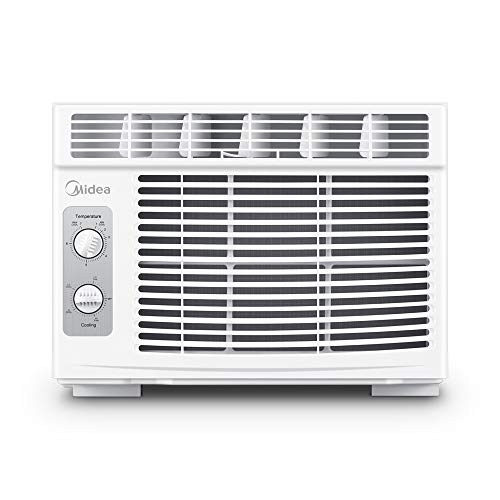
Live listings for the shortlist in this guide are pulled from Amazon below, so prices and availability are always current at the moment you look.


Final checks before choosing a miniature cooler
Confirm the mechanism first: compressor refrigeration for genuine temperature reduction, evaporation for personal breeze relief in dry ventilated settings. Confirm the room second: measurements, window type, door behaviour, and where the machine will stand in both summer and winter. Confirm the household third: noise tolerance, shared wall etiquette, electrical capacity, and any lease language touching window fittings. Readers whose rooms turn out larger than the mini category honestly serves can step up through guidance such as best air conditioners for small homes, which addresses compact dwellings without pretending one appliance conquers every floor plan.
Ownership satisfaction in this category rarely hinges on a single heroic feature. It accumulates from small mercies repeated daily: a tank that empties without spilling, a filter that rinses in a minute, a timer that remembers bedtime, a hose that stores without kinking. Shoppers who weigh those mercies alongside capacity and sound tend to keep their machines for years, recommending them to corridor neighbours with the confidence of people who tested claims against their own four walls.
For the occupant of the tiniest room on the corridor, the right miniature cooler is the one whose quiet, modest, repeatable relief makes bedtime feel ordinary again even while the heat wave argues otherwise outside.