Our Top Picks
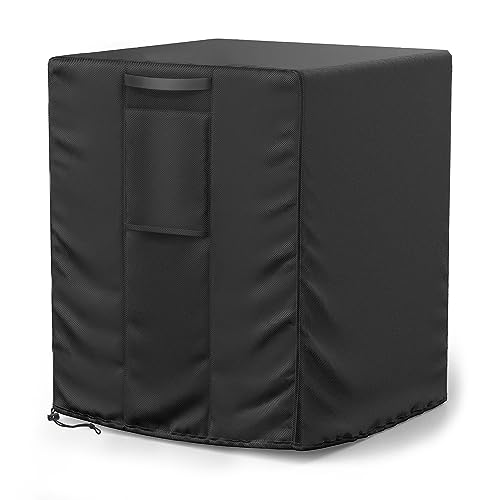 Mrrihand Central Air Conditioner Cover for Outside Units36"X36"X39"36 x 36 x 39 inches1.6 poundsCheck on Amazon


What's inside
- Start with the home, not with the machine
- The main families of air conditioner explained plainly
- How much cooling capacity a room actually needs
- The two sizing mistakes that spoil first purchases
- Five archetypes that cover most first purchases
- Total cost of ownership: the purchase is only the beginning
- Comfort details that separate good buys from regretted ones
- Installation realities and living with the machine
- Questions first-time buyers ask most
- How climate and region reshape the same decision
- Reading a specification sheet without fear
- Three households, three different right answers
- Check prices on Amazon
- A first buyer’s checklist, in order
As an Amazon Associate I earn from qualifying purchases. This post may contain affiliate links at no extra cost to you.
Affiliate disclosure: if you purchase through links that appear with this guide, we may receive a modest commission that funds our research, and it never changes the amount you pay. No manufacturer paid for placement here, and the model families below were selected for first-time buyers rather than for any brand relationship.
Buying an air conditioner for the first time feels strangely harder than buying far more complicated machines. A laptop announces its abilities in specifications you can compare line by line, while an air conditioner hides its quality inside questions about your home that nobody asked you before. How large is the room, really? Which direction do the windows face? Is the ceiling standard height or vaulted? Will the building allow an installation at all? First-time buyers are not really shopping for a box that blows cold air. They are learning to read their own home through the lens of cooling, and that learning curve is what this guide exists to shorten.
The reassuring news is that air conditioning rewards method far more than expertise. A buyer who works through four questions in order, what type of system suits the home, how much cooling capacity the space genuinely needs, what the common sizing mistakes look like, and what ownership costs beyond the purchase itself, will make a better decision than a buyer who simply picks the most powerful unit the budget allows. Power is the most seductive and least reliable guide in this category, because an oversized machine can leave a room cold and clammy at the same time, a combination nobody expects until they have lived with it through one humid month.
This overview is written for the first purchase specifically. It assumes no existing ductwork knowledge, no prior relationship with an installer, and no strong feelings about compressor technology. Renters will find their constraints addressed alongside homeowners, because the best buy decision changes completely when drilling holes is forbidden and the unit may need to move house with you in two years. Apartment dwellers, owners of older homes with unusual windows, and families cooling one problem room rather than a whole property all sit inside the same decision framework, even though they will land on different answers.
As with the other guides in this series, the selections are presented as archetypes, recognisable families of machines that share a design and a purpose, rather than as a single anointed model. Retail lineups change every season, model numbers multiply beyond reason, and a pattern based understanding survives those changes. Learn to recognise the family a machine belongs to, the room it was designed for and the ownership pattern it creates, and you can evaluate whatever the current season offers with confidence.
Start with the home, not with the machine
Every good air conditioning decision begins with an honest description of the space. Room size is the obvious starting point, and it deserves more care than a guessed figure offered in a shop. Measure the length and width of the room in feet and multiply them together to get the floor area, because that area figure drives the capacity calculation explained later in this guide. Note the ceiling height while you are measuring, since tall ceilings hold a greater volume of air and quietly raise the cooling load in ways that floor area alone will not reveal.
Sun exposure is the second fact worth recording. A room with large west facing windows absorbs punishing heat through the afternoon, exactly when the household most wants relief, while a shaded north facing room of identical size may need noticeably less capacity to feel comfortable. Curtains and external shading change the picture again, and honest notes about them help any sizing conversation. Kitchens deserve a special mention, because cooking appliances generate their own heat and a cooling plan for a kitchen or open plan kitchen living space must reckon with the oven’s contribution on the evenings it works hardest.
The building itself sets the outer boundaries of the possible. Homeowners with ductwork already installed can consider central systems that renters cannot. Houses without ducts, older properties with small or unusually shaped windows, and homes governed by community rules about external units each narrow the field in different ways. Electrical capacity belongs in this survey too, because larger machines draw serious current and an older panel may need professional attention before it can support the cooling plan the household imagines. None of these facts are glamorous, and all of them are cheaper to learn before purchase than after delivery.
Occupancy completes the picture. A bedroom used by one person overnight presents a gentle, predictable load. A living room hosting six people, a television, games consoles and afternoon sun presents a heavier and spikier one. Home offices add computers and monitors that warm the air steadily through the working day. The machine does not need to know any of this in technical terms, but the buyer does, because two rooms with identical measurements can honestly deserve different capacities once the life inside them is taken into account.
The main families of air conditioner explained plainly
Window units are the traditional first purchase, a single box that sits in a window opening with its hot side outside and its cool side inside. They cool one room, install with basic tools and a supporting bracket, and come out again when the household moves or the season ends. Their virtues are simplicity and self containment. Their limits are the loss of the window while they are installed, the noise of a compressor sharing the room with you, and the need for a window whose size and opening style actually accept the unit.
Portable units stand on the floor and move on casters, venting hot air through a hose that leads to a window kit. They tempt renters and anyone whose windows slide sideways or crank outward in ways that defeat window units. The honest trade-off is efficiency: a single hose design pulls conditioned air from the room to cool the machine and exhausts it outside, which works against the cooling effort, and even dual hose designs generally deliver less real cooling per rated figure than a comparable window unit. Portables earn their place through flexibility, not through performance leadership, and buyers should choose them with that understanding rather than discover it in July.
Split systems divide the machine in two, with a quiet indoor unit mounted high on a wall and the noisy compressor work banished to an outdoor unit connected by refrigerant lines. This family delivers the most refined single room experience available to most households: quiet operation, strong efficiency in the better designs, and no window sacrificed. The price of admission is professional installation, permission to mount equipment on the building, and a commitment to that room that renters rarely can make. Multi split variants run several indoor units from one outdoor unit, which suits owners cooling several rooms who want to avoid a forest of separate machines.
Central systems cool the whole home through ducts, controlled from a thermostat rather than room by room. For houses that already have sound ductwork, central cooling offers even temperatures, invisible equipment and the simplest daily experience of any family in this guide. For houses without ducts, installing them is a major project that usually only makes sense alongside broader renovation. Central systems also make an all or nothing promise: the whole home is cooled whenever the system runs, which suits families who use most of their rooms daily and suits empty nesters heating a whole house for one occupied corner rather less.
Between those main families sit useful specialists. Through the wall units resemble window machines but install into a prepared sleeve, suiting buildings designed for them. Ceiling cassette and floor mounted split variants serve rooms where wall space is spoken for. Evaporative coolers, sometimes sold alongside air conditioners, belong in a different conversation entirely, because they cool by adding moisture and only perform in dry climates, performing poorly or even counterproductively where humidity already runs high, a distinction that matters greatly for readers comparing options for muggy regions in guides such as best air conditioners for humid climates.
How much cooling capacity a room actually needs
Cooling capacity is expressed in BTU, British thermal units, and the figure describes how much heat the machine can remove from a room each hour. First-time buyers often treat that number as a score where higher wins, which is the single most expensive misunderstanding in the category. Capacity is a matching exercise, like buying shoes in the right size, and both directions of mismatch produce real discomfort that no amount of money spent in the wrong direction will fix.
A widely used starting estimate assigns roughly twenty BTU of capacity for each square foot of floor area in a normally insulated room with standard ceiling height and moderate sun. Applied plainly, that produces a ladder most buyers can climb with confidence. A small bedroom of around one hundred and fifty square feet points toward a modest unit in the region of five to six thousand BTU. A generous bedroom or a small living room near two hundred and fifty square feet suggests something around six to eight thousand. Rooms approaching four hundred square feet move toward the ten to twelve thousand region, and large open plan spaces beyond that either need the biggest single room machines or a different family of system altogether. Dedicated sizing discussions, such as the one in best 8000 btu air conditioners, reward buyers whose rooms sit near a boundary between sizes.
The ladder is a starting point rather than a verdict, because adjustments matter. Add capacity for rooms that bake in afternoon sun, for kitchens where cooking heat joins the load, for ceilings well above the standard height, and for rooms regularly occupied by several people at once. Consider trimming slightly for heavily shaded rooms, for spaces used mainly after sunset, and for well insulated newer construction that holds its temperature calmly. Each adjustment is modest on its own, yet two or three in the same direction move a room honestly into the neighbouring size band, and pretending they do not exist is how mismatches happen.
Insulation and air sealing deserve emphasis because they change the load itself rather than the machine’s answer to it. A draughty room with gaps around windows asks its air conditioner to cool the outdoors as well, all season long, while the same room sealed and shaded may hold comfort with a smaller unit running less often. First-time buyers frequently discover that a weekend spent on weatherstripping, window film or heavier curtains improves their comfort more cheaply than stepping up a size, and the improvement keeps paying back every summer regardless of which machine eventually hangs in the window.
Two-storey homes add a final wrinkle, because warm air rises and upper floors routinely run hotter than the rooms below them. A capacity that feels perfect in a ground floor room can feel inadequate in the bedroom directly above it, especially where the roof absorbs a full day of sun. Buyers cooling an upstairs bedroom should treat the standard ladder as a floor rather than a ceiling and pay particular attention to roof insulation and attic ventilation, which influence that room’s temperature before any machine is switched on. Readers focused on sleep comfort will find the bedroom specific discussion in best air conditioners for bedrooms a natural companion to this overview.
The two sizing mistakes that spoil first purchases
Oversizing is the glamorous error. It feels like prudence, buying extra power for the hottest imaginable day, and it produces a room that reaches the set temperature quickly and then reveals its flaw. An air conditioner dehumidifies while it runs, because moisture condenses on its cold coils as air passes over them. A machine that satisfies the thermostat in short bursts spends much of its day switched off, so the moisture removal never keeps pace with the humidity entering the room. The result is the infamous cold and clammy space, where the thermometer claims success and every occupant feels faintly damp and uncomfortable anyway.
Short run cycles punish the equipment as well as the occupants. Compressors experience their hardest moments at start up, and a machine that starts and stops all afternoon accumulates wear in a pattern steadier machines avoid. Temperature swings grow wider too, because the room overshoots and drifts instead of settling. Perhaps most surprisingly for first-time buyers, the oversized unit often costs more to run across a season despite working fewer hours, since frequent starts and poor moisture control push occupants to set lower temperatures in a restless attempt to feel comfortable rather than merely cold.
Undersizing wears a different disguise. It often begins as thrift, choosing the smaller and cheaper option in hope, and it reveals itself on the first genuinely hot afternoon when the machine runs continuously and the room temperature refuses to reach the setting on the thermostat. A unit working at its limit all day is not necessarily being damaged, yet it leaves no reserve for heatwaves, for guests, or for the extra load of a cooking session, and occupants experience the purchase as a permanent near miss. Rooms that face west, sit under a roof, or host heat producing hobbies are the classic places where hopeful undersizing gets found out.
Between those two errors sits the mistake of sizing for the wrong room entirely. Open plan spaces confuse buyers because the machine sits in one zone while the household expects cooling across an area that includes hallways, kitchens and corners the air never truly reaches. Doorways, ceiling height changes and the simple distance from the unit all shape what one machine can honestly serve. The remedy is honesty about the zone: decide which area must feel genuinely cool, size for that area, and treat any benefit beyond it as a bonus rather than a promise the purchase was built upon.
A final misconception deserves clearing away, because it drives many oversized purchases. A more powerful unit does not cool a correctly sized room meaningfully faster in any way that matters to comfort, since the limiting factor quickly becomes how air circulates and how moisture leaves, not how cold the supply air can be made. What extra capacity genuinely buys is reserve for extreme days, and reserve is a legitimate desire in very hot climates. The distinction is between deliberate reserve chosen with open eyes and accidental oversizing bought through the vague feeling that bigger must be better, and first-time buyers should know which of the two they are doing.
Five archetypes that cover most first purchases
The families below translate the earlier categories into buying patterns, arranged roughly from the simplest commitment to the most involved. Each archetype names the household it suits, the behaviour an owner should expect, and the compromises that come attached. Segments run from budget through mid-range to premium, and the right segment for a first purchase depends less on enthusiasm than on how long the machine is expected to serve and how punishing the local summers are.
Archetype one: the compact window unit for a single bedroom
The classic first air conditioner is a modest window unit sized for one bedroom, and it remains the benchmark against which other first purchases should be judged. Installation takes an afternoon at most, the machine asks nothing of the building beyond a suitable window and a nearby outlet, and removal at the end of the arrangement is equally simple. For renters, students and anyone cooling a first apartment, that reversibility is worth as much as the cooling itself, because the purchase carries no commitment to a property that life may move them out of next year.
Expectations should be set around honest single room performance. The bedroom cools properly, sleep improves dramatically on hot nights, and the rest of the home remains whatever the weather makes it. Noise is the standing compromise, since the compressor lives in the room, although the better budget and mid-range designs have grown noticeably gentler and many sleepers find the steady sound easier to rest through than the silence punctuated by a louder machine cycling. Light sleepers should prioritise the quietest design they can find within this archetype rather than stepping into a different family purely for silence.
Archetype two: the mid-size window unit for living spaces
Scaling the same idea upward produces the living room workhorse, a larger window unit intended for the room where the household gathers. Capacity climbs, airflow strengthens, and features multiply in this segment, with better filtration, more thoughtful air direction and controls designed for a shared space rather than a bedside. Families who can only cool one room usually choose this one, reasoning that a comfortable shared room by day can host camp beds on the worst nights of a heatwave.
The compromises scale with the machine. Larger window units are heavy, genuinely a two person lift during installation, and they ask more of the window frame and the supporting bracket. Electrical draw climbs as well, and older wiring deserves the respectful check mentioned earlier in this guide. In return, this archetype delivers the strongest cooling per amount of money and effort available to most households, which is why it anchors so many first purchases in houses where one room must carry the whole summer.
Archetype three: the portable unit for difficult windows and renters
The portable archetype exists for the homes the window families cannot serve: windows that slide horizontally, windows that crank open, buildings whose rules forbid anything visible in a window, and renters whose lease leaves no room for negotiation. The machine rolls in, the hose kit seals into the window opening with panels, and cooling begins the same day without tools or permission dramas. When the household moves, the machine moves with it, which no installed family can claim.
Buyers should adopt this archetype with clear eyes about its physics. Real world cooling effect trails the headline rating, noise sits in the room along with the machine, and a reservoir or drain arrangement manages the moisture the unit collects. Dual hose designs narrow the efficiency gap and deserve preference where the budget allows. Chosen for flexibility and judged by that standard, the portable is a respectable first purchase; chosen in the belief that it matches a window unit’s performance, it reliably disappoints, which is a failure of expectation setting rather than of the machine itself.
Archetype four: the inverter split system for a committed room
For owners who know which room matters most and expect to stay, the single split system is the premium archetype that changes daily life the most. The indoor unit runs quietly enough for conversation, television and sleep to proceed undisturbed, while the outdoor unit carries the mechanical noise away from the living space entirely. Inverter designs, which vary their compressor speed instead of simply switching between full power and off, hold temperatures with a steadiness that occupants feel as a general calm in the room’s climate rather than as alternating waves of chill and drift.
Efficiency is the second half of the case. A well chosen split typically converts electricity into cooling more effectively than the window and portable families, which matters in proportion to how many hours a day and how many months a year the machine runs. Households in long, hot climates recover the installation commitment through seasons of lower running costs and better comfort, while households facing two hot weeks a year may never give the machine enough work to justify its permanence. Climate honesty, again, is the deciding instrument, and the energy focused discussion in best air conditioners for energy saving extends this line of thinking for buyers who want to pursue it further.
The obligations are real and should be weighed without flinching. Professional installation is not optional, the outdoor unit needs a permissible and sensible location, and the system becomes part of the property rather than part of your luggage. Servicing matters more too, because a split that is neglected loses its efficiency advantage gradually and unglamorously. Owners who accept those terms generally report the highest satisfaction of any archetype in this guide, which is why installers so often recommend this family to anyone whose circumstances allow it.
Archetype five: the whole-home central system for ducted houses
The final archetype cools the entire home as one organism and suits the household whose life genuinely spreads across most rooms every day. Where ducts already exist in sound condition, adding or replacing central cooling delivers an experience no collection of room units quite matches: even temperatures, hidden equipment, quiet rooms and one control point for the whole property. Large families, households with members at home through the day in different rooms, and anyone whose health makes dependable whole home cooling a necessity rather than a luxury form the natural audience.
The counterweights are scale and indivisibility. Central systems represent the largest commitment in this guide, in installation complexity as well as in the professional ecosystem required to maintain them, and they cool empty rooms with the same diligence as occupied ones unless the home is zoned. Duct condition quietly governs real performance, since leaking or poorly insulated ducts can waste a meaningful share of the cooling before it reaches a register. A first-time buyer considering this archetype should have the ducts assessed as part of the decision, because the machine and the distribution network succeed or fail together. Independent comparative research, of the kind gathered in best air conditioners consumer reports, can help owners sense check installer proposals before committing to a system of this scale.
Total cost of ownership: the purchase is only the beginning
First-time buyers naturally focus on the price of the machine, yet experienced owners will tell you the purchase is merely the opening chapter of the financial story. Running costs accumulate quietly across every summer, and in climates where cooling runs daily for months, the electricity a machine consumes across its life can rival or exceed what the machine itself cost. That arithmetic is why efficiency ratings deserve attention out of proportion to their dryness: a more efficient archetype asks less of the household budget every single day it operates, and the advantage compounds season after season.
Efficiency figures need translating into behaviour rather than worshipping as abstract numbers. A machine’s rating describes performance under test conditions, while real consumption depends on how cool the household insists on keeping rooms, how well the home holds its temperature, and how faithfully filters are cleaned so the machine can breathe. Buyers can influence all three of those variables after purchase, which means ownership cost is partly a habit rather than purely a specification. The household that sets a reasonable temperature, seals its draughts and maintains its filters will run almost any archetype more cheaply than a careless household runs the most efficient model available.
Installation and setup form the second layer of ownership cost, and they vary dramatically by archetype. A window unit may need nothing more than a bracket and an afternoon, while a split system involves professional labour, mounting hardware and sometimes electrical work before the first cool evening arrives. Central systems extend that professional involvement further. None of this makes the installed families poor value, but honest budgeting counts the whole arrival cost of comfortable rooms rather than the figure attached to the machine alone, and surprises in this layer are the ones first-time buyers most often recount with feeling.
Maintenance and consumables add a third, gentler layer. Filters need washing or replacing on a rhythm set by dust, pets and local air quality. Coils benefit from periodic cleaning, portable units ask for drainage attention, and outdoor units need clearance from leaves and garden growth to breathe properly. Professional servicing, where an archetype calls for it, is best treated as part of the cost of keeping efficiency and reliability rather than as an emergency expense when something fails in a heatwave. Machines that are maintained tend to hold their performance for years longer, which spreads the original purchase across more summers and quietly transforms the ownership arithmetic.
Finally, lifespan and replacement belong in the first purchase conversation, even though they feel distant. A lightly built budget unit serving a mild climate may give several happy seasons and represent excellent value across them. A premium system installed professionally and maintained steadily can serve far longer, which reframes its higher beginning as a longer relationship rather than a larger expense. The wisest first-time buyers decide in advance which story they are buying: a flexible, replaceable appliance for a home that may change, or durable infrastructure for a home that will not. Both stories are respectable. Confusing one for the other is where money gets wasted.
Comfort details that separate good buys from regretted ones
Noise deserves more respect than first-time buyers usually grant it, because an air conditioner is a sound you will live inside for months. Manufacturers publish noise figures, and while the testing behind them varies, the broad ordering between models is informative. Bedrooms and studies reward quiet above almost every other refinement, living rooms tolerate more, and portable units ask the most forgiveness of all. Where possible, hear a machine running before committing, or at least read owner accounts with an ear for the specific complaints of light sleepers and people who work from home beside the unit all day.
Air distribution shapes comfort as surely as temperature does. A machine that throws cool air in one narrow stream creates a chilly stripe and a warm remainder, while adjustable louvers, swing functions and sensible placement let cooled air mix through the room. Buyers should think about where people actually sit and sleep relative to the unit, because a stream aimed at a bed or a desk can feel aggressive even at a moderate setting. The best installations feel like the room simply became pleasant, without a noticeable wind announcing where the effect originates.
Humidity control returns here as a comfort feature in its own right, distinct from raw cooling. Some machines offer a dry mode that prioritises moisture removal with gentler cooling, a blessing in humid weather that is warm rather than scorching. Households in muggy climates should weigh dehumidification behaviour heavily, since comfort in those regions is often a humidity problem wearing a temperature costume. Sizing discipline remains the foundation, because no mode fully rescues a badly oversized machine from its short cycling habits, but a thoughtful dry mode on a correctly sized unit is a genuinely civilised feature.
Controls and connectivity sit at the pleasant end of the decision, worth having and dangerous to overvalue. Timers that cool a bedroom before bedtime, sleep modes that relax the temperature gradually overnight, and remote controls that spare a midnight walk across the room all earn their keep. Connected features that allow scheduling from a phone can help households whose days follow patterns. None of these refinements compensate for wrong capacity or the wrong archetype, and first-time buyers should buy them last, as seasoning on a decision already made correctly, rather than letting a glossy control panel steer the entire purchase.
Installation realities and living with the machine
Window installations reward preparation. The unit should sit level or tilted very slightly toward the outside so condensed moisture drains where it belongs, the gaps around it should be sealed against hot air sneaking in around the frame, and the supporting bracket should carry the weight rather than asking the window sash to perform heroics all summer. A machine installed carelessly vibrates, leaks its cooling around the edges and sometimes drips where it should not, and none of those faults belong to the machine itself. Renters should photograph the window before and after, keep every removed part, and confirm what the lease expects regarding brackets and screw holes.
Portable installations look effortless and mostly are, provided the window kit seals properly and the exhaust hose runs as short and straight as the room allows. Every bend and extra length of hose radiates a little heat back into the room and taxes the cooling effect, so positioning the machine near the window it vents through is worth more than positioning it near the people it cools. Drainage arrangements deserve a dry run before the first humid week, because discovering a full reservoir at midnight, announced by the machine stopping, is an initiation most owners would happily skip.
Split and central installations belong to professionals, and the first-time buyer’s role shifts from installer to informed client. Good installers discuss placement of both units, drainage routes, electrical requirements and future servicing access before any drilling begins, and they welcome questions about why a location is proposed. Indoor units generally serve best high on a wall away from direct obstruction, with airflow unimpeded across the room, while outdoor units want shade if it is available, clearance on every side and a mounting that will not transmit vibration into the building’s structure. A buyer who understands those principles can follow the conversation and spot a rushed proposal before it becomes a permanent feature of the home.
Daily living with any archetype settles into a few durable habits. Filters come out for cleaning far more often than new owners expect, especially in homes with pets or nearby traffic dust, and the task takes minutes once it is familiar. Temperatures set moderately and left steady usually feel better and run more kindly than aggressive settings chased up and down all day. Doors and curtains become part of the cooling system, managed without fuss. Within a few weeks the machine stops being a purchase and becomes part of the household’s summer geography, which is precisely the unremarkable outcome a good first buy should aim for.
Questions first-time buyers ask most
Should I cool one room well or several rooms poorly?
Cool one room properly. A correctly sized machine in the room where the household sleeps or gathers delivers genuine relief and honest running costs, while an undersized attempt at cooling half the home produces lukewarm disappointment everywhere and a machine that never rests. Additional rooms can be added later, with a second unit or a different archetype, as budget and experience grow. The first purchase succeeds by solving one problem completely rather than gesturing at several problems at once.
Is a higher capacity unit safer for very hot days?
A modest step of reserve can be sensible in regions where extreme heat is routine, especially for rooms with heavy sun exposure or heat generating occupants. The danger lies in leaping far beyond the calculated need, because the dehumidification and cycling problems described earlier arrive immediately while the extreme day may come twice a year. Buyers who want reserve should discuss it as reserve, in proportion, rather than allowing it to double the capacity by accident through a vague preference for the largest model on the shelf.
Can one machine cool two adjoining rooms?
Sometimes, partially, and with managed expectations. Air does not turn corners politely, so the room housing the unit will always cool more deeply than its neighbour, and a doorway fan can help move conditioned air between the spaces at the cost of some noise and clutter. If both rooms need genuine, independent comfort, particularly bedrooms with doors closed at night, the honest answer is usually two smaller solutions rather than one heroic machine straining across a floor plan that resists it.
How long should a first air conditioner last?
Lifespan follows archetype, climate and care more than it follows price alone. Window and portable units in hard daily service commonly give a run of seasons measured in the middle single digits and beyond when filters are kept clean and storage over winter is dry and sensible. Split and central systems, professionally installed and periodically serviced, are built for considerably longer relationships. Buyers help every archetype by keeping coils and filters clean, protecting outdoor equipment from debris, and addressing small faults early instead of letting a struggling machine labour through a whole summer unexamined.
What should I do before the first hot day arrives?
Install early, test honestly and learn the machine while the weather is still forgiving. Run the unit through an afternoon, check that drainage behaves, confirm the remote and any timers do what you believe they do, and note how the room feels at the setting you expect to use overnight. Buying and installing in spring also means choosing from full shelves and unhurried installers rather than competing with an entire region during the first heatwave, when every decision in this category becomes more expensive in stress if not in money.
How climate and region reshape the same decision
Two households can follow every rule in this guide and still choose differently, because climate rewrites the priorities underneath the shared framework. In a hot, dry region, raw cooling power and tolerance for relentless afternoon heat dominate, dehumidification matters less because the air arrives dry, and machines spend long hours at steady work that rewards efficiency and durability. In a hot, humid region, moisture removal becomes the main event, dry modes earn their keep, and oversizing turns from a minor inefficiency into a daily comfort failure, because clammy air punishes short cycling far more harshly than dry air does.
Coastal households add salt to the equation, quite literally, since airborne salt accelerates corrosion on outdoor units and coils. Owners near the sea should ask about protective coatings and rinse routines for outdoor equipment, and should expect maintenance to matter more than it does inland. Mountain and northern households face the opposite profile: a short, intense season where the machine must perform during a handful of demanding weeks and then store gracefully for most of the year, which can make a simpler archetype the rational choice even for committed homeowners.
Regional electricity patterns influence ownership too, in ways first-time buyers rarely consider before the first summer bill arrives. Some areas price power in tiers that climb with consumption, others offer cheaper overnight rates that reward timers and pre-cooling strategies, and households with rooftop solar often prefer to run cooling hardest while the sun that heats the house is also generating their electricity. None of this changes which machine cools the room, yet all of it changes when and how the machine should run, and a buyer who glances at their tariff before choosing features will use scheduling tools with far more purpose than one who discovers the tariff afterward.
Local installer ecosystems form the final regional variable. Split and central archetypes depend on the quality of professionals nearby, and a region rich in experienced installers of one family of systems may serve that family better than a theoretically superior alternative supported by nobody within a sensible distance. First-time buyers do well to ask neighbours which systems and which installers they would choose again, because that local testimony, gathered over several summers, captures reliability and service quality in a way no national comparison can reproduce for a specific town.
Reading a specification sheet without fear
The specification sheet confronting a first-time buyer looks forbidding largely because it mixes the vital with the decorative in a single dense panel. Stripped to essentials, a handful of figures carry nearly all the decision weight. Capacity in BTU tells you the size class. The efficiency rating tells you how much cooling the machine delivers for the electricity it consumes, and higher figures in that rating mean lower running costs for the same comfort. Noise figures, usually given for the indoor experience at different fan speeds, tell you whether the machine can share a bedroom or a study with you.
Beyond those three, a few practical figures deserve a glance. Physical dimensions decide whether a window unit fits the intended window and whether a portable’s footprint is tolerable in the room it must serve. Weight predicts whether installation is a solo task or a two person negotiation. The required electrical supply confirms whether the existing outlet and circuit can serve the machine without professional modification. Everything else on the sheet, the alphabet of modes and marketing names for airflow patterns, can be read as refinement rather than foundation, interesting after the essentials align and irrelevant before they do.
Energy labels provided by regulators deserve special trust in this process, because they rest on standardised testing that allows honest comparison between brands in a way promotional claims do not. Buyers comparing two machines of the same capacity should let those labels arbitrate the efficiency question, then spend their remaining attention on noise, dimensions and the lived experience reported by owners of the same archetype. Independent roundups that test across brands exist precisely to spare individual buyers from repeating measurements that laboratories perform better.
A word about warranties completes the sheet reading lesson. Warranty length and coverage differ meaningfully between archetypes and brands, with compressors often covered longer than other components, and the practical value of any warranty depends on how painless claiming on it is in your region. First-time buyers should register the product as instructed, keep the purchase records with the home documents rather than in a disappearing email folder, and note which local service agents handle the brand before trouble ever appears. That small administrative hour, done once, converts a warranty from a marketing line into an actual asset the household owns.
Three households, three different right answers
Abstract frameworks become convincing when they are watched working on real households, so consider three first-time buyers whose correct answers share almost nothing except the method that produced them. Their stories also demonstrate why advice from a friend, however well meant, transfers so poorly between homes: the friend solved a different problem, in a different building, under a different sky.
The renter with the sideways sliding windows
The first household rents a small apartment whose windows slide horizontally, ruling out conventional window units without awkward adaptation, and the lease forbids exterior alterations. Their priority is a bedroom that allows sleep through a humid summer, with the living room a secondary hope. The method points them to the portable archetype, chosen in a dual hose design for the sake of efficiency, sized honestly for the bedroom rather than hopefully for the whole apartment, and positioned close to the window it vents through. Their ownership plan accepts higher running effort as the price of flexibility, and their exit plan is simple, because the machine leaves with them when the lease ends, having converted two uncomfortable summers into two comfortable ones.
The new owners of a ductless family house
The second household has bought a modest house without ducts, in a region where summers are long and growing hotter, and they expect to stay for many years. Cooling the main bedroom and the living room matters most, with children’s rooms likely to join the list later. For them the method favours split systems, beginning with the bedroom and living room as separate single units or as a small multi split arrangement planned with an installer who understands that expansion is likely. Their budget conversation centres on total ownership rather than the installation season alone, because a decade of efficient, quiet summers is the asset they are actually purchasing, and their sizing conversation is disciplined by the knowledge that each room will be judged by its own comfort rather than by a house wide average.
The family cooling one difficult room
The third household owns a comfortable home with one notorious exception, a west facing upstairs room that absorbs the entire afternoon sun and defeats the rest of the house’s arrangements every summer. Their need is narrow and intense, which makes it a classic case for a single well chosen intervention: capacity calculated with the sun and roof adjustments applied honestly, shading improved on the worst window, and either a capable window unit or a small split chosen according to how permanent the household wants the fix to be. Their story carries the most transferable lesson of the three, because many first purchases are not about cooling a home in general but about rescuing the one room everybody avoids, and naming that goal precisely is what allows a modest purchase to feel like a triumph.
Notice what none of those households did. None began with a brand, none copied a neighbour’s purchase wholesale, and none treated the largest available capacity as a form of insurance. Each began with a room described honestly, accepted the archetype their building allowed, and sized the machine to the life actually lived in the space. The specific products they eventually chose will be replaced by newer models within a few seasons, yet the reasoning that selected them will still be sound when replacement day comes, which is why this guide has invested so heavily in method and so lightly in model numbers.
It is also worth keeping the paperwork of the decision itself: the room measurements, the capacity estimate, the adjustments you applied and the reasons behind them. That single page becomes invaluable when a second room needs cooling, when an installer proposes something different from your expectation, or when a warranty conversation years later asks what was installed and why. Good purchases generate good records almost as a by-product, and future you will be quietly grateful for the clarity.
Friends and family will offer confident advice throughout this process, usually describing the machine that rescued their own worst summer. Thank them, ask what kind of room and building it serves, and then return to your own measurements, because borrowed certainty is how a portable ends up straining in a room that needed a split, or how a mighty unit ends up chilling a tiny bedroom into a damp cave.
Check prices on Amazon
Live listings for the shortlist in this guide are pulled from Amazon below, so prices and availability are always current at the moment you look.



A first buyer’s checklist, in order
Measure the room and note its ceiling height, sun exposure and usual occupancy. Decide which single zone must feel genuinely cool and let that zone set the scope of the purchase. Choose the archetype your building and your tenure honestly allow, window, portable, split or central, before falling in love with any individual model. Size the capacity from the floor area ladder, then adjust for sun, cooking, height and people, resisting both the glamour of oversizing and the false economy of undersizing. Count the full ownership picture, running costs, installation, maintenance and expected lifespan, rather than the machine’s ticket alone. Weigh noise and air distribution for the specific room, treat controls as finishing touches, and arrange installation or setup with the same care as the purchase itself.
Above all, remember that this decision is allowed to be a first step rather than a final answer. Homes change, households grow, and a sensible first machine teaches its owner exactly what the second purchase, if one is ever needed, should do differently. Buyers who approach the category that way tend to end up comfortable sooner and regretful less, which is a better outcome than any single specification can promise.
Months from now, on some still and heavy evening when the street outside shimmers and your room rests quietly at the temperature you chose, the best first air conditioner will have become almost invisible, and that disappearance into ordinary comfort is the truest sign the purchase was right.


