Our Top Picks


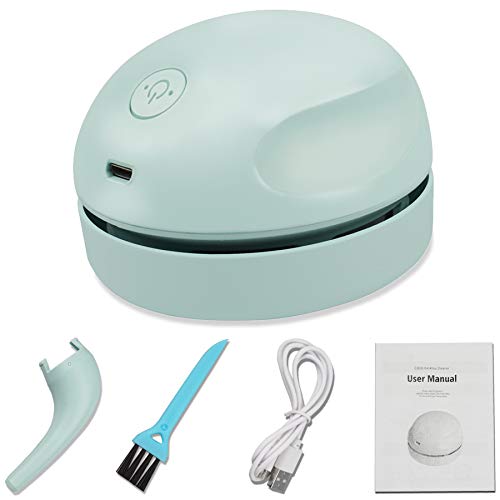

What's inside
- Why glitter defeats ordinary cleanup
- Static charge: glitter’s secret weapon
- Hard floors versus carpet: two different battles
- The craft room and the home classroom
- After the party: glitter on the move
- Suction and airflow for ultra-fine particles
- Sealed systems and the gaskets nobody advertises
- Fine filtration as manufacturers publish it
- Filter clogging and a realistic maintenance cadence
- Emptying the dust cup without a second spill
- Canisters, uprights, sticks, and handhelds on glitter duty
- Attachments that matter among the sparkles
- Glitter on upholstery, curtains, and soft surfaces
- Containing glitter before the vacuum ever starts
- A working method: order, passes, and patience
- What published specifications can and cannot tell you
- A buying checklist for glitter-prone homes
- Chunky glitter, fine glitter, and the shapes between
- Glitter outdoors: doorsteps, patios, and the family car
- Shared spaces: classrooms, halls, and rental homes
- When the vacuum itself needs decontaminating
- Check prices on Amazon
- Living with glitter without surrendering to it
As an Amazon Associate I earn from qualifying purchases. This post may contain affiliate links at no extra cost to you.
One thing worth saying at the outset: links on this page can earn this site a commission from the retailer if you buy after clicking, and that arrangement costs you nothing extra — the price you pay stays exactly the same.
Why glitter defeats ordinary cleanup
Glitter occupies a category of household debris entirely its own. It is not dust, not crumb, not fibre; it is a vast number of tiny, flat, reflective flakes manufactured to catch light and, incidentally, to resist every ordinary method of removal. A single spilled pot contains thousands of individual particles, each small enough to settle into the weave of fabric, the grain of wood, the seams of flooring, and the pores of skin, yet large enough to remain visible and taunting for months. Homeowners describe finding flakes from a single craft session in distant rooms half a year later, transported on socks, sleeves, pet paws, and the soles of shoes.
Ordinary vacuums fail against glitter for reasons that have little to do with effort and much to do with physics. The flakes are light enough to be pushed around by the air a machine exhausts, flat enough to cling to surfaces through static charge and surface contact, and small enough to pass into filter media and stay there. A machine that performs admirably on crumbs and hair can leave a glitter spill looking almost untouched, or worse, can collect the flakes and then leak them gradually from its exhaust and seals for weeks, redistributing the problem in dilute form across the whole home.
This guide approaches glitter as the specific engineering challenge it is. The comparisons rest on manufacturer-published specifications — suction and airflow figures, filtration grades as makers state them, sealing descriptions, dust cup and bag designs — together with published product data and patterns in feedback that owners have posted about craft-heavy and party-heavy households. Where a design feature matters for glitter, the reason it matters is explained in terms of how flakes behave, so readers can judge any model, including ones not named here, against the same principles.
Static charge: glitter’s secret weapon
Most glitter is made from metallised plastic film, cut into minute squares, hexagons, or irregular shards, and that material acquires static charge readily. Rubbing against other flakes, against paper, against hands, and against the inside of its own container leaves particles electrically primed to cling. A charged flake does not rest loosely on a surface waiting to be lifted; it adheres, sometimes strongly enough to resist a passing airstream that would easily capture an uncharged particle of the same mass. This is why sweeping performs so badly — the brush flicks flakes into new charged contact with the floor — and why a vacuum’s approach speed and nozzle seal matter so much.
Static also explains glitter’s behaviour inside the machine. Charged flakes cling to the walls of dust cups, to filter pleats, and to the inside of hoses, rather than settling into a neat pile that empties cleanly. Owners describe cups that appear empty yet shed sparkles for days, and filters that release a shimmer every time the machine is bumped. Designs that acknowledge this — smooth cup interiors, filters that can be removed and cleaned away from the machine, bags that seal the debris away entirely — earn their advantages honestly in glitter duty.
Humidity plays a supporting role that experienced crafters know well. Dry indoor air, especially in heated winter rooms, intensifies static cling, while more humid air lets flakes release more readily. Published guidance on static control in homes makes the same general point for dust of all kinds. A vacuum cannot change the weather in a room, but a reader struggling with an especially stubborn spill is not imagining things if winter cleanup feels harder than summer cleanup; the flakes are quite literally holding on more tightly.
The composition of the spill interacts with static in ways worth understanding before choosing equipment. Glitter spilled alone behaves as described above, but glitter spilled into other material — onto glue, into paint, across a flour-dusted baking surface during festive biscuit decorating — acquires coatings that change its weight and adhesion. Dried glue fixes flakes permanently to whatever they touch, and no vacuum retrieves those; prevention and prompt attention while adhesive is still being applied are the only answers. Loose flakes resting on a fine dusting of flour or icing sugar, by contrast, lift more readily than flakes on bare wood, because the powder layer interrupts their flat contact with the surface. Owners who decorate biscuits with edible shimmer describe this accidental mercy accurately: the mess that looks worst often cleans easiest, while the sparse, invisible scattering on a clean floor is the one that resists.
Hard floors versus carpet: two different battles
On hard flooring, glitter sits exposed on a smooth plane, which sounds easy and is not. The flakes lie flat, maximising contact with the surface and minimising the profile they present to moving air. A vacuum head that rides too high lets its airstream pass over them; a head with a stiff brush can flick them outward faster than suction captures them. Manufacturer designs for hard floors — soft roller heads, low-profile nozzles with close seals, gentle brush arrangements — address exactly this geometry. Owner accounts from homes with tiled or wooden craft areas praise machines that approach slowly and capture on the first pass, because every additional pass risks scattering flakes beyond the original spill boundary.
Carpet reverses the problem. Flakes fall between fibres and work downward with foot traffic until they rest near the backing, hidden from view and from weak airflow. Retrieving them requires agitation: a rotating brush bar that vibrates the pile and shakes flakes loose into the airstream. Makers publish brush designs and motorised head options for their carpet-capable models, and the distinction between a suction-only head and an agitating head is one of the most consequential in this entire guide. Readers whose glitter problem lives mainly in carpet should compare options in the roundup of best affordable vacuums for carpet, where brush action and pile penetration are weighed directly.
Rugs over hard floors combine both battles in one rectangle. Flakes lodge in the rug’s pile, spill off its edges onto the surrounding floor, and hide beneath its border where a floor head cannot follow. A methodical approach — rug first with agitation, edges second with a crevice tool, surrounding floor last with a hard-floor setting — reflects how owners describe successful sessions. Machines that switch modes easily, or that accept a quick change of head, suit this layered work better than single-mode designs.
Flooring joints are the hard floor’s weak point and deserve their own sentence in any method. Flakes align along the grooves between boards and tiles as if magnetised, partly through air currents funnelling into the gap and partly through static, and a floor head bridging the groove leaves that bright line untouched. Angling the head to run along the groove, then switching to the crevice tool for stubborn stretches, clears the lines that otherwise advertise a spill for months. Owners of plank flooring name this detail more than any other when judging whether a machine truly solved their glitter problem, because the open floor was never the hard part.
The craft room and the home classroom
Where glitter is used weekly rather than annually, the cleanup problem becomes a system design problem. Dedicated craft rooms, kitchen-table craft corners, and home classrooms where children learn at the house’s own table all generate repeated spills in a predictable territory. In these spaces, the vacuum is only one element; containment does the heavy lifting. Trays with raised rims under projects, a washable mat defining the work zone, and a rule that glitter containers open only over the tray reduce the escaped fraction dramatically, according to the routines teachers and parents describe in their published accounts.
Within that system, the vacuum’s role is scheduled rather than reactive. A short session immediately after each craft activity, before feet carry flakes outward, captures the great majority while it is still localised. Owners who vacuum the craft zone as part of tidying the activity itself report that glitter stops appearing elsewhere in the home, while those who clean later chase diminishing returns. This is an argument for keeping a suitable machine near the craft area permanently, even a modest one, rather than relying on a powerful machine stored far away.
Home classrooms add paper, pencil shavings, and fabric scraps to the mixture, and the combination interacts: paper dust loads filters, shavings bridge intakes, and glitter rides along with all of it. A machine chosen for this environment needs filtration that tolerates fine mixed dust and a dust cup that accepts bulky light debris without clogging at the inlet. Manufacturer specifications for cup volume and filter type, read together, predict this performance better than suction figures alone.
After the party: glitter on the move
Parties disperse glitter with an efficiency no craft session matches. Decorations shed it, cards release it when opened, gift wrap carries it, costumes trail it, and guests transport it to every room they enter, including rooms where no celebration occurred. The morning-after cleanup therefore begins with reconnaissance rather than vacuuming: flakes concentrate along walking routes, around seating, near the bathroom mirror where costumes were adjusted, and at the front door where guests embraced and departed. Owners describing successful party recovery emphasise working from the least contaminated areas toward the worst, so the machine is not carrying flakes from the epicentre into clean rooms on its wheels, head, and exhaust.
Soft furnishings hold party glitter tenaciously. Sofa cushions, throws, curtains near a decorated table, and the rug underfoot all collect flakes that a floor pass cannot reach. Upholstery tools — published among the attachments of most full-size and many smaller machines — bring suction and gentle agitation to fabric without dragging a floor head across it. A handheld unit earns its keep here as a companion, tracing cushions and stairs while the main machine handles floors, and the category surveyed among best battery hand vacuums shows how runtimes and tool sets vary for that supporting role.
Party cleanup also tests emptying discipline, because a full cleanup loads the machine with an unusual volume of fine, charged debris. Stopping to empty or check the filter midway, rather than pushing a loaded machine through the final rooms, prevents the late-session performance collapse that owners describe — the pass that looks diligent and accomplishes little because airflow has quietly faded. The sections on clogging and emptying that follow expand on both halves of that discipline.
Suction and airflow for ultra-fine particles
Glitter asks two different things of a vacuum’s motor. Individual flakes are feather-light, so lifting one from a smooth surface demands little force; the difficulty is that thousands must be lifted from clinging contact, from carpet depth, and from seams and edges where airflow weakens. Airflow volume — the quantity of air the machine moves — sweeps liberated flakes into the intake before they resettle, while suction pressure maintains that flow against resistance from filters, hoses, and carpet pile. Manufacturers publish these figures in varying units and test conditions, and the numbers are not strictly comparable across brands, a caveat stated in makers’ own documentation and in independent published guidance alike.
What readers can compare usefully is design intent. Machines built around high airflow with wide, clean intake paths suit hard-floor glitter, where flakes need sweeping capture across a broad front. Machines emphasising sealed pressure suit carpet extraction, where the flow must survive the resistance of pile and a loading filter. Adjustable power helps in both worlds: full strength for carpet, moderated strength on hard floors where an aggressive exhaust can blow flakes sideways out of reach. Owners’ accounts align with this reading, praising controllable machines and criticising single-speed designs that scatter as much as they gather on smooth surfaces.
Sustained performance matters more than peak figures for any real spill, because glitter cleanup is rarely a thirty-second job. As fine flakes and the dust accompanying them load the filter, airflow declines, and the rate of decline separates designs. Separation systems that spin debris out of the airstream before the filter, described in many makers’ literature, slow the fade on exactly the fine, heavy loading that glitter imposes. A machine that still breathes freely in the last room of a party cleanup is worth more than a stronger machine that suffocated in the second.
Sealed systems and the gaskets nobody advertises
A vacuum can capture glitter perfectly at the floor and still fail the household by leaking it back into the air. Every joint between the intake and the exhaust is a potential escape route for fine particles: where the dust cup meets the body, where the filter seats in its housing, where hoses couple and where lids close. Manufacturers that design for fine-particle retention describe sealed systems, in which gaskets and fitted joints keep the entire debris path airtight so that all air leaving the machine has passed through the final filter. That description, where makers publish it, is one of the most meaningful specifications a glitter-prone household can read.
Gaskets are humble components — rings and strips of rubber or foam — yet they decide whether the filtration grade on the box describes the machine or merely the filter inside it. A high-grade filter in a leaky housing performs like a modest filter, because unfiltered air bypasses it carrying flakes and fine dust. Owners rarely see gaskets discussed in marketing, but their effects surface in feedback as a puzzling pattern: a machine praised for pickup yet blamed for a faint shimmer near its exhaust, or a fine dusting that appears on the cupboard where it is stored. Both patterns point at seals rather than suction.
Maintenance preserves sealing. Gaskets that are kept clean, seated correctly after filter changes, and replaced when they flatten or crack continue to do their invisible work. Manufacturer manuals describe correct filter seating in their maintenance sections, and the step is easy to rush. Readers who empty and service their machines attentively are, without thinking of it in these terms, maintaining the seal system on which their glitter containment depends.
Fine filtration as manufacturers publish it
Filtration grades give glitter buyers concrete ground. Makers state filter types and, for higher-grade systems, particle capture ratings describing the proportion of very fine particles retained. Glitter flakes themselves are comparatively large next to the microscopic particles those ratings address, so a genuinely fine filter retains them easily; the challenge is the accompanying dust — paper fibres, skin cells, carpet micro-debris, and the finest glitter fragments and dust from foil coatings — which loads media and tests seals. A published high-grade filtration specification, inside a sealed body, is therefore the combination to seek rather than either element alone.
Bagged designs deserve attention in this discussion because the bag is itself a filtration stage and a containment vessel. Multi-layer bags, as their makers describe them, capture fine material within their walls and, crucially, keep it captured during disposal. Households weighing this architecture will find the arrangements compared in the guide to best bag filter systems for vacuums cleaners, which examines how bag media and filter stages divide the work. For glitter specifically, the bag’s great virtue appears at emptying time, a moment the bagless owner must manage with technique, as a later section explains.
Washable filters introduce a glitter-specific caution. Rinsing a filter that carries charged flakes sends those flakes into a sink, from where they travel to drains and beyond; owners who care about keeping microplastic flakes out of waterways tap and brush filters into a bin first, outdoors or over a lined container, before any washing. Manufacturer cleaning instructions describe tapping and rinsing sequences, and adapting the order — dry removal first, washing second — respects both the instructions’ intent and the household’s plumbing.
Seasonality shapes glitter duty more than most buyers expect. The year’s final months concentrate the load — school projects, handmade cards, decorations, parties, and gift wrapping all peak together — while spring brings classroom art and birthday season sustains a lower background level. A machine bought in a quiet month should be judged against the December version of the household’s life, not the calm of the purchase week, because filtration headroom and spare supplies matter exactly when sessions run daily. Owners describe the households that cope best as those that service the filter and stock bags or spares in autumn, treating glitter season like weather to prepare for rather than a surprise to endure.
Filter clogging and a realistic maintenance cadence
Glitter clogs filters by a mechanism distinct from ordinary dust. Dust mats into a layer that airflow gradually penetrates with more effort; flakes, being flat and overlapping like tiny scales, can form a surprisingly impermeable skin across filter media, especially when mixed with paper dust from the same craft session. The symptom is a sudden rather than gradual loss of pickup, and owners describe the confusion of a machine that worked at the start of a cleanup and faded within the hour. The remedy is equally specific: stop, clear the filter by the maker’s stated method, and resume, rather than raising power and forcing the motor to labour against a sealed filter.
Cadence should match exposure. A household vacuuming occasional party glitter can follow the manufacturer’s ordinary maintenance intervals. A craft room or home classroom generating weekly glitter should inspect the filter after every few sessions and the cup’s intake path after every session, because flakes lodged at the inlet narrow the airway before the filter is involved. Published manuals give the inspection points; owner experience supplies the frequency that glitter duty demands, which is simply more often than general household dust requires.
Spares transform maintenance from an interruption into a routine. A second filter, rotated in while the first dries after washing, keeps the machine available during the very craft seasons when it is needed most. Brands publish spare filter availability in their accessory listings, and its presence or absence is a fair comparison point between otherwise similar models. The same logic applies to bags for bagged machines: glitter season is the wrong moment to discover the cupboard is empty.
Emptying the dust cup without a second spill
Every bagless glitter cleanup ends with a hazardous minute: the cup, full of charged flakes clinging to its walls, must be emptied without launching its contents back into the room. Technique matters more than strength. Owners describe a consistent method — carry the whole machine or the sealed cup to an outside bin or a bin lined with a bag, open the release low inside the container rather than above it, let gravity drop the bulk, then tap the cup’s exterior gently to persuade clinging flakes down. Shaking hard is the classic error, aerosolising the finest fraction and coating the user’s hands, sleeves, and the bin’s surroundings.
Cup design assists or resists this ritual. Smooth interior walls without ledges release flakes more completely; cups whose lids open fully allow a brush or cloth to sweep the residue; transparent walls let the user confirm the cup is genuinely empty rather than merely looking it. Manufacturers publish cup designs and release mechanisms in their product descriptions, and for glitter duty these details outweigh small differences in stated capacity. A slightly smaller cup that empties cleanly beats a larger one that retains a shimmering film after every session.
Where flakes remain stuck by static, a barely damp cloth wiped around the cup’s interior collects them, and the cloth goes straight into the bin or the wash. The machine itself should stay dry unless its maker states otherwise; the cloth touches only the removed cup, away from motor and electrics. Owners who adopt this small finishing step report that their machines stop shedding stray sparkles in storage, which is the practical test of whether emptying truly succeeded.
Pets complicate glitter in both directions. Cats and dogs collect flakes on paws and coats and distribute them with a wanderer’s thoroughness, sleeping places included, while their own hair mingles with the flakes to form a composite debris that loads filters faster than either material alone. Households with both pets and craft supplies describe gating the craft zone against animals during projects as the single most effective boundary they maintain, because a cat crossing a fresh spill undoes containment more completely than any human footstep. Afterward, the vacuum’s upholstery work expands to pet beds and favourite chairs, and owners in this position should weigh brush designs that release hair readily, since a brush bar wound with hair loses its agitation exactly where carpet glitter needs it most.
Canisters, uprights, sticks, and handhelds on glitter duty
Form factor decides how a machine meets glitter’s scattered geography. Uprights bring motorised brush bars and large capacity to carpeted rooms, covering party fallout across open floors with authority. Their weight and turning circle matter less in a big cleanup than in daily work, and their onboard tools handle the upholstery phase without a second machine. For homes where glitter arrives mixed with larger craft debris — paper offcuts, sequins, dried glue fragments — a canister’s strong suction and generous intake deserve consideration, and the options are surveyed among best canister vacuums for large particles, where intake size and debris tolerance are compared directly.
Canisters also follow their users gracefully around furniture, the hose reaching under tables and between chair legs where flakes settle thickly after craft sessions. Stick machines trade capacity for readiness, suiting the scheduled quick pass after each craft activity that containment strategy depends on. Handhelds serve as spotters: the windowsill, the chair, the car footwell after a costume event, the trail by the front door. Many glitter-prone households end up pairing a primary machine with a handheld spotter, each covering the territory the other handles awkwardly.
No form factor escapes the filtration and sealing requirements. A powerful upright with a leaky cup will redistribute flakes; a modest stick with a sealed path and fine filter will contain them. Readers should therefore rank form factor second and debris-path integrity first, choosing the shape that fits their rooms only after the shortlist satisfies the sealing, filtration, and maintenance criteria this guide has laid out.
Attachments that matter among the sparkles
Three attachments do most glitter work. The crevice tool concentrates airflow at edges — skirting boards, floorboard gaps, the junction of stair treads, the seams of car seats and sofas — where flakes accumulate in lines as if drawn there. The upholstery nozzle, often with fabric-gripping strips its makers describe, draws flakes from cushions and curtains without the violence of a floor head. A soft dusting brush coaxes flakes from shelves, picture frames, lampshades, and the tops of books, surfaces where party glitter settles and floor tools cannot go.
Extension wands extend that reach to curtain tops, ceiling corners where decorations hung, and the high shelves of craft rooms. Manufacturer accessory lists state which tools ship with each model and which are sold separately, and the distinction matters to total cost and to whether the tool is present when needed. Tools stored onboard or on the dock get used; tools in a distant drawer effectively do not exist during a cleanup, a behavioural pattern owners confirm across every vacuum category.
One caution belongs with attachments: glitter hides inside them. A brush used on a spill retains flakes in its bristles and can redeposit them on the next surface it touches. A quick vacuum of the brush head itself with the hose, or a rinse where the maker permits it, closes the loop. Owners who build this ten-second habit into their routine stop experiencing the mysterious reappearance of sparkles on freshly cleaned shelves. The same logic extends to the machine’s own dusting brush stored onboard: if it cleaned the craft shelf last week, it carries last week’s flakes into this week’s bookcase unless it is cleared between jobs, a detail so small that manuals omit it and so consequential that experienced owners mention it unprompted.
Glitter on upholstery, curtains, and soft surfaces
Fabric holds glitter by two mechanisms at once: flakes wedge between fibres mechanically, and static binds them to synthetic materials especially. Upholstery technique therefore combines agitation with patience — slow passes with the upholstery tool, overlapping strokes, and a second pass after the cushion has been turned or the curtain shaken gently over a floor that will be vacuumed afterward. Rushing produces the familiar result owners describe: the surface looks clear in flat light and sparkles defiantly when the sun moves.
Delicate fabrics require the gentler end of a machine’s range. Sheer curtains, velvet cushions, and costume fabrics can be marked by aggressive tools or distorted by strong suction at close range; a mesh screen held over the nozzle, a trick described in published fabric-care guidance, lets air through while protecting the material. Manufacturer warnings about delicate surfaces appear in manuals and should govern. Where a fabric is precious and glitter is heavy, professional cleaning advice may serve better than any home machine, and saying so is part of honest guidance.
Clothing that has carried glitter — party outfits, costumes, school play dress — sheds its load wherever it is worn, washed, or stored. Vacuuming garments themselves is occasionally useful with an upholstery tool on a low setting, but the larger win is containing the garment: a bag or a dedicated box keeps its remaining flakes from salting the wardrobe. The vacuum then addresses the trail rather than the source, which is the correct division of labour.
Wet glitter is a separate problem with a firm rule. Flakes spilled into liquid — a knocked drink at a party, a glue pot tipped across a project — should not meet a dry vacuum at all, because the mixture coats the debris path and filter in a film that dries into a stubborn lining. The published care approach for such spills is manual: blot the liquid, lift the saturated mass with card or cloth into a bin, let the residue dry fully, and only then vacuum what remains as a dry problem. Owners who skipped the drying stage describe filters ruined in a single session, while those who waited a day lost nothing but a little patience. Glitter rewards the unhurried at every stage, and nowhere more plainly than here.
Containing glitter before the vacuum ever starts
The cheapest glitter cleanup is the spill that never spreads. Experienced crafters and teachers build containment into the activity itself: projects happen over trays or washable mats, glitter is dispensed from small shakers rather than open pots, glue is applied in defined areas, and finished pieces dry inside the tray zone. Published classroom-management guidance describes the same architecture, because teachers learned through hard experience that recovery is ten times the work of prevention. A household adopting even two of these habits reduces its vacuuming burden more than any machine upgrade could.
Hand and clothing transfer deserves its own small ritual. Flakes ride palms and sleeves out of the craft zone and into the rest of the home, so a sticky lint roller kept at the craft area’s edge — used on hands, sleeves, and socks before anyone leaves — intercepts the migration at its source. Owners and teachers both describe this humble tool as disproportionately effective, and it explains why some households find glitter everywhere while others, using the same craft supplies, find it almost nowhere outside the tray.
Storage of the glitter itself closes the system. Containers with secure lids, kept inside a box or tray that catches the inevitable dusting each opening releases, stop the slow background seeding that otherwise continues between sessions. When a container does spill inside its box, the handheld vacuum clears the contained area in seconds and the incident ends there — a small demonstration of containment converting a disaster into a chore.
Light itself is a diagnostic tool that costs nothing. A lamp or torch held low and shone across a floor at a shallow angle turns invisible flakes into bright points, revealing the true boundary of a spill before vacuuming begins and auditing the result afterward. Owners who adopt raking light describe an immediate improvement in outcomes, not because their machines changed but because their passes finally covered the whole contaminated area instead of its visible centre. Craft rooms benefit from a permanently positioned low lamp for the same reason: what the light reveals, the routine captures, and what neither reveals was probably never going to be found by any method short of moving the furniture.
A working method: order, passes, and patience
Sequence decides outcomes on any substantial spill. Begin with the largest concentrations while suction and filters are fresh, working the epicentre first with slow, overlapping passes, then move outward through decreasing contamination, finishing with edges and seams using the crevice tool. Soft furnishings come before floors in each room, so flakes dislodged from cushions land on a floor not yet cleaned rather than one already finished. This top-down, centre-out order appears in the routines owners describe after successful party recoveries, and its logic is simple gravity plus containment.
Pass count matters more than pass speed. A single slow pass with a sealed head captures flakes that three hurried passes scatter and resettle. On carpet, alternating direction between passes lifts pile differently and exposes flakes hidden under fibres leaning one way. On hard floors, approaching the spill from two directions catches flakes whose flat orientation shielded them from the first angle of airflow. None of this requires special equipment; it requires only the patience that glitter, uniquely among household debris, always eventually demands.
Know when to stop. A realistic standard is a room that shows no flakes under a bright lamp swept low across the surface, the raking light revealing what overhead light hides. Perfection beyond that point consumes hours for flakes that will emerge from carpet depth over following days regardless, at which point the next routine vacuum collects them. Owners who accept this staged reality describe glitter as manageable; those chasing absolute zero in one session describe it as a curse, and the difference is method rather than machinery. Keeping a short written note of where a major spill occurred — which rooms, which rug, which sofa — turns those later emergences from mysteries into scheduled certainties, because the note tells the next routine session exactly where to spend its slowest passes.
What published specifications can and cannot tell you
Read specification sheets for glitter duty with a translator’s eye. Suction and airflow figures indicate capture potential but say nothing about sealing. Filtration grades describe the filter element, and only a maker’s explicit sealed-system description extends that promise to the whole machine. Brush bar design and head type predict carpet and hard-floor behaviour more reliably than motor wattage. Cup and bag architecture predict the emptying experience. Accessory lists predict whether edges and upholstery get cleaned at all. Each published fact answers one question; the mistake is expecting any single figure to answer the whole purchase.
Equally important is what no specification can state: how a particular model’s seals age, how its latch feels after two hundred emptyings, whether its filter skin-over tendency appears with craft dust specifically. Those answers live in owner feedback accumulated over months, which is why this guide treats posted owner patterns as evidence alongside manufacturer data. Readers researching a specific model should search its feedback for the words craft, party, and sparkle, and read the maintenance stories rather than the first-week impressions.
This sourcing discipline also guards against overclaiming in both directions. A maker cannot credibly promise that a general household machine specialises in glitter unless its published design addresses flakes’ specific behaviour; a critic cannot credibly condemn a model for glitter duty without engaging its sealing and filtration design. Judged by the principles in this guide — capture geometry, sealed path, filtration, clogging behaviour, emptying design — most competent machines sort themselves clearly, and readers can perform that sorting on any model they encounter.
A buying checklist for glitter-prone homes
Consolidate the decision before comparing names. Look for a manufacturer-stated sealed debris path or gasket design, and a published fine filtration grade behind it. Confirm the head suits your dominant surface: agitating brush for carpet, close-sealing gentle head for hard floors, ideally both in one package. Check that crevice and upholstery tools are included rather than optional. Read the cup or bag design for the emptying moment — smooth walls, full-opening lid, or self-sealing bags. Verify spare filters or bags are readily listed among the maker’s accessories.
Then weigh the ownership factors. Published weight and hose reach decide whether ceilings, stairs, and craft room corners get cleaned willingly. Stated capacity should match your largest realistic event — a party cleanup, a classroom reset — without demanding mid-session emptying more than once. Warranty and parts availability for seals, filters, latches, and brush bars predict whether the machine’s glitter competence survives its third year. Each item is verifiable from published material before any money moves.
Finally, plan the system around the machine in the same purchase decision. A tray and mat for the craft zone, a lint roller at its edge, lidded storage for supplies, and a home for the vacuum near where glitter actually escapes will together outperform a costlier machine dropped into an uncontained environment. Glitter rewards households that think in systems, and the vacuum, chosen well, becomes the reliable final stage of one.
Chunky glitter, fine glitter, and the shapes between
Not all glitter behaves alike, and the differences matter to machine choice. Fine glitter — the powdery grade sold for cosmetics and delicate crafts — approaches dust in behaviour: it floats on air currents, penetrates deeply into carpet and fabric, loads filters quickly, and demands the finest filtration and tightest sealing a household machine can offer. Chunky glitter, with flakes several times larger, behaves more like light debris: easier to capture on hard floors, more likely to bridge at narrow intakes, and more prone to lodging visibly in brush bristles where it can be seen and removed. Hexagonal flakes lie flatter and cling harder than irregular shards; foil-coated shapes carry the strongest static charge of all, according to the material descriptions makers of craft supplies publish.
Mixed-grade projects are the realistic case in most homes. A school project might combine chunky shapes for visibility, fine powder for background shimmer, and sequins large enough to count as small objects rather than particles at all. The vacuum meets all three simultaneously, which is why intake design deserves scrutiny: a floor head that accepts sequins without jamming, an airflow path wide enough to pass chunky flakes to the cup, and filtration fine enough to hold the powder fraction describe three separate requirements that a single specification never captures. Owners who craft seriously describe choosing their machine around the finest grade they use, on the sound logic that a system sealed for powder handles chunky flakes easily, while the reverse is not true.
Storage habits can separate the grades usefully. Keeping fine glitter in shaker containers, chunky grades in lidded pots, and sequins in compartment boxes means a spill usually involves one grade rather than the whole spectrum, simplifying the cleanup that follows. Teachers’ published supply guidance recommends exactly this segregation for classrooms, and it transfers to home craft drawers unchanged. The vacuum then faces a known opponent instead of a lottery, and its filter survives the season in better condition.
Glitter outdoors: doorsteps, patios, and the family car
Glitter escapes the house along predictable routes, and the doorstep is its first foreign territory. Costumes, decorated cards, and craft projects carried to cars shed flakes across porches, paths, and hallways, and outdoor surfaces present a different capture problem: rough concrete and decking trap flakes in their texture, where a smooth-floor head skates over them and a stiff brush becomes necessary. Many owners simply accept a hand brush and pan for the step itself, reserving the vacuum for the hallway inside, and that division is sensible — outdoor texture defeats most indoor heads, and flakes outside are at least outside, dispersing into garden soil rather than into carpet.
The car is the enclosed space where outdoor glitter becomes permanent. Flakes arriving on costumes and gift bags settle into seat seams, footwell carpet, and boot liners, and vehicle interiors concentrate every difficulty in this guide — deep fabric, tight seams, static-prone synthetic upholstery — into a few square metres. A handheld machine with a crevice tool and brush attachment is the practical instrument here, worked slowly across seams and lifted pile, with the same patience about pass count that indoor carpet demands. Owners who transport children to parties and performances describe the car as the place glitter lives longest, precisely because it is cleaned least often; a monthly handheld session changes that arithmetic entirely.
Garden paths and patios raise an environmental consideration owners increasingly mention. Flakes washed or swept off outdoor surfaces travel toward drains and soil, and while a household’s quantity is small, gathering the bulk with a brush into a bin — rather than hosing a glittering path clean — keeps the material in the waste stream it belongs to. The vacuum’s role stops at the door; beyond it, capture by hand and disposal by bin is the responsible sequence, and it costs only a minute.
Shared spaces: classrooms, halls, and rental homes
Glitter’s social settings multiply its scale. A school classroom after a December craft week, a village hall after a children’s party, a scout hut after a badge project — each presents square metres of mixed flooring, glitter ground in by dozens of small shoes, and a cleanup performed by volunteers with whatever machine the venue owns. The principles in this guide scale upward directly: agitation for carpet tiles, close-sealing heads for hall floors, crevice work along skirting, and a sealed debris path so the venue’s machine does not perfume the next booking with last week’s sparkles. Venue managers describing their equipment choices in published facilities guidance favour robust machines with available spare filters for exactly these reasons.
Rental homes add a deposit-shaped incentive. Glitter worked into carpet pile can read as damage at inspection time, and tenants who craft heavily describe a defensive routine: containment at source, prompt vacuuming after every session, and a thorough extraction pass before any inventory visit. Landlord guidance published for tenants rarely mentions glitter by name, but its general standard — return the property in its original condition — is precisely what glitter threatens, one nearly invisible flake at a time. A suitable machine, bought early in a tenancy, is inexpensive insurance compared with a disputed deduction.
Shared houses and grandparents’ homes raise a gentler version of the same negotiation. The person who brings the glitter rarely owns the vacuum that must defeat it, and households describe simple courtesies that work: the crafter supplies the containment, stays for the cleanup, and learns the host machine’s emptying ritual rather than leaving a loaded cup as a surprise. Glitter tests goodwill as much as suction, and the homes that handle it well treat cleanup as part of the activity rather than an apology afterward.
When the vacuum itself needs decontaminating
After a major glitter event, the machine that performed the rescue carries flakes in its brush bar, its hose bends, its attachments, and the folds of its filter — a reservoir that can reseed clean rooms for weeks if ignored. A deliberate decontamination session closes the incident properly. Work outdoors or over a lined bin where the venue permits: remove and tap out the filter by its maker’s method, brush the brush bar clean with an old comb or stiff brush, run the hose’s attachments under the machine’s own suction using a second tool where possible, and wipe the cup with the barely damp cloth technique described earlier. Owners who perform this ritual after party season describe machines that stop shedding entirely; those who skip it describe sparkles with no identifiable source.
Wheels and the underside of the floor head deserve attention in the same session, because flakes pressed onto wheel treads travel room to room like tyre-borne grit. A cloth wiped around each wheel and across the head’s sole plate collects what suction cannot reach. The charging dock and storage cupboard benefit from a quick pass too, since the machine’s resting place accumulates whatever it drops in the days after a big cleanup, and vacuuming the cupboard with the now-clean machine takes under a minute.
Bagged machines simplify decontamination to a shorter list — the bag leaves sealed, the path behind it stays comparatively clean — which is one more entry in the honest ledger between the architectures. Bagless owners trade that convenience for freedom from consumables, and the decontamination ritual is part of the price. Either way, the household that schedules it after major events never faces the mystery of glitter appearing in a room no celebration has touched.
Children deserve a final practical note, because glitter’s appeal to them is the reason it enters most homes. Age-appropriate craft supervision — an adult dispensing the glitter, projects confined to the tray, hands checked before anyone leaves the table — prevents more migration than any machine reverses, and published school practice builds its whole glitter policy on that supervision rather than on cleanup heroics. The vacuum then serves as the reliable backstop for an already disciplined activity, which is the role it performs best. Homes that frame glitter as a supervised material rather than a free-access supply find their cleanup burden falls by more than half, a figure no specification sheet can offer and every teacher quoted in craft guidance confirms from experience.
Check prices on Amazon
Live listings for the shortlist in this guide are pulled from Amazon below, so prices and availability are always current at the moment you look.


Living with glitter without surrendering to it
Households that craft, celebrate, and make things eventually reach a settlement with glitter. It will escape sometimes; it will appear in improbable places; a flake on a cheek in a photograph will survive every precaution. The achievable goal is not eradication but control: spills contained at source, captured promptly by a machine whose sealed path and fine filtration keep them captured, and emptied away without a second scattering. Measured against that goal, the right vacuum is not a luxury but the load-bearing wall of the whole arrangement.
Choose it by the evidence this guide has used throughout — manufacturer-published design and specification, documented filtration and sealing, and the accumulated patterns in owners’ posted experience — and the choice will hold up across seasons of birthdays, school projects, and festive decorations. Keep its filter clear, its gaskets seated, its tools onboard, and its emptying ritual unhurried, and it will repay that modest care every time a project ends or a party winds down.
Months from now, when a single determined flake surfaces from the carpet on an ordinary Tuesday and catches the light, you will know it for what it is — not a defeat, but the last emissary of a celebration your home has long since cleaned, contained, and happily forgotten.