Our Top Picks
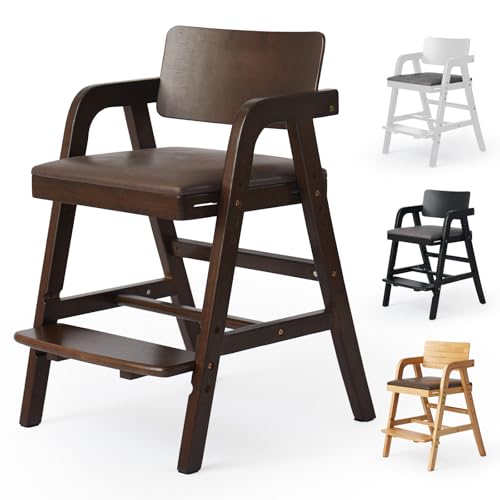 Leesinwing Wooden High Chair for Babies and ToddlerOversized26.5 x 21.8 x 6.6 inches16.5 poundsCheck on Amazon


What's inside
- What makes a high chair adaptive rather than ordinary
- Start with the pelvis, then build upward
- Harness systems, from simple belts to full trunk support
- Lateral supports for trunk and hips
- Tilt, recline, and why they are not the same
- Footplates and the forgotten foundation
- Trays that position as well as hold food
- Frames, bases, and stability in a busy kitchen
- Seat depth, width, and cushion decisions
- Cleaning and hygiene without a daily battle
- Transfers, lifting, and caregiver backs
- Fitting the chair into the home
- Matching support to tone and movement patterns
- Feeding posture and safety conversations
- Age and size groups, described honestly
- Materials, durability, and repair
- How to compare listings without being misled
- Common buying mistakes in this category
- Balancing independence with support
- Safety details that hide in plain sight
- Using the same chair beyond mealtimes
- Clothing, seasons, and orthotics in real fitting
- Questions to bring to clinicians before buying
- Check prices on Amazon
- A calm decision sequence for overwhelmed shoppers
As an Amazon Associate I earn from qualifying purchases. This post may contain affiliate links at no extra cost to you.
A standard high chair assumes a child can sit upright without help, keep feet roughly still, and stay centred while reaching for food. For many children with special needs, none of those assumptions hold for long. Muscle tone may pull the body sideways, trunk control may fade halfway through a meal, or a pelvis may slide forward until the back is no longer supported at all. An adaptive or positioning high chair exists to solve those specific problems at home, meal after meal, without turning the dining area into a clinic.
This guide was assembled from manufacturer specifications, care guidance, and recurring caregiver feedback rather than from any single household’s routine. The descriptions below draw on published dimensions, adjustment ranges, harness configurations, and cleaning instructions supplied by manufacturers, combined with patterns that appear again and again in caregiver accounts of daily feeding at home. No claim here rests on one family using one chair in one kitchen, and readers should treat the groupings as a research summary to discuss with their own clinicians.
What makes a high chair adaptive rather than ordinary
The difference is not simply extra padding or a taller backrest. Adaptive designs treat seating as positioning: the pelvis is stabilised first, the trunk is supported where control is weakest, the head is guided without being forced, and the feet rest on a surface that gives the whole body a reference point. Each element can usually be adjusted independently, because a child who needs firm lateral help at the hips might need only gentle prompting at the shoulders.
Ordinary chairs, by contrast, offer a fixed shell and a simple strap. That arrangement works when a child supplies most of the stability internally. When tone, strength, coordination, or endurance cannot supply it, the shell alone leaves gaps that the body fills by slumping, leaning, extending, or sliding. Over a full meal those compensations affect comfort, reach, chewing focus, and how safely food is managed.
Positioning at home is different from positioning in therapy
Home seating has to survive real life. It must fit under or beside a family table, wipe clean after a spilled drink, move aside for sweeping, and be operated by tired adults, grandparents, siblings, and visiting carers who may not share the same training. A chair that achieves perfect alignment but takes twenty minutes to configure will quietly stop being configured at all. Practical adjustability, with clear clicks, numbered slots, or obvious strap paths, matters as much as the theoretical support on offer.
Feeding also lasts longer than a brief therapy exercise. A position that feels secure for five minutes may create pressure, heat, or fatigue after half an hour of breakfast, medication routines, and conversation. Home chairs therefore need comfort features that clinical seating sometimes treats as secondary: breathable covers, smooth edges where arms rest, and enough seat depth that a child does not feel perched on a narrow ledge.
Start with the pelvis, then build upward
Published seating guidance returns consistently to one principle: stable seating begins at the pelvis. If the hips drift forward, the spine rounds, the head tips, and every support above the seat is working against a moving foundation. Caregivers describing difficult mealtimes often mention the visible symptom first, such as a leaning head, while the underlying slide began lower and earlier in the meal.
Look for a seat base that keeps hips back against the backrest without a large open gap behind the knees or beneath the thighs. Some designs use a contoured seat cushion, others use an anti-thrust shape that rises slightly at the front, and others rely mainly on belt angle. None of these approaches is automatically superior. What matters is whether the combination suits the individual pattern of movement, spasticity, low tone, or restless shifting that shows up during eating.
Why belt angle matters more than belt tightness
A pelvic belt routed at a steeper angle over the front of the hips tends to resist forward sliding differently from a belt that runs horizontally across the waist. Manufacturer diagrams usually show the intended anchor points, and those diagrams deserve close attention before purchase. Tightening a poorly routed belt mainly squeezes soft tissue; it does not recreate the geometry that keeps the pelvis seated back. Families comparing listings should study anchor placement photographs and instruction drawings rather than relying on strap width alone.
Padding on the belt also changes behaviour. A broad, softly lined pelvic belt distributes pressure for children who push against it repeatedly, while a narrower webbing belt may be easier to clean and quicker to thread through guides. Some systems add a secondary strap arrangement to discourage standing or climbing, but extra straps are not a substitute for supervision during meals.
Harness systems, from simple belts to full trunk support
Harness language varies widely across retailers, so it helps to translate marketing terms into body locations. A lap belt secures the pelvis only. A three-point arrangement adds a single shoulder line. A five-point system brings two shoulder straps, two hip straps, and a central buckle together, spreading control across the trunk and pelvis. A chest harness or H-style vest focuses higher, guiding the sternum and shoulders while a separate pelvic belt handles the base.
Choosing among them is not a ladder where more points always win. Additional webbing can improve alignment for a child who rotates, extends strongly, or leans persistently to one side. It can also slow emergency removal, trap heat against the chest, complicate clothing changes, and frustrate a child who is working toward independent sitting with minimal help. The right amount of restraint is the least arrangement that maintains a safe, comfortable, functional position for eating.
Buckles, releases, and everyday usability
Buckle design decides whether a harness gets used correctly on a rushed morning. Large centre-release buttons suit caregivers with limited grip strength, while smaller side-release clips may resist curious fingers for longer. Some buckles require two simultaneous actions, which reduces accidental opening but demands practice before the first real meal. Care guidance commonly advises rehearsing release and fastening with the chair empty, then again during a calm snack, rather than debuting unfamiliar hardware at a hungry dinner.
Strap adjustment points deserve equal scrutiny. Sliding adjusters near the shoulder allow quick growth changes, whereas rear-routed adjustments keep loose ends away from food and hands. Loose tail management sounds minor until a dangling strap soaks in soup or catches under a tray edge. Designs that park excess webbing in clips or channels tend to stay cleaner and present fewer chewing targets.
Shoulder strap height and growth
Shoulder straps should emerge near shoulder level, neither dragging the shoulders downward from a slot set too low nor floating so high that webbing rubs the neck. Many adaptive chairs provide several slot heights or a sliding headrest carriage that carries the strap guides with it. When comparing size ranges in listings, check whether strap repositioning needs tools, partial disassembly, or simply unclipping a guide. A system that needs a screwdriver for every growth spurt will lag behind a fast-growing child.
Chest clips, where fitted, are intended to keep shoulder straps spaced rather than to bear the main positioning load. Their height is usually described around mid-chest or armpit level in fitting guides. If a clip migrates upward during movement, strap geometry or belt stability below may need attention instead of simply sliding the clip back down repeatedly.
Lateral supports for trunk and hips
Lateral supports are the pads placed beside the trunk, pelvis, or thighs to limit sideways drift and give the body a boundary to rest against. Fixed laterals form part of the chair shell and suit children whose width changes little and whose lean is predictable. Adjustable laterals move inward, outward, forward, or back on brackets, which helps when asymmetry, scoliosis management plans, orthotics, or seasonal clothing change the space a body needs.
Swing-away or removable trunk laterals can transform transfers. Instead of lifting a child over a rigid wall of padding, a caregiver can move one side clear, slide the child in, then return the pad to its marked setting. That convenience carries a responsibility: settings should be recorded, photographed, or marked discreetly so every caregiver restores the same position after cleaning or transport.
Pad shape, firmness, and pressure
Curved pads cradle a ribcage more gently, while flatter pads give a clearer stop against leaning. Firm foam holds alignment under strong tone but may feel unyielding during relaxed meals; softer overlays improve comfort yet compress over months of use. Removable covers over lateral pads are worth prioritising because the sides of the trunk collect dribbles, sunscreen, and medication spills that rarely reach the centre of the seat.
Width between laterals should be judged with the child wearing typical mealtime clothing and any trunk orthosis normally used at the table. A fit that looks precise in a thin shirt may become compression once a brace or winter layer is added. Manufacturer specifications usually state internal seat width and sometimes the narrower width available between pads at their closest setting. Both figures belong on a shortlist comparison sheet.
Head support without forcing the head
Headrests on adaptive chairs range from a simple raised back extension to contoured pads with small side wings. Their role is generally to provide a resting surface and gentle guidance when head control tires, not to clamp the head in place. Lateral head pads, when present, should be reviewed with professional guidance, especially where neck tone, vision, hearing aids, glasses, or communication devices interact with anything placed beside the face.
Height adjustment is the feature most families use. As a child grows, a headrest that once sat behind the occiput can slip down to shoulder level and push the head forward. Look for smooth vertical travel and a locking method that does not creep under repeated contact. Some designs allow the headrest to move forward for children who need the support surface closer, which should be set cautiously and reviewed if posture or comfort changes.
Tilt, recline, and why they are not the same
Tilt changes the angle of the whole seating system while preserving the angles between seat, back, and legs. Recline opens the angle between seat and backrest, letting the trunk lean back relative to the thighs. Product pages sometimes blur the two words, so careful readers should look for diagrams showing what actually moves. The distinction matters for feeding, digestion comfort, transfers, and how a tray stays aligned with the child.
Tilt-in-space can help a child who fatigues, slides, or needs gravity to assist pelvic stability without folding at the hips. A modest tilt often keeps the tray relationship intact because the tray usually moves with the seating unit or remains parallel in a predictable way. Larger tilt ranges belong in a conversation with feeding and positioning professionals, since head position, swallow safety, reflux management, and visual engagement with the table all interact.
Recline for rest versus recline for meals
A reclined backrest may suit a short rest after eating or a child whose hip range limits a fully upright hip angle. During active eating, however, excessive recline can make reaching, chewing focus, and upright head posture harder to sustain. Chairs that separate the two functions, offering limited mealtime recline plus a distinct tilt control, give caregivers finer choices than a single lever that changes everything at once.
Controls should be reachable without placing a hand where it could be pinched, and they should hold position under load without slow drift. Gas-assisted mechanisms feel smooth but vary in how they behave across their range; mechanical notches feel less elegant yet provide repeatable settings that different caregivers can match by number. Published specifications sometimes state tilt and recline ranges separately, and those numbers should not be added together mentally as if they describe one movement.
Footplates and the forgotten foundation
Feet dangling in the air leave the body without a stable base. A footplate gives the lower limbs somewhere to press, rest, and organise tone, which frequently settles movement higher up the body as well. Caregiver feedback repeatedly singles out foot support as the feature whose absence was underestimated before purchase and whose presence was noticed immediately once meals became calmer and reaching became steadier.
Height adjustability is the minimum requirement. As legs grow, a plate fixed too high bends the knees sharply and lifts the thighs off the seat, while a plate left too low encourages toe-pointing, sliding, or hooking feet behind a rung. Angle adjustment helps where ankle range, orthotics, or tone patterns mean flat placement is unrealistic. Some plates flip up or swing aside for transfers and floor cleaning, which reduces tripping and makes standing assists simpler where they form part of a care plan.
Individual foot positioning and straps
Split footplates allow each side to sit at a different height, useful when leg length, surgical history, or tone differs between sides. Heel loops or ankle positioners appear on some systems to keep feet from slipping backward off the plate. These accessories should be introduced thoughtfully: a foot that is held but a pelvis that is unstable simply transfers the struggle elsewhere. Fitting guidance generally treats foot placement as one link in a chain that starts again at the hips.
Footplate size matters for children who wear ankle-foot orthoses or adapted footwear at meals. Published platform depth and width, rather than overall chair footprint, determine whether shoes fit without toes hanging over an edge. Textured surfaces improve grip for socks and soft shoes, though deep grooves collect crumbs and require a brush during weekly cleaning.
Trays that position as well as hold food
A tray on an adaptive chair does more than carry a plate. Its height and distance shape shoulder posture, elbow support, and how far a child must lean to reach a cup. A tray jammed close can pin the trunk and discourage movement; a tray set far away invites a forward slump that undoes careful pelvic positioning. Adjustable depth, even across a few distinct stops, helps match the tray to changing trunk supports and clothing.
Removable trays simplify cleaning and transfers, but the removal mechanism should be operable with one occupied hand in real households. Two-handed releases are safer against accidental opening yet harder when a caregiver is supporting a child with the other arm. Some families prefer a chair that slides to the family table instead of using a tray at all, which makes table height compatibility and armrest clearance the deciding measurements. Families comparing everyday seating beyond mealtimes sometimes browse best kids chairs to see how ordinary proportions differ from positioning designs.
Tray edges, inserts, and postural prompts
Raised tray edges contain cups and give forearms a tactile boundary. A few designs accept an insert or cut-out section that brings the surface closer around the trunk, offering elbow support on both sides. That wraparound feeling can encourage midline play and self-feeding attempts, provided the cut-out does not press the abdomen or restrict breathing comfort. Smooth, sealed tray surfaces clean fastest; textured trays hide scratches but hold onto sauces in their grain.
Tray storage is an overlooked detail. A large tray that must lean against a wall beside the chair becomes a falling hazard and a cleaning backlog. Hooks, rear parking positions, or a tray that hangs on the frame keep the part with the chair and reduce the chance that it disappears into another room between meals.
Frames, bases, and stability in a busy kitchen
Adaptive chairs are often heavier than nursery high chairs because their frames carry adjustment hardware, larger children, and stronger movement forces. A wide base resists tipping when a child rocks, pushes against the footplate, or leans hard toward a favourite food. Stability should be judged alongside manoeuvrability: a base that never tips but cannot pass through a doorway simply relocates the problem to every room change.
Materials divide broadly into moulded polymer shells on metal frames, wooden growth chairs with added positioning accessories, and fully modular seating systems mounted on wheeled bases. Each family of designs balances appearance, weight, cleanability, and adjustment differently. A home that wants the chair to blend with dining furniture may accept slower adjustments, while a home managing complex posture may prioritise hardware access over looks.
Wheels, brakes, and floor protection
Casters turn a heavy chair into something one adult can reposition for cleaning, table access, or a change of scene. Locking casters, ideally on at least two wheels and reachable without kneeling in a spill, keep that mobility from becoming drift during transfers. Small wheels struggle over thresholds and rug edges; larger rear wheels roll more calmly but increase overall footprint. Hard floors may need softer caster materials to avoid marks and rattling that some children find distressing.
Fixed legs suit households that park the chair in one place and value absolute steadiness. Glides should be replaceable because grit embedded in a glide scratches flooring and makes the chair rock subtly. Check the stated footprint in specifications rather than estimating from photographs, since wide anti-tip bases often extend further behind the chair than lifestyle images suggest.
Weight capacity and honest size ranges
Capacity figures describe structural limits, not comfortable fit. A chair may be rated well beyond a child’s weight while its seat width, depth, or harness length becomes unsuitable much earlier. Conversely, a small chair with a generous rating may still fail a tall child whose knees rise too high or whose head extends past support. Use three separate checks: weight rating, internal seat dimensions, and the manufacturer’s stated height or age guidance, then privilege the dimensions most.
Growth features extend value. Seat depth that shortens for smaller children and lengthens later, a footplate that travels down the frame, and a backrest that rises all postpone replacement. Some systems accept alternative cushions or larger accessory kits. When reading listings from sellers, confirm which growth parts are included initially and which are separate purchases described elsewhere in the listing text.
Seat depth, width, and cushion decisions
Seat depth controls thigh support. Too deep, and the front edge presses behind the knees, pushing the pelvis forward to escape the pressure. Too shallow, and the thighs lose support, raising pressure under the sitting bones and encouraging a slide. Adjustable depth, achieved by moving the backrest, sliding the seat, or repositioning a cushion insert, is one of the most useful growth features in this category.
Cushion design involves a trade between immersion and stability. A deeply contoured cushion can centre the pelvis and spread pressure, while a flat firm seat makes transfers and repositioning simpler and gives clearer feedback to a child learning active sitting. Removable cushion spacers behind the back pad offer a low-profile way to reclaim depth for smaller children without replacing the whole chair. Households researching posture-friendly everyday seating may also look at best ergonomic chairs for kids for contrast with non-adaptive designs.
Pressure, heat, and longer sits
Children who cannot shift weight independently rely on caregivers and cushion materials to manage pressure. No high chair cushion replaces a repositioning routine, but breathable fabrics, moisture-resistant barriers beneath covers, and foam that recovers rather than staying compressed all support comfort across a long family meal or homework session at the same chair. Published care guidance often recommends regular skin checks where a clinician has advised them, particularly after illness, growth, or a change in seating settings.
Spare covers are a practical luxury. A single cover means the chair is out of service while laundry dries; a second cover keeps the routine intact. When comparing options through retailers, verify that replacement covers match the exact size generation of the chair, since similar-looking models may use different cushion shapes.
Cleaning and hygiene without a daily battle
Food reaches places on an adaptive chair that it never reaches on a simple one: harness webbing, lateral brackets, tilt pivots, cushion seams, and the underside of a footplate. A realistic cleaning assessment looks at how many parts detach, whether covers tolerate machine washing according to their care labels, and how many narrow channels require a brush. Smooth hardware with capped bolt ends wipes faster than exposed threaded rods.
Webbing deserves special planning. Straps absorb milk, sauces, and medication syrups, and they dry slowly in humid kitchens. Some manufacturers allow removable harness assemblies for washing; others specify surface cleaning only. That difference affects daily life more than many headline features. A household managing reflux or frequent spills may reasonably rank a fully removable, replaceable harness above an extra recline angle.
Seams, crevices, and materials
Welded or heat-sealed cushion seams resist fluid ingress better than stitched seams with exposed thread, though stitched covers are often softer and easier to replace. Hard shells shed spills instantly but can feel cold and noisy; upholstered systems feel warmer yet demand more drying time. Tray dishwasher guidance varies, so rely on the specific care instructions rather than assuming every plastic tray tolerates high heat.
Build a two-tier routine: a quick wipe of tray, seat front, harness buckle, and footplate after meals, plus a scheduled deeper clean that removes cushions and inspects hidden crumbs and moisture. Dried food inside a buckle can affect its click, and grit inside a sliding adjustment can make a setting creep or jam. A soft brush, mild cleaning solution approved by the care instructions, and full drying before reassembly cover most recurring needs described in manufacturer care documents.
Transfers, lifting, and caregiver backs
How a child gets into the chair shapes daily safety as much as how the chair holds them afterwards. Front transfers suit children who can bear some weight with assistance. Side transfers benefit from a swing-away lateral and a removable tray. Hoist or full-lift transfers need clear space around the chair, a base that does not intrude where feet or equipment must go, and harness parts that can be laid open so webbing does not end up trapped beneath the child.
Seat height influences every transfer style. A low seat reduces lift height but may force a caregiver to bend deeply; a high seat aligns better with standing assists yet raises the consequences of poor brake discipline on wheeled models. Height-adjustable bases attempt to serve both moments, lowering for access and rising for the table, though each mechanism adds weight and a maintenance point.
Recording settings for multiple caregivers
Consistency collapses when five people set the chair five ways. Many families adopt small systems: colour dots on strap positions, a dated photograph of the fitted chair stored on a phone, or a card kept in a drawer listing slot numbers for back height, footplate level, and lateral width. Such records also help after a deep clean strips every adjustment back to zero. Manufacturer manuals often include fitting diagrams that can anchor the household record to a shared visual reference.
Changes should be dated and explained in that record. A looser pelvic belt after a feeding-tube placement, a deeper seat after a growth spurt, or a new headrest height after a haircut with different headwear all make sense later only if someone wrote down the reason. Without notes, a well-intentioned relative may helpfully restore an outdated setting.
Fitting the chair into the home
Measure the dining space with the chair occupied in imagination, not empty in a showroom sense. Allow room behind for a caregiver to stand, room at the side for transfers, and clearance for tilt if the back travels rearward. Doorway widths, hallway turns, and the route to the sink for cleaning all belong in the assessment. A chair that fits at the table but cannot reach the bathroom or living room limits its usefulness for snacks, crafts, and family activities beyond dinner.
Table compatibility needs three numbers: tabletop height, underside clearance, and the thickness of any apron beneath the top. A chair used without its tray must slide close enough that food is reachable without a forward slump, while arm supports or laterals must pass beneath the apron. Families arranging a study corner around similar clearances sometimes consult best chairs for kids desk when comparing smaller everyday chairs for siblings.
Flooring, noise, and sensory details
Hard plastic casters on tile announce every movement, and rattling trays can startle children sensitive to sudden sound. Rubberised wheels, secure tray latches, and felt pads under fixed legs soften the acoustic footprint. Colour also plays a role at home: neutral frames may help the chair feel like furniture, while bright cushions can make a child’s place at the table feel chosen rather than clinical. Neither preference is trivial, because a chair that a child resists approaching creates work before food even arrives.
Lighting and approach direction matter for children with visual or attention differences. Parking the chair so the child faces family members rather than a busy doorway, or so glare from a window does not fall across the tray, can be arranged without buying anything. The best position in the room is the one that supports eating, communication, and supervision together.
Matching support to tone and movement patterns
Low muscle tone often presents as gradual collapse: the pelvis rolls, the trunk folds, the head drifts, and the feet slide from their plate as the meal continues. For this pattern, a stable pelvic base, supportive seat contour, laterals that provide a resting boundary, and reliable foot support usually form the core conversation. Tilt may also enter the discussion where endurance is limited and a clinician advises using gravity as an ally.
High or fluctuating tone can present as pushing, arching, sudden extension, or strong asymmetric pull. Here, frame strength, belt routing, secure foot placement, and hardware that does not flex under force become central. Padding must withstand repeated pressure without tearing at attachment points. Settings that work during a calm morning may need professional review if afternoon fatigue or excitement changes the pattern markedly.
Asymmetry and one-sided support
Not every body leans equally. A child may list toward a stronger side, rotate the pelvis, or prefer turning the head one way for vision or comfort. Asymmetric lateral placement, a split footplate at uneven heights, or a cushion arrangement that fills a gap on one side can acknowledge that reality better than forcing a mirror-image setup. Photographs from the front and side, taken with consent and shared with the care team, often communicate asymmetry more clearly than verbal descriptions at an appointment.
Any plan involving wedges, inserts, or custom padding should be traceable to professional advice where the child has complex orthopaedic, respiratory, or feeding needs. Improvised household padding compresses unpredictably, migrates during meals, and can create pressure points that were not part of the original problem.
Feeding posture and safety conversations
Upright, well-supported seating is widely described in feeding guidance as a foundation for safer swallowing, because head, neck, and trunk alignment influence how food and drink are managed. The specifics for any child, including any recommended recline, texture, pacing, or supervision level, belong to that child’s medical and therapy team. A chair is an enabling tool within a plan, never a replacement for assessment where coughing, reflux, respiratory concerns, or poor weight gain are present.
Practical chair features support the plan: a position that can be reproduced at every meal, a tray height that keeps shoulders relaxed, foot support that reduces whole-body wriggling, and a harness arrangement that a caregiver can release quickly if the child needs to come forward or out. Consistency helps clinicians too, since a known seating setup removes one variable when feeding progress or difficulty is reviewed.
Communication devices, glasses, and other equipment
Mealtimes are social and educational, not only nutritional. Eye-gaze frames, switches, tablets on mounts, and communication boards may need to share space with a tray. Check whether tray surfaces accept suction mounts, whether a mount clamp fits the frame tubing, and whether head support wings interfere with hearing aids or spectacle arms. Bringing the full equipment picture into the purchase decision avoids a chair that positions the body well but isolates the child from conversation.
Feeding tubes, pumps, and bags add tubing routes to consider. Open frame areas can keep lines visible and untangled, while enclosed shells may require careful routing to avoid pinching during tilt or recline. Caregivers often value a small hook or a clear side path for equipment so a pump bag is not balanced on the tray beside food.
Age and size groups, described honestly
Manufacturers group adaptive chairs roughly into toddler, child, and larger youth sizes, but labels matter less than overlapping measurements. A petite older child may fit a smaller frame with better proportions than an age-matched model whose seat depth forces a slouch. A tall toddler with strong extension may need the frame strength of the next group even while using its shallowest seat settings.
For the youngest users, chairs often emphasise recline options, smaller seat inserts, and tray play space for early self-feeding exploration. For primary-age children, growth travel, school-night durability, and compatibility with homework at the same seat become prominent. For older children, dignity, appearance, transfer method, and maximum dimensions dominate, along with whether the chair still looks appropriate when friends visit. Play and leisure seating raises parallel questions, which is why some households also review best chairs for kids play room when planning shared family spaces.
When a second chair or base makes sense
Some modular systems separate the seating unit from its base, allowing a high base for meals and a low base for floor-level family activities. Others require a completely separate chair for school, grandparents, or respite care. Duplication is not always wasteful: transporting a heavy adaptive chair daily can damage adjustments and exhaust caregivers. A simpler secondary chair with the core pelvic and foot supports may serve short visits better than moving the fully configured primary system.
Travel raises its own limits. Few adaptive chairs fold compactly, and those that do usually trade some adjustment range for portability. Vehicle space, the ability to re-establish settings after folding, and whether harnesses remain attached during transport decide whether a folding claim is useful in practice.
Materials, durability, and repair
Daily life strains hinges, stitching, and caster forks more than static showroom strength. Look for replaceable parts in the listing details: straps, covers, buckles, glides, and tray latches are the components most likely to wear first. A chair whose every worn item requires a full replacement is a different long-term proposition from a modular system with a parts catalogue and clear fitting instructions.
Wooden growth-style frames age gracefully and often suit families wanting furniture-like appearance, but their positioning accessories may offer narrower adjustment than a dedicated modular seat. Polymer shells tolerate aggressive cleaning and resist absorbing spills, though they can crack if dropped on hard floors during transport. Powder-coated metal frames balance strength and cleanability, with chips at high-contact points worth inspecting during routine maintenance.
A simple inspection rhythm
- Weekly, run hands over straps and buckles to feel for fraying, stiffness, or a release that no longer clicks positively.
- Monthly, check lateral brackets, footplate locks, and tilt controls for looseness, then tighten only as the manual directs.
- After any fall, collision, or transport, inspect caster forks and frame joints before the next meal rather than assuming hidden damage is unlikely.
- Each season, refit seat depth, harness height, and head support against current growth, clothing, and orthotic use.
Keeping a brief maintenance note beside the fitting record helps spot patterns, such as a buckle that stiffens after every wash or a caster that loosens on one side. Patterns point to cleaning changes, spare parts, or professional servicing before a small annoyance becomes a mealtime failure.
How to compare listings without being misled
Product pages compress complex seating into a handful of bullet claims, so build a comparison sheet with identical rows for every candidate: internal seat width, depth range, back height, footplate travel, tilt and recline described separately, harness type, lateral adjustability, overall footprint, folded size if any, cover washing guidance, and included accessories. Empty cells are informative; they show where a seller’s description is vague and a question needs asking before money changes hands.
Photographs should be read critically. A chair photographed with its smallest insert may look compact while the base remains large. A child model in marketing images may be much smaller than the chair’s intended user, making proportions deceptive. Dimension diagrams, manual downloads, and side-profile images with measurements carry more decision value than styled dining-room scenes.
Questions worth sending to sellers
Ask which parts are included, which harness ships as standard, whether laterals are fixed or adjustable on the exact variant listed, and how replacement straps are obtained. Ask whether the tray is included or pictured as an optional extra, a classic source of disappointment in this category. Ask about return conditions for seating that proves unsuitable after fitting, since a chair can meet every published measurement and still mismatch a child’s tone pattern in ways no spreadsheet predicts.
Common buying mistakes in this category
The most frequent error is buying for age instead of measurements, followed closely by choosing the maximum support available rather than the support actually needed. Excess hardware can crowd transfers, slow cleaning, and restrict a child’s own active movement during meals. Another recurring mistake is ignoring the footplate while spending heavily on trunk features, even though unsupported feet undermine the whole arrangement from below.
Underestimating the home environment is equally common. A chair may be superb in isolation yet too wide for the only route to the table, too tall for the kitchen’s underside clearance, or too heavy for the caregiver who handles most weekday meals. Finally, many households forget to plan for laundry and spares, discovering only after the first stomach bug that a single non-removable cover can sideline an essential chair.
Setting up the first week at home
Begin with short, low-pressure sits that pair the chair with a favourite food or activity, where the child’s care plan allows. Establish the fitting during calm conditions, record the settings, and resist making several changes at once; single adjustments reveal their effect more clearly. Invite every regular caregiver to practise harness release, brake use, tray removal, and tilt controls before the chair becomes the only option at a busy family gathering.
Expect a settling period. A child accustomed to slumping may initially protest a more upright alignment even when it is appropriate, and caregivers may need time to find efficient strap routines. Persistent distress, new coughing patterns, skin marking, or concerns about breathing and feeding should be raised promptly with the relevant professionals rather than solved by loosening everything until the positioning purpose disappears.
Balancing independence with support
Good positioning should expand what a child can do: reach a spoon, hold a cup with steadier shoulders, use a switch, join a conversation, or stay at the table for the social length of a family meal. Support that achieves stillness by eliminating all movement misses that purpose. Wherever a care plan allows, preserve opportunities for weight shifting, reaching practice, and self-feeding attempts within the security the chair provides.
Revisit the balance regularly. Strength, therapy goals, school seating experience, and confidence all change, and a harness configuration that was essential in spring may be more than is needed by winter. Reductions in support should be gradual, observed across several meals, and discussed with the professionals who know the child’s feeding and posture history. Growth in independence is a success of the system, not a failure of the original purchase.
Safety details that hide in plain sight
Beyond positioning, ordinary household safety checks still apply and deserve deliberate attention. Gaps where small fingers could be trapped during folding, tilt movement, or tray sliding should be examined in diagrams and in person where possible. Hinge covers and guarded pivot points reduce that risk. Stability claims should be read alongside instructions about using the chair on level floors, locking wheels before transfers, and never leaving a harnessed child unattended simply because the straps appear secure.
Harnesses position a body; they do not make a tall chair a safe place for unsupervised play. Manufacturer warnings in this category consistently stress presence during use, correct belt use at every sitting, and keeping the chair away from counters or tables that a strong push from the footplate could reach. A child who can rock a chair toward a kitchen island changes the safe parking spot for that chair.
Siblings, pets, and the social perimeter
Other children climb, hang from trays, and push wheeled chairs for fun unless household rules arrive early and stay consistent. A heavy adaptive chair moved unexpectedly can injure the seated child and the sibling doing the pushing. Brakes on, tray latched, and a clear rule that the chair is never a toy vehicle protect everyone. Dogs brushing past a footplate or cats settling on a warm cushion are smaller disruptions, yet they argue for storing harnesses up off the seat and checking for pet hair in buckles during the weekly once-over.
Visitors need a short briefing rather than a manual. Show grandparents and babysitters the brake, the buckle release, and the one setting they should never alter. A laminated card on the fridge with three photographs often outperforms a long verbal handover given while coats are coming off and dinner is already late.
Using the same chair beyond mealtimes
Many families keep the adaptive chair in service for homework, crafts, music practice, and screen-based schoolwork, because reproducing a good position in a second chair doubles cost and setup effort. For longer non-feeding sits, tray removal and table access may matter more, foot support remains essential, and scheduled movement breaks become part of the routine where clinicians advise them. A cushion that suits a forty-minute dinner may need a breathability rethink across a two-hour family board game afternoon.
Posture goals also shift with activity. Eating prioritises head and trunk alignment for safe swallowing and reach toward food. Drawing or tablet use pulls attention downward and forward, inviting a slump that a slightly different tray height or a book stand on the tray can counter. Recording separate tray positions for meals and for tabletop activities prevents caregivers from compromising both with one middling setting.
Sensory comfort and willingness to sit
Texture, temperature, sound, and smell influence whether a child settles. Vinyl-like covers wipe beautifully but can feel sticky against bare legs in summer; fabric covers feel friendlier yet hold odours after repeated spills. Strap webbing against the neck, a buckle pressing through thin clothing, or a footplate that clatters with every kick can each become the single reason a child resists an otherwise well-fitted chair. Caregiver accounts frequently trace refusal back to one small irritation rather than to the headline positioning features.
Choice helps where it is safe to offer it. A child who picks between two approved cushion covers, decides where the chair faces, or chooses a cup colour for the tray gains some ownership of a seat that adults necessarily configure. That cooperation is practical, not sentimental: a willing sitter is easier to position well and quicker to settle into the meal.
Clothing, seasons, and orthotics in real fitting
Refit whenever the layers change. Bulky jumpers consume lateral space, padded winter trousers alter seat depth behaviour, and new ankle-foot orthoses can demand a lower or deeper footplate setting than trainers alone required. A harness adjusted over a thin dress in June will sit differently over a fleece in December, even though the child has barely grown. Seasonal checks catch these shifts before they present as mysterious new leaning or sliding.
Nappy bulk in younger children and continence products in older ones also change pelvic geometry on the seat. Cushion covers that tolerate frequent removal earn their keep in households managing that reality several times a day. Where a child uses a gastrostomy button or other abdominal equipment, belt and tray cut-out positions should be reviewed against the specific care plan so webbing and hard edges avoid sensitive sites entirely.
Questions to bring to clinicians before buying
An occupational therapist, physiotherapist, or feeding specialist who knows the child can turn a generic shortlist into a targeted specification. Useful questions include which body segments need firm support and which need freedom, whether tilt should be available and within what cautious range, how the feet should be placed given current ankle range, and what signs would indicate that a setting needs review. Bringing photographs of current seating, measurements of the dining table, and a note of transfer method gives that conversation concrete material.
Ask also about the future. Expected growth velocity, planned surgery, changing tone management, or a move from home feeding toward school meals can all alter which chair represents sensible value this year. A clinician may advise prioritising a particular adjustment range precisely because a known change is coming, advice no listing page can supply.
Trial periods and second-hand caution
Where sellers or local services offer trial arrangements, a trial in the actual home reveals doorway, flooring, and routine issues that a clinic appointment cannot. If considering a pre-owned chair, caution rises sharply: harness integrity, buckle function, frame cracks, missing laterals, and unknown cleaning history all affect safety, and manuals plus replacement parts must be obtainable for the exact version. Many families conclude that critical strapping and buckles should be renewed even when a used frame itself appears sound.
Warranty and support channels belong in the same conversation. A responsive parts service, downloadable manuals, and clear serial identification on the frame matter years after purchase, when a caster fails on a Friday and the chair is needed on Saturday morning. Note the model generation and purchase details in the household fitting record while the paperwork is still at hand.
Check prices on Amazon
Live listings for the shortlist in this guide are pulled from Amazon below, so prices and availability are always current at the moment you look.

A calm decision sequence for overwhelmed shoppers
Start by listing non-negotiables drawn from the care plan: transfer method, essential supports, maximum footprint, and table clearance. Next, rank growth adjustments by how soon they will be needed, not by how impressive they sound. Then compare cleaning demands honestly against the household’s laundry capacity and spill frequency. Only after those filters should appearance, colour, and the finer points of tray design decide between the surviving candidates.
Finally, plan the support ecosystem around the chair before ordering: spare cover, strap replacements, a place to park the tray, a written fitting record, and a briefing plan for other caregivers. A chair bought with its ecosystem arrives ready to become routine. A chair bought alone, however sophisticated, tends to accumulate small daily frictions that erode the very consistency positioning depends on.
For many households, the most satisfying outcome is unremarkable in the best possible way: breakfast happens, the chair is wiped down, settings stay where they were left, and attention moves on to school runs, work calls, and what everyone actually wants to eat. Behind that ordinary scene sits a chain of deliberate choices about pelvis, trunk, feet, tray, frame, and cleaning, each one matched to a real child rather than to a generic label. When those choices are recorded, reviewed as growth continues, and shared openly among everyone who helps at mealtimes, an adaptive high chair stops feeling like equipment imposed on family life and becomes simply the seat where a child belongs at the table, included in the noise, the passing of dishes, and the small negotiations over second helpings that make shared meals worth organising around in the first place.