Our Top Picks
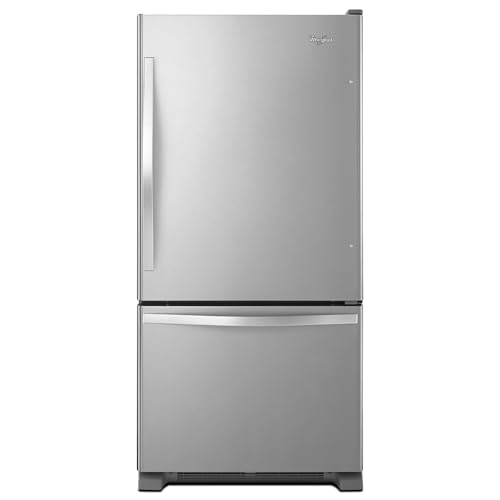
 BLACK+DECKER 17 Cu. Ft. Convertible Freezer Refrigerator17 Cu. Ft.31.9 x 28 x 68.1 inches165.3 poundsCheck on Amazon
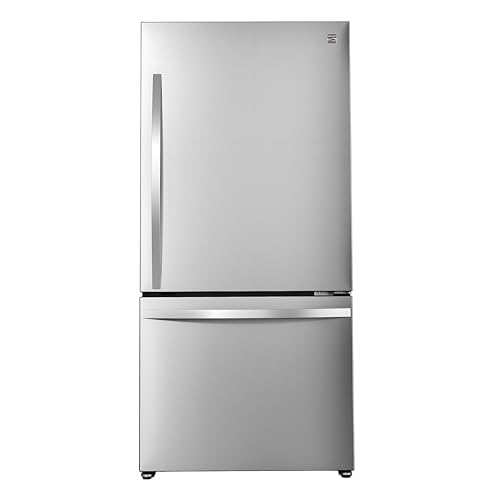
 BLACK+DECKER 14 Cu. Ft. Convertible Freezer Refrigerator14 Cu. Ft.27.9 x 28 x 68.1 inches156.5 poundsCheck on Amazon
 BLACK+DECKER 12.1 Cu. Ft. Top Mount Refrigerator12.1 Cu. Ft. without Ice Maker30.2 x 23.6 x 59.9 inches123.2 poundsCheck on Amazon

What's inside
- What seventeen cubic feet actually holds
- Measuring the space before anything else
- How this size compares with its neighbors
- Garage readiness and temperature tolerance
- Energy consumption and running costs
- Interior organization in daily use
- Noise, vibration, and living with the machine
- Finishes, handles, and the look of the thing
- Reliability patterns and what ownership involves
- Who this size suits, and who should look elsewhere
- A shortlist framework rather than a single winner
- Installation day and the first week
- Temperature performance and food storage reality
- Water, ice, and the plumbing question
- Controls, displays, and small conveniences
- Maintenance that actually extends service life
- Buying used, moving house, and second lives
- Total cost of ownership, tallied honestly
- Reading a specification sheet like an inspector
- Myths that steer buyers wrong
- A decision sequence that holds up
- Seasonal rhythms and special situations
- Check prices on Amazon
- Questions worth asking before the order is placed
As an Amazon Associate I earn from qualifying purchases. This post may contain affiliate links at no extra cost to you.
This guide was assembled from published manufacturer specification sheets, installation manuals released by the brands themselves, federal energy disclosure figures, and patterns drawn from large samples of verified owner feedback collected across many model years. Where sources disagreed, the more conservative published figure is the one carried into the comparisons below. Reader note on funding: purchases made through outbound links placed alongside this article may earn us a commission, which supports the research desk behind guides like this one and adds nothing to the checkout total you see.
Seventeen cubic feet occupies a curious middle position in the refrigerator market. It is larger than the compact and apartment sizes that dominate rental listings, yet it stops short of the family-flagship capacities that fill suburban kitchen showrooms. Shoppers land on this size for specific reasons: a measured alcove that refuses anything wider, a household of two or three people whose grocery rhythm never quite justifies a cavern, or a garage corner where a second refrigerator needs to hold overflow without swallowing the parking bay. The category rewards precision, because the difference between a model that glides into place and one that wedges against a countertop edge is often a single quarter inch nobody recorded.
Nearly every refrigerator sold at this capacity uses the classic top-freezer arrangement, with the freezer compartment stacked above the fresh-food section and a single compressor serving both zones. A handful of bottom-freezer designs brush against the lower edge of the size band, and column-style units occasionally appear, but the top-freezer layout defines the segment so completely that most comparisons in this guide assume it. That layout carries real consequences for daily use: frozen goods sit at eye level, fresh produce lives lower and demands more bending, and the wide single doors swing through a generous arc that kitchen planners must respect.
What seventeen cubic feet actually holds
Capacity numbers on a specification sheet describe total interior volume measured under a standardized method, and the split between freezer and refrigerator sections matters more than the headline figure. Across mainstream models in this class, the freezer typically claims somewhere around a quarter to just under a third of the total, leaving the fresh-food compartment with the remainder. Two refrigerators can share an identical total rating while distributing that space very differently, which is why a household that freezes batch-cooked meals in flat containers may prefer a model whose freezer share runs generous, while a household that buys fresh ingredients every few days wants the balance tipped the other way.
Translating volume into groceries helps ground the decision. Owners consistently describe this size as comfortable for a couple who shops weekly, workable for a small family that shops twice a week, and tight for a household of five unless a secondary unit absorbs overflow. The limiting factor is rarely raw volume; it is geometry. Tall bottles compete for door-bin height, wide sheet pans need a shelf span that many narrower cabinets cannot offer, and a holiday turkey demands a clearance measurement that everyday shopping never tests. Thinking in terms of your three bulkiest recurring items gives a far better prediction of satisfaction than any cubic-foot figure printed on a carton.
Shelf adjustability partially rescues awkward geometry. Models with split shelves that slide or fold let owners carve out a tall pocket for a stockpot without surrendering an entire level of storage. Fixed full-width shelves look cleaner in photographs and hold heavy casserole dishes with less flex, yet they force a single layout on every household regardless of habit. Crisper drawers in this class usually arrive as a matched pair spanning the cabinet width, sometimes with a humidity slider on each, and their combined volume quietly determines whether farmers-market hauls survive the week or wilt by Thursday.
Measuring the space before anything else
Installation failures in this category almost never involve capacity; they involve tape measures that stayed in the drawer. Begin with the alcove itself, recording width at counter height and again near the floor, because older homes often have baseboards or slightly out-of-plumb walls that narrow the opening at one level. Height must be measured at the front edge of any overhead cabinet, since flooring changes and cabinet sag can steal clearance that a measurement taken deeper in the bay would miss. Depth deserves three numbers: the cabinet depth of the space, the depth including any door swing obstruction, and the narrowest point along the delivery path from the street to the kitchen.
That delivery path defeats more purchases than the alcove ever does. Doorways in mid-century homes, tight stairwell turns in split-level houses, and porch steps with railings all impose maximum dimensions that a refrigerator carton must survive. Published product dimensions describe the appliance, not its shipping packaging, and the carton adds meaningful bulk on every side. Removing the refrigerator doors during installation is a standard installer maneuver that recovers several inches of passage width, so ask whether the model you favor allows door removal and whether the retailer includes that service, because a unit that fits the kitchen but cannot reach it helps nobody.
Ventilation clearance forms the quieter half of fit. Top-freezer models in this class generally need modest breathing room above and behind the cabinet so the condenser can shed heat, and the exact allowances appear in each installation manual. Squeezing a unit into a zero-clearance pocket forces the compressor to work against its own exhaust warmth, raising energy consumption and shortening component life in ways that show up years later rather than during the first summer. If your alcove is genuinely tight, compare the stated clearance requirements across candidate models before comparing anything else, since a design content with a smaller air gap may be the only honest fit.
Door swing deserves its own sketch on paper. A top-freezer refrigerator at this capacity usually carries doors around thirty inches wide, and each door needs clearance not only to open ninety degrees but to swing past that point so bins can slide out and shelves can lift free for cleaning. A wall or island positioned on the hinge side can quietly amputate the usable opening angle. Reversible hinges, offered on most models in this segment, let the doors hang from whichever side suits the room, and confirming that the reversal kit or service is included avoids a surprise charge after delivery day.
How this size compares with its neighbors
The natural rival sits one step up. Shoppers cross-shopping the two sizes should read through best 18 cubic feet refrigerators alongside this guide, because the larger class often shares the same footprint width while adding height, which changes the fit calculation entirely. An extra cubic foot gained through height costs no additional floor space, yet it may collide with an overhead cabinet that the shorter seventeen-cubic-foot model clears easily. Conversely, some eighteen-cubic-foot designs widen the case, and that single change can disqualify them from alcoves where the smaller size slides in comfortably.
Below this class, the drop is steeper than the numbers suggest. Stepping down toward fourteen or fifteen cubic feet usually means narrower shelves, smaller crispers, and a freezer that fills after one warehouse-club trip. Households downsizing from a full-size model sometimes choose that smaller band deliberately for a basement or studio, but as a primary kitchen refrigerator it asks for shopping discipline that busy families rarely sustain. At the far end of the scale, apartment-oriented models a full class below serve a different purpose entirely, and comparing them directly with this class mainly clarifies how much grocery volume a main household refrigerator is expected to absorb.
Width deserves special attention because it organizes the whole segment. Most seventeen-cubic-foot top-freezer models cluster around a thirty-inch case width, give or take a fraction, which matches the alcove dimensions built into enormous numbers of North American kitchens across several decades. That standardization is a gift: replacement shoppers can often keep the same footprint across brands and generations. It also means differentiation happens in height, depth, and interior organization rather than in width, so comparison energy spent on those secondary dimensions pays off more than agonizing over fractional width differences that the alcove will never notice.
Garage readiness and temperature tolerance
A large share of buyers shopping this exact size intend the refrigerator to live outside the kitchen, and that intention changes which specifications matter. Garages swing through temperature extremes that a climate-controlled kitchen never sees, and a standard refrigerator asked to work in a near-freezing garage may stop cooling its fresh-food section because its thermostat, sensing cold ambient air, simply declines to run the compressor. Freezers suffer the mirror problem in summer heat, working continuously against ambient temperatures that push internal components toward their limits. Manufacturers address this with garage-ready designs rated for a wider ambient operating range, and the rating appears in the specification sheet as a stated temperature band rather than as a marketing badge.
Anyone planning an unheated-space installation should study best garage ready refrigerators for the dedicated engineering involved, then check each candidate here against the coldest and hottest conditions their own building actually records. A detached garage in a northern climate presents a different challenge from an attached garage that borrows warmth from the house, and a shaded carport in a mild coastal region may never stress a standard model at all. Local knowledge beats generic advice: a inexpensive thermometer logger left in the space for a few weeks reveals the real operating envelope far better than regional climate averages pulled from a weather almanac.
Extreme-heat performance is its own specialty. Kitchens in sun-baked homes and garages in desert regions ask compressors to sustain a steep temperature differential for months, and guidance collected in best refrigerators for hot garage explains how condenser size, insulation thickness, and door-seal quality interact under that load. Within the seventeen-cubic-foot class, models differ noticeably in insulation specification even when their cabinets share dimensions, because some designs descend from platforms engineered for mild indoor duty while others borrow construction from lines built for harsher placements. The energy guide figures, measured under standardized indoor conditions, will not predict consumption in a hot garage, where actual draw can climb substantially during summer peaks.
Placement details inside the garage matter almost as much as the rating. Keep the unit away from direct sun through windows, allow the manual’s clearance on every side, and avoid corners where a parked car radiates engine heat toward the cabinet after every trip. Leveling deserves patience on sloped garage floors poured for drainage; a refrigerator leaning visibly can develop door-seal gaps and meltwater drainage quirks that owners misdiagnose as mechanical failure. A dedicated electrical circuit is prudent where the garage shares wiring with power tools, since voltage sag during a saw startup is unkind to compressor motors over years of repetition.
Energy consumption and running costs
Federal energy disclosures give this category a rare gift: genuinely comparable numbers. The yellow energy guide label published for each model estimates annual electricity consumption under a standardized duty cycle, and within this size class the spread between the most and least efficient designs is wide enough to matter over a decade of ownership. Top-freezer layouts hold an inherent efficiency advantage because cold air in the freezer sits above the fresh-food section rather than spilling sideways, and because these models usually omit energy-hungry extras such as through-door ice service and oversized display lighting. Shoppers who value low running costs have historically found this humble layout difficult to beat per cubic foot.
Certification programs add a second filter. Models carrying the familiar energy efficiency certification meet thresholds stricter than the federal minimum, and the qualifying list changes as standards tighten, so a design certified several years ago may no longer represent the efficient frontier. Compressor technology explains much of the recent progress: inverter-driven compressors that modulate speed continuously avoid the start-stop cycling losses of older single-speed designs, run more quietly at their low cruising speed, and often carry longer warranty coverage on the sealed system. The specification sheet reveals which architecture a given model uses, and the distinction is worth more attention than cosmetic finish options.
Real-world consumption drifts from label figures for predictable reasons. A refrigerator opened forty times a day by teenagers consumes differently from one opened six times by a careful couple. Warm garages, dusty condenser coils, worn door gaskets, and thermostats set colder than food safety requires all push actual draw upward. Owners who track their usage with a plug-in energy monitor commonly report that simply cleaning the coils and correcting an unnecessarily cold freezer setting recovers a noticeable share of the gap between label estimates and household reality. Building that small maintenance habit into an annual routine protects both the electricity budget and the compressor.
Ice makers deserve a line in any honest energy discussion. Factory-installed automatic ice makers, offered on many models in this class as standard or optional equipment, add a modest but real electrical load and introduce the most common source of service calls in owner feedback: supply-line leaks, frozen fill tubes, and harvest mechanisms that jam. Households that rarely use ice may prefer a model without the feature, gaining freezer space and removing a failure point, while households that entertain frequently often consider the convenience worth every watt. The decision is personal, but it should be deliberate rather than inherited from whichever configuration happened to be in stock.
Interior organization in daily use
Door bins do more organizational work in this size class than in any larger category, because shelf span is limited and tall items migrate to the door by necessity. Look for bins deep enough to hold a gallon jug securely, with at least one bin adjustable or removable so the door can be reconfigured as habits change. Clear bin fronts help owners see small jars hiding behind taller bottles, while opaque bins conceal clutter at the cost of forgotten condiments expiring in the back row. Gallon storage on the door also shifts weight onto the hinges, which is why hinge construction and door alignment appear so often in long-term owner commentary about this segment.
Shelf material shapes both cleaning and confidence. Tempered glass shelves contain spills on the level where they happen, sparing the crisper contents below, and most modern designs in this class have adopted glass for exactly that reason. Wire shelves, still found on some value-oriented models, allow better air circulation and never trap sticky residue in a rim channel, but small jars can tip between wires and a leaking carton drips straight through to everything beneath. Spill-proof glass with a raised lip sits between the two philosophies, and owners who store raw meat on lower shelves tend to value that lip far beyond its modest engineering.
Freezer organization in a top-freezer layout rewards containers chosen for the space. The freezer compartment typically offers one shelf or a stepped floor plus door bins on wider models, and its flat ceiling makes stacking uniform boxes efficient. Vacuum-sealed flat packs, labeled with contents and date, transform the freezer from a frost cave into a filing system, a transformation owner forums describe with surprising enthusiasm. Models with a built-in ice storage bin surrender a corner of that filing space, so measure the remaining flat area against your largest regular frozen purchase, whether that is a family-size pizza box or a whole bird bought ahead of a holiday.
Lighting sounds trivial until a bulb fails at the back of a crowded compartment. Brighter multi-point lighting, now common even at this price-conscious size, reduces the archaeology involved in finding a small container pushed behind leftovers. Single-bulb designs concentrate cost savings in a place owners notice every evening. Similarly, temperature controls range from a simple numbered dial to digital displays with independent freezer and refrigerator adjustments; independent control genuinely helps households that keep the freezer deeply cold for long storage while running the fresh-food section at a gentler setting to protect delicate greens.
Noise, vibration, and living with the machine
Specification sheets rarely headline sound levels for this category, yet owner feedback returns to noise again and again, especially when the refrigerator serves a studio apartment, an open-plan kitchen, or a bedroom-adjacent garage conversion. Compressor hum is only one contributor. Fan blades moving air across the evaporator, refrigerant gurgling through lines during cycle changes, ice makers dropping their harvest, and the cabinet itself resonating against an uneven floor each add a voice to the chorus. A unit that seems quiet in a loud showroom can dominate a silent house at two in the morning, which is why owner reports from similar living situations carry weight that showroom impressions cannot.
Inverter compressors tend to trade the distinct on-off punctuation of older designs for a steadier, lower murmur, and many owners describe that trade as the single most noticeable quality-of-life upgrade when replacing an aging unit. Vibration isolation matters just as much: leveling feet properly seated, a cabinet not touching the wall behind it, and contents arranged so glass jars do not rattle against each other during compressor starts. Renters inheriting an unknown unit often solve a supposed noise defect with nothing more than a quarter turn of a leveling leg, a reminder that installation quality shadows every judgment made about a machine’s character.
Finishes, handles, and the look of the thing
Because this size class often serves as a replacement purchase in established kitchens, finish coordination carries practical weight. Stainless-look surfaces dominate current catalogs, with traditional white remaining the quiet bestseller for garages, rentals, and utility rooms where appearance ranks below durability. Black and slate tones occupy smaller niches. Textured finishes hide fingerprints and minor scuffs better than smooth ones, a trait that matters in households with small children or in workshop spaces where the door doubles as a surface that tools occasionally brush. Handle style splits between integrated pocket grips that keep the profile flush and protruding bar or loop handles that are easier to pull with full hands or limited grip strength.
Counter-depth confusion occasionally reaches down into this segment. True counter-depth designs cost more per cubic foot because their engineering compresses components into a shallower cabinet, and at seventeen cubic feet most models are standard-depth units whose cases project several inches past typical countertops. Buyers bothered by that projection should measure how far the door and handle extend into walkways, since a protruding handle at hip height in a galley kitchen becomes a daily annoyance that no amount of interior cleverness redeems. In roomy kitchens and garages the projection is a non-issue, which is why this class keeps its loyal following among owners with space to spare around the alcove.
Reliability patterns and what ownership involves
Top-freezer refrigerators enjoy a reputation for durability rooted in mechanical simplicity: one compressor, one evaporator fan circuit in most designs, no dispenser plumbing through the door, and controls that avoid fragile touch panels on many models. Long-running owner surveys of major appliances consistently place this layout near the favorable end for service frequency, and the pattern holds within this size band. When repairs do occur, they cluster around a familiar cast: thermostats and control boards, defrost heaters and timers, fan motors, and door gaskets that harden after years of heat cycles near the compressor deck. Most of those parts remain inexpensive and widely stocked because the platform has been built in huge numbers for decades.
Defrost behavior deserves a sentence of its own. Frost-free operation is universal in this class now, sparing owners the manual defrost weekends that older generations remember, but the automatic defrost cycle briefly warms the freezer compartment on a schedule, which is why ice cream texture can vary and why a thermometer placed inside sometimes records a surprising spike. That spike is normal engineering, not a defect, and understanding it prevents unnecessary service calls. Owners storing temperature-sensitive items for long periods often keep a simple appliance thermometer in each compartment, checking readings seasonally as ambient conditions shift.
Warranty structures follow a pattern worth reading before purchase rather than after a failure. The base coverage on the whole appliance is commonly the shortest, with longer terms applying to the sealed refrigeration system, and the longest terms reserved for the compressor itself on inverter designs. Labor coverage rarely matches parts coverage in length, so a compressor replaced under a long parts warranty can still generate a meaningful labor bill. Registration requirements vary; some brands condition extended terms on registering the product within a window after delivery, a detail buried in paperwork that busy moving weeks tend to swallow.
Who this size suits, and who should look elsewhere
The clearest fit is the household of one to three people cooking most meals at home, shopping on a weekly rhythm, and valuing a proven layout over showroom drama. It also suits owners of older homes whose kitchens were framed around the thirty-inch standard and who would rather spend their renovation budget anywhere except moving cabinetry. Landlords furnishing durable rentals gravitate here for the same reasons tenants benefit: parts availability, tenant-proof simplicity, and replacement units that fit the same opening a decade later. Second-home owners and garage-overflow shoppers round out the core audience, provided the garage candidates carry the ambient rating discussed earlier.
Look elsewhere if your household regularly stores party platters, sheet cakes, or warehouse-size cases of drinks, because width and shelf span, not total volume, will frustrate you first. Look elsewhere if mobility limitations make the low fresh-food section and high freezer a daily strain; bottom-freezer and French-door layouts redistribute that bending differently. Families of five or more who shop weekly usually outgrow this class within a year and report the familiar pattern of door bins colonized by overflow and a freezer packed beyond safe air circulation. Honest self-knowledge about shopping cadence prevents the most common regret attached to this otherwise sensible size.
Narrow-format shoppers have a related but distinct path. Kitchens built around a slimmer opening, common in older urban housing and some manufactured homes, call for the designs gathered in best 28 inch top freezer refrigerators, where manufacturers compress this same layout into a case roughly two inches narrower. The compromises there echo the ones in this guide at a smaller scale, and several of the measurement disciplines described above become even more decisive when every fraction of an inch is already spoken for.
A shortlist framework rather than a single winner
Ranking one model above all others would misrepresent how this category actually divides. A garage-bound buyer needs the ambient rating first and interior elegance last. A kitchen replacement buyer should rank fit, then door configuration, then efficiency. A renter furnishing a first apartment may weight delivered-and-installed convenience above every specification. The honest exercise is to score each candidate against your own ranked list, using published dimensions, the energy disclosure, the ambient operating range, and the warranty terms as the four documents that cannot be spun by photography. Models surviving that paper screen rarely disappoint in person, because the category’s remaining differences are matters of taste rather than traps.
Availability rhythms also shape real purchases. This class sells steadily rather than fashionably, and retailers rotate promotional emphasis among a small set of high-volume platforms, so the specific badge on the door matters less than the platform underneath. Several brands may sell mechanically similar machines descended from shared engineering, distinguishable mainly by interior trim, handle design, and service network strength in your region. That last factor is genuinely local: the best refrigerator on paper becomes a burden if the nearest authorized technician is two counties away, so a quick check of service coverage by postal code belongs in every final decision.
Installation day and the first week
Preparation smooths the swap considerably. Empty the old unit into coolers the night before, clear the delivery path of rugs and thresholds that trip dollies, and confirm where the old appliance is going, since haul-away terms differ and some services require the outgoing unit to be empty and disconnected. Once the new refrigerator stands in place, resist loading it immediately; manuals typically advise letting it run empty for several hours so temperatures stabilize, and food moved in gradually avoids overwhelming a cabinet still pulling down to its set point. Check door alignment after leveling, because a door that sags slightly will seal unevenly no matter how new its gasket is.
During the first week, listen and observe with intent. Note cycle patterns, confirm the freezer holds a steady deep freeze with a thermometer rather than by faith, and watch for condensation patterns that betray a seal problem while the return window remains open. Register the product, photograph the rating plate inside the cabinet for future reference, and file the manual somewhere findable. Owners who complete those small rituals report smoother warranty experiences years later, when a model number recalled from a photograph saves a service dispatcher a second trip.
Temperature performance and food storage reality
Published temperature ranges describe what the controls allow, not how evenly the cabinet holds those settings from top shelf to crisper floor. Air circulation design explains most of the variation owners notice. Single-evaporator top-freezer models move cold air from the freezer into the fresh-food section through vents, and items parked directly in front of those vents can freeze unexpectedly, a phenomenon familiar to anyone who has found lettuce welded to the back wall. Multi-flow venting spreads that air through several ports and softens the effect, though it cannot repeal physics: the coldest real estate in the refrigerator will always sit nearest the air source, and the door will always run warmest.
Setting strategy follows from that geography. Dairy and raw proteins belong in the cold interior zones, condiments and drinks tolerate the door, and delicate herbs do best in a crisper whose humidity slider is set to retain moisture rather than vent it. Leafy greens prefer the high-humidity drawer while fruits that emit ripening gas fare better with ventilation, a distinction the slider markings on most drawers communicate with small icons that many owners never decode. The freezer rewards similar zoning: items meant for months of storage should sit at the back where temperature swings from door openings arrive weakest, while this week’s meals can live near the front for easy reach.
Recovery time after loading separates thoughtful designs from indifferent ones. A refrigerator that has just swallowed a warm grocery haul must pull that heat out through its refrigeration circuit, and cabinets with stronger airflow and responsive compressors return to safe temperatures sooner. Owners in warm climates describe this in practical terms: ice cream that stays scoopable, milk that keeps its full shelf life, and leftovers that cool through the danger zone promptly when spread in shallow containers. None of that appears as a headline specification, yet the underlying engineering shows up indirectly in compressor sizing, fan design, and how seriously a manufacturer takes its published temperature-consistency claims.
Water, ice, and the plumbing question
Most models in this class keep plumbing optional, and that optionality is a feature in itself. A refrigerator without a water connection can stand anywhere a suitable outlet exists, including garages, basements, and rental kitchens where tapping a supply line would require landlord permission or a plumber’s visit. Choosing a configuration with an automatic ice maker means committing to a supply line, a shutoff valve, and periodic checks of the connection points, commitments that are trivial in a kitchen plumbed for the purpose and genuinely inconvenient elsewhere. Saddle valves, still encountered in older homes, earn consistent criticism from plumbers for slow leaks and restricted flow; a proper tee and quarter-turn valve is the installation worth paying for once.
Ice production figures in manuals describe output under ideal conditions that include warm incoming water and frequent harvest cycles, so treat them as comparative rather than absolute. Storage bin capacity matters more for entertaining, because a bin that fills by Friday evening determines whether Saturday’s gathering runs on homemade ice or a bag bought in haste. Owners who install the ice maker but use it seasonally should follow the manual’s guidance about shutting the unit off when the bin sits full for long stretches, since an ice maker cycling against a full bin wastes energy and can fuse cubes into a single unhelpful glacier.
Controls, displays, and small conveniences
Control design in this segment splits along a philosophical line. Simple dials and sliding levers survive decades, shrug off power surges with less drama, and can be operated by touch in a dark kitchen. Electronic controls add precision, express temperatures in degrees rather than abstract numbers, and enable features such as door alarms, vacation modes, and diagnostic codes that help a technician identify a fault before arriving. Neither philosophy is wrong; the right choice depends on whether the household values repairable simplicity or information. A door alarm, for instance, sounds minor until it saves a full grocery load left ajar by a hurried child on the first hot weekend of summer.
Vacation and sabbath modes, present on some models, adjust lighting, ice production, and display behavior for extended absences or observance requirements. Power-outage behavior deserves a question at purchase time too: how long the cabinet holds safe temperatures unopened, which depends on insulation and how full the compartments are. A well-stocked freezer coasts through a short outage gracefully, while a nearly empty one warms quickly, which is why experienced owners in outage-prone regions keep the freezer reasonably full and group items together so their combined thermal mass protects everything at once.
Maintenance that actually extends service life
Coils, gaskets, and airflow
Condenser coils shed the heat removed from the cabinet, and they cannot do that job through a blanket of dust and pet hair. Many current designs place coils beneath the unit behind a toe grille or at the rear behind a panel, and the manual identifies the access route and the recommended cleaning interval. Owners with shedding pets routinely find the interval optimistic. Gasket care is gentler work: warm water and mild detergent keep the sealing folds supple and clean, while petroleum-based products degrade the material and should stay away. A gasket that no longer grips can sometimes be coaxed back with careful warming, but a torn or permanently flattened section calls for replacement, a repair well within reach of a patient owner with basic tools.
Interior care and odor control
Spills addressed promptly rarely become odors, while a forgotten leak beneath a crisper can perfume the entire cabinet for weeks. Removable shelves and bins that fit in a standard sink make deep cleaning realistic rather than aspirational, so check that geometry before purchase if fastidiousness matters to you. Glass shelves should return to the cabinet fully dry, because trapped moisture at the edges freezes in the freezer section and fogs in the fresh-food section. An open container of the traditional pantry deodorizer still earns its place for absorbing background smells between cleanings, and activated-charcoal products serve the same role for owners who prefer them.
Buying used, moving house, and second lives
This category circulates heavily on the secondhand market because its standard footprint and durable layout make units easy to rehome. A used purchase deserves the same discipline as a new one, plus a few checks of its own: run the machine long enough to hear a full cycle, inspect the gasket all the way around, look for rust at the base and water stains beneath, and confirm the shelves and bins are complete, since replacement interior parts can erase the savings. Transport discipline matters too; a refrigerator moved on its side needs standing time before startup so compressor oil returns where it belongs, and the manual for most models states the waiting period plainly.
Households upgrading to a larger primary refrigerator often retire the seventeen-cubic-foot unit to garage or basement duty, where it begins a second career holding beverages, overflow, and garden produce. That second career is exactly where the ambient-rating discussion returns with force, because a machine that served faithfully indoors may sulk in a cold garage for the thermostat reasons explained earlier. Some owners solve the puzzle with a garage heater kit designed for their model family, a small accessory that keeps the thermostat honest in cold weather; compatibility is model-specific, so verify before assuming one exists for yours.
Total cost of ownership, tallied honestly
The purchase transaction is only the opening chapter of the expense story. Delivery, installation, haul-away of the old unit, a new supply line if an ice maker is involved, and any electrical work the location requires can add a meaningful margin to the headline figure. Running costs then accumulate quietly through the energy consumption discussed above, while maintenance spending stays low for owners who clean coils and mind the gaskets. A realistic ten-year tally often narrows the apparent gap between a bargain model and a more efficient, better-warrantied rival to a sliver, and sometimes reverses it, which is why this guide keeps returning to documents and duty cycles rather than sticker impressions.
End-of-life planning completes the ledger. Refrigerant and foam insulation require responsible recovery, and many municipalities and retailers run collection programs that handle both. A unit that still cools has donation value for community organizations, extending its useful life and keeping it out of the waste stream longer. Planning that exit at purchase time sounds premature, yet the households that do it report the whole ownership arc, from delivery day to final haul-away, feeling like one continuous, well-managed decision rather than a series of improvisations.
Reading a specification sheet like an inspector
Manufacturers publish dimensions in a vocabulary worth learning precisely. Case depth excludes the door, depth with the door attached excludes the handle, and total depth with the door open ninety degrees describes the full footprint the swing demands. Height figures may or may not include the hinge covers that crown many top-freezer models, and that hinge cap is exactly the part that collides with an overhead cabinet when a buyer trusted the shorter number. Width is the most honest figure on the sheet, though even it assumes the doors sit perfectly aligned. Comparing these numbers across brands only works when each figure is matched to the same definition, a discipline that takes minutes and prevents the most expensive category of disappointment.
Capacity measurement follows an industry standard, yet the standard counts some volumes a household cannot use, including corners behind the compressor hump at the back of the fresh-food floor and the sloped regions near the cold-air tower. Usable capacity is therefore always smaller than the headline, by an amount that varies with interior architecture. Two models wearing the same rating can differ by a full grocery bag of practical space, which owners discover when a familiar weekly shop overflows one cabinet and fits its predecessor. Shelf count, crisper volume, and door-bin capacity, where published, sketch the usable truth more faithfully than the single big number does.
Electrical requirements are refreshingly uniform: a standard household outlet on a circuit that ideally serves the refrigerator alone. Manuals discourage extension cords and warn against ground-fault outlets that can trip silently and spoil a cabinet of food unnoticed, advice that surprises owners whose garage outlets are all ground-fault protected by code. That tension between code and appliance guidance is real in garage installations, and an electrician familiar with local rules can resolve it properly rather than leaving the household to choose which instruction to disobey.
Myths that steer buyers wrong
The most persistent myth holds that a bigger refrigerator always costs more to run. Efficiency depends on insulation, compressor design, and features, and a modern larger model can draw less electricity than an elderly smaller one wheezing through its second decade. Age and condition outweigh size in the running-cost equation, which is why replacing a tired unit in this class with a current efficient design can trim consumption noticeably even at identical capacity. A related myth claims stainless finishes signal higher quality throughout the machine; finish is a surface decision, and the compressor, insulation, and warranty terms underneath vary independently of the door skin.
Another durable misconception says the freezer should be set as cold as the dial allows, just to be safe. Food safety guidance converges on a freezer at or below the standard freezing benchmark and a fresh-food section cool enough to slow bacterial growth without freezing the lettuce, and colder settings beyond those points buy no safety, only frost, energy waste, and ice cream too hard to scoop. Thermometer verification beats dial faith, because dial numbers correspond to real temperatures loosely and drift as ambient conditions change with the seasons.
Finally, many buyers believe a refrigerator should be silent and feel cheated by ordinary operating sounds. Compressors hum, fans whisper, refrigerant ticks as metal expands and contracts, and defrost cycles crackle faintly as frost leaves the evaporator. Published owner guidance from manufacturers lists these as normal, and distinguishing them from genuinely abnormal noises, grinding, loud rattling that survives re-leveling, or a compressor that starts and stops every few minutes, is the skill that separates a warranty call that helps from one that wastes everyone’s afternoon.
A decision sequence that holds up
Assembled in order, the guidance in this guide becomes a sequence any shopper can run in an evening. Measure the alcove and the delivery path, including the awkward turns. Decide the placement honestly, kitchen or garage, and let that decision set the ambient rating requirement. Fix the layout preference and the ice question, since both filter the catalog sharply. Compare surviving candidates on the energy disclosure, the warranty structure, and the service network within reach of your home. Only then weigh finishes and handles, the pleasant surface decisions that should never be asked to compensate for a failure earlier in the sequence.
Households that follow that order rarely return their purchase, and return data in this category quietly supports the point: exchanges cluster around fit failures and placement mistakes, not around cooling performance. The machine itself is a mature, well-understood appliance built on a layout refined over generations. Respect the measuring tape, respect the room it will live in, and a seventeen-cubic-foot refrigerator will reward that respect with the most uneventful decade a major appliance can offer.
Seasonal rhythms and special situations
Demand for this size follows a household calendar rather than a fashion cycle. Moves, marriages, first apartments, and the failure of an aging unit drive most purchases, which means many buyers shop under time pressure with a cabinet of warming food lending urgency to every decision. That urgency argues for doing the measuring and shortlisting before the old machine dies, a form of household insurance that costs one evening. Keeping a written record of your alcove dimensions, circuit location, and door-swing preference in a phone note transforms a future emergency purchase from a scramble into an errand, and landlords managing several units often keep exactly such a card for every kitchen under their care.
Holiday seasons stress the category in the opposite direction. The weeks when households host gatherings expose every cubic inch of shortage, and owners improvise with coolers, borrowed neighbor space, and garage units pressed into service. A household that hosts twice a year should not buy two sizes up for those weekends alone; the wiser move is choosing this class for its fifty ordinary weeks and managing the exceptional ones with the cooler strategy. Conversely, a household whose ordinary week already resembles a small catering operation has outgrown the premise of this guide, and no cleverness in shelf arrangement will rescue a fundamental mismatch between appetite and architecture.
Climate shapes ownership in quieter ways as well. Humid regions challenge door gaskets with condensation and encourage mold in the folds unless the seals are wiped during routine cleaning. Arid regions dry gaskets toward stiffness over years. Homes at altitude notice little difference in refrigeration, unlike cooking, though moving a unit from sea level to the mountains occasionally changes the sounds owners report as pressures equalize. None of these factors should dominate a purchase, yet each explains small mysteries that owners otherwise attribute to defects, and knowing them in advance converts suspicion into simple maintenance.
Power reliability completes the picture. Regions with frequent brief outages reward models whose controls resume automatically and whose cabinets hold temperature through a few dark hours, while households with generator backup should confirm the unit’s starting load sits comfortably within the generator’s capacity, since compressor startup draws a brief surge well above running wattage. Surge protection for the control board is inexpensive insurance in storm country, where a single nearby lightning strike can end an otherwise healthy refrigerator’s electronic life while leaving its mechanical heart perfectly sound.
Check prices on Amazon
Live listings for the shortlist in this guide are pulled from Amazon below, so prices and availability are always current at the moment you look.


Questions worth asking before the order is placed
Retail conversations go better with a written list. Ask whether delivery includes leveling and door reversal, whether the ice maker arrives installed or as a kit, and whether the quoted service includes removing packaging and the old unit. Ask which number on the specification sheet represents height to the top of the hinge, and write the answer beside your alcove measurement. Ask about the return window for fit problems specifically, because a refrigerator that cannot enter the kitchen is a different situation from one a buyer simply dislikes, and policies often treat the two cases differently. Finally, ask who performs warranty service locally and how a claim begins, while the purchase is still hypothetical and the answers carry no stress.
Online orders deserve the same rigor in written form. Save the product page’s dimension table, the delivery terms, and the stated ambient operating range as documents rather than trusting memory, because listings get edited and memories drift. Photograph the alcove with a tape measure stretched across it; that single image resolves most later disputes about whether a fit failure belonged to the product or the preparation. Households that treat the purchase as a small project, with a folder and a checklist, consistently report calmer delivery days than households relying on optimism, regardless of which model eventually rolls through the door.
One last habit separates satisfied owners from frustrated ones in the months after delivery: keeping the paperwork trail intact. Retain the dated receipt, the delivery confirmation noting the model and serial numbers, and any installer notes about leveling or door reversal in a single envelope or scanned folder. If a warranty question arises in year three, that small archive answers in minutes what memory cannot reconstruct at all, and service dispatchers consistently move faster when a caller can read a serial number aloud instead of promising to find it later.
When a seventeen-cubic-foot refrigerator matches its household honestly, measured twice, rated for its room, and organized around real shopping habits, it disappears into the background of daily life for a decade or more, which is the highest compliment any kitchen machine can earn.