Our Top Picks
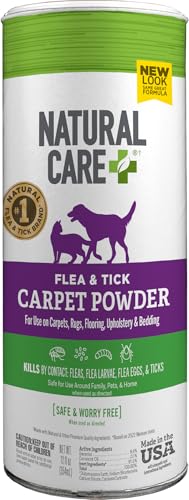
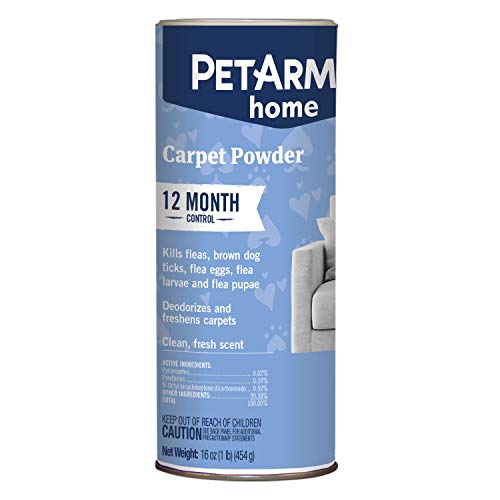 PetArmor Home Carpet Powder Fleas/Ticks16 Ounce (Pack of 1)7.13 x 3.05 x 3.05 inches1.09 poundsCheck on Amazon
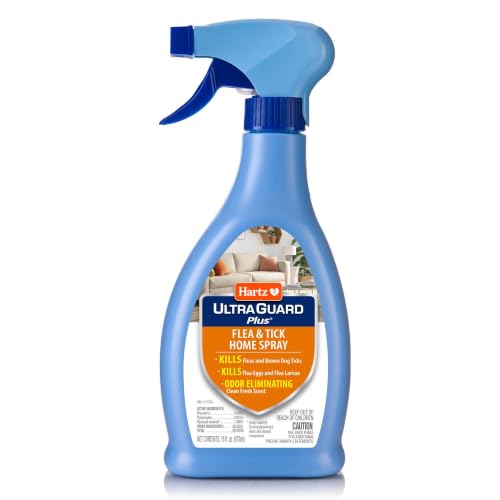
 PetArmor Home & Carpet Spray Fleas/Ticks16 Ounce (Pack of 1)9.77 x 2.6 x 2.6 inches1 poundsCheck on Amazon
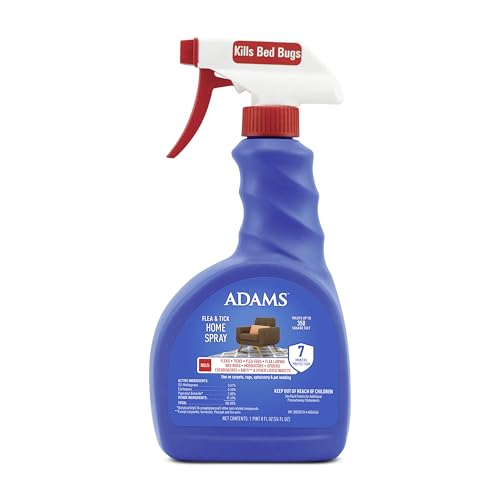
 ADAMS Plus Flea & Tick Carpet Spray16 Fl Oz (Pack of 1)2.6 x 2.6 x 9.5 inches1 poundsCheck on Amazon
 Knockout ES Area Treatment Carpet Spray for Fleas4 Ounce (Pack of 4)2.63 x 2.63 x 9.5 inches1 poundsCheck on Amazon
What's inside
- Why rugs become the centre of a flea problem
- The life cycle hiding inside carpet fibres
- Carpet powders and how desiccants work
- Flea sprays formulated for use on rugs
- Salt, borax and the folk remedies examined
- Vacuuming as a treatment in its own right
- Safety for children, babies and visiting grandchildren
- Protecting dogs and cats during rug treatment
- Matching treatment to rug material
- Building a week-by-week campaign plan
- Costs, effort and choosing between product types
- Common mistakes that keep fleas coming back
- Reading labels and comparing products in the shop
- When the rug itself should be replaced
- Questions households ask most often
- Pulling the whole approach together
- Seasonal patterns and regional differences
- Treating stairs, hallways and the in-between spaces
- Working with landlords, neighbours and shared buildings
- Check prices on Amazon
- Monitoring progress without guesswork
As an Amazon Associate I earn from qualifying purchases. This post may contain affiliate links at no extra cost to you.
Disclosure: Cottage Verdict publishes independent buying guidance supported by reader purchases made through links on this page, which means the site may earn a commission at no added cost to you. Our research draws on manufacturer instructions, extension service publications, veterinary guidance and long-running reader reports rather than any claim of laboratory work inside a home. Prices shift, formulas change and labels get revised, so confirm current directions on the packaging of whichever product enters your household.
Why rugs become the centre of a flea problem
A rug looks like flat decoration, yet to a flea population it functions as shelter, nursery and pantry combined. Adult fleas live on animals and feed on blood, but the great majority of any infestation never rides around on a cat or dog at all. Eggs roll off fur and settle where pets rest, larvae crawl away from light into the darkest base of the pile, and pupae spin sticky cocoons that cling to fibres for weeks. When people say a room feels infested, they usually mean the floor covering has quietly accumulated every hidden stage while attention stayed fixed on the visible jumping adults.
Understanding that distribution changes how a sensible household spends effort. Spraying the air achieves almost nothing, because almost nothing of importance spends time in the air. Washing a pet helps the animal yet leaves the reservoir untouched beneath the coffee table. Treatment belongs inside the rug itself: down among fibre bases, along edges where larvae migrate, under furniture legs where vibration stays low, and across traffic lanes where eggs rain down from passing animals. Every method compared in this guide earns its place by reaching that sheltered layer or by interrupting development within it.
Rug construction decides how stubborn the reservoir becomes. Dense wool pile shelters larvae from light and buffers humidity, creating stable conditions through seasonal swings. Low looped synthetics expose the base more readily, so powders contact the target zone with less coaxing. Flatweaves hold fewer eggs simply because they offer shallower hiding space, though seams and bindings still collect debris. A shag or hand-tufted piece with long yarn presents the hardest case: material must travel through considerable depth before it matters, and casual sprinkling across the surface accomplishes little beyond scenting the room.
Room use matters just as much as construction. A rug beneath a dog bed receives a daily deposit of eggs and dander, while a formal parlour piece crossed twice a week may host only a handful of strays. Entry rugs collect fleas carried indoors on shoes and trouser cuffs after garden time. Nursery rugs demand the gentlest chemistry in the house. Mapping where animals sleep, where children play on the floor, and where outdoor clothing lands gives a treatment plan its priorities, sparing delicate fibres unnecessary exposure while concentrating effort where the population actually breeds.
The life cycle hiding inside carpet fibres
An adult female flea begins laying eggs within a day or so of her first blood meal, and she can produce dozens daily across a lifespan measured in weeks. Eggs are smooth, pale and barely visible, designed by evolution to slip from fur and scatter across resting places. Nothing glues them to the rug; vibration, foot traffic and grooming redistribute them constantly. Within a few days under warm indoor conditions, each egg hatches into a larva no longer than a grain of rice, blind and determined to burrow downward away from light.
Larvae feed on organic debris, especially the dried blood pellets adult fleas drop, which also sift into the pile. This dependence explains why debris-rich rugs sustain infestations so well: the nursery arrives pre-stocked with food. Larvae pass through several moults over one to three weeks, then spin cocoons from silk and whatever lint surrounds them. Inside that camouflaged case, the pupa transforms, and this stage defeats most casual treatment. Cocoon walls resist drying, shed liquid sprays and shield the occupant from many contact insecticides entirely.
Emergence depends on cues. A pupa can wait months in a quiet vacant room, then hatch within moments when footsteps announce a warm body nearby, because vibration and carbon dioxide signal that a host has arrived. This waiting game explains the classic story of families returning from holiday to an apparently sudden explosion of biting fleas in a house that seemed clear when they left. Nothing new entered; the rug simply released its savings all at once when the signal finally came.
Each treatment category attacks a different point in this sequence. Desiccant powders kill larvae by damaging their outer coating until moisture escapes faster than they can replace it. Growth regulators mimic juvenile hormones, preventing larvae from maturing and stopping eggs from hatching properly. Contact sprays kill adults that cross treated fibres shortly after application. Heat, agitation and suction remove stages physically. Because no single household product reliably destroys the pupa inside its cocoon, success always involves repetition timed to catch newly emerged adults before they restart egg production.
Carpet powders and how desiccants work
Powder treatments remain the workhorse option for rugs because gravity cooperates: fine particles fall through pile and lodge exactly where larvae live. The most familiar active ingredients are borate minerals, sold for decades as laundry boosters and dedicated carpet treatments alike. Borates act as stomach poisons for larvae that ingest treated debris and also abrade delicate outer surfaces. Their great virtue is persistence. A borate residue worked deep into a rug base keeps functioning for many months, quietly suppressing generation after generation while the household gets on with ordinary life.
Diatomaceous earth takes a purely physical route. Milled from fossilised algae, its microscopic edges score insect cuticles and absorb protective waxes, so larvae and adults lose water and die without any poison entering the equation. Food-grade material is the only version appropriate around homes, and even that demands respect for lungs during application because fine dust irritates airways. Effectiveness hinges on dryness; a damp rug blunts the particles and turns careful work into pale paste. In humid climates, powders perform best during heated winter weeks or air-conditioned stretches when indoor moisture drops.
Application technique separates success from expensive dusting. Start by moving furniture and vacuuming thoroughly to stand the pile upright and pull loose debris upward. Sprinkle powder evenly rather than dumping drifts along seams, then brush it downward with a stiff broom or carpet rake so grains vanish from view into the base. Visible white residue sitting on top means material stopped short of the larval zone. Leave the treatment in place for the period the label specifies, which for borate products may run to many hours or overnight, keeping people and animals out of the room throughout.
Removal deserves equal patience. Vacuum slowly in overlapping passes, emptying the machine outdoors so collected eggs and larvae leave the building rather than the hallway. Some households leave a portion of borate deep in seldom-disturbed rugs for its long residual effect, following label permission, while removing surface excess from play areas completely. Whichever approach the label allows, record the date and rooms covered; flea work unfolds across weeks, and memory blurs quickly once biting pressure fades and motivation follows it.
Powders suit large fixed rugs that cannot be lifted, washed or sent out for cleaning. They struggle in very deep shag where brushing cannot deliver particles to the base, and they make poor sense on antique pieces whose dyes and fibres deserve specialist handling instead. For an everyday family room anchor such as those surveyed in our guide to best 8×10 rugs, a well-brushed borate application followed by disciplined vacuuming forms the backbone of most successful home programmes.
Flea sprays formulated for use on rugs
Sprays answer a different need: speed. When adults are actively biting ankles, a contact product brings relief within hours rather than days. Modern rug sprays typically pair a fast-acting adulticide, often a pyrethroid, with an insect growth regulator such as methoprene or pyriproxyfen that lingers to sabotage the next generation. The adulticide handles tonight; the regulator handles next month. Reading an ingredient panel for that second component separates a genuine programme in a can from a cosmetic knockdown that leaves eggs untouched and guarantees a sequel.
Technique again decides outcomes. Hold the can at the distance the label directs and sweep slowly enough that fibres dampen without soaking the backing, since excess liquid can delaminate secondary backings, stain jute and warp floorboards beneath thin rugs. Work in bands across the room, treating under sofas and along skirting where spray patterns usually falter. Ventilate during application, exclude children and animals until surfaces dry completely, and never spray a rug while a pet still lounges on it, however impatient the afternoon feels.
Cat households must read labels with particular care. Concentrated permethrin, common in dog-oriented and general household products, can seriously harm cats whose livers process it poorly. Choose formulations explicitly labelled safe for use in homes with cats, keep cats away until drying finishes, and consult a veterinarian whenever doubt persists. Birds and fish deserve similar caution: cover aquariums, switch off air pumps during spraying and move cages to untreated rooms until ventilation clears the space.
Sprays shine on defined trouble spots: the rug beneath a favourite chair, the runner where a dog shakes off rain, the square of carpet beside a pet door. Whole-house foggers, by contrast, perform poorly on rugs because droplets settle on surfaces rather than penetrating pile, and they deposit insecticide on toys, counters and bedding where nobody needs it. Targeted spraying puts chemistry at fibre depth in chosen places. For smaller washable pieces near doors, compare approaches alongside our notes on best 3×5 rugs for mudroom, where laundering often beats chemistry altogether.
Salt, borax and the folk remedies examined
Kitchen folklore offers table salt as a desiccant and borax as its stronger cousin, and the two deserve separate verdicts. Salt does absorb moisture, yet the quantity required to meaningfully dry larvae through a rug approaches levels that damage fibres, corrode floor fixings and cake into a gritty mess that vacuums resent. Controlled comparisons have never supported salt as a dependable stand-alone treatment. It persists in advice columns because it is cheap, familiar and occasionally coincides with a vacuuming routine that was doing the real work all along.
Borax occupies firmer ground. The familiar twenty-mule laundry product is sodium tetraborate, closely related to the borate compounds in dedicated carpet treatments, and generations of households have used it as a rug powder with genuine effect on larvae. The difference between borax and a registered flea product lies in testing, directions and consistency rather than basic chemistry. Using a laundry box means accepting responsibility for rates and safety margins that a flea-specific label would otherwise spell out. Keep borax away from children and pets during treatment, store the box securely, and never apply it where infants crawl until removal is complete and thorough.
Other pantry suggestions fare worse under scrutiny. Baking soda dries little and kills less, though its deodorising habit makes rooms smell improved while populations continue underneath. Essential oils repel some adults briefly at concentrations that may irritate pet airways and stain pale wool, and cedar blocks perfume a wardrobe without touching larvae two rooms away. Vinegar sprays change surface pH for an afternoon and change nothing else. A household short on money achieves far more with relentless vacuuming and one properly chosen borate product than with a rotating cast of scented experiments.
Folk methods also carry a hidden cost: delay. Every week spent sprinkling salt while eggs accumulate adds another cohort sealed inside cocoons, extending the eventual campaign by a month or more. Fleas multiply on a schedule indifferent to experimentation. Treat folklore as a source of hypotheses about drying and abrasion, keep the one member with real credentials, and let the rest return to seasoning and laundry where they belong.
Vacuuming as a treatment in its own right
It feels almost insulting to rank a household chore beside formulated products, yet vacuuming removes eggs and larvae mechanically, stimulates pupae to emerge into a treated environment, and drags desiccant powders deeper with every pass. Research from university entomology programmes has repeatedly found that diligent vacuuming alone can eliminate the overwhelming majority of flea stages present in carpet, because suction pulls loosely anchored eggs from fibre bases and the beater bar shakes free what suction alone would miss. The machine already standing in a cupboard is, used properly, a pesticide-free treatment device.
Properly carries weight in that sentence. During an active infestation, vacuum infested rugs daily, moving slowly enough for vibration to register through the pile, and cover each area in two directions. Pay special attention to borders beneath skirting boards, the shadowed strip under radiators, and the compressed lanes where pet beds sit. Empty canisters into an outdoor bin immediately, or seal bags before disposal, because a warm machine full of collected eggs is simply a relocated nursery with a handle.
Pairing vacuuming with powder multiplies both. Vacuum first to lift debris and open the pile, apply and brush in the powder, wait the directed interval, then vacuum again to remove casualties and excess. On subsequent days, ordinary vacuuming works remaining particles deeper while continuing to harvest new eggs before they hatch. Households often notice a brief surge of adult fleas after the first deep sessions; that surge signals success, since vibration has persuaded pupae to emerge early into a zone now hostile to them.
Machine choice influences results less than technique, though sealed filtration helps allergy-prone families by keeping collected dust inside the machine rather than exhaust. Strong agitation matters on cut pile, while delicate flatweaves and antique rugs need suction-only passes to protect bindings. Steam cleaning adds a separate weapon: sustained heat at fibre depth kills every life stage it reaches, including eggs, making a rented or professional steam pass an excellent opening move before powders establish their long guard. Allow complete drying afterwards, because residual damp invites mildew and blunts desiccants.
Consistency outlasts intensity. A heroic Saturday followed by three idle weeks loses to modest sessions repeated on schedule, because eggs laid the day after a marathon still hatch on their own timetable. Anchor the routine to existing habits: vacuum pet zones whenever the animal gets its evening feed, or run the machine while laundry cycles on set days. Treatment fatigue is the most common reason home programmes fail, and designing the schedule around real life protects the plan better than any stronger chemical could.
Safety for children, babies and visiting grandchildren
Small children experience rugs at a proximity adults forget. Babies press faces into pile, toddlers eat dropped snacks from fibres, and every crawling circuit ends with hands in mouths. That reality does not forbid effective treatment; it sequences it. Apply powders and sprays when children can be elsewhere for the full treatment and drying period, ideally during a day out or a stay with relatives. Ventilate before their return, vacuum play surfaces exhaustively, and consider a plain washable play mat as a temporary barrier over treated areas for the first days.
Product selection for nurseries leans toward physical and low-residue approaches. Mechanical removal, steam heat and thorough laundering of removable rugs carry no chemical questions at all. Where a powder is necessary, borate products worked deep and removed completely from the surface present a different profile from repeated broad spraying. Growth regulators are generally regarded as low in mammalian toxicity, yet low is not none, and labels still direct keeping children off treated surfaces until dry. Follow the strictest reading whenever a crawling infant shares the floor.
Storage and housekeeping complete the safety picture. Keep all flea products in original containers, locked or shelved beyond reach, never decanted into drink bottles or food jars. Rinse measuring scoops used for powders, wash hands after application, and keep treated rugs off-limits to bare infant skin until the final vacuum has passed. Watch for unusual irritation after any new product enters the home, and discontinue use while seeking advice if a rash or breathing difficulty appears. Careful households treat the label not as legal decoration but as the distilled experience of everyone who used the product before them.
Communication protects visiting children too. Grandparents who treated a spare-room rug that morning should say so before a toddler colonises it with toys. Babysitters deserve a note about which rooms are drying and where the pet should stay meanwhile. These small courtesies prevent the most common exposure pattern of all: not the resident family, who know the plan, but the cheerful visitor who arrives mid-treatment and settles exactly where the powder went down an hour earlier.
Protecting dogs and cats during rug treatment
Pets occupy both sides of this problem: they carry fleas indoors and suffer most from careless chemistry. Any rug programme must run alongside proper on-animal control recommended by a veterinarian, because a treated floor beneath an untreated dog is a treadmill. Modern vet-prescribed preventives break the cycle at the host, ensuring that fleas emerging from cocoons feed once and die without laying viable eggs. That partnership between floor and animal is what finally empties the reservoir rather than merely thinning it.
During application, remove animals from the room entirely. Dogs can enjoy a long walk while powders settle; cats, more committed to territory, may need a closed bedroom with litter, water and dignity intact. Fish tanks get covered, birds relocated, and small mammals such as rabbits or guinea pigs moved away from spray drift. Return pets only when surfaces are dry and loose powder has been vacuumed from traffic areas, then watch for excessive grooming, drooling or agitation that might suggest contact with residue.
Ingredient awareness matters most for cats, as noted earlier regarding permethrin, but dogs have their own cautions. Borate powders should never be applied to bedding an animal will chew, nor dusted directly onto fur despite occasional folk advice suggesting exactly that. Essential-oil products marketed as gentle have caused genuine harm to cats and small dogs at household concentrations. When a label and a blog disagree about pet safety, believe the label, and when the label is ambiguous, a two-minute call to a veterinary practice settles the question with authority no comment thread can match.
Older animals and those with respiratory conditions benefit from the gentlest sequencing: steam and vacuum first, powders brushed deep and removed well, sprays reserved for clearly bounded hotspots. Puppies and kittens too young for standard preventives need veterinary guidance before any household programme begins, since their treatment options differ sharply from adult animals. The goal is a home where every resident, furred or otherwise, ends the campaign healthier than the fleas do.
Matching treatment to rug material
Wool rugs forgive much but not everything. Wool fibres absorb powders readily and release them slowly, which suits borate persistence, yet strong alkalis and heavy soaking can felt the pile or shift vegetable dyes. Test any spray on a hidden corner, allow a full day, and inspect for colour movement before committing the whole piece. Wool also holds moisture, so drying after steam or spray takes longer; fans and open windows are part of the treatment, not an afterthought.
Synthetic pile, usually nylon or polyester, tolerates the widest range of products and shrugs off brushing that would worry a natural fibre. Its weakness is static and a tendency for fine powders to cling at the surface rather than descend, which extra brushing solves. Olefin resists moisture so thoroughly that sprays may bead instead of penetrating; slower passes and lighter coats reach the base more reliably than one heavy drenching. Check the backing as well, because latex compounds on inexpensive synthetics can soften under solvent-heavy formulations.
Natural plant fibres such as jute, sisal and seagrass dislike prolonged damp and can stain or swell when sprays saturate them. Powders suit these materials better, provided vacuuming afterwards is thorough enough to lift grains from their coarse texture. Anyone weighing a large plant-fibre piece for a pet household will find construction notes in our roundup of best 9×12 natural fiber rugs helpful when balancing easy care against treatment tolerance. Cotton flatweaves sit at the opposite extreme: many can simply be laundered hot, which ends the discussion for that piece entirely.
Antique, hand-knotted and silk rugs leave the do-it-yourself category altogether. Their dyes may bleed under sprays, their foundations may be brittle, and their value dwarfs any saving from home treatment. Isolate such a piece from infested rooms, consult a specialist cleaner experienced with pest issues, and rely on treating the surrounding floor and the animals rather than the heirloom itself. A rug that survived a century deserves better than an experimental afternoon with a garden sprayer.
Building a week-by-week campaign plan
Day one sets the foundation. Wash pet bedding hot, launder removable rugs, vacuum every carpeted room with unusual thoroughness, and follow with a steam pass or powder application on the priority pieces. Treat animals with their veterinary preventive the same day so floor and host defences rise together. Finish by noting which products went where, because week three will ask questions that enthusiasm alone cannot answer.
The following fortnight is about pressure. Vacuum infested zones daily or every second day without exception, reapply spray to hotspots at the interval the label permits, and resist declaring victory when biting drops, because the pupal bank is still spending itself. Expect a noticeable lull around the end of week two, then a smaller secondary wave as the last cocoons respond to household vibration. That wave is the campaign working, not failing; households that understand the pattern persist, while those expecting a straight line often abandon treatment one week before success.
Weeks four to eight shift into consolidation. Vacuuming relaxes to several sessions weekly, borate residue continues its quiet work, and attention turns to sources of reintroduction: untreated visiting animals, wildlife nesting near entrances, or a feral cat colony beneath a porch. Yard and threshold habits matter here. Shake outdoor rugs outside, keep pet resting spots near doors easy to launder, and ask guests with dogs to keep visiting animals on their preventive schedule too.
By the second month, a successful campaign shows itself in absence: no new bites, no fleas on the pet comb, no specks of flea dirt on white socks after a deliberate shuffle across the main rug. Maintain monthly vacuuming discipline and seasonal powder renewal in heavy pet zones, and the reservoir stays empty. Keep a simple log through the whole arc. Dates, products and observations convert a frustrating episode into household knowledge that shortens any future campaign dramatically.
Costs, effort and choosing between product types
Households naturally ask what a campaign should cost, and the honest answer is that method matters more than money. Powders are generally the least expensive route per room and keep working for months, making them the economical backbone for large rugs. Sprays cost more per application and need repeating, but buy immediate relief that powders cannot promise. Steam equipment may already live in a cupboard or can be hired for a weekend, while professional pest services charge for expertise, industrial products and a guarantee structure that some situations genuinely warrant.
Effort follows a similar pattern. Powder work is front-loaded: one strenuous afternoon of moving furniture, brushing and waiting, followed by light maintenance. Spray programmes demand repeated shorter sessions and stricter attention to drying times. Vacuum-only approaches cost nothing in chemistry but ask for daily discipline over many weeks. Choose the profile that matches the household honestly. A product abandoned in a cupboard after one use is the most expensive option of all, whatever its shelf price claimed.
Severity should steer the choice as much as budget. A few fleas noticed after a visiting dog left may yield to vacuuming plus a single targeted spray. An established infestation with biting across several rooms calls for the full stack: steam or deep clean, borate powder for persistence, growth-regulator spray for hotspots, and veterinary preventives on every resident animal. Renters should also check lease terms, since some agreements assign pest treatment to landlords or require notification before chemical use in shared buildings.
Professional help earns its fee in defined circumstances: infestations spanning multiple units, households with immune-compromised members, repeated failure after two full home campaigns, or valuable rugs needing integrated care. Reputable firms explain their products, respect label law and schedule follow-up visits around the pupal window rather than promising instant eradication. Anyone guaranteeing a one-visit permanent solution for a carpeted, pet-owning home is selling confidence rather than entomology.
Common mistakes that keep fleas coming back
The most frequent error is treating only the animal. Baths, combs and preventives help the pet enormously while the rug quietly raises the next thousand fleas. Second comes treating only the visible room, when eggs travel on socks and pet paws into bedrooms and hallways within days. A campaign map should include every soft floor surface the animals can reach, plus the car footwells if pets ride along, because a vehicle rug can reseed a cleaned house with impressive efficiency.
Impatience with pupae ranks third. People spray, see fleas a week later, conclude the product failed and switch brands, resetting the clock each time while the cocoon bank matures undisturbed. Related is the opposite error of over-application: doubling powder depth or spraying twice as often than directed adds exposure without adding effect, since labels already reflect the dose at which ingredients work. More chemistry cannot kill a pupa sealed in silk; only time, vibration and a treated landing zone accomplish that.
Neglected reservoirs sabotage otherwise careful work. The underside of a rug, the cushion of a fabric dog bed, the carpeted cat tree and the rarely moved rug beneath a heavy bookcase all shelter stages beyond the reach of routine passes. Lift rugs periodically during a campaign, treat both faces where labels permit, and launder or replace pet bedding fabrics that have endured months of egg fall. Even decorative layers matter: a small accent piece beside the hearth can harbour a colony, a point worth remembering when browsing best accent rugs for washable replacements after a hard season.
Finally, households forget the outdoors. Fleas arrive from shaded garden soil where wildlife rests, from untreated neighbourhood cats crossing the porch, and from eggs carried in on footwear after visiting an infested home. Door mats, prompt changing of garden clothes and discouraging stray animals from sleeping against the house all reduce the inflow. Indoor treatment wins the battle; boundary habits prevent the rematch.
Reading labels and comparing products in the shop
A flea product label is a legal document wearing marketing clothes, and the skill lies in reading the legal part. The active ingredient list with percentages tells you the mechanism: borate for larval persistence, a growth regulator for generational sabotage, a pyrethroid for adult knockdown. Products that hide behind vague proprietary language while promising miracles deserve a return to the shelf. Signal words such as caution or warning calibrate hazard, and the first-aid and environmental sections reveal how seriously a formula must be handled around waterways and pollinators.
Directions for use define where a product may legally and effectively go. Some sprays suit upholstery and carpet but not pet bedding; some powders target carpets only and forbid use on hard floors where tracking spreads them. Note the re-entry interval, the retreatment interval and any warning about staining or use on wool. Photograph labels with a phone before purchase if the print strains your eyes at the shelf; comparing three photographed panels at the kitchen table beats squinting under shop lighting while a toddler dismantles a display.
Compare coverage claims sceptically. A can that treats a generous area does so at a specified application rate; stretching it across double the space halves the dose and the result. Powders should be judged by active ingredient and fineness of grind rather than box size, since coarse material sits on the surface accomplishing little. Fragrance deserves suspicion in both directions: heavy perfume often masks a thin formula, while genuinely effective borate products may smell of almost nothing at all.
Keep receipts and record batch details in the campaign log. If a product underperforms despite correct use, manufacturers answer queries far better when callers can name the exact formulation and dates. If a pet or child reacts, that same record becomes genuinely important information for medical or veterinary advice. Paperwork feels excessive during a itchy emergency, yet five minutes of notes can save hours of reconstruction later.
When the rug itself should be replaced
Occasionally the honest verdict is that a rug has become more reservoir than furnishing. Inexpensive synthetic rugs that have endured a severe season, smell of repeated treatments and show worn backing may cost less to replace than to restore, especially when their pile has compacted into a mat that powders cannot penetrate. Removal should be decisive: roll the piece inward, bag it outdoors if local rules allow, and treat the exposed floor before any replacement arrives, or the new rug inherits the old population within days.
Sentimental and valuable pieces justify the opposite calculation. Professional cleaning, extended isolation in a sealed environment, and treatment of the room around them preserve both the object and the household. Between those poles sit ordinary family rugs, where a structured campaign almost always wins. Judge by fibre condition, backing integrity and how the piece responded to the first fortnight of effort; a rug that sheds its flea dirt load steadily under vacuuming is a rug worth keeping.
Replacement shopping after an infestation teaches lasting preferences: shorter pile, washable construction, lighter weight for easy lifting, and colours that reveal flea dirt early rather than camouflaging it. Those practical criteria matter more than fashion for pet households, and they apply whether the new piece is a hallway runner or a full living-room anchor. A household that has fought one campaign rarely buys an ultra-deep shag for a dog’s favourite room again.
Whatever the decision, do not pass an infested rug to another household through donation or resale without full disclosure and treatment. Fleas travel happily in folded textiles, and generosity that exports a breeding colony is no kindness. Dispose responsibly, warn the charity shop, or treat until genuinely clear; the same diligence that protects your own floors extends naturally to the next family’s.
Questions households ask most often
How long until the biting actually stops?
Adults present today should decline within days once animals are protected and rugs treated, yet newly emerging fleas from existing cocoons can appear for six to eight weeks. Bites taper rather than vanish overnight. A steady downward trend with occasional stragglers signals progress, while a sudden fresh surge after a quiet month suggests a new introduction worth investigating rather than a failure of the original campaign.
Can one treatment handle the whole house?
No single product, visit or afternoon covers every life stage in every material, and any claim otherwise should invite doubt. What works is a combination sustained across the pupal window: mechanical removal, a persistent element in the pile, host protection on animals, and repetition. The combination is less a product than a routine, and routines are what finally starve a population that evolved to survive single attacks.
Are natural options strong enough for a real infestation?
Mechanical and mineral methods carry genuine weight: vacuuming, steam heat, laundering and borate minerals all act through physics and simple chemistry rather than synthetic insecticides. Plant oils and kitchen powders beyond borax contribute little beyond scent. A household preferring minimal chemistry can absolutely succeed, provided it accepts more frequent vacuuming and a longer timeline as the price of that preference.
Should every room be treated or only where fleas appear?
Treat every room animals enter, plus connecting hallways, because eggs distribute far beyond the spots where adults get noticed. Untreated bedrooms become refuges that reseed cleaned living areas nightly. Closets with stored textiles, carpeted stairs and the rug inside a pet carrier all belong on the map. Thoroughness on day one is cheaper than discovering each refuge sequentially over a frustrating summer.
What about fleas in a home with no pets?
Pet-free homes inherit fleas from previous occupants, visiting animals, wildlife in wall voids or rodents in the roof. The pupal bank left by a former tenant’s cat can wait months for footsteps. Treatment follows the same logic minus the veterinary component: vacuum relentlessly, powder the rugs, and investigate whether animals are accessing the building fabric itself. Landlords should be informed promptly, since the source may sit outside the tenant’s control entirely.
Pulling the whole approach together
A successful rug campaign rests on respecting an insect that is patient, protected and prolific, then outlasting it with a system rather than a gesture. Learn where the population truly lives, choose a persistent treatment suited to the fibre, add growth regulation where pressure is highest, protect the animals whose bodies feed the cycle, and vacuum with a devotion that borders on stubbornness. Safety sequencing keeps children and pets clear of every application, and a written log keeps the plan coherent across the weeks it needs.
None of this requires exotic equipment or heroic spending. It requires accuracy about the life cycle, honesty about household habits, and refusal to be discouraged by the predictable second wave. Homes that internalise those three things rarely fight the same battle twice, because they notice the first flea on the comb and respond while the rug still holds dozens rather than thousands.
Start tonight with the unglamorous essentials: bedding in a hot wash, a slow vacuum pass over every pet zone, and a clear decision about which product family fits your fibres and family. Tomorrow the plan becomes a routine, and routines compound. Somewhere around the sixth quiet week, an ordinary evening on a clean rug, with a dog asleep and nobody scratching, will confirm that persistence accomplished what panic never could.
Seasonal patterns and regional differences
Flea pressure follows warmth and humidity more faithfully than any calendar. In mild coastal regions, populations simmer all year inside heated homes even while outdoor numbers dip each winter, so rug programmes there become a standing habit rather than a seasonal event. Cold northern households often enjoy a genuine pause outdoors, yet central heating keeps indoor fibres at summer temperatures, which means a colony introduced in October can breed contentedly through February while snow covers the garden. Assuming winter grants immunity is a northern mistake repeated in veterinary waiting rooms every spring.
Humid southern climates present the opposite challenge: outdoor reservoirs in shaded soil stay active for most of the year, and every dog walk becomes a potential import event. Households in those regions benefit from treating thresholds as permanent defensive lines, with washable entry rugs laundered frequently and powder persistence renewed on a schedule rather than after visible trouble. Air conditioning helps indoors by lowering humidity below the level larvae prefer, so a dehumidified house quietly suppresses development in fibres even before any product is applied.
Altitude and desert dryness change the arithmetic again. Larvae desiccate quickly in arid mountain air, infestations establish more slowly, and desiccant powders work with the climate instead of against it. The trade-off is that powders also dry pet skin and human airways faster in thin air, so ventilation and complete surface removal matter even more. Regional extension offices publish local flea calendars worth consulting, because advice written for a temperate maritime climate can mislead a household in the high desert by a full season.
Travel patterns overlay another rhythm. Boarding kennels, grooming salons, holiday cottages that welcome dogs and even the homes of well-meaning friends can all exchange fleas between households. After any stay in such places, a sensible ritual follows: pets combed over a pale surface on return, bedding washed before it rejoins the household pile, and a prompt extra vacuum of the rugs where animals settle. Ten minutes of quarantine habit after each trip prevents more infestations than any product applied after one takes hold.
Treating stairs, hallways and the in-between spaces
Stairs collect fleas with unfair efficiency. Pets pause on landings, shake on turns and rub against risers, depositing eggs exactly where vacuuming is most awkward and therefore most often skipped. Powder application on stairs demands extra brushing to keep grains from migrating to tread centres where feet will track them, and handheld vacuums earn their keep on risers and edges. During an active campaign, give each step the same two-direction attention as open floor, because a colony surviving on a staircase reseeds both floors it connects.
Hallways act as motorways between bedrooms and living spaces, carrying eggs on socks and slippers to every room they touch. Runner rugs in these lanes are usually inexpensive, heavily trafficked and easy to lift, which makes them ideal candidates for outdoor beating, hot laundering where construction allows, or outright replacement after a severe season. Under-runner floors deserve treatment too, since eggs sift through open weaves and lodge along floorboard gaps beneath, invisible to anyone who only treats the textile surface.
Vehicles deserve a paragraph of their own in any thorough plan. Car footwells and boot liners function as small mobile rugs, warming in the sun and collecting eggs from every travelling pet. A dog that rides daily can maintain a satellite colony that no amount of house treatment will extinguish. Vacuum vehicle textiles during each weekly house session, remove and wash loose mats, and consider a light powder treatment for fixed carpet in the boot area, removed thoroughly before animals ride again. Many baffling cases of household relapse resolve the week somebody finally thinks to clean the car.
Stored textiles form the last overlooked reservoir. Spare rugs rolled in garages, folded blankets in hall cupboards and the carpet lining a pet carrier all shelter cocoons in undisturbed darkness for months. When a cleaned home suffers an unexplained flare in autumn, the trigger is often a stored rug unrolled for the season carrying last summer’s pupae. Shake and vacuum stored pieces outdoors before bringing them back into service, and launder what can be laundered, so seasonal decorating does not quietly reintroduce the enemy.
Working with landlords, neighbours and shared buildings
Apartment living complicates flea control because populations respect neither leases nor party walls. Fleas travel between units on pets in shared hallways, through gaps around pipework and via communal laundry rooms where bedding from several homes mixes. A tenant who treats one flat perfectly may still face pressure from an untreated neighbour’s infestation, which is why most tenancy agreements and local housing rules treat pest control as a building-level responsibility worth raising with management early rather than after months of private struggle.
Documentation strengthens any such conversation. Photographs of fleas caught on sticky traps, dates of treatments applied, receipts for products and a note of bites reported by visitors build a factual record that moves a discussion from complaint to logistics. Property managers respond better to a timeline than to frustration, and a clear record also protects a tenant from blame for an infestation that predates their arrival, a common dispute when pupae left by a previous pet-owning occupant emerge weeks after a new lease begins.
Coordination beats escalation. When several units share a problem, simultaneous treatment across the building collapses the population far more effectively than staggered efforts that let fleas shuttle between treated and untreated homes. Offering to share the campaign calendar, product safety information and vacuuming schedule with neighbours turns a sensitive subject into a joint project. Most people, approached without accusation, would rather cooperate for one organised month than itch separately for three.
Shared outdoor areas need the same diplomacy. Communal gardens, dog runs and shaded seating corners can harbour outdoor stages that continually reseed indoor rugs. Simple measures such as keeping grass short, removing leaf litter where animals rest and discouraging feeding of stray cats near entrances reduce pressure for everyone. Building-wide habits, like building-wide treatment, recognise the biology honestly: the flea population belongs to the whole property, and only a property-wide response truly ends it.
Check prices on Amazon
Live listings for the shortlist in this guide are pulled from Amazon below, so prices and availability are always current at the moment you look.

Monitoring progress without guesswork
Feelings mislead during a long campaign, because a single bite on a bad evening can feel like total failure while a quiet week may hide a maturing cocoon bank. Simple monitoring replaces mood with evidence. A shallow dish of warm water with a drop of washing-up liquid, placed on the rug beneath a low lamp overnight, attracts emerging adults and traps them for counting each morning. Numbers logged across consecutive weeks reveal the true trajectory long before skin alone would notice the trend turning.
The white sock method offers a daytime equivalent requiring no equipment beyond laundry. Pull on tall pale socks, walk slowly through the most affected rooms, shuffle deliberately across rug centres, then inspect the fabric for clinging adults and the dark specks of flea dirt. Repeat the same route at the same time each week and note the count. Standardising the route matters, because a casual stroll through a quiet corner cannot be compared honestly with last week’s deliberate march across the dog’s favourite territory.
Pet combing supplies the third data stream. Comb each animal over a pale sheet or tray, tap the combings onto a damp white tissue, and watch for specks that dissolve into rusty smears, the telltale signature of flea dirt. A falling count across a fortnight confirms that on-animal protection and floor work are converging. A stable or rising count despite correct product use warrants a veterinary conversation, since resistance, underdosing by weight or an untreated second host in the home may be quietly undermining the plan.
Keep all three measures in the campaign log beside product dates and vacuum sessions. When progress stalls, the log usually reveals why: a missed room, a lapsed preventive dose, a visiting dog, a stored rug returned to service. When progress holds, the same pages become proof that the routine deserves to continue at maintenance level rather than being abandoned the moment comfort returns. Evidence, patiently gathered, is what separates households that finish campaigns from households that merely start them with enthusiasm.
One final habit protects everything the campaign achieved: a brief monthly inspection even when the house feels entirely clear. Comb the pets, glance at the sock check results, and vacuum pet zones with the same slow care used during the worst weeks, because early evidence is cheap and late evidence is expensive. Fleas re-enter most homes quietly, through a visiting animal, a rescued kitten, a holiday cottage or a hedgehog nesting by the back steps, and a household already watching will catch the first arrivals while they still number in single figures. Vigilance at that scale is not anxiety; it is simply the maintenance rhythm of a home shared with animals, as ordinary and as worthwhile as sweeping a hearth or oiling a hinge before either begins to complain.