Our Top Picks
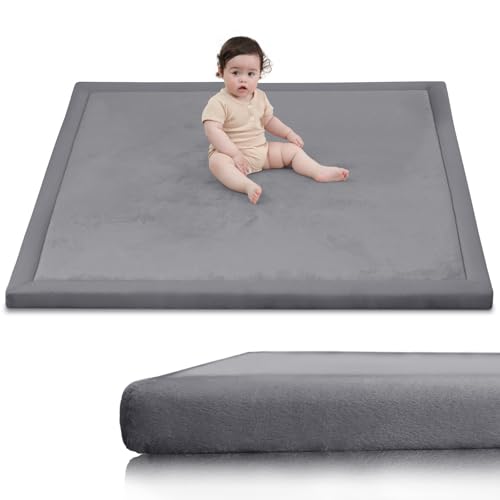
 Kids Carpet Playmat Rug 59"x39.4"3'3" x 5' (Rectangular)60 x 39.4 x 0.5 inches3 poundsCheck on Amazon


What's inside
- The floor is where toddler life actually happens
- Cushioning: what actually softens a fall
- Grip and backing: the rug must stay where you put it
- Machine washable rugs: freedom with a few conditions
- Sizing a rug for a playroom, a corner or an open plan space
- Patterns that invite play: roads, maps and activity designs
- Materials under small knees, hands and mouths
- Short pile, steady feet and the push toy test
- Layering, underlays and using a rug over carpet
- Daily care in a house with toddlers
- How long a play rug should last, and what wear looks like
- Play rugs when siblings, pets and grandparents share the floor
- Sensory play, messy play and the rug as a work surface
- Seasonal life: summer heat, winter draughts and the garden door
- What different budgets buy in toddler play rugs
- Secondhand rugs and hand me downs between families
- Choosing by room: nursery, living room and dedicated playroom
- Safety details that hide in plain sight
- A buying sequence for parents who are short on time
- Check prices on Amazon
- Questions parents ask most often about play rugs
As an Amazon Associate I earn from qualifying purchases. This post may contain affiliate links at no extra cost to you.
Disclosure: A quick word on how this guide is funded: Cottage Verdict may receive a commission when readers buy through links on this page, and the price families pay stays the same either way. That income supports the research behind these guides, and it does not influence which materials, thicknesses or care limits we describe.
The floor is where toddler life actually happens
Between roughly twelve months and three years, children spend a remarkable share of their waking day at floor level. They cruise along furniture, let go, wobble across open ground and sit down hard without warning. They push toy cars on their knees, sprawl across picture books, build towers precisely so the towers can fall, and eat snacks in places no adult would choose for a picnic. A play rug shapes all of that. It is the cushion beneath the inevitable tumbles, the grippy launch pad for early steps, the defined territory where toys belong, and the surface that must survive yoghurt, paint water and the occasional leaking cup without becoming a permanent reminder of any of them.
Choosing one well means looking past the cheerful pattern that dominates every product photograph. Pattern matters, and this guide gives it proper attention, because a road network or a counting trail can genuinely extend play. But the decisions that determine whether a rug still earns its place after six months are physical: how much padding sits under a falling child, whether the backing holds firm on your particular floor, whether the whole thing fits in your washing machine or demands professional cleaning, and whether its edges lie flat enough that small feet and push along toys cross them without tripping. Work through those questions first and the decorative choice becomes a pleasant final step rather than a gamble.
Age changes the brief quickly, so think in stages. A rug bought for a newly crawling baby will soon serve a walker, then a runner, then a child who wants a quiet corner for puzzles and stories. Constructions that suit each stage differ slightly, and the sections below flag those differences as they arise. The goal is a rug that adapts for two or three years, because replacing a large play rug every time a child masters a new skill is wasteful and disruptive to a room layout the child has learned to navigate.
Cushioning: what actually softens a fall
Toddlers fall backward, sideways and straight down onto their bottoms dozens of times while learning to walk. Most of those falls are harmless on any surface, but a padded rug takes the sting out of them, protects knees during the long crawling and kneeling phase, and makes the floor comfortable enough that parents and grandparents will sit there too. That last point is not trivial. Play lasts longer and goes better when the adult on the floor is not shifting uncomfortably every two minutes, so cushioning serves the whole family’s endurance, not just the child’s safety.
Thickness figures need careful reading. Some play rugs quote the depth of a foam core, others quote pile height, and others quote total thickness including backing. A foam cored play mat rug with a short textile surface behaves very differently from a thick pile rug of the same total depth. The foam version spreads impact evenly and springs back instantly, leaving no dents from furniture or knees. The deep pile version feels plush and warm but can be unstable under early walkers, whose ankles already wobble enough without a surface that shifts beneath them. For children under two, a firm cushioned surface with short pile is usually the wiser build: softness when they land, steadiness while they stand.
Density plays the same role here that it does in any rug. A pad or foam layer that feels impressive in the shop but compresses to almost nothing under an adult knee will offer a falling toddler less protection than its thickness suggests. Press your full weight through one knee when judging samples. Good cushioning resists, distributes the pressure and recovers its shape when you stand. Poor cushioning bottoms out, letting your knee feel the hard floor through it. That simple test predicts real world behaviour better than any number printed on a label.
Warmth is part of cushioning in homes with cold floors. A padded rug over stone tiles or a draughty suspended timber floor turns a surface children avoid into one they seek out, and it can make a playroom usable through winter without extra heating. In already warm, carpeted rooms, extreme thickness adds less and may even make the surface too soft for stable standing. Match the padding to the floor beneath: the harder and colder the base, the more the rug needs to provide.
Edges, ramps and the trip problem
A thick rug creates a small cliff at its border, and toddlers cross that border constantly. Look for tapered or bound edges that slope the transition, and avoid very thick rugs with abrupt vertical sides in the middle of a walking route. Position the rug so its edges fall in low traffic lines where possible, with the main open play area in the centre. Push along walkers and ride on toys amplify the issue, since small wheels catch on a raised lip and stop suddenly, tipping the child forward. A rug that works beautifully for seated play can frustrate a child whose favourite activity is pushing a trolley in laps around the room, so consider your child’s current obsessions before committing to a deep build.
Grip and backing: the rug must stay where you put it
A play rug that migrates across the floor is worse than no rug. When a child pushes off for early steps or a parent kneels down quickly, a sliding rug removes the stable base everyone assumed was there. Backing type and floor type interact, so there is no universal best answer. Natural rubber and latex style backings grip smooth floors like laminate, sealed wood and tile with reassuring tenacity. Felt style backings behave better on top of existing carpet, where smooth rubber can skate across the pile. Some play rugs rely on a separate non slip underlay, which adds a purchase and a layer to manage but lets you replace the grip layer when it wears without replacing the rug.
Check compatibility with underfloor heating if your home has it. Certain rubber backings degrade with sustained heat, and thick foam constructions insulate the floor enough to blunt the heating in that room. Manufacturers usually state a position on heated floors in their specifications; treat silence on the subject as a reason to ask rather than as permission. Similarly, some backings can react with particular floor finishes over long periods, leaving marks on pale vinyl or freshly varnished boards. An underlay sheet creates a safe barrier in those cases and also adds a little extra padding as a side benefit.
Corners reveal build quality quickly. A rug whose corners curl upward will trip children, collect dust beneath and annoy you every time you enter the room. Curling often comes from a backing and surface that expand at different rates, or from a rug stored tightly rolled for too long. Better constructions lie flat within a day of unrolling. Help a new rug settle by reverse rolling it briefly and placing furniture on stubborn corners for the first nights, but if corners still lift after a week of normal use, that behaviour is unlikely to improve and it counts as a genuine fault in a product meant for unsteady walkers.
Machine washable rugs: freedom with a few conditions
The promise of putting the whole rug in the washing machine changes how a family lives with it. Muddy paw prints from the dog crossing the play area, a full cup of milk, the stomach bug that defines one miserable weekend each winter: a washable rug turns each of these from a stain management project into a laundry cycle. For households with toddlers, who generate mess at a rate adults rarely predict, that convenience is often the single feature owners praise most a year after purchase.
Reality imposes conditions. The rug must fit your machine, not just by weight but by bulk, and a large rug folded into a standard drum may emerge with permanent creases or with its centre barely washed. Check the maker’s stated machine capacity requirement and compare it honestly with your appliance. Thin, flexible washable rugs wash and dry far more easily than thick padded ones; many washable designs therefore trade some cushioning for practicality, sometimes expecting a separate pad underneath to restore the softness. That two part arrangement works well, provided the pad itself can be wiped or washed when mess soaks through, which it eventually will.
Drying time matters as much as the wash. A heavy rug can occupy a washing line or airer for two days in a damp climate, during which the play area has no rug at all. Families who wash frequently sometimes keep an inexpensive second rug in rotation. Line drying preserves backings better than tumble drying, since heat can crack or shrink certain backing compounds, and labels on washable rugs often prohibit the dryer entirely. Read that label before the first wash, not while standing in front of the machine with a dripping rug in your arms.
Spot cleaning remains the daily method even for washable rugs. Blot liquids promptly, lift solids with a dull edge, and use mild detergent solutions sparingly, rinsing well because detergent residue left in pile attracts dirt and makes the cleaned patch grey faster than its surroundings. Avoid bleach on coloured patterns and be cautious with stain removers around children who still mouth everything they touch; a thoroughly rinsed mild approach suits this age group better than aggressive chemistry.
When washable is not the priority
Some families prefer a heavier, plusher rug that cannot enter a machine, accepting professional cleaning once or twice a year in exchange for superior cushioning and a calmer, more substantial feel. That trade is reasonable in a dedicated playroom where food and drink stay elsewhere. It is less reasonable under a toddler dining chair or in a room shared with pets. Be honest about where mess actually happens in your home, and let that map, rather than an idealised version of your routine, decide how much washability you need.
Sizing a rug for a playroom, a corner or an open plan space
Play rugs fail on size in both directions. Too small, and toys, children and seated adults constantly spill off the padded zone onto hard floor, which defeats the purpose. Too large, and the rug slides under furniture, blocks doors and becomes impossible to lift for washing or shaking outside. Measure the play territory you actually intend, then leave a margin of visible floor around it. In a dedicated playroom, a rug covering the central half to two thirds of the floor gives a generous play field while keeping storage units and shelves on a firm, level base at the edges.
Open plan living spaces call for zoning rather than coverage. A play rug in one corner or along one wall creates a legible children’s territory inside a shared room, and children as young as two understand and respect that boundary surprisingly often, especially when the rug’s pattern makes the zone feel like a place of its own. Choose a size that fits a seated adult plus the child and the current toy spread, because play that cannot include the parent comfortably migrates back to the middle of the room. Broader nursery collections such as best all baby toddler rugs can help you gauge the size classes available before you settle on a dedicated play format.
Small spaces benefit from rugs that can move. A lighter rug in a modest footprint can travel from bedroom to living room to garden shade, following the child through the day and through the seasons. Apartment families often value that portability more than maximum padding. In hallways and landings pressed into service as play space, a runner format protects the traffic line, though you should confirm the backing grips well because those areas see passing adults carrying laundry and hot drinks, and a displaced runner is a hazard for everyone.
Think ahead to furniture changes. The rug that fits around a playpen today may need to coexist with a small table and chairs, a toy kitchen or a bookshelf within a year. A classic rectangular rug in a versatile size survives those rearrangements better than a novelty shape cut to fit one layout. Novelty shapes, circles like ponds or ovals like racetracks, delight children and can anchor a themed room, but measure their usable area honestly: the play surface inside a whimsical outline is always smaller than the headline dimensions suggest.
Patterns that invite play: roads, maps and activity designs
A road map rug is a toy in its own right. Printed streets, junctions, roundabouts and landmarks give toy vehicles a world to inhabit, and children who might scatter cars randomly will drive with purpose along a printed route, inventing deliveries, traffic jams and trips to the rug’s little printed shops. Look for road networks with enough loops and branches to sustain varied journeys, printed at a scale that matches common toy cars. Roads drawn too narrow frustrate small drivers whose vehicles straddle the lines, while an overly dense tangle of streets leaves no open space for parking, buildings or the block constructions that complete the scene.
Activity patterns go beyond roads. Hopscotch grids encourage the jumping and balance practice toddlers crave, though very young children will mostly enjoy standing on the squares and being counted. Number and letter trails give parents natural prompts during play, naming what the child is already touching and stepping on, which is how early familiarity with symbols actually grows at this age: incidentally, through use, not through drilling. Animal scenes invite storytelling and sound play. Ranges gathered under best baby kids animal rugs lean into that storytelling mode, while designs in best baby kids educational rugs foreground letters, numbers and world maps for families who want those prompts woven into the floor itself.
Balance stimulation with calm. A rug saturated with bright characters and competing scenes can overwhelm a small room visually and offers no restful area for quiet play or reading. Many well judged designs concentrate detail in the middle and calm down toward the edges, or offer a reversible construction with a lively side and a plain side, letting the room change mood as the child grows. Consider also how the pattern will photograph and how it will sit with the room’s existing colours, because this object will appear in a large share of your family pictures for the next few years.
Print quality decides whether a pattern survives its audience. Surface printed designs on short pile stay crisp and clean easily, but heavy traffic and repeated washing can fade them. Woven in patterns, where the design comes from coloured fibres rather than ink on top, last longer and fade more gracefully, though they cost more and limit fine detail. Check how a printed design handles at the edges of its motifs; blurry registration in a product image usually means softer focus still in real life, and toddlers, whose eyes are close to the floor, notice the floor’s details more than adults standing above it do.
Reading corners and quiet zones on the same rug
Not all toddler floor time is energetic. A corner of the rug, ideally the corner nearest a bookshelf and furthest from the door, can become the reading spot, marked by a cushion or a small chair and kept free of wheeled toys. Children settle faster in a place that is consistently used for one calm purpose. If the rug’s pattern includes a pond, a garden or a little house, those motifs make natural quiet zones, and children often assign such meanings themselves without adult prompting. Support that instinct by storing books within the child’s reach at that corner and joining them there daily, even briefly, because the habit of reading on the rug will outlast every other use the rug ever serves.
Materials under small knees, hands and mouths
Toddlers experience a rug with their whole bodies and, for a stubbornly long phase, with their mouths. Fibre choice therefore carries weight beyond durability. Cotton surfaces feel gentle, breathe well and wash readily, but thin cotton rugs offer little padding alone and can bunch underfoot unless backed or layered over a pad. Wool is naturally resilient and handles heavy use gracefully, yet it is rarely machine washable in large sizes and its initial shedding is unwelcome around babies who collect fibres on damp hands and transfer them to their faces. Most family play rugs use synthetic fibres, typically polyester or polypropylene, for their stain resistance, colour fastness and washability, and modern versions can feel convincingly soft while shrugging off the daily assault of crumbs and spills.
Ask what else is in the construction. Some padded rugs use foam cores; ask what foam, whether it is covered on all sides, and whether the cover can be removed for washing or must be cleaned in place. Check binding and edge stitching, because edges are where toddlers pick and pull, and a loose thread fascinates small fingers. Flame retardant treatments, stain guard coatings and antimicrobial finishes all appear in this market. Families differ in their comfort with such treatments, and manufacturers differ in how fully they disclose them, so read the materials information and decide according to your own household’s priorities rather than assuming any finish is either essential or alarming.
New rug smell is common and usually fades within days in a ventilated room. Air a new play rug before its first use, ideally unrolled in a room the child does not sleep in, and vacuum it thoroughly to lift loose surface fibres from manufacturing. That first vacuum matters more than it sounds: the fluff collected then is fluff that will not end up on a crawling child’s hands and knees. If a strong odour persists well beyond a week of airing, contact the seller, because lingering chemical smells are not something a toddler’s primary play surface should ask a family to tolerate.
Short pile, steady feet and the push toy test
For the walking stage, pile height is a safety variable. Long plush pile hides small objects, including the dropped snack that becomes a choking risk and the tiny toy part an older sibling left behind. It also destabilises early walkers and swallows the wheels of push toys. Short pile, by contrast, shows everything on its surface at a glance, lets small wheels roll, and gives standing children a firm, predictable base. Parents who love the look of a shaggy rug can enjoy it later; the toddler years reward practicality, and there will be time for plush textures when feet are steady and mouthing has passed.
Run a push toy test when a rug arrives. Roll the child’s most used wheeled toy across the surface in several directions, including across the edge from the bare floor. Wheels should climb the edge without a hard stop and roll on the pile without dragging. Test barefoot grip too, in socks as well as bare feet, because socked feet on certain smooth synthetic surfaces slide alarmingly, and many toddlers live in socks indoors. If socks slide, the household routine may need grip socks during play, or the rug belongs in a room where bare feet are the norm.
Siblings complicate the picture helpfully. An older child’s construction toys, board games and homework all gravitate to the same rug. Short pile accommodates those uses gracefully, giving a flat base for building blocks that deep pile denies. Families sharing one main living space often find the play rug becomes everyone’s floor, and choosing for the toddler with a nod to the older children prevents the rug from being resented and rolled away whenever the toddler naps.
Layering, underlays and using a rug over carpet
A play rug often works as part of a stack rather than alone. Over hard floors, a rug plus a cushioned underlay can equal the padding of a much thicker rug while staying washable in pieces. Over wall to wall carpet, a play rug defines the children’s zone, protects the carpet beneath from the worst of toddler mess, and adds a wipeable or washable skin to a surface that otherwise needs professional attention after every major spill. In rented homes that protective role alone can justify the purchase, since the rug absorbs the damage of the messiest years and leaves with you.
Over carpet, choose a rug with some stiffness or a felt style backing so it does not creep and ruffle across the soft base. Thin flexible rugs on deep carpet wrinkle under traffic, creating ridges that trip everyone. A rug pad made for rug over carpet use, with a lightly adhesive or high friction surface, can stabilise the arrangement. Check the stack height against door clearance, and against the stability of furniture that stands partly on the rug, because a wobbling bookshelf is a far more serious hazard than any fall onto padding.
Under a dining chair or highchair, a different logic applies: you want a thin, completely washable or wipe clean surface whose only jobs are catching food and surviving daily mopping. Some families press an older play rug into that service once a plusher successor takes over the playroom, a sensible cascade that extends the working life of both pieces. Utility textiles like best 3×5 rugs for mudroom illustrate the same hard wearing, low maintenance thinking near doors, where a play rug by an entrance will face outdoor dirt carried in on small shoes and pushchair wheels.
Daily care in a house with toddlers
Shake the rug outside or vacuum it frequently; crumb accumulation in a play rug outpaces every other rug in the house because eating, crafting and playing all deposit debris in the same fibres. A handheld vacuum kept nearby encourages the thirty second clean that actually happens, as opposed to the thorough weekly clean that gets postponed. Suction only settings suit most play rugs, and a rotating brush, while effective on crumbs, can roughen printed patterns over time, so alternate methods rather than using the most aggressive setting daily.
Rotate the rug occasionally so traffic and sunlight distribute evenly, and so the high wear zone in front of the toy storage moves to a quieter side. Inspect the backing every few months for cracking or flaking, particularly on rugs that are washed often, because a disintegrating backing sheds particles and loses its grip. Check edges for lifting threads and trim them flush rather than pulling, which can unravel binding. Small repairs made promptly keep a rug safe and presentable for years; neglected, the same faults grow until replacement feels unavoidable.
Store a play rug rolled, not folded, in a dry place if it leaves service between children. Folding cracks some backings and sets creases that refuse to lie flat later. Before storing, wash or thoroughly clean and dry it completely, since a rug put away with moisture or food residue will announce the fact unmistakably when unrolled for the next child. Label the roll with its size and room, a small kindness to your future self when the loft contains several forgotten cylinders of textile.
How long a play rug should last, and what wear looks like
A well made play rug should handle the full toddler period and remain serviceable for a younger sibling or a different role afterward. Wear shows first as flattened pile in the central play field, fading of the busiest pattern areas, and edges that no longer sit perfectly flat. None of those signs demands immediate replacement. Flattened foam padding is more significant, because padding is the rug’s core function; if a knee test reveals the floor through the cushion where it once felt deep, the rug has given its best years. Backing failure is the other true end point, since a rug that slides or sheds its underside cannot be trusted under running children.
Passing a used play rug between families is common and sensible, with honest disclosure about its history. A rug that survived a household with pets or a serious stomach bug season should be deep cleaned before changing homes, and washable constructions make that handover far more comfortable for everyone. When a rug finally retires from play duty, it may still serve in a garage, under a pet’s feeding station or beneath muddy boots by a back door, roles where its remaining grip and washability matter more than its faded pattern.
Play rugs when siblings, pets and grandparents share the floor
Few play rugs serve one child in an empty room. Dogs cross them with muddy paws and settle on the warmest square to nap, cats discover that pile is excellent for stretching and scratching, and older siblings treat the rug as neutral territory where their own games may legitimately expand. Planning for that company improves the choice. A mid tone pattern hides pet hair between vacuums far better than a solid pale or solid dark surface, which will each advertise one colour of hair or the other. A low, tight surface discourages feline scratching more effectively than long loops that invite claws, and it releases hair readily when vacuumed instead of trapping it at the pile base.
Grandparents and other older visitors sit on the floor because the child is there, and getting down and up again is the hard part. A rug placed near a low sturdy chair or sofa edge gives them a handhold for the descent and the climb, and a cushioned surface makes the time between more comfortable for older knees and hips. If floor play with grandparents is a regular joy in your household, that placement detail matters more than an extra centimetre of padding in the middle of the room. It also keeps the social centre of the rug near seating, which suits the reading and conversation that happen there.
Twins and close siblings raise the stakes on size. Two toddlers play in parallel more often than they play together, each needing a patch of floor, a spread of toys and room for an adult between them during the fractious moments. A rug that comfortably serves one child can feel contested with two, and contested floors generate disputes out of proportion to their cause. When buying for multiples, step up a size if the room allows it, and favour calm, undivided patterns over designs with one obvious prime spot, such as a single printed house or one special parking garage, that both children will claim simultaneously every single day.
Sensory play, messy play and the rug as a work surface
Play dough, kinetic sand, water beads, finger paint and the thousand other substances of toddler creativity will reach the rug eventually, whatever rules the household announces. A sensible approach plans for that contact instead of pretending it can be prevented. Short pile releases dried play dough in satisfying flakes once it hardens, while deep pile swallows it into a coloured paste that resists everything except patient picking. Sand shakes out of a rug carried to the door; it grinds permanently into a rug that is too heavy to lift. When messy play is a daily event rather than a weekly treat, washability and liftability outrank plushness by a wide margin.
Some families place a wipe clean mat on top of the rug for the messiest sessions, protecting the textile while keeping the cushioned base. That layered tactic works well for painting and water play, and the mat can live rolled beside the art supplies. For sensory seekers, texture itself is part of the appeal: toddlers pat, rub and lie face down on surfaces that interest their skin. A rug with subtle variation, a smoother border, a slightly raised printed motif, gives that exploration something to discover without the instability of deep shag. Children who are cautious about new textures may prefer a uniformly soft, plain surface, and watching how your child reacts to grass, sand and sofa fabrics will hint at which direction their preference runs.
Building play deserves a mention of its own, because it dominates many toddlers’ second and third years. Wooden blocks, stacking cups and railway tracks all demand a surface that is level and firm. On deep pile, towers lean and fall for reasons unrelated to the builder’s skill, which teaches a frustrating false lesson. On short pile over firm padding, structures stand as well as the engineering deserves, and the crash when they fall is softer and quieter. If building is your child’s passion, test a sample with a small stack of blocks before committing the whole room to it.
Seasonal life: summer heat, winter draughts and the garden door
A play rug lives through the year with the family. In summer, a thick rug can feel warm in a sunlit room, and toddlers playing vigorously arrive at nap time overheated and sweaty against synthetic pile. Cotton surfaced and thinner washable rugs feel cooler, and some households rotate to a lighter rug for the warm months, storing the padded one until autumn. In winter the calculation reverses: the padded rug becomes the warm island that makes floor play inviting on cold mornings, and children gravitate to it instinctively, dragging their toys onto its surface like a raft.
Homes where the playroom opens to a garden add dirt to the equation. Small feet commute between lawn and rug dozens of times on a fine day, carrying grass, soil and the occasional small stone. A rug near a garden door should be the easiest rug in the house to shake and wash, and its pattern should forgive the faint greying that outdoor traffic eventually produces. Keeping a small towel and a shoe spot by the door reduces the load, though no routine survives contact with an excited two year old who has found a worm and needs to show you immediately.
Travel and visits reshape needs too. A lightweight rug that rolls into a car boot lets grandparents’ houses and holiday rentals offer a familiar play base, and familiarity itself comforts toddlers in strange rooms. The travelling rug need not be the household’s best; a simpler, lighter piece reserved for trips keeps the main rug clean and in place, and children often enjoy the ritual of unrolling their own territory wherever they land.
What different budgets buy in toddler play rugs
At the modest end, expect thin printed rugs and simple foam backed mats with cheerful designs and limited padding. These serve well as a first play surface on carpet, as a travelling rug, or as the washable layer in a stack over a separate pad. Their patterns may fade sooner and their edges may curl earlier, but for a family unsure how much floor play their room will host, a modest first rug is a rational experiment whose lessons inform a later, better purchase.
Mid range spending brings the features this guide keeps returning to: real cushioning that passes the knee test, backings matched to common floors, washable constructions in useful sizes, and prints applied or woven with enough care to survive a year of vehicles and washing. Most families should shop here, because the toddler years are long enough for quality to repay itself and short enough that heirloom durability is unnecessary. Spend on the properties your floor and laundry demand, not on licensed characters whose appeal may expire before the rug does.
Premium prices buy natural fibres, dense woven construction, reversible designs and custom sizes for awkward rooms. A custom fit can be worthwhile in a small nursery where every inch counts and a standard size would slide under furniture. Beyond fit and materials, premium money mostly purchases aesthetics that please adults, which is a legitimate pleasure in a room the family inhabits daily, provided the physical brief, grip, flat edges, firm cushioning, has been met first. A beautiful rug that slides is still a rug that slides.
Secondhand rugs and hand me downs between families
Play rugs circulate through families and friendship groups constantly, and a good used rug is an economical, sustainable way to furnish a playroom. Inspect a secondhand piece with the same discipline you would apply in a shop, plus a few history questions. Ask about pets, smoking and any illness related incidents, not to be delicate but because those facts decide the depth of cleaning required. Washable rugs make the best hand me downs precisely because a full machine wash resets them convincingly. For non washable pieces, budget for professional cleaning before a toddler uses it, and check the backing carefully, since age related backing failure is the flaw most likely to hide beneath an attractive surface.
When passing your own rug onward, clean it thoroughly, dry it completely, roll it with a note of its size and any care quirks you learned, and mention honestly if the padding has thinned or a corner has always lifted. That candour keeps the circulation system healthy, and the rug you describe honestly today becomes the rug another family trusts for the same stage of life your child has just outgrown.
Choosing by room: nursery, living room and dedicated playroom
The same rug behaves differently in different rooms, and naming the destination honestly sharpens every other decision. In a nursery, the rug shares space with a cot, a feeding chair and a changing routine. Softness for the adult kneeling at the cot side matters, night time trips across the surface should be silent and sure footed, and the size should respect the furniture footprint rather than vanish beneath it. Feeding spills cluster near the chair, so placing the washable zone, or the whole washable rug, within reach of that chair is a small act of foresight that pays off at three in the morning.
In a living room, the play rug must negotiate with adult taste and adult furniture. Lower contrast patterns, borders that echo the room’s other textiles, and a size that aligns with the sofa rather than floating at an angle all help the rug look intentional instead of landed. Families often place the play rug in front of the sofa, where it doubles as the room’s main rug during the toddler years and can be lifted for adult evenings when visitors come. That double duty argues for a design adults can live with at eye level for years, even if a bolder pattern might have delighted the child marginally more for a month.
A dedicated playroom grants freedom. Larger sizes, livelier patterns and specialised zones all become practical: a road design in the middle, a plain reading area by the window, perhaps a second small rug under a craft table where glue and glitter concentrate. With more space, resist filling every inch. Bare floor at the edges gives wheeled toys a fast lane, gives the room visual rest, and gives you somewhere to stand the storage boxes while you shake the rug outside. Playrooms also tolerate the two rug rotation system best, since a spare rug can live rolled in the corner and swap in on wash days without ceremony.
Safety details that hide in plain sight
Beyond grip and edges, a few quieter hazards deserve a deliberate check. Small decorative elements, buttons, appliquéd eyes on animal faces, glued felt shapes, can detach under determined toddler attention and become mouth sized objects. Run your hands firmly over any raised decoration and tug gently at stitched features before first use, and repeat that check monthly, because stitching loosens with washing and wear. Fringes fascinate toddlers, tangle in toy wheels and fray into loose threads; for this age group a clean bound edge is almost always the wiser finish, however charming a fringe looks in a photograph.
Anchor the furniture around the rug, not just the rug itself. Toddlers pull up on whatever stands nearest, and the play rug’s arrival often rearranges a room, moving shelves and storage into new positions where their stability was never considered. Any bookcase or storage unit a child can climb belongs fixed to the wall, rug or no rug. Keep the rug clear of heat sources too: radiators can dry and crack certain backings over a season, and portable heaters should never share a wall with a child’s play surface. Finally, check that the rug does not cover a floor level electrical outlet or trap a charging cable beneath it, since heat and pressure under textiles are a poor combination in any room, and doubly so in one where small hands explore everything.
One more routine is worth adopting during the first week: watch where the rug actually gets used at different times of day, because morning light, afternoon naps and evening routines each move play to a different part of the room. A rug positioned for the morning may sit half empty after lunch while play migrates to a sunnier or quieter patch of floor. Noticing that pattern early lets you shift the rug once, decisively, instead of nudging it a few inches every day and never quite arriving at the arrangement the household’s real habits were asking for all along. Supervision remains the real safety system, and a rug does not change that. What a well chosen rug does is remove the predictable minor harms, the bruised knees, the slipped steps, the cold shock of tile in winter, so that adult attention can rest on the unpredictable things instead. Judged that way, a play rug is less a piece of decoration than a piece of household equipment, and it deserves the same unglamorous scrutiny you would give a highchair or a stair gate before trusting it with your child.
A buying sequence for parents who are short on time
Start with your floor and your washing machine, because those two facts narrow the field fastest. Note the floor type in the intended room, measure the space, and check your machine’s capacity against the sizes you are considering. Then decide the cushioning approach: a single padded rug, or a thinner washable rug over a separate pad. With those structural choices fixed, compare backings for your floor, confirm the edges and pile suit early walkers, and only then indulge in the pattern decision, which is the part children would choose entirely on their own if allowed.
- Floor first: match the backing to laminate, tile, timber or carpet, and check heated floor compatibility.
- Honest washability: confirm the rug fits your machine and that you can dry it in your climate.
- Firm cushioning: favour padding that supports standing as well as softening landings.
- Short pile: keep the surface visible, rollable for wheels and steady under new walkers.
- Flat edges: tapered or well bound borders reduce trips for feet and push toys alike.
- Pattern with purpose: choose roads or activity designs at a scale matching the toys your child already owns.
When the rug arrives, air it, vacuum it, and place it with the main play field clear of furniture legs and door swings. Spend the first day watching how your child uses it rather than rearranging it hourly. Children reveal the rug’s real geography quickly: where they choose to sit, which corner attracts the books, which edge they cross a hundred times. Adjust once, based on that evidence, sliding the rug so its best padded area sits under the child’s chosen centre of activity, and let the room settle into its new arrangement for a while before judging the purchase.
Check prices on Amazon
Live listings for the shortlist in this guide are pulled from Amazon below, so prices and availability are always current at the moment you look.


Questions parents ask most often about play rugs
How thick should a play rug be for a child learning to walk?
Thick enough that an adult knee pressing down cannot feel the hard floor through it, yet firm enough that standing on it feels stable rather than spongy. For most products that balance lands in a moderate padded build with short pile, rather than at either the thin mat or deep plush extreme.
Can a play rug go on top of carpet?
Yes, and it often should, to protect the carpet and define the play zone. Choose a stiffer rug or a felt backed design, consider a pad made for layering over carpet, and watch for wrinkling during the first week while the arrangement settles.
How often should a toddler’s rug be washed?
Wash it when visible soiling, illness in the house or a lingering smell says it is time, rather than by a rigid calendar. Frequent vacuuming and prompt spot cleaning stretch the interval between full washes, which is kinder to the rug’s backing and to your schedule.
Are road map designs suitable for very young toddlers?
Yes, though the youngest children will enjoy the colours, the place names read aloud and the simple act of pushing a car anywhere on the surface before they follow roads deliberately. The design grows with them, which is precisely its value across the toddler years.
What size works in a small nursery?
A rug that fills the open floor between furniture without sliding underneath it, leaving a visible border, usually serves best. In very small rooms a lighter rug that can be lifted for floor play variety and washing may beat a heavy fitted piece that dominates the space.
Can one rug serve from crawling through the preschool years?
Usually yes, if you choose for the middle of that journey rather than for its first month. A firm padded rug with short pile supports a crawler’s knees, steadies a new walker’s feet, gives a two year old a racetrack and a building site, and still suits a four year old who wants a defined island for puzzles, train layouts and elaborate games with small figures. The features that expire fastest are novelty shapes sized for a baby and patterns tied to a single fleeting interest. Neutral proportions, durable construction and a design with enough detail to grow into will carry one rug through the whole period, and the money saved by not replacing it can fund the books, blocks and vehicles that will actually be used on top of it every day.
When should a play rug be replaced?
Replace it when the padding has flattened to the point of offering little protection, when the backing cracks, flakes or loses grip, or when edges lift persistently enough to trip. Fading and softened colours alone are cosmetic, and a rug with a faded pattern but sound structure still has years of safe service in it.
Years from now, the pattern on that rug will appear in the background of a hundred family photographs, and what your child will remember is not its specifications but the afternoons spent on it, which is the best possible reason to choose the padding, grip and washability with care today.