Our Top Picks
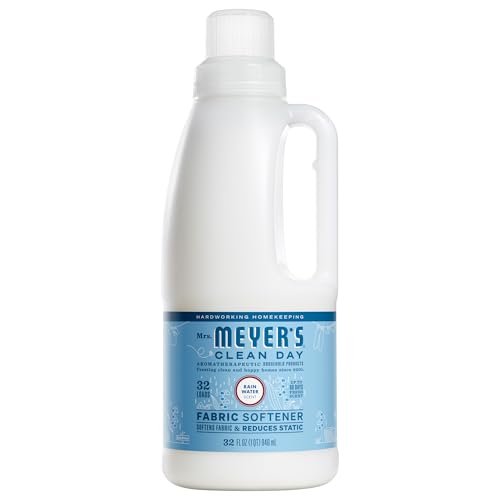 MRS. MEYER'S CLEAN DAY Liquid Fabric Softener32 Fl Oz (Pack of 1)3.7 x 3.7 x 9.7 inches2 poundsCheck on Amazon


What's inside
- How to read this guide
- Why low water changes everything
- What a softener actually does to fabric
- The four product forms, kept separate
- Dosing for a low-water rinse
- Fabrics that should skip softener entirely
- Water hardness, septic systems, and sensitive skin
- Reading the HE compatible claim honestly
- Keeping the dispenser and gasket clean
- Matching a formula to the household
- Troubleshooting the common failures
- Longevity, cost per load, and the quiet economics
- Seasonal shifts and special loads
- Storage, shelf life, and handling
- A short decision sequence for the shelf
- Questions owners ask most
- Check prices on Amazon
- When the right answer is no softener at all
As an Amazon Associate I earn from qualifying purchases. This post may contain affiliate links at no extra cost to you.
A high-efficiency washer treats softener very differently from the deep tub of an older agitator machine. Where a traditional washer might fill with forty or more gallons and dilute almost anything poured into it, a modern HE drum works with a shallow pool, often somewhere between ten and twenty gallons across a full cycle, and it relies on tumbling rather than immersion to move that small volume through the load. Anything added to the rinse has to disperse in limited water, coat fibres thinly, and then leave the machine almost completely. A softener that behaves politely in a deep fill can turn gummy, streaky, or stubbornly fragrant in a low-water drum, which is why the choice deserves more care than the colour of the bottle suggests.
The stakes are practical rather than cosmetic. Excess conditioner does not simply rinse away and vanish. It settles on the inside of the outer tub, it creeps into the folds of the rubber door gasket on a front loader, it lines the walls of the dispenser drawer, and it gradually narrows drain paths that were designed around clean water. Over months, that film becomes food for the microbial growth behind the sour smell so many front-load owners complain about. Choosing well, and dosing modestly, protects the machine at the same time as it softens the laundry, and those two goals should never be separated when reading a label.
This guide approaches the category through published formulation details, dispenser design, and water chemistry rather than through scent preference. Fragrance is the easiest property to judge in a shop and the least useful one for predicting how a product behaves inside an HE drum. Viscosity, the class of conditioning agent, dilution behaviour, and the presence or absence of added dyes matter far more. A thin, readily dispersing liquid with a restrained dose line will outperform a thick, heavily perfumed formula in nearly every low-water scenario, even when the thicker product smells better on the shelf.
Households also differ in ways that change the answer. A family washing sportswear and microfibre towels daily has almost no use for conventional softener at all, while a household battling stiff line-dried bedding in a hard-water region may benefit from a small, carefully measured amount. Septic systems, sensitive skin, cloth nappies, and children in flame-resistant sleepwear each rule out certain products or certain habits. The sections below separate those cases so the final choice rests on the fabrics actually moving through the drum each week, not on a generic idea of softness.
How to read this guide
One disclosure belongs at the front: as an Amazon Associate this site earns a commission on qualifying purchases made through its links. Everything after that sentence is organised around verifiable properties — ingredient classes named on labels, dispenser capacities printed in machine manuals, and dosing guidance published by manufacturers — rather than around impressions gathered from a single wash. Readers can check every claim here against a product label or an appliance manual, and that checkability is deliberate, because laundry advice degrades quickly when it rests on fragrance descriptions alone.
Terminology gets untangled early, since marketing language blurs categories that behave quite differently in a rinse cycle. True softeners, scent boosters, dryer sheets, and rinse aids are treated as separate things throughout, even when they share shelf space and similar packaging. Measurements appear in the units labels actually use, and dose discussion always distinguishes a full load in a large-capacity drum from a small load in a compact machine. Where guidance depends on water hardness or septic design, that dependence is stated instead of being smoothed into a universal rule.
Why low water changes everything
An HE washer earns its efficiency rating by moving laundry through water instead of submerging it. Lifters in the drum raise garments and drop them back through a shallow pool, and the rinse stage repeats that motion with clean water in similarly modest quantity. A conditioning product therefore meets the load at a much higher effective concentration than it would in a deep-fill machine. If the formula disperses slowly, some garments receive a heavy coating while others receive almost none, and the pieces that pass closest to the dispenser stream can emerge with visible streaks or a waxy hand feel.
Low sudsing sits at the centre of HE compatibility for a related reason. Foam is not harmless decoration in a sealed, pump-driven system. A suds layer cushions the tumbling action the machine depends on, interferes with level sensing, and can trigger extra rinses or error states on machines that monitor foam. It also carries conditioning residue upward into places rinse water rarely reaches. Formulas intended for HE use are built with surfactant systems that keep foam low even when a user slightly overdoses, giving a margin of safety that older, high-suds products never needed.
The horizontal drum introduces a second vulnerability that top loaders largely escape: the door gasket. Its deep folds stay damp between washes, trap lint and hair, and offer exactly the sheltered, nutrient-rich surface that mildew colonises. Every rinse leaves a trace of whatever was dissolved in it, and conditioning agents are, by design, substances that cling. A product that leaves heavy residue effectively feeds the gasket environment a little more with each load. That is the mechanical link between softener choice and the musty odour problem, and it explains why households that stop overdosing often notice the smell fading before they change anything else.
Temperature plays a quieter part. Most household loads now run cold or warm rather than hot, for energy and fabric reasons, yet many conditioning ingredients disperse best in warmer water. A thick formula that pours like syrup in a cold laundry room may enter a cold rinse as a slow ribbon rather than a dispersed cloud. Machines that draw softener into a cold final rinse expose this weakness most clearly. Thin, free-flowing liquids hold a genuine advantage here, and storing any liquid softener at moderate room temperature, rather than in a freezing garage, preserves the pour behaviour the dose cap assumes.
What a softener actually does to fabric
Most liquid softeners rely on cationic surfactants, a family that includes the quaternary ammonium compounds listed on labels under names built around ammonium chloride structures. These molecules carry a positive charge, and cotton and many other fibres carry a slight negative charge in water, so the conditioning agent is drawn onto the fibre surface and stays there after rinsing. Once deposited, the fatty tails of those molecules stand away from the fibre and lubricate contact between neighbouring fibres. That lubrication is what fingers register as softness, and it also explains the reduced static, easier ironing, and slightly faster drying that well-dosed loads show.
Silicones appear in many formulas alongside, or instead of, the classic quaternary compounds. Dimethicone and related silicone fluids spread into an exceptionally thin, slippery film that excels at reducing friction and imparting a smooth, almost silky surface feel. The same persistence that makes silicone effective also makes it the ingredient most associated with build-up when dosing runs high. Silicone films resist plain water, accumulate across repeated washes, and can eventually leave towels feeling coated rather than plush. Reading a label for silicone content is therefore not about declaring the ingredient good or bad; it is about matching its persistence to fabrics that tolerate it.
Fragrance in modern formulas often arrives encapsulated. Tiny polymer shells hold scent oils against the fabric and rupture gradually through friction and wear, releasing perfume long after the wash. Encapsulation explains how a shirt can smell freshly laundered after a week in a drawer, and it also explains why fragrance lingers in the machine itself. Those shells deposit in the dispenser and on the gasket along with everything else. Fragrance-free formulas skip this entire system, which is one reason they tend to leave a cleaner machine behind them, independent of any skin considerations.
Every benefit in this chemistry carries its mirror cost, and honest selection means holding both in view. A coating that lubricates fibres also occupies the spaces between them, and fibres absorb water through those spaces. Towels depend on exposed fibre loops to pull water from skin, so coating them trades absorbency for surface smoothness in a direct exchange. Technical fabrics depend on wicking channels engineered into the yarn, and a hydrophobic film can block those channels outright. The right question is never whether a softener works, but which loads gain from its mechanism and which loads are quietly harmed by it.
The four product forms, kept separate
Liquid poured through the dispenser
Liquid remains the default form for HE machines because the dispenser system was designed around it. The drawer or cup holds a measured amount, flushes it into the drum at the start of the final rinse, and dilutes it with incoming water on the way. That timed, diluted delivery is the gentlest possible introduction, and it only works when the liquid stays below the MAX line moulded into the cup. Above that line, the siphon mechanism can release the contents early, dumping concentrated softener into the wash stage where detergent neutralises it, wasting the product and adding residue without any softening benefit.
Viscosity decides how reliably that system performs. Dispensers flush with a brief flow of water, and a very thick liquid can cling to the cup walls instead of washing cleanly into the drum. Residue left behind in the cup then dries between loads, narrows the siphon path, and eventually causes the half-full dispenser mystery that sends owners searching for explanations. Diluting a thick formula with an equal measure of warm water before pouring it into the cup is a long-standing manufacturer recommendation, and it addresses the flush problem directly rather than merely reducing the dose.
Concentrated and standard liquids deserve separate attention, because their dose volumes differ by a factor of two or three for the same conditioning effect. Confusion between them is a common source of chronic overdosing: a cap remembered from a standard formula, filled with a concentrate, delivers several times the intended conditioning load into a small volume of rinse water. Checking the dose table on each new bottle, rather than relying on cap habit, takes seconds and prevents the slow residue accumulation that otherwise gets blamed on the machine.
Dryer sheets belong to a different stage
Sheets never enter the washer at all, and treating them as part of a softener decision for HE machines requires that clarity. A sheet carries its conditioning agents in a heat-activated coating that transfers in the dryer, where tumbling and warm air press the compounds onto fabric. Nothing about a sheet affects rinse chemistry, dispenser behaviour, or gasket residue, because it never meets water. Households choosing sheets are making a dryer decision, with its own trade-offs involving lint screens and dryer sensors, which accumulate the same coating and need periodic scrubbing to keep moisture sensing accurate.
That separation cuts both ways. A household troubled by dispenser gunk gains nothing by switching to sheets if the underlying problem is overdosed liquid still in use for some loads, and a household that loves the effect of sheets should not expect them to solve static or stiffness in loads that are line-dried. Sheets also deposit their coating unevenly by nature, favouring whatever pressed against them longest in the drum. For the purposes of an HE buying decision, sheets sit outside the frame entirely, useful context but never a substitute for getting the rinse-stage product right.
Scent beads are not softeners
In-wash scent beads, pearls, and crystals occupy the most misleading shelf position in the aisle. These products dissolve during the wash and deposit fragrance, sometimes in very durable encapsulated form, but they contain little or none of the cationic conditioning chemistry that defines a softener. Clothes emerge smelling strongly scented while feeling essentially unchanged in fibre friction, static behaviour, or absorbency. A buyer who picks beads expecting softness has purchased perfume delivery, and the mismatch explains a large share of disappointed reviews in this category.
Beads also interact with low-water washing in their own way. They need enough water movement and cycle time to dissolve fully, and in a quick, cold, small load, partially dissolved granules can lodge in folds or against the gasket, leaving specks and concentrated scent patches. Anyone who uses them in an HE machine does better adding them to the empty drum before the load, on a cycle with adequate length, and should still buy a genuine softener separately if conditioning is the actual goal. Keeping the two jobs distinct prevents paying twice for one effect.
Dispenser balls and the machines without drawers
A minority of machines, including some compact and portable units, provide no softener dispenser at all. The floating dispenser ball exists for them: filled to its internal line, placed on top of the load, it holds its contents through the wash by centrifugal design and releases during the rinse spin transition. In a horizontal HE drum this workaround behaves less predictably than in the vertical tub it was designed for, and many front-load manuals advise against loose objects of that kind. Owners of dispenserless machines usually do better pausing at the rinse, where the machine allows it, and adding pre-diluted softener manually.
Manual addition demands timing and dilution in equal measure. Softener poured straight onto dry or merely damp fabric concentrates exactly where it lands, and concentrated cationic solution can leave bluish or greasy spotting that only another wash removes. Diluting the dose in a jug of warm water and distributing it as the rinse fills spreads the same chemistry harmlessly. The inconvenience is real, and it is also informative: households facing this routine weekly often conclude that the dispenser drawer on their next machine matters more than several headline features.
Dosing for a low-water rinse
Label dose tables assume a standard load, yet HE ownership involves everything from a single pair of jeans on a quick cycle to a drum packed with bedding. The governing principle is proportionality to fabric mass and rinse volume, not to habit. A half load needs roughly half the conditioning agent, and a small load in a large drum needs less still, because the same rinse water serves far less fibre surface. Keeping a smaller measure for small loads, instead of filling the familiar cap, corrects the most persistent dosing error in home laundry without any change of product.
Underdosing, by contrast, rarely causes harm worth worrying about. A slightly light dose yields slightly less softness and slightly less static control, both recoverable next wash. Overdosing compounds: residue laid down this week becomes the substrate that next week deposits onto, and the machine-side effects accumulate in the gasket, the dispenser, and the drain path simultaneously. When uncertain between two amounts, the smaller one is the rational pick in an HE context, and many experienced owners settle permanently on two-thirds of the label figure for full loads as their house rule.
Load composition modifies the calculation further. A drum of cotton towels presents enormous fibre surface area and drinks in conditioning solution, while a drum of synthetics presents far less absorbent surface, so the same dose effectively concentrates on fewer fibres and leaves more in the rinse water to coat the machine. Synthetic-heavy wardrobes therefore need smaller doses than cotton-heavy ones at identical load weights. Gym kits, fleece jackets, and polyester workwear all point the dose downward, quite apart from the separate question of whether those fabrics should receive softener at all.
Cap design deserves a sceptical look. Measuring caps on large bottles are frequently sized for the biggest dose the label lists, and their internal ridges invite filling to a visible line that corresponds to a large, heavily soiled load in a non-HE machine. Some manufacturers print HE-specific lines; many do not. Marking a personal fill line on the cap with a permanent pen, once the right volume for a typical load is known, removes daily guesswork. A small kitchen measuring spoon kept by the detergent shelf achieves the same precision with less ceremony.
Fabrics that should skip softener entirely
Bath towels illustrate the absorbency trade most vividly. A new cotton towel lifts water through thousands of exposed loop ends, and each softened wash wraps those loops in a water-resistant film. The decline is gradual enough to escape notice week by week, until the towel feels smooth yet pushes water around instead of drinking it. Households often respond by replacing towels that are structurally sound. Stripping the accumulated coating with a hot wash and an acidic rinse restores much of the original thirst, which confirms the diagnosis: nothing was wrong with the cotton, only with what coated it.
Microfibre cloths suffer a sharper version of the same fate. Their cleaning power comes from split fibres with enormous surface area and a static charge that lifts dust and grease. Conditioning film mats those split ends together and neutralises the charge, turning a precision cleaning tool into an ordinary rag after only a few softened washes. The same warning covers microfibre bath mats, mop heads, and the plush drying towels used on car paintwork. These items should travel through the machine in their own unsoftened loads, a small organisational effort that preserves tools bought specifically for their fibre engineering.
Athletic clothing presents the third major exclusion. Moisture-wicking garments move sweat through capillary channels built into the yarn structure, and odour-control finishes occupy the same surfaces. A hydrophobic softener film plugs the channels and blankets the finish, so the garment holds sweat against the skin and retains smell in the coating itself. Many persistent gym-kit odour complaints trace back to softener use rather than to the fabric or the detergent. Washing sportswear without conditioner, at the full water level the machine offers, keeps the engineered pathways open.
Children flame-resistant sleepwear carries the most serious warning in this section, and it is a safety matter rather than a performance preference. The flame resistance of such garments depends on treatments or inherent fibre properties that conditioning coatings can mask, reducing the protection the garment was manufactured and labelled to provide. Care labels on these items state the prohibition plainly, and regulators have repeated it for decades. Softener should never enter a load containing flame-resistant sleepwear, full stop, and households with young children often find it simpler to keep the product away from all children loads than to sort garment by garment.
Water-repellent outerwear, cloth nappies, and reusable menstrual and incontinence products round out the exclusion list, each for its own mechanical reason. Durable water-repellent finishes shed rain because their surface chemistry repels droplets, and a deposited film disrupts that behaviour. Nappies and absorbent pads exist to absorb, so coating them defeats their purpose and can cause leaks that get blamed on fit. A simple household rule emerges from all these cases: softener belongs to ordinary cotton and blended clothing and bedding, and everything engineered to absorb, wick, repel, or protect stays out of its reach.
Water hardness, septic systems, and sensitive skin
Hard water changes softener behaviour before the product even reaches the fabric. Calcium and magnesium ions in the supply interact with conditioning agents and with detergent residues, and the result can be a duller, stiffer hand feel that tempts owners into raising the dose. Raising it usually worsens the underlying problem, because more cationic material in mineral-rich rinse water means more insoluble deposit on both fabric and machine. Households on hard water generally do better choosing a formula that lists a chelating or water-conditioning component, keeping the dose modest, and addressing hardness at the detergent stage where it does the most good.
Soft water pulls in the opposite direction. With few minerals competing, a given dose deposits more completely, so the label amount can overshoot and leave garments feeling slick or heavy. Owners who move from a hard-water town to a soft-water one often conclude that a trusted product has changed, when only the water has. Cutting the dose by a third after such a move, then adjusting by feel over several washes, restores the balance. Rainwater-fed laundry systems, common in rural homes, behave like very soft water and call for the same restraint.
Septic compatibility turns on what the rinse sends into the tank. A healthy septic system depends on bacterial colonies that break down waste, and heavily antibacterial formulations work against those colonies when discharged load after load. Standard softeners at normal doses pass through most systems without incident, according to the guidance manufacturers publish, but antibacterial variants and chronic overdosing shift the calculation. Powdered and liquid products also differ in filler content that adds to sludge accumulation. Owners of septic systems should favour plainly formulated liquids, avoid antibacterial claims, and treat dose discipline as part of system maintenance rather than mere thrift.
Sensitive skin shifts the priority from machine behaviour to residue chemistry on fabric that sits against the body for hours. Fragrance components and certain preservatives are the usual irritants, and encapsulated scent is specifically engineered to persist, which is the opposite of what reactive skin needs. Fragrance-free and dye-free formulas, clearly labelled as such rather than merely unscented — a word that can hide masking fragrances — form the sensible shortlist. An extra rinse cycle for the loads of the affected person removes more of whatever residue remains, and many HE machines offer that option as a permanent setting for chosen programmes.
Infant laundry concentrates several of these concerns at once. Baby skin reacts more readily, baby garments include the flame-resistant sleepwear already discussed, and the absorbent items in a nursery cannot tolerate coating. Most households that examine the evidence end up running baby loads with no softener whatsoever and reserving the product for adult bedding and clothing. That split routine costs nothing, simplifies sorting, and removes the highest-stakes fabric from the experiment entirely.
Reading the HE compatible claim honestly
The words HE compatible on a bottle assert that the formula was designed to work within low-water, low-suds constraints, and that assertion has real content. It implies a surfactant system that will not foam excessively, a viscosity the dispenser can flush, and a dose table calibrated to smaller rinse volumes. A product lacking the claim is not automatically dangerous, but it was likely formulated for deep-fill machines and may foam, coat, or dose in ways an HE drum handles poorly. The claim is best read as a threshold requirement, the first filter rather than the final verdict.
Its limits deserve equal emphasis. HE compatibility says nothing about fragrance load, silicone persistence, dye content, septic suitability, or whether the formula suits towels and sportswear. Two bottles can both carry the claim while behaving very differently across a year of use, one leaving the dispenser clean and the other slowly lining it. Nor does the claim police the user: any compatible product becomes incompatible in practice at three times its intended dose. The label opens the door; the ingredient list, the dose discipline, and the load selection decide what actually happens inside the machine.
Ingredient lists reward a slow read. Water and the conditioning agent dominate, followed by the supporting cast: pH adjusters, preservatives, fragrance components, and sometimes opacifiers or dyes that serve appearance only. A short list with no dye and no fragrance suits both machines and skin in most households. The presence of a silicone ingredient signals the smooth, persistent style of softness and argues for restraint on absorbent loads. None of this requires chemistry training, only the habit of comparing lists side by side instead of comparing scents.
Shoppers comparing machines alongside products will find the dispenser question worth raising early, since drawer design varies more than brochures admit; anyone weighing capacity classes can see how drum size frames dose maths in best 3 9 cu ft front load washers. A mid-size drum rinses a family load with less water per garment than a cavernous one lightly filled, and that ratio, more than the badge on the door, predicts how a given softener dose will behave.
Keeping the dispenser and gasket clean
Most HE dispensers lift out with a press of a release tab, and that removability is an invitation owners rarely accept. A monthly soak in hot water, a scrub of the siphon cap and the channels beneath it, and a thorough dry before reassembly prevent the slow narrowing that eventually blocks delivery. Black or pink films in the drawer are microbial colonies feeding on exactly the residue this section is about, and their presence in the drawer guarantees their presence further along the water path. The chore takes minutes and repays itself in reliable dosing.
The gasket needs a different rhythm: brief attention often, deep attention occasionally. Wiping the folds dry after the final load of the day, and fishing out the hair and lint that collect at the bottom of the seal, removes both moisture and food from the environment mould wants. Leaving the door ajar between washes lets the drum and seal dry fully, the single most effective odour habit available. Households that build these small routines around a front loader rarely meet the notorious smell at all, whatever softener they use.
That connection between residue and odour is worth following further, because shoppers who dread the gasket problem often research it before choosing a machine at all; the design differences behind that reputation are laid out in best front load washers that don t mold. Reading those design points beside the habits in this section shows how much of the outcome sits with the owner rather than the appliance, and how softener discipline forms one leg of a three-legged stool alongside drying and cleaning.
An occasional cleaning cycle completes the maintenance picture. Running the hottest, longest programme empty, with a machine cleaner formulated for the purpose or a plain hot wash where the manual permits, flushes the outer tub and drain path that no wipe can reach. Frequency depends on use: a household washing daily in cold water with regular softener benefits from a monthly cleaning cycle, while a light-use household dosing sparingly may need one only a few times a year. Skipping it for years, then blaming the machine for odour, reverses cause and effect.
Detergent and softener hygiene interact, and auditing one while ignoring the other leaves the job half done. Excess detergent lays down its own film, which softener residue then binds into a composite layer that resists casual rinsing. Owners who cut both products to their correct HE doses often describe the improvement as though the machine had been repaired. Before replacing a product or calling a technician about smells, a fortnight of accurate dosing plus a cleaning cycle resolves the majority of cases at negligible cost.
Matching a formula to the household
The fragrance-led household
Some households value scent as the main event, treating softness as a bonus. For them, an encapsulated-fragrance liquid at a disciplined dose delivers the drawer-fresh effect they want, provided absorbent and technical loads are excluded from its reach. Rotating the scented product to bedding and everyday cotton, while keeping towels plain, preserves both pleasures. The machine asks only for the cleaning rhythm already described, since fragrance capsules add their share to dispenser residue.
The fragrance-free household
Allergy-led and scent-averse homes should look for the shortest ingredient lists in the category. A dye-free, fragrance-free liquid built on a standard cationic base gives moderate softness and static control with the least residue chemistry of any liquid option. Static in winter can be handled at the dryer stage with wool dryer balls or a slightly shorter drying time, neither of which touches the rinse. These households typically notice the cleanest dispensers and the least gasket attention needed, a side benefit that compounds over years.
The sportswear-heavy household
When half the weekly laundry is technical fabric, the honest recommendation approaches abstinence. A small bottle for the remaining cotton loads, dosed sparingly, serves better than a family-size container that invites liberal use. Some such households drop liquid softener entirely and manage static mechanically in the dryer, finding that modern detergents alone leave ordinary clothing acceptable. The deciding factor is wardrobe composition, and it should be assessed from the laundry basket rather than from intention.
The hard-water household
Mineral-heavy supplies reward formulas that acknowledge hardness on the label and reward owners who resist dose escalation. Pairing a modest softener dose with proper detergent dosing for hard water, and running the cleaning cycle on schedule, keeps both fabric feel and machine internals stable. Where stiffness persists despite correct products, the cause usually sits in the water itself, and a softening system for the house, though a larger decision, addresses what no rinse additive fully can.
Steam features enter this conversation because shoppers often assume steam programmes change what the rinse needs; in practice the softener decision stays identical, and readers curious about what steam actually adds to a wash can follow that thread in best front load washers with steam. Steam refreshes and de-wrinkles, it does not condition fibres, and conflating the two leads buyers to skip a product they need or buy one they do not.
Laundry-room layout shapes habits more than advice columns admit, since a rug that drinks drips and splashes keeps the floor safe around a machine that gets loaded with wet arms; placement and pile choices for that job are covered in best bath rugs for front load washer. A dry, organised loading area supports the unhurried measuring and wiping this guide keeps recommending, which is a mundane truth with real consequences for machine health.
Troubleshooting the common failures
Greasy spots and bluish stains
Spotting almost always traces to concentration meeting fabric without enough water in between. The culprits repeat: an overfilled dispenser releasing early, product poured directly onto a load, a dispenser ball opening at the wrong moment, or a dose so large that the rinse cannot disperse it. Rewashing the affected garment without detergent usually lifts the mark, since the deposit sits on the surface. Correcting the delivery fault prevents the sequel, and the correction is mechanical rather than chemical in nearly every case.
Clothes feel stiff despite softener
Stiffness with regular use points away from the softener shelf. Overloading compresses the load so rinse water cannot circulate, excess detergent leaves mineral and surfactant residue that reads as stiffness, and hard water deposits do the same. Each cause has its own remedy, and none of them is a larger softener dose. Reducing load size, correcting detergent to HE quantities, and confirming the dispenser actually empties during a cycle solve the complaint in most homes that report it.
The dispenser stays full of water or product
A drawer that ends the cycle holding diluted product is announcing a siphon problem. Dried residue under the siphon cap breaks the vacuum the mechanism needs, low water pressure slows the flush, and a machine sitting noticeably off level can leave one corner of the drawer unwashed. Cleaning the cap and its post, checking level, and diluting thick products address the three causes in order of likelihood. Persistent failure after cleaning suggests a mechanical fault rather than a product fault, and swapping brands will not cure it.
Odour that survives a cleaning cycle
Stubborn smells usually live in the gasket folds or in the drain filter area, two places a cleaning cycle reaches poorly. Manual wiping of the seal with a cloth, draining and rinsing the pump filter where the design provides one, and a week of door-ajar drying attack the reservoirs directly. If odour persists after all three, residue inside the outer tub may need a second and third hot cleaning cycle in succession. Only when those steps fail does professional inspection become the sensible next move.
Longevity, cost per load, and the quiet economics
Softener spending hides inside small numbers. A dose costs little, yet the household runs hundreds of loads a year, and the difference between a label dose and a habitual double dose compounds into whole bottles bought for no benefit. Cost per load also interacts with format: concentrates usually deliver each dose more cheaply than ready-to-use liquids at the same conditioning strength, provided the user actually measures the smaller volume. The economics reward exactly the same behaviour as the machine does, a rare alignment in household products, where the frugal hand and the careful hand turn out to be the same hand.
Fabric lifespan belongs in the ledger too, on both sides. Reduced fibre friction genuinely lessens surface wear, pilling, and the gradual thinning that friction causes at fold and rub points, so correctly softened clothing can hold its appearance longer. Against that, coated towels and cloths get discarded early for absorbency failure they never structurally suffered, and garments washed in chronic excess develop a dinginess that no detergent fully reverses. Net longevity therefore depends on sorting discipline far more than on brand selection, which returns the discussion, as so often in laundry, to habits rather than purchases.
Environmental accounting follows a similar split. Conditioning agents leave with the rinse water, and their breakdown behaviour varies by chemistry, with some modern ester-based quaternary compounds designed to degrade faster in wastewater treatment than the older compounds they replaced. Labels rarely make this legible to a shopper, but the dose point remains fully within household control: every unnecessary millilitre is chemistry manufactured, shipped, and discharged for nothing. Using less of a standard product often outperforms switching to a virtuously labelled one used carelessly.
Seasonal shifts and special loads
Winter static tempts households into their heaviest dosing of the year, because dry indoor air lets synthetic fibres accumulate charge that humid seasons dissipate naturally. The dryer, not the rinse, is where static is finally decided, and over-drying is its chief cause: garments pulled out bone dry and crackling will cling regardless of softener. Ending the dryer cycle while pieces retain a whisper of moisture, or adding wool dryer balls to separate items as they tumble, relieves most winter cling while the rinse dose stays at its measured level. Treating a dryer symptom with a washer product is the category error behind many January overdoses.
Bedding loads ask for their own judgement. Sheets and duvet covers present vast cotton surface and benefit visibly from conditioning, waking softer and folding with less board-like stiffness, especially when line-dried. Pillowcases, however, sit against facial skin all night, and fragrance-sensitive sleepers often prefer them washed with the plain loads. Splitting bedding at the pillowcase is a refinement few households regret. Blankets and throws vary by fibre: cotton and acrylic respond well, while fleece blankets behave like the technical fabrics discussed earlier and emerge better unsoftened.
Curtains, table linen, and other rarely washed household textiles present the opposite temptation, a celebratory heavy dose for a special occasion. Infrequent items actually need the least conditioning, because they endure little friction in use and their stiffness after washing fades within days of hanging. A normal measured dose, or none, serves them perfectly well, and the restraint keeps stored linen from carrying concentrated fragrance into rooms where it was never wanted.
Storage, shelf life, and handling
Liquid softeners are stable products, yet they are not immortal. Heat, freezing, and long storage can separate a formula or thicken it beyond what a dispenser flushes reliably, and a bottle inherited from a previous address or bought in extreme bulk may pour oddly for those reasons alone. Storing the bottle in the laundry room rather than an unheated outbuilding, keeping the cap wiped so dried product does not flake into the neck, and shaking a long-rested bottle before use cover most storage problems. A formula that has turned lumpy or developed an off smell should be discarded rather than nursed through the machine.
Decanting into smaller, clearly labelled bottles helps households that buy concentrates in bulk, because a heavy container invites sloppy pouring and glugging doses. Any decanted container must be labelled unmistakably and kept away from children, as laundry liquids in unmarked bottles are a recognised household hazard. The measuring cap from the original bottle should travel with the decanted supply, since its markings correspond to that formula’s dose table and a substitute cap quietly changes every measurement.
Spills deserve a word because softener concentrate on a laundry floor creates an exceptionally slippery film that plain mopping spreads before it removes. Wiping the spill with a dry cloth first, then washing the area with hot water and a little detergent, restores safe footing. The same slipperiness explains why a softener bottle should never be stored on a high shelf above the machine where a fumbled grip drops it into the drum area or onto heads below.
A short decision sequence for the shelf
Faced with a wall of bottles, a buyer can work through five questions in order and arrive at a defensible choice in under a minute. First, does the formula claim HE compatibility, the threshold property for a low-water machine. Second, does the household need fragrance at all, or would a fragrance-free list serve skin and machine better. Third, is the product a genuine conditioner, with a cationic agent on its ingredient list, rather than a scent product wearing softener colours. Fourth, does its dose table give a clear HE or small-load figure that can be marked on the cap. Fifth, do any household systems — septic, infant laundry, a wardrobe full of technical fabric — argue for the plainest available version of the category.
Notice what the sequence omits: scent sampling in the aisle, bottle size as a proxy for value, and loyalty to whatever a previous machine tolerated. Each omitted factor feels informative and predicts almost nothing about rinse behaviour. Notice also how the sequence scales. A buyer who answers the five questions honestly for a small apartment front loader and a buyer answering for a large family drum will land on different bottles, and both can be right, because the questions route through household facts instead of through a universal ranking that pretends those facts away.
After purchase, a brief settling-in period refines the choice. Run the first several loads at two-thirds of the label dose, handle the dry garments with attention, and adjust upward only if softness or static genuinely falls short. Check the dispenser after each of those early cycles: a cup that rinses clean confirms the viscosity suits the drawer, while a cup holding residue argues for dilution before it argues for a different brand. Inspect the gasket weekly during the first month, not from anxiety but to establish the baseline appearance of a clean seal against which later changes stand out.
Questions owners ask most
Can softener and detergent share the dispenser routine?
They must never share the same compartment or moment, because detergent and cationic conditioner neutralise each other on contact, each cancelling the other before either reaches the fabric in useful form. Machines separate them for that chemical reason, delivering detergent to the wash and softener to the final rinse through different paths. Accidentally pouring softener into the detergent cup wastes both products for that cycle, though it damages nothing, and the load simply needs rewashing correctly.
Does vinegar replace a formulated softener?
Household vinegar in the rinse acts as a mild acid that helps dissolve mineral and detergent residue, and loads treated with it often feel softer for that subtractive reason. It does not deposit any conditioning agent, so it cannot reproduce the lubricated fibre surface, static reduction, or fragrance of a formulated product. It also deserves caution around rubber components with frequent use, since manuals vary in their stance. As an occasional residue treatment it has merit; as a like-for-like substitute it is a different tool answering a different problem.
Why do clothes smell stronger than the bottle promised?
Encapsulated fragrance releases under friction and body warmth, so a garment can bloom with scent hours after a drawer suggested it was mild. Overdosing multiplies the capsule count on each fibre, and storing softened clothes in closed drawers concentrates what releases. If scent intensity overshoots, the remedy order matters: reduce the dose first, add an extra rinse second, and change products only third, because the first two steps solve most overshoot without new spending.
Is a combined wash-and-soften detergent a shortcut worth taking?
Combined products face the neutralisation problem inside their own formulation, and they solve it with compromises that leave both functions weaker than their separate counterparts. The detergent cleans adequately and the conditioning effect registers faintly, which may suit a lightly soiled wardrobe and a user who prizes simplicity over optimisation. Households that arrived at this guide caring about residue, absorbency, and machine health, however, have already revealed preferences that separate products serve better.
Check prices on Amazon
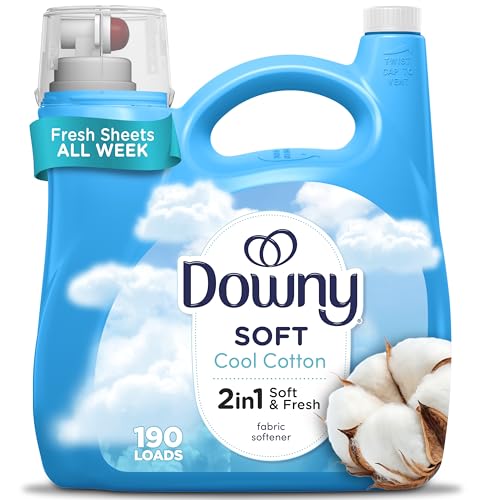
Live listings for the shortlist in this guide are pulled from Amazon below, so prices and availability are always current at the moment you look.


When the right answer is no softener at all
A minority of households, having worked through the chemistry honestly, conclude that the product earns no place in their laundry room, and that conclusion deserves respect rather than rebuttal. Modern detergents leave ordinary clothing cleaner and less stiff than the detergents of a generation ago, line drying in moving air produces acceptable softness for many fabrics, and the dryer stage offers mechanical answers to static that add nothing to the rinse. A household dominated by towels, technical clothing, cloth nappies, and infant garments may find its genuinely softener-appropriate loads reduced to a single weekly wash of bedding, at which point a bottle becomes clutter that expires before it empties.
Abstaining also simplifies the machine side of the ledger completely. No dispenser film forms, the gasket receives only detergent-level residue, and the cleaning cycle stretches to its longest comfortable interval. Owners who stop using softener after years of use often report that the change they notice most is not in the clothing but in the machine, which stays fresher with less intervention. The clothing difference, once detergent dosing is corrected and loads are sized sensibly, frequently turns out smaller than habit had led them to expect.
Between the committed user and the abstainer sits the occasional user, and that middle position suits a great many homes. Keeping a small bottle for bedding, guest linen, and the stiffest line-dried cotton, while running everything else plain, captures most of the benefit at a fraction of the residue. The categories in this guide were drawn so that each household can locate its own point on that spectrum deliberately, rather than inheriting a routine from a previous house, a previous machine, or a previous decade of laundry marketing.
By now the pattern across every section should feel familiar: the product matters less than the match between its chemistry, the loads it touches, and the measured hand that pours it. A modest, fragrance-free, genuinely conditioning liquid, dosed at two-thirds of its label figure and kept away from towels, sportswear, and sleepwear, will serve the great majority of HE households without drama. The households at the edges — septic, hard water, infant, athlete — have each been given their adjustment above, and none of those adjustments requires exotic products or heroic effort.
Keep the dispenser clean, leave the door breathing between washes, and let the rinse stay a rinse rather than a perfume bath, and the machine will repay that restraint with years of quiet, odour-free service.