Our Top Picks
 Winado 15.6LBS Full Automatic Portable Washing Machine with15.6LBS18.58 x 18.31 x 30.98 inchesCheck on Amazon
 COMFEE' Portable Washing Machine 0.9 cu.ft Compact Washer0.9cu.ft14.8 x 11.9 x 8.9 inches44.1 poundsCheck on Amazon
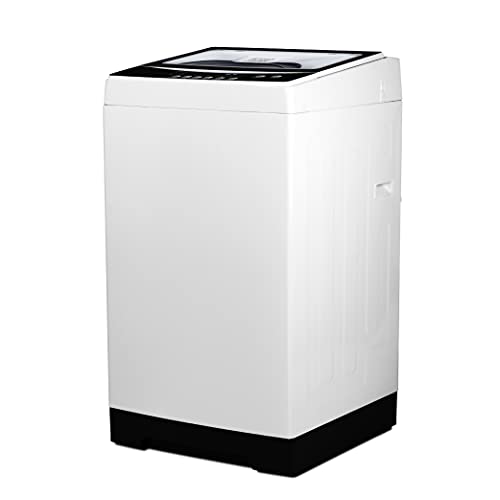 BLACK+DECKER 3.0 Cu. Ft. Portable Washer3.0 Cu. Ft.24.8 x 23.7 x 39.4 inches99.2 poundsCheck on Amazon
 COMFEE’ 1.6 Cu.ft Portable Washing Machine1.6cu.ft20.7 x 20.3 x 36.6 inches79.4 poundsCheck on Amazon


What's inside
- Putting a laundry appliance upstairs changes the whole calculation
- Weight: the machine, its water, its load and the person standing beside it
- Spin vibration: why the fastest minutes cause the most trouble
- Sound travelling downstairs, and how to blunt it
- Pads, mats and platforms: separating the machine from the joists
- Drain pans, plumbed outlets and leak defence in depth
- Front loading versus top loading on an upper floor
- Levelling, and checking whether the floor sags
- Renters, landlords, permits and insurance paperwork
- Supply hoses, drain hoses and the maintenance calendar
- Delivery day, first cycles and settling-in checks
- Cleaning the room itself, inside and out
- Electrical supply, heating elements and hot water upstairs
- Capacity planning for real households, not showroom families
- End of life upstairs: removal, replacement and protecting the stairs
- A brief word on cold snaps and vacant weeks
- When spin noise travels sideways into a neighbouring home
- Check prices on Amazon
- Disclosure
As an Amazon Associate I earn from qualifying purchases. This post may contain affiliate links at no extra cost to you.
Putting a laundry appliance upstairs changes the whole calculation
A washing machine on a ground floor sits on a slab or a sturdy suspended floor and mostly minds its own business. Move that same appliance upstairs and every cycle becomes a structural event, a plumbing commitment and an acoustic experiment conducted above somebody’s ceiling. None of this makes an upper-level laundry a bad idea. Bedrooms and bathrooms cluster on upper floors in most houses, so the clothing, towels and bedding that need washing already live there. Keeping the machine near the laundry it serves removes endless basket journeys and frees ground-floor space that kitchens and living rooms can use better.
The price of that convenience is preparation. Timber joists flex in ways concrete never does. A spin cycle that feels calm beside the machine can sound like distant drumming in the room below. A slow leak that would stain a utility-room floor unnoticed can travel through a ceiling, ruin plaster and appear above a bed. Buyers who understand those three themes — load, movement and water — before choosing a model make calmer decisions than buyers who shop by capacity and colour, then discover the constraints during installation week.
Manufacturer specifications help, but they describe the appliance, not your house. Weight figures exclude the water held mid-cycle and the saturated clothing pressed against the drum. Spin speeds are quoted as maxima under ideal balance, not as a promise about how a particular floor will respond. Installation manuals assume a firm, level base and correctly sized drainage, conditions that older upstairs rooms frequently fail to provide without some work. This guide works through each requirement in the order a careful installer would meet them.
Room choice within the upper floor matters enormously. A spot directly above a load-bearing wall or near a stairwell core usually rests on shorter joist spans and stiffer support than the middle of a wide bedroom. Cupboards converted from airing spaces often sit above hallways, which tolerate noise better than ceilings over a main bedroom. Proximity to existing bathroom plumbing shortens supply and waste runs, reducing both cost and the number of joints hidden inside floors where a failure would stay invisible longest.
Weight: the machine, its water, its load and the person standing beside it
Start with dry weight, printed in every specification sheet. Modern full-size machines commonly weigh about as much as a large adult, sometimes considerably more, because concrete counterweights inside the cabinet stabilise the drum during spinning. Compact models weigh less, though not in proportion to their smaller drums, since they still need ballast and a rigid frame. That dry figure is only the opening number in an honest load account.
Water adds a shifting burden throughout the cycle. A front loader holds a modest pool in the drum bottom plus whatever the fabrics have absorbed; a top loader with a deep fill for bulky items can carry far more. Saturated cotton is heavy in a way dry laundry baskets never suggest: a load that felt trivial to carry upstairs can double in weight once soaked, and all of that mass concentrates inside a footprint smaller than a bath mat. During spinning, the load also stops behaving like a static weight and starts acting like a rotating force applied repeatedly to the floor.
Dynamic effects separate upstairs planning from simple arithmetic. When an unbalanced bundle passes through resonance on its way up to full spin speed, the cabinet rocks and the feet transmit pulses into the joists. Floors respond by deflecting slightly and springing back, thousands of times across a year of family washing. A structure can be perfectly strong enough in static terms yet still feel lively and transmit noise, because stiffness and strength are different properties. That distinction explains why some installations pass every building check and still annoy the household.
Joists, span and where the feet land
Joist direction relative to the machine deserves attention before delivery day. Feet resting across two or three joists spread load widely; feet aligned along a single joist concentrate it. Installers sometimes rotate a machine a few degrees or shift it a short distance so its feet engage more timber, a small adjustment with outsized benefit. A rigid platform or thick plywood sheet beneath the appliance can perform similar spreading work, provided edges are sealed against spills and the platform itself does not become a sounding board.
Older houses carry extra uncertainty. Joists may have been notched for pipes by earlier trades, sistered after historic leaks, or spaced wider than modern practice allows. Floorboards hidden under vinyl tell none of that story. Where a bathroom conversion or a known history of water damage raises doubts, lifting a small section of flooring or inspecting from the ceiling below, with professional help, beats guessing. The cost of that inspection is minor beside the cost of repairing a sagging ceiling and re-plumbing a laundry that should never have been placed where it was.
Do not forget the human load. An installer leaning over the machine, a parent kneeling to load it while a child leans on the door, a basket of wet towels waiting alongside — these add localised weight exactly where the machine already stands. Sensible placement leaves standing room on the stiffest part of the floor rather than squeezing the appliance into a corner where every user must crowd onto one bay between joists.
Spin vibration: why the fastest minutes cause the most trouble
Every washer passes through a restless phase as the drum accelerates. Wet fabric clumps, the machine attempts redistribution by tumbling back and forth, then commits to the spin. If the load settles unevenly, centrifugal force drags the drum off centre and the suspension absorbs what it can. On a slab, surplus energy disappears into the ground. On a timber floor, surplus energy becomes movement, sound and, in poorly balanced cases, a slow walk across the room as feet hop millimetre by millimetre.
Spin speed selection is the owner’s most direct control over that behaviour. The highest settings extract more water and shorten drying time, which matters for households without outdoor lines during winter. They also multiply the force generated by any given imbalance. Many upstairs owners settle on a medium spin for everyday loads and reserve maximum speed for flat, easily balanced items such as sheets washed alone. Modern machines with effective balance sensing will cut speed automatically when they detect trouble, a feature worth prioritising over headline drum size for this installation type.
Load composition influences vibration more than load size alone. A single heavy bath mat, one pair of trainers, or a waterproof jacket that traps water on one side creates the classic unbalanced drum. Mixing large and small items helps fabric distribute around the drum wall, while washing lone bulky pieces during daytime hours limits the nuisance if the machine does protest. Owners quickly learn which loads their floor dislikes; writing those lessons into household habits protects both sleep and neighbourly relations in terraced or semi-detached homes.
Suspension, counterweights and marketing language about quiet running
Inside the cabinet, springs above the tub and dampers below it manage movement. Better damper tuning keeps the drum composed at moderate imbalance instead of bouncing until the cabinet sides flex. Inverter-driven motors contribute smoothness by controlling acceleration precisely rather than lurching between speeds, and they remove belt noise from the sound profile. Listings advertise these features with phrases about quiet operation, yet quiet measured in a laboratory on concrete says little about structure-borne rumble through joists. Treat decibel figures as a rough comparison between models, never as a forecast for a particular bedroom ceiling.
Cabinet rigidity matters too. Thin side panels can drum sympathetically when the tub swings, adding a booming note that owners often blame on the floor. Pressing a palm against the cabinet during a spin, in a showroom or after installation, reveals panel flex quickly. Heavier machines are not automatically quieter, but the mass that makes them awkward to deliver often pays back in composure, one reason compact lightweight models sometimes disappoint upstairs despite their friendly dimensions.
Readers narrowing the field to specific drum sizes may find best 3 9 cu ft front load washers useful for comparing capacities in this class, while keeping the structural checks in this guide ahead of any capacity preference. A slightly smaller drum that spins calmly serves an upstairs household better than a cavernous model that must be run half empty to stay balanced.
Sound travelling downstairs, and how to blunt it
Noise from an upstairs washer reaches the room below by two routes. Airborne sound passes through gaps, floor voids and thin ceiling boards: motor whine, pump chatter, the slap of wet fabric. Structure-borne sound travels as vibration through joists and emerges from the ceiling surface itself, which acts like a large, unwilling speaker. Owners often try to fix the second route with soft furnishings downstairs, which absorb airborne sound nicely and do almost nothing for a joist-driven hum.
Timing is the simplest mitigation ever invented. Running heavy loads while the room below is occupied by daytime activity hides modest noise inside ordinary household sound. Scheduling a spin to finish before a baby’s nap or a night-shift worker’s morning sleep prevents most complaints without spending anything. Delay-start features help only when used thoughtfully; a machine that begins its loudest phase at three in the morning because a timer was set carelessly creates the exact problem the feature was meant to solve.
Door and lid behaviour adds small but real contributions. A front loader’s sealed door keeps wash noise contained better than an open-top design used with the lid raised. Soft-close hinges prevent the bang that travels through a quiet house at midnight. Even the detergent drawer can rattle if it sits loosely, a fault cured by reseating it firmly rather than by blaming the motor for every sound in the cycle.
Ceilings, floor coverings and realistic expectations
Floor coverings above and ceiling construction below set the baseline. Carpet with dense underlay over the laundry floor absorbs footfall and some airborne wash sound, while hard laminate over joists reflects and transmits more. Downstairs, a ceiling fixed directly to joists passes vibration faithfully; a ceiling on resilient channels or with an extra plasterboard layer interrupts part of that path, though such work belongs to renovation projects rather than appliance purchases. Setting expectations honestly matters: a well-prepared upstairs installation can be unobtrusive, but it will rarely be silent to someone listening for it in a quiet room directly beneath.
Pads, mats and platforms: separating the machine from the joists
Anti-vibration pads sit under each foot and compress slightly, interrupting the direct path between cabinet and floor. Dense rubber or layered elastomer pads work best when matched to the machine’s weight; pads that are too soft bottom out and behave like solid blocks, while pads that are too thin tear at the edges after months of rocking. Cup-shaped designs also resist the walking problem by cradling each foot, although they complicate the fine levelling adjustments described later, so pads and levelling should be planned together rather than fitted in random order.
Full mats spread across the whole footprint add a second line of defence. A heavy mat damps panel resonance, catches small drips before they reach floorboards and gives the machine a stable, high-friction surface to stand on. Thickness alone is not virtue: a spongy mat can let the cabinet rock further, amplifying movement at the top like a building on soft soil. Firm, dense mats marketed for laundry or gym equipment generally outperform soft foam tiles, which compress unevenly and degrade when exposed to detergent spills.
Platforms take the opposite philosophy, adding rigidity rather than softness. A well-built platform of thick plywood over a frame ties several joists together and presents the machine with a flat, stiff base. Combined with pads at the feet, a platform addresses both load spreading and vibration isolation. Height is the cost: every centimetre of platform raises the door or lid, which affects shorter users, overhead cupboards and stacked arrangements. Measure the full stack height, including any dryer above, before committing to a raised design.
What pads cannot fix
Isolation products have honest limits. They cannot correct a machine standing out of level, a drum with worn dampers, or a floor so flexible that it bounces under normal footsteps. When a floor feels trampoline-like during ordinary walking, the remedy lies in structural stiffening — extra joists, blocking between joists, or a different room — not in thicker rubber. Sellers of miracle pads rarely mention that boundary, so buyers should diagnose the floor first and buy accessories second, in that order.
Drain pans, plumbed outlets and leak defence in depth
A drain pan is a shallow tray placed beneath the machine to catch water from small leaks, pump failures or hose drips and direct it somewhere visible or into a dedicated drain. Upstairs, a pan without an outlet merely postpones damage, buying minutes while a serious leak fills it and overflows. A pan connected to a plumbed drain line, routed with proper fall to a waste pipe, converts many potential ceiling disasters into harmless events that the household may never notice. Building practice in many regions treats that plumbed pan as standard for upper-floor laundry, and some local rules require it outright.
Pan sizing needs care. The tray must extend beyond the machine’s footprint on all sides, with a lip tall enough to contain splashing from a burst fill hose yet low enough for installers to slide a heavy appliance over it without cracking the rim. Rigid metal pans tolerate that sliding better than thin plastic trays, which can split under a foot during installation and then leak faithfully at the worst moment. The drain outlet position should be settled before the machine arrives, since drilling and connecting after placement means moving the appliance twice.
Leak detection adds an active layer. Battery or mains-powered sensors placed inside the pan or behind the machine sound an alarm at the first trace of water; smarter systems close an automatic shutoff valve on the supply line when moisture is detected. For a room above finished ceilings, that combination is among the most valuable extras in the entire project. Sensors need periodic checks, because a dead battery discovered during a real leak is a bitter outcome, and valve systems benefit from an occasional manual test to confirm they still move freely.
Where the drain water goes, and why standpipe height matters
The machine’s own drain hose discharges into a standpipe or a trapped waste connection sized for the pump’s flow. A standpipe that is too short or too narrow can overflow during the powerful initial surge of draining, even when every other part of the installation is sound. A connection sealed too tightly around the hose can create siphoning problems that empty the drum mid-cycle. Manufacturer specifications state acceptable standpipe dimensions and hose insertion depths; installers follow those figures because each model pumps with different force. Upstairs, the consequence of ignoring them is not a puddle on concrete but water inside a ceiling void, which raises the stakes on a detail many buyers never think to ask about.
Floor drains, where present, deserve a mention. Some converted bathrooms retain a drain in the floor that can serve as the pan outlet or as a secondary escape route for spills. Keeping that drain’s trap wet prevents sewer odours from rising into the laundry space, a small maintenance point revisited near the end of this guide.
Front loading versus top loading on an upper floor
Front loaders spin around a horizontal axis and typically extract water at high speed with relatively modest vibration when balanced, because the load presses outward evenly around the drum. They use less water per cycle, which reduces both the carried weight discussed earlier and the volume available to leak. Their doors seal with a gasket that needs wiping and occasional cleaning to prevent musty odours, and loading requires bending or kneeling unless a pedestal raises the drum. In a stacked arrangement, a front loader accepts a dryer above it, concentrating the laundry into one vertical footprint.
Top loaders keep the drum upright and let users add a forgotten sock without bending. Traditional agitator models wash quickly and handle bulky items generously, but they often use deeper fills, adding water weight exactly where an upstairs floor least wants it. Their spin behaviour can be rougher when a load shifts to one side, since the whole tub leans with the imbalance. High-efficiency impeller designs moderate water use and gentleness, though they may tangle long items and need careful loading patterns to clean evenly.
Ergonomics interact with room layout in ways brochures ignore. A front loader’s door swings outward and needs clear space in front, plus room to crouch with a basket. A top loader needs overhead clearance for its lid and for arms lifting wet bedding out of a deep drum, which can strain shorter users. In a small upstairs cupboard, door swing frequently decides the format before any performance argument gets heard, so measuring the open-door and open-lid envelopes belongs on the same checklist as joist direction.
Stacked pairs deserve separate thought for households short on floor area, and best 24 stackable washer and dryers covers the configurations built for that arrangement. Stacking raises the combined centre of gravity and doubles the mass on one footprint, so the floor checks, pan sizing and levelling discipline in this guide apply with extra force. The dryer above also adds its own heat, moisture venting requirements and lint maintenance to the room’s duties.
Cycle features that genuinely help upstairs
Certain features earn their place in this setting. Out-of-balance sensing that retries distribution before aborting saves both noise and frustration. A quick-wash programme with a gentle spin handles lightly soiled clothes without subjecting the floor to full drama. Steam and extra-rinse options matter less structurally, though households washing bedding for allergy reasons may value hot cycles enough to accept longer run times. Sound ratings, delay timers and drum lights are conveniences; balance control and variable spin are the features protecting the house.
Capacity restraint is an underrated feature in itself. Temptation says buy the largest drum the budget allows, yet an upstairs machine run with sensible, well-distributed loads behaves better than a giant drum routinely stuffed to its limit. Families generating huge weekly volumes might do better with moderate capacity washed more frequently, spreading vibration events across the week instead of concentrating them into one marathon day of heavy, hurried loads.
Levelling, and checking whether the floor sags
Levelling is unglamorous and decisive. A machine tilted even slightly invites the drum to favour one side during every spin, converting small imbalances into persistent rocking. Adjustable feet should be set with a spirit level placed on the cabinet top, checked front to back and side to side, then locked with their nuts tightened against the frame so vibration cannot wind them loose over following months. After adjustment, pressing firmly on opposite corners in turn should produce no rocking at all; any corner that lifts or taps needs another turn of its foot.
Rubber feet and pads interact with levelling in a subtle way. A foot screwed down onto a soft pad compresses that pad more than its neighbours, so final checks should happen after the machine has run one full cycle and settled into its supports. Revisiting levels a week after installation catches that settling, plus any floor compression under the new load. Installers who skip the revisit leave owners wondering why a machine that began quietly has developed a knock by the second month.
Measuring deflection with household tools
Homeowners can gather useful evidence about floor stiffness without laboratory gear. A long straightedge laid across the laundry area reveals dips and crowns. A glass of water placed on the floor while another adult walks nearby shows ripples that betray liveliness. More tellingly, bouncing gently on the heels in the middle of the room should feel firm, with movement stopping almost immediately; a floor that continues to tremble, rattles ornaments or visibly flexes underfoot is sending a clear message about hosting a spinning appliance.
Formal deflection limits exist in building practice, expressed as a fraction of the joist span, and a structural engineer or experienced builder can measure against them when doubt persists. That professional route suits houses with long spans, visible ceiling cracks below, or previous alterations such as removed walls. The report also helps if an insurer or a landlord later asks what diligence was done before the installation proceeded, a paper trail worth keeping with the appliance documents.
Stiffening options, when needed, range from modest to major. Screwing a thick plywood layer over existing boards, glued and fixed into joists, adds meaningful rigidity across a small laundry zone. Sistering joists or adding blocking from below works better but disrupts the ceiling of the room beneath. Occasionally the honest answer is relocation: a ground-floor utility corner, a garage conversion, or a spot above a supporting wall where the structure already provides what the current room cannot.
Renters, landlords, permits and insurance paperwork
Tenants face a permission question before any technical question. Most tenancy agreements restrict installing plumbed appliances, altering pipework or cutting into floors, and an upstairs washer touches all three. Written consent from the landlord, describing the exact room, the pan arrangement and who pays for making good at the end of the tenancy, protects both parties. Verbal enthusiasm from an agent during a viewing is not that consent, and discovering the difference after a leak is an expensive education.
Landlords weighing a request look for risk controls. A plumbed drain pan, braided supply hoses with an automatic shutoff device, professional installation invoices and a named person responsible for maintenance all strengthen a tenant’s case. Offering to place the machine in a tiled bathroom rather than over a bedroom also helps, as does agreeing to run heavy loads at sociable hours in a building with neighbours below. Some owners prefer to supply an approved appliance themselves rather than accept an unknown machine of uncertain age and hose condition.
Owner-occupiers are not free of paperwork either. Local building codes may require permits for new plumbing runs, electrical circuits or structural alterations connected with a laundry conversion, and rules differ between jurisdictions enough that assuming is unwise. A quick enquiry with the local building department before work begins is cheaper than retroactive approval. Condominium and leasehold buildings add another layer, since management rules often govern appliance types, installation hours and mandatory leak protection for any unit above ground level.
Insurance and the value of documented diligence
Home insurance policies generally cover sudden water damage, but insurers scrutinise claims involving appliances installed without required safeguards or permissions. Keeping the installation invoice, photographs of the pan and its drain connection, hose purchase receipts and the levelling check notes creates a record showing the work was done properly. Photographing the shutoff valves and labelling them helps any household member act quickly during a real incident, when nobody wants to hunt behind a heavy machine for an unmarked valve while water spreads.
Neighbours below deserve a courtesy conversation in flats and terraces. Warning the household underneath about installation day, expected noise patterns and the safeguards fitted builds goodwill that survives the occasional loud load. That conversation also surfaces useful intelligence: the neighbours may know the building’s plumbing history, previous leaks, or which ceilings have already been repaired, information no specification sheet will ever contain.
Supply hoses, drain hoses and the maintenance calendar
Fill hoses live under constant mains pressure whenever their valves stay open, which for most households is always. Rubber hoses age, blister near their crimped ends and eventually burst, usually at an inconvenient hour. Braided stainless coverings resist abrasion and signal quality, although the inner tube still ages and deserves replacement on a schedule measured in years, not decades. Manufacturer specifications and hose makers both publish service-life guidance; writing the installation date on a small tag tied near the valve turns that guidance into a reminder nobody has to remember unaided.
Closing the supply valves when the machine will sit unused through a holiday removes pressure from the hoses entirely and costs thirty seconds. Households that adopt this habit should also know where the main stopcock lives, since a burst elsewhere in the system will not wait for a search. Valve handles that have not moved in years can seize, so operating them gently once or twice a year keeps them usable and reveals stiffness while it is still a minor plumbing job rather than an emergency.
Drain hoses fail more quietly. They chafe where they pass through cabinet holes, kink behind machines pushed too close to a wall, and accumulate lint sludge near their outlet. A kinked drain hose forces the pump to work harder and can leave water standing in the drum; a chafed one weeps slowly into exactly the hidden space owners inspect least. Pulling the machine forward annually — carefully, with help, and with the floor protected — allows a visual pass over both hoses, the pan, the wall connections and the floor itself for early staining.
Filters, gaskets and the small jobs that prevent big ones
Pump filters trap coins, hair grips and lint before they jam the drain pump, and they need cleaning at intervals stated in the manual. Doing this job with a shallow tray and towels ready avoids a surprise flood of residual water across the laundry floor. Door gaskets on front loaders collect moisture and detergent residue in their folds; wiping them after wash days and leaving the door ajar between loads prevents the musty smell that owners often misattribute to the drum itself. Inlet filters at the hose connections catch grit from the supply, and a clogged one explains a machine that fills slowly despite healthy water pressure elsewhere in the house.
Water pressure itself merits a thought, because homes vary widely. Very high pressure stresses hoses, valves and joints across every appliance in the building, not just the washer. Readers who have compared pressure figures while researching outdoor equipment such as best 2000psi electric power washers will already know that pressure ratings describe capability at an outlet, while static pressure in a home supply is a different measurement that a simple gauge on an outside tap can reveal. If that gauge shows unusually high readings, a plumber can fit a regulator that protects the whole plumbing system.
Detergent habits round out maintenance. Excess dosing leaves residue in drawers, hoses and the outer tub, feeding odours and, in hard-water districts, combining with mineral deposits on heating elements. Measuring doses for load size and water hardness, running an occasional hot maintenance cycle with the drum empty, and cleaning the dispenser drawer under a tap keep the machine draining freely and smelling neutral, which matters more in an upstairs room adjoining bedrooms than in a detached utility space.
Delivery day, first cycles and settling-in checks
Getting a heavy appliance upstairs is a task in its own right. Stair width, landing turns, banister strength and doorway clearances all need measuring before the delivery slot, not while two carriers wait with the machine resting on a half-landing. Transit bolts that lock the drum during transport must be removed before the first cycle; running a machine with them still fitted produces violent shaking that owners sometimes mistake for a floor problem, and the bolts should be kept for any future house move. Retaining packaging until the machine has completed several varied loads preserves return options if a fault appears early.
First cycles should be deliberate experiments. An empty hot cycle cleans manufacturing residues from the drum. A small, evenly distributed load at moderate spin reveals baseline behaviour while an owner stands nearby listening, rather than discovering the machine’s character through a full load launched before leaving for work. Sounds worth noting include a rhythmic thump that grows with speed, a knock at one cabinet corner suggesting a levelling miss, and pump noise that seems excessive compared with the wash phase. Notes taken then become the comparison point for every later change in behaviour.
Settling continues across the first month. Feet bed into pads, pads compress, floorboards adjust to a load they have never carried, and small leaks at freshly made connections announce themselves as faint tide marks rather than floods. A weekly glance behind and beneath the accessible edges of the machine during that month catches most early trouble. After that, the annual inspection rhythm described earlier takes over, supplemented by immediate checks whenever the machine sounds different, smells musty despite cleaning, or leaves clothes wetter than usual after spinning.
Troubleshooting a machine that has started to wander
Movement across the floor signals a chain of possible causes, and working through them in order avoids wasted spending. Confirm the floor is dry beneath the feet, since detergent film turns pads slippery. Recheck level in both directions and confirm lock nuts remain tight. Inspect feet for cracked rubber and pads for tearing or uneven compression. Review recent load habits honestly, because a new routine of washing single heavy items can create a problem that no hardware adjustment will cure. Only after those checks should worn dampers or suspension faults be suspected, at which point a service visit with the machine’s age and usage pattern in hand leads to a sensible repair-or-replace conversation.
Noise that develops gradually tells its own story. A rising whine can point to bearings nearing the end of their service, a gritty rumble to a foreign object trapped between drums, and intermittent banging to a loose counterweight in rare cases. Upstairs owners should act on such changes promptly, not solely for the machine’s sake: a deteriorating drum assembly vibrates harder with every week it is ignored, and the floor below receives the full benefit of that decline.
Cleaning the room itself, inside and out
Laundry spaces collect lint in corners, behind cabinets and along the pan rim, and that lint holds moisture against floorboards. A vacuum with a crevice tool, a damp cloth for sealed surfaces and periodic attention to the dryer vent route keep the room dry and reduce fire risk from accumulated fibres. Walls behind the machine benefit from mould-resistant paint in bathrooms where steam from showers adds to the humidity the laundry already produces. Ventilation, whether a window habit or an extractor fan run during and after cycles, protects both the room fabric and the ceiling below from condensation-driven damp that can be blamed wrongly on leaks.
Outdoor areas connected with the household’s heavier cleaning jobs follow a different logic, and homeowners comparing equipment for patios or driveways sometimes review best 3000 psi pressure washers while planning that separate work. The contrast is instructive: outdoor machines are chosen for force delivered at a distance, whereas an upstairs laundry appliance succeeds by containing force, water and sound within a few square feet of timber floor. Keeping those priorities straight prevents the common error of importing ground-floor or outdoor thinking into a room where containment is everything.
Questions owners ask once the machine is in place
Is a slight hum through the floor normal? Some transmission is unavoidable on timber, particularly during spin acceleration, and a faint, brief hum that neighbours describe as unobtrusive usually sits within the range of a healthy installation. Sustained booming, rattling ornaments or a ceiling that visibly flexes are not in that range and deserve the diagnostic sequence described earlier rather than acceptance.
Should the supply valves be closed after every wash? Doing so offers maximum hose protection, and some manufacturers recommend it, but household reality decides compliance. A realistic compromise is closing valves during holidays and any week when the machine sits idle, while keeping them accessible enough that the habit survives. Pairing that routine with an automatic shutoff device covers the hours when nobody is home to turn anything.
How often do hoses truly need replacing? Guidance varies by material and maker, with braided types generally granted longer service than plain rubber, but the shared theme is planned replacement before visible distress, not after. Bulges, rust at crimps, stiffness and any weeping at connections all move replacement from scheduled to immediate, regardless of the date written on the tag.
Can an upstairs washer share a room with a sleeping baby or a home office? It can, with scheduling discipline and honest expectations. Calls and naps both suffer when a spin cycle peaks at the wrong moment, so households in that position tend to run loads in planned blocks, choose moderate spin speeds as their default, and keep the door of the laundry space closed during cycles. The arrangement works best when the machine’s quiet behaviour was a selection priority from the start, not a hope formed after delivery.
Electrical supply, heating elements and hot water upstairs
Power rarely headlines washer discussions, yet an upper-floor conversion often needs a new circuit or at least a verified socket on a suitable ring. Machines heat their own water in many markets, drawing substantial current during the heating phase, and sharing that load with a tumble dryer, an iron and a kettle on one strained circuit invites tripped breakers mid-cycle. An electrician can confirm capacity, fit a properly rated outlet within hose reach of the intended position, and position that outlet above pan level and away from likely splash paths, a placement detail that matters when a fill hose fails at two in the morning.
Residual-current protection deserves explicit confirmation. Modern consumer units usually provide it, but older boards in period houses may protect only some circuits. A laundry appliance combines water, metal and bare feet on a damp floor, which is precisely the scenario such protection exists for. Testing the protective device with its built-in button twice a year takes seconds and belongs on the same calendar as hose checks and valve exercises.
Hot and cold fill arrangements vary by region and model generation. Many current machines accept a cold supply only and heat internally, simplifying plumbing to one connection and removing a whole category of hot-hose ageing. Households with abundant solar-heated or otherwise cheap hot water sometimes prefer dual-fill models, accepting extra pipework for lower running energy. Upstairs, simplicity carries extra weight: every additional pressurised joint above a ceiling is a joint that can weep, so the single-supply layout has a structural argument in its favour beyond convenience.
Condensation, ventilation and the ceiling nobody inspects
Warm moist air released when a door opens after a hot cycle drifts into the room and condenses on the coldest surfaces available, often a window reveal or an uninsulated patch of external wall. Repeated across a winter, that moisture feeds mould spots that owners may blame on a phantom leak. A small extractor, a window opened for ten minutes after hot washes, or a door left ajar while the room is occupied all interrupt the pattern. Checking the ceiling below every few months for faint yellowing provides early warning that distinguishes a genuine plumbing problem from mere surface condensation, since leak stains grow from a point while condensation marks follow cold bridges and corners.
Dryers sharing the room complicate moisture maths. A vented dryer must exhaust outdoors through a properly routed duct; a condensing or heat-pump dryer collects water in a tank or drain connection that needs the same leak discipline as the washer itself. Trapping dryer exhaust inside an upstairs room to warm it, an old habit in some households, loads the air with exactly the moisture this section warns against and should be retired wherever it survives.
Capacity planning for real households, not showroom families
Drum volume figures describe geometry, not obligation. A large drum run with a small, unbalanced bundle can behave worse than a modest drum filled evenly, because the lone heavy item has room to gather momentum before striking the tub wall. Households of one or two people often discover that mid-sized capacity, washed little and often, suits an upstairs floor better than a flagship drum used twice a week at maximum spin. Larger families face the opposite pressure and may reasonably accept more vibration management work in exchange for fewer total cycles, provided the floor assessment supports the machine they want.
Bedding sets the practical ceiling on useful capacity. If a king-size duvet must be washed at home rather than sent out, the drum has to accept it without packing, because compressed bedding traps water unevenly and produces the classic spin thump. Measuring the household’s bulkiest regular item, in its wet and heavy state, gives a more honest capacity target than counting heads. Occasional oversize items can go to a launderette with commercial machines built for them, sparing the upstairs floor its worst day of the year.
Noise budgeting belongs in capacity planning too. More cycles at moderate spin may total less disturbance than fewer cycles at maximum extraction, even though the count of events rises. Neighbours and housemates react to peak disturbance and timing more than to totals, so a pattern of calm daytime loads usually wins socially over a single thunderous evening session, whatever the energy figures say.
End of life upstairs: removal, replacement and protecting the stairs
Every upstairs installation eventually runs in reverse. A worn machine must come down the same stairs it climbed, heavier than memory suggests and awkward in exactly the same places. Planning replacement begins before the old appliance fails completely, because a dead washer forces hurried choices about models, floor checks and delivery slots. Households that keep their installation photographs, hose dates and floor notes in one folder can hand a new installer everything needed in minutes, and the replacement conversation starts from evidence rather than guesswork.
Removal day has its own water risks. Residual water sits in the pump, the sump and low loops of drain hose even after a final empty cycle, and it escapes when hoses are disconnected or the machine tilts on a stair turn. Towels, a shallow tray and a bucket staged in advance turn that spill into a triviality. Capping the supply outlets immediately after disconnection protects against a valve knocked open by a passing elbow during the carry, a small accident with large consequences on an upper floor.
Stair protection matters to the house as much as to the appliance. Thick blankets over banister rails, cardboard taped along tight corners and a clear run cleared of shoes and ornaments prevent the gouges that hurried carries inflict. Some delivery teams will decline a staircase they judge unsafe or too narrow, and hearing that judgement before purchase day, during a pre-delivery survey, is far better than negotiating around a machine abandoned on a landing.
The replacement moment is also the right time to re-examine assumptions. A pan that served for a decade may have hairline cracks; pads compressed into permanent wedges should not be reused under a new machine; hoses should start fresh with the new appliance rather than inheriting the old set’s remaining life. Even the floor deserves a fresh look, because ten years of micro-movement can loosen fixings and change stiffness in ways a quick heel-bounce and straightedge check will reveal. Treating replacement as a new installation, with the same discipline as the first, keeps standards from quietly eroding across decades of laundry.
Finally, disposal routes for the old machine vary by locality, from retailer take-back during delivery to municipal collection schemes. Arranging that route in advance prevents a dead appliance from lingering on a landing where it blocks escape routes and tempts children to climb. The drum door of a discarded machine should be removed or secured shut while it waits anywhere accessible, a basic safety step that costs nothing and is easy to overlook amid delivery-day bustle.
A brief word on cold snaps and vacant weeks
Upper-floor pipework often runs through the coldest parts of a house: eaves voids, exterior wall cavities and unheated cupboards. During a hard frost, a supply line feeding an upstairs laundry can freeze before pipes in warmer ground-floor rooms do, and a burst thawed line releases water exactly where damage travels furthest. Lagging exposed runs, keeping a trickle of background heating during vacant winter weeks, and knowing which valves isolate the laundry branch all reduce that exposure. Households leaving a property empty through a cold spell should treat the washer supply like any other vulnerable outlet and drain or isolate it according to the plumbing layout they actually have.
Returning after an absence calls for a short ritual before the first load. Open the laundry valves slowly, watch each connection for a full minute, run a short rinse programme while staying within earshot, and glance at the pan and the ceiling below afterwards. Rubber seals and hose materials that sat dry and cold for weeks occasionally weep on their first pressurised day, then settle; catching that weep during a supervised cycle is the entire point of the ritual. Five attentive minutes protect the ceiling more reliably than any gadget left blinking in an empty house. The same ritual suits any long gap in use, not only winter holidays: housesitters, tenants between lets and owners returning from extended work trips all inherit pipework that has sat still for weeks. Writing the steps on a card kept inside the laundry cupboard means whoever restarts the machine, family member or trusted neighbour, follows the same careful order instead of improvising under time pressure on arrival day. Add the location of the isolation valves and the household stopcock to that card, in plain handwriting large enough to read by torchlight, because the moment anyone needs those details is rarely a calm, bright, well-organised moment.
When spin noise travels sideways into a neighbouring home
In terraced and semi-detached houses, vibration can travel sideways as readily as downward, passing through a shared wall into a neighbour’s living room or bedroom. Joists that butt into that wall give spin energy a direct route across, so a cycle ending late at night may disturb people who never hear daytime loads. Agreeing sensible laundry hours with the household next door, and warning them before an unusually heavy wash, prevents friction before it builds. Extra defence helps too: dense isolation pads beneath the feet nearest the shared wall, plus a firm mat, can blunt pulses heading that way. Keep the cabinet clear of the wall itself, leaving a small gap so panels never touch brickwork and pass vibration straight through.
Check prices on Amazon
Live listings for the shortlist in this guide are pulled from Amazon below, so prices and availability are always current at the moment you look.


Disclosure
Readers should know how this site is funded: certain outbound links in our guides may return a small commission to the publisher if a purchase follows, and that income keeps the lights on without influencing the cautions repeated throughout these pages. Advice here rests on manufacturer specifications, installation manuals and our research across installer guidance and owner experience, because an upstairs laundry rewards documented diligence far more than enthusiasm. Where local codes, a landlord or an insurer impose stricter requirements than anything stated above, those requirements win, and confirming them before ordering protects the whole project.
Prepared floors, honest weight sums and a plumbed pan turn an upstairs washer from a gamble into an ordinary appliance, humming politely above the ceiling while life carries on underneath.