Our Top Picks
 Remington Smooth & Silky Electric Shaver for Women4 Blade Foil Shaver3.5 x 5 x 9.1 inches0.86 poundsCheck on Amazon


What's inside
- How to read this guide
- Foil heads and rotary heads: two geometries, two temperaments
- Wet use, dry use, and what water resistance really permits
- Skin comfort, foil materials, and irritation
- Bikini trimmers, guide combs, and precision attachments
- Batteries, charging, cords, and the rhythm of ownership
- Cleaning, foil replacement, and keeping performance steady
- Light, motor speed, noise, and the details that shape a session
- Handle design and reaching the difficult places
- Technique by area: legs, underarms, bikini line
- How electric shaving differs from the neighbouring methods
- Routines, storage, and travelling with the device
- Common buying mistakes in this category
- A decision checklist for choosing calmly
- Mapping hair growth before blaming the device
- Troubleshooting in plain language
- Seasonal rhythms, sport, and special occasions
- Safety, hygiene, and sharing boundaries
- How long a device should last, and when to replace the whole thing
- First sessions with a new device: a patient apprenticeship
- Gifts, first devices, and helping someone else choose
- A final word on expectations
- Check prices on Amazon
- Closing perspective
As an Amazon Associate I earn from qualifying purchases. This post may contain affiliate links at no extra cost to you.
How to read this guide
Electric shaving devices for women are marketed with soft colours and vague promises, yet the engineering underneath divides into clear categories that behave very differently on legs, underarms, and the bikini line. As an Amazon Associate we earn from qualifying purchases. This guide is built from published specifications and manufacturer documentation, and it separates those categories carefully, because a head geometry that glides beautifully along a shin can feel clumsy in the hollow of an underarm, and a trimmer that shapes a neat edge may be the wrong tool for clearing a large area quickly.
Scope matters here, so it is stated early. The focus is electric shavers and trimmers designed for body areas commonly shaved by women: legs, underarms, and the bikini zone. Epilators, which pull hairs out at the root with rotating tweezers, belong to a neighbouring category with a different sensation, a different regrowth timeline, and a different maintenance routine. They are mentioned only to clarify the boundary, never as the main subject, because comparing a shaver with an epilator as if they were rivals for the same job leads readers toward purchases that disappoint them for predictable reasons.
Throughout the guide, closeness means how short the remaining stubble feels immediately after a pass, comfort means how the skin feels during and shortly after use, and speed means the area covered per minute without repeated passes. Those three qualities trade against one another constantly. A device can be fast and gentle yet leave a faint shadow of stubble, or extremely close yet demand slow, careful strokes that double the time spent in the bathroom. Naming the trade-off honestly helps each reader decide which corner of the triangle she is willing to surrender.
Foil heads and rotary heads: two geometries, two temperaments
How a foil shaver works
A foil shaver hides its cutting blades beneath a thin, perforated metal screen. Hair enters the holes, the blades oscillate sideways behind the screen, and the screen itself forms a protective barrier between the cutters and the skin. The head is usually rectangular, sometimes gently curved, and it performs best with short, straight strokes in one direction. On broad, relatively flat territory such as the shin or the front of the thigh, that rectangular footprint covers ground efficiently and the user can develop a steady rhythm, row after row, like mowing a narrow lawn in overlapping strips.
Foil thickness is the quiet specification behind comfort claims. A thinner foil allows the blades to cut closer, while a thicker or double-layered arrangement may feel smoother to sensitive skin at the cost of a fraction of closeness. Some heads combine a foil with a central trimmer element designed to catch longer, flat-lying hairs that would otherwise skate across the perforations untouched. That combination matters after a week of neglect, when leg hair has grown long enough to lie down rather than stand up and present itself obediently to the screen.
How a rotary shaver works
Rotary designs place two or three circular heads on a flexible mount, each containing a spinning cutter beneath a slotted cap. The recommended motion is small circles rather than straight lines, and the heads pivot independently to follow curved anatomy. On the knee, around the ankle bone, and across the concave curve of an underarm, that pivoting can maintain contact where a rigid rectangular head bridges over hollows and leaves patches behind. The circular technique takes practice; beginners often press harder to compensate for uncertainty, which is exactly the wrong response.
Rotary heads built for body use differ from the familiar facial versions in handle shape and head size, and the distinction is worth checking in documentation rather than assuming from photographs. A compact rotary head can be excellent for small curved zones and maddeningly slow across both legs. Readers whose main territory is the leg should weigh coverage first, while readers focused on underarms and ankles may accept slower progress in exchange for contact that does not require contorting the wrist into awkward angles at the bathroom mirror each morning.
Matching head type to body area
Legs reward area coverage, underarms reward flexibility, and the bikini line rewards precision and gentleness above almost everything else. Many households therefore end up with a hybrid arrangement: a main shaver for legs, plus a small trimmer attachment or a separate compact device for edging and detail work. Manufacturers encourage this by bundling interchangeable heads that click onto one handle and share one battery. The bundle is genuinely convenient when the change mechanism is robust, and genuinely irritating when a flimsy latch loosens and a head wobbles mid-stroke.
Skin that flushes easily deserves a mention in this comparison. Foil devices concentrate their contact along a defined screen, and the friction of repeated straight passes can warm the skin noticeably. Rotary devices spread contact across moving circles, which some users find calmer and others find harder to control. Neither reaction can be predicted from a specification sheet. What can be predicted is that lighter pressure, fewer passes, and a head kept scrupulously clean will improve the experience of either geometry more than any single design feature advertised on the packaging.
Wet use, dry use, and what water resistance really permits
Labels such as wet and dry, showerproof, and waterproof describe different levels of permission, and the differences are practical rather than pedantic. A splash-resistant device tolerates a damp bathroom and a rinse of the head, but it should not be submerged in a bath or held under a running tap by its body. A fully sealed device can accompany its owner into the shower, be rinsed thoroughly, and survive being dropped briefly into a sink of water. The manual’s ingress rating and its explicit cleaning instructions should agree; when they appear to conflict, the more restrictive instruction is the one to follow.
Shaving with gel or foam changes the physics of the encounter. Lubrication reduces friction between foil and skin, softens hair so it stands and cuts more readily, and makes it easier to see which territory has been covered, because the foam disappears where the head has passed. Wet use also rinses stubble away continuously in the shower, preventing the clogged head that slows dry shaving halfway down a calf. The cost is time and preparation, plus the need to dry the device properly afterward so moisture does not linger around seals and charging contacts.
Dry shaving remains the choice of anyone who values speed and spontaneity. It works best on shorter regrowth, on skin that is clean and completely dry, and with the head emptied of trapped hair before the session begins. Talc-free pre-shave products exist for this purpose, although plain patience achieves much of the same effect: hold the skin gently taut, move slowly against the direction of growth, and resist the temptation to scrub back and forth over the same patch until it protests. A dry device used in a steamy room right after a shower occupies a grey zone that manuals rarely bless, so treat humidity with respect.
For anyone whose routine centres on the shower, the seal around the battery compartment and the design of the charging connection deserve close reading. Some devices charge through a sealed proprietary port, others rest in a cradle with exposed contacts that must be dry before docking, and a few use inductive charging that avoids contacts altogether. Each arrangement has a failure mode involving water, and each can be managed easily once the owner knows which one she owns. That knowledge lives in the documentation, not in the marketing photograph of a device resting picturesquely beside a waterfall of shower spray.
Readers setting up a small grooming corner alongside other personal care equipment sometimes ask how this device fits a broader routine. Those comparing seating for longer beauty treatments at home will find a separate discussion of supportive chairs for facial sessions collected here: best chairs for facials
Skin comfort, foil materials, and irritation
Hypoallergenic in this category usually refers to the foil or trimmer surface being manufactured without nickel in its coating, because nickel sensitivity is common and contact is prolonged and repeated. A nickel-free foil does not guarantee an untroubled shave for every user, since irritation has several causes, but it removes one well-documented trigger. Documentation should state the foil material plainly. Vague language about skin-friendly surfaces, without naming what the surface is made from or what it excludes, gives a sensitive reader nothing concrete to act upon before purchase.
Most post-shave redness, on inspection, traces back to mechanics rather than materials. Pressing hard flattens the skin into the foil and increases friction. Repeating strokes over one patch multiplies that friction. A dull or clogged head drags instead of cutting, inviting still more pressure in a discouraging spiral. Heat plays a part too: a motor running for a long session warms the head slightly, and warm metal on freshly shaved skin can feel more aggressive than the same head did during the first minute of use on the opposite leg.
Preparation reduces nearly every one of those factors. Hair softened by warm water cuts with less resistance. Skin exfoliated gently on a previous day, rather than scrubbed immediately beforehand, releases hairs that were lying flat or beginning to curl under the surface. Shaving at the end of a shower rather than the beginning gives hair the longest softening time. Afterward, rinsing cool, patting rather than rubbing dry, and applying a simple fragrance-free moisturiser once the skin has settled are habits that serve every device in this guide equally, whatever its head geometry or battery chemistry.
Ingrown hairs deserve calm, specific language. They occur when a cut hair, particularly a curly one, re-enters the skin or grows sideways beneath it. Electric shavers cut at or just above the surface rather than below it, which is one reason many people who struggle with ingrowns from other methods find electric devices easier to live with. That is a description of mechanism, not a promise of outcome. Persistent bumps, pain, or signs of infection belong in a conversation with a clinician, not in the troubleshooting section of a product manual or the closing paragraphs of a buying guide.
Bikini trimmers, guide combs, and precision attachments
The bikini area asks for control before closeness. A dedicated trimmer head is narrower than a leg foil, often with teeth designed to feed hair evenly and a guard that keeps the cutting edge at a deliberate distance from delicate skin. Used without a guard by an experienced hand, the same head can edge a line neatly; used with a comb, it shortens hair to a uniform length without attempting a bare finish. That staged approach, shortening first and only then deciding whether to shave closer, prevents the most common bikini mishaps, which tend to happen when a full-size head meets long hair and sensitive anatomy simultaneously.
Guide combs are described by the length they leave behind, and a useful set spans a sensible range rather than offering several near-identical steps. Short combs suit tidying, longer combs suit a natural look with order imposed, and an adjustable comb trades precision for convenience. The comb should click on firmly and sit parallel to the head; a comb that tilts produces stripes of uneven length that are obvious in daylight. Combs also need cleaning between uses, because trapped hair under a tooth changes the effective length in ways the printed number cannot account for.
Precision attachments beyond the comb include small edging heads, eyebrow-style trimmers in some bundles, and occasionally a rotating detail tip for stray hairs. Their value depends entirely on whether the reader’s routine includes those tasks. A bundle padded with attachments that will live untouched in a drawer is not a bargain, merely a larger storage problem. Conversely, a single well-made bikini head that is available as a replacement part, years after purchase, is worth more than three exotic attachments whose supply quietly disappears when the model is refreshed.
Technique in this zone rewards slowness and light. Stretch the skin gently with the free hand so the surface presented to the trimmer is flat, work in short sections, and check progress in good light rather than guessing by touch alone. Trimming before a shower keeps loose hair out of the drain and lets the subsequent wash settle the skin. Anyone who finds the area reacting strongly should shorten the session, leave closer work for another day, and treat patience as part of the equipment rather than as a failure of nerve or skill.
Batteries, charging, cords, and the rhythm of ownership
Rechargeable cells and what run time really means
Most modern devices carry an internal rechargeable cell, and the published run time describes a new battery, at moderate load, in laboratory conditions. Real sessions vary: thick hair, gel use, and an ageing cell all shorten the interval between charges. What matters practically is whether one charge covers the owner’s full routine with margin to spare. A device that manages legs comfortably but fades during the second underarm teaches its owner to shave in a resentful hurry, and hurry is the enemy of both closeness and calm skin throughout this entire category of product.
Charge time deserves equal attention. A slow overnight charge suits a planned weekly routine, while a quick-charge feature that buys one session from a few minutes plugged in rescues forgotten preparation before an event. Indicators vary from a single lamp that changes colour to a small display counting percentages, and the simpler system is not automatically worse. The real requirement is honesty: an indicator that claims full charge and then collapses mid-session is worse than no indicator at all, because it trains the owner to distrust every signal the device gives her about its own condition.
Replaceable batteries and corded operation
A minority of trimmers, especially compact travel models, run on replaceable cells. They offer a particular freedom: no cable to pack, instant revival by swapping a cell, and no anxiety about a forgotten proprietary charger in a hotel room. Their motors may feel less forceful than larger rechargeable units, and the recurring cost and waste of disposable cells bother many owners. Rechargeable cells of the same size can soften that objection, although some manuals advise against them because their voltage profile differs slightly, another detail worth checking before improvising.
Corded operation, once universal, now appears mainly as a fallback mode on devices that also run cordlessly, or on inexpensive trimmers intended for a fixed dressing table. A cord guarantees consistent power and eliminates charging entirely, but it dictates where shaving happens, trails across wet surfaces unless managed carefully, and limits the angles available in the shower-free zones of a bathroom. Cordless freedom has become the default expectation for good reason; still, a device that can operate while plugged in holds one advantage, namely that a completely flat battery never cancels a session at the worst possible moment.
Travel raises its own electrical questions. Universal voltage support matters for international trips, a protective cap matters for luggage, and a travel lock matters for any device with a proud power button that a suitcase can press for hours. Readers building a washbag from scratch may also be reorganising the textiles that travel alongside these devices. A comparison of absorbent salon-grade towels for home beauty routines sits in a companion guide here: best salon towels
Cleaning, foil replacement, and keeping performance steady
Performance decline in an electric shaver is usually gradual enough to be mistaken for personal failure. The owner presses harder, takes longer, and blames her technique, when the true culprit is a head packed with fine hair and skin cells or a foil that has simply worn past its best. Rinsing the head under a tap after each session, where the manual permits it, removes most debris before it compacts. A small brush handles the rest, used gently and in the direction the documentation specifies, because aggressive brushing can deform a thin foil whose precision is the entire point of its existence.
Some systems add a cleaning station that washes, lubricates, and dries the head in a cartridge of solution. Stations are convenient and keep devices in excellent condition, but they consume counter space, require replacement cartridges, and suit only the models designed for them. A reader with a small bathroom may reasonably prefer a device that cleans thoroughly under a tap with nothing proprietary involved. The honest comparison is between a routine the owner will actually perform weekly and an automated routine she will perform until the first cartridge runs out and the reorder is postponed indefinitely.
Foil and cutter replacement follows a calendar more than a crisis. Manufacturers commonly suggest renewing the foil and blades together after a period of regular use, because the two components wear as a matched pair and replacing only one can leave the new part working against a tired partner. Signs that the interval has arrived include pulling sensations, warmth from friction, and the need for extra passes over territory that used to clear in one. Keeping a note of the replacement date inside the storage pouch turns an ambiguous judgement into a simple comparison when performance next feels questionable.
Storage completes the maintenance picture. A ventilated pouch, a cap over the foil, and a shelf away from direct steam all protect the head between sessions. Dropping a foil device onto tile can dent the screen invisibly, after which it may irritate skin or snag, so a damaged foil should be retired rather than tolerated. Devices stored in a damp bag breed odour and corrode contacts slowly. None of this care is complicated, but it is sequential: rinse, dry, cap, store, and replace on schedule, a small liturgy that keeps an inexpensive device performing like a good one.
Light, motor speed, noise, and the details that shape a session
A small LED aimed at the skin sounds like a gimmick until it is used in a dim bathroom at dawn. Fine, pale hairs that vanish under overhead lighting cast tiny shadows under a light positioned close to the head, revealing missed strips along the shin and the pale regrowth at the back of the calf that touch alone fails to detect. The light should be bright enough to reveal, not so harsh that it reflects off wet skin and dazzles. Its practical value rises for readers with fair hair, ageing eyesight, or bathrooms whose mirrors are lit for atmosphere rather than for inspection.
Motor speed influences both sound and cutting behaviour. Faster motors maintain their pace when the head meets a dense patch, instead of slowing audibly and tugging. Some devices offer two speeds, a gentler setting for sensitive zones and a brisker one for legs, and that choice is more than cosmetic because it lets the owner match aggression to anatomy within a single session. Specifications rarely publish comparable speed figures across brands, so the more useful evidence is behavioural: a motor that holds its note under load, described consistently in documentation about performance, signals adequate power for the head it drives.
Noise is a household consideration as much as a personal one. Early morning routines in a flat with thin walls, a partner on a different schedule, or a baby asleep in the next room all argue for a device whose sound stays a discreet hum rather than a dental-drill whine. Foil devices tend toward a higher buzz, rotary devices toward a lower whirr, though individual variation swamps any rule. Vibration travels with sound; a handle that numbs the fingers after ten minutes will shorten sessions regardless of how quietly it operates, and that fatigue is worth weighing alongside decibel impressions.
Handle design and reaching the difficult places
The back of the calf, the far side of the ankle, and the upper underarm test handle design more severely than any specification table. A handle that is too short forces the wrist to bend sharply; too long, and it knocks against the opposite leg or the shower wall. A gentle curve, a rubberised grip that stays secure with wet hands, and a power button positioned where the thumb rests naturally but cannot be pressed accidentally mid-stroke are the features that separate a tool shaped for bodies from a tool shaped for product photography.
Weight distribution matters across a full session covering both legs. A top-heavy device tires the wrist when held at the angles underarm work demands, while a balanced one can be guided with the fingertips during delicate bikini edging. Some handles widen toward the base so they can rest upright on a shelf, a small convenience that also keeps a wet head off the counter surface. Others include a hanging loop or a suction holder for the shower wall, useful only if the bathroom layout genuinely offers a spot where a dripping device can hang without soaking everything stored beneath it.
Left-handed use is rarely discussed and frequently relevant. Controls placed on one side, displays that read from one orientation, and heads that perform identically in both stroke directions all determine whether a left-handed owner gets the same experience as the person in the instruction diagrams. Documentation photographs almost always show a right hand. A reader who works with her left should scan the manual for symmetry clues, particularly around the trimmer release and comb fitting, before assuming that a well-reviewed shape will feel equally natural in her own grip during a rushed weekday routine.
For readers arranging a fuller home salon corner, where a shaver lives alongside styling tools on the same shelf, storage and seating choices tend to be planned together. Anyone comparing combined salon seating and wash stations for a spare-room setup can browse the relevant roundup here: best ceramic salon chairs and shampoo bowls
Technique by area: legs, underarms, bikini line
Legs
Begin at the ankle and work upward in long, unhurried strokes against the direction of growth, letting the head maintain even contact rather than chasing speed. The shinbone tolerates a flat approach; the calf needs the head angled to follow its curve, and the knee needs the skin drawn gently taut from above or below so the surface flattens. Behind the knee, where hair grows in several directions and the skin is softer, short strokes from more than one angle clear what a single grand pass leaves behind. Checking by running a dry palm over the finished leg reveals stubble that eyesight misses, especially with fair hair.
Underarms
Underarm hair grows in multiple directions from a central whorl, and the surface is concave, soft, and often damp, which is a demanding combination for any head. Raise the arm fully to flatten the hollow, then use short strokes in several directions rather than searching for one correct angle. Residue from deodorant clogs foils quickly, so shaving before applying it, on clean skin, protects both the result and the device. Because the area is small, it is an ideal place to use the gentler speed setting if the device offers one, trading a minute of time for noticeably calmer skin afterward.
Bikini line
Along the bikini line, the trimmer-first sequence described earlier earns its keep: shorten with a comb, then decide how close to proceed. Work at the edges inward, keep the skin taut, and let the guard maintain distance on the most sensitive territory. A mirror positioned deliberately, good light, and a seated or supported stance all improve control compared with balancing in a steamy shower. Rushing this area produces most of the nicks and irritation associated with electric devices, and nearly all of those incidents trace back to posture and haste rather than to any defect in the head or motor.
How electric shaving differs from the neighbouring methods
Epilators were promised only a boundary mention, and here it is in full. An epilator grasps and extracts hairs at the root, so results last longer and regrowth arrives finer at the tip, but the sensation is sharply different and the device must be cleaned of extracted hairs rather than rinsed of clippings. Waxing shares the root-removal logic with its own supplies and timing. Manual razors cut below the skin line slightly, which some readers love for smoothness and others blame for their ingrowns. Electric shaving occupies the gentle, repeatable, low-prep corner of this landscape, asking for more frequent sessions in exchange for minimal ceremony and no consumable blades, gels being optional rather than essential.
Depilatory creams dissolve hair chemically and belong in the comparison only to clarify expectations about smell, patch testing, and timing that electric devices simply do not involve. Laser and light-based home devices pursue reduction over months and sit in a different budget and commitment class entirely. A reader choosing an electric shaver is therefore choosing a maintenance rhythm: brief, frequent, comfortable sessions with modest equipment care. Framed that way, the purchase decision becomes a question about weekly habits, and habit questions are far easier to answer honestly than abstract questions about which technology is best in some universal sense.
Routines, storage, and travelling with the device
Frequency is a personal calibration. Legs may be attended twice a week in summer and once in winter; underarms often follow a shorter cycle; bikini maintenance tends to be occasional and deliberate. A device whose battery and cleaning routine fit the busiest version of that calendar will not be abandoned during the relaxed version. Keeping the charger in a fixed place, rather than rotating it among sockets and bags, removes the small friction of hunting for it on the morning the indicator finally blinks its warning at the least convenient moment imaginable.
A storage pouch earns its place by protecting the foil, corralling the combs, and giving the whole kit a defined home in a drawer or cabinet. Rigid cases suit travel; soft pouches suit daily storage where the device is lifted out frequently. Ventilation matters after wet use, so a pouch should either breathe or be left open until the head is dry. Including the little brush and a note of the foil replacement date inside the pouch turns it into a small archive of the device’s life, which the owner will appreciate on the day performance dips and she wonders how old the current foil actually is.
Travelling well is mostly about caps and locks. A foil without its cap in a washbag will eventually meet a toothbrush handle or a bottle edge and lose. A device without a travel lock may run itself flat against the inside of a suitcase, announcing its presence through fabric at a boarding gate. Voltage compatibility, already mentioned, completes the trio. Readers who travel with heated styling tools as well often plan the whole kit at once; a guide to gentler dryers for textured hair sits alongside this one for that broader packing list: best affordable hair dryers for curly hair
Common buying mistakes in this category
The first mistake is buying a facial device for body work because the photographs looked similar. Head size, handle length, and comb availability differ, and the mismatch reveals itself within one session. The second mistake is chasing closeness above comfort on sensitive territory, then blaming the category when skin protests a choice the buyer imposed on it. The third mistake is ignoring the replacement parts question entirely: a device whose foil cannot be obtained a year later is a disposable product wearing a durable product’s clothing, and its true cost should be judged on that basis from the beginning.
The fourth mistake is treating waterproof language casually, immersing a device that was only ever splash resistant, and discovering that seals are not a matter of optimism. The fifth mistake is neglecting hair length: attempting to shave three weeks of growth with a finishing foil, rather than trimming first, produces dragging, clogging, and an unfair verdict on a tool used outside its design. The sixth mistake is subtler and very common, namely judging a device on its first session, before technique has adapted to its geometry, its stroke direction, and its preferred pressure, which is close to no pressure at all.
A decision checklist for choosing calmly
Start with territory. List the areas the device must cover, in order of frequency, and let that order choose the head geometry: foil for broad leg work, flexible rotary contact for curved zones, a proper trimmer head wherever the bikini line is a regular concern. Then decide where sessions will happen, because a shower-centred routine demands genuine waterproofing and sealed charging, while a dressing-table routine can accept a wider range of designs, including corded fallbacks that would be absurd anywhere near running water.
Next, examine the ownership arithmetic that hides behind the purchase: battery run time against the length of a full routine, charge time against the owner’s tolerance for planning, foil replacement interval and availability, comb range against the lengths actually worn, and pouch or case quality against the drawer or bag where the kit will live. None of these questions requires expertise, only honesty about habits. A device that matches the answers will feel unremarkable in the best possible way, disappearing into a routine that simply works week after week.
Finally, read the manual of any finalist before committing, or at least its cleaning and safety sections, which reveal more truth per page than any feature list. Check how the head detaches, whether the foil is sold separately, what the water language actually permits, and which actions void the warranty. Manufacturers who write these sections clearly tend to support their products clearly as well. That correlation is not perfect, but as a final filter between two otherwise equal candidates, it is as reliable a guide as any single specification in this entire category.
Mapping hair growth before blaming the device
Many disappointing sessions are actually mapping errors. Hair on the lower leg tends to grow downward, but the direction rotates around the calf, reverses in patches behind the knee, and behaves unpredictably around the ankle. Running a dry hand slowly over stubble reveals the grain immediately, because stubble feels roughest when stroked against its growth. Spending one unhurried session charting those directions, area by area, pays for itself permanently: every later session becomes shorter, because the head travels against the grain deliberately instead of wandering across it at angles that flatten hair rather than lifting it into the foil.
Flat-lying hair is the natural enemy of both foil and rotary systems. Long regrowth presses itself against the skin, especially under clothing, and a fast pass simply irons it flatter. The remedies are procedural rather than technological. Shorten first with a comb or trimmer element, lift the skin gently taut so hairs stand at a slight angle, and slow the stroke so the perforations have time to admit each hair. A central trimmer strip on a combination head exists precisely for this scenario, and using it as a first pass before the foil finishes the area is the intended sequence, not an admission that the foil has failed at its job.
Curly and coarse hair introduces another pattern, because it may emerge at a shallow angle and resist entering small perforations. Warmth and moisture before a session soften the shaft and relax its curl slightly, which is one reason shower routines suit some readers better than dry ones. Pulling the skin very tight is not the answer; excessive tension distorts the surface and can increase friction. A light, steady tautness, combined with shorter strokes and a head cleaned midway through a long session, gives curly hair repeated chances to present itself to the cutters without punishing the skin that surrounds it.
Troubleshooting in plain language
When a device begins to pull rather than cut, work through causes in order of likelihood. First, empty and rinse the head, because compacted hair beneath a foil mimics dullness perfectly. Second, consider hair length, since overgrown territory defeats finishing heads regardless of condition. Third, check battery state, because a fading cell slows the motor and converts cutting into tugging. Only after those three should the foil itself be suspected, and by then the replacement date noted in the pouch will usually confirm whether age explains the change better than any single dramatic fault does.
Missed patches follow a different logic. They cluster where anatomy curves, where stroke direction ignored the grain, or where the user unconsciously accelerated at the end of each pass. Slowing the final third of every stroke, overlapping rows by a small margin, and finishing with a dry-palm check solve most cases without any change of equipment. Patches that survive careful technique in exactly the same place every session may indicate a dented foil or a rotary cap that no longer sits level, both of which are inspection problems rather than technique problems, and both argue for replacing the head rather than pressing harder.
A sudden change in sound deserves attention rather than tolerance. A new rattle can mean a head not fully latched after cleaning, a comb left slightly askew, or debris caught near the drive coupling. Removing the head, reseating it with a deliberate click, and running the device briefly in the hand will localise most causes within a minute. A grinding note that persists with the head removed points toward the motor or coupling and belongs in a warranty conversation. Continuing to shave through an abnormal sound risks converting a small, covered fault into damage that no service desk will view sympathetically.
Redness that appears despite gentle technique invites a review of everything touching the skin that day. A freshly replaced foil can feel keener for its first sessions. A new shower gel, a fragranced lotion applied too soon, or shaving immediately after an aggressive exfoliating product can each be the true variable. Changing one element at a time, and giving the skin rest days between experiments, identifies the culprit far more reliably than replacing the device in frustration. Persistent, painful, or spreading reactions step outside troubleshooting altogether and merit proper medical attention rather than further product comparison.
Seasonal rhythms, sport, and special occasions
Summer compresses the shaving calendar. Legs and underarms are attended more often, sessions may happen in a hurry before swimming or travel, and skin is simultaneously dealing with sun exposure and salt or chlorinated water. Shaving immediately before prolonged sun is poor timing for many people; the evening before is kinder. After swimming, rinsing the skin and the device both matter, because chlorine and salt residue left on a foil invite corrosion and odour. A summer routine therefore favours waterproof designs, quick rinses, and a pouch that dries fast in a warm room.
Winter reverses most pressures. Sessions grow less frequent, regrowth grows longer between them, and dry indoor air leaves skin less forgiving of friction. The trimmer-first habit becomes essential rather than optional, moisturising after a session matters more, and the slower, warmer, wet routine often displaces the quick dry pass that sufficed in July. Batteries also behave slightly differently in cold bathrooms and unheated holiday accommodation, holding less apparent charge, which is another argument for the owner who keeps a charger in one fixed, indoor place rather than in a bag stored against an outside wall.
Athletic readers add their own variables. Cyclists and swimmers may maintain legs on a strict weekly cycle tied to training, runners care about underarm comfort under repetitive arm movement, and gym routines raise the hygiene stakes for any device used on skin that will sweat heavily an hour later. Shaving well before a session rather than immediately prior is the recurring theme, giving the skin a settling interval. None of these contexts requires a special sports model; they require timing, cleanliness, and a device reliable enough that its owner never has to improvise with a borrowed or unsuitable alternative.
Safety, hygiene, and sharing boundaries
Electric devices reduce the open-blade risks of manual shaving but introduce an electrical dimension that deserves straightforward respect. Never use a device while it is charging unless the manufacturer explicitly designs and states that mode, keep chargers away from filled baths, and inspect cables for damage with the same seriousness given to the foil. A device that has been dropped into water while plugged in should be unplugged before it is retrieved, a sentence that sounds obvious in print and is worth having read before the moment arrives rather than improvising during it.
Sharing is the hygiene question owners ask quietly. Heads contact skin closely, sometimes broken skin, and rinsing does not sterilise. Households that share a handle should at minimum assign each person a separate head, clearly marked, and replace those heads on their own schedules. Bikini trimmers in particular should be treated as personal items in the same category as a toothbrush. Guests, teenagers experimenting with a first device, and partners in a hurry all generate sharing pressure; deciding the household rule in advance is easier than negotiating it beside the bathroom sink on a busy morning.
Storage safety extends to children and pets, who find small humming devices fascinating. A pouch on a high shelf, a travel lock engaged, and a charger unplugged between uses remove most risk without any dramatic measures. Foil caps protect both the foil and small fingers. These habits also protect the device itself, since a shaver knocked from a counter by an inquisitive cat usually lands head first, and the resulting invisible dent can puzzle its owner for weeks as she blames her technique for the irritation that follows every session.
How long a device should last, and when to replace the whole thing
A well-kept rechargeable shaver should serve for years, with foils, cutters, and eventually battery capacity marking its ageing curve. The battery is usually the component that ends a device’s life, because internal cells are seldom designed for owner replacement. Warning signs arrive gradually: sessions per charge shrink, the motor note sags under load sooner, and the indicator’s promises grow optimistic. Planning a replacement when those signs converge, rather than after a complete failure on the morning of an important day, is the calm approach that this guide has recommended in every other section as well.
Replacing the whole device is also the right answer when the ecosystem around it collapses. If foils and combs for the model disappear from sale, if the charger fails and no compatible unit exists, or if the head latch wears until attachments wobble, continued loyalty becomes expensive improvisation. Conversely, a device whose parts remain plentiful and whose battery still holds a routine’s worth of charge deserves its replacement foil and another year of service. Judging that balance honestly, rather than by novelty or by stubbornness, is the final skill of ownership, and it applies to nearly every small appliance in the home.
Environmental thinking fits naturally here without needing grand gestures. A durable device with replaceable heads generates far less waste than a stream of disposable alternatives, provided its owner actually replaces heads instead of discarding the unit at the first dip in performance. Retired devices and their batteries belong in the electrical recycling routes most localities provide, not in household rubbish, and chargers should travel with the device when it is passed on or recycled so that the next handler is not left guessing about voltage and polarity.
First sessions with a new device: a patient apprenticeship
The first week with any new shaver is an apprenticeship, and treating it as one prevents most early returns. Begin with the easiest territory, usually the front of the shins, where the surface is flat and the results are simple to judge. Learn the stroke direction the head prefers, the speed at which it stops skipping, and the sound it makes when it is cutting cleanly rather than skating. Only then move to the calf, the knee, and the underarm, adding one new area per session so that any irritation can be attributed to a specific change rather than to a wholesale experiment conducted on the same evening.
Keep notes, briefly and without ceremony. A line in a phone or on the pouch card recording the area, the setting used, whether the session was wet or dry, and how the skin felt the following morning will reveal patterns within a fortnight. Perhaps the gentle speed suits the underarm but bores the legs; perhaps gel transforms the bikini result while adding nothing on the shins. These are individual findings no review can supply, and they convert a generic appliance into a configured tool whose owner understands exactly which combination serves each part of her routine.
Resist comparing the new device with a remembered old one during this period, because memory flatters familiar tools and forgets their own awkward beginnings. The fair comparison arrives after a month, when technique has settled and the foil has been cleaned and emptied on schedule several times. Many devices that felt underwhelming on day two feel entirely competent by day twenty, not because the hardware changed, but because hands learn quietly. Giving that learning time to happen is the cheapest performance upgrade available in this entire category, and the one most often skipped.
Gifts, first devices, and helping someone else choose
Buying for another person raises the stakes on every specification discussed so far, because the giver cannot test fit, grip, or skin reaction on the recipient’s behalf. The safest gifts in this category are versatile, waterproof, rechargeable devices with a genuine bikini trimmer included, modest noise, and replacement heads that are easy to find. Exotic bundles and extremely specialised tools gamble on preferences the giver cannot know. Including the receipt, the manual, and a note of where spare foils are sold transforms a present into a supported start rather than a puzzle delivered in attractive wrapping.
A first device for a teenager deserves its own thoughtfulness. Gentleness, a guard-led trimmer, simple cleaning, and a handle that small hands can control matter far more than closeness. The learning framing matters too: an electric device forgives hesitant technique, needs no blade handling, and can be introduced gradually on legs before anywhere more sensitive is considered. Clear household rules about personal heads and private storage, discussed early and matter-of-factly, set the device into the recipient’s life as an ordinary, unembarrassing appliance rather than as a source of bathroom negotiation.
A final word on expectations
Electric shaving rewards readers who judge it by its own standards rather than by the glass-smooth ideal borrowed from other methods. Skin that looks even, feels comfortable an hour later, and can be maintained again in a few days without dread is a successful outcome by any reasonable measure. Chasing an impossible finish with extra passes trades that sustainable comfort for a brief, fragile smoothness, and the skin usually presents the bill the following morning. Set the standard at repeatable and calm, and nearly every other decision in this guide becomes simpler.
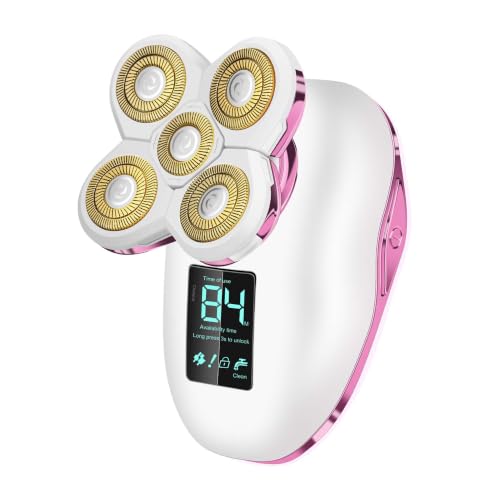
Check prices on Amazon
Live listings for the shortlist in this guide are pulled from Amazon below, so prices and availability are always current at the moment you look.


Closing perspective
The most satisfying shaver for a woman is seldom the one with the longest attachment list; it is the one whose head suits her main territory, whose battery never negotiates, and whose quiet, rinse-and-dry routine leaves her skin, her schedule, and her bathroom shelf feeling entirely unbothered.