Our Top Picks
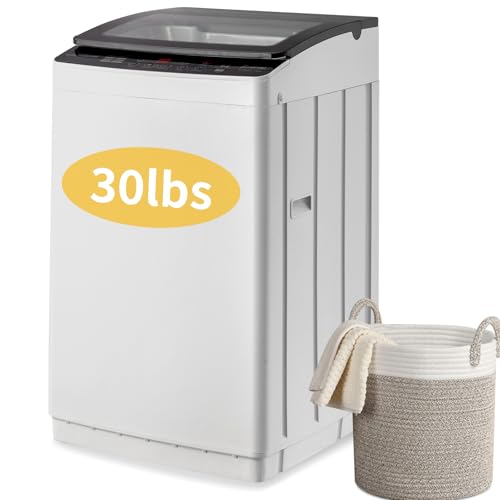 Winado 30LBS Full Automatic Portable Washing Machine with30LBS22.05 x 20.87 x 36.42 inches60.49 poundsCheck on Amazon
 BLACK+DECKER 4.1 Cu. Ft. Top Load Washing Machine4.1 Cu. Ft.26.93 x 25.75 x 42.13 inches116.83 poundsCheck on Amazon
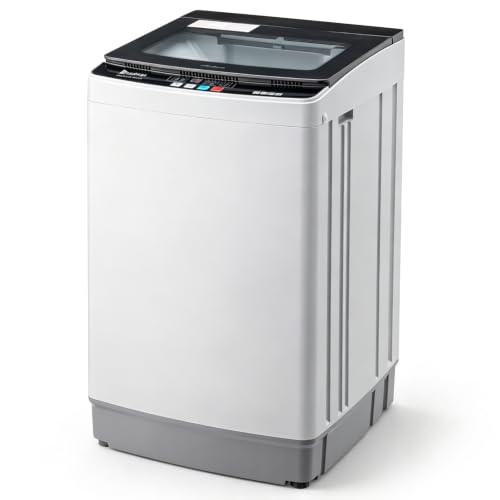 Winado 35LBS Full Automatic Portable Washing Machine with35LBS22.05 x 22.44 x 37.4 inchesCheck on Amazon


What's inside
- How an electric brush washer actually cleans
- Brush count and layout: inside and outside at once
- Submersible units against upright fixed designs
- Glass size ranges: stems, pints and everything between
- Hot water requirements and temperature discipline
- Detergent: low foam, low dose, correct chemistry
- Brush hygiene, wear and replacement
- Stability: suction feet, weighted bases and the push of a wet hand
- Power, throughput and the peak hour test
- Rinsing, racking and air drying
- The limits: crystal, decorated glass and pieces that stay at the sink
- Setting up a washing station that works
- Running costs and what ownership involves
- Questions buyers ask most often
- Matching the station to the drinks actually served
- A maintenance calendar for the washing station
- When a brush washer is the wrong purchase
- Check prices on Amazon
- Disclosure
As an Amazon Associate I earn from qualifying purchases. This post may contain affiliate links at no extra cost to you.
An electric brush glass washer occupies a particular niche in a bar: it is not a dishwasher, not a full commercial glass machine and not a substitute for a proper three-stage sink routine where regulations demand one, but for a home bar or a small venue washing glasses continuously through an evening, it changes the rhythm of the work completely. Instead of a growing stack of used glassware waiting for a batch cycle, each glass is washed individually in seconds, inside and out at the same time, and returned to service while the next drink is being built. Choosing well in this category means understanding brushes, basins, water temperature and stability rather than chasing a headline wash rate, because the machine lives in soapy water, gets knocked by hurried hands and handles the most fragile equipment in the building.
The settings that suit these machines share a pattern: moderate volume, a wide mix of glass shapes and a premium on turning glassware around quickly during peaks. A cocktail evening at home produces stemmed glasses, tumblers and mixing vessels in slow waves. A small wine bar or taproom produces pints and stemware in bursts that coincide with rounds, and the washer either keeps pace gracefully or becomes the point where the whole service slows. Published specifications describe motor power, brush counts and basin dimensions, but the working questions are simpler: does the brush arrangement reach the base of your tallest glass, does the unit stay planted when a wet hand pushes a glass down onto a spinning brush, and can the brushes be cleaned and replaced before hygiene becomes the reason the machine is retired to a cupboard.
How an electric brush washer actually cleans
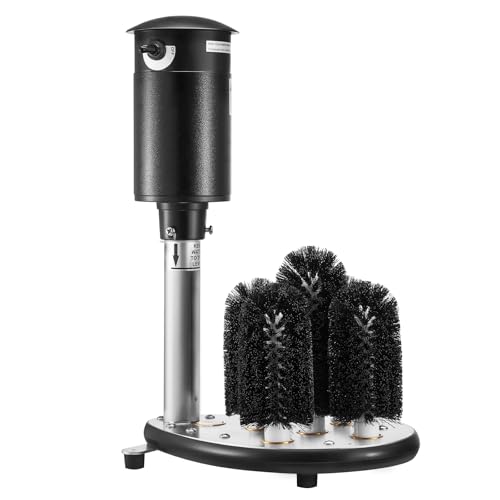
The mechanism is deliberately simple. One or more upright brushes rotate in a basin of hot, detergent-dosed water, driven by a motor sealed beneath or beside the basin. The operator lowers a glass over a brush so the bristles work the interior, while additional brushes or the same arrangement scrub the exterior, and the combination of mechanical action, hot water and detergent loosens the films that bar glassware accumulates: lipstick and lip balm at the rim, beer protein and lacing residue, wine tannin staining, citrus oils, dairy and egg-white traces from sours, and the general grease that fingers leave on the outside of a stem. Mechanical action is the element a spray of water alone struggles to reproduce, which is why brush washing produces a noticeably clean feel on glass that has held rich or oily drinks.
Residue matters in this context for reasons beyond appearance. Beer served in a glass carrying invisible grease loses its head quickly and laces poorly, wine shows streaks against the light, and clear cocktails look dull in glass that is technically sanitised but not mechanically clean. A brush machine addresses the film itself rather than merely rinsing it, provided the water is hot enough, the detergent is dosed for this kind of low-foam washing and the brushes are in good condition. Those three provisos run through every section of this guide, because the machine is only the moving part of a system whose other parts are water, chemistry and maintenance.
What these machines do not do is equally important to state at the outset. A brush washer washes; it does not, by itself, complete the rinse and sanitise stages that food safety frameworks for commercial premises typically require, and operators in licensed venues need to follow the rules that apply to their premises about the full sequence. At home the same sequence is good practice in miniature: wash in the machine, rinse in clean water, and air dry inverted. Treating the brush unit as the washing stage of a small system, rather than as a magical single step, leads to better glass and to buying decisions based on how well the unit performs its actual job.
Brush count and layout: inside and outside at once
Designs in this category commonly arrange between three and five brushes in the basin. A tall central brush serves the interior of the glass, while surrounding brushes, often shorter and angled, work the exterior as the glass is lowered between them. The advantage of simultaneous inside and outside contact is not only speed. Exterior glass carries fingerprints and bar-top moisture, and a glass that emerges clean inside but smeared outside still needs handling with a cloth, which reintroduces the lint and recontamination the machine was bought to avoid. Layouts that genuinely contact both surfaces in one pass produce glass that can go straight to the rinse and the drying rack.
Brush geometry deserves closer attention than brush count. The central brush needs enough length to reach the base of the tallest glass in regular service while its tip shape matches the interior profile: a brush that splays slightly at the top scrubs the shoulder of a wine glass, while a straight narrow brush suits tumblers and highballs. Exterior brushes need to meet the glass without forcing the operator to press hard, because pressure is where chips at the rim begin. Published descriptions that give brush heights and basin depth in figures allow a direct comparison against your own glassware measured at home, which is a more reliable exercise than trusting a general claim about capacity.
Bristle character shapes both cleaning and glass safety. Softer bristles are kind to delicate stemware and adequate for wine and cocktail films, while firmer bristles shift stubborn beer residue and dried-on garnishes more readily. Some designs mix bristle types across positions, with the interior brush softer and the exterior brushes firmer, a sensible division since the interior surface carries the drink while the exterior carries handling marks. Bristles that are worn flat, splayed permanently outward or missing in patches clean unevenly and can scratch by presenting broken ends, so the condition of the brush set is a performance specification in its own right, renewed each time the brushes are replaced.
Rotation behaviour completes the picture. Brushes that begin turning when the unit is switched on and run continuously suit a busy service where glasses arrive in a stream, while designs that start under pressure or with a glass present suit intermittent home use and reduce noise and splash during quiet stretches. Splash behaviour matters around a bar: a brush spinning fast in a shallow basin throws droplets, and the surrounding counter, bottles and the operator’s sleeves all receive them. Basin depth, brush speed and the water level the design maintains together decide whether the machine is tidy to live with or a source of constant wiping.
Submersible units against upright fixed designs
Two architectures dominate this category. Submersible designs place a compact motorised base directly into a sink filled with hot wash water, so the sink itself becomes the basin. Upright designs are self-contained countertop or sink-edge units with their own basin, filled and drained as part of the routine. The submersible approach adapts to sinks of different sizes, stores in a fraction of the space and suits home bars where the sink returns to general kitchen duty after the evening ends. Its working quality depends heavily on the sink: depth determines which glasses fit over the brushes, and a shallow sink limits the whole system no matter how good the brushes are.
Upright units trade storage space for independence and consistency. Their basins are shaped around the brush layout, water depth is repeatable from one service to the next, and the unit can sit in a dedicated washing position that does not compete with other sink work. In a small venue that separation matters, because the person washing glasses is rarely the only person who needs water during service. An upright unit also presents a fixed working height and position that staff learn once, whereas a submersible unit placed slightly differently each evening changes the ergonomics each time.
Electrical safety thinking differs between the two forms and deserves plain language. Submersible designs are engineered to operate in water with sealed housings and appropriate protection, and they must be used exactly within their manufacturers’ guidance about water level, handling while plugged in and inspection of cables and seals. Upright units keep the motor and connections further from the wash water but still live in a wet environment with splashes and overflowing basins. In both cases the discipline is the same: inspect the cable and housing as part of the routine, keep connections dry and elevated where the layout allows, and retire a unit whose seals, housing or cable show damage rather than nursing it through another season.
Owners deciding between the forms should start with an honest account of their sink and their storage. A deep, wide sink that is free during service makes the submersible form genuinely attractive and inexpensive in space. A cramped sink shared with food preparation, or a bar with a fixed washing station, points to the upright form. Renters and home users who must return a kitchen to normal each night usually value the submersible unit’s disappearance into a cupboard, while a venue with even a small dedicated bar area values the upright unit’s permanence.
Glass size ranges: stems, pints and everything between
Compatibility is decided by three measurements working together: the height of the central brush, the depth of water and basin around it, and the clearance above the unit where the operator’s hand and the glass must travel. A tall stemmed glass is washed bowl-first over the brush, so the brush must reach into the bowl while the stem and foot remain clear of the water and the surrounding brushes. Published brush heights in this category commonly fall in a range around fifteen to twenty three centimetres for the central brush, which covers most tumblers and wine bowls, but the longest brushes earn their place in bars serving large-bowled glasses or tall pilsner shapes.
Pint glasses present a different test. Their volume is generous, their bases are thick and the residue they carry, particularly from hoppy or dark beers, clings to the lower interior where a short brush never reaches. A glass that looks washed because its upper walls are bright may still carry a film at the base that flattens the next pour. Checking that the central brush length exceeds the internal depth of your tallest everyday glass, with a little to spare for the operator’s grip, is the single most useful measurement exercise in this whole category, and it requires only a ruler and the glasses already on your shelf.
Width matters at the other end of the range. Narrow flutes, small coupes and tasting glasses need a central brush slim enough to enter without forcing the rim, and forcing is how delicate glass breaks against a rotating brush. Designs whose central brush is very thick serve sturdy tumblers well and exclude slender stemware entirely. Home bars with a mixed shelf should favour a middle profile and accept washing the narrowest flutes by hand, while a venue built around one or two glass shapes can choose brushes matched closely to those shapes and gain speed from the fit.
Feet, stems and bases introduce handling limits that no brush specification captures. A glass is held by its stem or base while the bowl is on the brush, and the operator’s grip is the only thing resisting the brush’s rotation. Long stems flex, heavy bases tire the hand across a long service and ornate stems with knobs or twists are harder to hold securely with wet fingers. These are reasons to wash the most fragile stemware in short, deliberate passes and to keep a hand-washing option for the pieces whose value or sentimental weight makes any machine a poor risk, a point the limits section returns to.
Where a household already runs a conventional machine for the rest of its glassware, the division of labour usually settles with tall and awkward pieces staying in the dishwasher racks, and the sizing notes set out in best dishwashers for tall glasses cover that side of the shelf for readers equipping both washing routes at once.
Hot water requirements and temperature discipline
Brush washing depends on hot water in a way that cold rinsing never matches, because heat loosens grease, activates detergent and helps glass dry spot-free afterwards. Guidance for this class of equipment commonly centres on wash water in the region of forty five to fifty five degrees Celsius, hot enough to cut bar films effectively while remaining manageable for the operator’s hands during a long service and safe for the glass itself. Water far above that range brings risks of its own: thermal stress in glass that has held iced drinks, discomfort that shortens washing passes and accelerated wear on brushes and seals.
The practical question for a home bar is where that hot water comes from and how its temperature is maintained across an evening. A basin filled at the start loses heat steadily, faster in a cold room and faster still when cold glasses arrive in a stream. Small venues sometimes place the washing station near the water heater’s most reliable supply or refresh the basin partway through a peak, accepting the pause as part of the routine. Submersible units inherit the temperature of the sink fill, so the habit of checking with a hand and refreshing when the water feels merely warm is a genuine quality control step, not fussiness.
Cold glasses deserve a sentence of their own. A glass taken straight from a freezer or an ice-filled sink and plunged onto a brush in hot water experiences a sharp temperature change across a thin wall, and chilled glassware is exactly where chips and cracks choose to appear. Letting frosted glasses stand for a short while, or rinsing them in cool water before the hot wash, reduces that shock. The same logic applies in reverse at the end of washing, where a hot glass set onto a cold stone counter or filled immediately with iced drink meets another abrupt change; a brief rest on the drying rack is both a drying step and a safety step.
Venues should also think about what hot washing does to their water bill and their drainage over a season, not an evening. A brush basin uses far less water than repeated sink fills or running a large machine for small loads, which is part of the category’s appeal, but the basin is refreshed rather than recirculated indefinitely, and honest accounting includes those refreshes. Grease and detergent in the waste water are ordinary for a bar, yet a basin emptied thoughtfully, with solids caught rather than washed toward the drain, keeps plumbing happier across a year of services.
Detergent: low foam, low dose, correct chemistry
Detergent for brush washing is a specific product class, and using whatever washing-up liquid is nearest is the most common way owners undermine a good machine. The requirement is a low-foaming formulation dosed lightly, because foam is the enemy of the whole arrangement: it insulates the glass from the brushes, overflows the basin, hides the water level and leaves residues that show as streaks and taste faintly in the next drink. Products made for bar glass washing are designed to cut grease and protein at low concentration without building a head of suds, and their dosing guidance, often a small measured amount per basin fill, should be followed rather than improved upon by instinct.
Overdosing is the usual error and it is counterproductive in every direction. Excess detergent does not clean faster; it foams, it rinses poorly and it can leave glass feeling slick, which is the opposite of the squeak-clean surface that holds a beer head properly. Underdosing leaves grease to accumulate across the evening until the last glasses washed are emerging dirtier than the first, redepositing film from water that has become a dilute soup of everything washed before. The basin refresh is part of dosing discipline: when the water cools, clouds heavily or begins to foam despite correct product, the answer is a fresh fill rather than another squeeze of detergent into tired water.
Rinse aids and sanitisers belong to their own stages and should not be improvised into the wash basin. Mixing products casually can neutralise the detergent, create residues or produce fumes in a small bar space, and manufacturer guidance for both the machine and the chemicals governs what may be combined. Operators in commercial settings work within their local rules about sanitiser type and concentration at the rinse stage, measured rather than guessed. At home, clean rinse water changed as it clouds, followed by air drying, covers the same ground in a simpler form.
Storage and handling of the detergent are minor but real considerations in a compact bar. A concentrated product stored beside drink ingredients invites mistakes during a busy service, so the washing station should keep its chemistry in a defined place, labelled, with the measure used for dosing kept with it. Hands that wash glasses for an evening in hot detergent water also deserve attention; skin dries and cracks under that exposure, and cracked skin around a bar is both uncomfortable and unhygienic, so a rotation of washing duty in a venue, or a pause and hand care at home, is part of running the station well.
Drying is where detergent discipline becomes visible, because glass that was washed in over-foamed water spots and streaks as it dries no matter how it is racked, and the cloths used to rescue such glass matter as much as the rack, which is why the material and laundering points in best bar towels repay attention alongside the washing equipment itself.
Brush hygiene, wear and replacement
Brushes clean glass by contact, and everything they remove goes somewhere: into the wash water, and into the brush itself. A brush that is never cleaned becomes a reservoir of the residues it was meant to remove, pressed against the interior of every subsequent glass. Hygiene in this category is therefore a routine, not an occasional deep project. At the end of a service the brushes should be rinsed thoroughly in clean water, inspected under a decent light and left to dry in air rather than sitting in cooling wash water overnight, which is the fastest route to sour smells and degraded bristles that this equipment offers.
Soaking guidance varies by manufacturer, and where a maker permits a sanitising soak for the brushes, the concentration and duration in that guidance are the ones to use, followed by a thorough rinse so that nothing intended for the brush reaches the next glass. Brushes that can be removed from the machine make all of this easier, and removability is a purchase criterion in its own right: a design whose brushes lift off for cleaning and replacement will be maintained, while a design that requires partial disassembly will be maintained eventually, which in practice means rarely. Published product information usually states whether brushes are removable and whether replacements are sold, and both facts deserve weight equal to motor figures.
Wear announces itself in stages. Bristles soften and lose their scrubbing edge first, so washing passes grow longer before anyone notices visible damage. Then the brush profile changes, with bristles splaying outward or flattening on the side that meets the glass most often, and cleaning becomes uneven between the base and the walls of a glass. Finally individual bristles break or shed, at which point replacement is overdue, because a shedding brush deposits fragments exactly where drinks are poured. A home bar washing a few dozen glasses a week may keep a brush set in good order for a long period, while a venue washing hundreds nightly should expect replacement as a recurring cost of the station and keep a spare set so that a worn brush discovered on a Friday is not a crisis.
Rotation and spares deserve a practical note. Where a design uses identical brushes in several positions, rotating them between positions evens the wear, since the central brush works harder than the exterior set. Keeping the removed set, once cleaned and dried, as an emergency spare is better than discarding a set that is worn but serviceable. Marking a calendar or a stock note with the date a set entered service turns replacement from guesswork into a decision based on how the brushes actually look against their age, and in a venue it gives the person responsible for ordering a rhythm to work to.
Stability: suction feet, weighted bases and the push of a wet hand
A brush washer is operated by pushing a glass downward onto a rotating brush, repeatedly, with wet hands, often at speed. The machine must stay where it was placed under that treatment. Submersible units typically rely on suction feet gripping the sink floor, and their hold depends on the sink surface being smooth and clean at the moment of placement; a sink with a brushed texture, a residue of detergent from earlier work or a slight slope toward the drain all weaken the grip. Pressing the unit down firmly to seat the cups before filling is a step worth building into the setup routine, along with a deliberate tug to confirm the hold before the first glass of the evening.
Upright units rely on weight and footprint instead. A heavier base with a low centre of gravity resists both the downward push and the sideways nudge that happens when an operator works at an angle, and rubber feet keep a countertop unit from creeping across a wet surface as the evening progresses. Creep is the failure mode to watch for: a unit that migrates a few centimetres per hour eventually reaches a position where its cable is strained, its basin overhangs a counter edge or its brushes sit awkwardly for the operator’s stance, and each of those endpoints is worse than the minor annoyance of repositioning it during a quiet moment.
Technique protects stability as much as hardware does. A glass should be lowered onto the brush with the machine’s axis, not levered sideways against the bristles, and resistance from a brush is information to ease off rather than push through. Operators who brace the unit with the free hand during the first passes of a service learn quickly whether the feet have held, and in a venue that small habit, taught to everyone who washes, prevents the one dramatic slide that breaks glass and confidence together. Mats designed for bar service under an upright unit can add grip and catch splash at the same time, provided the mat itself is washed as part of the station routine rather than left to grow slippery.
Power, throughput and the peak hour test
Motor ratings in this category are modest by kitchen standards, commonly in a range around ten to forty watts for compact brush units, because the work is turning light brushes in water rather than driving pumps or heaters. The figure is still worth reading for what it implies about torque: a brush pressed by a glass slows if the motor lacks the reserves to hold speed, and a brush that slows under ordinary pressure cleans less in each pass. Published information rarely gives torque directly, so the useful signals are motor class, whether speed is maintained under load in the maker’s description, and the physical sturdiness of the drive connection between motor and brushes.
Throughput claims need translating into service reality. Figures in this category are often expressed as glasses per hour in the hundreds, sometimes higher, and those numbers describe continuous washing by an operator doing nothing else with ideal glassware arriving in an unbroken stream. Real service is bursty and the washer competes with rinsing, racking and the operator’s other duties. The meaningful test is narrower: during the busiest fifteen minutes, can one person wash, rinse and rack fast enough that the bar never waits for a clean glass of the shape it needs. A machine that washes a glass in a few seconds of brush contact passes that test comfortably in most small settings, and the bottleneck usually turns out to be rack space and rinse capacity rather than brush speed.
That insight should redirect some purchasing attention. A slightly faster brush unit bought instead of adequate drying racks and a sensible rinse arrangement makes the station worse, not better. Planning the whole station, machine, rinse, rack and towel, as one small system is the difference between a bar that glides through a peak and one where clean wet glasses accumulate in unstable stacks while the washer idles. Home bars feel the same effect at smaller scale during a party, when the cook, host and washer are the same person and every unnecessary movement is paid for in time away from guests.
Households comparing a brush station against relying on a compact dishwasher for everything will find the capacity and cycle trade-offs for smaller machines set out in best 18 dishwashers, which is useful background when the bar corner and the kitchen share one washing budget.
Rinsing, racking and air drying
The rinse after brush washing is brief and decisive. Its job is to remove loosened residue and detergent film in clean water, and it fails quietly when the rinse water is allowed to become as loaded as the wash water was. Changing rinse water on the same triggers as wash water, cloudiness, cooling or visible foam, keeps the stages distinct. A gentle swirl and a shake over the sink remove most rinse water from the glass; what remains should be allowed to leave by evaporation rather than by cloth, because air drying on a rack is what produces the clear, unmarked finish that makes brush washing worthwhile.
Rack design affects the result more than its price suggests. Glasses should rest inverted at a slight angle or on pegs that allow air to circulate into the bowl, on a surface that does not pool water against the rim. Resting a wet glass rim-down on a flat, non-draining surface traps moisture and can pick up odours from the surface itself, while stacking wet glasses to save space guarantees water marks, sticking and the occasional crack when two stuck glasses are persuaded apart. Slatted racks, draining boards with grooves and mats made for bar glassware all solve the same problem in different footprints, and the right choice is the one that fits the station without encouraging stacks.
Polishing is a separate, occasional act rather than a drying method. A clean, lint-free cloth used on a dry glass before service removes the last water spots for presentation, especially on wine glasses held against the light. Polishing a wet glass straight from the rack, by contrast, smears moisture and handling marks across the bowl and occupies hands that service needs elsewhere. Venues that polish build it into preparation before the peak rather than during it, and home hosts can borrow that timing by preparing the evening’s principal glasses in advance and letting the brush station handle the turnover during the event itself.
The limits: crystal, decorated glass and pieces that stay at the sink
Thin crystal is the clearest boundary for this category. Fine crystal glassware has walls and rims far thinner than standard bar glass, and the combination of a rotating brush, an operator’s downward pressure and a moment’s inattention can chip a rim or stress a bowl in ways that ordinary glassware would shrug off. Some crystal is also sensitive to thermal change and to detergent exposure over time, losing clarity gradually. The prudent rule is that heirloom, handmade and very fine stemware is washed by hand in warm water with a soft cloth, one piece at a time, regardless of how gentle a machine claims to be, because the value at risk is out of proportion to the seconds saved.
Decorated glass raises a different objection. Painted designs, metallic bands, printed logos and applied colour sit on the surface the exterior brushes scrub, and repeated mechanical contact fades, scratches or lifts decoration that hand washing would preserve for years. Novelty glasses, souvenir pieces and the decorated highballs that households accumulate as gifts belong at the sink for the same reason. Gilded rims deserve special mention because the metal layer is thin, soft and often the first thing a guest’s eye checks; a brush will take its brightness off long before the glass itself shows wear.
Other exclusions are practical rather than precious. Very large vessels that cannot sit over the central brush without the operator forcing an angle should not be persuaded, because angled pressure is how brushes bend and rims chip. Glasses with existing chips or hairline cracks should be retired rather than washed by machine, since rotation and pressure can extend a crack suddenly and a glass that fails in the basin creates a sharps hazard in soapy water where hands cannot see. Non-glass barware, including delicate plastic and coated vessels, follows its own makers’ guidance and generally stays out of a hot brush basin unless that guidance permits it.
Setting up a washing station that works
Station layout follows the order of the work: used glasses land on one side, the wash sits in the middle with rinse beside it, and clean glasses rack on the other side, so that dirty and clean streams never cross and hands move in one direction. At a home bar this may be nothing more than a deliberate arrangement along a counter for the evening, cleared and set before the first guest arrives. In a small venue the arrangement is permanent enough to be worth fixing positions for the unit, the rinse and the racks, and worth lighting properly, because judging whether glass is clean is visual work done quickly and poor light over a washing station quietly lowers the standard of everything that passes through it.
Water supply and drainage shape the station as much as the machine does. Filling and refreshing a basin several times in an evening argues for a tap that reaches the basin without lifting it, and for a drain that can be reached without carrying a full basin across a floor. Splash management belongs in the same plan: a unit placed where its spray reaches bottles, garnishes or electrical outlets creates problems larger than wet counters. A short splash guard, a mat and a towel kept for the station’s surfaces are cheap components that make the difference between a station that is pleasant to run and one that the staff avoid until glasses run out.
Training, in a venue, is part of setup. Everyone who washes should know the water temperature the station aims for, the detergent dose and its measure, the signs that water needs changing, the glasses that never enter the machine and the end-of-service routine for the brushes. A short written version of that routine kept at the station survives staff changes and busy nights better than memory does. At home the same list, kept informally, prevents the slow drift in which dosing grows, water changes shrink and the brushes are discovered months later in a state that explains why the glass had stopped looking bright.
Running costs and what ownership involves
The purchase is the beginning of a modest but real cost stream: replacement brush sets at intervals set by volume, detergent made for the purpose, hot water and the electricity a small motor uses, which is minor beside the water heating. Owners who budget for brushes as a consumable, the way a kitchen budgets for cloths and scouring pads, keep the machine performing as bought; owners who treat the original brush set as permanent watch performance decline and often blame the category rather than the maintenance they skipped. Published availability of replacement brushes for a given design is therefore a financial fact as much as a convenience, since a machine whose brushes cannot be obtained becomes disposable when they wear.
Longevity also depends on the unglamorous handling between services. A unit rinsed, dried and stored with its brushes aired lasts longer than one left assembled in a damp basin, and a cable coiled loosely rather than wound tightly around a wet housing survives more evenings. Descaling is rarely a headline topic for brush washers, yet in hard water areas mineral deposits build on housings, basins and brush bases, stiffening bristles and marking glass; a periodic wipe-down with a suitable descaling approach, following the manufacturer’s guidance for the materials involved, keeps a station in a hard water home from slowly losing the clarity it was bought to produce.
End of life should be planned rather than discovered mid-service. Motors in this class eventually weaken, seals perish and housings crack, and a venue that depends on the station should know its replacement route before the evening the unit fails during a peak. Keeping the hand-washing routine practised and the sink arrangement workable is the standing backup, and it costs nothing. Home users face a softer version of the same logic: the machine is a convenience layered over a sink that must always be able to do the job alone.
Questions buyers ask most often
Can one machine handle both pints and wine glasses well?
Yes, within the measurement limits described earlier, provided the central brush is long enough for the pint’s internal depth and slim enough for the wine bowl, and the exterior brushes meet both shapes without forcing. Bars whose glassware clusters at the extremes, very tall pints and very narrow flutes, may find that one shape is always a compromise, and the honest answer there is a brush set chosen for the dominant glass with hand washing retained for the outlier. Checking your own tallest and narrowest pieces against published brush dimensions settles most of the question before money is spent.
Does a brush washer replace a dishwasher in a small venue?
It replaces the dishwasher for glassware turnover during service, which is the job it is designed for, but the two machines are not interchangeable across the whole washing load. A dishwasher handles batches of mixed items unattended and reaches the temperatures its cycles are built around, while the brush station handles glass continuously, one piece at a time, with an operator present. Many small venues run both, with the brush station carrying the evening’s glass traffic and the dishwasher carrying everything else, and home bars usually choose one based on whether their problem is batch capacity or turnaround speed.
How long does washing one glass actually take?
The brush contact itself is a matter of seconds for an ordinary glass, a few passes inside and out, with the total handling time including rinse and racking still well under a minute for most pieces. Heavily soiled glasses, dried beer residue or lipstick that has set, take longer and occasionally benefit from a brief soak in the basin before brushing rather than extended pressure on the brush. Speed in this category is best understood as the absence of waiting: there is no cycle to finish and no rack to fill before the machine will start, which is why the station feels fast in service even though each glass is handled individually.
A related piece of equipment enters many of these buying conversations because bars that wash glass constantly also blend constantly, and readers weighing the two purchases together can compare motor and jar considerations in best glass blenders for smoothies before deciding which upgrade comes first.
Matching the station to the drinks actually served
Different drinks leave different work behind, and a station chosen for the drinks a bar actually serves will always outperform a generic choice. Beer service is the most demanding in one specific way: the residue is protein and hop material that clings low in the glass and punishes any grease left behind, because the next pour’s head is a public report on how the glass was washed. A beer-led venue should weight brush length, firm interior bristles and strict water refreshing more heavily than any other criteria, and should treat the rinse as part of the pour’s quality rather than a formality after washing. Glasses for lager and hop-forward styles are also the ones most often washed in true peaks, arriving back at the bar in rounds, so the station’s layout and rack capacity are beer questions as much as the machine is.
Wine service shifts the emphasis toward delicacy and clarity. The films are lighter, tannin staining on the bowl and lip marks at the rim, but the glasses are larger-bowled, thinner and far more expensive to replace, and they are judged against the light by people who notice streaks. Softer interior bristles, careful temperature discipline and genuine air drying matter more here than raw scrubbing force. A wine-led home bar can also accept a slower pass per glass in exchange for gentleness, because its peaks are gentler too, and the deciding measurement becomes whether the central brush enters the largest bowl on the shelf without the rim meeting resistance.
Cocktail service produces the widest mixture of shapes and the stickiest residues in the smallest glasses. Egg white, cream, syrups and muddled fruit all dry into films that resist a quick pass, and the vessels range from coupes and Nick and Nora glasses to mixing tins’ glass partners and heavy rocks glasses with thick bases. The rocks glass is its own small problem: short, wide and heavy, it sits over a brush differently from stemware, and its base thickness means the interior depth is less than its height suggests, which flatters brush length while its weight tires the washing hand across a long evening. A cocktail-led bar benefits from a brush profile in the middle of every range and from a soaking habit, where the stickiest glasses rest briefly in the basin while others are washed, returning to the brush with their films already loosened.
Non-alcoholic service is easy to overlook in this planning and should not be. Highballs of soda and citrus, iced teas and coffee-based drinks in glass leave sugar films and oils that attract dust and show fingerprints, and in many home settings these glasses outnumber the alcoholic ones across a week. A station that handles them well is used daily rather than only at parties, which changes the ownership calculation: brushes wear on a steady rhythm, the detergent becomes a household staple and the machine earns its counter or cupboard space continuously instead of occasionally.
A maintenance calendar for the washing station
Routines survive when they are attached to moments that already exist, so the useful way to organise care for a brush washer is by the rhythm of service rather than by abstract intervals. At the start of each session the checks are brief: brushes seated firmly, basin or sink clean before filling, water brought to temperature, detergent measured rather than poured by eye, and the unit’s stability confirmed with a deliberate push before the first glass. That two-minute sequence prevents most of the failures that otherwise appear mid-service, when there is no time to diagnose them calmly.
During service the triggers are observational. Water that has cooled noticeably, clouded heavily or begun to hold foam is finished, whatever the clock says, and the refresh is quicker than the gradual decline in results that follows from stretching a fill. A brush that starts to feel soft against the glass or a glass that needs a second pass it did not need an hour earlier are both messages from the station that something, water, dosing or brush condition, has drifted. Operators who learn to read those messages keep quality level across an evening instead of discovering at the end that the last hour’s glasses need rewashing.
- Each session: seat and inspect the brushes, fill with measured detergent, confirm the unit is stable.
- During service: refresh water when it cools, clouds or foams, and rinse brushes clear of visible residue.
- After service: wash and rinse the brushes, empty and wipe the basin, leave everything to air dry.
- Weekly in regular use: inspect bristles for splaying and shedding, check suction feet or base pads, wipe down the housing.
- Seasonally: review brush condition against a spare set, descale where hard water has marked the basin, and inspect the cable and seals closely.
The end-of-service routine is the one that determines how the next session begins. Brushes rinsed and left in air, a basin emptied and wiped rather than left holding grey water, racks cleared so that clean glass is not stored in the washing area, and the unit itself given a moment’s inspection while hands are already there. None of this is elaborate, and all of it is skippable on a tired night, which is precisely why it belongs in a written routine for a venue and in a settled habit for a home. Machines in this category rarely fail dramatically; they fade, through accumulated small neglects, until one evening the glass simply does not come clean and the owner concludes the machine was never much good. A calendar of small attentions is the entire difference between that story and a station that works the same in its third year as in its first month.
When a brush washer is the wrong purchase
Honesty about fit saves money in this category, because there are bars whose patterns a brush station serves poorly. A household that uses a handful of glasses a week and already runs a dishwasher most evenings gains little beyond another appliance to store, since the setup, filling and cleaning of the station take longer than the washing it replaces at that volume. A venue whose glassware is dominated by very fine stemware faces the same conclusion from the other direction: the machine would stand idle beside a sink doing the real work by hand. Space can decide the question on its own, because a station needs its landing area, its rinse and its racks as well as the unit, and a bar corner that cannot give the system that footprint will produce a cramped routine that staff route around. In each of these cases the better purchase is the unglamorous one, improved racks, good cloths and a sink routine done properly, and recognising that before buying is part of what a buying guide is for.
One last habit separates stations that stay pleasant from stations that become chores: putting everything back in its place at closing, rather than leaving the unit, brushes and racks wherever the last busy hour dropped them. A station that starts each evening assembled and clean invites careful behaviour, while one that must be hunted for invites shortcuts, and shortcuts in washing show up in the glass.
Check prices on Amazon
Live listings for the shortlist in this guide are pulled from Amazon below, so prices and availability are always current at the moment you look.

Disclosure
Bars reveal their standards in small, repeated acts, and the way glassware is washed when nobody is watching says more about a place than its menu does, so this guide has treated the washing station as a system of water, brushes and habits rather than a single appliance. As an Amazon Associate we earn from qualifying purchases. That arrangement sits behind the guide without altering its criteria, which are drawn from published specifications, manufacturer guidance and the operating realities of home bars and small venues described in the sections above.
When the last glass of the night comes off the rack clear, dry and ready to be filled again without a second thought, the station has done everything this category promises, and that quiet reliability is the standard worth buying toward.