Our Top Picks
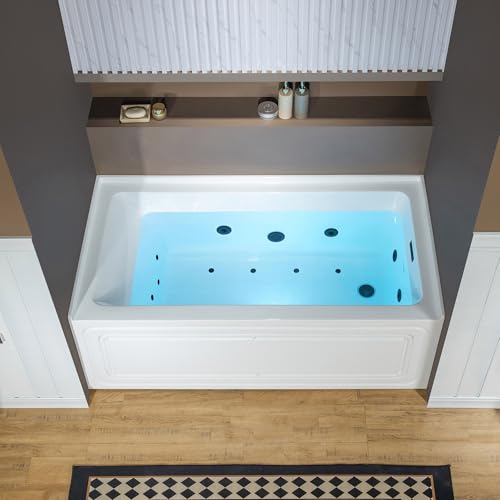
 WOODBRIDGE 72"×35-3/8" Double Slipper Whirlpool&Air72 x 35.38 x 29.13 inches142 poundsCheck on Amazon
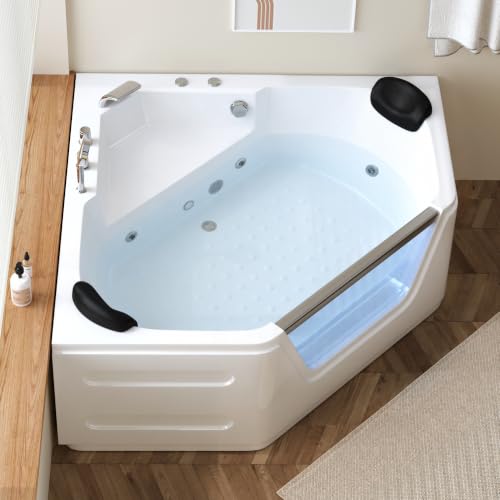
 Empava 2-Person Corner Whirlpool Tub with Heater &59 Inch59 x 59 x 25 inches150 poundsCheck on Amazon


What's inside
- Why Jason Sits in a Different Conversation From Ordinary Tubs
- The Soaking Format: Still Water, Done Deliberately
- Air Baths and the MicroSilk Idea: Bubbles With Two Different Jobs
- Whirlpool Formats: Directed Water and the Questions That Come With It
- Combined Systems: Two Registers in One Shell
- Sizing the Shell: Length, Width and the Space Between the Walls
- Installation Types: Drop-In, Undermount and Freestanding
- Electrical and Plumbing Realities Behind the Brochure
- Living With the System: Flushing, Cleaning and Water Care
- Reading the Brand’s Families Without Memorising Model Names
- Controls, Heat and Light: The Options Layer, Read Carefully
- Renovation Sequencing: Where the Tub Sits in the Project
- Who Each Format Serves: Matching the System to the Household
- A Final Verification Pass Before Any Order
- Check prices on Amazon
- One Last Note on Water Itself
As an Amazon Associate I earn from qualifying purchases. This post may contain affiliate links at no extra cost to you.
Some links on this page may earn this site a commission if you choose to buy through them, at no extra cost to you, which helps keep these brand guides free to read.
Why Jason Sits in a Different Conversation From Ordinary Tubs
Jason International, usually shortened to Jason in showroom conversation, built its reputation around hydrotherapy rather than around decorative tub shapes alone. That distinction matters from the first paragraph of any honest guide, because a buyer choosing this brand is really choosing a water experience first and a silhouette second. The shell, the rim profile and the finish still matter for how the room looks, yet they are supporting decisions behind the therapy format. Read the range in that order and the catalogue becomes far easier to understand, even without memorising a single model name. This guide therefore works at the level of formats and product families, the level at which the brand itself organises its thinking.
Hydrotherapy, as the word is used by tub makers, needs a calm and honest translation before any format comparison begins. In manufacturer language it describes bathing in moving, aerated or warmed water for relaxation and comfort, and that is exactly how it should be read here. It is a positioning about how a soak feels at the end of a long day, not a promise to treat, cure or prevent any medical condition. Anyone hoping a bath will address a specific health problem should take that question to a clinician, not to a tub brochure. Keeping that boundary clear protects the buyer and, frankly, makes the comfort claims that remain much easier to trust.
The brand story also explains why the range can look complicated at first glance to someone arriving from ordinary acrylic tubs. A conventional tub catalogue is organised mostly by size and shape, because the product is essentially a vessel that holds water. A hydrotherapy catalogue adds a second axis, the system inside the vessel, and every shape can in principle pair with more than one system. Length times system times installation type multiplies quickly into dozens of combinations that share very similar names. The way through is to fix one axis at a time: therapy format first, then dimensions, then installation, then the practical details.
Nothing in this guide rests on having filled, run or soaked in these tubs, and the wording will not pretend otherwise. The comparison rests on manufacturer-published descriptions of each format, on the specifications makers publish for sizing and electrical work, and on patterns in published user feedback. Where a detail belongs to a specific model rather than to a format, this guide says so instead of inventing a number. That discipline matters most for jet counts, pump sizes and control features, which vary widely inside a single family. Treat every archetype described here as a shortlisting tool, then confirm the exact figures on the documentation for the precise tub under consideration.
The Soaking Format: Still Water, Done Deliberately
The simplest Jason format is the soaking tub, a deep vessel with no jets, no blower and no pump, and it deserves more respect than it usually gets. Still water at a comfortable depth does real work in a bathing routine: full shoulder coverage, even warmth and complete quiet. Because there is no system to run, there is also no system to flush, no circuit beyond any separate filler electronics, and no mechanical noise at all. For buyers who know they prefer a silent bath, the absence of machinery is a feature rather than a compromise. It is also the format against which the price and complexity of every jetted option should be measured.
Depth is the specification that decides whether a soaking tub delivers on its promise, and depth is not the same as length. Look for the soaking depth figure, the distance from the floor of the tub to the overflow, in the published dimensions for any candidate. A long but shallow tub can leave shoulders and knees alternating above the waterline, which defeats the purpose of the format. A shorter, deeper well often gives the more enveloping soak, provided the bather’s legs can stretch or bend comfortably. Published user feedback returns to this point repeatedly: people praise depth they can feel and complain about length that looked generous on paper.
Ergonomics inside a soaking shell are quiet details that published drawings reveal better than photographs do. A lumbar slope that supports the lower back lets a bather stay in longer without bracing against the end wall. Armrest mouldings, where a family offers them, change how relaxed the shoulders can be during a long soak. The position of the drain and overflow decides whether a taller bather’s feet or back meet hardware mid-soak. None of these details needs a showroom visit to assess; dimensioned drawings from the manufacturer show each of them plainly.
Soaking tubs also suit households that are honest about maintenance appetite, because the care routine is the care routine of any fine tub. Wipe the surface, mind the waterline, avoid abrasive cleaners on the finish, and the vessel asks nothing more. There are no lines to purge, no jets to soak in cleaning solution and no blower to run dry after a bath. For a second bathroom or a guest suite that sits unused for weeks, that simplicity has genuine practical value. A jetted system that is rarely run still needs periodic flushing, while a soaking tub can simply wait.
Air Baths and the MicroSilk Idea: Bubbles With Two Different Jobs
The air bath format replaces the focused push of water jets with a broad field of bubbles released through small ports in the tub floor or walls. A blower warms and pushes air through those ports, so the sensation is an effervescent surround rather than a directed massage stream. Bathers who find whirlpool jets too intense often describe air bathing as the gentler register of hydrotherapy, and published feedback supports that contrast. Because the ports carry air rather than recirculated bath water, the plumbing picture and the cleaning picture both differ from a whirlpool. Understanding that difference is the key to choosing between the two great jetted families in this range.
Within the air bath idea, the brand’s published materials give particular prominence to its MicroSilk technology, and it needs explaining on its own terms. As the manufacturer describes it, the system generates extremely fine microbubbles, far smaller than ordinary air bath bubbles, that form a silky, milky cloud in the water. The published positioning centres on the feel of that cloud on the skin and on an oxygen-rich bathing environment as the brand presents it. Read those claims as comfort and experience claims in the maker’s own framing, which is the honest category for them. They are not, and should not be repeated as, clinical findings, and this guide treats them strictly as a description of a bathing sensation.
The practical difference between a standard air system and a microbubble system shows up in what the bather notices minute by minute. Ordinary air ports produce visible, lively bubbling that moves the water surface and cools the bath slightly faster through agitation. A microbubble cloud, by the manufacturer’s account, is quieter in character, with the water turning opalescent and the sensation described as enveloping rather than fizzy. Neither is objectively better; they are different textures of soak, suited to different temperaments. Buyers who can, should sit in a dry display shell to judge size, then rely on published descriptions and owner feedback for the wet character of each system.
Blower placement and air line routing are unglamorous details that decide how an air bath behaves years after installation. The blower needs a home with air access, commonly under the tub deck, in an adjacent cabinet or in a nearby closet, connected by air lines to the ports. Published installation documents for this format stress keeping that equipment reachable, because a blower sealed behind tile becomes a demolition problem if it ever needs service. An access panel planned from the start costs little and preserves every future option. Ask any installer, before work begins, to show exactly where the blower will sit and how a technician would reach it.
Air systems also change the sound signature of a bathroom, and the change deserves a place in the decision. A blower produces a steady hum that carries through a quiet house differently from the lower note of a water pump. In an ensuite used after a partner has gone to sleep, that hum can matter as much as any therapy claim. Published owner feedback mentions noise in both directions: some bathers find the sound part of the cocoon, others wish they had considered it sooner. If the tub will share a wall with a bedroom, raise the question early and look at remote blower placement as the usual answer.
Water temperature behaves differently in an air bath, and planning for it avoids a common disappointment. Moving air through water encourages heat loss, so an air bath can cool faster than a still soak of the same starting temperature. Some configurations in this segment pair the air system with a heating element intended to take the chill off the blown air or help maintain bath temperature. The exact arrangement is model-specific, so treat heat support as a question to ask of the documentation rather than an assumption. A generous water heater and a realistic soak length matter more to comfort than any single feature line in a brochure.
Whirlpool Formats: Directed Water and the Questions That Come With It
The whirlpool format is the oldest register of hydrotherapy in the range: a pump recirculates bath water through adjustable jets set into the tub walls. The sensation is directional and localised, a stream that can be aimed at the lower back, the shoulders or the calves depending on jet placement. Bathers who want the bath to work on a stiff back after physical work usually start their search here, in comfort terms. That same direction is what makes jet placement, rather than raw jet count, the specification worth studying. A handful of well-placed jets in the published layout drawing tells a buyer more than a large number quoted without positions.
Jet counts in marketing copy deserve a sceptical and specific reading whenever they appear in this segment. Counts can include small accent jets, air induction features or clusters that serve one body zone, so totals are not comparable across families. The useful questions are simpler: where are the largest jets, can their direction be adjusted, and can their intensity be varied or shut down individually where the design allows. Published layout drawings answer the first question, and the manufacturer’s feature list answers the other two. A buyer who works through those three questions knows more about a candidate than any headline number can convey.
Pump position shapes both the feel and the servicing future of a whirlpool tub, so it belongs in the early conversation. The pump commonly sits at one end or side of the shell, under the deck of a drop-in or behind the apron of an alcove design. Short, direct plumbing runs between pump and jets support stronger flow and simpler drainage than long, winding ones. As with blowers, the pump must remain reachable through an access panel sized for a technician’s hands and tools. Published installation guidance for jetted tubs treats that access as a requirement, and any installation plan that hides the pump should be challenged.
Whirlpool systems ask the most of a household’s cleaning routine, and honesty about that routine belongs in the buying decision. Because the lines carry bath water, they can hold residual moisture between uses, which is why makers publish purge and flushing instructions for this format. The typical routine involves periodically filling the tub, adding a system cleaner specified for jetted lines, running the pump as directed and draining. Households that will happily do that a few times a year will find the format easy to live with. Households that know they will not should weigh the air bath or soaking formats more heavily, and there is no shame in that calculation.
A whirlpool tub also interacts with what goes into the bath water, in ways a soaking tub never asks about. Oils, bath additives and heavily fragranced products can leave residues inside recirculating lines and add to the flushing burden. Manufacturer guidance for jetted systems commonly steers owners toward products made for jetted tubs, or toward adding scent after the jets stop. Foam is another practical consideration, since agitated water multiplies lather far beyond what still water produces. None of this is difficult, but it is a genuine lifestyle fit question, and it is cheaper to ask it before purchase than after.
Readers comparing narrower whirlpool layouts for a remodel will find the dedicated guide at best 36 wide whirlpool tubs useful alongside this brand overview. Width is the constraint that decides whether a whirlpool fits an existing alcove without moving walls, and thirty-six inches is a common pinch point. The brand families discussed here and the narrower segment overlap in format even where they differ in maker. Use the segment guide for the dimensional landscape and this page for the therapy-format thinking. Keeping the two questions separate, size and system, prevents the most common shortlisting mistakes.
Combined Systems: Two Registers in One Shell
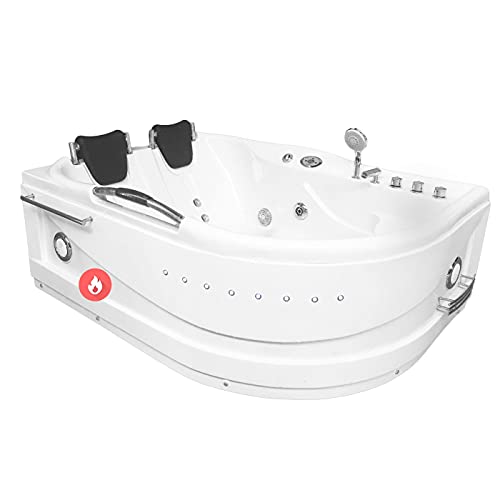
Combined configurations pair a whirlpool circuit with an air system in the same shell, offering both the directed stream and the surrounding bubble field. The appeal is obvious for households with two bathers who want different things, or one bather whose preference changes by day. The systems can typically be run separately or together where the configuration allows, which multiplies the registers a single tub can offer. That flexibility is the whole case for the format, and it should be weighed as flexibility rather than as a doubled therapy claim. More machinery is only worth having if the household will genuinely use both halves of it.
The costs of combining are equally concrete, and they arrive in three currencies: money, space and maintenance. Two systems mean a pump and a blower to house, to power and eventually to service, in a cavity that was already tight with one. The electrical plan grows accordingly, and the access requirement grows with it, since both machines need a route for a technician. The cleaning routine covers both worlds too: line flushing for the whirlpool side and the maker’s care routine for the air side. None of this disqualifies the format, but a buyer should sign up for it knowingly rather than discover it at installation.
Combined tubs make the most sense in a primary bathroom that is being built or rebuilt around the bath. New framing can reserve a proper equipment bay, the electrical run can be planned cleanly, and the access panel can be designed into the surround. In a tight retrofit, by contrast, the second system often consumes the very space the installer needed for the first. Published feedback from owners tends to praise combined tubs in spacious primary suites and to mention access frustrations in squeezed remodels. Let the room, as much as the wish list, arbitrate whether two systems are a pleasure or a burden.
Controls deserve a close look in this format, because the bather is managing two systems from one reclined position. Look in the published feature list for how the systems are switched: separate controls, a shared keypad, or remote options where offered. Controls that can be reached and understood from inside the filled tub matter more than controls that look sleek in a photograph. Families with bathers of different technical confidence should favour the clearest control scheme over the most elaborate one. As ever in this segment, the exact arrangement belongs to the model documentation, not to the archetype.
Sizing the Shell: Length, Width and the Space Between the Walls
Tub dimensions in this segment are quoted as outside measurements, and reading them correctly prevents the classic error of a tub that fits the room but not the bather. Length runs rim to rim along the longest axis, width across the rim, and height to the top of the rim or the highest point of a raised back. The bathing well inside is always smaller, sometimes by a surprising margin once thick rims and sloped ends are accounted for. Published drawings give both sets of figures, and the inside figures are the ones that predict comfort. Start every size comparison with the well dimensions and treat the outside figures as a question for the room, not the body.
Five-foot shells are the workhorse length of the segment, and the sixty-inch air bath category explored at best 60 inch air jet bathtubs shows how much system can fit inside that footprint. At this length, a single bather of average height usually soaks with knees bent, which many people find perfectly comfortable and some do not. Deeper wells help here, because depth lets the body float slightly and takes pressure off the tailbone and heels. For a remodel that keeps existing walls and plumbing positions, the five-foot class is usually where the search realistically lives. Accepting that early focuses attention on depth and ergonomics, where real differences remain to be found.
Longer shells, in the six-foot class and beyond, change the soak from a tucked position to a stretched one, and the room must pay for the difference. The extra length demands floor space, a larger water volume to fill and a water heater that can keep up with the demand. Two-person designs sit in this territory, with wider wells and often a centred drain so neither bather sits against the fittings. Published user feedback on longer tubs praises the stretch and occasionally notes the wait while a large tub fills. That trade is worth making deliberately, with the heater capacity checked rather than assumed.
Width deserves its own paragraph because it is the dimension remodels most often cannot change. Alcoves and framed openings fix the width before any catalogue is opened, and the shell must pass through doors and up stairs before it reaches them. A wide rim can make a standard well feel luxurious at the shoulders, but it also eats into the deck space where bottles and candles usually live. Freestanding designs shift the question from fit to clearance: enough room to walk around, to clean behind, and to keep the silhouette from crowding the room. Measure the route into the house with the same care as the bathroom itself, since a tub that cannot arrive cannot be installed.
The related five-foot jacuzzi-style segment covered at best 5 foot jacuzzi tubs is a helpful cross-check for readers whose rooms fix the length first. That category shows how different makers solve the same sixty inches, which throws the brand-specific choices in this guide into relief. Notice especially how well depth and jet placement vary inside an identical outside length. The comparison reinforces the central sizing lesson of the hydrotherapy segment: outside dimensions describe the hole, inside dimensions describe the bath. Shortlist on the bath, then verify the hole.
Bather height is the personal variable that no size chart can decide, and it should be handled with unusual honesty. A tall bather in a short, deep tub may be happier than in a long, shallow one, because floating depth compensates for bent knees. A shorter bather in a very long tub may slide away from the backrest and spend the soak bracing with their feet. Some shells address this with a raised foot ledge or a more upright lumbar end, details visible in published profile drawings. Where a household includes two bathers of very different heights, the deeper, mid-length formats often serve as the workable compromise.
Installation Types: Drop-In, Undermount and Freestanding
Drop-in installation sets the shell into a framed deck, and it remains the natural home for jetted formats in this segment. The deck hides plumbing and equipment, gives the bather a wide ledge to sit on while swinging legs in, and offers the obvious place for an access panel. The frame must be built to carry the filled weight of the tub plus the bather, distributed as the manufacturer directs, usually on a properly supported floor or mortar bed where specified. Tile, stone or solid-surface decks each bring their own waterproofing questions where the deck meets the rim. This is the installation type where planning the equipment bay matters most, and where it is easiest to get right.
Undermount installation slips the shell beneath the deck material, so the deck surface runs to the very edge of the bathing well. The look is quieter and more architectural, with the stone or solid surface reading as the rim of the bath itself. The trade is precision: the cut-out must match the shell, the support must be exact, and sealing the joint becomes a detail that decides long-term water behaviour. Access planning is less forgiving too, since the deck that hides the equipment may also be the deck that must not be disturbed. Choose undermount for the appearance with eyes open about the joinery it demands.
Freestanding installation places the tub as furniture in the room, and the freestanding direction discussed at best 60 inch freestanding tubs shows the format at its most sculptural. Jetted freestanding designs must hide pumps or blowers inside the shell’s own double wall or base, which shapes both the design and the service story. Plumbing arrives through the floor or a nearby wall, and the filler is often a floor-mounted or wall-mounted fixture that becomes part of the composition. Cleaning around and behind the tub, floor slope toward a drain, and splash behaviour all become live questions in a way they never are with a deck. For soaking formats, freestanding is straightforward; for system formats, read the equipment and access documentation with extra care.
Alcove installation, with three sides against walls and an apron front, is the fourth pattern and the most common in ordinary homes. It suits soaking and single-system formats well, provided the apron or an adjacent panel gives the required equipment access. The walls demand careful waterproofing at the flange, and the filler and controls must be placed where a bather can reach them from inside. In a replacement project, the alcove’s fixed dimensions usually decide the shortlist before brand preference gets a vote. That is not a failure of the process; it is the process working in the right order.
Whichever pattern is chosen, the filled weight of a hydrotherapy tub deserves a number, not a guess. Water is heavy, a large well holds a great deal of it, and the bather adds more; the total belongs in a conversation with whoever assesses the floor. Upper-storey bathrooms, older joists and long spans are the situations where that conversation matters most. Manufacturers publish shell weights and capacities, and those two figures plus the bather give the installer what is needed. Skipping this arithmetic is how beautiful bathrooms acquire cracked grout and springy floors.
Electrical and Plumbing Realities Behind the Brochure
Jetted tubs are electrical appliances that happen to hold water, and the manufacturer’s documentation treats them that way even when marketing pages do not. Pumps and blowers in this segment are typically specified on dedicated circuits with ground-fault protection, run exactly as the model’s installation document directs. Dedicated matters: a circuit shared with other loads invites nuisance trips and, worse, tempts someone to defeat the protection. The work belongs to a licensed electrician working to local code, with the tub’s documentation in hand rather than rules of thumb. This guide deliberately stays at that level, because the correct figures are model-specific and code-specific by design.
Access to the electrical connections matters as much as the connections themselves over the life of the tub. Junction points and equipment should remain reachable through the same access planning that serves the pump and blower. An installation that buries every connection behind finished tile has not saved money; it has deferred a larger bill to the first fault. Good installers raise this themselves, and a buyer should treat that instinct as a mark of quality. Photographing the equipment bay before the deck closes is a small habit that future technicians will quietly bless.
Plumbing decisions begin with the drain, whose position is fixed by the shell and must meet the rough-in the room provides. Drop-in and freestanding designs offer some freedom in routing beneath the floor; alcove replacements usually must meet what is already there. Overflow height sets the maximum fill, which connects back to the soaking depth figures discussed earlier in this guide. Fill speed is the under-discussed comfort specification: a large well fed by a modest filler and long pipe runs can take a noticeable while to prepare. Ask about filler flow and heater capacity together, since the two together decide whether a big tub is a pleasure or a patience test.
Water quality enters the hydrotherapy conversation through the equipment rather than through the bather. Hard water leaves mineral scale on jets, ports and heating elements, and scale narrows small air and water passages over time. Homes with very hard water should expect descaling to join the maintenance calendar, using only methods the manufacturer approves for the system’s materials. A water softener, where one exists, changes that picture considerably and is worth mentioning to the installer. None of this is exotic; it is the same mineral arithmetic that governs kettles and shower heads, applied to more expensive hardware.
Living With the System: Flushing, Cleaning and Water Care
The maintenance rhythm of a hydrotherapy tub divides into what happens after each bath, what happens monthly and what happens a few times a year. After each bath, the surface routine is ordinary: drain fully, rinse, and wipe so soap and mineral films never get a foothold. Some air systems include or recommend a purge cycle that blows the air lines dry after use, a detail worth confirming in the documentation for a given model. Monthly, fittings and jet faces benefit from a closer wipe, since those are the places residue gathers first. A few times a year, jetted water lines get the fuller flush described in the maker’s instructions, using a cleaner made for the purpose.
The flushing routine for whirlpool lines deserves a plain description, because it is the task owners most often say they underestimated. In outline, the tub is filled above the jets with warm water, the specified system cleaner is added, and the pump runs for the directed period. The water is then drained, the tub refilled with clean water for a rinse run, and drained again before a final wipe. Dark flecks in the first flush water are the usual sign that the routine was overdue, and they are the reason the routine exists. Put the flush on the same calendar as other household system care, and it stops being an event and becomes a habit.
Surface care for the shell itself follows the material, and the safe rule across this segment is gentleness. Non-abrasive cleaners and soft cloths protect glossy finishes; scouring powders and rough pads dull them in ways that cannot be polished back easily. Jet trims and control finishes deserve the same restraint, since plated and coated parts dislike harsh chemistry even more than the shell does. The manufacturer’s care sheet, not general internet advice, is the authority for any specific product used near the system. Keeping that sheet with the household manuals is a small act of organisation with a long payoff.
Idle periods have their own small protocol, relevant to guest bathrooms and second homes. A jetted tub left dry and unused for months benefits from a fill, a system run and a flush before it returns to regular service. That run confirms the pump or blower still turns freely and clears whatever settled in the lines while the tub waited. A soaking tub, once again, asks for none of this, which is part of its quiet case. Households choosing a system format for a rarely used room should weigh this paragraph heavily.
Troubleshooting in this segment follows a reassuringly short list, and most of it points back to basics. Weak jet action suggests checking for closed or scaled jets and confirming the water level covers them before suspecting the pump. Unusual noise suggests something touching the equipment or a mounting that has loosened, both visible through the access panel. A system that trips its protection repeatedly is a stop-and-call situation for an electrician, not a reset-and-hope situation. The access panel, planned well at installation, is what turns each of these from a crisis into an inspection.
Reading the Brand’s Families Without Memorising Model Names
The most useful skill this guide can leave behind is a way of reading the range, because model names and numbers in this segment change while the logic stays still. Read any family in four passes: the therapy format it belongs to, the size class it occupies, the installation pattern it assumes, and the equipment story it tells. A family that appears in several formats is offering the same shell thinking with different systems, which makes cross-format comparison unusually clean. A family locked to one format is usually optimised around it, with ergonomics or equipment placement tuned to that system. Either pattern is legitimate; knowing which one a family follows tells a buyer what questions it can answer.
Within a family, variations usually turn on a short list of levers that are worth learning to spot in a specification sheet. Well depth and interior length move first, then jet or port layout, then the control scheme, then the list of factory options. Options in this segment commonly include heating support, lighting, upgraded trims and control upgrades, each priced and specified per model. The honest way to compare two candidates is lever by lever on the published sheets, not headline by headline in marketing summaries. Two tubs that look identical in a photograph routinely separate themselves within five minutes of that exercise.
Published user feedback is most useful when it is read for patterns rather than for verdicts. Single glowing or furious accounts say little; repeated mentions of the same practical point, across many accounts, say a great deal. In this segment the recurring themes are predictable: depth praised or missed, noise noticed or forgiven, access easy or regretted, flushing done or deferred. Notice which themes match the rooms and habits of the household doing the buying. A pattern that delighted a daily bather in a new build may be irrelevant to a weekly bather in a remodel, and the reverse is equally true.
Budget thinking in this segment stays honest when it counts the whole installation rather than the shell alone. Electrical work on a dedicated circuit, the framed deck or floor work, the filler and valve set, delivery of a large rigid object and the access construction all belong in the same spreadsheet as the tub. System formats add the long tail of care products and the occasional service visit across years of ownership. None of these lines is a reason to avoid the category; together they are the difference between a project that feels controlled and one that keeps surprising its owner. A soaking format that fits the true budget will delight its household more than a combined system that strained it.
Showroom visits, where they are possible, are best used for the things paper cannot settle. Sit in the dry shell, in clothes, and judge the back slope, the well length against your legs and the reach to where controls would sit. Climb in and out as you would at home, noting the rim width you must cross and any grab points the design offers. Ask the staff to point to where the pump, blower and access panel would live on the model in question, and listen to how concrete the answer is. Leave the water character to the published descriptions and owner patterns, which is the honest division of labour for a shortlist visit.
The shortlist that emerges from all of this should be short indeed: one format, one size class, one installation pattern, and two or three families that satisfy them. At that point the remaining work is verification, checking the exact model’s published dimensions, electrical directions and care instructions line by line. That final pass is unglamorous and decisive, and it is where purchases in this segment are actually made well or badly. A buyer who arrives there with the format logic settled will find the verification quick, because every figure has a question waiting for it. That is the real promise of a brand-led guide: not a winner, but a reader who can finish the job confidently.
Controls, Heat and Light: The Options Layer, Read Carefully
Once format, size and installation are settled, the options layer is where a hydrotherapy purchase is fine-tuned, and where restraint pays best. Every option should have to argue for its place against a simple test: will the household use this weekly, and what does it add to install, power or care. Controls come first in that argument, because they are touched at every bath and forgiven least when they frustrate. A clear keypad at the rim, reachable from a reclined position, beats an elaborate remote that migrates around the room and hides when wanted. Where a family offers both, the published descriptions usually reveal which the maker treats as primary, and that hint is worth following.
Heating support divides into two different ideas that marketing language often blurs, and separating them clarifies the choice. An inline heater works on recirculating whirlpool water, maintaining temperature while the pump runs and the bather soaks. Heated air or surface warmth, where offered, addresses the first chill of the blower or the shell rather than the bath as a whole. Each has its own electrical appetite, which returns the conversation to the dedicated circuit discussion earlier in this guide. Ask which idea a given model actually implements, in those plain terms, before valuing it.
Lighting options in this segment range from a simple underwater light to colour-changing programmes presented as part of the bathing atmosphere. Read them as atmosphere, in the same honest category as the bubbles themselves: a pleasure for bathers who enjoy it, and an irrelevance for those who bathe by candle or daylight. Underwater fittings are also penetrations in the shell, which makes the maker’s sealing and service story part of the option’s true description. A light that can be serviced from the access side is a different proposition from one that cannot, whatever its colours. As with jets, the layout and service drawings say more than the brochure photograph of a glowing tub.
Aromatherapy and similar accessory features appear in this segment as baskets, dispensers or designated points where scent products can be introduced. Their honest weight in a decision is small, because scent can be added to any bath by simpler means that never touch the system. What matters more is the maker’s guidance on what must not enter the lines, which protects the equipment from oils and residues. Treat accessory features as a pleasant footnote to a sound format decision, never as the reason for one. Households that choose the format well and skip every accessory still own the heart of what this brand sells.
Renovation Sequencing: Where the Tub Sits in the Project
A hydrotherapy tub is not a finishing touch; it is a piece of infrastructure around which a renovation must be sequenced. The shell often needs to be in the room before walls close, and its equipment bay must exist before decks are built. Electrical runs for dedicated circuits are easiest before tiling, and hardest in the entire project after it. Planning the tub decision early is therefore not enthusiasm but logistics, and late changes of format are the expensive kind. The format-first method of this guide doubles as a project schedule: format, then size, then installation, then options, in the order the trades need them.
Delivery deserves its own line in that schedule, because a large rigid shell negotiates a house less forgivingly than any other bathroom component. Measure doorways, stair turns and landing depth against the shell’s smallest dimension, and remember that packaging adds to every figure. Published weights guide how many people the carry requires, and fragile finishes argue for keeping protective wrapping until the shell is set. A delivery that fails at the stairs costs a second delivery and sometimes a restocking argument, all avoidable with a tape measure. Installers who ask about the route before the order are showing the same professionalism as those who ask about access panels.
Second bathrooms and phased renovations raise a timing question unique to system tubs: a jetted tub installed long before it is used still needs its commissioning run. Makers’ instructions typically include a first fill, a system run and a flush to clear construction dust from lines before regular bathing. That commissioning belongs in the project plan, not in the first week the owners feel like a bath. It is also the moment to record model documentation, circuit locations and access arrangements in the household file. Future owners, and future plumbers, inherit whatever clarity that file contains.
Who Each Format Serves: Matching the System to the Household
Daily bathers get the most from any system format, simply because the machinery earns its keep in use and the flushing rhythm becomes routine. For a household that bathes daily, the choice between air and whirlpool can rest purely on preferred sensation, which is the happiest position in this market. Weekly bathers should weight maintenance slightly higher, since systems sit idle longer between runs and notice the neglect sooner. Rare bathers, and guest-room tubs, point honestly toward soaking formats, where idleness costs nothing. None of these matches is a rule; they are the shape of the trade, stated plainly enough to argue with.
Households with members who have limited mobility should bring that reality into the format conversation early and practically. Step-over height, rim width for seated transfers, and the availability of grab points matter more to daily safety than any therapy register. Walk-in and seated designs exist as their own specialised segment with their own guidance, and they should be explored on their own terms rather than improvised from a standard shell. Controls that can be reached before entering the water, and fillers that cannot scald through careless mixing, belong in the same practical review. A clinician or occupational therapist who knows the household can advise on bathing arrangements in a way no product guide should attempt to replace.
Noise, once more, is a household-fit question that deserves its final word here, because it is the surprise owners mention most. Pumps and blowers are machines, and machines in tiled rooms are heard, by bathers and sometimes through walls by everyone else. Late-night bathers in thin-walled homes, and parents bathing after children sleep, should rank quiet operation and remote equipment placement accordingly. Published specifications occasionally include sound information; where they do not, owner feedback patterns are the working source. Choosing a format with the house’s acoustics in mind costs nothing at shortlist stage and cannot be bought afterwards.
The last household variable is time, measured in minutes of care per month, and it should be estimated as frankly as money. A whirlpool household owes the calendar a periodic flush; an air household owes its purge and wipe rhythm; a soaking household owes almost nothing. Set against the pleasure each format returns to its particular bathers, those minutes are either trivial or decisive, and only the household knows which. That is the fitting note on which to close the format comparison: the best system is the one whose costs, in every currency, its owners will pay gladly. With that settled, the shortlist method from the previous section turns preference into a purchase without further drama.
A Final Verification Pass Before Any Order
Before ordering, run the chosen model’s published sheet against a short list drawn from every section of this guide, in writing rather than from memory. Well depth and interior length first, then the outside dimensions against the room and the delivery route, then the equipment positions and the access arrangement they require. Electrical directions next, shared with the electrician before the order rather than after the delivery, and the care routine read once in full. Any figure that cannot be found in the documentation is a question for the maker, not a gap to be filled by optimism. Purchases verified this way rarely generate the stories that fill owner forums, which is precisely the point.
Delivery day has its own small protocol that protects the whole investment. Inspect the shell before signing, while the packaging is open and the carrier is present, since concealed damage argued later is damage argued uphill. Confirm that manuals, fittings and any factory options ordered are physically present, and photograph the equipment bay before installation closes it. Keep the documentation with the household file created at commissioning, alongside the circuit record and the access photographs. None of this takes an hour, and all of it compounds quietly in the owner’s favour for as long as the tub is in the house.
It is worth saying plainly, at the end of a long guide, what a Jason hydrotherapy tub is and is not. It is a carefully engineered vessel for warm-water relaxation, in formats that let a household choose its preferred texture of soak. It is not a medical device in any sense a buyer should rely on, and its comforts should be enjoyed as comforts. Chosen by format, sized by the well, installed with access and powered as directed, it asks a fair maintenance price for what it returns. That exchange, understood clearly from the start, is what satisfied ownership in this segment actually consists of.
Readers who arrived here comparing headline claims across brands can now return to those claims with better instruments. Every jet count can be met with a request for the layout drawing, every therapy word with the comfort framing it honestly belongs to, and every dimension with the question of whether it describes the hole or the bath. Those three habits will sort any catalogue in this segment, from any maker, into a shortlist worth verifying. The brand examined here rewards that scrutiny, because its range is organised around the very formats those habits uncover. What remains is the pleasant part: choosing the soak that suits the house, and then, at last, running the water.
Check prices on Amazon
Live listings for the shortlist in this guide are pulled from Amazon below, so prices and availability are always current at the moment you look.


One Last Note on Water Itself
Underneath every system discussed in this guide sits the simplest variable of all, the water, and it repays a moment of attention before the shortlist closes. Temperature consistency from the home’s heater, fill speed from its pipework and mineral content from its supply shape every soak more than any single feature line. A household that knows those three facts about its own water can predict its experience of any format in this range with unusual accuracy. That knowledge is free, already present in every shower and kettle in the house, waiting to be read as evidence.