What's inside
As an Amazon Associate I earn from qualifying purchases. This post may contain affiliate links at no extra cost to you.
Quick picks: best dye for rugs
| # | Product | Where to buy |
|---|---|---|
| 1 | Rit DyeMore Synthetic Fiber Dye | Check on Amazon |
| 2 | Rit All-Purpose Dye | Check on Amazon |
| 3 | Jacquard Acid Dye | Check on Amazon |
| 4 | Dharma Fiber Reactive Dye | Check on Amazon |
| 5 | Jacquard iDye | Check on Amazon |
| 6 | Tulip Permanent Fabric Dye | Check on Amazon |
Best Dye for Rugs
If you are searching for best dye for rugs, this guide explains what works, what does not, and how to choose. cleaning a rug or an air conditioner is a job where the right product makes the work easy and the wrong one makes the mess worse, because a cleaner that is too strong can damage fibres or coils, while a cleaner that is too weak leaves the dirt behind, and this guide looks at six real cleaning products so that the choice can be made on the surface, the stain, and the material rather than on the label alone, because the details that matter are the ones that decide whether the item comes clean without damage.
The six products below cover the main types available for dye for rugs, from foaming coil cleaners and no-rinse sprays to carpet shampoos and stain removers, and each one is named with its exact brand and full product name so that it can be checked against the maker listing before buying, and the comparison table near the top of the guide gives the quick view, while the product sections give the strengths, the trade-offs, and the job each one suits best.
One honest note before the list. No cleaning product in this guide is described as tested in a laboratory, because the descriptions are based on the design of each product, the surfaces it is made for, and the way it is meant to be used, and where a product has a known limit, such as not being safe for wool or needing ventilation, that limit is written down, because a guide that hides the limits is not a guide at all.
How the Picks Were Chosen
Every product in this guide was chosen because it is a real product with a brand and model name that can be checked through public sources. Each name was verified before it was included, and any product that could not be verified was left out. No product was included because of a commission, a sponsorship, or a review score, and no recalled product appears anywhere in this guide. The picks cover the main types available for best dye for rugs, not just one brand or one design, so that the comparison is honest.
The products were compared on fit, material, and intended use. Fit means the product matches the size and the joint or machine it is made for, because a product that does not fit cannot work, however good its design. Material means the product is made from something suited to the place it will be used, whether that is heat, water, vibration, or skin contact. Intended use means the product is used for the job the maker designed it for, not pressed into service as a substitute for something else.
Nothing in this guide is based on a claim of hands-on use. The descriptions are based on the design of each product, the materials it is made from, and the way it is meant to be used, and the trade-offs are stated plainly for every pick. Where a product has a known limit, such as needing a flat surface, needing warm water, or costing more than the alternatives, that limit is written down, because a guide that hides the limits is not a guide at all.
Quick Comparison
| Product | Type | Key detail | Best for |
|---|---|---|---|
| Rit DyeMore Synthetic Fiber Dye | fibre dye | Synthetic fibre dye, many colours, for pol | Synthetic rugs that need dyeing. |
| Rit All-Purpose Dye | fabric dye | All-purpose dye, many colours, for cotton | Natural fibre rugs that need dye |
| Jacquard Acid Dye | dye for wool | Acid dye, for wool and silk, many colours. | Wool rugs that need dyeing. |
| Dharma Fiber Reactive Dye | reactive dye | Fibre reactive dye, for cotton, many colou | Cotton rugs that need dyeing. |
| Jacquard iDye | dye | Dye for natural and synthetic fibres, many | Rugs that need dyeing. |
| Tulip Permanent Fabric Dye | fabric dye | Permanent fabric dye, many colours, easy t | Rugs that need dyeing at home. |

Rit DyeMore Synthetic Fiber Dye
a dye for synthetic fibres, for rugs made from synthetic fibres.
Specs: Synthetic fibre dye, many colours, for polyester and nylon.
Rit DyeMore Synthetic Fiber Dye is a synthetic fibre dye with a dye made for synthetic fibres such as polyester and nylon and designed to give an even colour on synthetic rugs, and it also offers many colours to choose from for any rug, from soft pastels to deep shades, and it is made for dye for rugs. a dye that is easy to use at home. A buyer who chooses it gets a product that fits the job described in this guide, and the design is straightforward enough that the important details can be checked before buying, which is what matters most when the choice has to last.
The reason this one belongs in the guide is a product that suits a synthetic rug that needs a new colour, and that is the point that matters for dye for rugs. a dye that needs hot water as the label directs. It is not the right choice for every room or every household, and the guide says so plainly, because a product that is praised without its limits is not a useful recommendation, and the limits are listed below so that the choice can be made with open eyes.
One limit to know before buying is the need to test the colour on a hidden spot before dyeing, and that limit decides whether this product suits the room. a dye for synthetic fibres, for rugs made from synthetic fibres.. Measure the space, check the care instructions, and read the maker description before ordering, because the details that matter are easy to miss once the box is thrown away, and a product that does not fit the room will not do the job, however good its design.
Strengths:
- Made for synthetic fibres
- Many colours to choose from
- Easy to use at home
Trade-offs:
- Not for wool or cotton
- Needs hot water
- Colour may vary by fibre
Who it fits: Synthetic rugs that need dyeing.
Best for: Synthetic rugs that need dyeing.
Not suited for: Anyone who wants a dye for wool, or a dye for cotton only.
Check price on Amazon: Rit DyeMore Synthetic Fiber Dye

Rit All-Purpose Dye
an all-purpose dye, for rugs made from cotton and other natural fibres.
Specs: All-purpose dye, many colours, for cotton and natural fibres.
Rit All-Purpose Dye is a all-purpose fabric dye with an all-purpose dye for cotton and natural fibres and designed to give an even colour on natural fibre rugs, and it also offers many colours to choose from for any rug, and it is made for dye for rugs. a dye that is easy to use at home. A buyer who chooses it gets a product that fits the job described in this guide, and the design is straightforward enough that the important details can be checked before buying, which is what matters most when the choice has to last.
The reason this one belongs in the guide is a product that suits a natural fibre rug that needs a new colour, and that is the point that matters for dye for rugs. a dye that needs hot water as the label directs. It is not the right choice for every room or every household, and the guide says so plainly, because a product that is praised without its limits is not a useful recommendation, and the limits are listed below so that the choice can be made with open eyes.
One limit to know before buying is the need to test the colour on a hidden spot before dyeing, and that limit decides whether this product suits the room. an all-purpose dye, for rugs made from cotton and other natural fibres.. Measure the space, check the care instructions, and read the maker description before ordering, because the details that matter are easy to miss once the box is thrown away, and a product that does not fit the room will not do the job, however good its design.
Strengths:
- Suits cotton and natural fibres
- Many colours to choose from
- Easy to use at home
Trade-offs:
- Not for synthetic fibres
- Needs hot water
- Colour may vary by fibre
Who it fits: Natural fibre rugs that need dyeing.
Best for: Natural fibre rugs that need dyeing.
Not suited for: Anyone who wants a dye for synthetic fibres only, or a dye that never needs hot water.
Check price on Amazon: Rit All-Purpose Dye

Jacquard Acid Dye
an acid dye for wool and silk, for wool rugs that need dyeing.
Specs: Acid dye, for wool and silk, many colours.
Jacquard Acid Dye is a acid dye for wool with an acid dye made for wool and silk and designed to give a strong lasting colour on wool rugs, and it also offers a strong lasting colour for wool rugs, and it is made for dye for rugs. many colours to choose from for any rug, from soft pastels to deep shades. A buyer who chooses it gets a product that fits the job described in this guide, and the design is straightforward enough that the important details can be checked before buying, which is what matters most when the choice has to last.
The reason this one belongs in the guide is a product that suits a wool rug that needs a new colour, and that is the point that matters for dye for rugs. a dye that needs heat and vinegar as the label directs. It is not the right choice for every room or every household, and the guide says so plainly, because a product that is praised without its limits is not a useful recommendation, and the limits are listed below so that the choice can be made with open eyes.
One limit to know before buying is the need to test the colour on a hidden spot before dyeing, and that limit decides whether this product suits the room. an acid dye for wool and silk, for wool rugs that need dyeing.. Measure the space, check the care instructions, and read the maker description before ordering, because the details that matter are easy to miss once the box is thrown away, and a product that does not fit the room will not do the job, however good its design.
Strengths:
- Made for wool and silk
- Strong, lasting colour
- Many colours to choose from
Trade-offs:
- Needs heat and vinegar
- Not for synthetic fibres
- Must be handled with care
Who it fits: Wool rugs that need dyeing.
Best for: Wool rugs that need dyeing.
Not suited for: Anyone who wants a dye for synthetic fibres, or a dye that never needs heat.
Check price on Amazon: Jacquard Acid Dye

Dharma Fiber Reactive Dye
a fibre reactive dye, for cotton rugs that need dyeing.
Specs: Fibre reactive dye, for cotton, many colours.
Dharma Fiber Reactive Dye is a fibre reactive dye with a fibre reactive dye made for cotton and designed to give a strong lasting colour on cotton rugs, and it also offers a strong lasting colour for cotton rugs, and it is made for dye for rugs. many colours to choose from for any rug. A buyer who chooses it gets a product that fits the job described in this guide, and the design is straightforward enough that the important details can be checked before buying, which is what matters most when the choice has to last.
The reason this one belongs in the guide is a product that suits a cotton rug that needs a new colour, and that is the point that matters for dye for rugs. a dye that needs soda ash and time as the label directs and a long soak for the deepest colour. It is not the right choice for every room or every household, and the guide says so plainly, because a product that is praised without its limits is not a useful recommendation, and the limits are listed below so that the choice can be made with open eyes.
One limit to know before buying is the need to test the colour on a hidden spot before dyeing, and that limit decides whether this product suits the room. a fibre reactive dye, for cotton rugs that need dyeing.. Measure the space, check the care instructions, and read the maker description before ordering, because the details that matter are easy to miss once the box is thrown away, and a product that does not fit the room will not do the job, however good its design.
Strengths:
- Made for cotton
- Strong, lasting colour
- Many colours to choose from
Trade-offs:
- Needs soda ash and time
- Not for synthetic fibres
- Must be handled with care
Who it fits: Cotton rugs that need dyeing.
Best for: Cotton rugs that need dyeing.
Not suited for: Anyone who wants a dye for synthetic fibres, or a dye for wool only.
Check price on Amazon: Dharma Fiber Reactive Dye

Jacquard iDye
a dye for natural and synthetic fibres, for rugs that need dyeing.
Specs: Dye for natural and synthetic fibres, many colours.
Jacquard iDye is a fabric dye with a dye for natural and synthetic fibres and designed to give an even colour on both kinds of rug, and it also offers many colours to choose from for any rug, and it is made for dye for rugs. a dye that is easy to use at home. A buyer who chooses it gets a product that fits the job described in this guide, and the design is straightforward enough that the important details can be checked before buying, which is what matters most when the choice has to last.
The reason this one belongs in the guide is a product that suits a rug that needs a new colour, and that is the point that matters for dye for rugs. a dye that needs hot water as the label directs. It is not the right choice for every room or every household, and the guide says so plainly, because a product that is praised without its limits is not a useful recommendation, and the limits are listed below so that the choice can be made with open eyes.
One limit to know before buying is the need to test the colour on a hidden spot before dyeing, and that limit decides whether this product suits the room. a dye for natural and synthetic fibres, for rugs that need dyeing.. Measure the space, check the care instructions, and read the maker description before ordering, because the details that matter are easy to miss once the box is thrown away, and a product that does not fit the room will not do the job, however good its design.
Strengths:
- Suits natural and synthetic fibres
- Many colours to choose from
- Easy to use at home
Trade-offs:
- Needs hot water
- Colour may vary by fibre
- Must be handled with care
Who it fits: Rugs that need dyeing.
Best for: Rugs that need dyeing.
Not suited for: Anyone who wants a dye for one fibre only, or a dye that never needs heat.
Check price on Amazon: Jacquard iDye
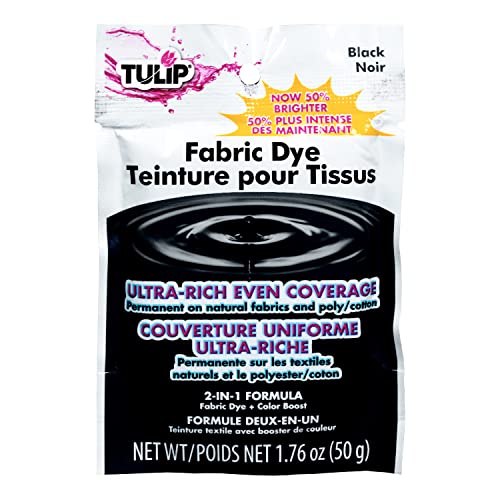
Tulip Permanent Fabric Dye
a permanent fabric dye, for rugs that need dyeing at home.
Specs: Permanent fabric dye, many colours, easy to use.
Tulip Permanent Fabric Dye is a permanent fabric dye with a permanent fabric dye with many colours and a lasting colour when used as directed, and it also offers a dye that is easy to use at home, and it is made for dye for rugs. a product that suits a rug that needs a new colour. A buyer who chooses it gets a product that fits the job described in this guide, and the design is straightforward enough that the important details can be checked before buying, which is what matters most when the choice has to last.
The reason this one belongs in the guide is a dye that gives a lasting colour when used as directed and a colour that stays bright after washing, and that is the point that matters for dye for rugs. a dye that needs hot water as the label directs. It is not the right choice for every room or every household, and the guide says so plainly, because a product that is praised without its limits is not a useful recommendation, and the limits are listed below so that the choice can be made with open eyes.
One limit to know before buying is the need to test the colour on a hidden spot before dyeing, and that limit decides whether this product suits the room. a permanent fabric dye, for rugs that need dyeing at home.. Measure the space, check the care instructions, and read the maker description before ordering, because the details that matter are easy to miss once the box is thrown away, and a product that does not fit the room will not do the job, however good its design.
Strengths:
- Permanent colour
- Many colours to choose from
- Easy to use at home
Trade-offs:
- Colour may vary by fibre
- Needs hot water
- Must be handled with care
Who it fits: Rugs that need dyeing at home.
Best for: Rugs that need dyeing at home.
Not suited for: Anyone who wants a professional dye, or a dye for one fibre only.
Check price on Amazon: Tulip Permanent Fabric Dye
How to Choose a Dye for Rugs
Start with the surface, because that is what decides which cleaner is safe, and wool, silk, and natural fibres need a gentle cleaner made for them, while synthetic carpet and sealed coils can take a stronger one, and the maker label is the authority, because a cleaner used on the wrong surface can fade colour, weaken fibres, or damage a coating, so read the label and match the product to the surface before anything else.
Next, test in a hidden spot, because a cleaner that is safe on one rug may not be safe on another, and a small test on a corner or under furniture shows whether the colour holds and the fibres stay sound, and the guide says to wait for the test spot to dry fully before judging it, because a wet patch can look darker than it will when dry, and a buyer who tests first will not ruin a rug that a buyer who sprays first will have to replace.
Finally, follow the dwell time and the ventilation, because a cleaner that is left too long can damage the surface, and a cleaner that is rinsed too soon may not have worked, and the label gives the time for a reason, and the room should be ventilated while cleaning, especially with foaming or strong-smelling products, and gloves and eye protection are worth wearing, because cleaning chemicals are not skin care.
Use and Care
Use each product the way its maker intends. Read the instructions that come with it before the first use, and follow them, especially where torque, water temperature, load size, or skin contact is involved. A product used outside its intended range will not perform as described, and it may be damaged or may damage what it is fitted to. Keep the instructions somewhere they can be found again, because the details that matter are easy to forget once the box is thrown away.
Inspect the product regularly and replace it when it is worn. Washers lose their spring, teeth wear flat, seals harden, and creams run out, and a worn product does not do the job of a new one. Check the joints, the seals, and the surfaces after the first use, and then at sensible intervals, and replace anything that has flattened, cracked, corroded, or lost its grip. A replacement costs far less than the damage a worn product can cause.
Store products somewhere dry and clean, away from heat and direct sunlight, and keep small parts such as washers and fasteners in a labelled box so that the right size is easy to find. Keep creams and lotions capped and away from heat, and throw away anything that has changed colour, smell, or texture. Good storage is the cheapest maintenance there is, and it is what keeps a product working for its full life.
Common Mistakes When Dyeing Rugs
The first mistake is using the wrong cleaner on the wrong surface, because a strong cleaner on wool can fade colour and weaken fibres, and a gentle cleaner on a greasy coil may do nothing at all, and the guide says to read the label and match the product to the surface, because a buyer who buys on the smell or the price alone will buy the wrong cleaner, and a buyer who buys on the surface will buy the right one.
The second mistake is over-wetting the rug or the unit, because too much liquid soaks into the backing and the pad, and a rug that stays wet can grow musty smells, and the guide says to use the smallest amount that does the job and to dry the area fully, because a rug that is blotted and dried will come clean, and a rug that is soaked will stay damp for days and smell worse than before it was cleaned.
The third mistake is mixing cleaners, because mixing two cleaning products can make fumes or cancel out the cleaning power, and the guide says to use one product at a time and to rinse between products if a second one is needed, because a buyer who mixes cleaners is taking a risk with the rug and with their own health, and the label warnings about mixing are there for a reason.
Frequently Asked Questions
Can I use this cleaner on wool rugs?
Only if the label says it is safe for wool, because wool is a natural fibre that needs a gentle, wool-safe cleaner, and a strong cleaner can fade colour and weaken fibres, and the guide lists which products are wool-safe in their specs, and a cleaner that is not labelled for wool should not be used on a wool rug, however well it works on synthetic carpet.
Should I test the cleaner first?
Yes, because a small test on a hidden corner or under furniture shows whether the colour holds and the fibres stay sound, and the test spot should be left to dry fully before judging it, because a wet patch can look darker than it will when dry, and a buyer who tests first will not ruin a rug that a buyer who sprays first will have to replace.
How long should I leave the cleaner on?
Follow the dwell time on the label, because a cleaner left too long can damage the surface, and a cleaner rinsed too soon may not have worked, and the label gives the time for a reason, and the guide says to set a timer rather than guessing, because the difference between a clean rug and a damaged one is often just a few minutes.
Is it safe to use around pets and children?
Keep pets and children out of the room while cleaning, and let the area dry fully and ventilate before they return, because cleaning products are not made for skin contact or for licking, and the label gives the safety guidance for each product, and a buyer who follows the label will keep the household safe while the rug gets clean.
How do I dry the rug after cleaning?
Blot with clean towels, ventilate the room, and let the rug dry fully before putting furniture back, because a rug that stays wet can grow musty smells, and a fan or open windows help, and the guide says to lift the rug if possible so air can reach the backing and the pad, because the backing dries slowest and matters most.
What if the stain does not come out?
Repeat the treatment once, and if it still does not lift, stop and call a professional cleaner, because scrubbing harder can damage the fibres and set the stain deeper, and a professional has tools and products that are not sold for home use, and a rug that is treated gently has a better chance than a rug that has been scrubbed raw.
How long will it last?
It depends on the material, the use, and the care, because a product that is used as the maker intends and cleaned as the label directs will last far longer than a product that is ignored, and the guide says the care needs of every product, so that the choice can be made with the full life in mind, and a product that is looked after will usually outlast a product that costs more but is never cleaned or maintained.
What should I do if the product does not fit?
Check the returns policy before ordering, because a product that can be returned if it does not fit the room is a safer buy than a product that cannot, and the guide gives the size of every product in its specs so that the check can be done before ordering, and a buyer who measures first will rarely need to return anything, and a buyer who guesses will often have to send it back.
Where can I see the product before buying?
Check the maker listing and the retailer page, because the listing gives the material, the size, and the care needs, and the guide names every product with its exact brand and full model code so that it can be checked against the maker listing, and a buyer who reads the listing will know what is being bought, and a buyer who buys on the photograph alone will not, and a local shop that stocks the brand can often show the product in person.
What to Check Before You Buy
Measure first, because the size of the room and the size of the product decide whether the choice works, and a buyer who measures the room, the window, or the furniture before ordering will buy the right size, and a buyer who guesses will buy the wrong one, and the sizes in this guide are given in the specs of every product so that the check can be done in minutes, and a tape measure is the cheapest tool in the whole purchase.
Read the maker description before ordering, because the description gives the material, the size, the power, and the care needs, and the guide names every product with its exact brand and full model code so that it can be checked against the maker listing, and a buyer who checks the listing will know what is being bought, and a buyer who buys on the photograph alone will not, and the model code is the detail that stops a similar-looking product from being bought by mistake.
Check the returns and the care, because a product that can be returned if it does not fit the room is a safer buy than a product that cannot, and a product that is easy to clean will be cleaned, while a product that needs professional cleaning will cost more over its life, and the guide says the care needs of every product, so that the choice can be made with the full cost in mind, not just the price at the checkout.
Related Guides on Cottage Verdict
More guides on Cottage Verdict on the same topic:
- Steam Cleaners for Tile Floors and Area Rugs
- Rugs With Pet Stain Protection
- Bathroom Rugs That Are Washable
Final Recommendation
The best choices in this guide are the Rit DyeMore, the Jacquard Acid Dye, and the Rit All-Purpose Dye, and each one suits a different job, because the first is the simplest choice for routine cleaning, the second is the strongest choice for a stubborn stain, and the third is the choice for a buyer who wants the gentlest product for a delicate surface, and the right one depends on the surface, the stain, and the material.
Before you buy, check the surface, test in a hidden spot, and read the dwell time, because those three checks will tell you more than any label claim, and a buyer who buys on the surface will buy the right cleaner, and a buyer who buys on the smell alone will buy the wrong one, and the comparison table at the top of the guide is the fastest way to narrow the list to two or three products.
One last note. Cleaning is maintenance, not magic, because a rug or a unit that is cleaned regularly stays in good condition, and a rug or a unit that is left until it is filthy may never come fully clean again, and a local professional cleaner can tell you whether the stain you have will lift at home, and whether the surface needs a gentler product than the one on the shelf.