Our Top Picks
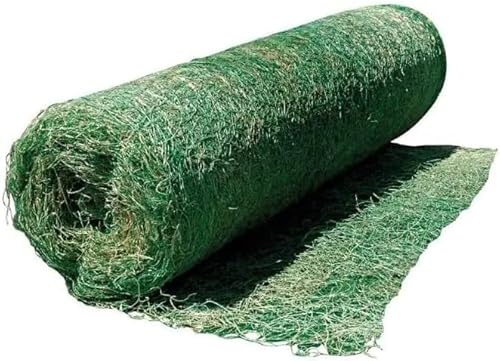
 Farm Plastic Supply 100% Biodegradable Erosion Control Blanket8' x 112.5'90 x 10 x 10 inches50 poundsCheck on Amazon
 Riakrum 2 Pcs 48 Inch X 120ft in48 Inch x 120ft in Total708.66 x 47.24 x 0.1 inches16.76 poundsCheck on Amazon

What's inside
- What an erosion control blanket actually does
- Comparing materials: straw, coir, jute, blends, and synthetics
- Reading lifespan claims without fooling yourself
- Matching the blanket to slope and water
- Roll size, coverage, and the arithmetic people get wrong
- Staples, stakes, and why anchoring decides the outcome
- Installation, step by step in the right order
- How to compare product pages like a careful buyer
- Environmental and wildlife considerations
- Common mistakes and how experienced installers avoid them
- Frequently asked questions
- A practical buying sequence
- Seasonal timing and regional differences
- Check prices on Amazon
- Cost of effort, not just cost of the roll
As an Amazon Associate I earn from qualifying purchases. This post may contain affiliate links at no extra cost to you.
Bare soil rarely stays where you leave it. One hard rain can carve rills into a fresh slope, carry seed downhill in muddy ribbons, and leave the top of a bank thin while the bottom drowns under silt. An erosion control blanket gives that exposed ground a temporary skin. It holds soil and seed in place, softens the impact of raindrops, slows shallow runoff, and keeps moisture near the surface while roots take hold. Once vegetation is established, the blanket either breaks down into the soil or, in the case of permanent mats, stays as reinforcement beneath the plants.
Choosing well matters more than choosing quickly. A light straw blanket that performs beautifully on a gentle garden bank will tear, lift, or disappear too soon on a steep roadside cut. A heavy coir mat built for a channel bank may be far more than a level seedbed needs, harder to cut, heavier to carry up a hill, and slower to conform to uneven ground. The useful comparison is not brand against brand in the abstract. It is material against slope, lifespan against planting plan, and roll size against the actual shape of the ground you need to cover.
This guide works through those trade-offs in the order most landowners, gardeners, and small-site managers meet them. It explains what each common material does, how manufacturers describe functional longevity, where staples and stakes matter, and how to read a product page without being misled by a single headline figure. Throughout, the emphasis stays on published specifications and on patterns that appear again and again in buyer feedback, because a blanket that looks strong in a warehouse can behave very differently after three weeks of wind, foot traffic, and burrowing wildlife.
Transparency note for readers of this cottage and garden guide: when you follow a link from here to a retail listing and make a purchase, the site may receive a small commission that helps fund further guides, and that relationship never changes the criteria, cautions, or comparisons set out below.
What an erosion control blanket actually does
Manufacturers group these products under several overlapping names: erosion control blankets, erosion control mats, rolled erosion control products, and turf reinforcement mats for the permanent end of the range. Despite the naming variety, every product tries to do four jobs at once. First, it shields the soil surface from raindrop impact, which is the quiet starting point of much surface erosion. Second, it creates small pockets and roughness that slow moving water, giving that water more chance to soak in rather than accelerate downhill. Third, it shelters seed from birds, wind, and wash-off while holding a more even layer of moisture around germinating plants. Fourth, in stronger constructions, it adds tensile strength that helps soil resist shallow slumping until roots provide that strength themselves.
None of those jobs requires the blanket to be waterproof. In fact, a good blanket is deliberately porous. Water should pass through in a controlled way, air should reach the seedbed, and seedlings should be able to push through the netting or fibre matrix as they grow. When buyers complain that a blanket feels flimsy in the hand, they are sometimes judging it by the wrong standard. A biodegradable blanket is supposed to be light enough to degrade. The real questions are whether it stays intact for its stated functional life, whether its netting holds the fibre evenly, and whether it stays in contact with the soil once installed.
Temporary blankets and permanent mats are different tools
Temporary blankets are designed around a planting timetable. Single-net straw products may be rated by their makers for only a few months of functional life, which suits fast-germinating annual cover on mild slopes. Double-net straw, straw and coconut blends, and jute products extend that window. All-coir blankets sit at the durable end of the biodegradable family, with some manufacturers describing several years of service before the fibres fully break down. Permanent turf reinforcement mats use synthetic cores that do not biodegrade at all. They belong on slopes and channels where vegetation alone, even when mature, may not resist the expected flow.
That distinction should drive the whole purchase. If your goal is a wildflower bank that establishes in one season, a long-lived synthetic net can become a nuisance, tangling in mowers and persisting long after its job is done. If your goal is a drainage swale that carries concentrated storm water every winter, a short-lived straw blanket is not a bargain at any level of convenience, because it will be gone while the channel is still being stressed. Match the disappearance date to the date when roots can genuinely take over.
Comparing materials: straw, coir, jute, blends, and synthetics
Material is the single best predictor of how a blanket behaves. It influences weight, flexibility, water holding, degradation, wildlife risk, and how forgiving the product is when the ground underneath is lumpy. Retail listings sometimes lead with roll dimensions and bury the fibre content further down the page, so train yourself to find the material statement first and read everything else in its light.
Straw blankets for fast cover on gentle ground
Straw blankets stitch agricultural straw between one or two layers of lightweight netting, usually polypropylene in conventional products or jute in some fully biodegradable versions. Straw is light, widely available, and good at shading a seedbed. It holds a modest amount of moisture, cushions raindrop impact well, and conforms easily to soft, freshly graded soil. For a homeowner reseeding a lawn edge, stabilising a low bank behind a cottage garden, or holding a newly shaped bed until groundcover spreads, straw is often the most practical starting point.
Its limits are equally clear. Straw breaks down quickly, especially in warm, wet climates where microbial activity is high. Single-net versions can lose coherence once the netting is cut or once birds start pulling fibres for nesting material. Buyer feedback on straw products frequently mentions uneven fibre distribution, with thin patches that let soil show through, so look for descriptions of uniform straw spread and stitching density rather than total weight alone. Straw also suits gentler gradients. Many manufacturer guides place basic straw blankets on slopes described as three horizontal to one vertical or milder, and in low-flow swales rather than concentrated channels, though exact guidance varies by construction and should always be checked on the specific product page.
Coir blankets for steeper slopes and longer protection
Coir is fibre from coconut husks, woven or stitched into dense mats that feel noticeably tougher than straw. Coir resists rot longer, holds its structure in wet conditions, and offers higher tensile strength, which is why it appears so often on steeper banks, stream edges, and coastal or lakeside work where wind and water combine. A coir blanket tends to be heavier per square yard, more expensive to ship in large rolls, and stiffer to unroll on a short or irregular slope, but that stiffness is part of how it resists lifting and creeping downhill.
Manufacturers offer coir in different densities, and density is a meaningful specification rather than marketing decoration. A lighter coir mat may suit a moderate slope where vegetation will establish quickly. A denser mat, with tighter weave and stronger netting on both faces, is the version intended for harsher exposure and longer functional life. Feedback from buyers who use coir on banks often praises how it stays put through repeated storms, while the recurring complaints concern cutting difficulty and the need for sharp tools and gloves. Coir fibres are coarse. Plan cutting on a flat surface with a sturdy utility knife or shears, and expect the edges to resist neat trimming more than straw does.
Jute netting and jute blankets for a fully natural, short-season option
Jute appears in two forms that are easy to confuse. Loose-woven jute netting, sometimes sold as soil saver mesh, is an open grid of thick yarns with no fibre fill. It slows surface movement, helps hold mulch, and degrades without leaving synthetic net behind, but it offers less seedbed shading and less raindrop protection than a filled blanket. Filled jute or jute-backed blankets add a fibre layer and behave more like straw products while keeping the whole assembly biodegradable.
Jute suits gardeners who care strongly about leaving nothing synthetic in the ground, a concern that also shapes choices indoors when people compare options such as best 9×12 natural fiber rugs for rooms where natural texture matters. On a slope, jute netting works best where the gradient is modest, the soil is already reasonably stable, and plants will cover quickly. Its open structure makes it easy to plant through, which is a genuine advantage on ornamental banks where plugs or transplants, rather than seed alone, do most of the work. The trade-off is lifespan. Jute can soften and lose strength within a season in persistently damp ground, so it should not be asked to guard a bare slope through multiple winters.
Straw and coconut blends as the middle path
Blended blankets, commonly mixing straw with a proportion of coir, try to combine easy handling with extra durability. The straw keeps weight and cost of effort down and helps the blanket settle onto soil, while the coir fibres slow the rate at which the whole mat falls apart. For many domestic projects, a blend is the honest sweet spot: a bank that is too steep or too exposed for plain straw, but where an all-coir roll would be awkward to manoeuvre through a garden gate or up a narrow path.
When comparing blends, look for the stated ratio if the manufacturer provides one, and note which netting is used. A blend held in biodegradable jute netting tells a different long-term story from the same blend held in photodegradable plastic netting. Photodegradable netting breaks down under sunlight, but shaded sections under soil, mulch, or dense vegetation may persist longer than buyers expect, a point that appears regularly in feedback from gardeners who later find net fragments while digging.
Excelsior and wood fibre blankets
Some blankets use excelsior, which is made from long, curled aspen or wood fibres. These fibres interlock well, create a springy matrix that resists compaction, and are often praised for consistent coverage because the fibres are manufactured rather than harvested in variable lengths. Excelsior blankets can be a strong choice on roadside-style slopes and larger graded areas. They tend to look tidier than straw and may contain fewer weed seeds, a concern that buyers of agricultural straw products raise from time to time. Check whether the listing states a weed-free or certified process if that matters for a sensitive planting area, and do not assume it from the fibre name alone.
Permanent synthetic mats for channels and severe slopes
Turf reinforcement mats combine a synthetic three-dimensional core with the expectation that vegetation grows through and locks into it. The mat itself does not disappear. Instead, roots and stems intertwine with the structure so the finished surface behaves as a reinforced vegetated system. These products belong where flow velocity, slope length, or repeated scour would defeat biodegradable blankets even after planting. They require careful anchoring and full soil contact, and they commit the site to a permanent synthetic layer, so they deserve a deliberate decision rather than a casual upgrade.
For most cottage gardens, allotments, and small residential banks, a permanent mat is more intervention than the site needs. It becomes relevant for a shared drainage channel, a steep access track edge, or a bank that has already failed twice with temporary products. Repeated failure is useful diagnostic information. It usually points to concentrated water, poor soil contact during installation, or a slope that needs engineering input rather than a third roll of the same blanket.
Reading lifespan claims without fooling yourself
Functional longevity is the period during which a blanket still does its job, which is shorter than the time needed for every last fragment to vanish. A straw blanket may be described by its maker as lasting up to a season, a blend for longer, and a dense coir product for several years, but those figures assume typical exposure. Sunlight, rainfall, soil biology, slope aspect, and foot traffic all move the real date. A south-facing bank in a hot, wet summer will consume a biodegradable blanket faster than a shaded northern slope in a dry year.
Use lifespan as a planning band, not a promise. Ask what needs to happen before the blanket fades. If seed must germinate, root, and knit together within that band, choose seed mixes that match the season rather than hoping a slow perennial mix will hurry. If the planting plan depends on plugs installed through the blanket in spring and spreading by autumn, a medium-life product may be enough. If the site will sit bare over winter because planting is delayed, buy for the delayed timetable or postpone installation, because a blanket installed too early can spend half its life protecting nothing but weeds.
Biodegradable netting versus photodegradable netting
The netting often outlives the fibre it holds. Fully biodegradable products use jute or other natural netting that softens and rots with the fill. Photodegradable plastic netting relies on ultraviolet light to become brittle and fragment, which works on exposed surfaces and works poorly where soil or vegetation shades it. Conventional polypropylene netting on a supposedly short-life blanket can remain as a loose skeleton after the straw is gone. That skeleton is the part most likely to entangle wildlife, wrap around mower shafts, or appear in a gardener’s fork two years later.
Read the netting statement with the same care as the fibre statement. Product pages that are proud of fully biodegradable construction usually say so plainly. Vague phrases about eco-friendly materials deserve a slower read, because they may refer only to the fill. Buyers who prioritise wildlife safety often look for wildlife-friendly or movable net designs with larger, more flexible openings, and they still inspect and remove loose netting promptly if a blanket starts to lift.
Matching the blanket to slope and water
Slope is usually expressed as a ratio. Three to one means three units of horizontal run for one unit of vertical rise, a moderate bank. Two to one is steeper, and one to one is very steep for a soil surface that hopes to hold plants. Manufacturer guidance ties each blanket class to a maximum recommended slope and, for channel use, to flow conditions. Those recommendations are not interchangeable across brands because netting strength, fibre density, and stitching all differ, so treat any general guide in this article as a starting framework and confirm the limit for the exact roll you are considering.
Gentle slopes and level seedbeds
On gentle ground, the main enemies are raindrop splash, light sheet flow, birds, and drying wind. Almost any intact blanket helps, and the lightest suitable product is often the best because it is easiest to install tightly and easiest for seedlings to penetrate. Straw, jute, and light blends all fit here. Pay more attention to seedbed preparation and soil contact than to headline strength. A premium blanket bridged over hollows will underperform a modest blanket pressed into full contact with a smooth, firmed surface.
Moderate banks where most homes need help
The typical problem bank behind a house, beside a driveway, or above a retaining wall sits in the moderate range. Water arrives from upslope, the surface is long enough for flow to gather speed, and planting is expected to finish the job. This is blend and medium coir territory for many sites, with double netting preferred because the top net resists lifting while the bottom net holds fibre against the soil. Anchor trenches at the crest matter enormously here. If runoff from above is allowed to slip underneath the blanket, it can undermine the whole installation from the top down, regardless of material quality.
Steep slopes, channels, and shorelines
Steep and wet sites punish shortcuts. Dense coir and permanent mats dominate manufacturer recommendations for these conditions because tensile strength and longevity stop being optional. Concentrated flow in a channel is a different problem from rain falling on a slope face, and a product rated for a steep slope is not automatically rated for channel flow. Check whether the listing distinguishes slope use from channel use. Shoreline work adds wave action, fluctuating water levels, and sometimes regulatory considerations about what may be placed near water, so local guidance should be sought before ordering rolls for a bank that meets a stream, pond, or drainage ditch with protected status.
Water management above the slope often decides success before the blanket is unrolled. A shallow diversion at the crest, a repaired gutter outlet, or a redirected downspout can remove the concentrated flow that was defeating the surface. Gardeners who think in whole-site terms, the same mindset that helps when planning durable natural flooring like best all natural rugs for high-traffic rooms, tend to get better results because they fix causes rather than only covering symptoms.
Roll size, coverage, and the arithmetic people get wrong
Blankets are sold by roll width, roll length, and total coverage, and all three numbers need attention. Coverage figures describe the flat area of material in the roll. They do not subtract the overlaps, anchor trenches, trimming waste, and extra length needed at the top and bottom of a slope. A slope face is also longer than its horizontal footprint. Measuring only the map distance from crest to toe understates the material required, sometimes by a surprising margin on steep ground.
Planning overlaps and waste honestly
Most installation guides call for side overlaps of a few inches between adjacent rolls and shingled overlaps where one roll meets the next down the slope, with the upslope piece overlapping the downslope piece so water flows over the seam rather than under it. Add material for a crest trench, where the top edge is buried, and for a toe trench or secure burial at the bottom. On an irregular bank with trees, rocks, or drainage features to cut around, waste rises again. Ordering exactly the calculated flat area is the most common arithmetic mistake in buyer feedback, and it leaves the last strip of soil bare or forces a rushed second purchase that may not match the first product.
A practical method is to sketch the area, divide it into roll-width strips running down the slope, and price each strip at its full slope length plus trench allowances. Note obstacles on the sketch. If a roll is very wide, it may cover a broad bank efficiently but be heavy and awkward for one person on a ladder-like slope. Narrower rolls are slower on a big site yet far easier to keep taut and in contact with the ground when working alone or in a confined garden.
Weight, storage, and handling
Dry coir and dense mats can be heavy, and a waterlogged remnant is heavier still. Check roll weight on the product page if access involves stairs, a steep path, or a small vehicle. Store unused rolls under cover and off damp ground. Straw products stored in a humid shed can begin to deteriorate or attract pests before they ever reach the slope. Keep the product label or a photo of its specifications, because months later, when a section needs repair, the material and netting details are hard to reconstruct from memory.
Staples, stakes, and why anchoring decides the outcome
More installations fail from poor anchoring than from weak fibre. The blanket must follow the soil contour with no tents, bridges, or loose billows where wind and water can get underneath. Sod staples, also called landscape staples or pins, are the standard fastener on soil. Wooden or biodegradable stakes appear on softer ground, in trenches, and where metal staples might later interfere with digging or mowing.
Staple material, length, and pattern
Standard staples are U-shaped steel, commonly around six inches long, with longer or heavier gauges used in loose or sandy soil. Biodegradable staples made from plant-based plastics or similar materials are available for sites where leaving metal behind is undesirable, though they need to last at least as long as the blanket’s critical early period. Some rolls include a small bundle of staples, and buyers frequently report that the included count is enough only for a demonstration rather than a full installation. Treat included staples as a starter supply unless the listing states a count that matches a realistic pattern.
Manufacturer patterns usually call for denser stapling along edges, seams, trenches, and the crest, with a regular grid across the field of the blanket. Spacing tightens on steeper slopes and in channels. Driving staples flush matters. A staple standing proud can catch a mower, a boot, or a paw, and it is not gripping the blanket against the soil as intended. In stony ground, staples bend. Carry spares, a mallet, and patience, and consider pre-checking a few test points before unrolling the entire blanket across difficult soil.
Trenches at the crest and toe
The crest trench is a shallow slot dug along the top of the slope. The blanket edge is laid into it, stapled, and backfilled with compacted soil so surface water passes over the buried edge instead of diving underneath. The toe is similarly secured at the bottom, either in a small trench or under a firm layer of soil or stone where appropriate. Skipping these details because the slope looks calm on installation day is a false economy. The first serious storm is the real inspection, and it finds every unsecured edge.
Installation, step by step in the right order
Good installation is mostly preparation. The blanket is the visible finish, but grading, seeding, and soil contact determine whether that finish survives. Work on a day when the soil is workable rather than saturated, and avoid unrolling lightweight products in strong wind if you are working alone.
Prepare the surface before any seed goes down
Remove loose debris, sharp stones, old netting, and the crowns of weeds that would hold the blanket away from the soil. Grade out humps and fill hollows so the surface is as smooth as the site reasonably allows, then firm it. A fluffy, freshly rototilled slope looks soft and inviting but settles unevenly and lets water travel under the blanket through voids. If the soil is very loose, a light rolling or tamping gives the blanket a stable partner. Address obvious drainage problems at this stage, not after the rolls are down.
Seed, fertilise, and soil amendments come first
Where the plan calls for seed, most manufacturer guides place seed and any soil amendments on the prepared surface before the blanket is installed, so seed sits in direct contact with soil beneath the protective layer. Follow the seed supplier’s rate and seasonal guidance rather than doubling the rate to compensate for a difficult slope, which can produce crowded, weak seedlings. On ornamental banks, plugs may be installed either before blanketing, with the blanket cut around them, or afterwards through slits. Either method works when cuts are small, edges are re-secured, and soil is firmed back around the plant.
Unroll downhill, keep contact, and shingle the seams
Start at the crest with the blanket end in the anchor trench. Unroll down the slope, keeping the material relaxed rather than stretched tight, because a stretched blanket bridges hollows and can pull staples as it tries to contract. Smooth it into dips with your hands as you go. Adjacent rolls run parallel with the stated overlap, stapled through both layers along the seam. Where a second roll continues further down the same strip, shingle the joint so the upper section lies over the lower. Staple to the manufacturer’s pattern, check contact by walking the surface visually rather than by treading all over a seeded bed, and backfill trenches firmly at the end.
Indoor projects teach a similar respect for preparation and scale, whether someone is measuring for best 8×10 rugs in a living room or calculating blanket coverage for a bank. In both cases the stated dimensions are only the beginning, and the edges, overlaps, and obstacles decide whether the result looks and performs as intended.
The first month of aftercare
Inspect after the first heavy rain. Look for lifted edges, staples that have pulled, soil accumulating on top of the blanket at the toe, and any channel forming along a seam. Small problems are cheap to fix at this stage. Re-seat loose sections while the soil is moist, add staples where movement is visible, and repair undermined crest sections by re-burying the edge rather than simply weighting it with a rock. Keep irrigation gentle if you water for germination. A hard jet from a hose can do locally what a storm does across the whole slope.
How to compare product pages like a careful buyer
A useful product page should let you answer a short list of questions without guessing. What fibre or fibres are used, and in what proportion for blends? What netting holds them, and is that netting biodegradable, photodegradable, or conventional? What functional longevity does the maker claim, and for what slope or channel conditions is this specific construction recommended? What are the roll width, length, coverage, and weight? Are staples included, and if so, how many and of what type?
Specifications that deserve a second look
Density figures for coir, tensile strength values where provided, and stitch or weave descriptions help distinguish products that share a generic name. Two blankets both labelled coir can differ substantially in weight per unit area, and the lighter one is not automatically inferior if your slope is moderate and planting is fast. It is inferior only if it is asked to do the heavier product’s job. Similarly, a very long roll may look like better value until its weight and width are considered against a narrow garden access or a solo installation.
Photographs on a listing can mislead in both directions. A close image may make sparse straw look dense, while a tightly rolled product photo gives no sense of coverage texture at all. Feedback photographs from buyers, showing blankets installed on real slopes after rain, often reveal more about fibre distribution and netting behaviour than polished listing images. Read those accounts for patterns rather than verdicts. One report of a torn roll may reflect shipping damage. Repeated reports of thin patches, staple shortages, or netting that persists are structural information.
Questions hidden inside buyer feedback
Translate common complaints into pre-purchase checks. If several buyers say a blanket arrived with uneven straw, ask whether the listing describes uniform distribution or a manufacturing standard. If buyers say seedlings struggled to emerge, look at netting aperture and fibre depth for the seed size you plan. Fine seed needs closer soil contact and can be smothered by an overly thick mat, while larger seed tolerates more cover. If buyers mention deer, rabbits, or birds pulling at fibres, consider whether wildlife activity on your site calls for tighter stapling, a different netting, or physical protection during establishment.
Environmental and wildlife considerations
Erosion control is environmental work, so the materials left behind matter. Fully biodegradable blankets simplify end-of-life because there is nothing to retrieve, provided the netting shares that property. On sites near water, near sensitive habitat, or where livestock and pets graze, that completeness deserves real weight in the decision. Synthetic netting fragments are a documented entanglement risk for snakes, birds, and small mammals, particularly when loose netting lifts and forms pockets above the ground.
Seed choice carries its own responsibility. Use mixes suited to the region and site rather than generic mixes that may include species unsuited to local conditions. Avoid blanketing over invasive plant material that will simply grow through and use the protected seedbed as a nursery. Where a slope drains toward a pond or stream, keep fertiliser use restrained and follow local rules, because protecting soil while washing nutrients into water trades one problem for another.
When not to use a blanket at all
Some surfaces need a different answer. Actively slumping banks, slopes with deep-seated movement, and channels with fast concentrated flow may need retaining structures, drainage engineering, or professional assessment. A blanket addresses surface erosion. It does not hold back a hillside that is moving as a mass, and covering such a slope can delay recognition of a more serious problem. Cracks in the ground above a bank, leaning trees or posts, and repeated bulging at the toe are signs to pause and seek qualified advice.
Similarly, a level area that only needs mulch and time may not justify a blanket. Garden beds that will be planted densely within weeks, and where foot traffic is controlled, often establish perfectly well under ordinary mulch. Save blankets for places where soil is actually travelling, seed is actually washing away, or the slope gives water enough energy to do damage.
Common mistakes and how experienced installers avoid them
Installing over a rough, unprepared surface
Bridging is the quiet failure mode behind many disappointed reviews. The blanket spans a hollow, water flows beneath it in a hidden channel, and the surface looks protected while erosion continues out of sight. The remedy is unglamorous grading and firming before installation, plus hand-smoothing each roll into the contours as it goes down. If you can slide fingers easily under large sections of a finished blanket, those sections are not yet installed in any meaningful sense.
Stretching the blanket tight like a sheet
A drum-tight blanket feels neat and behaves badly. It bridges dips, concentrates tension at staples, and can tear around fasteners when soil settles or temperature changes. Lay the material with slight relaxation so it drapes into the surface. Neatness should come from straight edges and consistent overlaps, not from tension.
Forgetting what arrives from above the slope
Roof runoff, a neighbour’s drainage, a path that acts as a flume, or a field drain outlet can deliver far more water than rain falling directly on the bank. No surface blanket is designed to be undermined by a concentrated discharge at its crest. Trace water back to its source during or just after rain, and intercept, spread, or redirect concentrated flows before they reach the blanket edge.
Choosing by coverage alone and running short
Shortfalls discovered halfway down a slope lead to exposed strips, mismatched substitute products, and seams in the wrong places. Measure slope length rather than horizontal distance, add trench and overlap allowances, and allow extra for cuts around obstacles. The same habit of generous, honest measuring serves smaller projects too, from garden banks to choosing best 3×5 rugs for mudroom for an entry where a few centimetres decide whether a door clears the pile.
Leaving loose netting behind after the fibre is gone
When a temporary blanket has done its work and vegetation is established, walk the site. Remove any loose, lifted netting that could entangle wildlife or machinery, especially along edges and seams. If the product was sold as fully biodegradable and netting remains intact long after the stated period, that observation is worth feeding back to the seller and remembering when the next slope needs covering.
Frequently asked questions
Can an erosion control blanket be installed over existing grass or weeds?
It can be laid over low, closely mown vegetation in some situations, but results are usually better on a prepared surface. Tall weeds hold the blanket away from the soil, and vigorous perennial weeds will grow through and compete with new planting. For reseeding work, a clean, firmed seedbed gives seed the soil contact it needs and gives the blanket the contact it needs. If the existing vegetation is already holding the slope well, consider whether intervention is necessary at all.
Do seedlings really grow through the blanket?
Yes, when the product suits the seed. Seedlings push through netting apertures and fibre matrices designed for that purpose, and roots grow down into the soil while shoots emerge into the light. Problems arise when a very thick or dense mat is paired with fine seed, when the blanket bridges and seed falls into voids, or when seed was scattered on top of an already installed blanket rather than placed on the soil beneath it. Match mat density to the planting plan and follow the maker’s sequence for seeding.
How long should staples be, and how many will be needed?
Common staples are around six inches long, with longer fasteners helping in loose, sandy, or very soft soil. Quantity depends on slope, pattern, seams, and trenches, and it rises steeply on difficult sites. Manufacturer installation guides usually state a pattern or an approximate staple density. Use that as the basis for ordering rather than relying on a small included bundle, and add a margin for bent staples in stony ground.
Is coir always better than straw?
No. Coir is stronger and longer lasting, which makes it better for steeper, wetter, or longer-duration work. Straw is lighter, easier to handle, and entirely adequate for gentle slopes and fast establishment, and it disappears sooner where a short intervention is the goal. Better is a relationship between product and site, not a property of a fibre in isolation. Overspecifying wastes effort and can leave persistent netting or overly dense cover that planting must fight through.
What happens if a section fails after a storm?
Act while the damage is small. Re-seat lifted material, add fasteners, re-bury exposed crest edges, and replace soil that has washed from beneath the blanket before re-covering it. Simply laying the blanket back over a void recreates the bridging problem. If the same section fails repeatedly, look for concentrated water arriving from above or along a seam, and correct that pathway rather than adding ever more staples to the symptom.
Can blankets be used on a vegetable garden or allotment slope?
They can, particularly fully biodegradable products where nothing synthetic should remain in soil that grows food. Jute and straw products with natural netting fit that setting well. Keep in mind that a blanket complicates hoeing and close cultivation, so it suits the edges, banks, and paths of a plot better than intensively worked beds. For a level bed, ordinary organic mulch usually remains the simpler tool.
Should a blanket be removed once plants are established?
Biodegradable blankets are generally left to break down in place, with only loose or lifted netting retrieved for safety. Removing an intact biodegradable blanket would disturb the roots it was protecting. Permanent mats are also left in place by design, becoming part of the vegetated surface. The exception is any material that has lifted, bunched, or exposed loose netting, which should be corrected or removed promptly regardless of type.
A practical buying sequence
Start by walking the site in or just after rain and noting where water actually travels. Measure slope length, estimate gradient honestly, and photograph obstacles. Decide the planting plan and the date by which roots must take over. Those three facts, water, gradient, and timetable, narrow the material choice more reliably than any headline claim. Then compare specific products on fibre, netting, stated longevity, recommended slope, roll dimensions, and staple requirements, in that order.
Next, calculate material with overlaps, trenches, and waste included, and order fasteners to a stated pattern rather than to optimism. Check roll weight against your access and help available. Read recent buyer feedback for repeated patterns about coverage consistency, netting persistence, and staple counts. Finally, schedule installation for a calm day with time to prepare the surface properly, because rushing the preparation is the most expensive saving available in this entire category.
For a gentle cottage bank that will be sown and covered within a season, a straw or jute-based product, carefully installed, is a sensible and proportionate answer. For a moderate residential slope that must survive a winter before planting knits together, a straw and coir blend or medium coir blanket earns its extra effort. For steep, wet, or repeatedly failing ground, dense coir or a permanent mat, combined with honest water management above the crest, is the level of intervention the site is asking for. Listening to what the slope itself demonstrates, storm after storm, will always teach more than any single product claim, and the bank that stays green, intact, and quietly unremarkable through the worst rain of the year is the only verdict that finally counts.
Seasonal timing and regional differences
When you install matters almost as much as what you install. Seed sown under a blanket still obeys temperature and daylight. A blanket fitted in late autumn over dormant seed must survive winter rain, frost heave, and hungry birds before germination begins in spring, so its functional life needs to stretch across that whole waiting period. The same blanket fitted in spring, when soil is warming and seed wakes within days, spends far less of its life unassisted by roots. Buyers in mild, wet winter climates often discover that products described with a single lifespan figure behave as though they belong to a shorter category, because winter storms arrive weekly and the soil never really dries between them.
Hot climates create a different pressure. Intense sunlight attacks photodegradable netting and dries exposed seedbeds quickly, which makes the moisture-holding quality of straw and coir more valuable and makes gentle irrigation during establishment more likely to be necessary. Arid regions add wind. A lightweight blanket on an open, gusty slope needs tighter edge treatment and closer stapling than the identical product in a sheltered garden, and loose corners should be corrected immediately because wind works at them patiently, hour after hour, until a flap becomes a tear.
Working around trees, roots, and established planting
Real banks are rarely empty rectangles. Trees send roots across the surface, shrubs already occupy part of the slope, and paths or steps cut through the area that needs protection. Cutting a blanket to fit around these features is normal, but every cut creates an edge, and every edge needs securing. Overlap cut sections generously, staple both sides of a slit made for a plant, and avoid leaving a narrow, isolated strip of blanket that can curl independently. Around tree bases, leave room for trunk growth and avoid burying the root flare under trench spoil or accumulated soil.
Established planting can also help. Deep-rooted shrubs already on a bank are anchors in living form, and blanketing between them to establish groundcover is often more successful than clearing everything and starting again. Keep desirable plants, remove only what competes destructively or holds the blanket off the ground, and let the existing root structure share the work while new planting settles in.
Repair, patching, and knowing when to start again
Small bare patches do not require a new roll. Cut a patch from leftover material that extends well beyond the damaged area on every side, prepare and re-seed the exposed soil if necessary, lay the patch so its top edge tucks under the intact blanket above it, and staple through the overlap. This shingled repair keeps water flowing over the joint instead of under it. Keep offcuts from the original installation for exactly this purpose, stored dry and labelled, rather than discarding them on installation day.
Starting again is the right call when failure is widespread and has a clear cause that can be corrected: a surface that was never firmed, a crest that was never trenched, or a product that was plainly too light for the gradient. Repeating the same installation and expecting a different storm season is not persistence but waste. Change the variable that the evidence identifies, whether that is preparation, anchoring, material class, or the handling of water above the slope, and document what was changed so the next assessment has something concrete to judge.
Check prices on Amazon
Live listings for the shortlist in this guide are pulled from Amazon below, so prices and availability are always current at the moment you look.
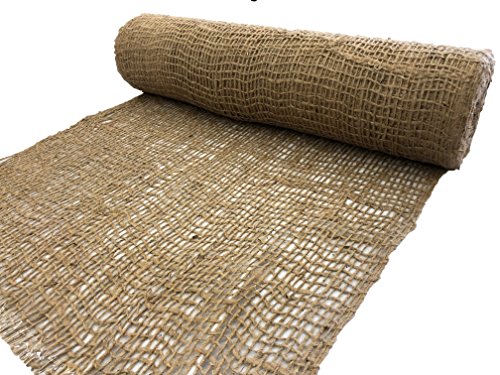
Jute Erosion Control, Soil Saver Mesh Blanket - 48" Wide x 20 Yards (60 feet Long) - 240 Sq. Ft. Coverage

Cost of effort, not just cost of the roll
Without comparing any figures, it is still possible to think clearly about value. The roll itself is only part of the commitment. Staples, delivery of heavy material, help on installation day, seed, and the time spent preparing the surface all belong in the decision. A heavier blanket that one person cannot position accurately on a steep bank may perform worse than a lighter product installed carefully by the same person working within their strength. Conversely, reinstalling a failed light blanket consumes a second round of seed, fasteners, and labour that a better-matched product would have avoided.
Think also about retrieval and disposal effort. A fully biodegradable blanket asks nothing further once its work is done. A product with persistent netting may ask for an hour of careful removal across a planted bank, disturbing roots and soil in the process. That future effort is part of the product, even though it never appears in a headline description, and gardeners who have once picked net fragments out of a mature border rarely forget to read the netting specification on their next purchase.
Measured against the particular slope outside your own door, with its gradient, its weather, its wildlife, and its planting timetable laid honestly side by side, the right blanket is simply the one whose stated life ends just after the roots have quietly taken over its work.
Keeping a simple site record
A short record turns guesswork into knowledge. Note the installation date, the product material and netting type, the seed mix used, and where staples were placed more densely because the ground demanded it. Photograph the slope from the same two or three positions after installation, after the first major storm, and once each season until planting is established. Those images reveal slow changes that memory smooths over: a seam gradually opening, a crest slowly undermining, or a thin area of germination that needs patching while help is still easy.
Record wildlife interactions as well. If birds strip straw from one exposed corner, if a pet repeatedly crosses at a single point, or if burrowing animals lift an edge, those are site facts that should shape the next intervention. A narrow path of extra stapling, a temporary protective mesh over a vulnerable corner during germination, or a slight change in where people walk can resolve a problem that no change of blanket brand would have touched. Erosion control rewards this kind of patient observation because slopes rarely fail in the generic way described on a product page. They fail at a particular corner, under a particular outlet, or along a particular seam, and the record is what lets you see the pattern early enough to act cheaply.
When that record shows the same quiet slope holding firm season after season, it confirms a choice made from evidence rather than hope, which is precisely how a once-bare bank becomes a settled part of the garden landscape.
Keep that record with the leftover staples and offcuts, in the shed rather than in memory, so the next repair begins from facts. A slope tended this way rarely surprises its owner twice in the same place.