Our Top Picks
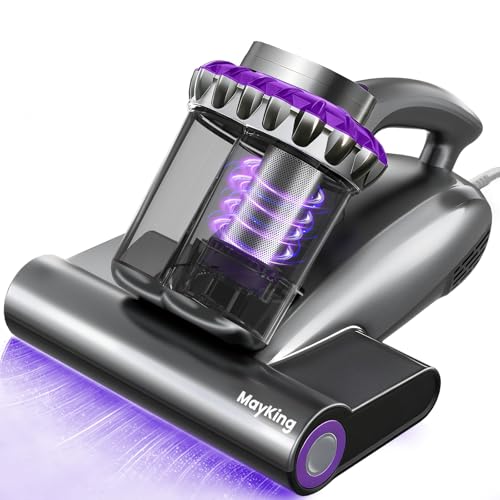 MayKing Pro Mattress Vacuum Cleaner with Dust Detection11.9 x 9.13 x 6.06 inches3.4 poundsCheck on Amazon


What's inside
- What a sanitizing vacuum actually does differently
- UV-C light explained without the marketing fog
- Dust mites, allergens, and realistic expectations
- Suction figures and why the units matter
- Tapping, beating, and vibration: the underrated feature
- Heat and drying functions
- Filtration: HEPA claims and sealed systems
- Corded, cordless, and the shape of a real cleaning session
- Where these machines earn their keep beyond the bed
- Matching a model to your household
- How to use one well: a careful routine
- Claims to read carefully on any product page
- Maintenance that keeps performance from drifting
- Common buying mistakes
- Noise, storage, and living with the machine
- Comparing typical designs side by side, in words
- Humidity, seasons, and the bedroom environment
- Travel, second homes, and lending the machine
- A pre-purchase checklist you can actually finish
- What long-term owners tend to report
- A note on disposing of filters and lamps
- Check prices on Amazon
- Frequently asked questions
As an Amazon Associate I earn from qualifying purchases. This post may contain affiliate links at no extra cost to you.
A mattress can look perfectly clean and still hold a quiet accumulation of shed skin, fine dust, pollen tracked in on clothing, and the microscopic debris that settles deep between fibres. A standard vacuum lifts surface lint well, yet the layer that matters for many households sits lower, packed into seams, tufting, and the soft filling beneath a fitted sheet. That gap between looking tidy and feeling genuinely fresher is exactly where sanitizing vacuums try to earn their place. These machines combine suction with ultraviolet light, rapid tapping or vibration, warm air, and sealed filtration, each element aimed at a different part of the same problem.
This guide compares UV-C mattress and dust-mite vacuums and broader sanitizing vacuum cleaners using only published manufacturer specifications, documented standards, and patterns in owner feedback on retail listings. Nothing here depends on a laboratory in a spare room. Instead, the comparison follows the numbers a maker is willing to print, the clarity of its safety interlocks, and the frustrations or praise that repeat across many verified owners. Read the product page for any model you shortlist, because wattage claims, filter grades, and lamp details change between revisions that share almost identical names.
How this guide earns its keep: some links in this article are affiliate links, which means the site may receive a small commission if you buy through them, at no extra cost to you. That support helps fund the research time behind guides like this one, and it never changes which specifications get highlighted or which drawbacks get named. Prices and availability shift often, so this page discusses performance characteristics rather than fixed figures, and you should confirm current details on the product page before ordering.
What a sanitizing vacuum actually does differently
A conventional vacuum is a moving column of air. A brush or bare floor head loosens debris, suction carries it into a bin or bag, and a filter tries to keep the finest particles from blowing straight back into the room. A sanitizing model adds at least one treatment step to that familiar sequence. The most common addition is a UV-C lamp mounted underneath the head, shining on the surface as the machine passes over it. Others add a vibrating pad that taps the fabric thousands of times per minute, a heating element that blows warm air into soft furnishings, or a sonic pulse intended to disturb mites clinging to fibres.
Each addition answers a distinct concern. Suction alone struggles with particles wedged below the surface of a mattress or upholstered headboard, which is why tapping matters. Light alone cannot remove anything at all, which is why a UV model without decent airflow is little more than a torch with wheels. Heat can make a sleeping surface feel drier and less hospitable to moisture-loving organisms, but heat without extraction leaves the loosened debris exactly where it started. The strongest designs on paper therefore stack several modest effects rather than leaning on one dramatic claim.
The four mechanisms, in plain language
- Ultraviolet light: a lamp emits short-wave ultraviolet energy across the strip of fabric directly beneath the head, intended to inactivate bacteria and other microorganisms on exposed surfaces during the pass.
- Mechanical tapping: a pad or roller strikes or vibrates the surface rapidly, shaking fine dust and mite debris loose from deep in the pile so airflow can capture it.
- Warm air: a heater raises the temperature of air moving through or across the surface, which can reduce surface dampness and add a drying pass after cleaning.
- Sealed filtration: a multi-layer filter, often described as HEPA-grade, traps the fine fraction that ordinary mesh filters tend to release back into the bedroom.
Understanding those four levers makes the rest of the comparison far easier. When two machines look identical in photographs, the differences usually hide in how strongly each lever is pulled: the stated lamp wavelength, the tapping rate, the suction figure and the units it is measured in, and whether the filtration claim describes the filter media alone or a fully sealed system. Those details, rather than the colour of the shell, decide whether a machine suits a thick pillow-top mattress, a sofa that hosts a dog every evening, or a spare-room bed that needs a seasonal refresh.
UV-C light explained without the marketing fog
Ultraviolet light sits just beyond the violet end of visible light, and the UV-C band is the shortest, most energetic slice of that spectrum. Manufacturers of these vacuums commonly describe lamps operating around the middle of that band, and the exact wavelength printed in a specification table matters because effectiveness and safety discussions both start there. A listing that simply says ultraviolet, with no wavelength, no lamp power, and no explanation of exposure, gives a shopper almost nothing to compare. A listing that states the band, the wattage, and the conditions the lamp needs is at least inviting scrutiny.
Exposure is the second half of the equation. Light-based treatment depends on intensity multiplied by time, so a fast sweep across a mattress delivers far less exposure than a slow, overlapping pass. This is why owner feedback so often splits into two camps: people who moved the machine slowly, in deliberate rows, tend to report a fresher-smelling bed, while people who treated it like a quick carpet vacuum frequently report noticing nothing at all. The technology rewards patience, and any buying decision should honestly weigh whether the person cleaning will actually work at that slower pace every week.
Why safety interlocks deserve your attention
UV-C is not a light you should stare into or shine on skin, and responsible designs treat that seriously. Look for tilt switches or pressure sensors that switch the lamp off the moment the head lifts from the surface, recessed lamp housings that keep the bulb shielded during normal use, and clear warnings in the manual about children and pets leaving the room during a session. Wheel-activated switches are common: the lamp only operates while all wheels sit flush, so picking the machine up mid-pass cuts the light immediately. If a product page glosses over interlocks entirely, treat that silence as information, not as a minor omission.
Also note what the light cannot reach. Ultraviolet works on line of sight, so the shadowed valley of a deep seam, the underside of a piping cord, and fibres buried beneath a thick quilted top receive little or no exposure. That limitation is not a scandal; it is physics. It simply means the tapping pad and suction do the heavy lifting in crevices, while the lamp treats the broad, flat expanses. A balanced buying view credits a machine for combining both, rather than expecting the lamp alone to transform a mattress.
Dust mites, allergens, and realistic expectations
House dust mites feed on shed skin cells and thrive in warm, humid, fabric-rich places, which makes bedding an ideal habitat. Importantly, the allergic response many people experience is triggered less by living mites themselves than by their droppings and fragmented remains, which become airborne easily and settle into pillows and duvets. That distinction shapes what a vacuum can plausibly achieve. Killing organisms without extracting the debris they leave behind addresses only part of the burden, while thorough extraction with fine filtration addresses the part most closely tied to symptoms.
A realistic expectation, then, is reduction rather than eradication. Regular passes with a tapping, well-filtered machine can steadily lower the amount of fine debris stored in a mattress, especially when paired with washable protectors, hot laundering of bedding where fabric care labels allow it, and reasonable indoor humidity. Households often describe the benefit in modest, believable terms: less morning stuffiness, less dust visible in a shaft of sunlight after making the bed, and upholstery that smells neutral instead of faintly stale. Grand promises of a sterile sleeping surface should be read with calm scepticism, whoever prints them.
For context on whole-home allergen control, readers tackling kitchens and laundry areas often pair mattress care with appliances covered in best dishwashers with sanitize cycle, since hot wash cycles and sanitizing vacuums approach the same household goal from opposite ends of the house.
Suction figures and why the units matter
Specification tables for this category mix several different measurements, and comparing them carelessly produces confident nonsense. Some makers quote motor power in watts, which describes electrical consumption rather than cleaning strength. Others quote suction in pascals or kilopascals, air watts, or inches of water lift. A high wattage motor can still deliver modest suction if the airflow path is leaky or the head seals poorly against fabric, while a smaller motor in a tight, well-sealed body can pull surprisingly hard against a mattress surface.
For soft furnishings, the practical question is not raw power on a hard floor but sustained pull through fabric. A mattress vacuum works with its head pressed flat, forming a shallow chamber over the surface. If that chamber seals well, even moderate suction draws loosened dust upward from surprising depth. If the head rides on tall wheels or a warped base, air rushes in from the sides and the effective pull collapses. Owner reviews frequently mention this without naming it: comments about a machine that grips the bed and slows the push usually describe a good seal, while comments about effortless gliding paired with an almost empty dust cup usually describe the opposite.
Reading a specification table like a sceptic
- Prefer stated suction over motor watts: a pascal or air-watt figure at least attempts to describe cleaning force, whereas wattage mainly predicts electricity use and heat.
- Check the dust cup capacity: mattress work produces fine, fluffy debris that fills small cups quickly, so a tiny bin means frequent emptying mid-bed.
- Look for a washable pre-filter: fine dust cakes onto filters fast, and a rinseable first stage protects the expensive final filter.
- Note the cord length or battery claim: a king bed plus two sofas is a long route, and a short cord turns the job into a relay of socket hunting.
Weight belongs in this conversation too. These machines are pushed back and forth across a soft, yielding surface, often at an awkward height, sometimes on a top bunk or a caravan berth. A heavier body can help the head stay planted, yet it also tires wrists and makes the machine less likely to be fetched from a cupboard for a quick pass. Feedback from smaller users repeatedly praises mid-weight designs that balance planting force against manoeuvrability, and criticises both feather-light models that skate and skip, and bulky models that feel like pushing a small appliance across a duvet.
Tapping, beating, and vibration: the underrated feature
If one feature separates a dedicated mattress vacuum from a handheld vacuum with a lamp bolted on, it is the tapping mechanism. Makers describe it variously as beating pads, vibrating plates, roller brushes with rubber fins, or sonic pulsation, and they quote rates ranging from several thousand to tens of thousands of taps per minute. The exact number matters less than the sensation described consistently by owners: a rapid drumming you can feel through the mattress, accompanied by a dust cup that fills with a pale, flour-fine powder most people did not believe was inside their bed.
That pale powder is the category’s signature result. Photographs in owner feedback show cup after cup of it, collected from mattresses that had been vacuumed regularly with ordinary machines. Whether every gram of it is mite-related is beside the point; it is fine particulate that was residing where someone sleeps, and a tapping head demonstrably liberates more of it than suction alone. When comparing models, favour mechanisms that make firm, full-width contact with the surface. Narrow tapping pads leave untreated stripes, and soft rollers designed for hard floors do not transmit the same percussive energy into a mattress.
Roller brushes and fabric safety
Some designs replace or supplement the tapping pad with a rotating roller. Rollers excel on upholstery and carpeted stairs, agitating pile and lifting pet hair that pads leave behind. The trade-off is gentleness. Aggressive bristles can rough delicate ticking, pull threads on woven throws, or chew the edges of a mattress protector. If your main targets include antique upholstery, loose-weave blankets, or a much-loved sofa with fragile fabric, a smooth tapping plate is usually the kinder choice, and several owners describe reserving roller models for robust modern fabrics only. Detachable or switchable heads, where offered, neatly dissolve this dilemma.
Hair wrap is the other roller reality. Long hair and pet fur wind around rotating parts, throttling performance until someone sits down with scissors. Listings that show an anti-tangle roller design, a removable roller for cleaning, or a cutter built into the housing are responding to a genuine weekly annoyance. Scan recent owner comments for the phrase-level pattern rather than the headline claim: if multiple owners independently mention clearing the roller, budget that chore into your routine regardless of what the marketing panel implies.
Heat and drying functions
A smaller group of sanitizing vacuums adds heated air, typically described as a warm-air outlet that treats the surface during the pass. The appeal is easy to grasp in a damp climate or a basement bedroom: a mattress that feels dry and aired is more pleasant, and sustained warmth at the surface is uninviting to moisture-dependent organisms. Makers quote outlet temperatures in their literature, and those figures should be read as peak air temperature at the vent, not as the temperature your mattress core will reach. The effect is a surface treatment, not a bake.
Used well, the heat function complements a sensible laundry rhythm. A typical routine described by satisfied owners runs the machine slowly over a stripped bed, lets the surface cool and air while protectors wash, then remakes the bed with fresh linen. The vacuum pass handles extraction and surface treatment; the washing machine handles the textiles that can actually be submerged. Problems arise when heat is expected to substitute for washing, or when a hot-air model is used on heat-sensitive memory foam without checking the foam maker’s guidance. A quick check of your mattress care instructions protects both the foam and your warranty.
Heat also interacts with energy use and session length. Heated models draw more power and sometimes limit continuous running time to protect the element. For a household planning to treat several beds, sofas, and a rug in one session, a stated duty cycle or automatic cool-down pause is worth finding in the manual before purchase. Owners of large households occasionally report a machine pausing mid-route, which is a protection feature working as designed, but it is far less irritating when you expected it in advance.
Filtration: HEPA claims and sealed systems
Filtration decides whether a sanitizing vacuum is a net gain for indoor air. The fine fraction it liberates is exactly the fraction most likely to stay airborne, so a machine that exhales half of what it collects can leave a bedroom worse than it found it, at least for the following hour. Listings lean heavily on the term HEPA, but that word covers a spectrum. True HEPA media is rated to capture a very high percentage of particles at the most penetrating size, while HEPA-style or HEPA-type filters may fall well short of that benchmark while looking identical in photographs.
Equally important is whether the whole airflow path is sealed. Air follows the easiest route, and a superb filter cartridge seated in a leaky housing simply gets bypassed. Descriptions of sealed systems, gasketed filter bays, and exhaust placement away from the user are meaningful signals. So is the filter replacement story: a washable, long-life filter suits households that will actually maintain it, while a sealed disposable cartridge suits households that prefer a calendar reminder twice a year. What fails in practice is the neglected middle ground, a washable filter nobody washes, slowly strangling suction until the machine seems mysteriously weak.
Pet households should read filtration notes alongside whole-room air care, since a vacuum treats surfaces while a purifier treats the air between cleanings; the pairing is explored in best air purifiers for home with pets for readers building a broader routine.
Emptying without undoing the work
There is a small, unglamorous skill to emptying these machines. The collected dust is fine enough to puff into a cloud if the cup is snapped open over a kitchen bin. Owners with sensitivities describe a consistent technique: take the whole unit outside or to a doorway, open the cup slowly into a bag, close the bag before moving it, and wipe the cup with a damp cloth rather than shaking it dry. Bagged designs avoid most of this theatre at the cost of ongoing consumables. Neither answer is wrong, but your tolerance for that little ritual should influence which style you buy, because a machine that feels unpleasant to empty quietly stops being used.
Corded, cordless, and the shape of a real cleaning session
Most dedicated mattress vacuums are corded, and there is an honest engineering reason: lamps, heaters, tapping motors, and suction motors running together draw more power than a compact battery happily supplies. A cord delivers that power indefinitely, keeps weight down because there is no battery pack to carry, and suits the slow, deliberate pace the light treatment demands. The cost is reach. Bedrooms place sockets according to the logic of lamps and phone chargers, not cleaning routes, so cord length and cord storage deserve more attention than they usually get at the comparison stage.
Cordless sanitizing models do exist, generally trading runtime and peak power for freedom of movement. They shine in specific niches: a quick pass over a guest bed, a child’s bunk that no cord reaches gracefully, a motorhome or boat berth far from a convenient socket, or a sofa in the middle of an open-plan room. The questions to ask are narrower and more practical. How many minutes does the battery sustain with the lamp and tapping active, not just suction alone? Does the maker sell replacement packs, and does the machine still work while plugged in when the pack fades years from now?
Session shape matters more than headline runtime. Treating one double mattress thoroughly, both sides of two pillows, and a fabric headboard can occupy a unhurried half hour. A cordless model that fades at the twenty-minute mark under full load will chronically leave the headboard undone, and undone corners become the reservoirs that reseed the rest. Households with several beds to treat in one round often conclude, sometimes after a return, that a long cord is the less glamorous but more reliable specification.
Where these machines earn their keep beyond the bed
Although mattresses anchor the category, owners quickly recruit these machines for the rest of the soft household. Sofas and armchairs collect the same mixture of skin, dust, and crumbs, compressed into cushions by daily use. Car seats and fabric car interiors respond well to tapping extraction after a season of school runs. Soft toys that cannot survive a wash cycle get a surface treatment and a thorough extraction, which many parents regard as better than nothing and kinder than binning a favourite. Pet beds, carpeted stairs, rugs in rental properties between tenancies, and the upholstered panels of a home office chair all appear in owner accounts.
Each surface brings a small adjustment. Cushions with loose covers are best treated with the cover zipped shut and the cushion placed on a firm surface so the tapping energy goes into the fabric rather than bouncing the cushion around. Car interiors demand a compact body and a head narrow enough for seat contours, which rules out some wide mattress models entirely. Soft toys call for the gentlest setting and a hand behind the fabric to keep seams from stressing. The recurring lesson is that versatility comes from head width, weight, and control over intensity, not from a longer list of trademarked modes.
For the hard-floor and carpet side of a home, a sanitizing mattress machine is a specialist partner rather than a replacement, and households comparing general-purpose machines alongside it often start with best 10 stick vacuums to cover daily floors before adding a dedicated fabric tool.
Matching a model to your household
Allergy-focused households
If a clinician has pointed at dust-mite debris as part of your household’s picture, prioritise the extraction chain above everything else: strong tapping, a good head seal, and filtration you can verify and maintain. Lamp specifications become a supporting feature rather than the headline. Consistency matters more than intensity, so choose a weight and cord arrangement you will genuinely repeat weekly. Pair the machine with washable encasements for mattress and pillows, because a vacuum works on surfaces while an encasement guards the reservoir beneath, and the combination is what owners with sensitivities most often describe as making a noticeable difference over a season.
Pet-sharing sofas and beds
Where a dog treats the sofa as a second bed, hair handling moves to the front of the queue. A roller-assisted model, an easy-clean filter path, and a cup that empties without a dust cloud matter more than a heater. Expect to pass more often and to pre-treat with a lint roller or a quick once-over from your main vacuum, because a mattress vacuum asked to swallow a full coat of loose hair will clog its fine filter long before it reaches the dust you bought it for. Owners who accept that division of labour report far better results than owners who expect one pass to do everything.
Guest rooms, rentals, and occasional use
A spare bed used six weekends a year does not need the flagship specification sheet. It needs a machine that stores compactly, works immediately after months in a cupboard, and treats a mattress thoroughly before guests arrive. Corded mid-range models suit this pattern well, since there is no battery quietly degrading between uses. Hosts of short-stay rentals add one more criterion: speed of turnaround. A wider head and a larger cup compress the between-guest routine, and a machine whose filter rinses clean and dries fast avoids the stale smell that would defeat the entire exercise.
Small homes and single users
In a studio or a one-bedroom flat, storage volume is a real specification. A compact body that stands in a cleaning cupboard or slides under a bed beats a marginally stronger machine that lives in the way. Lighter weight also matters when the same person hauls the machine onto the bed, across the sofa, and up carpeted stairs in one session. Several owners in small homes describe choosing the model they could store within arm’s reach of the bed, reasoning correctly that proximity drives frequency, and frequency drives results.
How to use one well: a careful routine
Technique decides whether a good specification becomes a good outcome. Begin by stripping the bed completely, including the protector if it is washable, and laundering textiles according to their care labels. Vacuum the bare mattress in slow, overlapping rows along its length, then repeat across its width, because the second direction catches seams and quilting valleys the first pass bridged over. Spend extra time on the central zone and the pillow end, where body contact concentrates debris. Turn pillows and treat each face, and run the head along the fabric headboard if you have one.
Let the pace stay unhurried. The light component needs dwell time, the tapping needs repeated contact to work debris upward from depth, and rushing converts an expensive specialist into an ordinary light vacuum. After the mattress, empty the cup using the low-dust technique described earlier, check the pre-filter for a felted layer of fine dust, and leave the bed unmade for a short while if the room can spare it, so any residual warmth and disturbed air settle before fresh linen goes on. Remake with the washed protector and bedding, and the full cycle has addressed textiles, surface, and reservoir in one coordinated pass.
- Weekly: a focused pass over pillows and the top surface of the mattress through the protector, plus pet beds and the main sofa cushions.
- Monthly: the full stripped-bed routine in two directions, headboard, and soft furnishings in the bedroom.
- Seasonally: guest beds before and after visits, stored soft toys, car interiors, and upholstery in little-used rooms.
- After illness in the house: a thorough session on the recovered person’s bedding area once laundry is done, as part of the general reset of the room.
Claims to read carefully on any product page
This category attracts exuberant language, and a calm shopper learns to translate it. A percentage figure about eliminating mites or bacteria usually comes from a specific laboratory arrangement: a defined surface, a defined exposure time, often a stationary lamp at close range. Your mattress, your pace, and your seams are not that arrangement, so treat such figures as evidence the mechanism can work under ideal conditions rather than as a promise about your bedroom. Similarly, a claim about deep cleaning to a stated depth is difficult for any maker to substantiate on every mattress construction, from spring cores to dense foam, and should be weighed accordingly.
Watch for quiet mismatches between the headline and the manual. A product page may celebrate a lamp while the manual reveals it activates only in one mode. A filtration banner may describe the filter media while the fine print excludes the seals around it. A runtime or coverage figure may assume the lowest suction setting. None of this makes a machine bad; it makes the manual the most honest document in the purchase, and reputable makers publish theirs. Downloading and skimming the manual before ordering is the single highest-value habit in this category, a point owners who avoided disappointment repeat often.
Certifications and standards worth recognising
Electrical safety marks from recognised testing bodies tell you the appliance has been assessed for household electrical safety, which matters for a device combining motors, lamps, and sometimes heaters. Filter performance language tied to recognised particle-filtration standards is more meaningful than an unqualified percentage. For ultraviolet devices, guidance from public-health and standards organisations consistently emphasises enclosed or shielded exposure and warns against direct viewing, which is why the interlock discussion earlier in this guide carries weight. A maker who references applicable standards precisely, and explains how the design complies, is communicating in a different register from one who relies on adjectives.
Maintenance that keeps performance from drifting
Sanitizing vacuums degrade gracefully and invisibly when neglected. The pre-filter felts over with fine dust and suction ebbs. The tapping pad accumulates a film that cushions its strikes. The lamp window clouds with dust and output falls even though the bulb still glows. The cup’s seals collect grit and begin to leak air. None of these failures announces itself; the machine simply seems less impressive in month six than in week one, and owners blame the concept instead of the calendar.
A light maintenance rhythm prevents that drift. Empty the cup after every full-bed session rather than waiting for the fill line, because fine dust compacts and coats everything it touches. Rinse or replace filters on the maker’s stated schedule, and let washed filters dry completely before refitting, since a damp filter in a warm machine is an invitation to musty smells. Wipe the lamp window and the tapping surface with a soft, dry cloth. Inspect the cord for damage where it flexes near the body. If the lamp is replaceable, note its stated service life and the cost and availability of a spare before you need one; if it is not replaceable, the lamp’s rated life is effectively a ceiling on the sanitizing function, however long the motor lasts.
Common buying mistakes
- Buying the lamp and forgetting the extraction: a dramatic ultraviolet claim paired with weak suction and a coarse filter treats the surface while leaving the debris that matters most.
- Choosing by wattage alone: motor consumption is not cleaning force, and a thirsty motor in a leaky body underperforms a modest motor in a sealed one.
- Ignoring head width: a narrow head on a king mattress doubles the passes and quietly halves how often the job gets done.
- Skipping the manual check: discovering after delivery that the lamp disables on thick quilting, or that filters are costly and scarce, is an avoidable disappointment.
- Expecting one session to be permanent: mattresses re-accumulate debris continuously, so the value of the machine is the routine it makes easy, not a single dramatic afternoon.
- Forgetting the rest of the system: protectors, laundering, and humidity control do work no vacuum can, and neglecting them caps the benefit of any model.
Shoppers weighing a specialist like this against a more flexible all-rounder sometimes find the comparison in best affordable cordless vacuums helpful, because it clarifies which jobs truly need a dedicated fabric machine and which a good general vacuum already covers.
Noise, storage, and living with the machine
These are not quiet appliances. A motor, a tapping mechanism striking fabric thousands of times a minute, and sometimes a heater fan combine into a purposeful mechanical sound that carries through a bedroom door. Owners generally accept it because sessions are short and scheduled, but households with a sleeping baby, a night-shift worker resting in the next room, or a nervous pet should plan timing thoughtfully. The tapping also transmits vibration into sprung mattresses in a way some users find oddly satisfying and others find faintly alarming the first time; it is normal, and it lessens on foam.
Storage shapes long-term satisfaction in quieter ways. A machine that coils its cord neatly, stands upright without leaning, and keeps its attachments on the body will be used for years. A machine that sprawls in a cupboard with a loose cord and a filter drying on a windowsill gradually becomes a machine that is used at New Year. When comparing two close specifications, choose the one whose storage footprint fits the cupboard you actually have, measured, rather than the one that fits an imagined future reorganisation.
Comparing typical designs side by side, in words
Because this category resists a single league table, it helps to picture three recurring design families and the households each one serves. The first family is the compact corded mattress specialist: a wide, low head, a strong tapping plate, a lamp with wheel interlocks, and a modest dust cup. Its specification sheet usually emphasises tapping rate and filtration rather than raw suction, and its owners are typically allergy-aware households treating the same beds every month. Its weaknesses are predictable: the short route of its cord, a cup that needs emptying partway through a large bed, and little talent for anything beyond flat fabric.
The second family is the convertible handheld with a sanitizing head among several attachments. It trades some tapping force and head width for genuine versatility around the home, reaching car seats, stairs, and sofa arms with the same motor body. For a small flat, that flexibility can outweigh the specialist’s extra extraction, especially when storage is tight. The detail to scrutinise is whether the lamp and tapping remain active with the fabric head fitted, and whether the filter grade stays the same across configurations, because a convertible is only a sanitizing machine in the configuration that actually includes those parts.
The third family is the heated, feature-rich model aimed at damp climates and premium bedding. Warm air, larger cups, longer cords, and sometimes a display showing dust levels detected by a sensor define the type. Sensor displays deserve a measured reading: they react to airborne or extracted particle levels and can motivate a slower pace, which is genuinely useful, but their colour changes are an indication, not a measurement you can compare between brands. Owners of this family praise the drying pass in winter and the sense of a finished, aired bed, while noting higher energy draw, more weight, and more parts to keep clean.
Humidity, seasons, and the bedroom environment
A vacuum works on fabric, but the room decides how quickly fabric reloads. Dust mites flourish where humidity stays high, and bedrooms drift humid easily: two sleepers exhale moisture all night into a closed room with soft furnishings everywhere. Keeping indoor humidity in a moderate band, ventilating after showers, and letting a bed air unmade for a short period each morning all reduce the hospitality of the environment your vacuum is trying to maintain. Several owners describe the turning point not as a new machine but as the month they paired regular extraction with a small hygrometer and a habit of opening a window.
Seasons shift the workload. Spring and autumn bring pollen through open windows onto bedding. Winter closes windows, runs heating, and layers extra blankets that themselves need treatment. Summer humidity feeds mite populations while sweat increases the skin and moisture load on protectors. A household that treats its vacuum routine as a fixed weekly constant will cope, but a household that flexes the routine with the season, adding a pass when windows open to pollen or when extra bedding comes out of storage, gets more from the same machine. Stored blankets and the spare duvet deserve a session before use, not after a guest has slept under them.
Allergy routines beyond the mattress
Bedroom soft furnishings form a connected system. Curtains near the bed, a fabric bed base, upholstered chairs used as clothes stands, and carpets all exchange dust with the bed through the air. Treating only the mattress while ignoring a deeply dusty curtain beside it is like mopping one half of a floor. The same machine, used patiently, handles most of these surfaces, and a seasonal circuit of the whole room delivers a compounding benefit. Soft items that can be laundered should still be laundered; the vacuum covers what cannot be submerged, and the distinction keeps each tool doing the work it is genuinely good at.
Travel, second homes, and lending the machine
Sanitizing vacuums travel surprisingly often in owner accounts. A compact model goes to a holiday cottage before the family settles in, treats mattresses in a student room at the start of term, or refreshes a caravan after winter storage. In each case the appeal is the same: surfaces of unknown history become surfaces you have personally extracted and treated, and sleep improves for reasons that are part hygiene and part peace of mind. If travel is part of your plan, weight, body length, and whether the machine works on a different supply arrangement all matter, and a protective case or the original box earns its shelf space.
Lending deserves a sentence of its own, because these machines are frequently borrowed after one household sees another’s dust cup. If you lend yours, send the quick-start guidance with it, especially the interlock behaviour and the slow pace, or the borrower will glide it like a carpet vacuum, see an empty cup, and return it with a verdict the machine did not deserve. Conversely, borrowing one for a weekend is an excellent way to learn whether your own mattresses respond and whether you enjoy the routine before committing to a purchase.
A pre-purchase checklist you can actually finish
- Measure your largest bed and note the head width of each candidate, then estimate passes per side; if the number feels tedious, it will feel worse in February.
- Find the manual online and read the sections on lamp activation, filter care, and thermal cut-outs before reading any promotional page a second time.
- Price the consumables you will genuinely buy over three years, including filters and any replacement lamp, and add them mentally to the purchase figure.
- Check spare-part availability through the maker’s own channels, because a machine with an unobtainable filter becomes disposable on a schedule you did not choose.
- Read owner feedback from the last year for patterns about seals losing grip, cups cracking at the latch, and cords fraying at the body entry point.
- Decide your emptying method in advance, bag or outdoor cup routine, so the first full cup of fine dust does not become an unpleasant surprise.
- Plan the storage spot with a tape measure, including cord and any attachments you intend to keep with the machine.
None of those steps requires expertise, and together they take less time than returning a parcel. They also shift the decision from impressions to fit, which is where satisfaction in this category is actually decided. The households happiest with their machines, judging by the tone of long-term owner accounts, are rarely the ones that bought the most dramatic specification; they are the ones whose machine matched their beds, their cupboard, their patience, and their laundry habits from the first week onward.
What long-term owners tend to report
Feedback written after a year of ownership reads differently from the excitement of the first unboxing, and it is worth seeking out deliberately. The surprise at the first dust cup fades, and what remains is a clearer picture of running costs, durability, and whether the routine survived contact with real life. Long-term owners mention filter prices and availability more than any performance figure, because by month twelve everyone has bought filters. They mention latches, hinges on dust cups, and the strain relief where the cord meets the body, because those are the parts that flex thousands of times. When several such accounts independently praise a hinge or complain about a latch, that detail is probably telling the truth about your third year with the machine.
Another pattern in mature feedback is honesty about frequency. Many households settle into a rhythm slower than the one they planned, perhaps a thorough session every six weeks rather than monthly, and still describe the machine as worthwhile. That observation should relax a prospective buyer rather than discourage them. A routine you keep at a modest interval delivers steady benefit, while a heroic schedule abandoned by spring delivers none. Choose settings, weight, and storage that suit the rhythm you will keep in your least motivated month, not the rhythm of a January resolution.
Finally, long-term accounts often note a subtle change in how the whole bedroom is kept. Once a household owns a tool that reveals what fabric holds, habits shift around it: protectors get washed more faithfully, spare bedding gets stored in closed boxes rather than open shelves, and bedroom curtains join the seasonal circuit. The machine becomes the centre of a small system of care. Judged purely as an appliance that margin may sound soft, yet it is the mechanism by which a single purchase turns into rooms that stay fresher between deep cleans, and it explains why owners recommend the category to siblings and friends with a confidence that a specification sheet alone would never inspire.
A note on disposing of filters and lamps
Ownership ends, eventually, in a small pile of used filters and perhaps a spent lamp, and a thoughtful buyer considers that pile in advance. Follow local guidance for electronic waste where a lamp or motor is involved, keep used filters bagged when they leave the house so their captured dust stays captured, and never wash a filter the maker describes as disposable, since water can damage the media while appearing to clean it. Makers who publish clear end-of-life instructions, and who keep spares available for years rather than months, are signalling the same seriousness in aftercare that you hoped to find in the appliance itself, and that signal is worth rewarding when two candidates otherwise stand level.
Check prices on Amazon
Live listings for the shortlist in this guide are pulled from Amazon below, so prices and availability are always current at the moment you look.


Frequently asked questions
Can a sanitizing vacuum replace washing bedding?
No, and it is not designed to. Sheets, pillowcases, and protectors collect sweat, oils, and surface soil that only laundering removes properly. The vacuum treats the mattress and upholstered surfaces that cannot go into a machine. The two routines complement each other, and households that keep both describe the combination as the point where bedrooms started smelling genuinely neutral.
How often should a mattress be treated?
A monthly full routine suits most households, with quicker surface passes in between if allergies, pets, or a humid climate argue for them. Guest beds benefit from a session before visitors arrive and after they leave. More important than any exact interval is regularity at an interval you can sustain, because debris accumulates steadily and a sustainable rhythm beats an heroic annual effort.
Is the ultraviolet light safe around children and pets?
The light should never be directed at skin or eyes, which is why shielded housings and automatic cut-offs when the head lifts are essential features rather than extras. Follow the manual: keep children and pets out of the room during a session, never defeat an interlock, and store the machine where small hands cannot switch it on. Used as designed, the lamp stays aimed at fabric and switches off when tilted, and those two design facts do the safety work.
Will it damage memory foam or delicate upholstery?
Check two things: heat and agitation. Heated models should be cleared against the foam maker’s guidance before use on memory foam, and vigorous rollers should stay away from fragile or antique fabrics. A smooth tapping plate on a standard setting is the gentlest configuration. When in doubt, treat an inconspicuous corner first and inspect it, a precaution that applies to upholstery of any age.
Why does the dust cup fill with fine pale powder?
That powder is the fine fraction stored in fabric: shed skin, textile fibres, household dust, and mite debris ground small enough to pass through ordinary cleaning. Its volume surprises most first-time users, especially on mattresses that looked clean. Over successive sessions the quantity usually declines to a steadier level, which owners read as the reservoir gradually emptying faster than daily life refills it.
Does a higher tapping rate always mean better cleaning?
Not by itself. Rate interacts with contact pressure, pad size, and how well the head seals. A moderate rate across a wide, firmly planted pad can liberate more debris than a frantic rate on a narrow pad that skips over quilting. Treat the figure as one clue among several, and give weight to owner accounts describing what actually arrived in the dust cup.
What should I check before ordering any model?
Confirm the lamp wavelength and interlock design, the suction figure and its units, the filter type and replacement cost, the head width against your largest bed, the cord length or realistic runtime, and the availability of spare filters and lamps. Then read recent owner feedback for patterns about seals, hair wrap, and filter clogging. That short checklist filters out most unsuitable options before money moves.
Choosing among sanitizing vacuums ultimately comes down to respecting the order of operations: loosen, extract, filter, and only then treat what remains on the surface. A machine that honours that sequence, fits your beds and your cupboard, and asks a routine of you that you will actually keep, will quietly change what your bedroom feels like at the end of a long day, one unhurried pass at a time, until the freshest room in the house is the one where you sleep.