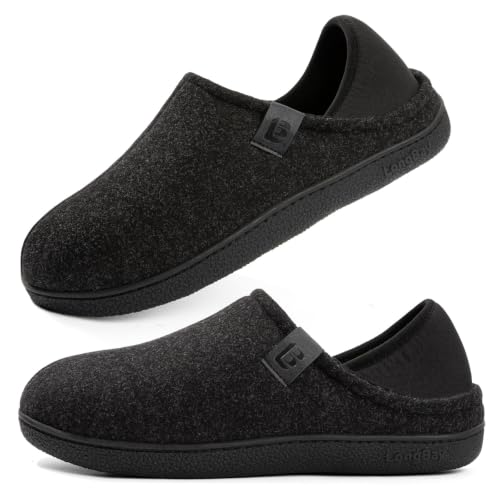
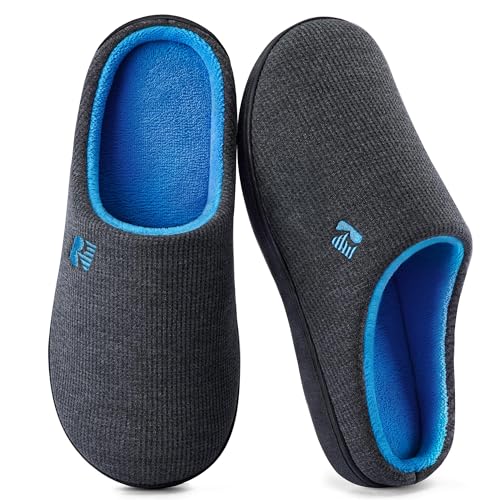
Our Top Picks
 RockDove Women's Faux Fur Lined Microsuede Moccasin Slipper810.6 x 3.93 x 3.35 inchesCheck on Amazon


What's inside
- How to read this guide
- What genuine moccasin construction actually means
- Deerskin, cowhide, and moosehide are not interchangeable
- Linings and the management of warmth and moisture
- Soles decide where a pair can honestly go
- Break-in stretch and the half-size question
- Why a women’s last is more than a smaller men’s shape
- Stitching, seams, and how long a pair can be kept going
- Caring for leather so the moulding does not become damage
- How this guide differs from a general slipper search
- Collar height, fringe, and the details that change daily use
- Check prices on Amazon
- A closing checklist matched to how the pair will be worn
As an Amazon Associate I earn from qualifying purchases. This post may contain affiliate links at no extra cost to you.
How to read this guide
A moccasin slipper looks simple from above: a soft upper, a fringe or bow, a sole that seems barely there. That simplicity hides a construction method with a long history and a set of choices that decide whether a pair feels like a second skin after a month or falls apart at the toe by midwinter. Two slippers can share a silhouette, a colour, and a product photograph angle while being built in entirely different ways, one with a single piece of leather wrapped under the foot and stitched to a gathered plug at the front, the other with a fabric upper glued onto a foam sole and trimmed to imitate the first. This guide separates those two objects and then works through the materials, linings, soles, and sizing behaviour that follow from genuine construction.
As an Amazon Associate, this site earns from qualifying purchases, and that arrangement does not influence the construction criteria, leather comparisons, or sizing guidance set out in the sections ahead. The assessments here draw on published product specifications, leather grading conventions, tannery descriptions, and the documented behaviour of hides under heat, moisture, and repeated flexing, rather than on any claim that a particular pair was worn around a house for this comparison. Where a maker uses a trade name for a lining or a sole compound, the underlying material is identified in plain terms so that pairs from different makers can be compared on substance instead of vocabulary.
The scope is deliberately narrow in two ways. First, every pair considered is cut on a women’s last, meaning the mould around which the upper is shaped reflects a narrower heel, a lower instep volume, and a different proportion between forefoot width and heel width than a unisex or men’s shape. Second, every pair considered uses moccasin construction in some recognisable form, even when a maker adds a modern rubber outsole or a foam layer for use on hard floors. Slippers that borrow only the fringe and the bow, with no plug, no wrap, and no gathered stitching, are discussed only to explain how to recognise and set them aside. Readers who want a broader view of slipper categories will find links to neighbouring comparisons placed through the text, each introduced on its own terms.
Sizing receives unusual attention here, and deliberately so. Leather moccasins change shape after purchase more than almost any other slipper type. A pair that feels correct in a shop can feel loose after three weeks, because the hide has warmed, absorbed moisture, and stretched across the widest part of the foot while the lining has compressed. Understanding that sequence before ordering, including the common advice to step down half a size in certain leathers and not in others, prevents the most frequent disappointment associated with this style: a beautifully made pair that slides at the heel by the second month.
What genuine moccasin construction actually means
In a true moccasin, a single piece of leather forms the sole, rises up the sides of the foot, and wraps partway over the top, where its edges are gathered and stitched to a separate U-shaped piece called the plug, which covers the toes and the front of the instep. The foot therefore rests directly on leather rather than on a board or a foam platform, and the material beneath the toes is the same hide that surrounds the heel. That continuity explains the style’s characteristic ground feel, its ability to mould to an individual foot, and its flexibility in every direction, since no rigid midsole interrupts the bend.
The plug stitch is the visual signature of the method. Where the wrap meets the plug, the leather is gathered in small puckers and joined with a visible seam, traditionally sewn by hand with a heavy waxed thread passing through pre-punched holes. Hand stitching produces slightly irregular spacing that a close look can distinguish from the perfectly uniform loops of a machine seam, and it carries a practical advantage: a broken stitch in a hand-sewn seam tends to stay local, because each loop is secured independently, whereas a machine chain stitch can unravel along a run once a thread snaps. Makers who hand-sew often say so plainly in their specifications, and the claim is worth more than decorative language about heritage.
A second construction, sometimes called a moc-toe or camp moc arrangement, keeps the U-shaped plug and the visible front seam but builds the rest of the slipper on a conventional lasted shape with a separate insole board. The result looks nearly identical from above and differs underneath, where a defined sole unit replaces the wrapped hide. Such pairs can be comfortable and durable, and they often accept a thicker rubber outsole more readily, but they do not mould under the foot in the same way and they usually feel firmer from the first wearing. Neither approach is a deception when it is described honestly; the problem arises only when a listing uses moccasin imagery while the product is a cemented slipper with a decorative stitch printed or moulded onto synthetic material.
Cemented construction deserves a clear description because it dominates the inexpensive end of the market. In that method, an upper of fabric, suede-effect microfibre, or thin split leather is lasted over a form, and its lower edge is glued to a pre-made sole of foam, rubber, or a layered combination. No stitching joins the structural parts, whatever decorative thread appears on the surface. Cemented pairs are light, inexpensive, and often very soft initially, because a foam insole gives immediate cushioning that leather alone does not. Their weakness is the bond itself. Heat, moisture, and repeated flexing at the toe gradually weaken common adhesives, and once an edge lifts, the separation tends to travel. A cemented pair also cannot be resoled or restitched, so its lifespan ends when the glue line or the foam gives way.
Several quick checks help sort one construction from another when reading a specification. Look for the words plug, vamp, wrap, or hand-sewn in connection with the upper, and for a statement about what the foot rests on. If the insole is described as memory foam, padded foam, or cushioned board with no mention of leather beneath the foot, the pair is almost certainly built on a platform rather than wrapped. Examine the underside in photographs: a wrapped moccasin shows leather continuing around the edge with no sharp boundary between upper and sole, while a cemented pair shows a distinct sole unit with its own colour, texture, and edge profile. Finally, note the weight. A leather-wrapped pair in a women’s size typically weighs noticeably more than a foam-soled imitation of the same size, because hide is denser than foam.
For readers who want the wider category first, including men’s and unisex shapes and a broader range of constructions, the general moccasin comparison linked here covers that ground, while the present guide stays with women’s lasts and the fit consequences that follow from them.
Deerskin, cowhide, and moosehide are not interchangeable
Deerskin is the hide most closely associated with traditional moccasins, and its reputation rests on a particular fibre structure. Deer hide has a relatively open, spongy network of fibres that lets the material stretch in several directions and then recover partially, which is why deerskin gloves and moccasins conform so closely to the wearer. It is soft from the first wearing, breathes well, and tolerates getting wet and drying again better than many hides, though repeated soaking will still stiffen it without conditioning. Its weakness is abrasion. The same softness that makes it comfortable makes it vulnerable to scuffing on rough surfaces and to wearing thin at the ball of the foot when a pair without an outsole is used on concrete or gravel.
Cowhide is the most varied category, because cattle hides are large, widely available, and processed into many forms. A full-grain cowhide upper keeps the original outer surface of the hide, with its tight fibre layer intact, and offers the best resistance to scuffs and stretching among the common options. Corrected-grain and embossed cowhide have had that surface sanded and refinished, which evens the appearance at the cost of some strength. Split suede comes from the inner layer after the grain has been separated, and while it feels pleasant and costs less, it stretches more, absorbs water readily, and wears faster. When a listing says only leather without specifying grain, the material is frequently a split or a corrected grain, and the price usually reflects that.
Moosehide occupies a middle position that many wearers find ideal for slippers. It is thicker and more substantial than deerskin, with a pebbled grain and a dense, buttery feel, yet it remains more supple than a comparable cowhide. Moosehide resists stretching somewhat better than deerskin while still moulding to the foot, and its thickness gives an unlined or lightly lined pair a sense of structure that thinner hides lack. Supply is limited and seasonal, which is why moosehide pairs tend to appear from smaller makers and why colour ranges are narrower. A maker offering moosehide in a dozen fashion colours at a very low price is describing something else.
Thickness, usually expressed in ounces in North American leather trade conventions, translates those differences into a number. One ounce corresponds roughly to one sixty-fourth of an inch, so a hide described as 4 to 5 ounces is about 1.6 to 2.0 millimetres thick, a typical range for a slipper upper that must flex easily. Hides in the 5 to 6 ounce range feel more protective and hold their shape longer, at the cost of a firmer first wearing and a longer moulding period. Hides below about 3.5 ounces feel delicate, stretch quickly, and suit only light indoor use with a lining providing the missing body. When a specification gives thickness for the upper and a different figure for a leather sole, the sole figure should be higher, since the underside takes the abrasion.
Tanning method shapes behaviour too. Chrome tanning, the dominant industrial process, produces soft, stable, colourfast leather that resists heat and water moderately well and accounts for most coloured slipper leather. Vegetable tanning, which uses plant extracts over a longer period, yields a firmer hide that moulds exceptionally well and develops a deep surface character with use, but it darkens with water exposure and costs more. Combination and oil tanning appear in moccasin making as well, with oil-tanned hides prized for work and outdoor variants because they shed water and stay flexible after wetting. A listing that names its tanning method is usually signalling a maker who controls more of the production chain.
Suede and smooth finishes cut across all three hide types and should not be confused with the hide itself. Suede is a surface treatment, created by buffing the flesh side or by using a split, giving a napped texture that shows shading as the fibres move. Smooth or grain finishes keep the outer surface, wipe clean more easily, and shed light rain. For a slipper worn mainly indoors, the choice is largely about appearance and about how the surface responds to the inevitable contact with kitchen floors and garden thresholds. Suede shows water marks and needs brushing to keep its nap even, while a smooth finish shows scratches more plainly but can be conditioned back to a more uniform appearance.
Linings and the management of warmth and moisture
Genuine shearling is the benchmark lining for cold-weather moccasins, and the term has a precise meaning: the hide of a sheep or lamb with its wool still attached, tanned as a single piece, so the lining and its leather backing are one material rather than wool glued onto fabric. Wool fibres in shearling are typically clipped to a uniform length for slipper use, often in the region of 10 to 17 millimetres, and they create a layer of trapped air that insulates while still allowing moisture vapour to move away from the skin. That combination is why shearling feels warm without the clamminess associated with synthetic pile, and why it can remain comfortable across a wider temperature span than its thickness suggests.
Shearling also changes fit over time in a predictable direction. The wool compresses under the heel and the ball of the foot during the first weeks, sometimes losing a third of its loft in those pressure zones, which effectively enlarges the interior by roughly half a size in feel. A shearling-lined pair should therefore begin snug, with toes close to the front but not pressed, because a pair that begins roomy will often become sloppy once the pile settles. The leather backing of the shearling stretches at the same time, compounding the effect, and the sizing section later in this guide returns to the arithmetic of combining those two changes.
Wool-blend and synthetic fleece linings imitate shearling’s appearance with varying success. A fleece woven from polyester fibres is light, inexpensive, dries quickly, and does not attract moths, but it traps moisture against the skin more readily, can develop odour faster, and tends to pill and flatten into a thin mat that loses insulation. Acrylic pile behaves similarly. A lining described as sherpa is a knitted fabric with a brushed pile face, not a hide, and it will feel different from shearling within a few weeks as the pile compresses without the resilient support of natural wool crimp. None of these materials makes a slipper poor value, particularly for a wearer who runs warm or who wants a vegan product, but they should be priced and judged as fabric linings rather than as equivalents of a sheepskin.
Unlined moccasins, where the foot rests against the flesh side of the same hide that forms the exterior, offer the purest version of the style. They breathe best, mould most completely, weigh least, and suit warmer rooms and wearers whose feet overheat in lined footwear. The flesh side of a good hide is smooth enough to wear barefoot, and many traditional designs rely on that. Their limitation is thermal: a single layer of leather in the 4 to 5 ounce range provides little insulation from a cold tile or stone floor, and in an unheated cottage bedroom in January that absence is felt within minutes. Unlined pairs also absorb foot moisture directly into the hide, which is manageable with rotation between two pairs and with drying time away from direct heat, but which shortens life if the same pair is worn all day every day without rest.
Partial linings and removable insoles offer compromises worth recognising. Some makers line only the insole area with sheepskin while leaving the upper unlined, giving warmth underfoot where cold strikes through the floor while keeping the upper light and flexible. Others supply a removable cushioned insole over a leather base, which adds shock absorption on hard floors and can be replaced when it flattens, extending the useful life of the upper. A removable insole also lets a wearer insert an orthotic or a thicker sock, although adding volume inside a moulding leather upper changes the stretch pattern and should be done from the first wearing rather than after the hide has already shaped itself to a bare foot.
Moisture behaviour links lining choice to leather care. Wool can absorb a substantial proportion of its own weight in water vapour before feeling damp, which is one reason shearling-lined pairs stay comfortable through a long evening. Synthetic piles absorb very little into the fibre itself, so moisture sits on the skin and in the spaces between fibres. Leather absorbs and releases moisture gradually, and it prefers slow drying at room temperature; forcing it dry beside a radiator or a wood stove causes the fibres to contract unevenly and the hide to crack over time. A wearer in a damp climate should weigh drying behaviour as seriously as warmth, because a lining that stays damp will chill the foot and degrade both the hide and the stitching that holds it.
Soles decide where a pair can honestly go
The traditional moccasin sole is the hide itself, sometimes doubled at the underside with a second layer of leather for wear. On wood, carpet, and smooth indoor floors, a leather sole is quiet, flexible, and kind to the flooring, and it lets the wearer feel the surface in a way that many people find grounding and comfortable. Its limits are equally clear. Leather offers little grip on wet tile, no meaningful insulation from a cold slab, and rapid wear on abrasive surfaces. A leather-soled pair taken regularly across a gravel path or a concrete step will thin at the heel and the forefoot, and once the underside wears through, repair requires a cobbler willing to add a protective layer rather than a simple resole.
Thin rubber outsoles, often in the range of 3 to 6 millimetres, are the most common modern addition, and they transform the practical range of a pair without entirely sacrificing flexibility. A flat rubber layer with a shallow tread pattern gives grip on damp floors, protects the leather from abrasion, and adds a modest barrier against cold and against small sharp objects. Because the rubber is stitched or bonded around the perimeter of a wrapped upper, its presence does not by itself indicate cemented construction; the key question remains how the upper is built and what the foot rests on inside. A stitched outsole can be replaced, while a bonded one usually cannot be separated without damaging the hide.
Lugged and indoor-outdoor soles go further, with deeper tread blocks, a defined heel breast, and sometimes a foam midsole layer between the upper and the rubber. These pairs handle a trip to a mailbox, a woodpile, or a wet garden path with confidence, and they cushion the stride on stone and tile in a way a leather sole cannot. The cost is ground feel, weight, and a stiffer bend that works against the moulding behaviour of the upper, because the foot and the sole no longer flex as one piece. For a wearer whose slippers must double as light outdoor footwear, that exchange is sensible. For a wearer who wants the classic barefoot-like sensation indoors, a heavy lug sole solves a problem that does not exist and creates a clumsier slipper.
Foam soles built from ethylene-vinyl acetate or similar compounds sit at the far end of the spectrum. They are very light and initially springy, they insulate well, and they cost little, which is why they dominate budget slippers of every style. Their drawbacks are compression and durability: the material gradually takes a permanent set under the heel, the tread smooths, and the bond to the upper becomes the weak point already described. Foam also insulates the foot from the floor so completely that a moulding leather upper above it can feel oddly disconnected, and the pair as a whole tends to be replaced rather than maintained.
Grip deserves a more specific treatment than the word traction provides. On dry hardwood, almost any sole except polished leather performs adequately. On wet ceramic tile, a soft rubber compound with many small edges and channels outperforms a hard rubber with a few large blocks, because the small edges break the water film at more points. On carpet, tread is irrelevant and a smooth sole slides on and off more easily when a wearer tucks feet under a chair. On outdoor ice, no slipper sole is genuinely safe, and makers who imply otherwise should be read sceptically; lugs help on packed snow and frost, but a slipper remains a low, soft shoe without the structure to hold an edge. Matching the sole to the floor surfaces actually present in a home, room by room, produces a better decision than choosing the most aggressive tread available.
Noise and floor care are minor but real considerations in houses with sleeping children, thin floors, or prized boards. Leather and soft rubber move quietly. Hard lugged soles announce every step on a wooden landing. Some dark rubber compounds mark pale floors, a trait sometimes disclosed as non-marking when a lighter compound is used. A wearer in a flat or a shared house may find that a quiet sole matters as much as warmth, and that detail rarely appears in a headline description, so it is worth searching a specification for the sole compound and for any statement about marking.
When warmth and coverage matter more than a low profile, a taller silhouette changes the equation around the ankle, and the boot-style comparison below explores that direction in full.
Break-in stretch and the half-size question
Leather stretches where it is warm, damp, and under repeated pressure, which in a slipper means across the ball of the foot, over the instep where the plug seam sits, and around the heel where the wrap curves. It stretches very little along its length, because the fibre orientation and the stitching at the toe resist lengthening. The practical consequence is that a moccasin grows wider and roomier far more than it grows longer. A pair that pinches across the forefoot on the first evening will often ease within a week. A pair whose toes press against the front will rarely gain the length its wearer hopes for, and continuing to wear it in that state can distort the plug seam and push the toes into an uncomfortable shape.
The widely repeated advice to buy half a size smaller than usual rests on that width stretch plus lining compression. For an unlined deerskin pair worn barefoot, stepping down half a size is frequently correct, because deerskin gives the most and there is no pile to compress, so all the change comes from the hide and it can amount to a noticeable loosening within two to three weeks. For a cowhide pair, which gives less, the same advice can leave the wearer with a slipper that stays tight, particularly if the hide is a thicker full-grain stock. For a shearling-lined pair in any hide, the lining’s compression adds room independently of stretch, so a snug fit in the wearer’s normal size often becomes correct without stepping down at all.
Half sizes are not universally available in this category, and many traditional makers offer whole sizes only, with guidance to size down if between sizes for certain models and up for others. That guidance varies because lasts differ. A maker whose last runs generous can safely advise sizing down, while a maker whose last is narrow may advise the opposite for the same nominal size. The most useful information a listing can give is a measured insole length in centimetres or inches for each size, because a wearer can compare that figure with the length of their own foot measured standing, in the evening, when feet are at their largest. Adding roughly 0.5 to 1.0 centimetres of space beyond the longest toe gives a sensible target for a slipper, which needs room to flex without the toes striking the front.
Width fittings complicate the picture helpfully. Some makers offer narrow, medium, and wide versions of the same style, which matters for moccasins because stretch cannot correct a fundamental mismatch. A wide foot in a medium last will stretch the hide until the foot sits partly over the edge of the sole area, producing uneven wear and a seam that rolls under the foot. A narrow foot in a medium last will never achieve a secure heel hold, however long the break-in, because there is simply too much volume. Choosing the correct width at the outset is more valuable than any sizing-down strategy, and a maker who publishes width options and last measurements is making that choice possible.
Socks change the calculation and should be decided in advance. A pair fitted barefoot in summer will feel tight with a thick wool sock in winter, and the hide will stretch to accommodate the sock if that is how it is consistently worn, after which it may feel loose barefoot. Wearers who intend to use a pair both ways often do better with a shearling lining and no sock, since the wool regulates temperature across seasons, or with two pairs dedicated to different uses. Orthotics and arch supports raise the instep volume substantially and can strain a plug seam that was not designed for the extra height, so a wearer who needs support should look for a style with a removable insole and a deeper last rather than forcing a shallow traditional shape to adapt.
The timeline of change is worth setting out plainly, because impatience causes returns of pairs that would have fitted well. In the first few wearings, pressure points across the forefoot and over the instep are normal, provided they are pressure rather than pain and provided the toes are not cramped in length. By the end of the second week of daily wear, most hides have taken much of their stretch and a shearling lining has begun to settle under the heel. By the end of the first month, the interior has largely become a map of the individual foot, with the leather holding impressions of the toes and the ball. A pair that still hurts at that stage is the wrong size or the wrong last, and further wear is unlikely to rescue it.
Why a women’s last is more than a smaller men’s shape
A last is the solid form around which a shoe or slipper is built, and its proportions determine fit more than the size number printed on a box. On average, a woman’s foot of a given length has a narrower heel relative to its forefoot width, a lower instep, and a shorter distance from heel to the arch’s highest point than a man’s foot of the same length. A unisex last scaled down from a men’s pattern therefore tends to produce a slipper that fits across the toes while slipping at the heel, which is precisely the complaint most often reported about moccasins bought in unisex sizing. Heel slip in a backless or low-backed style is a nuisance; in a moccasin it also accelerates wear, because the heel of the foot rubs against the wrap with every step instead of sitting still inside it.
Manufacturers address this in different ways. Some maintain genuinely separate lasts for women’s styles, with the heel cup narrowed and the instep lowered. Some use a single last but add an elasticated gore, a drawstring, or a lace that passes around the heel through eyelets in the leather, allowing the wearer to draw the heel in. The traditional moccasin lace, which runs around the back of the heel and ties at the front, is functional in exactly this sense: tightening it pulls the wrap closer around the heel and ankle. A decorative bow that is stitched in place and cannot be adjusted does none of that work, and telling the two apart in a photograph requires looking for whether the lace passes through holes and continues around the back.
Toe shape follows the last as well. A rounded, roomy toe box suits the gathered plug construction and lets the toes spread, which many wearers value in a house shoe worn for long periods. A more tapered or pointed toe in a moccasin style is usually a fashion adaptation built on a lasted platform, and it can crowd the smaller toes even in the correct length. Arch position matters in a subtler way: in a soft moccasin there is no arch support structure, so the foot settles where the leather allows, and a last whose arch curve matches the wearer’s foot length will feel more centred and less prone to rolling inward than one whose proportions are off, even though neither provides support in the orthopaedic sense. Wearers who need actual arch support should plan on an insole rather than expecting the construction to provide it.
Sizing systems add a layer of confusion that a careful buyer can cut through with measurements. United States, United Kingdom, and European size scales do not align in simple steps, and conversion charts differ between brands by up to half a size. A European 39 may be presented as a United States 8 by one maker and an 8.5 by another. Because moccasin fit depends so heavily on length and volume rather than on a label, the insole measurement remains the most reliable bridge between systems. Makers who sell internationally and publish centimetre measurements for each size are sparing their customers the most common cause of exchange.
Stitching, seams, and how long a pair can be kept going
Thread is a structural material in a moccasin, not a decoration, and its specification matters. Heavy waxed polyester or nylon thread resists rot and abrasion better than cotton, and waxing helps each stitch seat tightly in its hole and shed moisture. Stitch density is a balance: too few stitches per inch leaves long spans that can catch and break, while too many perforations close together weaken the leather between holes and can cause the seam to tear out along the perforation line like a stamp from a sheet. In hand-sewn plug seams, a moderate, even density with holes punched rather than cut gives the best combination of strength and leather integrity.
The plug seam takes the most stress, because it sits where the foot bends and where the gathered leather concentrates force. A well-made seam lies slightly recessed or flush, so it does not form a ridge that presses into the top of the toes. Some makers add a second row of stitching or reinforce the ends of the seam where it meets the sides, the points where separation most often begins. A wearer inspecting a pair should look for even tension, no loose loops, and no puckering so tight that the leather between stitches is already distorted, since an over-tightened seam will cut into the hide as it stretches.
Compare that repairable structure with a cemented sole, whose failure mode is final. A stitched moccasin that loses a section of seam can be restitched by a cobbler or by the maker, and many traditional makers offer repair or resoling services that extend a pair’s working life by years. A leather sole that has worn thin can be covered with a protective rubber layer before it fails, converting an indoor pair into a more versatile one. Even a stretched-out pair can sometimes be improved with a sheepskin insole that takes up volume. These options change the economics of the purchase: a more expensive stitched pair, maintained occasionally, can cost less per year of use than a succession of inexpensive cemented pairs, as well as generating less waste.
Other seams deserve a glance. The heel seam at the back, where the wrap closes, should be skived so the overlapping leather does not create a hard ridge against the Achilles area. Collar bindings, where a strip of leather or fabric finishes the opening, protect the edge from stretching and from fraying, and a bound collar generally keeps its shape better than a raw cut edge. Laces should be leather or a strong woven material with secured ends, because a snapped lace on a style that relies on it for heel retention changes the fit immediately. Eyelets or punched holes for laces should be reinforced or at least cleanly cut, since a hole in thin hide will elongate under repeated tightening.
Readers comparing established slipper makers by name, rather than by construction alone, will find a brand-focused survey at the link below, which sits alongside this guide’s material-first approach.
Caring for leather so the moulding does not become damage
Suede needs the lightest touch and the most regular attention. A suede brush with crepe or soft brass bristles lifts the nap, removes surface dust, and restores the shading that makes suede look even. Brushing should follow the direction of the nap for a smooth finish, or work against it briefly to lift flattened areas before a final pass in the resting direction. A protective spray formulated for suede and nubuck, applied to a clean, dry pair before first wear and renewed periodically, creates a light barrier that causes water to bead rather than soak in immediately. Such sprays do not make leather waterproof, and a pair treated with one still needs to be kept out of puddles and heavy rain, but they buy time to get indoors and they reduce staining from splashes.
Smooth leather asks for conditioning rather than brushing. A small amount of a leather conditioner matched to the finish replenishes oils lost to indoor heating and to contact with skin, keeping the fibres flexible and less likely to crack at the flex point over the toes. Over-conditioning is its own error, softening the hide excessively and darkening pale colours, so thin applications with time to absorb are better than a single heavy coat. Coloured and aniline finishes, which show the natural surface of the hide, will darken more noticeably than pigmented finishes, and a discreet patch inside the collar is the place to preview the effect.
Water incidents are best handled slowly. A soaked pair should be blotted, shaped loosely with crumpled paper or a shoe form to hold the toe open, and left to dry at room temperature away from radiators, fires, and direct sun. Heat drying is the single most damaging routine event in a moccasin’s life, because it contracts the fibres unevenly, stiffens the hide, and can crack a finish that looked unharmed while wet. Once dry, a conditioner restores flexibility to smooth leather, and a brush restores suede. Salt marks from winter pavements can be lifted with a barely damp cloth and a small amount of a suede-safe cleaner, followed by brushing once dry.
Storage and rotation extend life quietly. Leather benefits from a day of rest between wearings, during which moisture absorbed from the foot can evaporate and the fibres can recover some shape. Two pairs rotated through a week will usually outlast two pairs worn one after another to exhaustion. Storing a pair stuffed lightly maintains the toe shape, and keeping them away from prolonged direct sunlight prevents uneven fading, particularly in dyed deerskin and in suede. Cedar forms absorb moisture and odour, though in a soft moccasin a lightweight form that does not stretch the opening is preferable to a heavy sprung tree designed for structured shoes.
Odour management in an unlined or shearling-lined pair is mostly about drying and air. Wool resists odour longer than synthetic pile because its fibre structure traps odour compounds and releases them during airing, but no lining stays fresh indefinitely under daily barefoot wear. Airing a pair near an open window, using a light dusting of a foot-safe powder, and rotating pairs all help. Washing a leather moccasin in a machine is not advisable unless the maker explicitly designs and labels the pair for it, because immersion, agitation, and detergent together strip oils, distort the plug seam, and can separate any bonded sole layer in a single cycle.
How this guide differs from a general slipper search
It helps to state the boundary of this comparison plainly, because the word moccasin is used loosely across retail catalogues. This guide is concerned with women’s fit and with moccasin construction, in that order of importance: a pair must be shaped for a woman’s foot proportions, and it must be built with a wrap, a plug, or a recognisable derivative of that method. A general moccasin roundup may include men’s styles, unisex lasts, and pairs chosen mainly for appearance, which serves a different shopper. A general bedroom slipper roundup goes wider still, covering backless slides, closed-toe scuffs, knitted booties, and foam clogs, most of which have nothing to do with leather construction at all.
That distinction matters when reading recommendations elsewhere. Advice about sizing down for stretch applies to leather moccasins and not to a knitted slipper, which gives in a different way and often recovers with washing. Advice about resoling applies only where stitching holds the sole. Advice about shearling compression applies to any shearling-lined footwear but not to a fleece-lined fabric style, whose pile flattens without the same resilience. Keeping the category boundaries clear prevents a reader from importing a rule into a context where the underlying material behaves differently.
For the broader bedroom category, including open-back and non-leather options that some readers will prefer for warm houses or for easy entry with limited mobility, the comparison below covers that wider field on its own terms.
Collar height, fringe, and the details that change daily use
The opening of a moccasin, called the collar or throat, determines how easily a pair goes on and how securely it stays during a walk across a room with arms full. A low collar that sits below the ankle bone slips on without hands, which suits a wearer who moves between rooms frequently or who has limited reach, but it offers the least retention and relies entirely on the moulded fit of the leather to stay in place. A higher collar that rises over the ankle adds warmth, holds the pair on during stair climbing, and keeps debris such as garden grit or pet hair from entering at the opening, at the cost of a slower entry and a warmer feel in summer. Elasticated inserts at the sides of a higher collar ease entry without loosening the whole opening, though elastic loses tension over years and is difficult to replace neatly in a soft leather upper.
Fringe, bows, and beadwork carry no structural role, yet they affect maintenance in small ways that accumulate. A fringe cut from the same hide as the upper will curl and darken at the same rate as the rest of the pair, and it can catch on a rug edge or a chair leg until a wearer becomes accustomed to its length. A bow tied from a leather lace can be untied and retied to adjust tension at the instep on styles where the lace is functional, while a purely decorative bow stitched flat adds a point where dust collects and where a loose thread can start. Beadwork sewn through the plug adds weight at the front and creates additional perforations in the leather at exactly the area that flexes most, so heavily beaded designs are better suited to occasional wear than to a pair expected to serve every evening for years.
Colour and dye behaviour deserve a practical note, because a slipper spends its life in contact with skin, socks, and pale carpets. Deeply dyed suede in saturated shades can transfer a small amount of colour to light socks during the first wearings, particularly when feet are warm and slightly damp, and makers who warn about this in their care notes are describing a normal property of the dye rather than a defect. Aniline and semi-aniline finishes show the natural variation of the hide, including healed marks and differences in grain between the two shoes of a pair, which some wearers prize as evidence of a genuine material and others read as inconsistency. Pigmented finishes even out that variation and resist staining better, while feeling slightly less supple. Choosing between them is a matter of taste, provided the buyer knows which finish is being offered and does not expect the uniformity of a synthetic from an aniline hide.
Weight and packability close out the practical details. A leather-wrapped unlined pair folds almost flat and travels well in a bag, recovering its shape quickly because there is no rigid structure to crush. A shearling-lined pair with a lugged sole occupies roughly the volume of a light shoe and should be packed with the openings supported so the collar does not crease sharply. For a wearer who visits family often or who keeps a pair at a second home, that difference decides whether the preferred pair actually travels or stays behind, and a travel-friendly second pair in a thinner hide is a reasonable complement to a heavy winter pair rather than a duplication.
Check prices on Amazon
Live listings for the shortlist in this guide are pulled from Amazon below, so prices and availability are always current at the moment you look.


A closing checklist matched to how the pair will be worn
Cold floors and draughty rooms
Choose genuine shearling, a hide in the 5 to 6 ounce range for body, and a rubber outsole thick enough to interrupt the cold path from a stone or tile floor. Check that the collar sits high enough to cover the ankle bone if draughts are a problem, and consider whether a taller style would serve better than a low moccasin shape, since no lining compensates fully for an exposed ankle in a cold room. Fit the pair snug at purchase, anticipating pile compression, and plan on wearing them without socks so the wool can do its work against the skin.
Warm houses and overheating feet
Choose an unlined deerskin or moosehide pair with a leather or very thin rubber sole, and skip the fleece and foam entirely. The hide will mould closely, breathe, and feel cooler than any lined alternative, and the absence of pile means the fit change during break-in comes only from stretch, which is easier to predict. Size down half a size if the maker supports that advice for the specific model, and measure insole length rather than trusting the label, because an unlined pair that starts loose has no lining compression to blame and no way to become snug later.
Hard floors, standing, and kitchen work
Choose a pair with a removable cushioned insole over a leather base, or a thin foam midsole combined with a rubber outsole, accepting a little loss of ground feel in exchange for shock absorption under the heel. Confirm that the tread compound is described as non-marking if the floors are pale, and that the sole has enough small edges to grip a damp kitchen tile. A slightly firmer cowhide upper will resist scuffs from cupboard plinths and dropped utensils better than deerskin, and a smooth finish will wipe clean after a spill where suede would stain.
Outdoor errands from the door
Choose a lugged or at least a defined rubber outsole, an oil-tanned or otherwise water-tolerant hide, and a construction where the outsole is stitched as well as bonded. Accept the extra weight and stiffness as the price of walking to a woodpile or a gate without changing footwear, and keep expectations realistic about ice and about deep mud, both of which exceed what any slipper is built for. Dry the pair slowly after wet outings and condition the leather more often than an indoor pair requires, because outdoor use cycles the hide through wetting and drying that indoor wear never imposes.
Start with the construction, because a wrapped and stitched pair can be maintained, repaired, and understood, while a glued imitation can only be replaced. Then choose the hide for the amount of give and protection your feet need, the lining for the temperature of your rooms, and the sole for the floors and paths the pair will actually cross. Measure your foot standing in the evening, compare that length with a maker’s insole figure, and let the known stretch of the chosen leather decide whether to step down or stay put. A pair chosen in that order tends to disappear from attention within a month, moulded quietly to the foot inside it, which is the oldest promise this style makes and still the best reason to buy it.