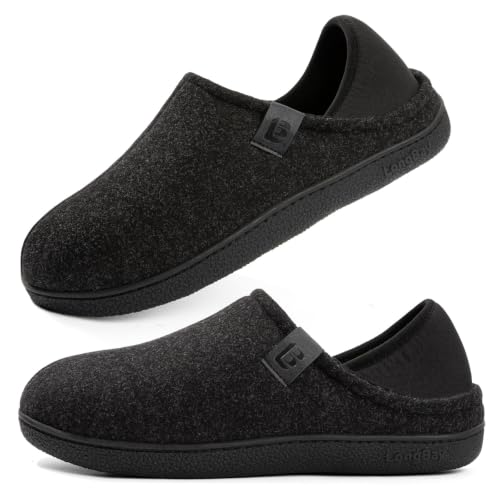
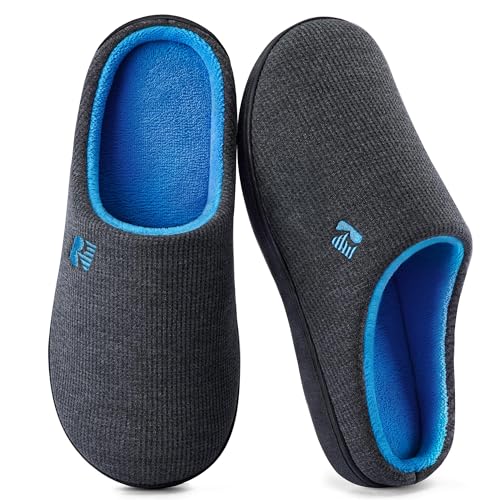
Our Top Picks


What's inside
- How to read this guide
- What makes a slipper athletic or recovery-oriented
- EVA density, durometer and the comfort-stability trade
- Stack height and heel-to-toe drop
- Arch support and heel structure for tired feet
- Outsoles: indoor floors, damp patios and the honest middle
- Straps and uppers: knit, mesh and neoprene
- An honest frame for recovery claims
- Women’s sizing and the behaviour of straps over time
- Care after training: sweat, odour and drying
- Who should look elsewhere
- Matching the slipper to your training life
- How different training days change the brief
- Reading your floors before you read the foam
- Silhouettes: slides, closed mules and booties compared
- A final ordering of priorities
- Check prices on Amazon
- Common buying mistakes and how to sidestep them
As an Amazon Associate I earn from qualifying purchases. This post may contain affiliate links at no extra cost to you.
How to read this guide
Picture the ten minutes after a run ends, when shoes come off beside the door and tired feet go looking for something kinder that still behaves like footwear. As an Amazon Associate we earn from qualifying purchases. That small window of time defines this entire category, so every specification here is judged by what it does for feet that have just worked hard: how the foam responds under a fatigued arch, how securely the heel sits when legs feel heavy, and how confidently the sole meets a damp patio on the way to put the bins out. Dimensions are given in millimetres where they matter, foam firmness is discussed in durometer terms, and no recovery claim is allowed to grow larger than the evidence behind it. Read the sections in any order, although the logic flows best from purpose, through foam and geometry, to straps, sizing and after-session care.
One distinction should be settled immediately. An athletic slipper is not simply a house slipper painted in sporty colours, and it is not a running shoe with the laces removed. It occupies a deliberate middle ground: the easy entry of a slide or mule, combined with a sole engineered more like training footwear than like bedroom footwear. That engineering shows up in the density of the foam, in a shaped rather than flat footbed, and in an outsole that expects to meet more than carpet. If a design lacks those traits, it may still be a pleasant slipper, but it does not belong in this discussion and will not be judged as though it does.
What makes a slipper athletic or recovery-oriented
The defining component sits under the foot. Ordinary house slippers commonly use a thin layer of soft padding over a flexible board or a simple moulded sole, prioritising lightness and a barefoot-like feel. Athletic designs instead build the whole sole from a substantial slab of resilient foam, most often EVA, thick enough to absorb the repetitive load of walking on hard floors after exercise. The footbed surface is contoured: a raised arch zone, a cupped heel and often a slightly raised toe area replace the flat landing of a bedroom slipper. Those contours are not decoration. After a long run or a hard training session, the muscles that normally hold the arch up are fatigued, and a shaped surface carries part of that workload passively while the foot rests.
A gentle rocker geometry is the second signature. Instead of bending sharply at the ball of the foot with every step, a rockered sole rolls forward through a smooth curve, reducing how much the toes must bend and how hard the forefoot must push to move the body along. For a post-run shuffle to the kitchen, that rolling motion feels noticeably easier than a flat, floppy sole. The rocker in a slipper is milder than in a racing shoe, because the context is recovery and household movement rather than propulsion, but even a few degrees of well-placed curvature changes the effort of walking on tired legs.
The third signature is intent about surfaces. Athletic slippers assume the wearer will cross a gym changing-room floor, a garage, a hotel corridor or a wet garden path, so their outsoles carry real tread and their uppers use materials that tolerate splashes and dry quickly. A bedroom slipper, by contrast, may have a fabric sole that would be ruined by one damp pavement. Neither intent is superior in the abstract; they answer different routines. Problems begin when a buyer expects one product to live in both worlds without compromise, because tread, water tolerance and structure all add weight that a pure bedroom design happily avoids.
Recovery as a design brief, not a promise
Manufacturers use the word recovery because the design brief genuinely starts from the post-exercise state: elevated foot temperature, mild swelling, tired intrinsic muscles, sensitive heels and a preference for stepping into something without bending down or wrestling with fastenings. A wide, stable entry, a cushioned yet supportive sole and a secure strap answer that brief honestly. Where honesty ends is at medical outcomes. A slipper can reduce the effort of walking around your home after training and can feel more comfortable than a hard floor or a flat sandal. It cannot repair tissue, correct biomechanics or substitute for sleep, nutrition and sensible training load, and this guide will keep that boundary visible whenever the language of recovery appears.
EVA density, durometer and the comfort-stability trade
Nearly every athletic slipper sole begins as EVA foam, but that single material name conceals a wide spectrum of behaviour. Density and hardness decide whether a sole feels like a marshmallow, a firm mattress or something usefully in between. Brands sometimes publish a durometer reading, taken with a hardness gauge pressed into the foam, and sometimes describe density in general terms. Higher readings correspond to firmer foam. Very soft foam measures at the low end of the scale used for footwear midsoles, while firm recovery soles sit noticeably higher, and that spread explains why two slippers that look almost identical in profile can feel unrelated on the foot.
Soft foam delivers immediate relief. It spreads pressure, forgives a tender heel and gives swollen feet a gentle landing. Its weakness appears over distance and time: a very soft sole compresses deeply at the heel, allows more sideways movement of the foot, and can feel unstable when you carry something heavy across a room or descend stairs. It also fatigues faster at the point of maximum load, developing a permanent hollow that tilts the heel. Firm foam behaves oppositely. It holds the foot in a more defined position, resists rolling, and keeps its shape across months of daily use, yet it offers less of that first-step sigh of relief and can feel unyielding on a bruised forefoot.
Finding the middle that most feet prefer
For general post-training household use, a mid-range firmness usually serves the widest set of feet, because recovery walking is neither standing still nor running. You are moving, turning, climbing a few stairs and standing at a counter, and each activity rewards a slightly different foam. A balanced sole compresses enough to cushion heel contact, then returns energy rather than swallowing the step entirely. Dual-density constructions attempt to widen that sweet spot by placing softer foam directly under the foot and firmer foam around the perimeter or beneath it, creating a cradle effect: comfort in the centre, guardrails at the edges. When a specification mentions two densities, check which one touches the foot, since that layer dominates the first impression while the firmer layer dominates stability.
Temperature and age quietly rewrite foam behaviour. EVA feels firmer on a cold morning floor than in a warm room, because the material stiffens as temperature falls, so a pair kept by a draughty door may feel different at dawn than after an evening indoors. Over a long service life, repeated compression breaks down cell structure, and the heel zone softens and thins first. A sole that began in the balanced middle can therefore drift toward the too-soft end after a year of heavy use. That drift is a replacement signal, not a personal failure of adaptation, and it tends to arrive sooner for heavier wearers and for those who wear the same pair for every post-session hour, seven days a week.
Stack height and heel-to-toe drop
Stack height is the thickness of sole material between foot and ground, usually quoted at the heel. Athletic slippers carry far more stack than house slippers, commonly reaching dimensions associated with cushioned training shoes. More stack means more material available to absorb load and more room for a contoured footbed to exist without the foot sitting in a hole. It also raises the wearer higher, changes ankle geometry, and adds a sense of separation from the floor that some people love after pounding pavements and others find faintly precarious on stairs.
Drop is the difference between stack height under the heel and stack height under the forefoot. A heel that sits eight millimetres higher than the toes produces a gentle forward slope; a level construction produces none. Drop interacts with calf and Achilles loading. After running, especially running done in low-drop shoes or barefoot-style training, a sudden move to a high-drop slipper changes the stretch on the calf complex, while the reverse change asks more of it. There is no universally correct drop for recovery footwear, only a sensible principle: avoid extremes that differ wildly from what your legs are accustomed to, particularly in the hour when tissues are tired and less tolerant of novelty.
How rocker and drop work together
Rocker and drop are often confused because both influence how a step rolls. Drop describes a static height difference built into the sole. Rocker describes a curve. A slipper can have noticeable drop with a flat bottom, or almost no drop with a pronounced curved bottom, and the walking sensations differ. The curved design rolls the foot forward even on level ground, reducing toe bend. The sloped design mainly changes ankle angle at rest. When product descriptions praise an effortless stride, they are usually describing rocker; when they discuss calf relief or a lifted heel, they are usually describing drop. Separating the two claims helps you predict whether a design will suit a sensitive forefoot, a tight calf, both or neither.
Thick stacks also affect lateral stability in a way worth respecting. Height amplifies lean: the taller the foam column under the heel, the more a small sideways shift at the ankle becomes a larger movement at the foot. Wide sole platforms counteract this by extending the base beyond the outline of the foot, particularly at the heel and midfoot. When comparing designs, look at the sole from above and below, not only from the side. A tall but wide platform can feel more secure than a lower but narrow one, because stability lives in the relationship between height and base width rather than in either figure alone.
Arch support and heel structure for tired feet
Arch support in a recovery slipper means a shaped rise under the midfoot that makes contact with the arch and shares load that would otherwise concentrate at the heel and forefoot. After exercise, when the small muscles inside the foot are fatigued, that contact can feel profoundly relieving, because the structure of the shoe is doing work the foot would prefer to postpone. The support should feel like a hand held firmly under the arch, present and unmistakable, but never like a pebble or a ridge digging upward. Height, position and firmness all matter: a rise placed too far forward prods the sensitive mid-arch, while one placed correctly supports the area just in front of the heel.
Feet differ enough that arch geometry is the most personal specification in this category. A low, flexible arch may welcome a substantial rise and feel cradled by it. A high, rigid arch may make only light contact with the same rise and judge the slipper unsupportive, or may dislike pressure at the edges of its naturally narrow contact patch. Flexible flat feet can also react badly to an aggressive contour if the rise forces a position the foot cannot comfortably adopt. This is why arch claims should always be read as descriptions of shape rather than guarantees of relief, and why a first wearing should be brief and indoors, with attention paid to whether the sensation improves or accumulates across twenty minutes.
The heel counter and the cup
At the rear of the foot, two structures cooperate. The heel cup is the dished shape in the footbed that receives the heel bone and its fat pad, centring them over the thickest foam. The heel counter is the firmer structure around the back and sides of the heel in the upper or sole unit, resisting sideways drift. Together they keep a tired, slightly unsteady foot planted in the middle of a wide platform instead of wandering toward an edge. A deep cup with soft walls suits a sensitive heel; a shallower cup with a firmer counter suits a wearer who values a locked-in feeling when moving quickly around a kitchen.
Heel geometry also influences noise and wear patterns. A heel that lands repeatedly off-centre compresses one side of the foam more than the other, gradually creating a tilt that encourages the same landing again. Over months, that feedback loop can turn a small habit into a visibly lopsided sole. Checking the soles monthly and noticing asymmetric compression gives you early information about your own gait in these shoes, and rotating with another pair slows the process. None of this diagnoses anything medical; it simply keeps the footwear honest for longer.
Readers who know the classic comfort names in this space may enjoy the heritage designs collected at best acorn slippers for women, which show how traditional cosy construction differs from the foam-platform approach examined here.
Outsoles: indoor floors, damp patios and the honest middle
Outsole design divides this category into three honest groups. The first group is foam-only, where the EVA sole itself meets the ground. These are the lightest and quietest, and on dry indoor floors they grip adequately, but the foam tread wears smooth relatively quickly and a wet surface can turn them treacherous, because smooth wet foam on smooth wet tile offers little friction. The second group adds a thin rubber layer or rubber pods at heel and forefoot. Rubber restores wet grip, protects the foam from abrasion and extends service life considerably, at the cost of some weight and a firmer ground feel. The third group uses a fuller rubber outsole with deeper tread, approaching light outdoor footwear and handling gravel paths, wet decking and gym car parks with real confidence.
The phrase water-friendly needs unpacking whenever it appears. It may mean the materials survive getting wet without damage, which is a durability claim. It does not automatically mean the sole grips when wet, which is a traction claim, and the two are independent. A slipper can shrug off a soaking yet slide on a wet smooth floor, or grip wet tile brilliantly while its padded strap takes all evening to dry. Read wet-weather descriptions by separating those questions: will it survive water, will it hold me on water, and how long until it feels dry again afterwards.
Tread patterns that tell the truth
Tread communicates intent if you know the vocabulary. Wide channels that run across the sole move water out from under the foot and preserve contact on damp surfaces. Small, dense lugs suit mixed indoor and outdoor abrasion. A nearly smooth sole with shallow texture is declaring indoor priorities regardless of what the surrounding copy says. Flex grooves across the forefoot let a thick sole bend where the foot bends, preventing the plank-like feeling that otherwise plagues high-stack designs. Examine the heel edge especially: a slightly bevelled heel reduces the catching sensation at first contact and works with the rocker to smooth each landing.
For the avoidance of doubt, no slipper in this category should be treated as safety footwear. Wet leaves on a slope, algae on stone, ice, oil films in a garage and polished wet marble all defeat ordinary tread. A wearer whose routine includes those surfaces needs dedicated footwear for that segment of the day, and the slipper resumes its role once the hazardous stretch is crossed. Respecting that boundary is part of using athletic slippers well rather than expecting them to be every shoe at once.
Straps and uppers: knit, mesh and neoprene
The upper of an athletic slipper is usually a single wide strap, a pair of crossed straps, or a closed bootie-like body, and its job is retention plus ventilation. After exercise the foot is warm and often slightly swollen, so the upper must hold securely without concentrating pressure on the top of the foot, and it must let heat escape rather than wrapping the foot in a warm sleeve. Material choice decides how that balance lands.
Engineered knit stretches in patterned zones, hugging the midfoot while giving over the toes, and it breathes well through its looped structure. Knit feels immediately comfortable and adapts across a session as swelling changes, but its elasticity is also its weakness: a knit strap that stretches to accommodate a swollen evening foot may feel loose on a fresh morning foot, and over many months the fibres can relax permanently. Mesh, whether as a strap lining or a full upper, prioritises airflow above all. It dries fastest after a splash or a wash and keeps the top of the foot coolest, yet thin mesh provides the least structure and can allow more sideways movement inside the shoe. Neoprene offers a middle path of cushioned, slightly compressive hold. It tolerates water gracefully and pads the strap contact generously, although it insulates more than mesh and can feel warm during summer use.
Padding, seams and the top of the foot
Strap padding matters disproportionately after exercise because the skin over the instep is warm and sometimes tender, and the veins on the top of the foot sit close to the surface. A padded strap spreads its holding force across a wider, softer band, avoiding the narrow pressure line an unpadded edge can create. Seam placement deserves a glance: a seam running exactly over the highest point of the instep will announce itself within minutes, while seams offset to the sides disappear from awareness. Adjustable straps solve several of these problems at once by letting the wearer set tension for the foot they have at that hour, although hook-and-loop closures lose grip strength as they accumulate lint and need occasional cleaning to stay trustworthy.
Closed bootie uppers belong to the colder end of this category and to wearers who want the slipper to stay on during sofa sprawls and stair climbs alike. They trade ventilation for security and warmth, and their stretch panels decide whether entry stays easy when the foot is swollen. For cold-weather training routines that end in a chilly house, that trade can be exactly right, a point explored further in the insulated styles gathered at best boot slippers for women, where warmth rather than ventilation leads the design brief.
An honest frame for recovery claims
Comfort after exercise is a real and worthwhile goal, and it does not need exaggeration to justify itself. A cushioned, contoured slipper can reduce how hard your floors feel, can make the hour after training more pleasant, and can encourage the simple, valuable behaviour of staying off a painful heel while dinner is made. Those are meaningful benefits stated at the size the evidence supports. What responsible guidance must decline is the leap from comfort to treatment. No household slipper has been shown to heal plantar tissue damage, resolve tendon problems or prevent injury, and any product narrative implying otherwise should lower, not raise, your confidence in the brand making it.
A useful test for any claim is to ask what comparison it secretly makes. Softer than what, supportive compared with what, recovering from what and by when. Claims that survive those questions tend to be modest and specific: a sole that feels softer than a tiled floor, an arch shape that some wearers find relieving after long runs, a rocker that reduces toe bending while walking. Claims that dissolve under questioning were never information; they were atmosphere. Building your expectations on the modest version protects your wallet and, more importantly, keeps genuinely worsening foot pain pointed toward professional assessment instead of toward another purchase.
When a slipper is not the answer
Persistent heel pain that is worst with the first morning steps, pain that changes how you walk, numbness, swelling that does not settle overnight, or a specific spot of tenderness after a twist or impact all deserve clinical attention rather than footwear experimentation. Athletic slippers can coexist happily with professional care, often as the comfortable household footwear a clinician is glad you own, but they should not be asked to arbitrate a diagnosis. The same honesty applies to training itself: recovery footwear complements rest, sleep, fuel and gradual load progression, and it replaces none of them. Treat the slipper as the easiest five percent of recovery, pleasant and worthwhile, and let the other ninety-five percent come from the habits that actually rebuild you.
Women’s sizing and the behaviour of straps over time
Sizing in this category runs into a complication that ordinary shoe sizing mostly avoids: the foot being fitted changes size across the very hours when the slipper is worn. Post-exercise feet carry extra fluid and warmth, and an evening foot after a day of training is measurably larger than the same foot at breakfast. A pair fitted snugly in a shop at midday may therefore feel tight at the moment of greatest need. The practical response is to judge fit by the end-of-day standard, aiming for a strap that sits securely without leaving deep marks across the instep after ten minutes of wear, and for toes that reach near the front of the platform without pressing its edge.
Length still matters in the usual way. The platform should extend slightly beyond the heel and the longest toe, because a foot that overhangs a foam sole compresses its edge and creates a tipping point. Width matters more than many size charts admit. Women’s lasts vary, and a wide platform with a forgiving knit strap can suit a broad forefoot better than a nominal wide size in a rigid strap design. Between sizes, the decision rule in this category leans upward more often than in ordinary footwear, since a fraction too much room in a slipper is a minor annoyance while a fraction too little becomes a pressure problem on a swollen foot. The exception is a wearer with narrow heels, for whom extra length invites the heel to wander inside an already roomy cup.
Strap stretch across weeks and months
Every elastic upper relaxes. Knit fibres yield gradually, neoprene loses a little of its snap, and padded straps compress where they cross the instep. The result is a pair that feels more customised and less secure at the same time. Expect the change, and prefer designs whose initial fit sits at the firmer end of comfortable, because they are the ones still holding properly in month four. Adjustable closures reset the equation entirely, which is why they deserve a premium in this category despite their slightly fussier appearance. A strap you can tighten by a few millimetres in autumn compensates for a season of stretch in one gesture.
Socks rewrite fit yet again. Many wearers pair recovery slippers with thick cushioned socks in winter and bare feet in summer, a swing in volume roughly equivalent to half a size. A strap with stretch or adjustment absorbs that swing gracefully. A fixed, rigid strap forces a choice of season. When reading sizing guidance, mentally assign the pair a primary configuration, socks or no socks, and judge the fit in that configuration first. Versatility is a bonus; a secure fit in your main routine is the requirement.
Care after training: sweat, odour and drying
Athletic slippers live a harder hygiene life than bedroom slippers because they receive feet at their sweatiest. Sweat itself is mostly water and salts, but left inside foam and strap padding it feeds the microbes whose by-products produce odour, and it degrades some materials over time. The single most effective care habit costs nothing: let the pair dry fully between uses, in open air, with the straps lifted or the bootie tops folded down so the interior can breathe. A pair worn for the hour after every session and then left in a closed gym bag will smell like it, regardless of price or promises.
Washing strategy depends on construction. Foam soles with fabric straps usually tolerate hand washing in lukewarm water with mild detergent, followed by thorough rinsing and patient air drying. Machine washing is riskier: heat and agitation can delaminate bonded rubber pods, distort a moulded footbed and accelerate strap stretch, so it should be attempted only where care instructions explicitly allow it, inside a protective bag on a gentle cycle. Never rush drying with a radiator or a hot dryer, because EVA distorts under sustained heat and a warped platform never walks correctly again. A fan in the room accomplishes most of what heat promises, without the damage.
Odour control that respects the materials
Once odour has established itself inside padding, surface sprays merely perfume the exterior. A wash that reaches the strap lining, followed by genuinely complete drying, addresses the cause. Bicarbonate of soda left inside the shoe overnight and shaken out in the morning neutralises acidic odour compounds and suits most materials. Rotating two pairs across the week is the structural solution athletes already understand from training shoes: forty-eight hours of rest transforms the moisture situation inside foam. If one pair must serve daily, removing any separate insole where the design permits and standing the slippers where air moves are the habits that keep them civilised.
Salt lines and surface grime on the sole deserve occasional attention for a practical reason beyond appearance. Embedded grit in the tread reduces grip and grinds away at the foam or rubber each time the sole flexes. A stiff brush under a tap clears the channels in a minute. Inspect the heel strike zone while you clean; it is where compression and abrasion announce the end of a sole’s useful life first, and catching that moment keeps you from trusting a worn platform on a wet floor.
Not every post-exercise routine happens at home, of course. Feet that go from a workout to sand and salt water need footwear chosen for that environment instead, and the designs compared at best beach slippers flip flops cover the drainage and grip questions that sandy, soaked conditions raise.
Who should look elsewhere
Some wearers should pass on this category entirely, and saying so protects them better than any recommendation. Anyone who needs maximum slip resistance as a non-negotiable, for example because their home has polished stone floors and their balance is already a concern, should choose footwear built and rated for traction rather than a cushioned recovery platform whose height adds leverage to any slide. Anyone prescribed a rigid orthotic by a clinician faces a related problem: most athletic slippers have a fixed, contoured footbed that cannot accept a stiff device, and forcing the combination destroys the geometry of both. The correct route there is footwear designed around the device, with the slipper question settled in conversation with the prescriber.
Very soft, high-stack designs also deserve caution for wearers who feel unsteady in them during the first indoor trial. That sensation rarely improves with familiarity when its cause is the height and compliance of the platform itself. A lower, firmer athletic slipper may still serve, but a conventional stable house shoe may serve better, and there is no virtue in persevering with footwear that makes a person cross their own kitchen carefully. Likewise, anyone whose post-exercise routine involves walking a dog over rough or steep ground has outgrown the category mid-routine; change into outdoor shoes for that segment rather than asking a recovery sole to be a trail shoe.
Cold-climate athletes face the opposite temptation, stretching a ventilated summer slipper deep into winter and concluding the category is chilly. The category is not chilly; the specification is wrong for the season. Insulated, closed designs built for the hours after winter sports exist precisely for that routine, and the options gathered at best apres ski slippers show how much warmth and grip change when snow, rather than a gym floor, is the expected surface.
Matching the slipper to your training life
The right choice begins with an honest sketch of your week. A runner coming home to hard kitchen floors needs stack, arch contact and a sole that tolerates the garden path. A lifter whose sessions end on gym carpet and a car ride home needs strap security and easy entry more than outdoor tread. A team-sport player with perpetually damp kit needs the fastest-drying upper and a washing routine she will actually keep. Each sketch produces a different ranking of the same specifications, which is why universal verdicts in this category should be distrusted and personal priorities trusted instead.
Hold the specifications in a sensible order. Geometry first, because drop, rocker and platform width shape every step. Foam character second, because density decides whether the geometry feels kind or severe. Retention third, because a brilliant sole under a wandering foot is wasted. Then surfaces, then care, then appearance, in that sequence, because the earlier decisions constrain the later ones and cannot be compensated by them. A beautiful strap does not rescue an unstable platform, and a famous foam does not rescue a strap that lets the heel drift.
What remains, once the numbers have done their work, is the small daily pleasure this category exists to provide: the door closing behind a finished session, tired legs carrying you toward tea and a chair, and every step across the hard floor arriving softer than the road did. Choose the pair that protects that moment honestly, and it will earn its place by the door long after the novelty of its foam has faded into habit.
How different training days change the brief
A long slow run leaves feet in a particular state: warm, mildly swollen, with calves that have worked through thousands of repetitions and heels that have absorbed the same number of landings. For that state, cushioning depth and a gentle rocker earn their keep, because the evening that follows usually involves cooking, tidying and other upright chores performed on autopilot. The slipper is effectively continuing the run’s relationship with the ground at a kinder intensity, and every millimetre of forgiving foam between heel and tile is felt and appreciated.
A heavy lifting session writes a different brief. Feet have spent an hour spreading against a platform under load, and the dominant sensations are often in the forefoot and the small muscles of the arch rather than the heel. A firmer, flatter-feeling athletic slipper can suit that evening better than a maximally cushioned one, because the foot has been trained in stability all session and may find a very soft sole oddly unsettling. Lifting households also tend to have hard, unforgiving floors in garages and utility rooms, where a rubber outsole layer earns its weight in grip and durability.
High-intensity classes and court sports add lateral movement to the story. The feet have cut, jumped and pivoted, ankles have worked in several planes, and the walk to the shower may cross a wet changing-room floor. Retention becomes the headline specification: a strap system that holds the midfoot confidently, a heel cup that resists sideways escape, and tread that respects damp tile. A loose slide that felt luxurious after a run can feel like a liability in that building, which is why athletes who cross-train often end up owning two different answers and choosing between them by the day’s session rather than by habit.
Gentler disciplines and the recovery overlap
Yoga, Pilates and mobility work end with feet that are neither swollen nor pounded, and the slipper’s role shifts toward warmth and easy transitions between studio, corridor and home. Here the athletic category overlaps with ordinary comfort footwear, and a moderate design with a modest stack and a soft strap usually suffices. The exception is the practitioner using post-session footwear to protect a sensitive heel or forefoot during the rest of the day; then the contoured footbed returns to centre stage even though the session itself was gentle. Context, not the label on the class timetable, should dictate the specification.
Swimmers and cyclists produce two more variations. Swimmers need footwear that tolerates chronically wet environments and dries between morning and evening sessions, which pushes mesh and neoprene uppers and rubber outsoles to the front of the queue. Cyclists, whose feet have been held in stiff shoes and a fixed position, often value arch contact and a strap that does not press on the top of a foot marked by shoe closures. Neither group pounds its heels, so both can trade some stack for lightness and speed of drying without giving up anything they actually use.
Reading your floors before you read the foam
Homes impose their own specifications, and an honest floor audit prevents mismatched purchases. Polished hardwood rewards a quiet, non-marking sole and punishes grit trapped in deep tread, which can scratch a finish; a shallower rubber pattern suits it. Stone and porcelain tile stay cold and turn slippery when wet, asking for real tread channels and enough stack to insulate the foot from the chill. Carpet forgives almost everything except a very aggressive lug pattern that catches on pile during turns. Concrete in basements and garages is the most demanding common surface: cold, abrasive and occasionally damp, it justifies the fullest outsole and the firmest perimeter foam in the category.
Stairs deserve a separate sentence in any floor audit. Thick, soft soles change the geometry of a step edge, and a wearer carrying laundry downstairs needs the heel to land predictably every time. A bevelled heel, a platform that does not extend excessively behind the heel bone, and a strap that keeps the shoe attached during the swing phase all contribute more to stair confidence than any cushioning figure. If your home has steep or narrow stairs and your evenings involve repeated trips, weight those traits heavily and trial any new pair on the staircase during daylight before trusting it at midnight.
Travel, gym bags and second homes
Athletic slippers travel surprisingly often: to races, training camps, hotels and holiday rentals where the floors are unknown and occasionally uninviting. For travel, weight and compressibility matter, and foam-only designs win on both while conceding wet grip and longevity. A pair that lives in a gym bag also faces a ventilation problem, spending hours in a warm, enclosed space with damp kit. Choosing quick-drying materials and airing the pair on arrival are not fussy extras in that life; they are the difference between footwear that stays pleasant and footwear that becomes part of the kit-bag smell problem.
Second pairs solve several problems at once. A home pair can be optimised for your actual floors without compromise, while a travel pair optimises for weight and drying. Rotation between them also extends the working life of both foams, since each sole gets rest days to rebound. The combined cost need not be extravagant if each pair is bought for a defined job rather than as a duplicate of the other. Duplication wastes money; differentiation spends it where different evenings genuinely differ.
Silhouettes: slides, closed mules and booties compared
The open slide is the purest expression of this category: one strap, instant entry, maximum ventilation. It suits warm houses, post-run feet that want nothing touching the toes, and wearers who kick footwear off the moment they sit down. Its weakness is retention during anything brisk, and a slide wearer learns to shorten her stride unconsciously to keep the shoe aboard. That adaptation is harmless at home but worth noticing, because a gait changed to serve the shoe is the opposite of recovery footwear’s purpose.
A closed-toe mule adds a toe box and usually a small heel lip, buying protection and a measure of security while keeping entry nearly as easy. Toes are shielded from furniture legs and dropped objects, the foot feels more enclosed on stairs, and the design reads as a shoe rather than a sandal in shared spaces such as gyms and hotels. Ventilation falls, weight rises slightly, and the closed front can crowd toes that spread after long runs, so forefoot width deserves extra scrutiny in this silhouette. For households with hard furniture, cold floors and active evenings, the mule is frequently the balanced answer.
The bootie silhouette wraps the ankle and behaves most like a shoe. It stays on during sofa sprawls, stair climbs and quick dashes outside, and it keeps ankles warm in draughty houses. Entry requires a hand or a determined wiggle when feet are swollen, which slightly betrays the no-bending promise of the category, and heat build-up rules it out for many summer routines. Its natural habitat is the winter training block, where sessions end after dark and the house has not yet warmed. Judged in that habitat, its compromises invert into virtues.
Durability signals worth inspecting monthly
Whatever silhouette you choose, its working life is written in a few repeatable places. The heel strike zone thins and smooths first. Strap attachment points flex thousands of times and eventually crack or loosen where they meet the sole. Bonded layers can begin to separate at the toe, where flexing is greatest, appearing as a fine dark line that widens across weeks. The footbed surface pills or polishes smooth, changing its grip on socks. None of these signals demands instant retirement alone, but two appearing together usually mean the platform geometry you bought no longer exists in its original form.
Body weight, weekly mileage in the shoes and surface abrasiveness set the tempo of that decline more than calendar time does. A pair worn for one post-session hour daily on carpet may serve two years; a pair worn all evening on concrete may be finished in eight months. Judge by geometry and grip rather than by age: if the arch contour has flattened, the heel has developed a tilt, or the tread no longer holds a damp tile, the slipper has given its service. Replacing at that point is not indulgence. It is the moment the specification you relied on quietly expires.
A final ordering of priorities
Bring the decision back to the sequence that opened this guide. Name the session you are recovering from and the floors you will cross afterwards. Let those two facts set the geometry, the foam character and the outsole ambition before any strap colour enters the conversation. Check the arch shape against your own foot in a short indoor trial, confirm the strap holds a swollen evening foot without marking it, and decide in advance how the pair will be washed and dried, because a care plan invented later rarely survives contact with a busy week. A slipper chosen in that order stops being a hopeful accessory and becomes part of the training equipment, as deliberate as the shoes you ran in and considerably more welcome at the end of the day.
And when the next hard session ends and the light in the hallway is already fading, the pair waiting by the door will ask nothing of your tired legs except that you step in, stand up, and let the walk to the kettle feel like the first easy mile of tomorrow.
Check prices on Amazon
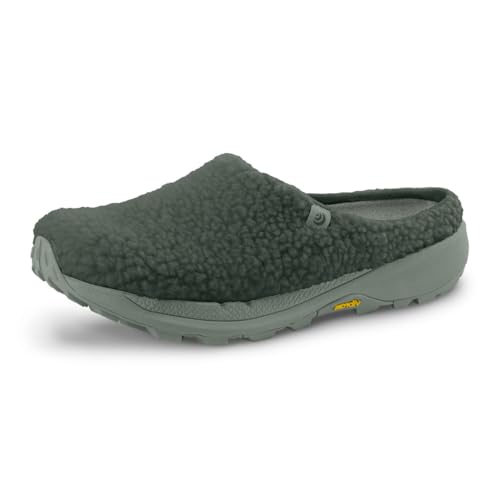
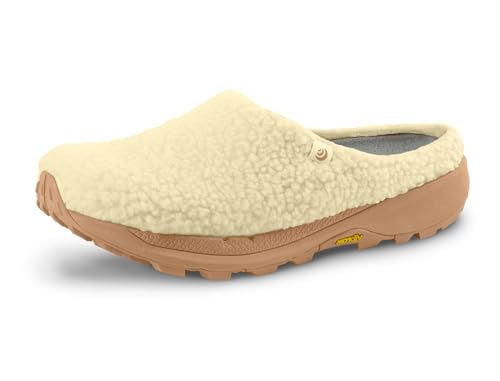
Live listings for the shortlist in this guide are pulled from Amazon below, so prices and availability are always current at the moment you look.




Common buying mistakes and how to sidestep them
The most frequent mistake in this category is buying for the first five seconds. Nearly every athletic slipper feels wonderful for five seconds, because fresh foam and a warm shop floor flatter everything. The differences that matter reveal themselves at minute twenty, when a strap edge has had time to press, an arch contour has had time to prod, and a soft sole has had time to bottom out under a tired heel. Any trial shorter than a proper indoor walk around your own home is measuring novelty rather than fit. Give a new pair an honest evening, on your own floors, after an actual session, before deciding that the search is over.
The second mistake is importing a running-shoe size without thinking. Training shoes are fitted with socks, laces and a running gait in mind; a slipper is fitted with bare or lightly socked feet and a walking gait, on a platform whose length includes protective margins at both ends. The same number can therefore produce a different relationship between foot and shoe. Use the size as a starting point, then judge by the assembled facts: heel seated centrally, toes clear of the front edge, strap secure without marks. Numbers nominate a candidate; geometry elects it.
A third mistake is pursuing maximum cushioning as though softness were the whole definition of recovery. Beyond a certain point, additional softness costs stability, durability and stair confidence, and the wearer pays for the trade every evening in small, unnoticed compensations. Moderate specifications chosen deliberately outperform extreme specifications chosen by slogan. The same logic applies to arch height, stack height and strap tightness: in each case the middle of the range exists because most feet, most evenings, live there.
Keeping expectations in proportion
Finally, remember what a successful purchase looks like after the novelty fades. It looks like nothing. The slipper is simply there, by the door or the bed, doing its quiet work without becoming a topic of thought. You stop evaluating the foam and start forgetting it, which is the highest compliment household footwear can earn. If a pair keeps demanding attention after a fair trial, through pressure, slipping, heat or noise, believe the evidence of your own evenings over any description, including the careful ones in this guide. Feet are the final reviewers in this category, and their verdict, delivered one ordinary evening at a time, is the only one that has ever counted.
One more habit separates satisfied owners from serial returners: they write down, however briefly, what the previous pair taught them. A note in a phone recording that the arch felt high in month three, that the strap loosened by summer, or that the sole stayed grippy on the bathroom tile for a full year turns the next purchase into an informed revision rather than a fresh gamble. Footwear memory is surprisingly short, and the details that matter are exactly the ones that fade first. Three honest sentences, recorded while the old pair is still in front of you, are worth more than an hour of browsing descriptions written for everybody and therefore for nobody in particular. Keep the note with your training log, where it belongs, and let the next decision begin from evidence gathered on your own feet, across your own floors, in the ordinary evenings that this category was invented to improve.
There is also a social detail worth a sentence or two, because these slippers are worn in shared spaces more than bedroom footwear ever is. A design that looks like deliberate athletic equipment reads naturally in a gym, a clubhouse or a holiday rental shared with training partners, sparing the wearer the small self-consciousness of padding through public rooms in something unmistakably meant for bed. That ease is not a specification, and it will never appear on a size chart, yet it influences whether the pair actually gets worn after every session or quietly abandoned in a locker. Footwear that fits the setting gets used, and footwear that gets used is the only kind that can do its job at all.