Our Top Picks
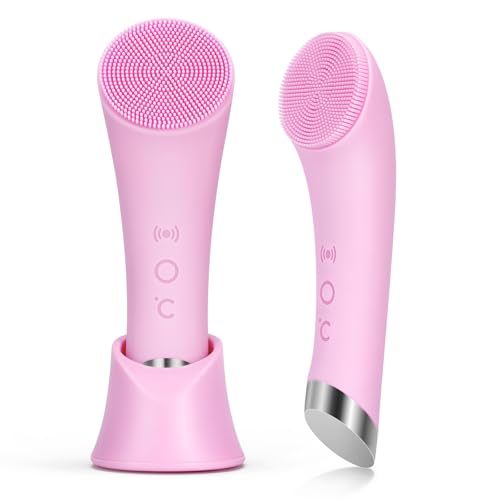
 Michael Todd Beauty Soniclear Face Brush 2026 Allure1 Count (Pack of 1)6.38 x 2.25 x 2.75 inchesCheck on Amazon


What's inside
- What a cleansing machine can and cannot do
- Silicone heads: touchpoints, hygiene, and feel
- Bristle heads: filaments, density, and replacement discipline
- Motion types: rotation, oscillation, and sonic vibration
- Waterproofing, batteries, and charging in real bathrooms
- Matching a device to your skin and your routine
- Cleansers, technique, and the session itself
- Cleaning the cleaner: device care and head hygiene
- Common problems and how to read them
- Safety, sensitive claims, and sensible limits
- Attachments, second heads, and what the extra pieces really do
- The real cost of ownership across two years
- Building a routine that survives real life
- How to compare two devices side by side on paper
- When hands alone are the better tool
- Check prices on Amazon
- A short buying checklist and closing thoughts
As an Amazon Associate I earn from qualifying purchases. This post may contain affiliate links at no extra cost to you.
A face cleansing machine promises to do with motion what fingertips do with effort: spread cleanser evenly, lift sunscreen and sebum from around the nose and hairline, and rinse away the day without scrubbing. The category looks simple from the outside, a handle, a head, a button, yet the designs inside it disagree about almost everything that matters. One school trusts thousands of soft silicone touchpoints trembling at high frequency. Another trusts a rotating or oscillating brush of fine synthetic filaments. A third barely moves at all, relying on gentle pulsation and warm water.
Choosing well starts with understanding that the head material and the motion are separate decisions, even though marketing often fuses them into a single brand story. Silicone heads almost always pair with sonic vibration, because silicone nubs cannot scrub in the bristle sense. Bristle heads pair with rotation, oscillation, or sonic vibration depending on the maker. Each combination behaves differently on oily, dry, sensitive, and mature skin, and each carries a different burden of replacement heads, cleaning chores, and bathroom-shelf clutter across a year of twice-daily or twice-weekly use.
This guide is built from published specifications and manufacturer documentation: stated oscillation frequencies, speed settings, ingress protection ratings, battery capacities, charging methods, head replacement intervals, and the care instructions makers print in their manuals. Where documentation makes a claim about gentleness or suitability for a skin type, the sections below explain the mechanism behind the claim, so a reader can judge whether the reasoning applies to their own face rather than accepting a label at face value.
A cleansing device is also a habit purchase disguised as a hardware purchase. A machine used calmly four evenings a week will do more for most faces than an elaborate device abandoned in a drawer by February because its head felt harsh, its charger lived in another room, or its replacement schedule felt like a subscription in disguise. Comfort, charging convenience, and cleaning effort therefore carry as much weight in this guide as frequency figures and motor descriptions, because adherence is the ingredient no specification sheet can supply.
What a cleansing machine can and cannot do
The honest starting point is mechanical. A device spreads a cleanser across skin with more even pressure and more consistent coverage than fingertips usually manage, especially in the creases beside the nose, along the jaw, and at the hairline where makeup and sunscreen collect. Its moving head loosens surface debris and spent product so rinsing carries them away. That is the whole of the core function, and it is genuinely useful, particularly for people who wear long-wear sunscreen or makeup and find that a single pass with hands leaves residue behind on a cotton pad afterwards.
What a device cannot do is equally important. It does not extract blackheads by force of personality, it does not shrink pores, which have no muscle to close, and it does not replace the chemistry of the cleanser itself, which does the actual work of dissolving oils. Aggressive use does not deepen the clean in any useful sense; it mostly raises the risk of irritation, because skin is a barrier to be kept intact, not a surface to be scoured. Manufacturer guidance across the category converges on short sessions, light pressure, and letting the motion do the work, and that convergence is worth trusting.
Frequency of use is a personal variable that documentation treats carefully. Some makers describe daily use for their gentlest silicone designs, while bristle systems often suggest starting a few times a week. Skin response decides the real schedule: persistent tightness, flaking, or new sensitivity after sessions is information, not a phase to push through. People using prescription retinoids, strong exfoliating acids, or recovering from procedures should treat any powered cleansing as a question for their clinician, because a device that is unremarkable on resilient skin can be entirely wrong on compromised skin.
Expectations about glow deserve a sentence of their own. Skin often looks brighter after consistent gentle cleansing simply because surface buildup dulls light reflection, and removing that buildup reliably is a modest, real benefit. It is not a transformation, and any documentation promising transformation should lower your confidence in everything else the same maker publishes. The devices in this category are best understood as consistency tools: they standardise pressure, timing, and coverage, and consistency is what most skincare routines actually lack.
Silicone heads: touchpoints, hygiene, and feel
A silicone cleansing head is a moulded surface covered in short, flexible touchpoints of varying lengths, often arranged in zones: finer points for cheeks, slightly sturdier clusters for the T-zone, and a textured patch for the nose. The material is non-porous, so it does not absorb cleanser or harbour residue inside its structure the way a fibrous head can. After use it rinses clean under the tap in seconds and dries quickly, which is the practical foundation of its hygiene reputation. There is nothing to replace on a schedule, because the touchpoints do not splay or wear like filaments.
The feel of silicone is distinctive and divides opinion. On wet skin with a gel or cream cleanser, the touchpoints glide and tremble, producing a sensation more like a rapid massage than a scrub. People who dislike any sense of abrasion usually take to it immediately. People who equate cleanliness with a squeaky, brushed feeling sometimes judge silicone as doing nothing, even while a cotton pad afterwards shows it has done the job. That perception gap matters, because a device that feels ineffective gets pressed harder into the face, and pressing harder is the one input that reliably makes outcomes worse.
Silicone grades and touchpoint geometry vary more than the category’s sameness suggests. Softer, longer points flex away from pressure and suit reactive skin. Shorter, denser points transmit more of the motor’s motion and give oily zones a more assertive session. Some heads curve to follow the contours beside the nose; flatter heads cover cheeks efficiently but bridge over creases. Manufacturer diagrams usually show the zoning clearly, and matching the zoning to where your own residue collects, chin, hairline, or nose wings, is a better selection method than counting total touchpoints, a figure with no standard behind it.
Durability is silicone’s quiet advantage. A well-made head tolerates years of use, resists the bathroom’s humidity, and never demands a replacement purchase to keep working as designed. The trade-off is that the experience never changes either: a bristle user can switch from a normal head to a sensitive head as skin changes with season or age, while a silicone user owns the one texture the maker moulded. For households sharing a device, silicone also wins on practicality, since a quick wash makes the head ready for the next person in a way a personal bristle head never quite does.
Bristle heads: filaments, density, and replacement discipline
A bristle cleansing head is a small brush engineered far beyond its humble appearance. Filaments are synthetic, commonly nylon or similar polymers, with tips rounded or tapered to reduce scratching, packed in tufts at densities chosen to balance contact and rinsing. The brush interacts with skin through thousands of individual tip contacts as it rotates or oscillates, sweeping cleanser across the surface and into the shallow folds where residue hides. That sweeping contact is why bristle devotees describe a polished feeling afterwards that silicone does not imitate.
Filament behaviour depends on length, thickness, and how the tufts are anchored. Longer, finer filaments flex and splay, spreading pressure and suiting larger, flatter areas. Shorter, denser arrangements hold their shape and work more assertively in the T-zone. End-rounding quality is the invisible specification: poorly finished tips can micro-scratch, which is one reason reputable makers describe their tip processing in documentation while no-name heads say nothing. If a replacement head’s maker cannot describe its filament material and tip treatment, that silence is itself buying information.
Replacement discipline is the bristle system’s defining obligation. Manuals across the category direct users to replace heads at intervals of roughly a few months, because filaments fatigue, splay, and accumulate residue at their bases despite rinsing. A splayed head cleans unevenly and can feel scratchier as bent filaments present their sides rather than their tips. The ongoing cost and the calendar discipline are real, and they belong in the purchase decision from the start, not as a surprise in month four when the first replacement is due and the head is out of stock.
Hygiene care for bristles is a routine rather than a property. Rinse thoroughly after every session, shake out water, remove the head periodically to clean beneath it where cleanser creeps, and store the brush where air can reach it rather than sealed in a steamy cabinet. A cap with ventilation holes, where supplied, exists for travel rather than daily storage. Households that enjoy this kind of upkeep find it trivial; households that know they will skip it should be honest with themselves and lean toward silicone, because a neglected bristle head undermines the very cleanliness the device was bought to deliver.
Readers with babies in the house sometimes ask whether a gentle adult head can double for infant care, and the answer is that infant skin has its own soft textiles designed for the purpose, as our guide to baby face towels explains in detail best baby face towels. Keeping adult devices and infant cloths entirely separate is the sensible rule: different skin, different products, different hygiene logic, and no benefit at all in improvising a crossover that neither manufacturer intended.
Motion types: rotation, oscillation, and sonic vibration
Rotation is the oldest motion in the category. The head turns continuously in one direction, or reverses at intervals, sweeping filaments across the skin. Rotation cleans effectively but can drag if the user presses, and it can flick cleanser if the head is lifted mid-spin. Documentation for rotating designs tends to emphasise technique: keep the head moving slowly across zones, never hold it spinning in one spot. Rotation has largely retreated to the inexpensive end of the market and to body brushes, where larger heads and hardier skin forgive its bluntness.
Oscillation refines rotation into a back-and-forth arc. The head sweeps one way, returns, and repeats, which limits drag, keeps cleanser on the face better, and gives filaments a scrubbing action without a continuous circular pull. Many respected bristle systems use oscillation for exactly those reasons. The arc angle and frequency are stated in some manuals and omitted in others; a wider, slower arc feels like polishing, while a narrow, rapid arc approaches vibration in character. Either way, oscillation rewards the same discipline: light contact, slow travel, short sessions.
Sonic vibration abandons sweeping altogether. The head vibrates at a frequency documented in the thousands of movements per minute, and the touchpoints or filaments transmit rapid micro-motion to the cleanser film on the skin. With silicone heads this is the dominant architecture, marketed on the fluid dynamics of that vibrating film loosening debris without abrasion. The sensation is a hum rather than a scrub. Frequency figures impress on paper, but amplitude matters just as much and is rarely published, so treat frequency as a category indicator rather than a league table: it confirms the motion type, not a ranking of merit.
Some devices layer additional features onto the core motion: a warming plate for the eye area, a cooling surface, a massage pattern on the reverse side, or app-connected routines. Documentation separates these extras from cleansing performance, and readers should too. A massage back panel may be a pleasant ritual addition, but it does not cleanse, and paying a premium for features bolted onto a mediocre head repeats the oldest mistake in this category. Judge the cleansing system first, on head material, motion, speeds, and care burden, and let extras break ties only between devices that already satisfy those fundamentals.
Speeds, timers, and pressure signals
Multiple speed settings sound like a luxury until skin changes with the seasons. A face that tolerates the standard setting in humid summer may want the gentlest setting in heated, dry winter air, and a device with two or three documented intensities adapts instead of being retired to the drawer. Sensitive-skin modes typically combine the lowest intensity with a recommendation for the softest head, and that pairing, stated plainly in better manuals, is the configuration reactive skin should start from regardless of what the standard mode promises.
Built-in timers impose the discipline users rarely impose on themselves. Common arrangements pulse briefly at intervals to prompt moving to the next zone, then stop automatically after a full session of one or two minutes. That structure prevents the most common misuse in the category, lingering on one cheek while thinking about something else. When comparing models, note whether the timer can be overridden and whether the device remembers the last speed used, because small behavioural details like those decide whether the machine supports a routine or quietly fights it every evening.
Pressure feedback, where fitted, addresses the category’s cardinal sin directly. Some designs dim, pulse, or change tone when the user pushes too hard, training a lighter touch over the first weeks of ownership. It is an unglamorous feature with outsized value for people transitioning from manual scrubbing habits, who reliably press a powered head as if it were a cloth. Documentation that describes a pressure alert is describing a maker who understands how their device is actually misused, and that understanding tends to show up in the rest of the manual as well.
Waterproofing, batteries, and charging in real bathrooms
A cleansing device lives in water, so its ingress protection rating is a core specification rather than fine print. Documentation expresses this as an IP code, where the final digit describes water resistance from splashes up through immersion. A rating covering powerful jets and brief immersion suits a device kept in the shower and used there daily. A lower splash rating suits a basin-only device that gets rinsed under the tap. Match the rating to the honest location of your routine, and remember that ratings assume seals and charging-port covers are intact and closed, which ageing and careless reassembly gradually undermine.
Battery architecture divides the category into rechargeable designs and a shrinking minority using replaceable cells. Rechargeable models state capacity indirectly through claimed sessions per charge, and those claims deserve the usual translation: a maker quoting weeks of use typically assumes one short session a day at a moderate setting. Twice-daily users on the highest intensity should expect a fraction of the headline figure and judge accordingly. What matters practically is whether charging is a monthly non-event or a weekly chore, because a device that is flat gets skipped, and skipped sessions are where routines quietly die.
Charging method shapes that convenience more than capacity does. A magnetic or contact base that the device rests on between uses keeps it perpetually ready and gives it a home on the shelf. A cable that must be plugged into a port under a flap invites procrastination and moisture anxiety in equal measure. Inductive stands cost more to make and show it in the ownership experience every single day. When documentation shows the charging arrangement clearly, picture your own shelf, your own socket positions, and your own tolerance for a cable trailing across the basin before admiring the head design.
Travel behaviour follows from the same choices. A device holding a charge for weeks needs no cable on a two-week trip, which is a genuine quality-of-life advantage for frequent travellers. Voltage compatibility for chargers, where a plug-in charger exists at all, should be confirmed in the manual rather than assumed. A lock function that prevents the motor starting inside a suitcase is a small documented feature that seasoned travellers learn to value after one vibrating-bag incident at a security check, and its presence or absence is easy to verify before purchase.
Matching a device to your skin and your routine
Oily and combination skin is the category’s home ground. Residue collects in the T-zone, sunscreen binds stubbornly, and a device used with a suitable gel cleanser brings consistency to exactly the areas fingers rush. Silicone with zoned touchpoints or a bristle system on a moderate setting both serve this skin type well, and the deciding factors become care preference and replacement tolerance rather than cleansing power, which every credible design has in surplus for this job. Overuse remains the main risk: oily skin invites enthusiasm, and twice-daily maximum-intensity sessions can provoke the very oiliness and sensitivity the user is trying to escape.
Dry and mature skin asks for restraint engineered into the routine. The gentlest documented setting, the softest head, lukewarm rather than hot water, and a cream or balm cleanser that cushions the motion all matter more than the badge on the handle. Sessions can be shorter and less frequent, perhaps evenings only, with mornings given to a simple rinse. Mature skin also bruises and marks more readily, so pressure feedback and an automatic timer stop being luxuries. The goal is removing the day without stripping the barrier that dry skin rebuilds slowly and defends poorly.
Sensitive and reactive skin should start from the maker’s own sensitive configuration, not from the standard one dialled down by guesswork. That means the dedicated sensitive head where a bristle system offers one, or the softest silicone zoning, the lowest intensity, and a patch of patience: introduce the device a few evenings a week, watch for delayed reactions over a fortnight, and increase only if the skin stays calm. Anyone whose sensitivity has a diagnosed cause should let their clinician’s guidance override any manual, because manuals are written for the broad middle of the population, not for managed conditions.
For readers whose skin prefers the softest possible contact on off days, our comparison of bath towels chosen for softness covers the fabrics that treat a freshly cleansed face kindly best bath towels for softness. Patting dry with a soft, clean towel rather than rubbing with a coarse one preserves what a gentle cleansing session achieved, and keeping a small rotation of face-only cloths, changed frequently, closes the loop between device hygiene and textile hygiene that this category too often treats as separate subjects.
Makeup wearers should think in terms of stages. A cleansing device is not a makeup remover in the first instance; bulk product comes off better with a dedicated remover or a first cleanse with hands and an oil-based product, after which the device performs the second cleanse it is actually good at. Expecting the head to plough through foundation directly overloads it with pigment, stains light-coloured bristles, and lengthens every session. Staged cleansing also protects the device, because pigments and waterproof mascara residues are the substances that age heads fastest and resist rinsing most stubbornly.
Beards and heavy stubble change the geometry rather than the principle. A device works on the exposed skin of the forehead, nose, and cheeks exactly as usual, while bearded zones are generally better served by fingertips working cleanser down to the skin beneath the hair. Forcing a bristle head through a beard tangles filaments and irritates the skin under it, and silicone touchpoints simply skate over the hair. Partial-face routines are normal and sensible, and documentation aimed only at smooth skin should not bully bearded users into a full-face performance the hardware was never shaped to deliver.
Cleansers, technique, and the session itself
The cleanser matters as much as the machine, and manuals are consistent about the pairings. Foaming gels and gentle cream cleansers suit powered devices well, spreading into a lubricating film the head can ride on. Products containing coarse scrub particles should not be combined with a powered head, because the device multiplies their abrasion beyond anything the formulator intended. Oil cleansers work with some designs and defeat others by coating touchpoints and filaments in a film that rinses poorly, so the manual’s own list of compatible cleanser types should govern, not habit.
Technique is brief to describe and slow to master. Wet the face and the head, apply cleanser to skin or head as the maker directs, and move the device in small, slow passes across zones: forehead, nose and chin, each cheek, jawline last. Let the head maintain light contact throughout, the way a toothbrush is meant to rest rather than press. Rinse the face, then rinse the head while it is still easy, before residue dries into the base of the touchpoints or filaments. The whole session, timer included, should feel unhurried and slightly boring; drama in a cleansing routine is a warning sign.
Water temperature deserves its own sentence because it quietly governs comfort. Lukewarm water opens nothing, since pores do not open and close like doors, but it does keep cleanser performing as formulated and avoids the barrier stress of hot water, which strips lipids enthusiastically with or without a device present. A session that ends with skin feeling comfortable and neutral, neither tight nor filmed, is calibrated correctly. Tightness marketed as squeaky cleanliness is the barrier asking for mercy, and a gentler setting or richer cleanser is the correct response, not a richer moisturiser applied as an apology afterwards.
Sharing and household logistics need one clear rule: heads are personal. A silicone handle can be shared between partners if the head is washed thoroughly and both users accept the arrangement, but bristle heads should be treated like toothbrush heads, one per person, full stop. Colour-coded replacement heads exist for exactly this reason. Guests should never be offered the household device as a hospitality gesture; a clean soft cloth and a gentle cleanser serve a guest better and keep everyone’s hygiene boundaries comfortably intact.
Cleaning the cleaner: device care and head hygiene
Daily care takes under a minute and decides the device’s long-term reputation in your household. Rinse the head until the water runs clear, work a fingertip around the base where cleanser collects, shake off excess water, and leave the device where air circulates. Silicone tolerates an occasional wash with mild soap across the whole head surface. Bristle heads benefit from a weekly deeper rinse and a check for trapped hairs or fibres wound around the central tufts, which change how the head sits against skin.
Because residue control is the theme here, readers may also find value in our guide to antimicrobial towels for the cloth side of the same routine best antimicrobial towels. Device and textile hygiene support each other: a scrupulously rinsed cleansing head followed by a sour, overdue-for-washing towel is a routine at war with itself. Coordinating the two, fresh face cloths on a short rotation and a device rinsed after every session, produces the consistently clean contact that each purchase was separately hoping to achieve.
Monthly care extends to the handle and charging contacts. Wipe the body with a damp cloth, inspect the seal around any charging port, and clean contact points gently if the maker describes a charging stand, because soap film insulates contacts and produces mysterious failures to charge. Descaling is not part of this category’s life, but hard-water deposits do crust on stands and around port covers in hard-water homes, and a soft cloth with plain water removes them before they interfere with seals. Store the device dry, upright where possible, and out of direct sun, which ages both polymers and battery cells.
Battery stewardship is simple and widely documented. Rechargeable cells prefer regular partial use over being left flat for months or held at full charge in a hot cabinet indefinitely. A device used in a normal routine and charged when it asks is already living the recommended pattern. If a device will be stored, the manual’s guidance on charge level for storage is worth the thirty seconds it takes to read, because a battery allowed to die completely in a drawer may never accept a charge again, turning a paused routine into a replacement purchase.
Common problems and how to read them
Skin that protests after a new device arrives is giving diagnostic information. Breakouts clustered where the head lingers suggest sessions are too long or too frequent, or that residue is being spread rather than removed because the head needs a deeper clean. Redness that fades within the hour points to pressure; redness that persists points to the cleanser pairing or a head texture the skin simply rejects. The correct response is to step down intensity, shorten sessions, and change one variable at a time, exactly as the troubleshooting pages of better manuals lay out, rather than abandoning the device or doubling down in frustration.
A head that feels rougher than it did when new has usually changed physically. Bristles splay and fatigue, and a head overdue for replacement presents filament sides and stray tips to the skin. Silicone touchpoints can tear at their bases if the head has been scrubbed against rough surfaces or stored crushed under bottles, and a torn point drags. Inspecting the head monthly under a good light catches both stories early. Replacement intervals in documentation are not salesmanship in these cases; they are the maker’s honest estimate of when geometry stops matching the design.
Mechanical complaints follow familiar patterns. A motor that sounds strained may be driving a head clogged at its base or a device habitually pressed too hard. A device that stops mid-session may be enforcing its timer, reporting a low battery, or protecting itself from overheating after back-to-back shared use. Charging failures usually trace to filmed contacts, a port cover not fully opened or closed, or a cable substituted with one that cannot deliver the expected current. The manual’s fault section, unglamorous as it is, resolves the majority of these without any replacement part being ordered.
Finally, there is the problem of the abandoned device, the most common failure in the category and the only one no engineer can fix. It happens when the routine the device demands exceeds the routine the owner will perform: heads to replace, cables to find, settings to remember. Reading your own habits honestly before purchase is the prevention. A simpler device used for years outperforms a sophisticated one used for a month on every measure that touches skin, which is why this guide keeps returning to care burden and charging convenience as first-order specifications rather than footnotes.
Safety, sensitive claims, and sensible limits
Electrical safety in a wet room is the foundation everything else stands on. Buy devices whose documentation names the safety standards they meet in your market, keep charging equipment out of the shower itself unless the maker explicitly designs and rates it for that position, and never use a device with a cracked housing or a damaged seal, because water inside a powered handle converts a skincare tool into a fault waiting for a moment. These are not exotic precautions; they are the ordinary respect owed to any appliance that lives beside a basin.
Claims language deserves the same calm scrutiny. Documentation may describe a device as dermatologist reviewed, hypoallergenic in its materials, or suitable for sensitive skin, and each phrase has a narrower meaning than it first suggests. Materials claims concern contact reactions to the head and housing. Suitability claims assume the maker’s own sensitive configuration and schedule. None of them promise that a particular individual’s eczema, rosacea, or allergy will tolerate the device, and reputable makers say so in their fine print. Reading that fine print is not cynicism; it is how a reader separates engineering information from atmosphere.
Certain situations call for pausing or avoiding powered cleansing altogether: broken or sunburned skin, active flare-ups of inflammatory conditions, recent cosmetic procedures, and any area a clinician has told you to leave undisturbed. Children and teenagers do not need powered cleansing as a default, however much shelf envy they express, because young skin generally needs only a gentle cleanser and hands. A device is a tool for specific adult routines, chiefly stubborn sunscreen, makeup residue, and inconsistent manual technique, and keeping its role that specific is what makes it safe and useful.
One textile note completes the safety picture, because what touches the face immediately after cleansing matters too, and our notes on low-lint bath towels explain why shedding fibres are unwelcome on freshly cleansed skin best bath towels no lint. A dedicated, frequently changed face cloth or towel, chosen to leave nothing behind, is the correct partner for any device in this guide. The machine standardises the wash; the cloth should standardise the drying, with the same intolerance for residue in both halves of the routine.
Attachments, second heads, and what the extra pieces really do
Many devices arrive with more than one head in the box, and the extras follow a pattern worth decoding. A standard head handles daily cleansing. A softer or sensitive head duplicates that job at lower intensity for reactive days. A firmer exfoliating head, where offered, is intended for occasional use on resilient areas rather than as a daily driver, and its documentation usually says so in unusually plain language. A small precision head may target the sides of the nose and the chin crease. Reading each head’s stated purpose before the first session prevents the common error of treating the firmest head as the default because it was fitted on the handle in the packaging.
Body and foot attachments extend some handles beyond the face, and they should be judged as separate tools sharing a motor. A large body brush works on shoulders and backs where skin tolerates more assertive contact, while a pumice-style foot attachment belongs nowhere near a face routine and should be stored separately so nobody reaches for it half asleep. The convenience of one handle is real, especially in a small bathroom, but cross-using heads between face and body defeats the hygiene logic that runs through this entire category. If a household wants both functions, dedicated heads kept in separate places are the honest way to have them.
Massage and applicator attachments occupy a greyer area. A smooth massage head can help spread a serum or moisturiser evenly and gives the handle a second life in an evening routine, which some owners genuinely enjoy. It does not cleanse, and its presence should not inflate what a household is willing to pay for a cleansing device. The test is simple: would this box still be good value if the massage head stayed in its tray forever? If the answer is no, the household is buying the accessory and tolerating the cleanser, which is the wrong way round for a purchase that lives or dies on daily cleansing satisfaction.
Storage cases, stands, and travel pouches complete the accessory picture, and here the humble details matter disproportionately. A stand that holds the device upright with its head exposed to air supports the drying that hygiene depends on. A sealed travel case is right for a suitcase and wrong for a steamy shelf. A pouch that fits the device but not its charger guarantees a flat battery in a hotel bathroom eventually. Documentation photographs these arrangements without comment, so the reader must supply the judgement: picture each accessory in your own room, in your own routine, before counting it as value.
The real cost of ownership across two years
The purchase price of the handle is only the opening payment in this category, and the shape of what follows depends entirely on head architecture. A silicone device asks for almost nothing further: no replacement heads, modest electricity, perhaps a new charging cable if the original is lost. Its two-year cost is therefore close to its shelf price, which is a large part of its appeal to households tired of consumables. The risk it carries instead is total loss: if the battery dies outside warranty in a sealed design, the whole device is finished rather than a single part.
A bristle system spreads its cost across time. Replacement heads at the documented interval, multiplied across two years and across any second user in the household, can approach or exceed the original price of the handle. That is not an argument against bristles, whose devotees consider the exchange fair for the feel they prefer, but it is an argument for doing the arithmetic before the first purchase rather than discovering it head by head. Availability matters alongside price: a head that must be hunted through third-party sellers of uncertain provenance is a future irritation that a household can price in only if it looks for it now.
Warranty and support complete the ledger. Documentation states the warranty period, what it covers, and whether the battery is treated as a consumable or as part of the device. A maker who publishes a clear support route, spare head listings, and honest battery guidance is underwriting the two-year story rather than merely the first month. Households should also weigh repairability in the broad sense: a device with replaceable heads, a standard charging arrangement, and a maker who answers questions will outlast a sealed novelty with a spectacular launch page and no support trail behind it.
There is an environmental column to the same arithmetic. Permanent silicone heads generate almost no recurring waste beyond packaging and eventual device disposal. Bristle systems generate a small plastic head every few months per user, trivial individually and noticeable across a large installed base. Neither fact should bully a decision on its own, because a device abandoned early wastes more than any head schedule does, but a household that values low waste will find the silicone architecture aligned with its preferences in the same way it is aligned with low upkeep, and can weigh that alignment openly.
Building a routine that survives real life
The first fortnight with a new device decides its fate, and a deliberate pattern helps. Begin on the gentlest documented configuration, in the evening only, when there is time to notice how skin feels the following morning. Keep every other product in the routine unchanged during that period, because introducing a new cleanser, a new acid, and a new device in the same week makes any reaction impossible to attribute. A short note on a phone, three words a day about tightness, calm, or residue, gives a clearer picture after two weeks than memory, which edits heavily in favour of whatever the most recent evening felt like.
Placement is a routine decision disguised as tidiness. A device kept where the cleansing actually happens, at the basin or in the shower its rating permits, gets used. A device stored in a bedroom drawer for safekeeping gets used on Sundays. The charger should live beside that same spot if the design allows a stand, or the household should accept a weekly charging appointment in another room and put it in the calendar like any other small obligation. Friction, not motivation, is what routines die of, and every metre between the device and the water is friction.
Seasons will renegotiate the routine whether the household plans for it or not. Winter heating dries indoor air and often calls for the gentler setting, a richer cleanser, and perhaps fewer sessions each week. Summer brings sunscreen in quantity, sweat, and a case for the thorough evening session the device was bought for. Travel interrupts everything and rewards the device that holds its charge and travels without a cable. A routine written in pencil, with the settings and frequency expected to migrate across the year, survives these changes; a routine treated as a fixed prescription tends to be abandoned at the first change it cannot absorb.
Partners and families add one more layer of choreography. Two users sharing a handle need an agreement about heads, charging, and where the device lives that both can keep without negotiation at midnight. Separate colour-coded heads, a stand both can reach, and a shared understanding that the device is rinsed by whoever used it last are the whole treaty. Households that skip this small diplomacy end up with one enthusiastic owner and one person quietly using hands again, which is a perfectly acceptable outcome as long as nobody mistakes it for a defect in the machine.
How to compare two devices side by side on paper
Paper comparison works when the same questions are asked of both manuals in the same order. Start with the head: material, zoning or filament description, and whether a sensitive option exists. Move to motion and settings, noting the lowest available intensity as carefully as the highest, because the lowest is the one reactive days will use. Then set the ownership figures beside each other: rating against water, sessions per charge, charging method, replacement interval for heads, and warranty length. Two devices that look identical in photographs routinely separate at this stage, because one maker documents everything and the other documents almost nothing beyond a frequency figure and a lifestyle image.
Weight the answers by your own failure modes rather than by an abstract ranking. A household that forgets consumables should weight the replacement interval almost punitively. A traveller should weight charge duration and cable independence. A reactive skin type should weight the gentlest configuration and the clarity of the maker’s sensitive-skin guidance. A shared bathroom should weight how the device is cleaned and stored between users. This personal weighting is not a soft extra; it is the entire method, because the category contains no single best machine, only machines whose documented strengths coincide with a particular household’s weaknesses.
Beware the comparison traps the category sets. Frequency figures cannot be compared across motion types, because a rotating brush, an oscillating head, and a vibrating silicone pad use the word differently in their own documentation. Battery claims cannot be compared without knowing the assumed session length and setting behind them. Water resistance cannot be compared as a bare yes, only as a rating with its digits intact. A comparison that respects those traps takes twenty unglamorous minutes with two manuals open, and it prevents the far longer regret of owning the wrong device at the right specification.
When hands alone are the better tool
An honest guide to powered cleansing should name the situations where the powered option loses. A simple routine of a gentle cleanser, lukewarm water, and unhurried fingertips serves many faces completely well, particularly faces that wear little sunscreen or makeup and have never struggled with residue. Post-procedure skin, flaring skin, and skin under active dermatological treatment all belong to hands and professional guidance. So does any face whose owner simply dislikes devices, because a resented routine collapses regardless of its theoretical merits, and a calm manual routine performed daily beats a superior powered one performed resentfully twice a month.
There is also a diagnostic use for a pause. If skin has become unsettled and the cause is unclear, returning to hands and a single known cleanser for a few weeks simplifies the picture in a way no setting change can. The device can then be reintroduced alone, on its gentlest configuration, and its contribution, good or bad, becomes legible. Manufacturers rarely print this advice, because it involves not using their product for a while, but it follows directly from the one-variable-at-a-time logic their own troubleshooting pages recommend, and it has rescued more routines than any replacement head ever has.
None of this diminishes the category. It locates it. A cleansing machine is a consistency instrument for people whose manual routine leaves residue, whose sunscreen is stubborn, or whose technique needs the discipline of a timer and a fixed motion. Bought for those reasons, matched to its head material and care burden, and used with the restraint its own manual describes, it earns its shelf space quietly, evening after evening, which is the only endorsement in skincare that has ever meant very much.
One last consideration belongs to the bathroom itself rather than the face. A cleansing device joins an ecosystem of towels, cloths, mirrors, and sockets, and it behaves best when that ecosystem is arranged for it: a hook or stand within reach of the basin, a small stock of clean face cloths in the same cupboard, a bin close enough that a spent cotton pad never becomes a reason to skip the second cleanse, and lighting honest enough to show residue rather than flatter it away. None of these arrangements costs much, yet together they decide whether the careful routine described in the manuals survives contact with an ordinary Tuesday evening, when time is short, the mirror is steamed, and every extra step between the tap and the towel is a step the routine is quietly negotiating to lose.
Price bands in this category map loosely onto architecture rather than onto cleansing quality in any simple line. The simplest rotating brushes occupy the lowest band and ask the most of technique. Oscillating bristle systems and the better silicone designs share the crowded middle, where documentation quality varies widest and careful reading pays best. Premium designs add sealed construction, refined stands, pressure feedback, and longer warranties, which are ownership qualities rather than cleansing miracles. A household comparing across bands should therefore ask what each step upward actually buys in its own terms, head, motion, sealing, support, and refuse to pay a premium for a number, a colour, or a celebrity association that no manual can translate into a calmer face.
Check prices on Amazon
Live listings for the shortlist in this guide are pulled from Amazon below, so prices and availability are always current at the moment you look.

A short buying checklist and closing thoughts
Confirm the fundamentals from documentation before anything else: head material and whether heads are replaceable or permanent, motion type with its stated frequency or arc, the number of speed settings and whether a dedicated sensitive configuration exists, the ingress protection rating against your intended location, sessions per charge with the charging method, and the replacement interval and availability for bristle heads where fitted. Add the timer behaviour and any pressure feedback, because those two features protect beginners from the category’s commonest mistakes. A maker who publishes all of that plainly is a maker expecting to be compared, which is the healthiest sign in this market.
Then be honest about the ownership pattern. Silicone rewards the household that wants near-zero upkeep and a head that is ready for anyone after a rinse. Bristles reward the household that enjoys a polished feel and will keep a replacement calendar without resentment. Sonic motion rewards those who dislike abrasion; oscillation rewards those who want a familiar brush sensation with better manners than rotation. No single approach wins in the abstract. Each is the correct answer for a particular face, shelf, and temperament, and the match, not the machinery, decides satisfaction.
A note on how this guide is funded, since transparency belongs in every buying decision: the research behind these pages rests on published specifications and manufacturer documentation gathered and compared independently. As an Amazon Associate we earn from qualifying purchases.
Pick the machine whose head you will happily rinse on a tired evening in midwinter, whose charger already has a home in your bathroom, and whose gentlest setting you trust on your most reactive day, because that unglamorous machine is the one still earning its place on your shelf when the novelty of every rival has long since faded.